Unit 3 - soy(wo) Edition

0.0(0)
Studied by 13 people
call kaiCall Kai
learnLearn
examPractice Test
spaced repetitionSpaced Repetition
heart puzzleMatch
flashcardsFlashcards
GameKnowt Play
Card Sorting

1/30

flashcard set

Earn XP

Description and Tags

Epistemology and the three dudes mogging John Locke

Last updated 11:30 PM on 2/11/24
Name
Mastery
Learn
Test
Matching
Spaced
Call with Kai

No analytics yet

Send a link to your students to track their progress

31 Terms

1
New cards

What is Epistemology?

The study of knowledge - the validity, scope, and methods of our information. Philosophers use it to investigate what differentiates belief from opinion.

<p>The study of <strong>knowledge </strong>- the validity, scope, and methods of our information. Philosophers use it to investigate what differentiates belief from opinion. </p>
2
New cards
<p>What is <strong>Empiricism</strong>? </p><p>Which of the philosophers use it?</p>

What is Empiricism?

Which of the philosophers use it?

Empiricism is the philosophical movement based on the rejection of Innate knowledge, saying that ideas come from our interactions and experiences with the world via the five senses.

Empiricists believe that knowledge as acquired through A Posteriori Reasoning, unlike the rationalist A Priori thinks like Descartes and Kant.

Empiricism is used by John Locke, Berkeley, and Hume; so basically everyone except Kant.
<p><strong>Empiricism </strong>is the philosophical movement based on the <strong>rejection of Innate knowledge,</strong> saying that ideas come from our interactions and <strong>experience</strong>s with the world via the five senses. </p><p><em>Empiricists believe that knowledge as acquired through A Posteriori Reasoning, unlike the rationalist A Priori thinks like Descartes and Kant.</em></p><p>Empiricism is used by <strong>John Locke</strong>, <strong>Berkeley</strong>, and <strong>Hume</strong>; so basically everyone except Kant.</p>
3
New cards
<p>How does <strong><span>The Law of Non-Contradiction</span></strong><span> disprove innate ideas?</span></p>

How does The Law of Non-Contradiction disprove innate ideas?

The law of contradiction is the logical fact that something cannot be “X and not X” at the same time.

Therefore there are no innate ideas because they say all men have the same ideas, and yet not everyone ever has the same idea.
<p><em>The law of contradiction is the logical fact that something cannot be “</em><strong>X </strong><em>and </em><strong><em>not </em>X</strong><em>” at the same time</em>.</p><p>Therefore there are<strong> no innate ideas</strong> because they say all men have the same ideas, and yet <strong>not everyone ever has the same idea.</strong></p>
4
New cards
<p>What is Locke’s concept of the “<strong>Tabula Rasa</strong>”?</p>

What is Locke’s concept of the “Tabula Rasa”?

Locke thinks the mind starts as a blank slate, and that understanding is built up over time upon an empty mind. 

All knowledge originates in experience - specifically from our sense perception.

Locke uses infancy as evidence for this, as newborns are inept at reasoning and have no trace of inherent knowledge. They only form a concept of the world around them via the stimulation of their senses.

<p>Locke thinks <strong>the mind starts as a blank slate</strong>, and that understanding is built up over time upon an empty mind.&nbsp;</p><p>All knowledge originates in experience - specifically from our sense perception.</p><p><em>Locke uses infancy as evidence for this, as newborns are inept at reasoning and have no </em><strong><em>trace of inherent knowledge.</em></strong><em> They only form a concept of the world around them via the </em><strong><em>stimulation of their senses.</em></strong></p>
5
New cards
<p>What is Locke’s <strong>Representational Theory</strong> and Kant’s version of the <strong>Correspondence theory of Truth</strong>? What do they agree on?</p>

What is Locke’s Representational Theory and Kant’s version of the Correspondence theory of Truth? What do they agree on?

Kant and Locke both agree that our knowledge of the world is always brought about through our own sensibility. 

They differ on how they treat the “Veil of perception” regarding the appearance of objects vs how they actually are:

Locke thinks that the primary qualities of an object tell you about the thing-in-of-itself, i.e. the pure form of the object that is undeniable.

Kant thinks that primary qualities are equally as subjective as secondary qualities, and that they merely represent the representation of an object. He thinks the veil of perception can never be lifted.
<p>Kant and Locke both agree that our knowledge of the world is always <em>brought about </em>through our own sensibility.&nbsp;</p><p>They differ on how they treat the <strong>“Veil of perception” </strong>regarding the appearance of objects vs how they actually are:</p><p><strong>Locke </strong>thinks that the <strong>primary qualities</strong> of an object tell you about the <u>thing-in-of-itself</u>, i.e. the pure form of the object that is undeniable.</p><p><strong>Kant</strong> thinks that <strong>primary qualities</strong> are <em>equally as subjective</em> as <strong>secondary qualities</strong>, and that they merely represent the <strong>representation</strong> of an object.<em> He thinks the veil of perception can never be lifted.</em></p>
6
New cards
<p>What are <strong>Qualities</strong>? </p>

What are Qualities?

Locke thinks that Primary Qualities are inseparable from the object they are perceived in:

  • Shape

  • Motion

  • location & size

  • quantity

Secondary Qualities are subjective, and do not define the object itself:

  • Color

  • Taste

  • Smell

  • Sound

  • Temperature

<p>Locke thinks that <strong><span style="color: red">Primary </span>Qualities</strong> are inseparable from the object they are perceived in:</p><ul><li><p>Shape</p></li><li><p>Motion</p></li><li><p>location &amp; size</p></li><li><p>quantity</p></li></ul><p><strong><span style="color: blue">Secondary </span>Qualities</strong> are subjective, and <u>do not define the object itself:</u></p><ul><li><p>Color</p></li><li><p>Taste</p></li><li><p>Smell</p></li><li><p>Sound</p></li><li><p>Temperature</p></li></ul>
7
New cards
<p>What is <strong>Substance</strong>, and why is John Locke <strong>Mogged </strong>for it?</p>

What is Substance, and why is John Locke Mogged for it?

Material Substance contains primary and secondary qualities without itself being a quality.

This is a problem because John Locke’s own logic states that all you can get from sensation are primary and secondary Qualities, but he defined substance as having none. “I know not what".”

He believes all knowledge is based on things we can experience and perceive, and yet he claims that something we cannot possibly perceive exists.
<p><strong>Material Substance</strong> contains primary and secondary qualities without itself being a quality.</p><p>This is a problem because John Locke’s own logic states that all you can get from <strong>sensation</strong> are primary and secondary <strong>Qualities</strong>, but he defined substance as <em>having none. “I know not what".”</em></p><p><em>He believes all knowledge is based on things we can experience and perceive, and yet he claims that something we cannot possibly perceive exists.</em></p>
8
New cards

What is Dualism,

and where do each of the philosophers fall in line with it?

Dualism is the belief that the universe is made out of Mental substance and Material substance; a division between mind and matter.

  • John Locke was an Ontological dualist who believed in this division.

  • Berkley believes that only Mental substance exists, a key point of his immaterialism.

  • Hume, in his Skepticism, refused to pick a side and accepts neither substance as existing.

  • Kant, focusing on the faculties of the mind, seems to pick Mental Substances.
<p><strong>Dualism </strong>is the belief that the universe is made out of <strong>Mental substance </strong>and <strong>Material substance</strong>; a division between mind and matter.</p><ul><li><p><strong>John Locke</strong> was an Ontological <strong>dualist </strong>who believed in this division.</p></li><li><p><strong>Berkley</strong> believes that only <strong>Mental</strong> substance exists, a key point of his immaterialism.</p></li><li><p><strong>Hume</strong>, in his <em>Skepticism</em>, refused to pick a side and accepts <strong>neither </strong>substance as existing.</p></li><li><p><strong>Kant</strong>, focusing on the <em>faculties of the mind</em>, seems to pick <strong>Mental </strong>Substances.</p></li></ul>
9
New cards
<p>What is Berkley’s <strong><span>Critique of Abstraction</span></strong><span>?</span></p>

What is Berkley’s Critique of Abstraction?

Berkley calls Material substance an “abstraction” rather than a real thing, saying that the only things that are real are sense impressions, ideas, and the perceiver.

  • If all knowledge comes through the senses, but we have no direct experience to matter because it has no qualities, then why should we believe that substance(matter) exists?  (Get Mogged John)

<p>Berkley calls <strong>Material substance</strong> an “<strong>abstraction</strong>” rather than a real thing, saying that the only things that are real are sense impressions, ideas, and the perceiver.</p><ul><li><p><em>If all knowledge comes through the senses, but we have no direct experience to matter because it has no qualities, then why should we believe that substance(matter) exists?&nbsp; (Get Mogged John)</em></p></li></ul>
10
New cards
<p>How does Berkley’s <strong>Sense properties </strong>ruin Locke’s theory of <strong>materialism</strong>?</p>

How does Berkley’s Sense properties ruin Locke’s theory of materialism?

 Not only is matter an abstraction, but so is the division between Primary and Secondary qualities. 

  • Size can be irrelevant due to distance.

  • quantity can be mistaken if your eyes are crossed or pressed, creating double-vision.

  • shape can be irrelevant, like if you rotate a square it becomes a diamond, or if you flip a square it becomes a line. [] > | 

Berkley critiquing primary and secondary qualities both ruins Locke’s theory of materialism by destroying the foundation it was built on, and boosting his own immaterialism theory. 

<p><span>&nbsp;</span><strong><span>Not only is matter an abstraction, but so is the division between </span><span style="color: red">Primary</span><span> and </span><span style="color: blue">Secondary</span><span> qualities.</span></strong><span>&nbsp;</span></p><ul><li><p><span>Size can be irrelevant due to distance.</span></p></li><li><p><span>quantity can be mistaken if your eyes are crossed or pressed, creating double-vision.</span></p></li><li><p><span>shape can be irrelevant, like if you rotate a square it becomes a diamond, or if you flip a square it becomes a line. [] &gt; |&nbsp;</span></p></li></ul><p><em><span>Berkley critiquing primary and secondary qualities both ruins Locke’s theory of </span></em><strong><em><span>materialism </span></em></strong><em><span>by destroying the foundation it was built on, and boosting his own </span></em><strong><em><span>immaterialism </span></em></strong><em><span>theory.&nbsp;</span></em></p>
11
New cards
<p>Define <strong><em>“<span>Esse Est Percipi”</span></em></strong></p>

Define Esse Est Percipi”

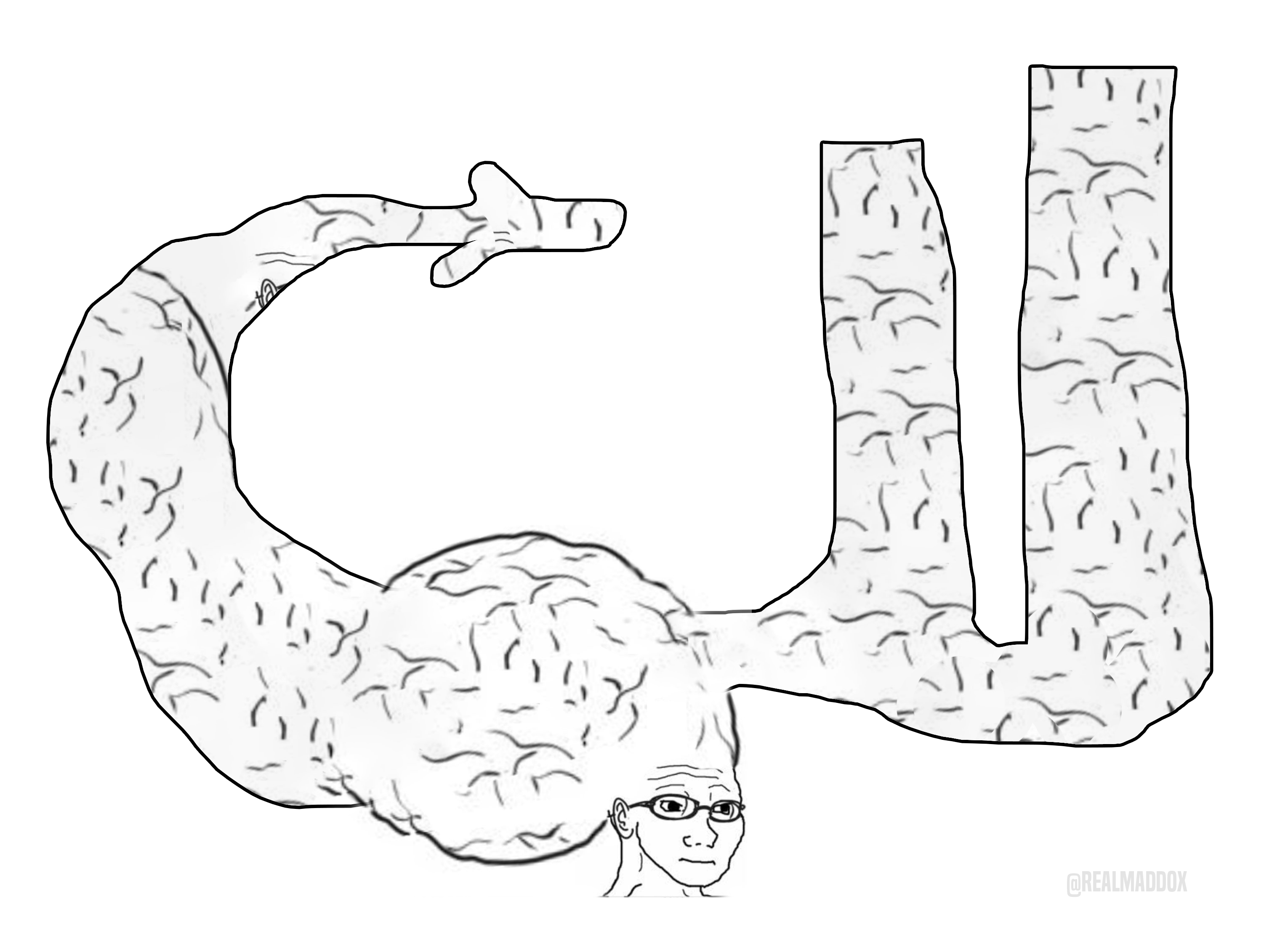
“To be is to be perceived.”

Berkley thinks the only things that exist are the things we perceive; the perceptions themselves are all that exist.

  • Shape and colors are sensations that are in us, not in objects, so matter cannot have shape or color. 

  • If we smell something, the smell is in our mind: Color is in our mind, etc.    
<p><em>“To be is to be perceived.”</em></p><p>Berkley thinks the only things that <strong>exist </strong>are the things we <strong>perceive</strong>; the <strong>perceptions </strong>themselves <strong>are all that exist.</strong></p><ul><li><p>Shape and colors are sensations that are in <strong>us</strong>, not in objects, so matter cannot have shape or color.&nbsp;</p></li><li><p>If we smell something, the smell is in our mind: Color is in our mind, etc. &nbsp; &nbsp;</p></li></ul>
12
New cards
<p>What is Berkley’s <strong><u><span style="color: green">Master Argument</span></u></strong>?</p>

What is Berkley’s Master Argument?

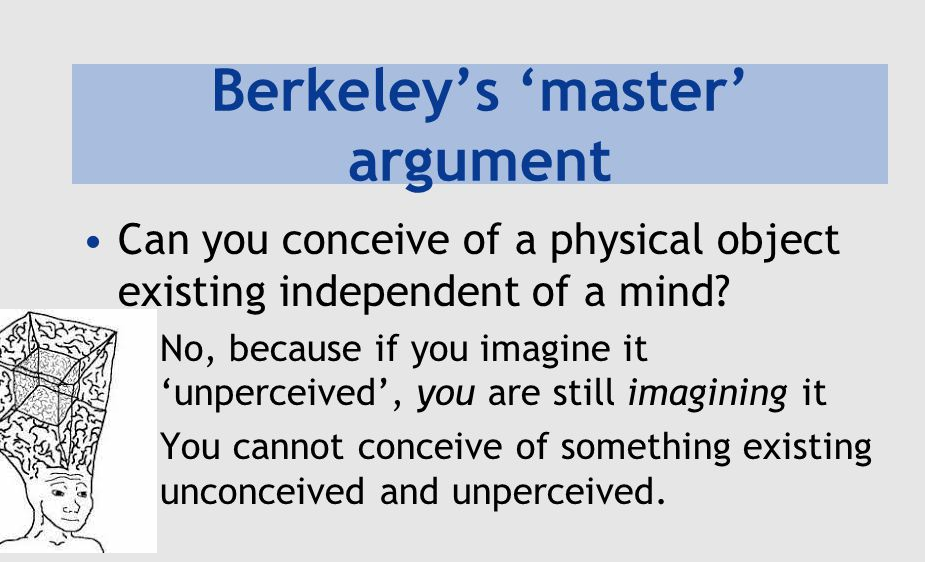
It is impossible to conceive of a reality that is independent of the mind, because by imagining it, you are using your mind! Therefore a world that does not use the mind is literally inconceivable!

<p>It is impossible to conceive of a reality that is<em> independent of the mind</em>, because by imagining it, you are using your mind! Therefore a world that does <strong>not use the mind</strong> is <strong>literally inconceivable</strong>!</p>
13
New cards
<p>What happened during the “<strong>Appeal to Stone</strong>”?</p>

What happened during the “Appeal to Stone”?

A man named Samuel Johnson kicked a stone while yelling “I REFUTE IT THUS!” in an attempt to deny Berkley’s immaterialism, but Berkley says that all there is in the world is only sense perception, so the sensation of pain did not disprove him.
<p>A man named <strong>Samuel Johnson</strong> kicked a stone while yelling <em>“I REFUTE IT THUS!”</em> in an attempt to deny Berkley’s immaterialism, but Berkley says that <strong>all there is in the world is only sense perception</strong>, so the sensation of pain did not disprove him.</p>
14
New cards
<p>What is Berkley’s <strong>God </strong>and how does he <em>maintain the universe</em>?</p>

What is Berkley’s God and how does he maintain the universe?

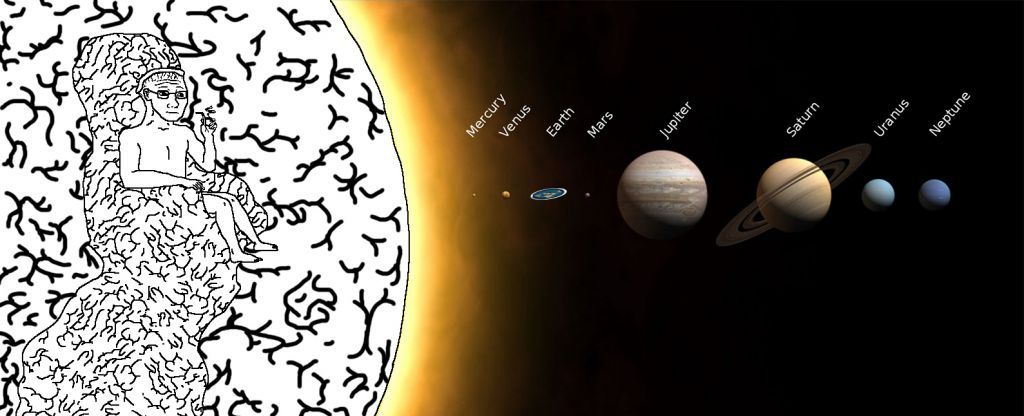
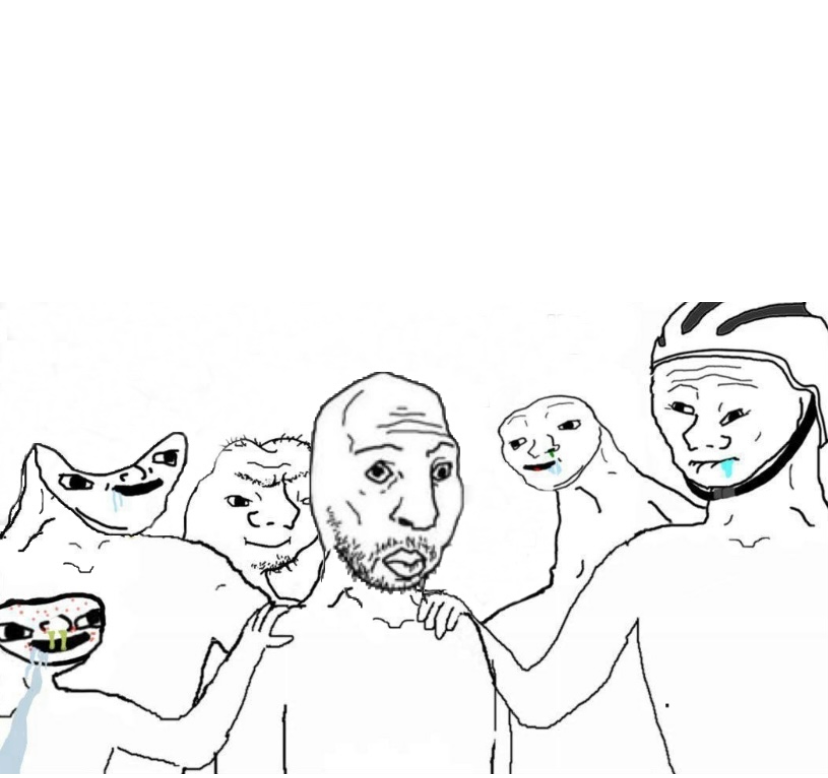
The constancy of the universe is evidence for the existence of God, acting like the spiritual foundation of reality.

Berkley presents God as a Great Perceiver who is able to refresh and renew reality at every moment because he sees everything.

  • without God, things would disappear from existence when not perceived. 

(side note: The reason why you don’t choose what you perceive is not proof of material reality, but God, according to Berkley.)
<p><em><span>The constancy of the universe is evidence for the existence of God, acting like the spiritual foundation of reality.</span></em></p><p><span>Berkley presents God as a Great Perceiver who is able to refresh and renew reality at every moment because he sees everything.</span></p><ul><li><p><span>without God, things would disappear from existence when not perceived.&nbsp;</span></p></li></ul><p><em>(side note: The reason why you don’t choose what you perceive is not proof of material reality, but God, according to Berkley.)</em></p>
15
New cards
<p>Define <strong>Skepticism</strong>.</p>

Define Skepticism.

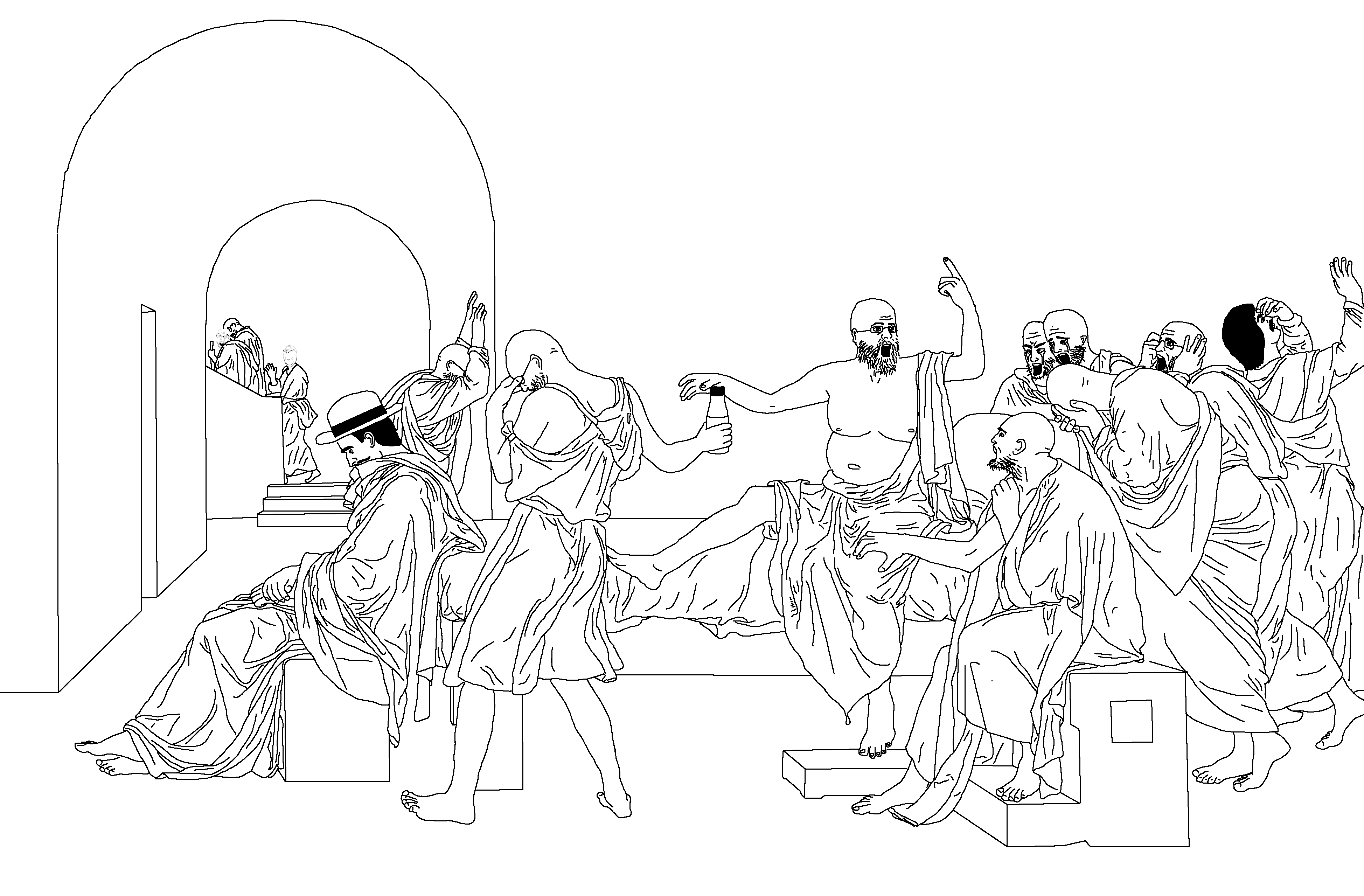
To be skeptical is to not believe something to be true unless you have reason to believe something is true. Waiting for sufficient evidence to make your opinion.

By avoiding to choose a side, you avoid believing what is false.
<p><em>To be skeptical is to </em><strong><em>not believe something</em></strong><em> to be true unless you have </em><strong><em>reason </em></strong><em>to believe something is true. Waiting for </em><strong><em>sufficient evidence </em></strong><em>to make your opinion.</em></p><p>By avoiding to choose a side, you avoid believing what is false.</p>
16
New cards
<p>How does Hume’s skepticism tie into <strong>cause and effect</strong>?</p>

How does Hume’s skepticism tie into cause and effect?

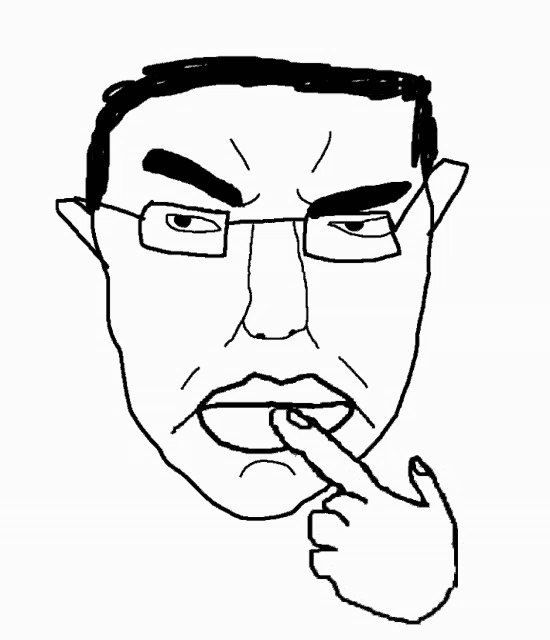
While the other philosophers distinguish between Substance and Properties, Hume claims that there is no such thing as Substance but the perception of properties. (i.e. we have no perception of matter itself, only it’s properties.)

Therefore reality is just the perceptions of objects interacting via efficient causation, but cause and effect is just a habit ingrained by custom rather than knowledge.
17
New cards
<p>Ok but what is <strong>Custom</strong>?</p>

Ok but what is Custom?

Hume thought that our inferences (more on that later) were neither A Posteriori nor A Priori. Instead, they must be something unconscious and instinctual called custom.

  • All inferences of experience come from custom instead of reasoning. 
    Custom makes our experiences useful, letting us form beliefs beyond what is present in our memory and senses.
<p>Hume thought that our inferences (more on that later) were neither <strong>A Posteriori </strong>nor <strong>A Priori.</strong> Instead, they must be something unconscious and instinctual called <strong>custom</strong>.</p><ul><li><p><em>All inferences of experience come from custom instead of reasoning.&nbsp;</em><br>Custom makes our experiences useful, letting us form beliefs beyond what is present in our memory and senses.</p></li></ul>
18
New cards
<p>What is <strong>Bundle Theory</strong>?</p>

What is Bundle Theory?

Hume is skeptical of mental and material substance, which means skepticism of the self.

Hume says that ‘All we are is a bundle of perceptions’, only perceiving the sensations of images and ideas that come across our mind. When you can not have “Self” with one or more perceptions, you begin to loose your sense of personhood.

Personal identity is a collection of perceptions connected only by succession and causation.
<p><em><span>Hume is skeptical of mental and material substance, which means skepticism of the </span></em><strong><em><span>self</span></em></strong><em><span>.</span></em></p><p>Hume says that ‘All we are is a <strong>bundle of perceptions</strong>’, only perceiving the sensations of images and ideas that come across our mind. When you can not have “Self” with one or more perceptions, you begin to loose your sense of personhood.</p><p><em>Personal identity is a collection of perceptions connected only by succession and causation.</em></p>
19
New cards
<p>What are <strong>Impressions</strong>?</p>

What are Impressions?

Impressions are very strong sense perceptions that you have in-the-moment. All ideas, no matter how abstract, complex, or imaginative, are drawn from sense-perception and experience. 

Hume establishes a difference between impression and ideas:

  • Impression: Senses, passions, feelings.

  • ideas: memory, imagination, thoughts.

The pain of heat in the moment would be an impression, but the memory of being burned would be ideas. 

20
New cards
<p>What are <strong>Simple ideas</strong> and how does it work with Hume’s <strong>Copy Principle</strong>?</p>

What are Simple ideas and how does it work with Hume’s Copy Principle?

A simple idea is a copy of some original impression\perception.

The difference between an impression and a Simple idea copying that memory is the  force and vivacity of the original memory

  • No matter how lively your recollection was, it will never be as lively as the actual experience. 
21
New cards
<p>What are <strong>Complex ideas</strong>, and how do you know if they are real?</p>

What are Complex ideas, and how do you know if they are real?

Complex ideas are formed from simple ideas through the work of imagination and reasoning. The difference is that Complex ideas need not correspond with reality (ex: A unicorn) while Simple ideas are derived from experience.

  • Even the imagination is drawn from impressions, as you cannot imagine a color without having seen it.

The truth of a complex idea is determined by how accurately it reflects reality. If you have a complex idea that doesn’t accurately reflect an impression, then you should not believe in your fanciful idea.
22
New cards
<p>What is <strong>Hume’s Fork</strong>?</p>

What is Hume’s Fork?

Hume’s Fork is the distinction of Relations of ideas and Matters of fact

  • Relations of ideas(a Priori) are our own mental constructs, and we can have absolute certainty about our ideas because we invented them.  (A Triangle has 3 sides.)

  • Matters of fact (a Posteriori) deals with extramental reality, and therefore deductive reasoning has no power. We cannot have the same certainty about objects from the real world.

Our knowledge claims about matter of fact can never be 100% correct, which is why drawing inferences about past experiences is technically incorrect.
23
New cards
<p>How do we know about <strong>Causality?</strong></p>

How do we know about Causality?

We know of causation\causality solely through experience.

Reason cannot tell you about future matters of fact. Reason alone is unable to discover causation, if it could, then you would be able to predict everything before it would happen

  • ex: If you've never seen a ball before or seen it bounce, you won't know what happens if a ball was dropped. 

24
New cards
<p>What is the <strong>problem of induction</strong>?</p>

What is the problem of induction?

Inductive reasoning is drawing universal conclusions based on past experiences.

There is nothing in perception or sense properties which conveys to us any data to support our assumptions about cause and effect. There is no difference between many instances of something happening, and a single instance.

  • ex: Getting 100 Vicroys doesn’t mean your duo will win the next fortnite match.

<p><strong>Inductive reasoning</strong> is drawing universal conclusions based on past experiences.</p><p>There is nothing in <em>perception or sense properties</em> which conveys to us any data to support our assumptions about <strong>cause and effect</strong>. There is <strong>no difference</strong> between <em>many instances</em> of something happening, and a <em>single instance</em>.</p><ul><li><p><em>ex: Getting 100 Vicroys doesn’t mean your duo will win the next fortnite match.</em></p></li></ul>
25
New cards
<p>What is <strong>Rationalism</strong>, and how does Kant try to redefine it?</p>

What is Rationalism, and how does Kant try to redefine it?

Rationalism is a belief or theory that opinions and actions should be based on reason and knowledge rather than on religious belief or emotional response.”

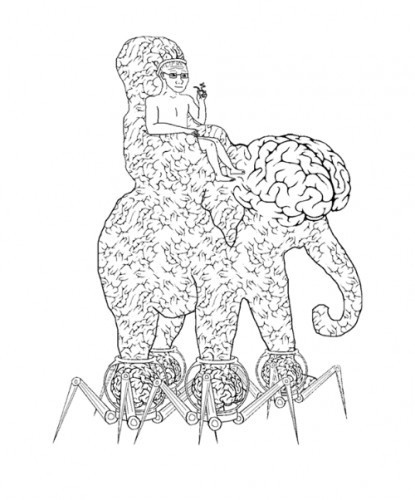
Kant, being a rationalist, wanted to limit the metaphysical claims about God, the Soul, and Things-in-Of-Themselves, instead redefining it to counter Empiricist critiques about Innate ideas and causation.

Unlike the rationalism of Descartes, Kant argues that a priori knowledge concerns mere appearances and not objective reality.
<p><strong>Rationalism </strong>is <em>“<span>a belief or theory that opinions and actions should be based on reason and knowledge rather than on religious belief or emotional response.”</span></em></p><p><span>Kant, being a rationalist, wanted to</span><strong><span> limit the metaphysical claims </span></strong><span>about </span><em><span>God, the Soul, and Things-in-Of-Themselves</span></em><span>, instead redefining it to</span><strong><span> counter Empiricist critiques</span></strong><span> about </span><em><span>Innate ideas and causation</span></em><span>.</span></p><p><span>Unlike the</span><u><span> rationalism of Descartes,</span></u><span> Kant argues that </span><strong><span>a priori</span></strong><span> knowledge concerns mere </span><strong><em><span>appearances</span></em><span> </span></strong><span>and not </span><strong><em><span>objective reality</span></em></strong><span>.</span></p>
26
New cards
<p>What is <strong>Cognition</strong>?</p>

What is Cognition?

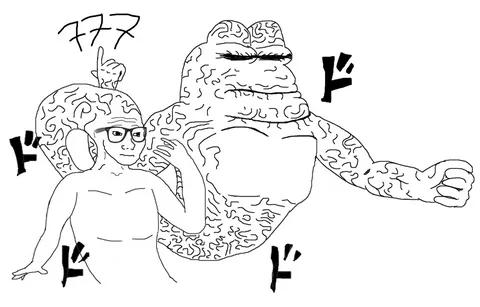
Cognition is the working combination of Sensibility and Understanding, and is used to filter our experiences with objects.

Without sensations, no object would be given to us. Without understanding, no object would be thought of. Thoughts without content are empty, intuitions without content are blind.

Sensibility is our mind’s receptivity to sense perceptions. It is the faculty through which we experience sensations & intuitions, and how receptive our minds are to the representation of objects.

Understanding is how we deal with pure concepts; it is the faculty of thought and judgement.
<p><strong>Cognition </strong>is the working combination of <strong>Sensibility </strong>and <strong>Understanding</strong>, and is used to filter our experiences with objects.</p><p><em><span>    Without sensations, no object would be given to us. Without understanding, no object would be thought of. Thoughts without content are empty, intuitions without content are blind.</span></em></p><p><strong>Sensibility</strong> is <span>our mind’s </span><em><span>receptivity</span></em><span> to sense perceptions. It is the faculty through which we experience sensations &amp; </span><strong><span>intuitions</span></strong><span>, and how receptive our minds are to the </span><strong><span>representation of objects</span></strong><span>.</span></p><p><strong>Understanding</strong> is how we deal with pure concepts; it is the faculty of thought and judgement.</p>
27
New cards
<p>What is Kant’s meaning of <strong>intuition</strong>? </p>

What is Kant’s meaning of intuition?

Intuition is closely related to Sensation\Sensibility; it is how Objects are given to us as representations.

  • Example of a representation: A Rainbow. The rainbow is a mere appearance, and the rain is the thing-in-of-itself.

    • But going even further, even the round drops of rain and the space they fall through are mere appearances.
28
New cards
<p>What is <strong>Analytic Judgment</strong> and <strong>Synthetic Judgement</strong>?</p>

What is Analytic Judgment and Synthetic Judgement?

Analytic Judgement is like Relations of ideas: A proposition that is a priori and is true because the predicate(the base of the idea) is included within the idea of the subject. “All bachelors are unmarried.” “A triangle has three sides.”


Synthetic Judgement is like Matters of fact: A proposition whose truth is not contained within the idea itself, and can only be true in relation to experience of reality. The truth relies on a posteriori reasoning. “All bachelors are happy.” “The triangle is blue.”

There is nothing about the concept of a bachelor that says whether they are unhappy or not, you would need to go out and see for yourself.
<p><strong>Analytic Judgement</strong> is like Relations of ideas: <span>A proposition that is </span><strong><span>a priori</span></strong><span> and is true because the predicate(the base of the idea) is included within the idea of the subject. </span><em><span>“All bachelors are unmarried.” “A triangle has three sides.”</span></em></p><p><br><strong>Synthetic Judgement</strong> is like Matters of fact: <span>A proposition whose truth is not contained within the idea itself, and can only be true in relation to experience of reality. The truth relies on</span><strong><span> </span><em><span>a posteriori</span></em></strong><em><span> </span></em><span>reasoning. </span><em><span>“All bachelors are happy.” “The triangle is blue.”</span></em></p><p><span>There is nothing about the concept of a bachelor that says whether they are unhappy or not, you would need to go out and see for yourself.</span></p>
29
New cards
<p>What is <span style="color: red">Synthetic A Priori ϕ</span><span>?</span></p>

What is Synthetic A Priori ϕ?

Knowledge that can Apply to experience without being obtained from it.

Kant thinks that this is possible thanks for the limits of Human reason - confining us to study objects as appearances\representations instead of things-in-themselves.

Synthetic judgements which are universally valid can have a priori reasoning applied to them if we restrict sensation in favor of understanding - Therefore Breaking Hume’s Fork.
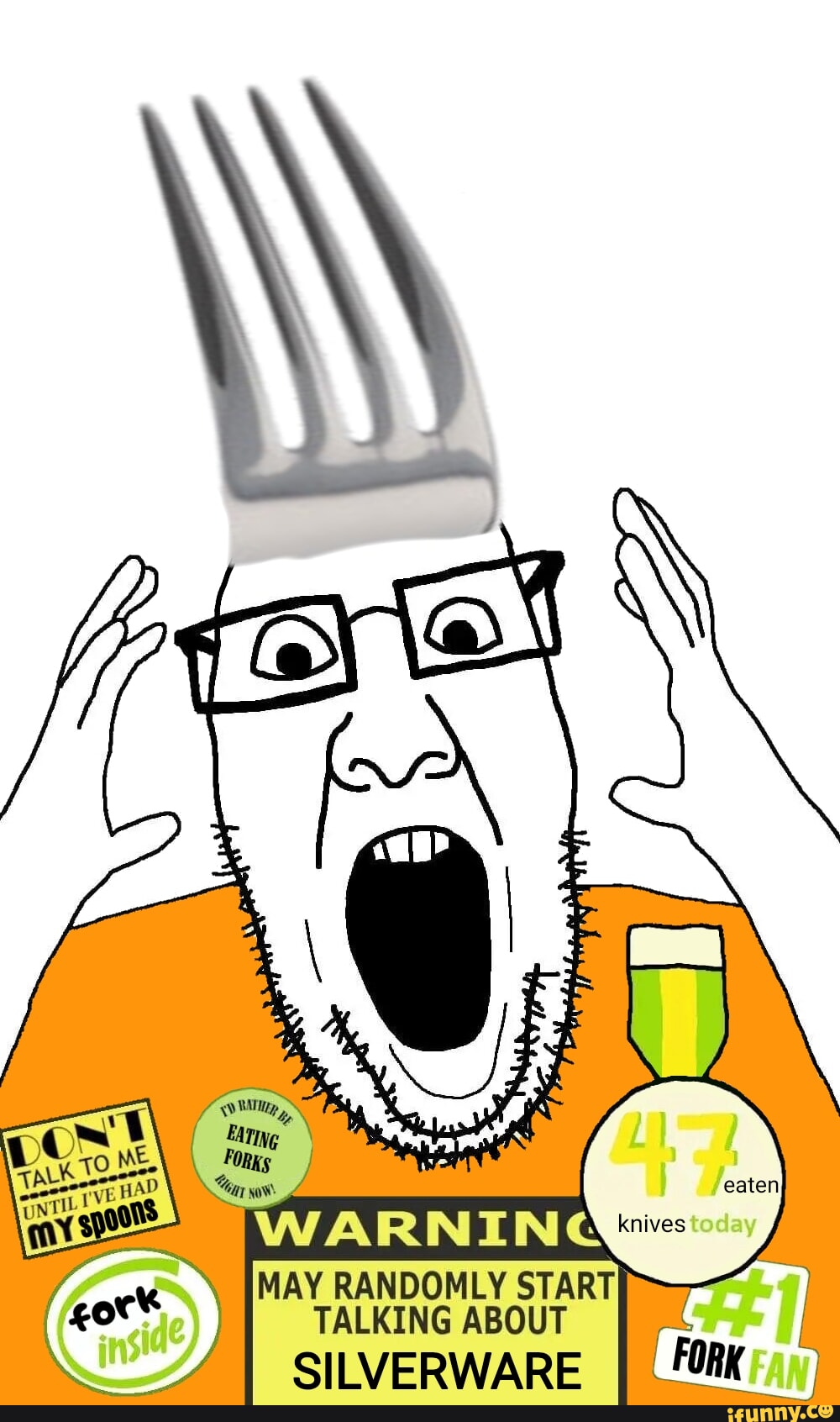
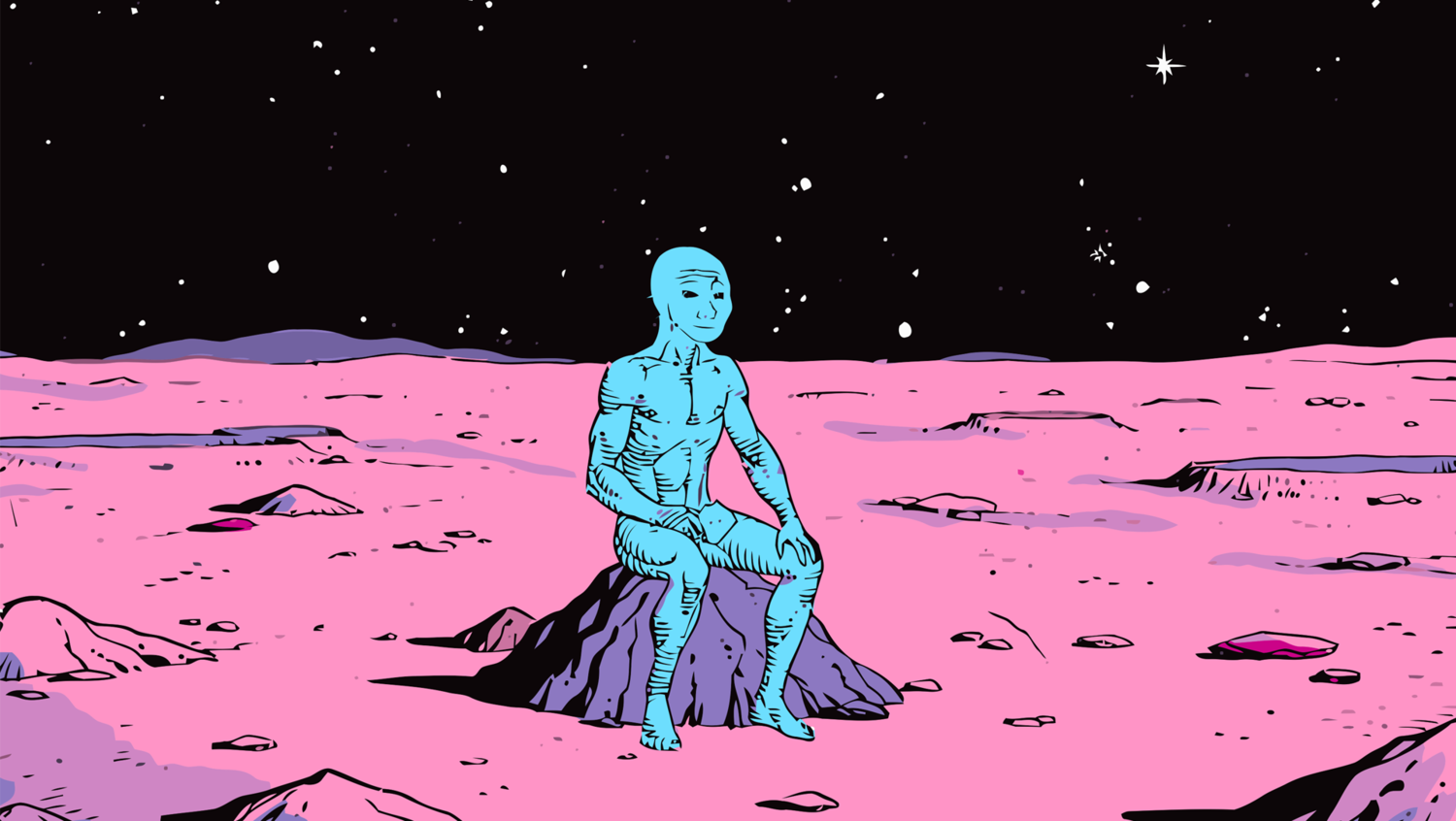
<p><em><span style="color: red">Knowledge that can Apply to experience without being obtained from it.</span></em></p><p><span>Kant thinks that this is possible thanks for the </span><strong><span>limits of Human reason</span></strong><span> - confining us to study objects as appearances\representations instead of things-in-themselves.</span></p><p><em><span>Synthetic judgements which are universally valid can have a priori reasoning applied to them if we restrict sensation in favor of understanding - </span></em><strong><em><span>Therefore Breaking Hume’s Fork</span></em></strong><em><span>.</span></em><br></p>
30
New cards
<p>What is <strong>Space and Time</strong>?</p>

What is Space and Time?

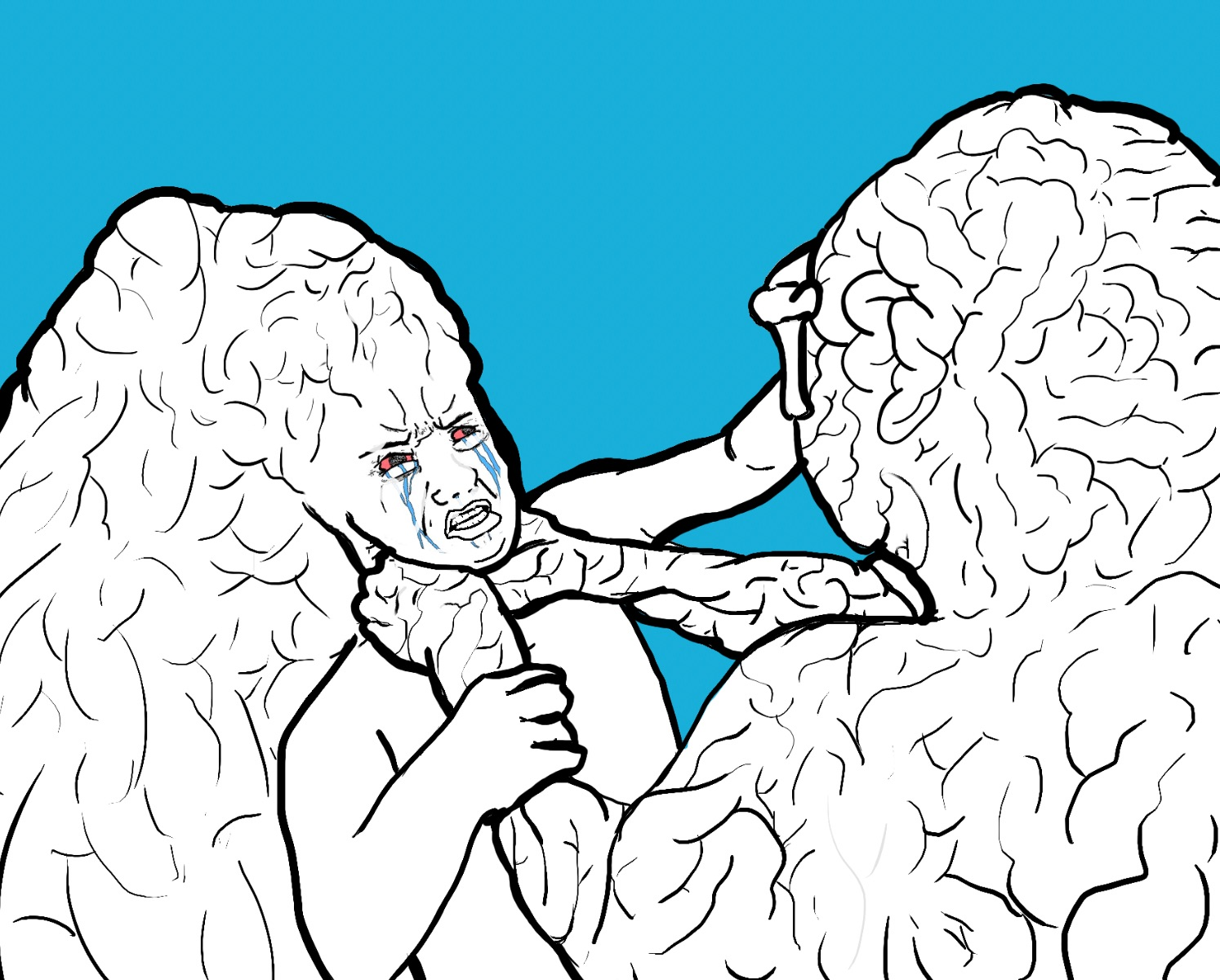
The pure form of intuition gives us space and time. Space and time is the way in which the mind processes and experiences the world; it is in us, and it is innate to our minds.

Space and time is not a feature of extra-mental reality, but is a cognitive apparatus within us which shapes our receptivity to sensations.
31
New cards
<p>What is <strong>Outer Sense</strong>?</p>

What is Outer Sense?

Outer sense(a priori) is the awareness of objects occupying space, and how we represent to ourselves the objects outside of us.

 It is the mind’s receptivity to sensibility, and as such is not a property for object or a thing-in-of-itself.


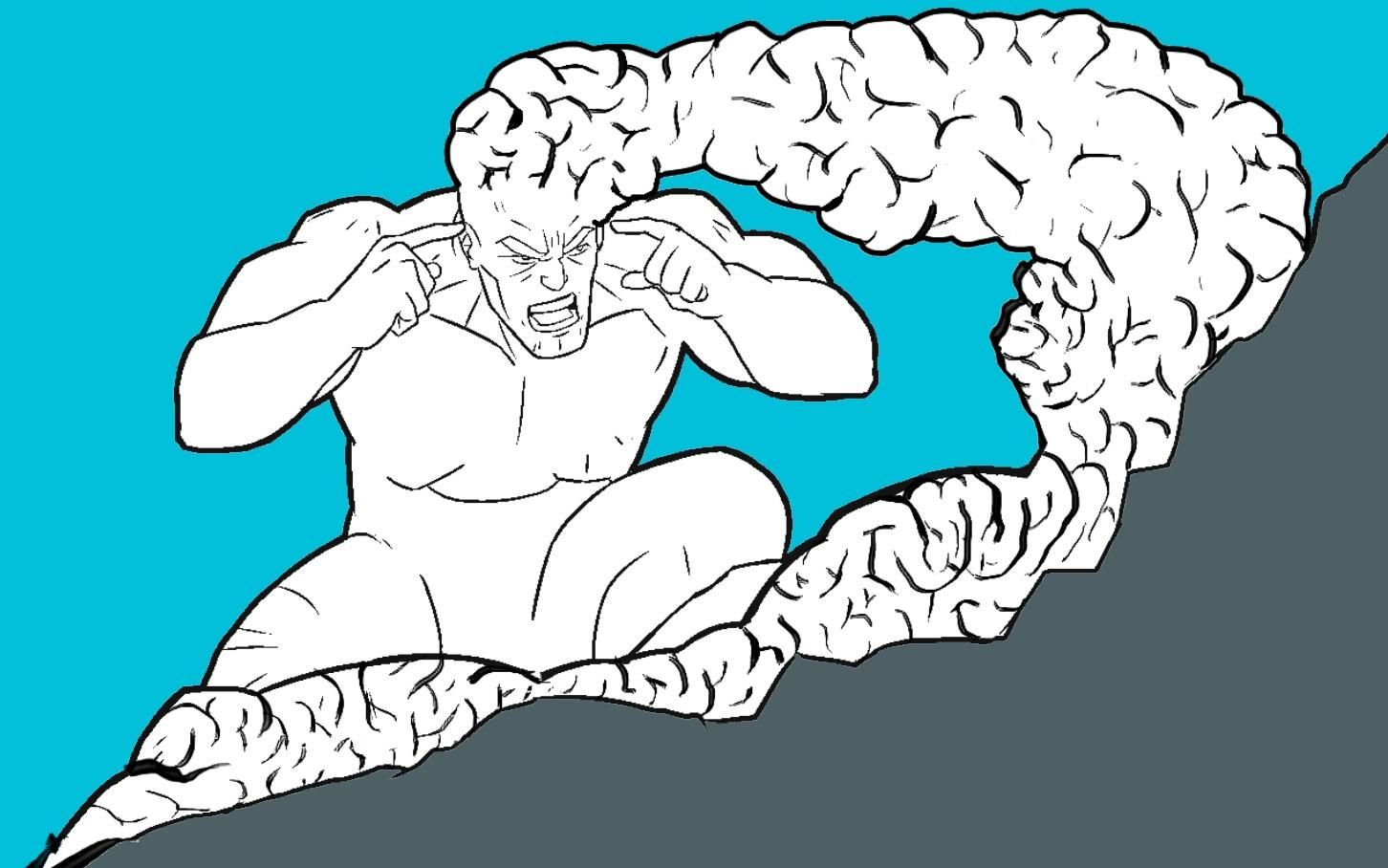
To have intuition of anything which exists extra-mentally is to presuppose the “representation of space.”  Therefore space is the a priori ground for all other outer intuitions. Space is the form of all appearances; only through it is it even possible for objects to appear to us.
<p><strong><span>Outer sense</span></strong><em><span>(a priori)</span></em><span> is the awareness of objects occupying </span><strong><span>space</span></strong><span>, and how we represent to ourselves the objects outside of us.</span></p><p><span>&nbsp;It is the mind’s receptivity to sensibility, and as such is </span><em><span>not</span></em><span> a property for object or a thing-in-of-itself.</span></p><p><br><span>To have intuition of anything which exists extra-mentally is to </span><strong><span>presuppose</span></strong><span> the “</span><em><span>representation of space.”</span></em><span>&nbsp; Therefore </span><strong><span>space is the a priori ground for all other outer intuitions</span></strong><span>. Space is the form of all appearances</span><u><span>;</span></u><span> only through it is it even </span><em><span>possible</span></em><span> for objects to appear to us.</span></p>

Explore top notes

Explore top flashcards

flashcards
LU 5.1 Burns
20
Updated 421d ago
0.0(0)
flashcards
APUSH Ch. 32 Quiz Study Guide
59
Updated 1234d ago
0.0(0)
flashcards
27 Amendments
27
Updated 753d ago
0.0(0)
flashcards
SAT 7 Vocabulary
20
Updated 1090d ago
0.0(0)
flashcards
BILL OF RIGHTS
49
Updated 375d ago
0.0(0)
flashcards
Unite 3: les achats/le voyage
81
Updated 1238d ago
0.0(0)
flashcards
Units 10-12 Book Units
36
Updated 438d ago
0.0(0)
flashcards
LU 5.1 Burns
20
Updated 421d ago
0.0(0)
flashcards
APUSH Ch. 32 Quiz Study Guide
59
Updated 1234d ago
0.0(0)
flashcards
27 Amendments
27
Updated 753d ago
0.0(0)
flashcards
SAT 7 Vocabulary
20
Updated 1090d ago
0.0(0)
flashcards
BILL OF RIGHTS
49
Updated 375d ago
0.0(0)
flashcards
Unite 3: les achats/le voyage
81
Updated 1238d ago
0.0(0)
flashcards
Units 10-12 Book Units
36
Updated 438d ago
0.0(0)