chapter 28 viki study gold - reproductive system
 Call Kai
 Learn
Learn Practice Test
 Spaced Repetition
 Match
Match Flashcards
 Knowt Play
1/68

There's no tags or description
Looks like no tags are added yet.
Name | Mastery | Learn | Test | Matching | Spaced | Call with Kai |
|---|
No analytics yet
Send a link to your students to track their progress
69 Terms
The reproductive system
A. stores gametes.
B. produces gametes.
C. transports gametes.
D. nourishes gametes.
E. All of the answers are correct.
E. All of the answers are correct.
Sperm are moved along the ductus deferens (vas deferens) by
peristaltic contractions.
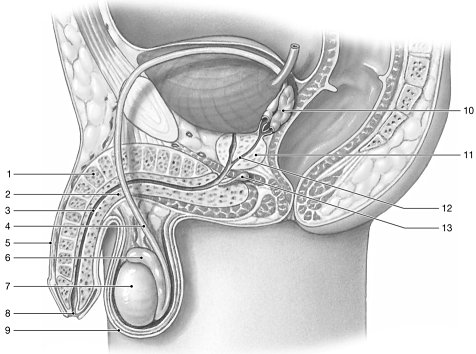
Figure 28-1 The Male Reproductive System
Use Figure 28-1 to answer the following questions:
Identify the structure labeled "1."
corpora cavernosa
The broad ligament is a(n)
extensive mesentery that encloses the ovaries, uterine tubes, and uterus.

Figure 28-1 The Male Reproductive System
Use Figure 28-1 to answer the following questions:
Identify the structure labeled "3."
spongy urethra
The thick muscular layer of the uterus is the
myometrium.
Which of the following statements concerning oogenesis is false?
A. Ova develop from stem cells called oogonia.
B. About half the oogonia complete mitosis between birth and puberty.
C. Oogenesis begins before birth.
D. By the time of their birth, girls have already lost about 80 percent of their oocytes.
E. An ovum completes its last meiosis after it is fertilized.
B. About half the oogonia complete mitosis between birth and puberty.
Follicle-stimulating hormone
stimulates maturation of primordial follicles in the ovary.

Figure 28-2 The Female Reproductive System
Use Figure 28-2 to answer the following questions:
What is produced by the structure labeled "1"?
progesterone
estrogen
eggs
inhibin
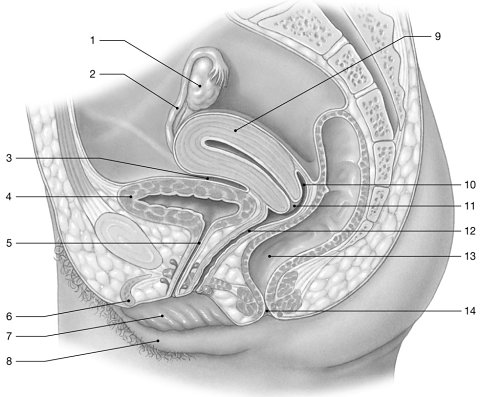
Figure 28-2 The Female Reproductive System
Use Figure 28-2 to answer the following questions:
Which structure is lined by a ciliated epithelium?
2
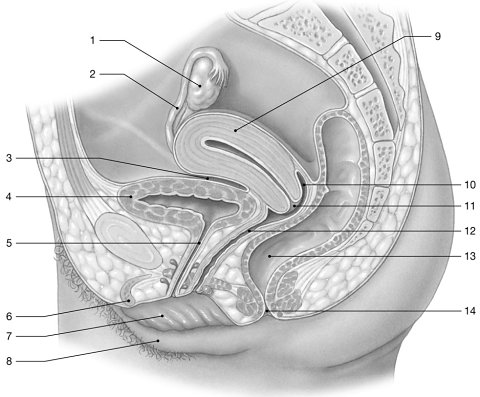
Figure 28-2 The Female Reproductive System
Use Figure 28-2 to answer the following questions:
Identify the structure labeled "5."
urethra
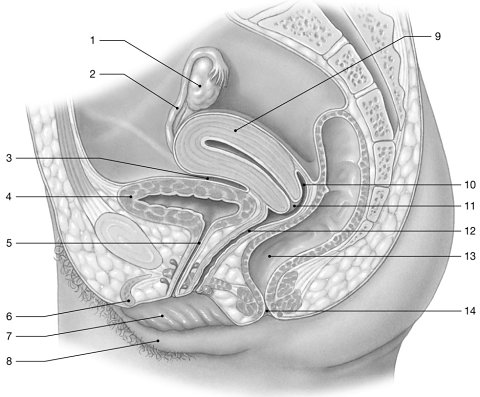
Figure 28-2 The Female Reproductive System
Use Figure 28-2 to answer the following questions:
Identify the structure labeled "12."
vagina
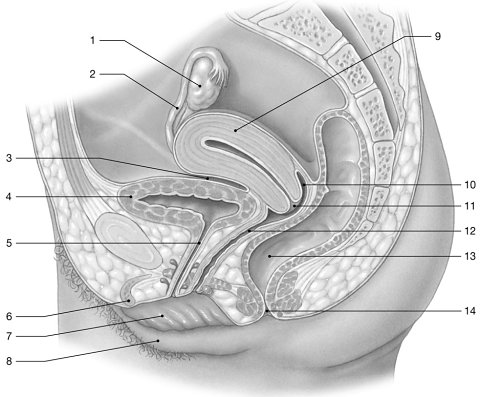
Figure 28-2 The Female Reproductive System
Use Figure 28-2 to answer the following questions:
Identify the structure labeled "2."
uterine tube
Which of the following descriptions best matches the term uterine tube?
A. passes through erectile tissue in females
B. has stratified squamous epithelium
C. holds the uterus to the ovary
D. has ciliated epithelium
E. covers the glans penis or glans clitoris
D. has ciliated epithelium
After ovulation, the ovary secretes
both estrogen and progesterone.
A mature follicle releases an ovum in response to a surge in
luteinizing hormone.
The ________ is the largest portion of the uterus.
body
Which of the following is the function of the ovaries?
A. All of the answers are correct.
B. formation of immature gametes
C. secretion of inhibin
D. secretion of hormones
E. production of oocytes
A. All of the answers are correct.
Which of the following is not a similarity between the testis and ovary?
A. Both respond to follicle-stimulating hormone.
B. Both respond to luteinizing hormone.
C. Both produce progesterone
D. Meiosis takes place in both.
E. Both produce gametes.
C. Both produce progesterone.
The principal hormone secreted by the corpus luteum is
progesterone.
Which of the following descriptions best matches the term myometrium?
A. After ovulation, the ovum is captured by it.
B. consists of a functional zone and a basilar zone
C. supports the uterus anteriorly
D. supports the uterus laterally
E. thick layer of smooth muscle cells
thick layer of smooth muscle cells
Which region of the uterine tube captures the ovum?
infundibulum
Which of the following is not an action of estrogen?
A. initiates repair of the endometrium
B. maintains female secondary sex characteristics
C. maintains accessory reproductive organs
D. mimics the symptoms of menopause
E. stimulates bone growth
D. mimics the symptoms of menopause
The granulosa cells of developing follicles secrete
estradiol.
Menstruation is triggered by a drop in the levels of
progesterone.
During the menses,
the old functional layer is sloughed off.
The uterine phase that develops because of a fall in progesterone levels is the
menses.
The inferior one-third portion of the uterus that projects into the vagina is the
cervix.
During the secretory phase of the menstrual cycle,
A. the fertilized ovum implants.
B. All of the answers are correct.
C. progesterone levels are high.
D. endometrial glands enlarge.
E. the corpus luteum is formed.
B. All of the answers are correct.
The surge in luteinizing hormone that occurs during the middle of the ovarian cycle triggers
ovulation.
During the proliferative phase of the menstrual cycle, the
functional zone of the endometrium is restored.
The organ that provides mechanical protection and nutritional support for the developing embryo is the
uterus.
The organ that transports the ovum to the uterus is the
uterine (Fallopian) tube.
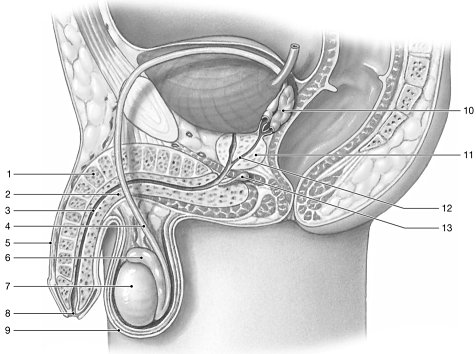
Figure 28-1 The Male Reproductive System
Use Figure 28-1 to answer the following questions:
Identify the structure labeled "9."
scrotum
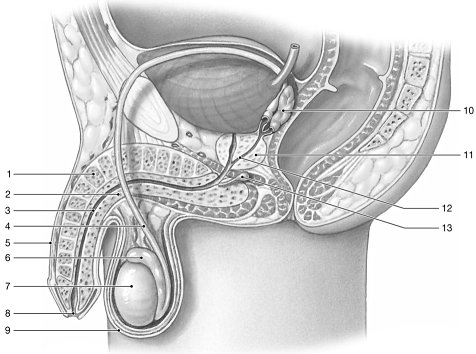
Figure 28-1 The Male Reproductive System
Use Figure 28-1 to answer the following questions:
Identify the structure labeled "2."
corpus spongiosum
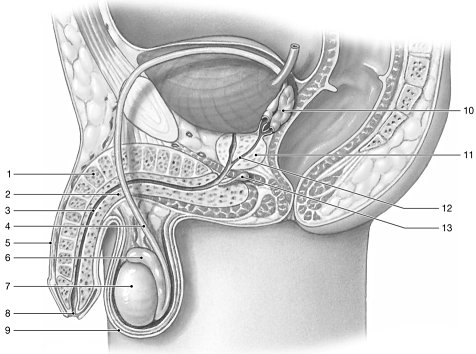
Figure 28-1 The Male Reproductive System
Use Figure 28-1 to answer the following questions:
Identify the structure labeled "6."
epididymis
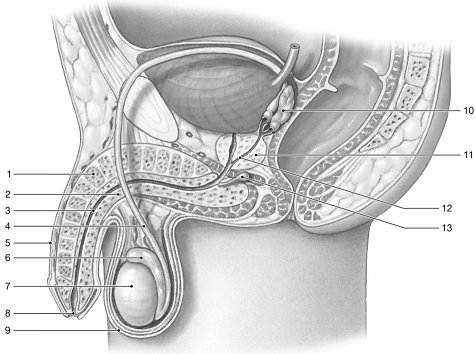
Figure 28-1 The Male Reproductive System
Use Figure 28-1 to answer the following questions:
Identify the structure labeled "12."
ejaculatory duct

Figure 28-1 The Male Reproductive System
Use Figure 28-1 to answer the following questions:
Identify the structure that produces a fructose-rich fluid.
10
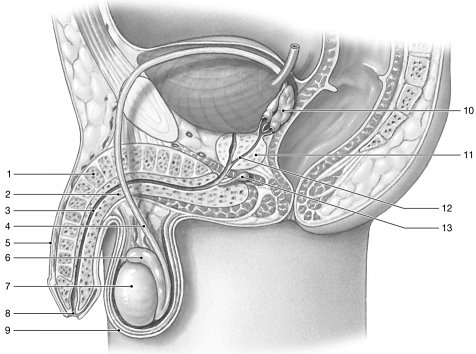
Figure 28-1 The Male Reproductive System
Use Figure 28-1 to answer the following questions:
Identify the structure labeled "4."
ductus deferens
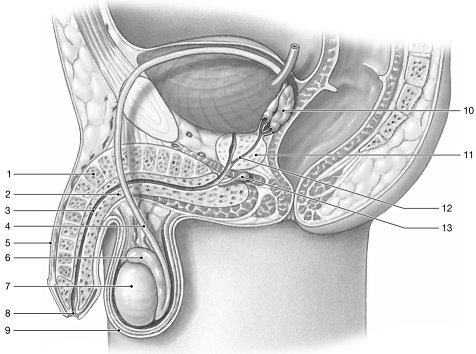
Figure 28-1 The Male Reproductive System
Use Figure 28-1 to answer the following questions:
What is produced by the structure labeled "7"?
spermatozoa and testosterone
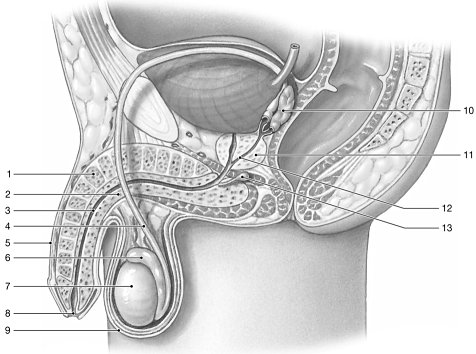
Figure 28-1 The Male Reproductive System
Use Figure 28-1 to answer the following questions:
Identify the structure labeled "11."
prostate gland
Testosterone is secreted by the
interstitial cells.
A typical ejaculation releases approximately ________ sperm.
250 million
Interstitial cells
A. All of the answers are correct.
B. produce testosterone.
C. are also called Leydig cells.
D. are located between seminiferous tubules.
E. respond to luteinizing hormone.
A. All of the answers are correct.
The pituitary hormone that stimulates the interstitial cells to secrete testosterone is
LH.
The PSA test is used for diagnosis of
prostate cancer.
Spermatozoa are functionally matured within the
epididymis.
The special type of cell division required to produce gametes is called
meiosis.
Which of the following glands contributes the most volume to semen?
seminal gland (seminal vesicle)
A primary spermatocyte matures into ________ spermatids having ________ chromosomes.
four; 23
The male reproductive system is most closely associated with which of the following systems?
urinary
The role of FSH in males is to
initiate sperm production in the testes.
The paired erectile bodies in the penis are the
corpora cavernosa.
The organ that produces a secretion that contains fructose, prostaglandins, and fibrinogen is the
seminal gland (seminal vesicle).
The erectile tissue that surrounds the urethra is the
corpus spongiosum.
The special type of cell division required to produce gametes is called
Meiosis
Semen contains all of the following except
A. fibrinogen.
B. spermatozoa.
C. seminal fluid.
D. prostaglandins.
E. spermatogonia.
E. spermatogonia.
The small paired structures at the base of the penis that secrete a thick, alkaline mucus are the
bulbo-urethral glands.
The organ that surrounds the urethra and produces an alkaline secretion is the
prostate gland.
When spermatogonia divide, the daughter cells are called
spermatocytes.
The process of spermiogenesis produces
spermatozoa.
The cells that are formed during spermatogenesis by the first meiosis are called
secondary spermatocytes.
Sperm develop from stem cells called
spermatogonia.
The nurse cells of the seminiferous tubules do all of the following except
A. secrete inhibin.
B. secrete androgen-binding protein.
C. secrete testosterone.
D. maintain the blood-testis barrier.
E. support spermiogenesis.
C. secrete testosterone.
Sperm production occurs in the
seminiferous tubules.
Interstitial cells produce
testosterone.
The spermatic cord is
a bundle of tissue that contains the ductus deferens, blood vessels, nerves, and lymphatics that serve the testis.
Arrange the four structures listed below into the order in which sperm pass from the testis to the urethral meatus.
1. ductus deferens
2. urethra
3. ejaculatory duct
4. epididymis
4, 1, 3, 2
The organ that carries sperm from the epididymis to the urethra is the
ductus deferens (vas deferens)

