exercise science exam 3
 Call Kai
 Learn
Learn Practice Test
 Spaced Repetition
 Match
Match Flashcards
 Knowt Play
1/51

There's no tags or description
Looks like no tags are added yet.
Name | Mastery | Learn | Test | Matching | Spaced | Call with Kai |
|---|
No analytics yet
Send a link to your students to track their progress
52 Terms
_______ is crucial for performing sports, games & lifetime activities
Set of basic skills/foundational skills
What age is basic competence and efficient developed in early childhood?
7 years old
Basic fundamental skills for sports
Balance, hand eye coordination, running
Motor learning
your body learning and improving movements through practice and experience
Gross motor skills
Motor skills that use large muscles (running, leaping, jumping)
Fine motor skills
motor skills that use small muscles (using utensils, writing)
Stages of motor learning
Cognitive, associative, autonomous
Stage of motor learning: cognitive
1st stage, focus on the basic understanding of a new skill, lots of errors
First stage of motor learning, cognitive stage, relies heavily on…
Visual and verbal cues
Stage of motor learning: associative
2nd stage after understanding the skill, focus on refining/improving the skill, technique, and consistency
learning chunking
Breaking the skill down into smaller learning chunks
Stage of motor learning: autonomous
3rd stage, mastery of the skill
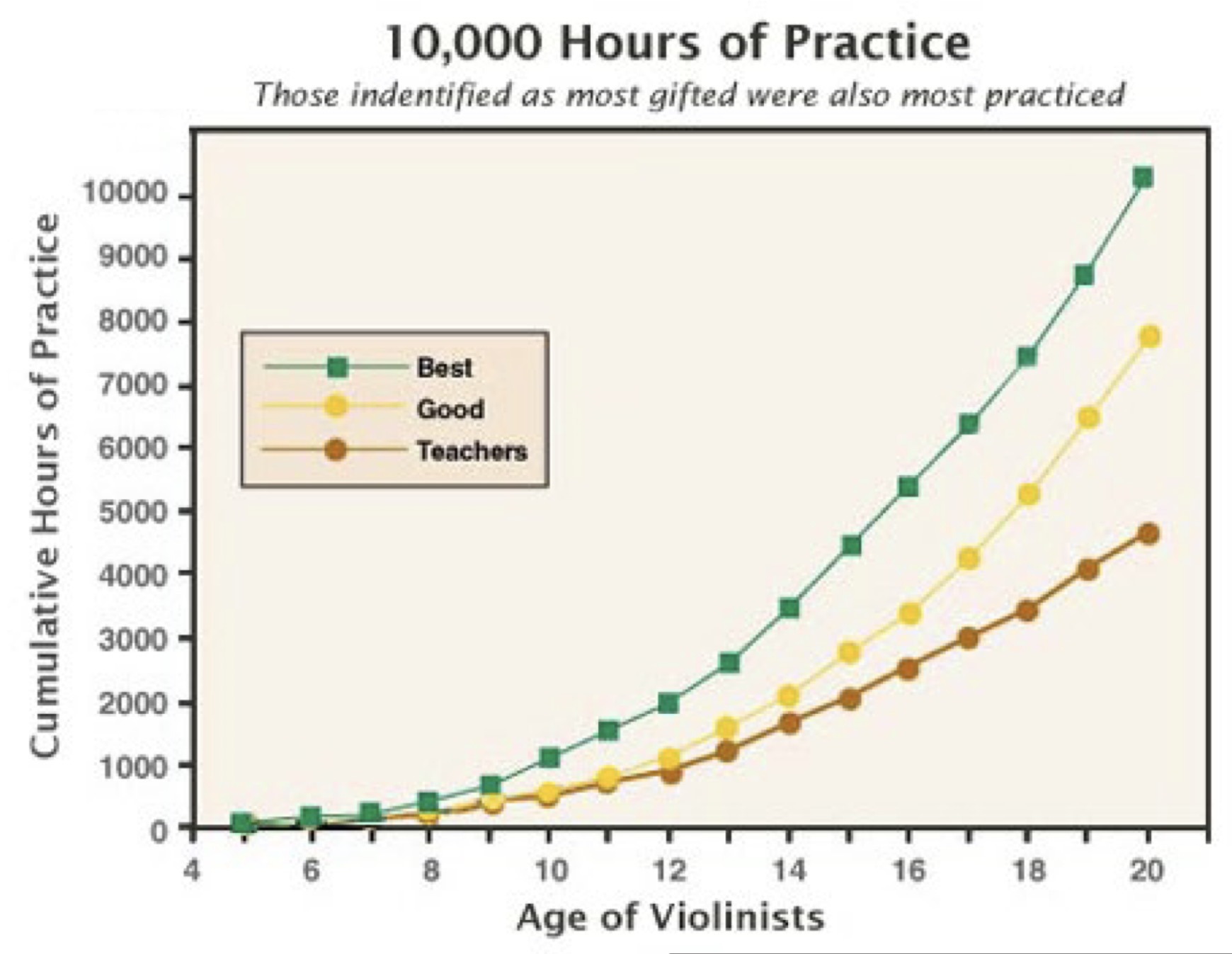
10,000 Hour Rule
Rule states that is takes 10,000 hours of deliberate practice to master a skill
Types of skill
Closed and unclosed skills
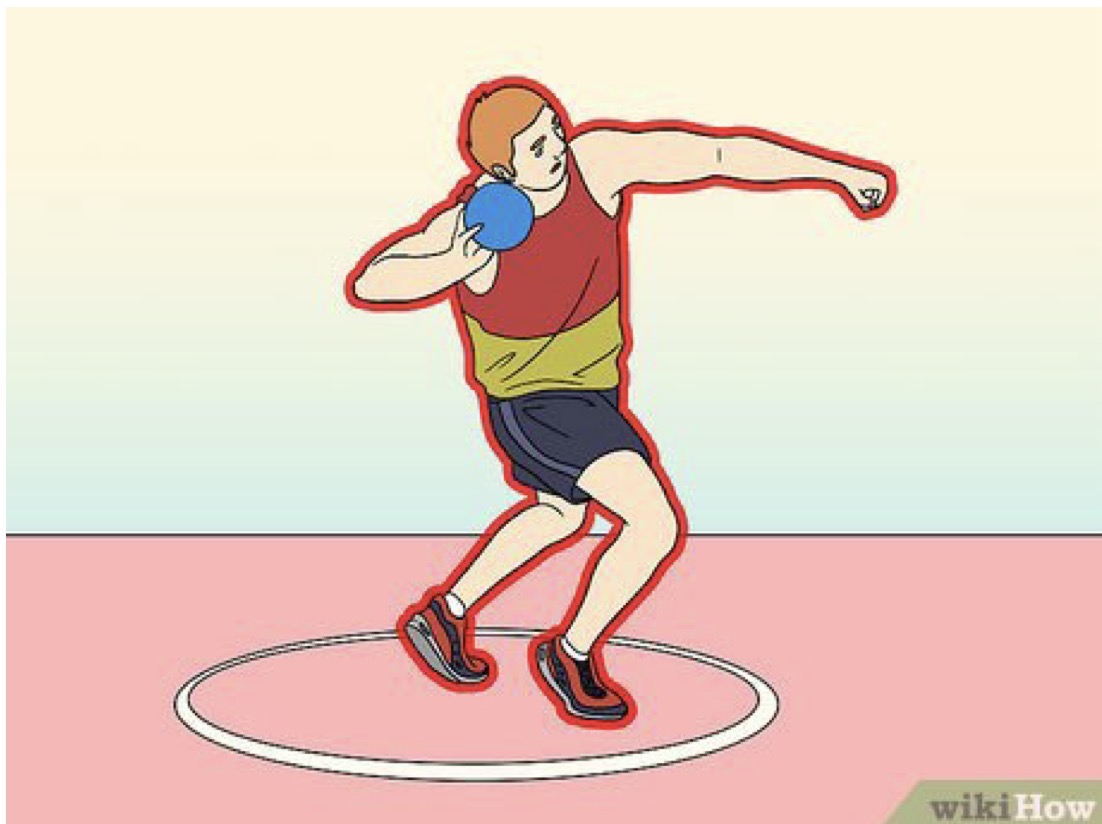
Closed skills
Done in a stable, predictable environment, nothing in the environment is effecting how they perform it
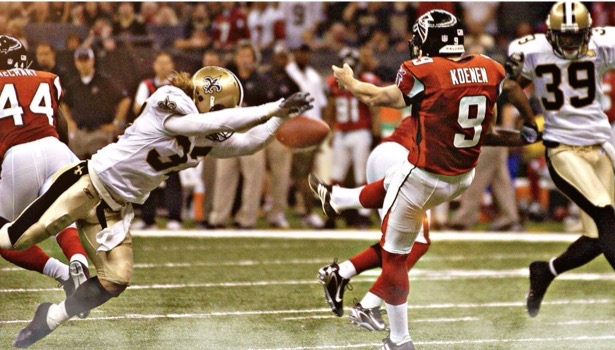
Open skills
Done in an unstable, changing environment, performance depends on external factors (ex: other players)
Whole practice
Practice entire movement/skill at once
Part practice
Practicing the components of the skill separately
Explicit learning
Comes from an external source (like a coach, teacher), you are told what to do
Pros of explicit learning
Better for early learning
Cons of explicit learning
May not remember how to do the skill, reliance on coach’s help
Implicit learning
Comes from within your body, you learn through feel and repetition
Pros of implicit learning
Better retention of what to do, can perform skill independently
Cons of implicit learning
Takes more time to master, may develop bad habits/techniques
What stage of motor learning would implicit learning be best?
Autonomous
Which stage of motor learning would explicit learning be best?
Cognitive, in the beginning getting feedback early
Central nervous system
Brain and spinal cord
Peripheral nervous system
All nerves outside of the central nervous system
Premotor cortex
Controls planning of movements
Supplementary motor area
Controls sequencing of movements
Motor cortex (frontal lobe)
EDIT: Controls voluntary control of movement
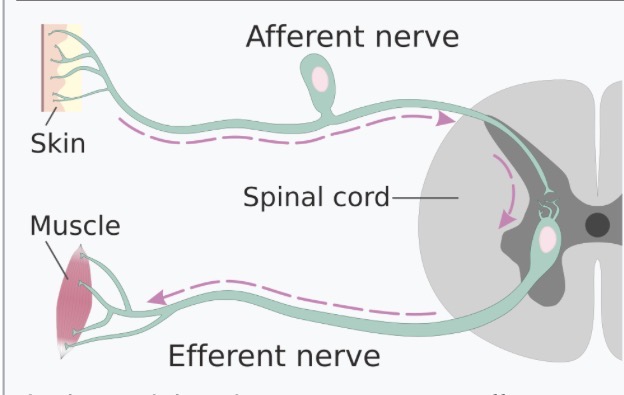
Afferent neurons
Sensory neurons, carries outside stimuli UP TO THE BRAIN
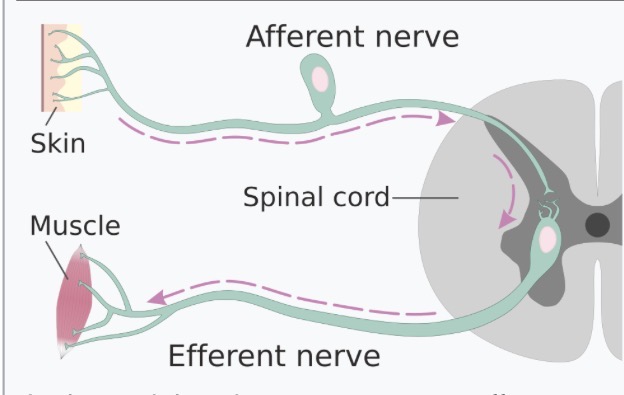
Efferent neurons
Motor neurons, send signals FROM THE BRAIN TO THE BODY
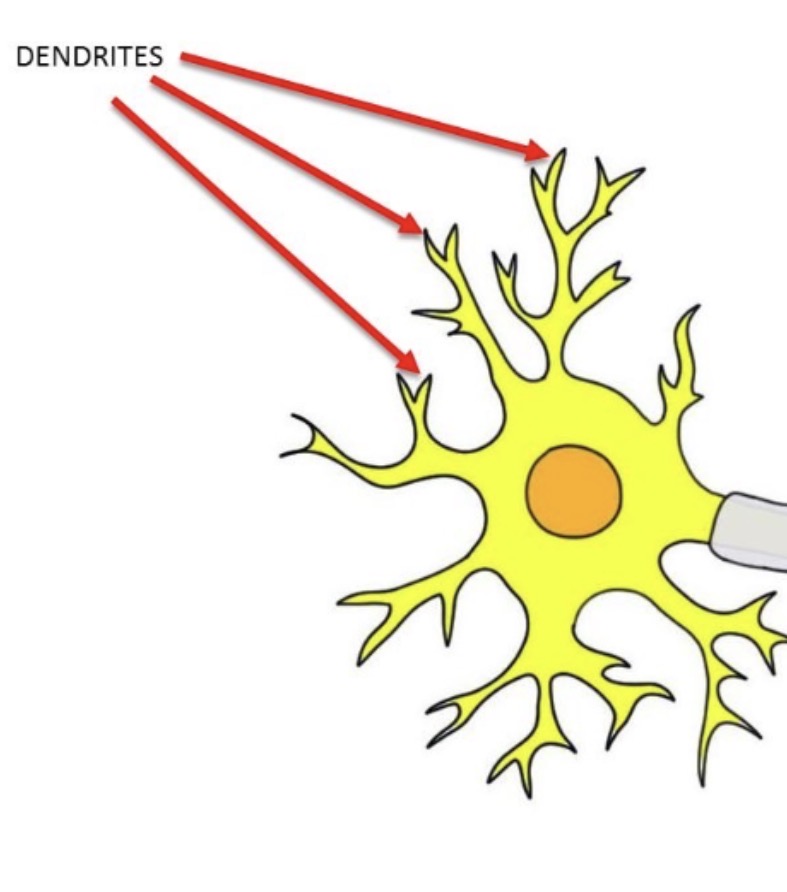
Dendrite
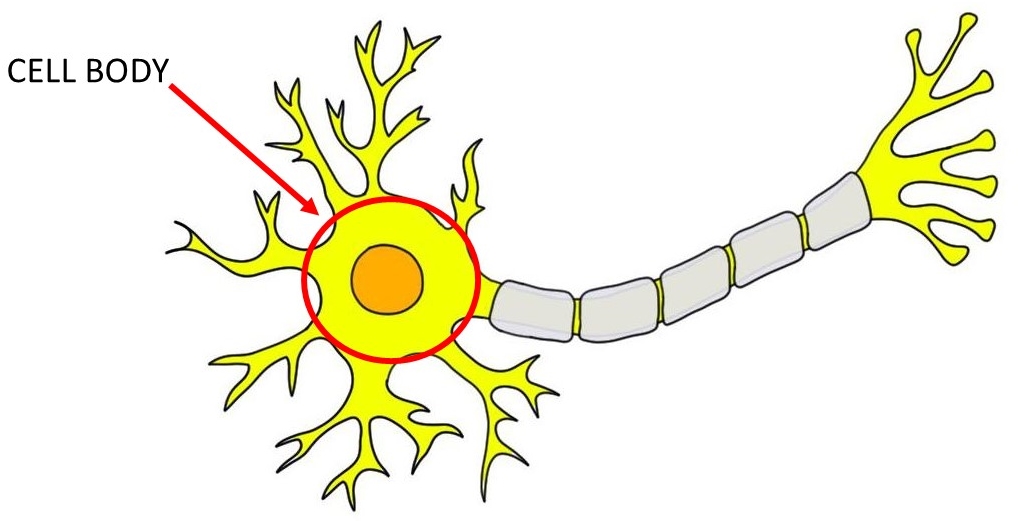
Cell body
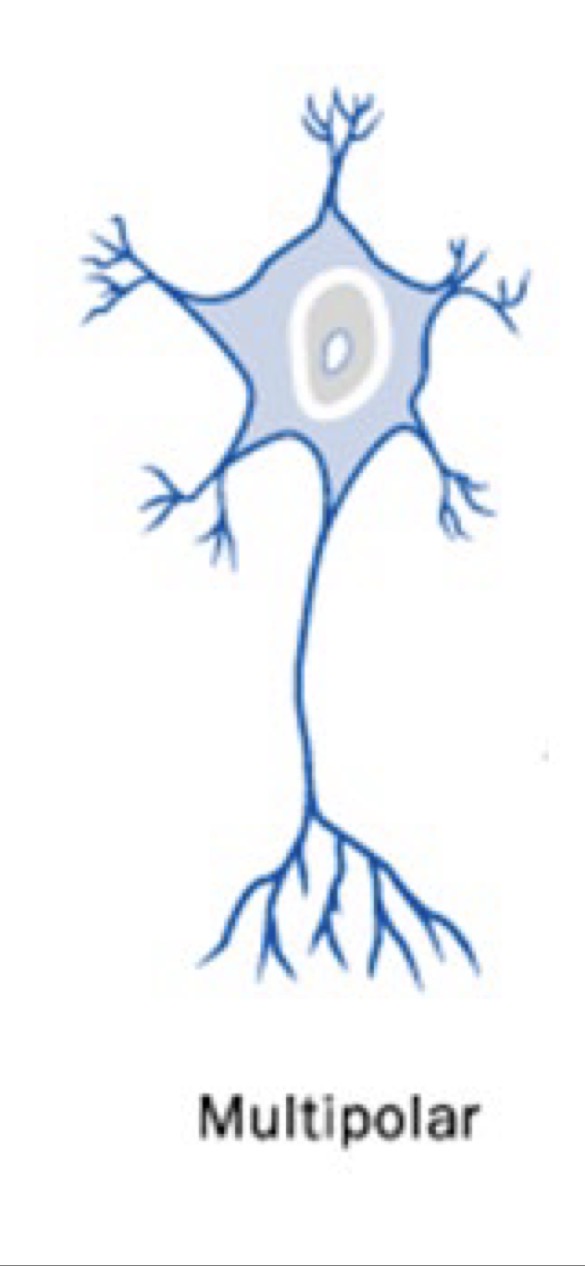
Multipolar Neurons
1 axon and several dendrites, dendrites do not come off of the cell body, most abundant
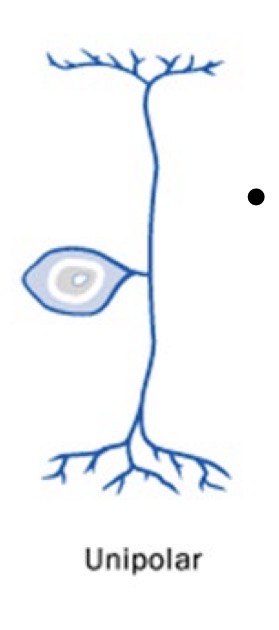
Unipolar/pseudounipolar neuron
sensory neuron with one branch that splits in two, cell body is in the middle (one side receives signals and the other sends them to the brain/spinal cord)
Neurons use __________messengers and changes in ____________ to quickly send signals around the body
Chemical, electrical charge
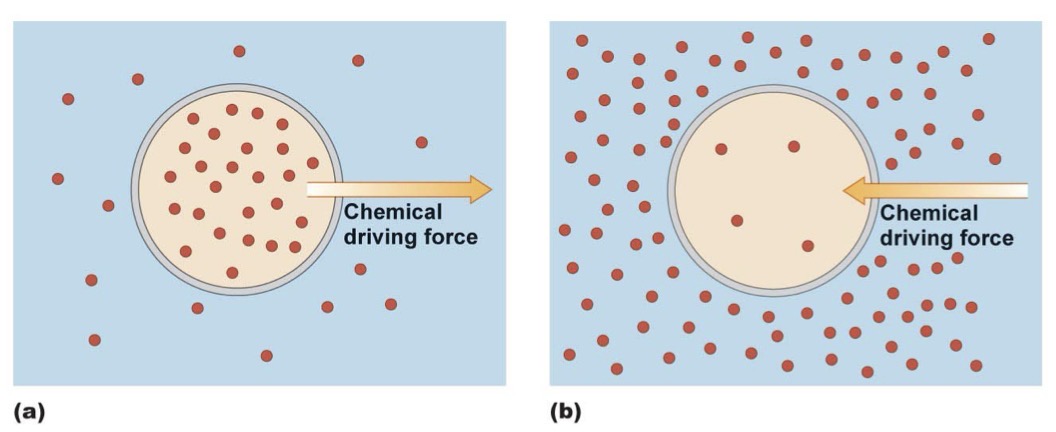
Chemical gradient
Molecules move from high concentration → low concentration
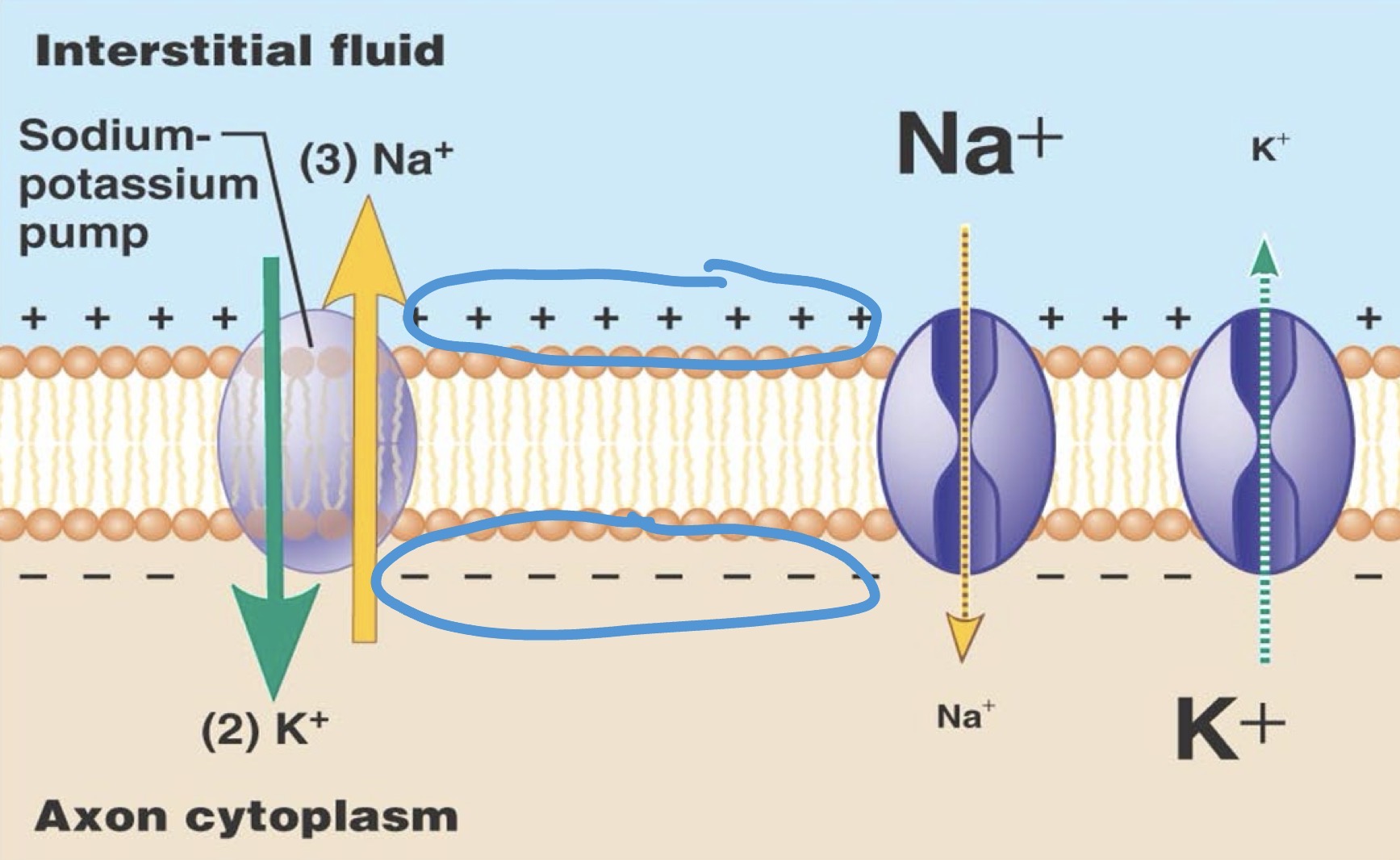
Membrane potential
The charge difference in electrical charge between the inside and outside of a cell.
Action potentials
Strong, high electrical, all or none signal that travels along the axon
graded potential
small, weak signals in a neuron that add up to get enough charge to reach threshold and trigger an action potential
Signal integration
neuron combines multiple signals to decide what to do.
In order for action potential to go, we need to hit a certain _________
Threshold
Depolarization
Goes up, positive shift, neuron is starting to turn on
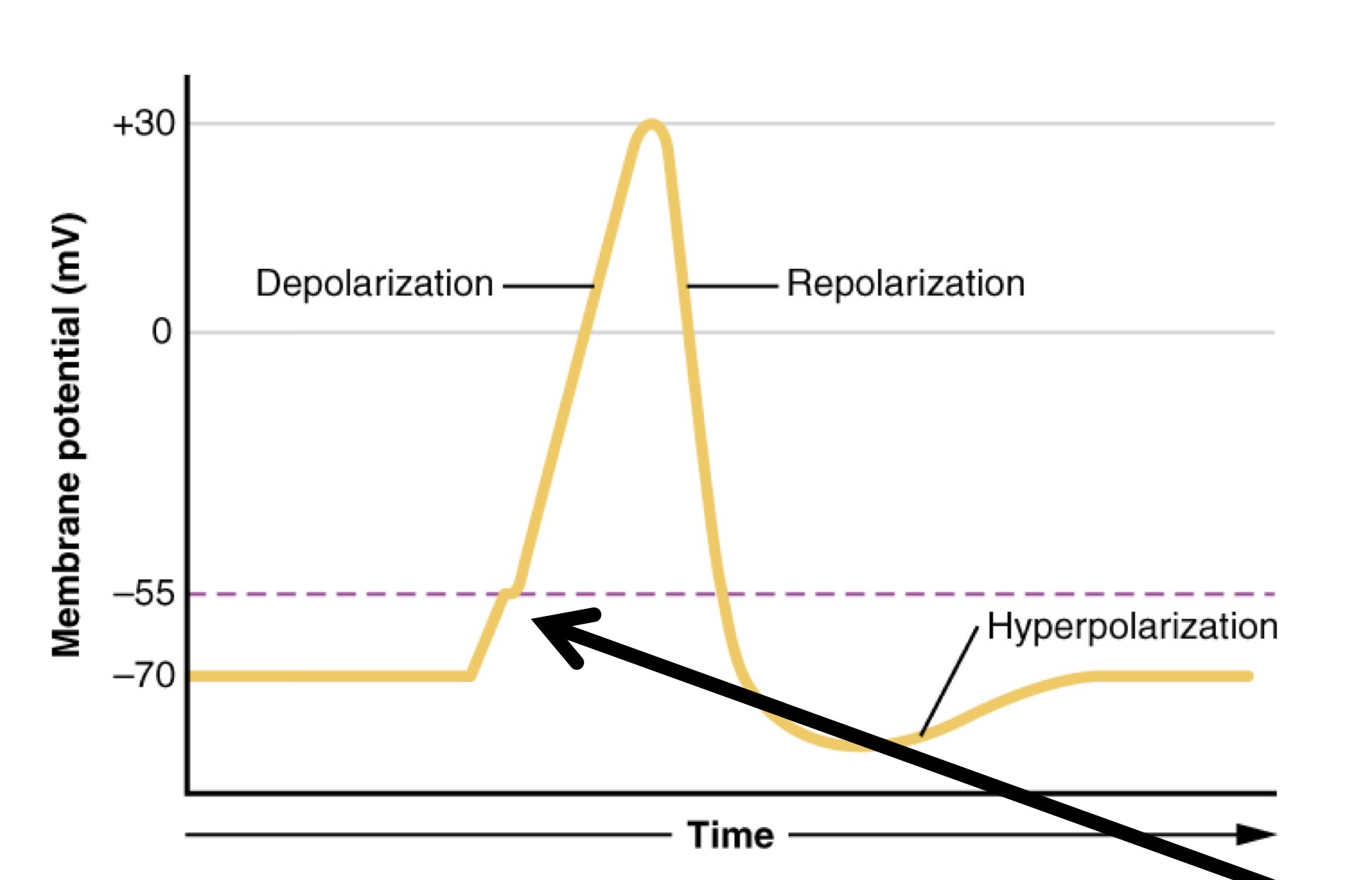
Resting potential
the neuron’s normal “at rest” state when it’s not sending a signal
Repolarization
Negative shift, neuron returns back to its normal resting state after firing
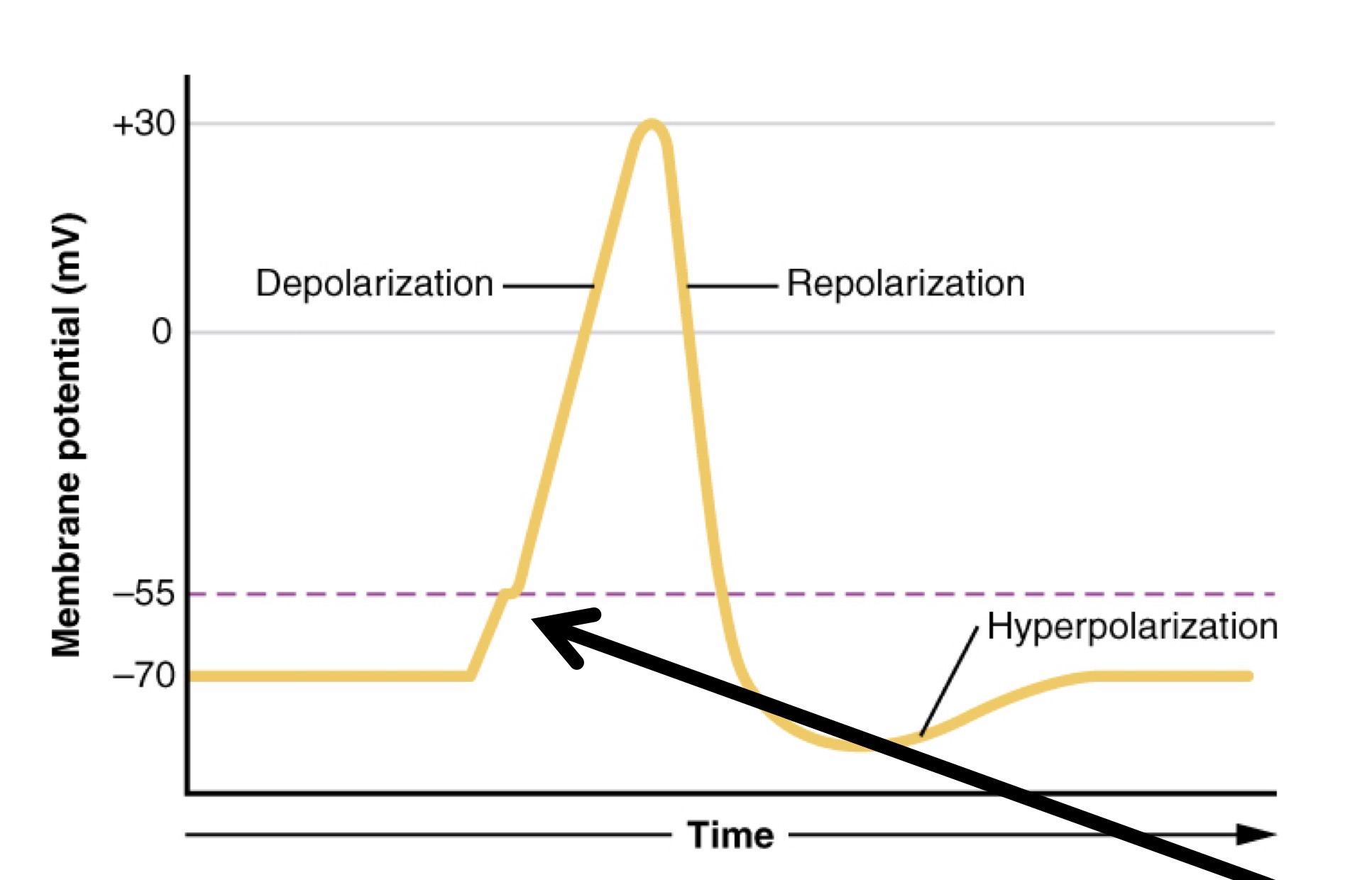
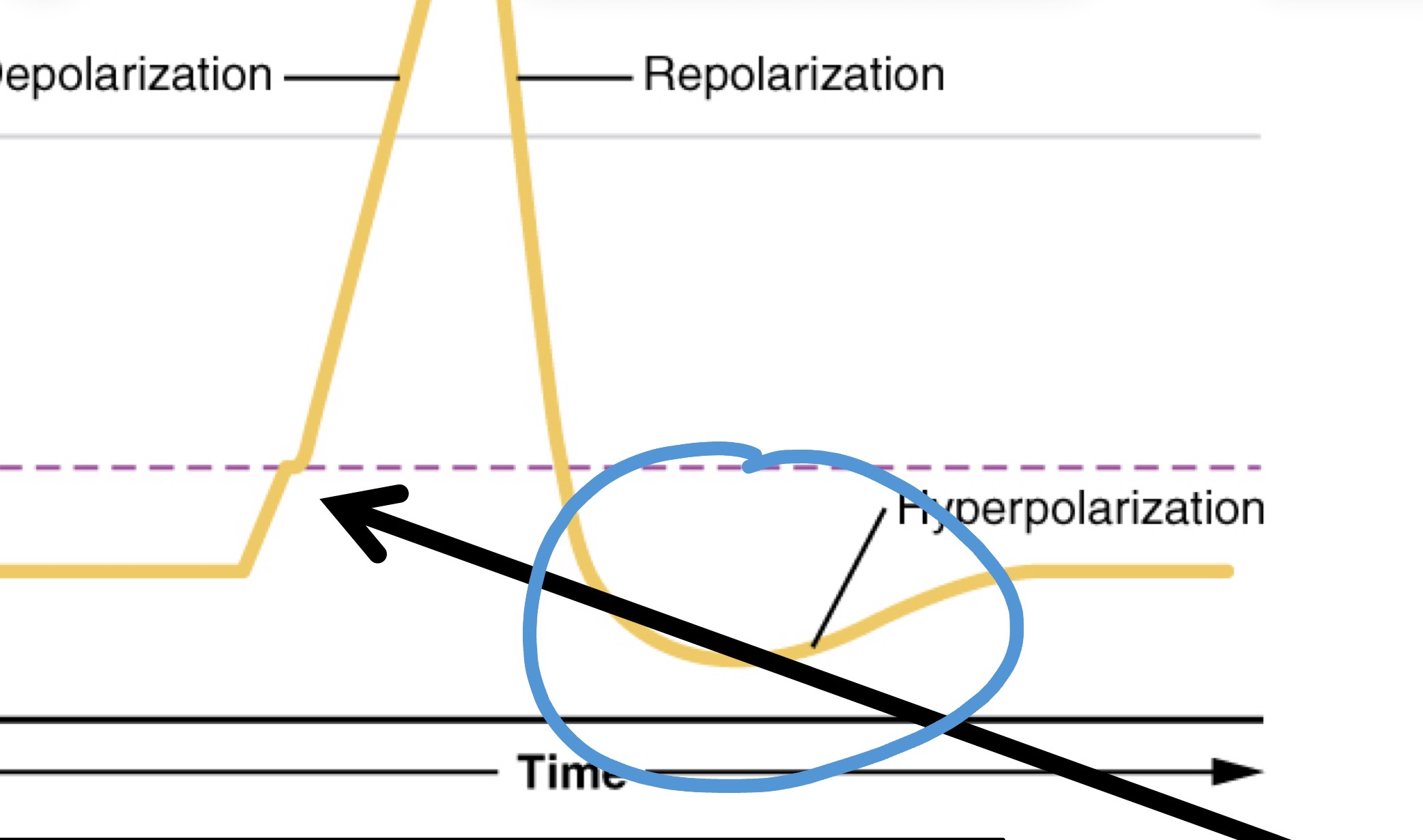
Hyperpolarization
neuron becomes more negative than its normal resting state
2 Types of Action Potential Propagation
Continuous and saltatory
Continuous (action potential propagation)
the UNMYELIMATED signal moves step-by-step along the whole axon (slow)
Saltatory (action potential propagation)
The MYELINATED signal jumps from gap to gap (Nodes of Ranvier), FASTER
Why is Saltatory propagation faster
It jumps between nodes of ranvier because its myelinated

