Hinduism
 Studied by 0 people
 Call with Kai
 Learn
Learn Practice Test
 Spaced Repetition
 Match
Match Flashcards
 Knowt Play
1/138

There's no tags or description
Looks like no tags are added yet.
Name | Mastery | Learn | Test | Matching | Spaced | Call with Kai |
|---|
No analytics yet
Send a link to your students to track their progress
139 Terms
issue with term Hinduism
only recently associated with the religion and the term is given by outsiders
Sindh
ancient sanskrit word for ocean in indus valley
Hindusthana
region around indus river
Hindu
people who lived in sindh
origin of word hindu
persians wanted to conquer sindh for the gems but they were unsucessful
when they returned they couldn’t pronounce the letter S so they pronounced it Hind
person from the region called a Hindu
alexander the great and India
wanted to conqure the world and thought sindh was the end
marched on foot but ran into sindh war elephants
retreated back to the west
origin of word india
sindh → indos → india
why did the British colonize India
India was a major control center, so buy controlling India they could control trade
How did British colonize India
they were originally beaten by the Muslim and Hindu people so when they returned they used the strategy of divide and conquer to easily take over
divide and conquer
The British paid Muslims and Hindus to talk bad about each other to divide them and create an artificial religious division
British definition for Hinduism
anyone not a monotheist
British railway
used to ship goods across India and to the ports
Train surfing
passengers climbing on the outside of cargo trains for transport
Sanatana Dharma
closest consensus word for the Indian religion
Jain Ascetics
non violence
face mask and no shoes worn to prevent accidently killing bugs
Goddess Kali worshipers
sacrifice goats daily to give her power to defeat evil
Buddhist Monks
can eat meat from animals but cant kill animals themself or eat meat from animals killed specifically for them
Hinduism Statistics
1.2 billion total
98% in south Asia
Nepal, India, Sri Lanka, Bhutan, Pakistan, Bangladesh
2nd fastest growing religion
religions of south Asia
Hinduism
Nepal and India
Buddhism
Sri Lanka and Bhutan
Islam
Pakistan and Bangladesh
Major Industry
Farming was 70% in the past, today textiles and IT are also major
Climate and religion
Monsoons season is from June-Sept and is important for farmers
many farmers depend on monsoons for irrigation even today
religious practice to pray to rain Gods
Rain ritual
marry frogs to help bring the rain
Mount Meru
Sky - Heaven and Gods
Top - Demi Gods
Bottom - human realm
ocean - aquatic demi gods
below ocean - hell realms
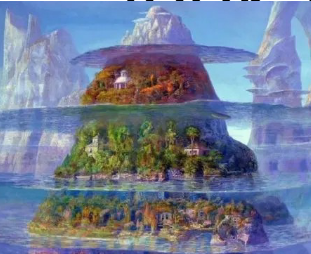
Forest traditions
monks live and teach in the forest and buddha was enlightened under a Banyan tree
Banyan tree
National tree of India, Buddha enlightened under it
Animals and religion
animal gods
Hanuman the monkey god
vehicles for the gods
indra rides white elephant
durga rides tiger
Indra
king of the gods and the god of thunder/rain
Indus Valley Discovery
locals found mud bricks
Charles Mason (explorer( illustrated what he saw including the mud bricks
railway workers excavated the land and dug up streets/buildings
archeologists unearthed massive settlements
Indus Valley civilization
2500-1900 BCE around Indus river
2 largest cities had 40k people
Mohenjodaro - mound of the dead
Harappa - fortress
3500 stone seals found
Indus valley advancements
sewage system with flushed toilets
running water and wells
large public baths (before romans)
elevated city
multistory houses
horse and chariot
pottery
paved roads
precious jewlery
Mohenjodaro
Mound of the dead
thought large mound at center was a funeral monument
(was actually a grain storage)
Indus stone seals
used to identify the owner for traded goods, each one was unique with similar animal symbolism as today
main industry of indus valley
trade/ agriculture
we know because there aren’t any evidence of weapons/war/army
system of weights for selling things and beads used as a currency
Who built indus valley
originally thought to be built be foreigners but recent DNA tests on skeletons show it was made by the locals
continuity of imager between hindu and indus gods/goddesses
shown in meditative positions
tigers
bullhorns
moon disk
Rudra (indus) → shiva (hindu)
sacrificial fires
fire alters in ancient indus valley similar to Homa/Havan of today
things like antlers and cow bones thrown in by indus to worship gods
today other things are thrown in
used to bless marriages today
Phallic objects
Linga - penis of shiva
Yoni - womb/vagina of shivas wife
pour milk and flowers on them
represents power of creation
seen today and back in the indus valley
what happened to the indus valley
climate change due to earth axis tilting led to less rain and the rivers shrinking
couldn’t support a large population so massive migration to the east occurred
Vedas meaning
knowledge
Ved meaning
to know
the vedas
the 4 earliest scriptures that were praises and hymns to the gods (like prayers)
most were to Indra the god of thunder
cosmology
how religions view the world
why are there multiple creation myths
Hinduism is made of many overlapping faiths and traditions
world is seen as cyclical with multiple beginnings and ends
The golden egg
found in the vedas
egg floating in ocean split in 2
½ earth (creatures)
½ sky (heavens and gods)
what inspired the golden egg story
fossilized dino eggs encrusted with pyrite
geomythology
the belief in demi-gods inspired by fossils
Garudas
half bird
based on flying dino fossils
protectors who see things coming from above
line the temples in Thailand
Nagas
half serpent/dragon
live in ocean
found snakes guarding eggs → guardians of treasure
amonites
a fossil
represent the sun disks for vishna, the god of light
also represent the chakras
saligrama
smoother amonites found in rivers and used as a offering to the gods
fossilized tusks
belong to the gods war elephants
Vishnu and the serpent
Vishnu resting on sesha (the Naga king)
umbilical cord grew from Vishnu’s naval
brahma born on lotus
Brahma asked Vishnu what to do
told to create the world
went in deep meditation
heard “om” rising from ocean
splits the lotus to create the world
felt lonely so he split himself into male and female (saraswati)
om
most sacred sound
Brahma and Saraswathi
Brahma - God of creation
Saraswathi - Goddess of learning/knowledge
Vishnu and Lakshim
Vishnu - god of light, god that sustains the world
Lakshim - Goddess of prosperity and wealth, need resources to sustain earth
Hymns of Purusha
Found in the vedas
primordial man purusha sacrificed himself to the gods
body dismembered to create the world
purusha
primordial man with 1000 eyes, hands, feet
elephant bones resemble a thigh bone → thought they were giants
Caste system
used to organize society, determined at birth and last name shows your caste
castes have unique hair and headwear
Body parts of purusha
Mouth - Brahmins
Arms - Kshatriyas
Thighs - Vaishyas
Feet - Shudras
Brahmins
Guard the Vedas
permission to learn prayers
perform the Homa/Havan
birthright to become a priest
wrote the vedas
Pandit
someone who is a Brahmin and actually practices as a priest
Kshatriyas
kings and warriors
right to bare arms
rule and enforce punishment
protect the kingdom
commission pandit to perform homa/havan
Vaishyas
merchants, artisans and farmers
facilitate commerce and keep economy going
business owners
Shudras
serve the upper castes
servants/slaves
darker skins since they spend time outside
cant study the vedas
Jatis
sub group of castes
dabbawallah
deliver homecooked meals
casteism
prejudice based on caste
illegal and can lead to jail
more common in rural areas
Dalits
the untouchables
after long exposure to pollution
cant wear footwear in upper class
cant take transit
build homes but cant enter when finished\remove slippers in restaurants
Dalit careers
street cleaners
manual cleaners
leather workers - touch dead cows
sewer cleaners
Laws of Manu
written my kshatriyas
govern caste rules
Dharma
law/rule/duty
open defecation cause
colonialism
stole resources leading to poverty and a lack of infrastructure
laws of manu
told to urintae/deficate away from home
Gandhi
peacefully protested
hunger strikes
wear white robes to represent unity with poor
fought for Indian independence (1947)
protested casteism
renamed Dalit to Harijan
Harijan
new name for Dali (children of god)
exceptions to the caste system
not all villages have 4 castes
woman can change caste via marriage
people lie about their caste
changing last names
used to try and escape caste system, must publish name change in major newspaper daily for 3 months
contemporary caste views
reject caste system because we all have divinity and are beings of god so we are equal
all castes are within us
sramana
“seeker”
movement of spiritual thinkers who rejected caste system
Sadus
naked sramana
how to leave the caste system
give up last name
give up caste clothing
shave head/change hairstyle
give up job associated with caste
leave place of birth
4 cycles of time
Krita Yuga
golden age
longest lifespans
people follow their dharma
god prevails
4 foot bull
Treta Yuga
3 foot bull
Dvapara Yuga
2 foot bull
Kali Yuga
1 leg bull
most unstable
short lives
nobody follows Dharma
evil prevails
end of the world
Durga
the warrior goddess, becomes kali
Kali
goddess of darkness and time
Goddess kali story
gods losing
give their power to Durga → Kali
cuts off demons heads - multiply when their blood hits the floor
licks up blood mid air
wears heads around her neck
start going crazy and kills gods/goddess too
husband Shiva lays in front of her → she steps on him → regains sanity
symbolism of kali
blue skin
represents ocean before existence
corpse turn blue
beauty fades over time
Mother figure
love for all beings
protects humanity
Moksha
enlightenment
Bhakti yoga
path of devotion
Yoga
any practice bringing one closer to god
Bhakti yoga relationship with god
like a passionate love affair
god treated as a lover
more personal relation
build a relation with god
Nirguna Brahman
gods hidden form that cant be perceived with the senses
Saguna brahman
god with a form (statues), seen in meditation
know god through saguna before nurguna
ways to express devotion
treat god as a house guest
clean alter
make offerings
shrine room
given new clothes/bathed
given time to sleep (curtains)
fly whisk to wake them up
Puja
action of worship, performed daily
5 senses to appeal to the gods
sound - bells and hymns
taste - food offerings
touch - sacred milk bath, powder
smell - incense/flowers
sight - lamps and candles
Ghee
clarified butter used in oil lamps
coconut offering symbolism
fibers - hair
hard shell - ego, ask go to break them
flesh - human heart
juice - clear, purity of human nature
Forehead marking
blessing from god (the 3rd eye)
→ seat of knowledge, wants to receive gods
examples of Puja
can be performed by all
home shines have MURTI → image/statue of god
formal (temples), and informal (at home)
more relaxed then during vedic
prasada
holy items that have been offered and already enjoyed by the gods
 Note
Note  Flashcards (179)