Ap world midterm
 Call Kai
 Learn
Learn Practice Test
 Spaced Repetition
 Match
Match Flashcards
 Knowt Play
1/208

There's no tags or description
Looks like no tags are added yet.
Name | Mastery | Learn | Test | Matching | Spaced | Call with Kai |
|---|
No analytics yet
Send a link to your students to track their progress
209 Terms
paleolithic
(Old Stone Age) a long period of human development before the development of agriculture
pastoral
nomadic animal-herding societies often known for spreading religion, culture, and technology across trade routes throughout history
conduit
a means by which something is transmitted
surplus
More of something than as needed.
metallurgy
the science of working with metals
agrarian
relating to land; relating to the management or farming of land
elite
People of wealth and power; upper class -- did not emerge until settled societies developed
egalitarian
believing in the social and economic equality of all people - existing before setting societies in hunter-gatherer groups
patriarchy
a form of social organization in which men are the supreme authority in the family, society, and political realm
Neolithic Revolution
(10,000 - 8,000 BCE) The development of agriculture and the domestication of animals as a food source. This led to the development of permanent settlements and the start of civilization.
specialization
The concentration of the productive efforts of individuals and firms on a limited number of activities; increases efficiency
social hierarchy
The division of society by rank or class.
disseminate
To scatter or spread widely
monumental architecture
Large structures, such as pyramid, temples, public spaces, and large statues, that tend to appear wherever powerful leaders emerge; a feature of all agrarian civilizations.
urban planning
The area of land use planning which explores several aspects of built and social environments of municipals and communities.
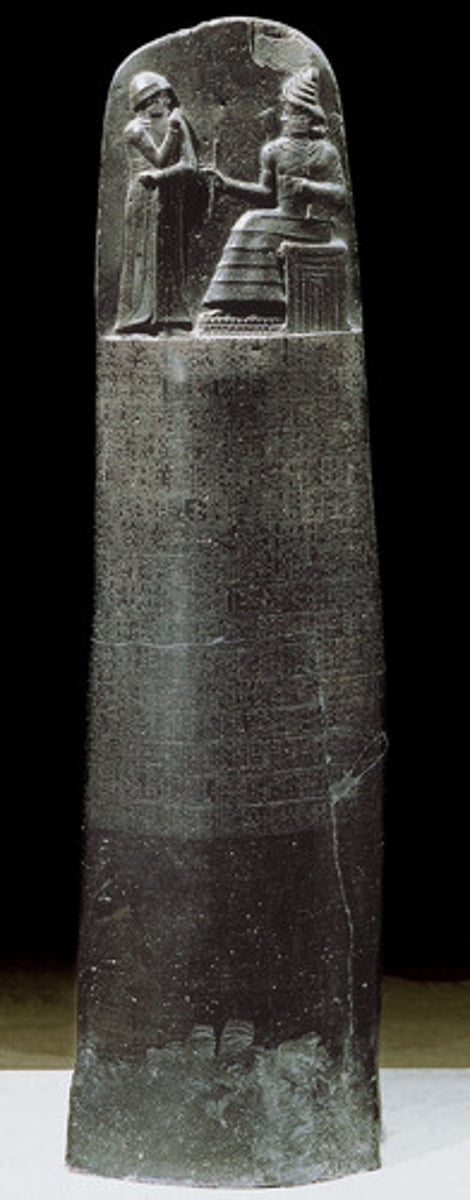
Code of Hammurabi
credited as the first written law code; written by a Babylonian king and established the basis for law codes
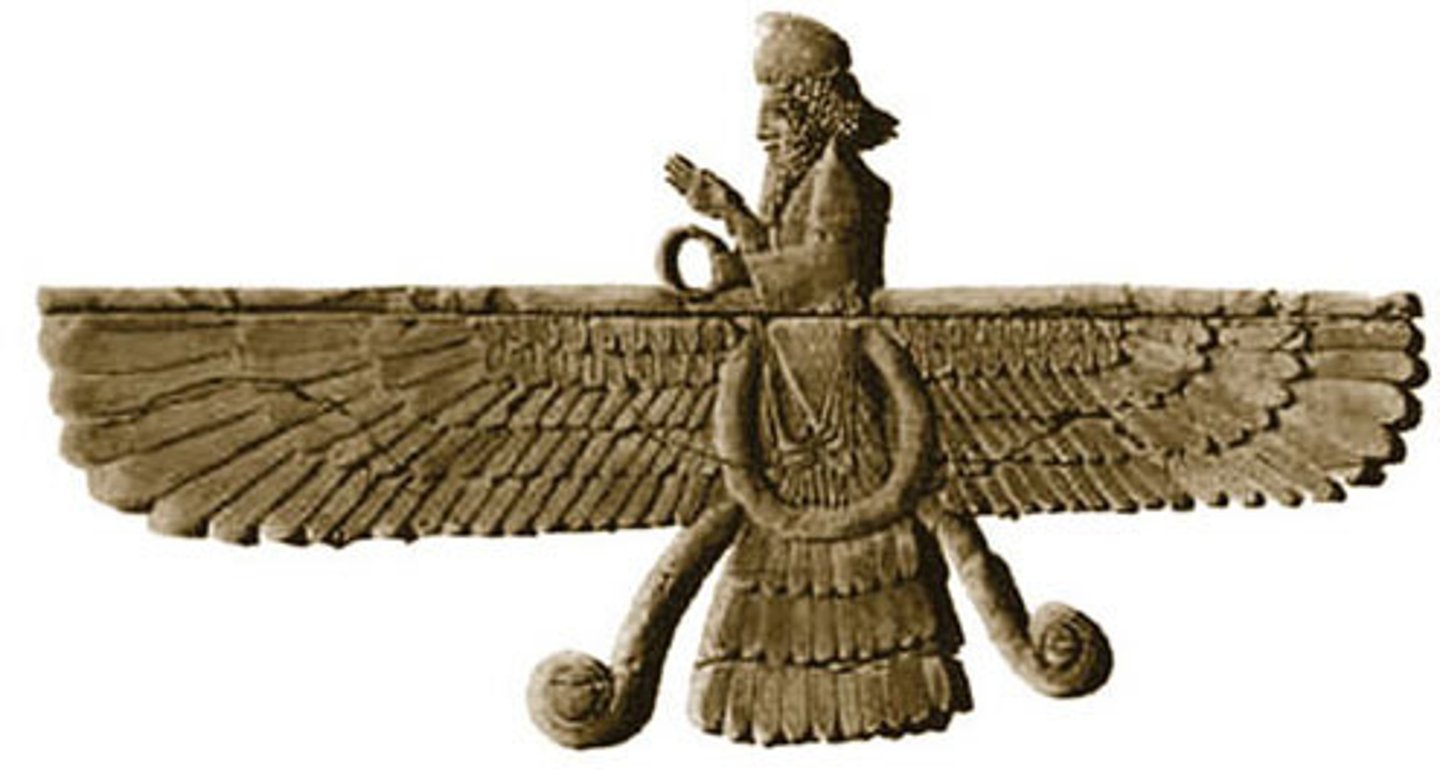
Zoroastrianism
One of the first monotheistic religions, particularly one with a wide following. It was central to the political and religious culture of ancient Persia.
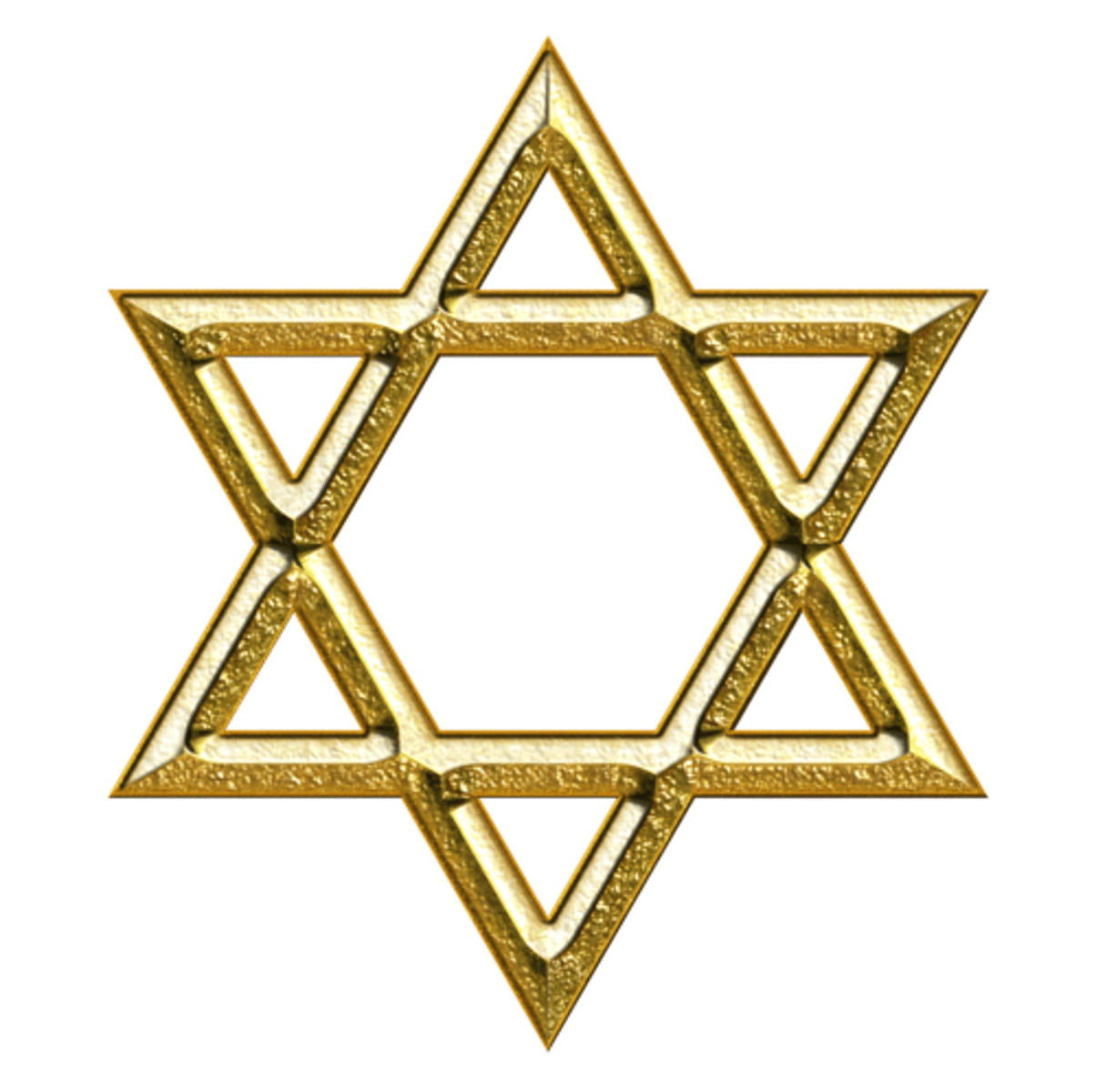
Judaism
A religion with a belief in one god. It originated with Abraham and the Hebrew people. Yahweh was responsible for the world and everything within it. They preserved their early history in the Old Testament.
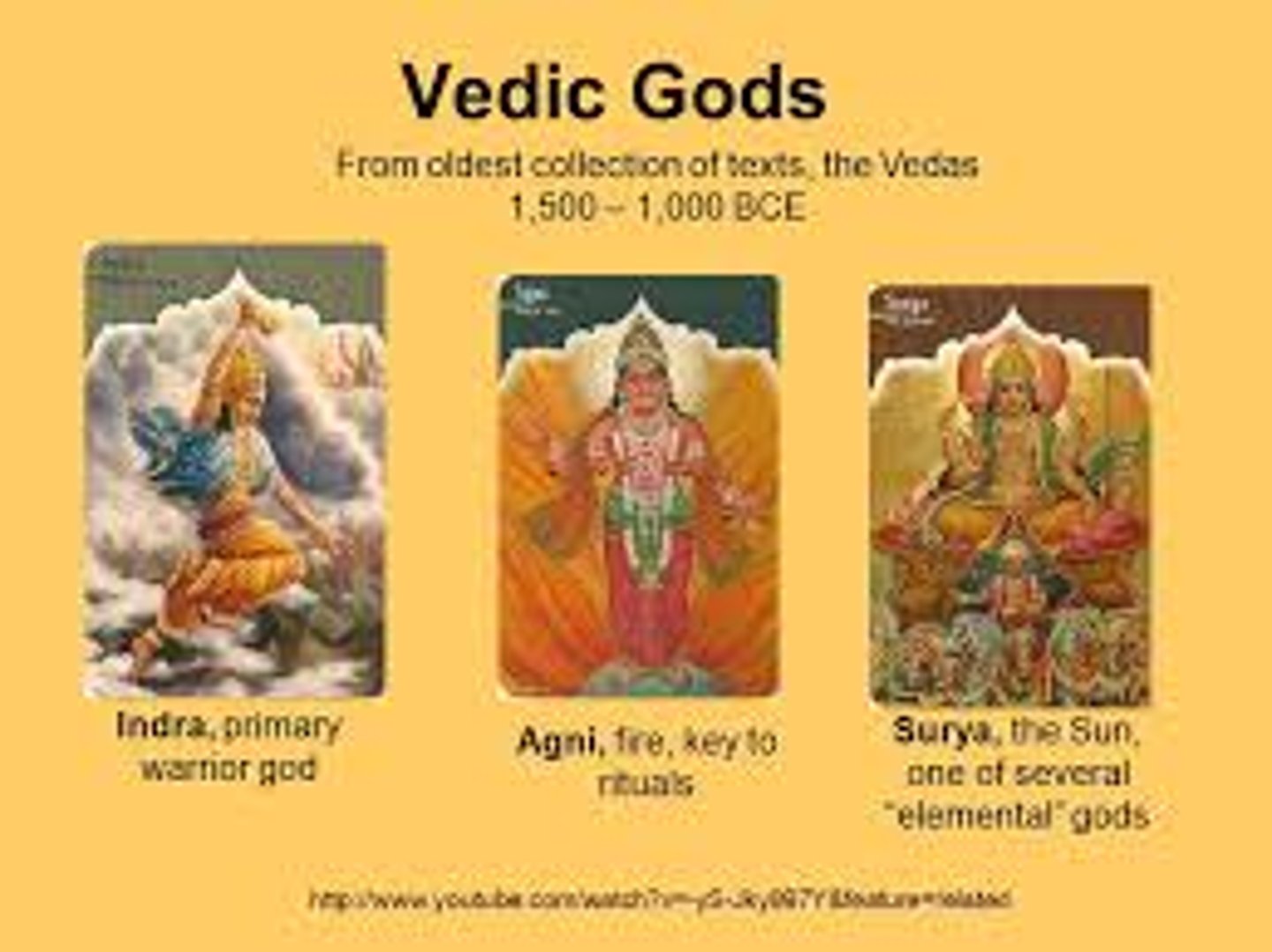
Vedic religion
The ancient religion of the Aryan peoples who entered northwestern India from Persia c. 2000-1200 B.C.E. It was the precursor of Hinduism, and its beliefs and practices are contained in the Vedas
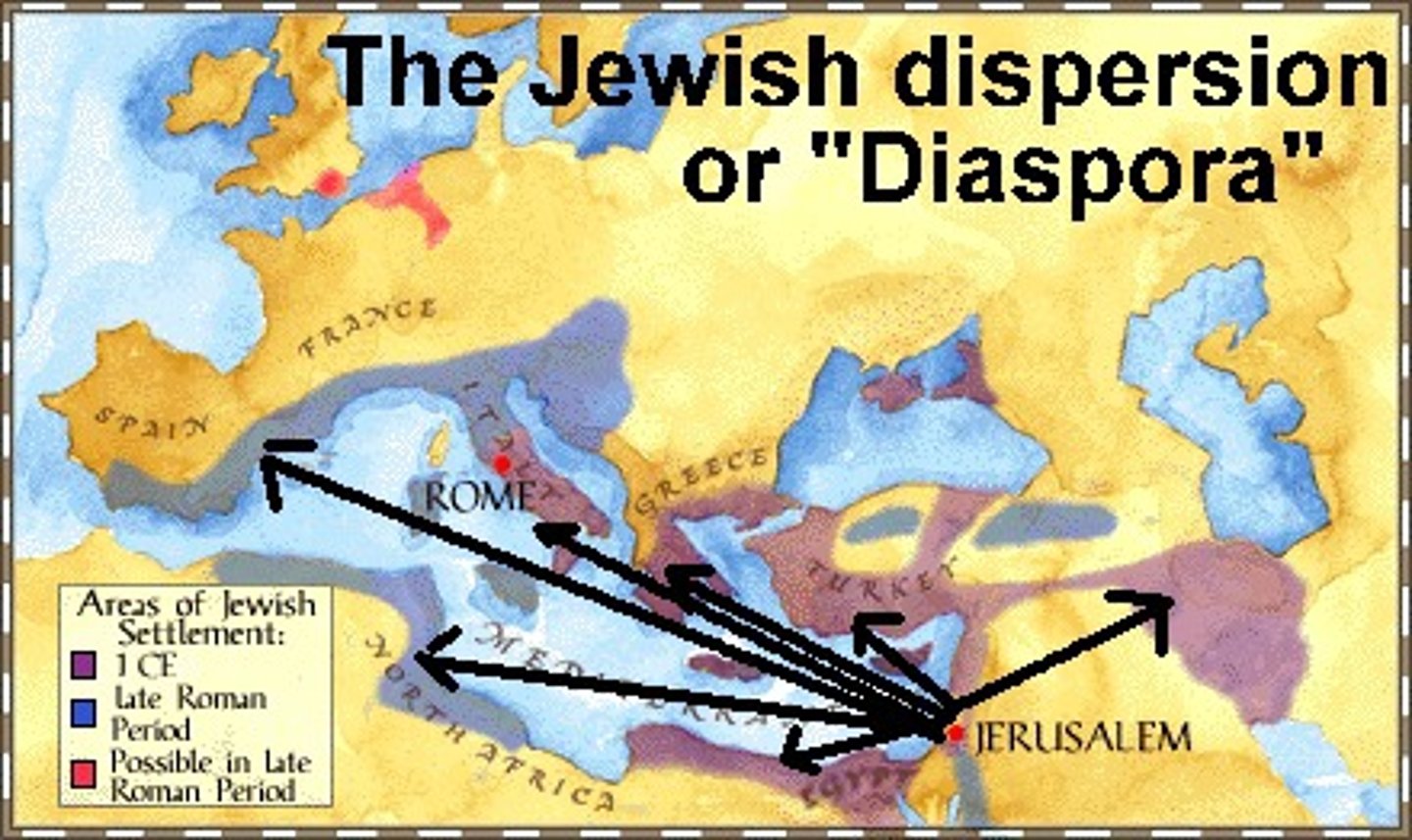
diaspora
any group migration or flight from a country or region; dispersion. Particularly used in relation to Jews scattered by Romans in 70 CE or to Africans spread to new places during the Atlantic Slave Trade.
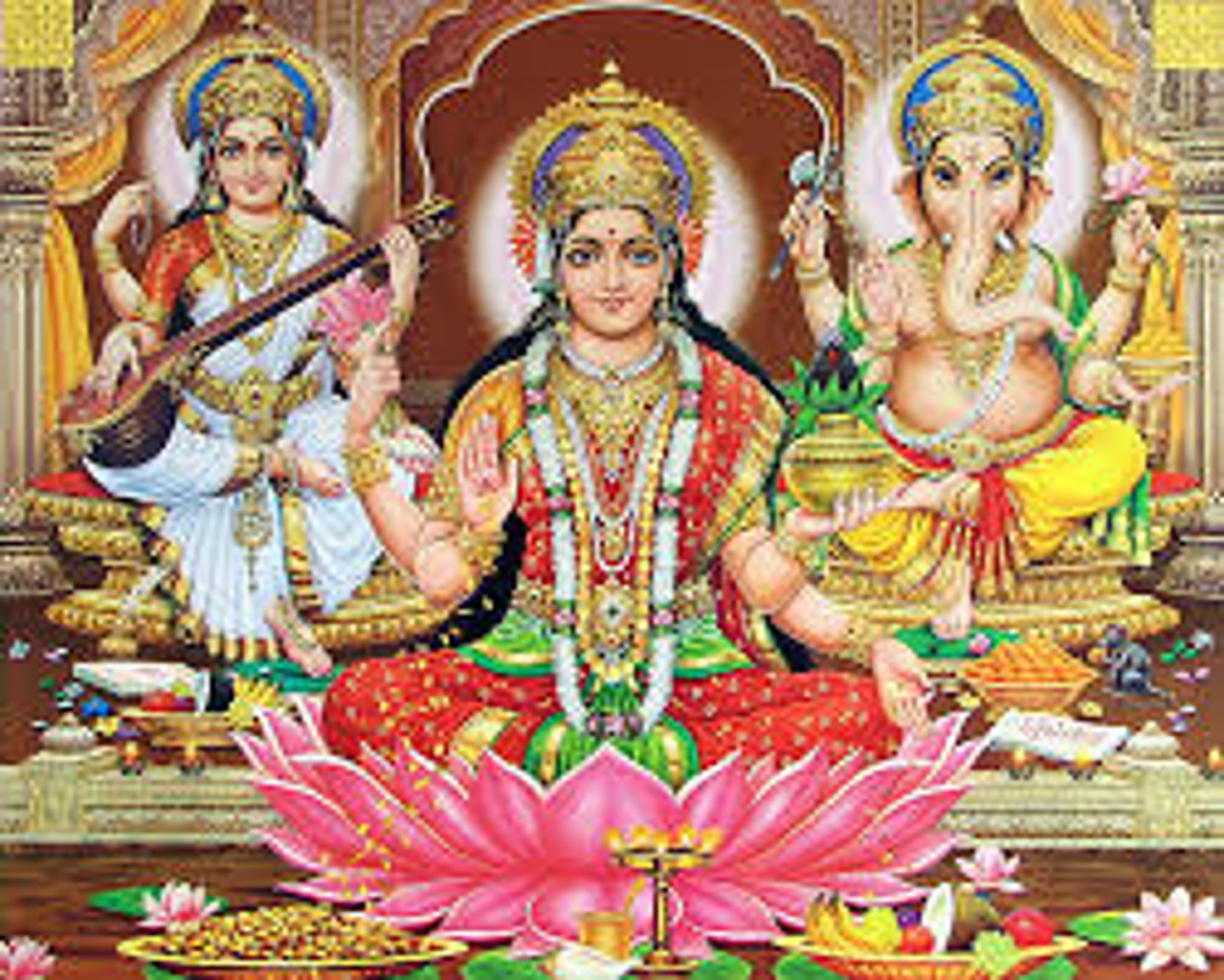
Hinduism
A religion and philosophy developed in ancient India, characterized by a belief in reincarnation, karma, the caste system, and a supreme being who takes many forms
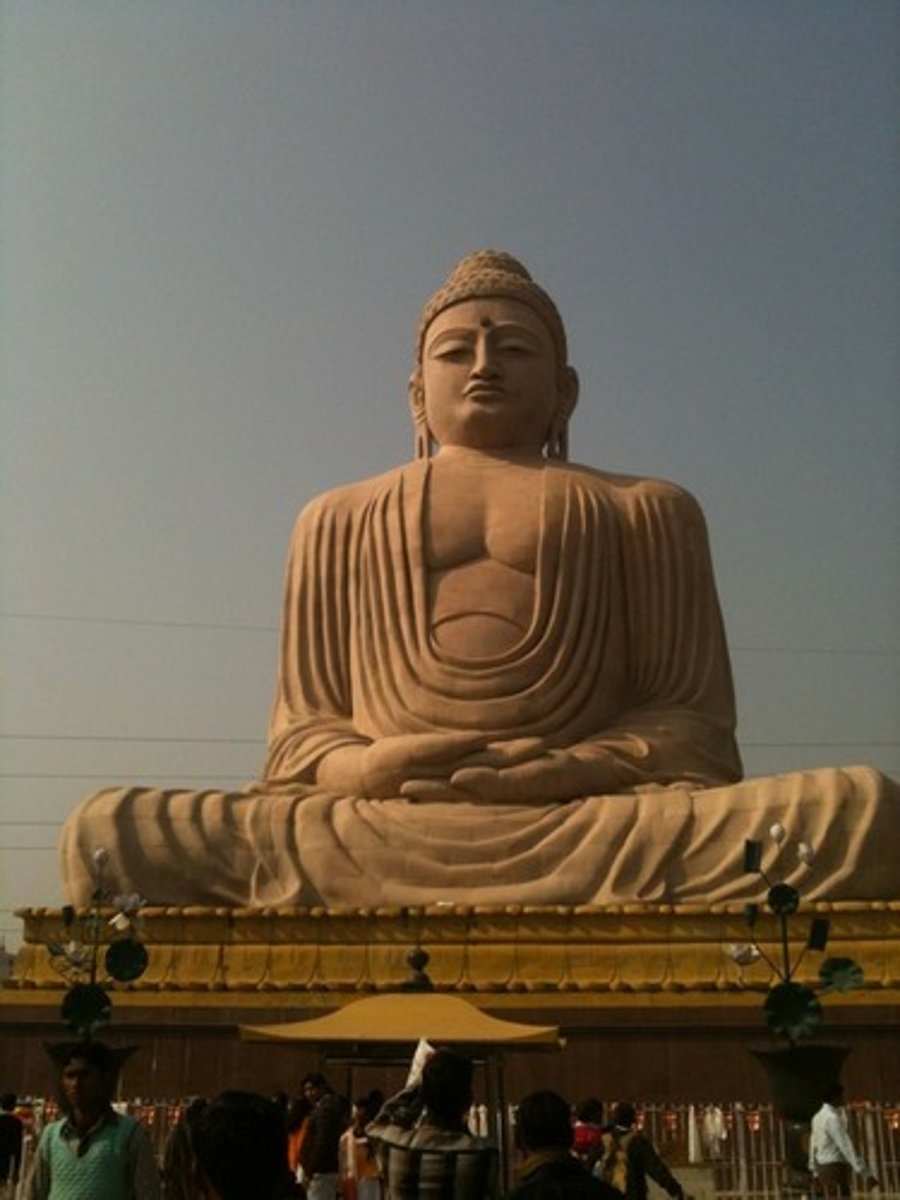
Buddhism
A religion with origins in South Asia in which Buddha (a former prince) taught that life is suffering, which is caused by desire. Suffering ceases when desire ceases. Enlightenment (Nirvana) is obtained through following the Eightfold Path.
Confucianism
A philosophy that adheres to the teachings of the Chinese philosopher Confucius. It shows the way to ensure a stable government and an orderly society in the present world and stresses a moral code of conduct.

five relationships
Confucian philosophy about social order where everyone has a place and respect is paid to elders, parents, and the government. The relationships are, ruler to ruled, father to son, older brother to younger brother, husband to wife, friend to friend.
filial piety
In Confucian thought, one of the virtues to be cultivated, a love and respect for one's parents and ancestors.
Mandate of Heaven
A political theory developed during the Zhou Dynasty of ancient China in which those in power were believed to have the the right to rule from divine authority.
Christianity
An Abrahamic, monotheistic religion based on the life and teachings of Jesus as presented in the New Testament. Drew on Judaism and initially rejected Roman and Hellenistic influences. Spread through the efforts of missionaries and merchants. Eventually gained support by the time of Emperor Constantine.
Greco-Roman philosophy
emphasized logic, empirical observation, and the nature of political power
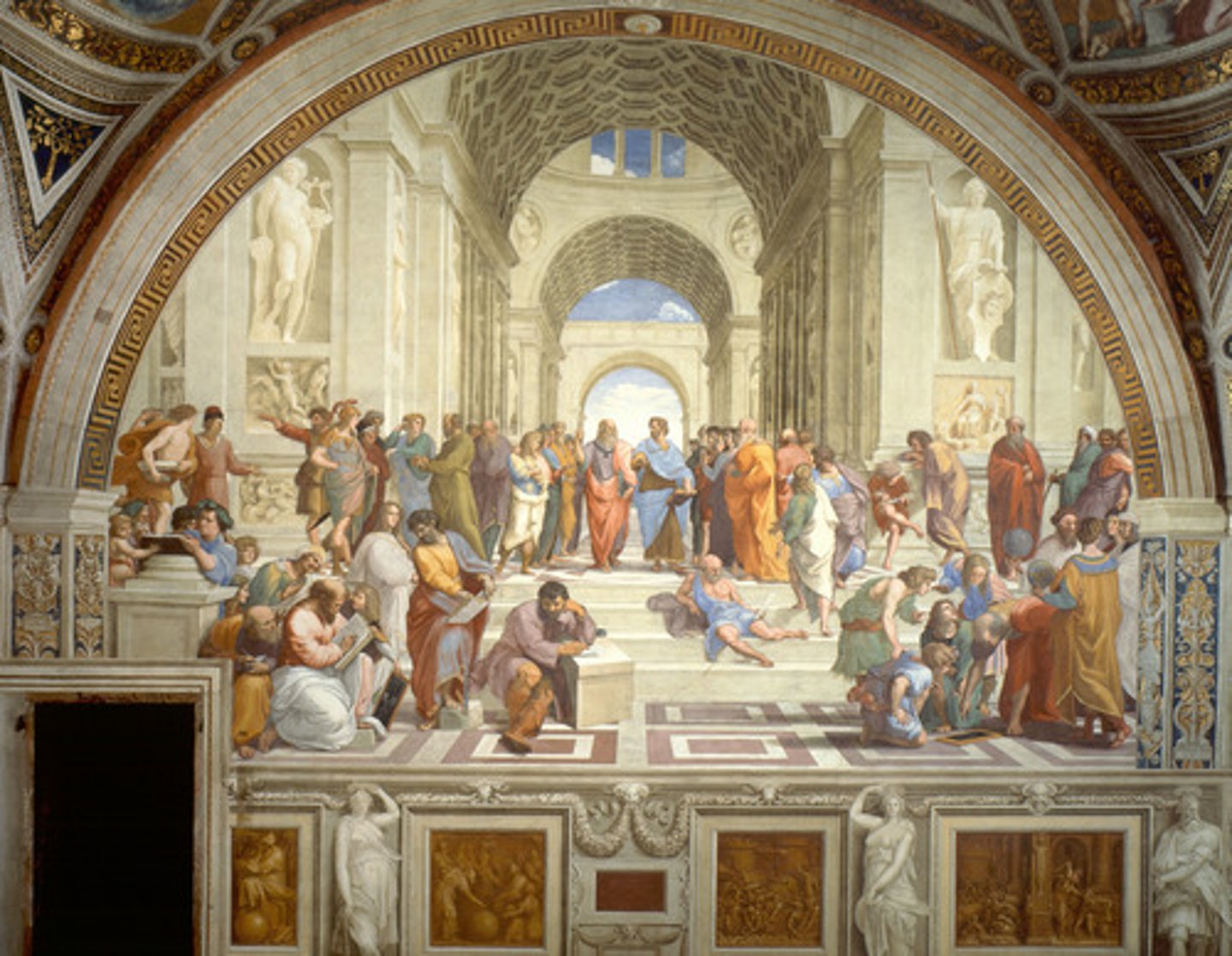
monasticism
Living in a religious community apart from secular society and adhering to a rule stipulating chastity, obedience, and poverty. (Primary Centers of Learning in Medieval Europe) - occurred in Christian and Buddhist communities
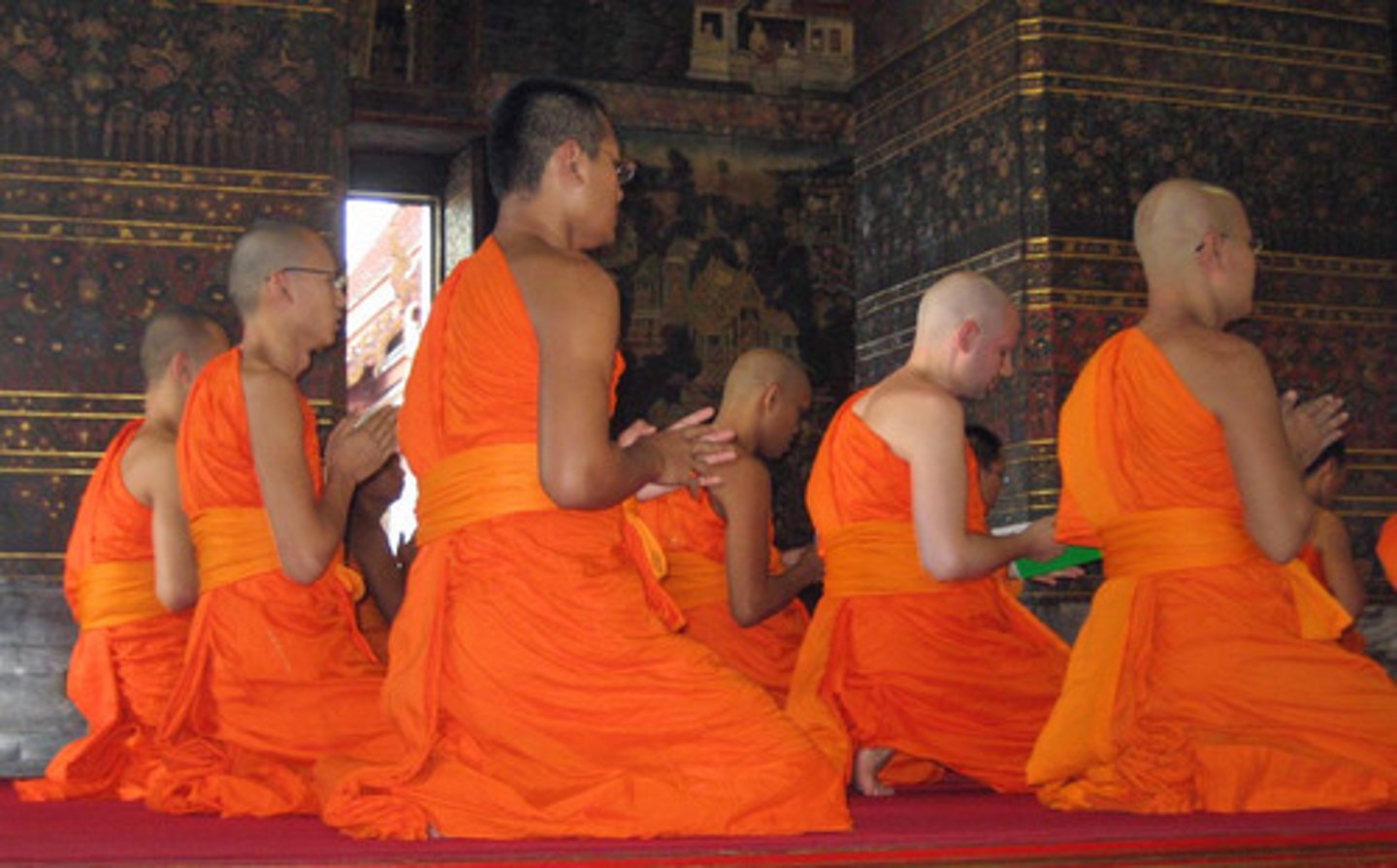
shamanism
tribal religion; involves community acceptance of a shaman, religious leader, healer, and worker of magic who can intercede with the spirit world (ex: Mongols)
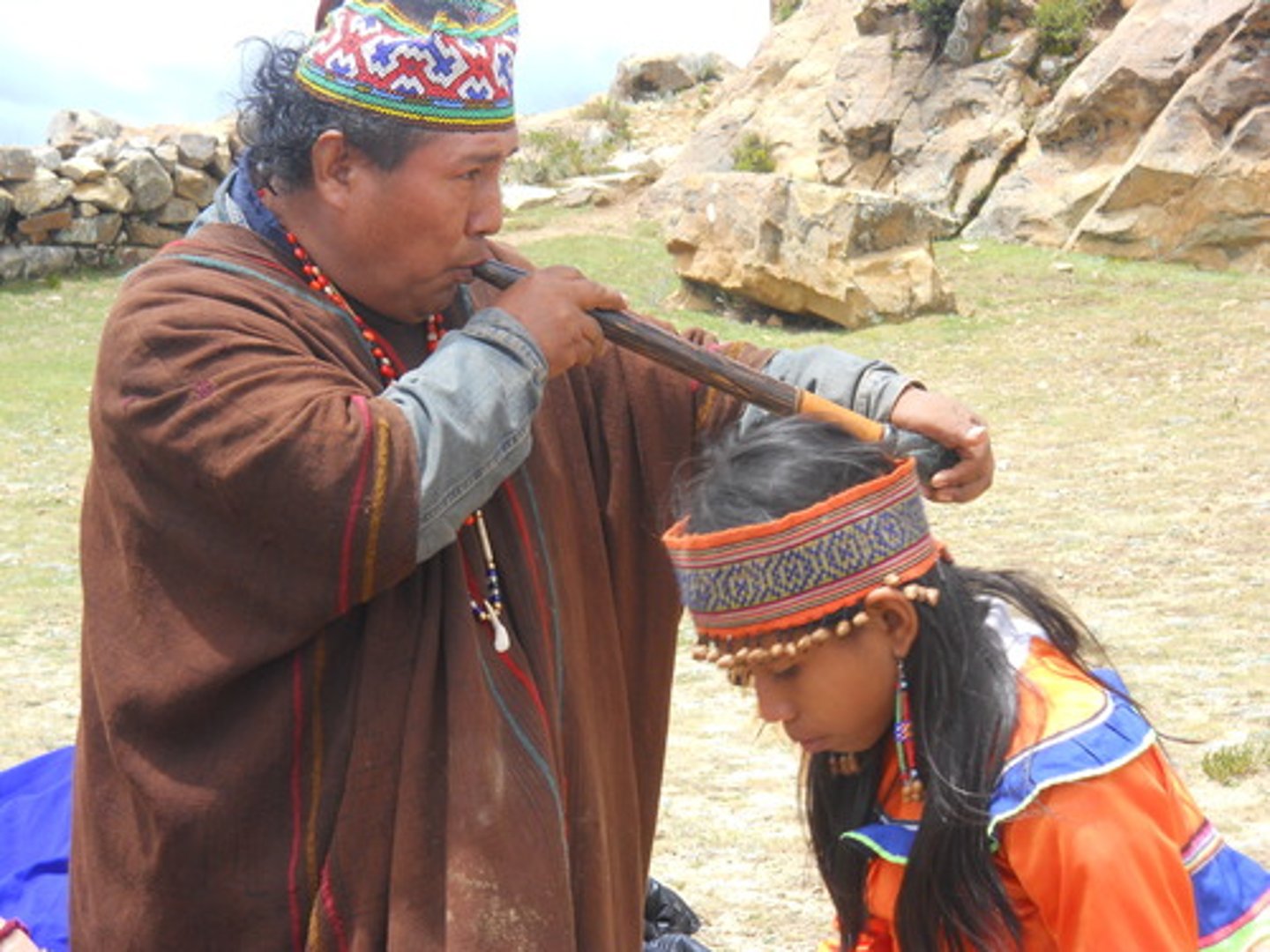
animism
Belief that objects, such as plants and stones, or natural events, like thunderstorms and earthquakes, have a discrete spirit and conscious life (ex: Shintoism in Japan)
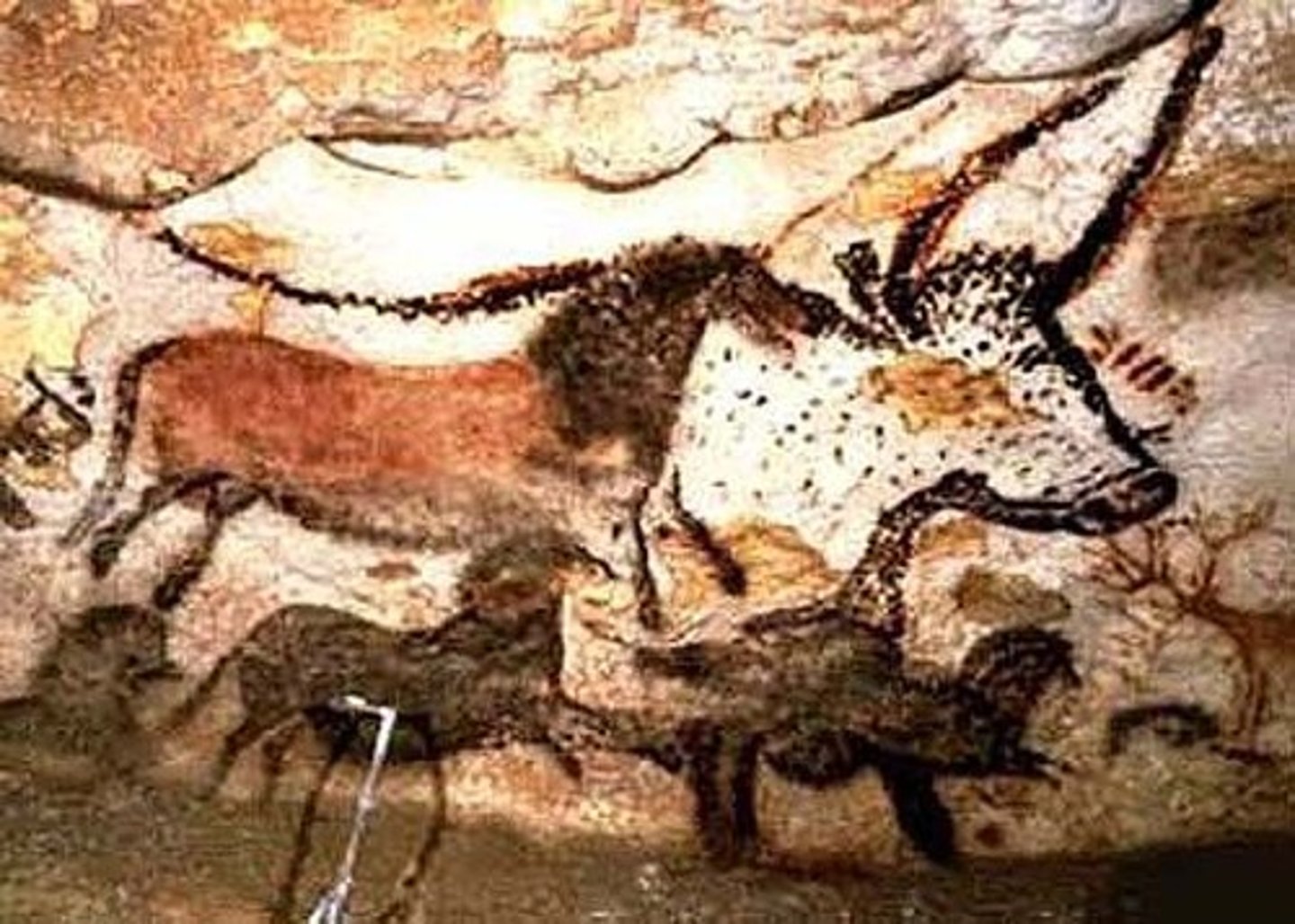
ancestor veneration
Worship and respect for ancestors (occurred in African, Mediterranean, East Asia, and Andean societies during the classical time period)
Hellenistic
The spread of Greek culture, Greek history, language from the death of Alexander the Great
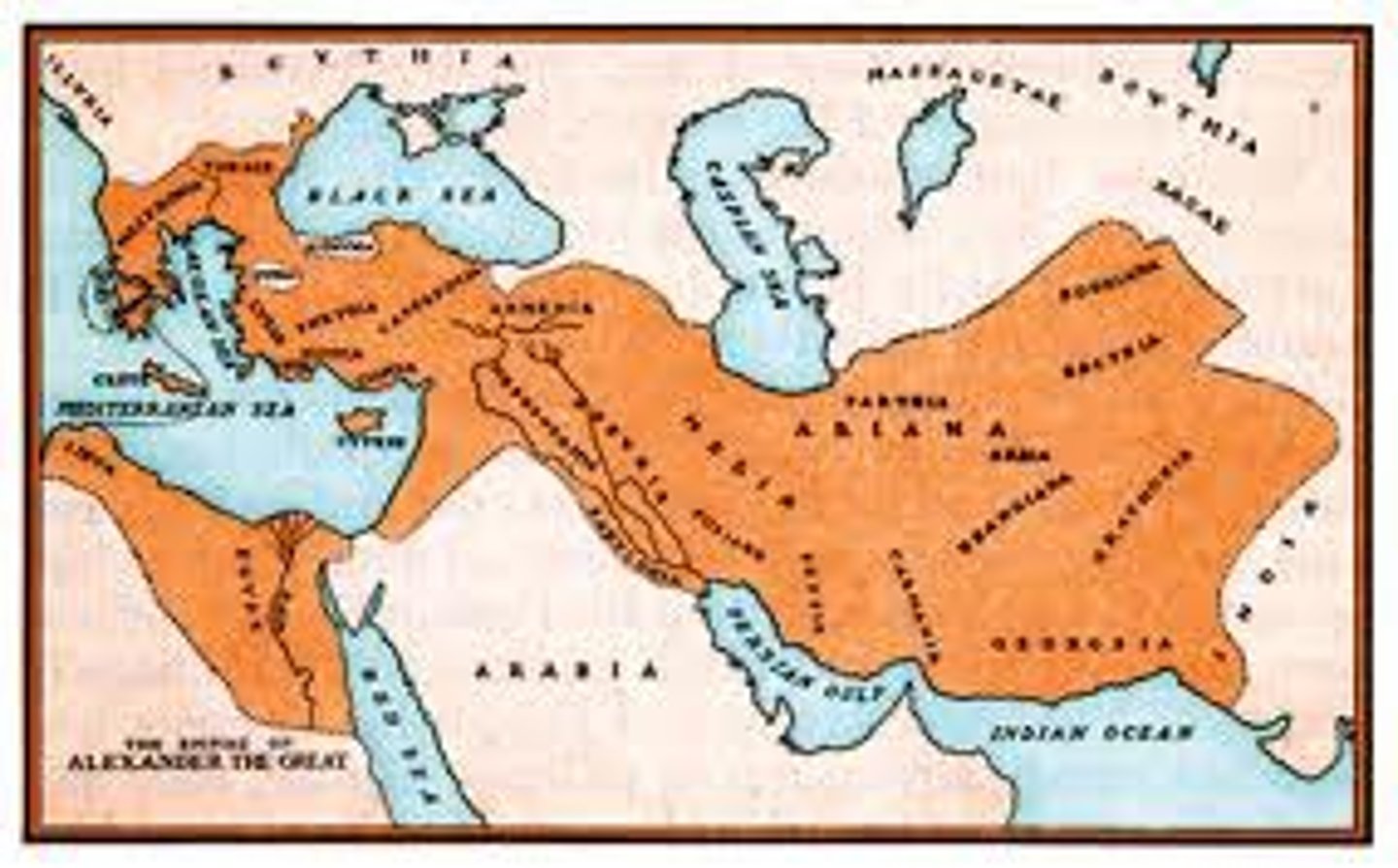
centralized government
A government in which power is concentrated in a central authority to which local governments are subject (ex: China, Rome, Byzantines, etc)
stirrup
device for securing a horseman's feet, enabling him to wield weapons more effectively. First evidence of the use of stirrups was among the Kushan people of northern Afghanistan in approximately the first century C.E.

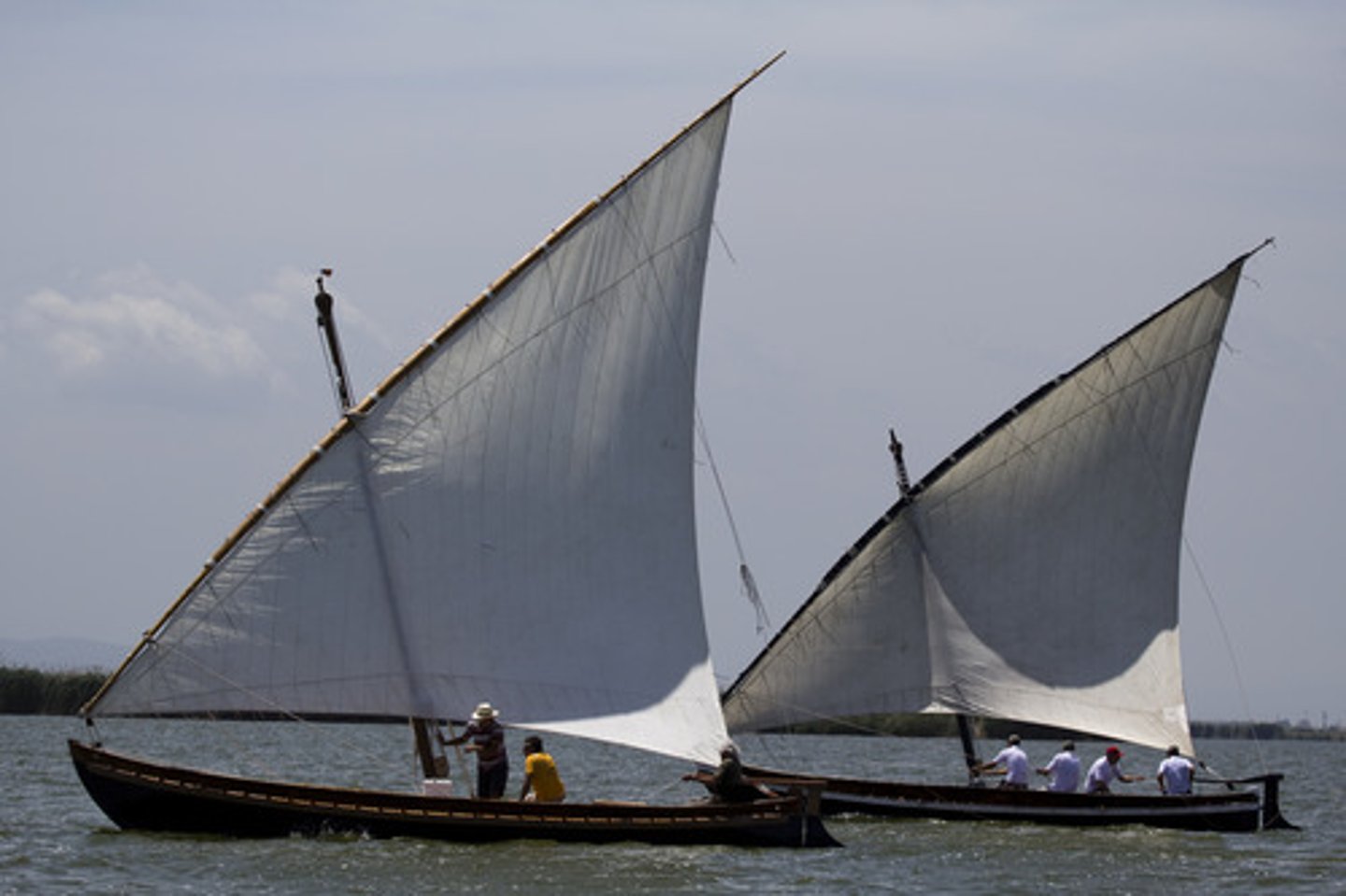
lateen sail
triangular sail that made it possible to sail against the wind; used in the Indian Ocean trade
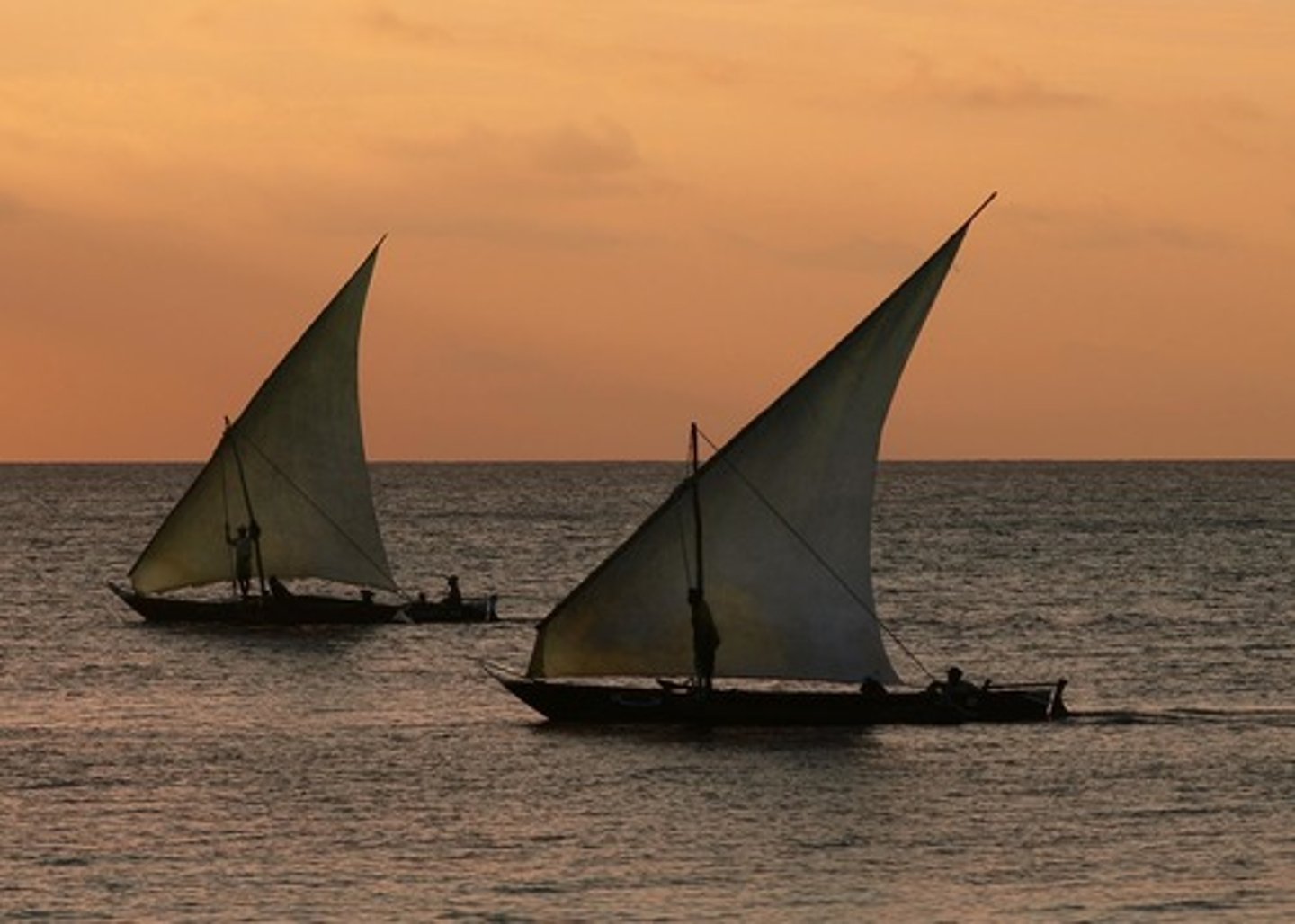
dhow ship
emerged in middle east; sturdy enough to carry a lateen sail to cross open water; vessel of commerce and used in the Indian Ocean
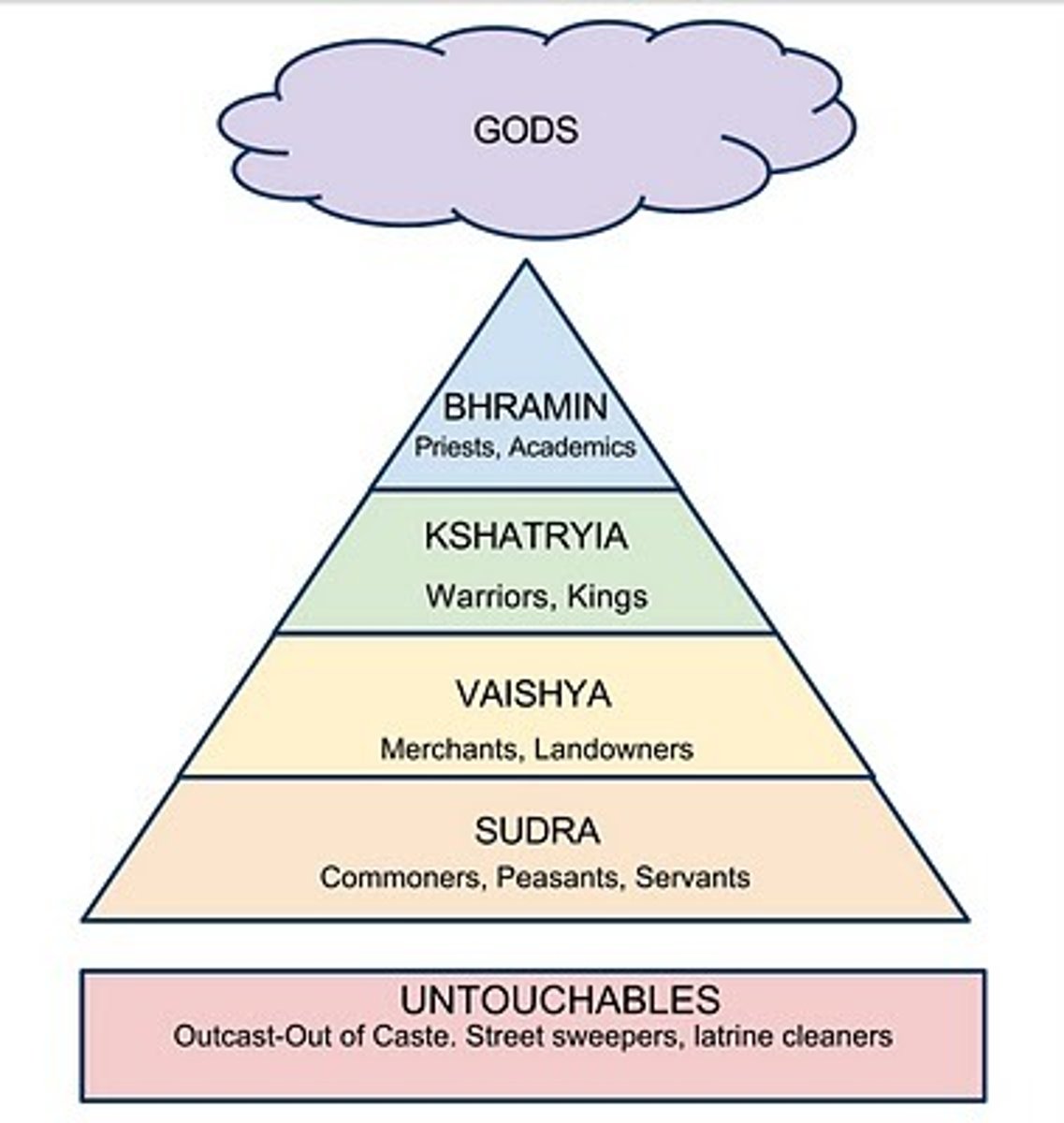
caste
(n.) any of the social or subclasses of traditional Hindu society, such as the Brahman or Sudra castes; a social class distinct from others and characterized by hereditary rank, profession or wealth; (n.) a social position conferred on someone based on a system of castes
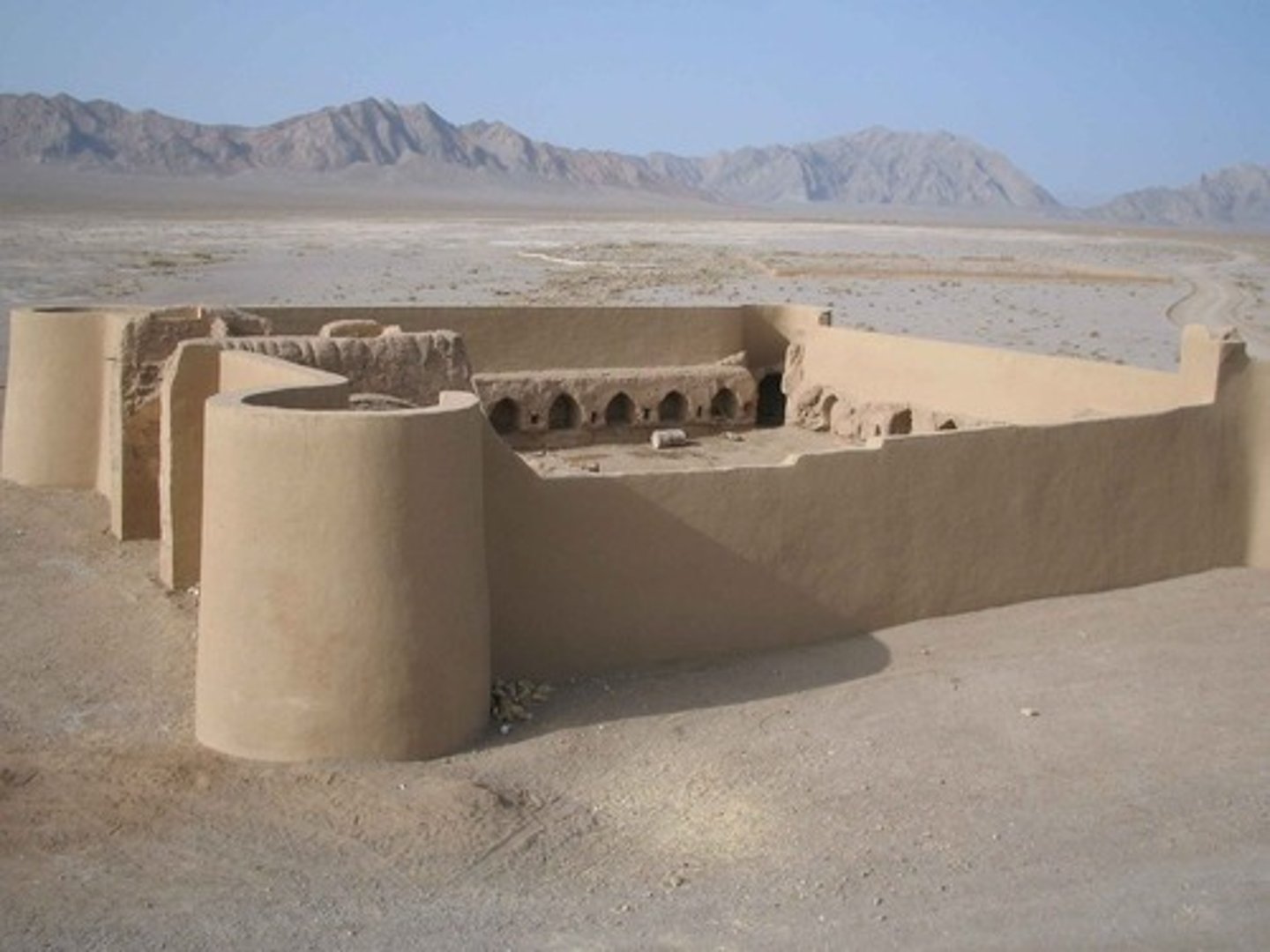
caravanserai
Fortified inns that were built along trade routes in Central and Western Asia in the twelfth century to provide food, lodging, and protection for merchants traveling with camels, donkeys, and horses.
collapse of classical empires
spread of disease, over-expansion, corrupt governments, invasions by nomadic/pastoral groups, over-taxation of peasants, food shortages
Legalism
Chinese philosophy developed by Hanfeizi; taught that humans are naturally evil and therefore need to be ruled by harsh laws; embraced by the Qin Dynasty
Daoism
Chinese religion that believes the world is always changing and is devoid of absolute morality or meaning. They accept the world as they find it, avoid futile struggles, and deviate as little as possible from "the Tao/Dao" also known as "the way" or "path" of nature; emphasized living in harmony with nature; ying and yang
magnetic compass
provided a fixed point at all times and helped aid maritime navigation
rudder
helped more control of a shipwhile sailing
junk
A boat developed during the Han dynasty that was similiar to the southwest Asian dhow
Kashgar
Thriving center of trade, located at the Western Edge of China, where northern and southern routes of the Silk Road crossed.
Samarkand
large central Asian trading center as well as a hub for cultural exchange on the Silk Road.
caravanserai
Inns along the silk road
money economy
Using money rather than bartering with such commodities as cowrie shells or salt
flying cash
a system of credit which allows a merchant to deposit money in one location and withdraw it elsewhere
banking houses
places where people could give their bills of exchange and receive the payment
bill of exchange
a document stating the holder was legally promised payment of a set amount on a set date and recieve that amount of money in exchange
Hanseatic League
the name of a commercial alliance made by cities in northern Germany and Scandinavia
khan
Mongolian term for king
kuriltai
council of Mongol and some Turkic
Genghis Khan
ruler of all
khanates
kingdom
Pax Mongolica
period of peace created by the Mongolian Empire, stretching across Eruasia
Batu
led the Golden Horde into Russia, oldest son of genghis khan
Golden Horde
Batu's army
Hulegu
Grandson of Genghis Khan, ruled southwest Asia
Il-khanate
Mongolian kingdom that stretched from Byzantium to the Oxus River.
Kublai Khan
grandson of Gengis Khan, got the title of Great Khan after conquering China
Yuan Dynasty
Mongolian rule over China, formed by Kublai Khan
Zhu Yuanzhang
a Buddhist monk that led a revolt that overthrew the Yuan Dynasty
Ming Dynasty
Zhu Yuanzhang formed the Ming after he overthrew the Yuan
Uyghur alphabet
Genghis Khan's effort to unify his empire included directing a scribe captured in 1204 to represent the Mongol. This alphabet is still used in Mongolia today
White Lotus Society
a group that began to quietly organize to overthrow the Yuan Dynasty
Bubonic plague
also the black death, was helped to spread by the Mongol's conquests across Asia and Europe, killed 1/3 of the European population.
Malacca (Melaka)
Muslim city state that became wealthy by building a navy and imposing fees on ships thta passed through the strait of Malacca.
Gujarat
Was the go-between for trade between the East and the West. The reveue from customs was many times more then the entire worth of some European sates.
Swahili city-states
East coast of Africa. Traded gold, ivory, and slaves in the Indian Ocean trade for porcelain, cotton, and ironwork.
Calicut
West coast of India, thriving center of trade becuase of interactions with merchants from East Africa and Southwest Asia.
Spice Island
Modern-day Malaysia and Indonesia became known as the Spice Islands because they exported fragrant goods such as nutmeg, cloves, and cinnamon
monsoon winds
a specific wind pattern according to the monsoon season, allowed trade ships to perfectly time their voyage so the wind was behind them, speeding up their travel
lateen sails
invented by an arab sailor, this triangular sail was able to catch wind from many different directions
stern rudder
a small piece of most likely wood that would be located at the back of the boat that provided more stabability and more manueverability
astrolabe
A tool that allowed sailors to determine how far north or south they were from the equator. It was improved in the 12th century by Muslim navigators.
diaspora
Settlements of people away from their homeland. Settlers introduced their own cultures into indigenous ones.
Zheng He
Muslim, Chinese admiral who had a fleet of 300 ships. He was sent by Ming Emperor Yongle on 7 voyages to win prestige around the Indian Ocean for China
Mali
prosperous Islamic kingdom in sub-Saharan Africa that profited from the gold trade and taxed nearly all trade entering West Africa
Sundiata
Founding ruler of Mali. astute/capable, Muslim ruler
Mansa Musa
Ruler of Mali, devout Muslim who sponsored Islam, built mosques and schools, made a famous pilgrimage to Mecca, Sundiata's grandnephew.
Songhai Kingdom
Replaced a declining Mali. Became richer and larger than Mali in some ways. Used gold trade. Islam remained
Timbuktu
city in sub-Saharan Africa, center of Islamic culture and trade
Mecca
Islam's holiest city. Birth place of the prophet Muhammad and the Islamic faith. Home to the Kaaba, Islam's most sacred shrine
oases
Places in a desert where human settlement is possible becuase water from deep underground is brought to the surface, making land fertile
camel saddle
Riders sit in back of the hump. Made it easier to ride the camel becasue the rider had more control
Black Death
The plague was introduced to Europe by way of trading routes and killed as many as 25 million people in Europe
Marco Polo
An Italian native from Venice, Polo visited China and wrote about their customs to share with other Europeans
Ibn Battuta
a muslim scholar from morocco, set out to see the world at 21 years old.
Margaery Kempe
English Mystic, whose THE BOOK OF MARGERY KEMPE was one of the earliest autobiographies in English, if not the first, could neither read nor write.
Swahili
Language is a blend of Bantu and Arabic and is still widely spoken in Africa today
Urdu
Language had influences from Sanskrit -based Hindi, as well as from Arabic and Farsi, a Persian language, official language of Pakistan
Hangzhou
A large city located in China, had 1,000,000 residents, was the cultural center in southern China
Constantinople
Capital city of the Byzantine Empire located on the Bosphorus Straint, conquered by the Ottoman Turks in 1453 and became Istanbul
overgrazing
excessive grazing which causes damage to grassland
deforestation
Removal of trees in a forest which leads to soil erosion
soil erosion
the displacement of the upper layer of soil, caused by water, ice, snow, air, plants, animals, and humans
Qing Dynasty
last imperial dynasty of China; founded in 1644 by the Manchus and ruled China for more than 260 years; expanded China's borders to include Taiwan, Tibet, Chinese Central Asia, and Mongolia; preceded by the Ming Dynasty and succeeded by the People's Republic in 1912

