Informational Text Structures
Due: Jan 30, 2026, 8:00 PM
 Call Kai
 Learn
Learn Practice Test
 Spaced Repetition
 Match
Match Flashcards
1/22

Earn XP
Description and Tags
These flashcards focus on key concepts of informational text structures, covering definitions and purposes.
Name | Mastery | Learn | Test | Matching | Spaced | Call with Kai |
|---|

23 Terms
Description
It gives facts, details, and examples about a topic.
Example:
Popcorn is made from dried corn kernels. It is light, crunchy, and often flavored with butter or salt.
Cause & Effect
It explains why something happened and what happened because of it. (how one event or situation leads to another.)
Example:
Because popcorn machines made popping safer and faster, popcorn became easier to sell at fairs and events.
Compare & Contrast
It explains how two or more things are alike and different. It gives two different view points or weighs pros and cons.
Example:
Popcorn and potato chips are both crunchy snacks, but popcorn is made from corn kernels while chips are made from potatoes.
Chronological Order
It explains events in time order that it happened, using dates or time words.
Example:
Ancient people made popcorn thousands of years ago, machines were invented in the 1800s, and popcorn became popular in movie theaters by the 1940s.
Problem & Solution
It explains an issue and how it is fixed or ways to solve it.
Example:
Making popcorn was once slow and dangerous, but machines solved this problem by popping popcorn safely.
Sequential Order
Lists steps that must happen in order, such as instructions, directions, or a how-to.
Example:
First the kernels heat up, then pressure builds, next they pop, and finally popcorn is ready to eat.
Central Idea
The most important message the author wants you to learn. (The main thing the reader should walk away knowing)It summarizes the key point or theme of a text, often supported by details and examples.
Key Details
Support and explain the central idea.They provide specific information that enhances understanding and illustrates the main point of a text.
Inference
A conclusion supported by clues in the text. It combines text clues + background knowledge to form an educated guess.
Summary
Briefly explains the most important ideas of a passage or article without opinions. It captures the central idea and key details, presenting them in a concise format.
Author’s Purpose
The reason the author wrote the text (to inform, persuade or explain).
Author’s Point Of View
The author’s attitude or perspective shown through word choice and focus.
Scrappy
Means having a strong, determined spirit and not giving up easily, even when facing challenges.
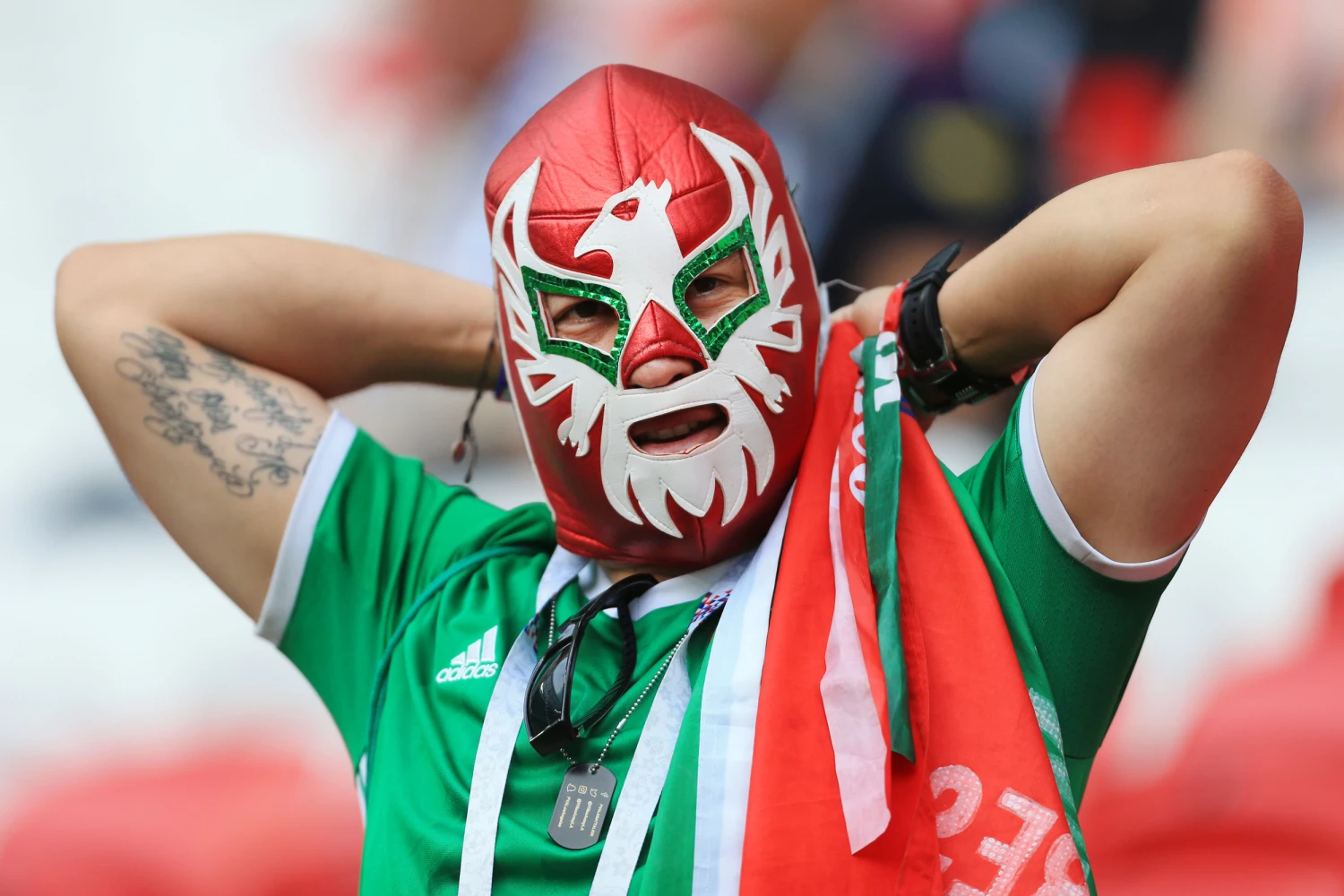
Luchador
A professional wrestler from Mexico who performs a fast, athletic style of wrestling called Lucha Libre.
Explicitly
Clearly and directly stated.
Contribute
To add to, To help bring about a result.
Villain
A character who causes problems or conflict. (May appear in fictional texts.)
Features
To show, to attract
Diversify
To add variety, mix things up, or branch out to include many different types instead of just one.
Mainstream
Widely accepted or popular.
Alarming
Causing worry or concern.
Empowerment
Feeling confident and capable, to give them the confidence, skills, and strength to believe in themselves, make good choices, and handle challenges, helping them feel capable and in control of their own lives
Alienation
Feeling left out or separated from others.
 Note
Note  Flashcards (334)