Pentose Phosphate Pathway and Fatty Acid Catabolism Learning Objectives
 Call Kai
 Learn
Learn Practice Test
 Spaced Repetition
 Match
Match Flashcards
 Knowt Play
1/38

There's no tags or description
Looks like no tags are added yet.
Name | Mastery | Learn | Test | Matching | Spaced | Call with Kai |
|---|
No analytics yet
Send a link to your students to track their progress
39 Terms
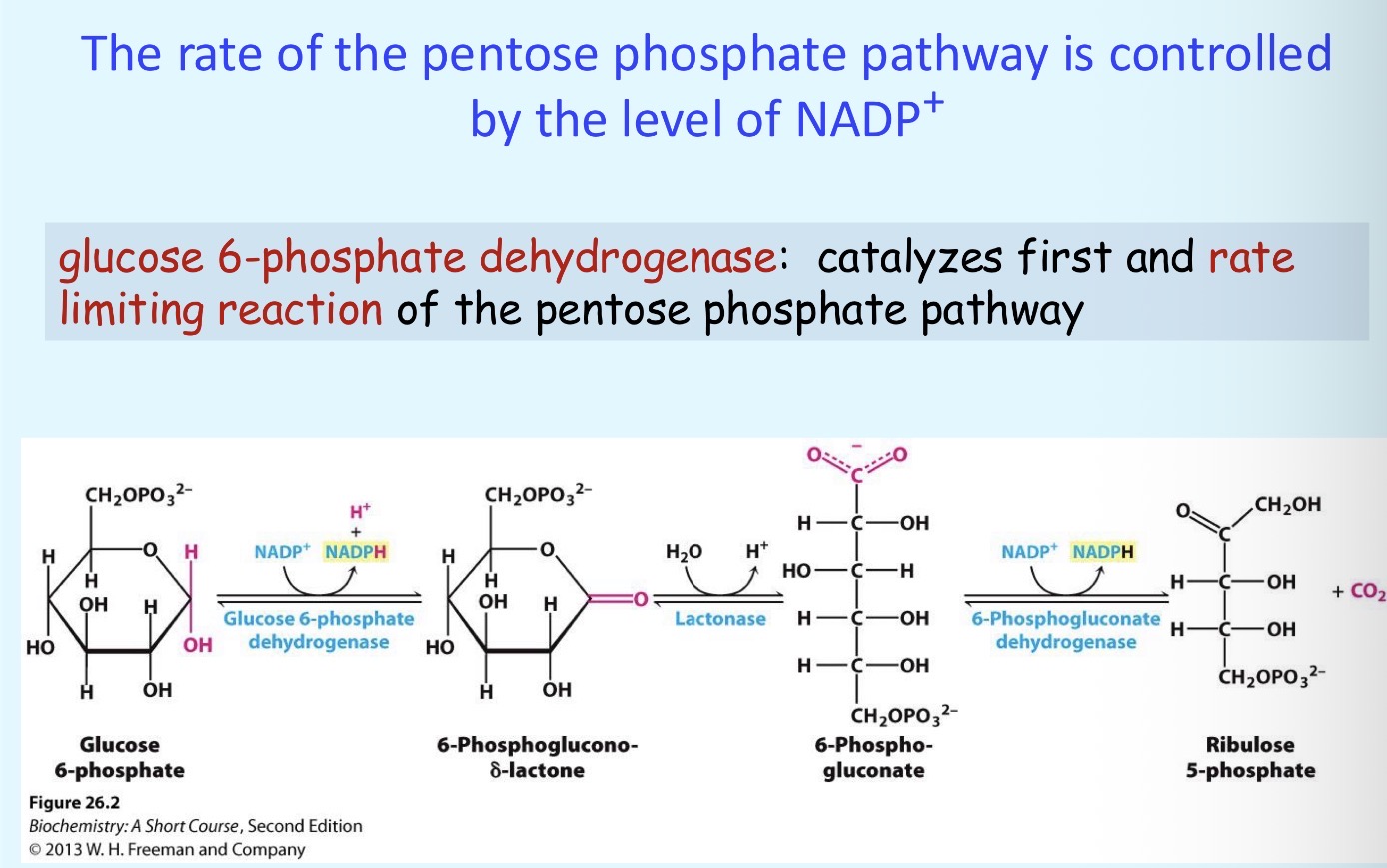
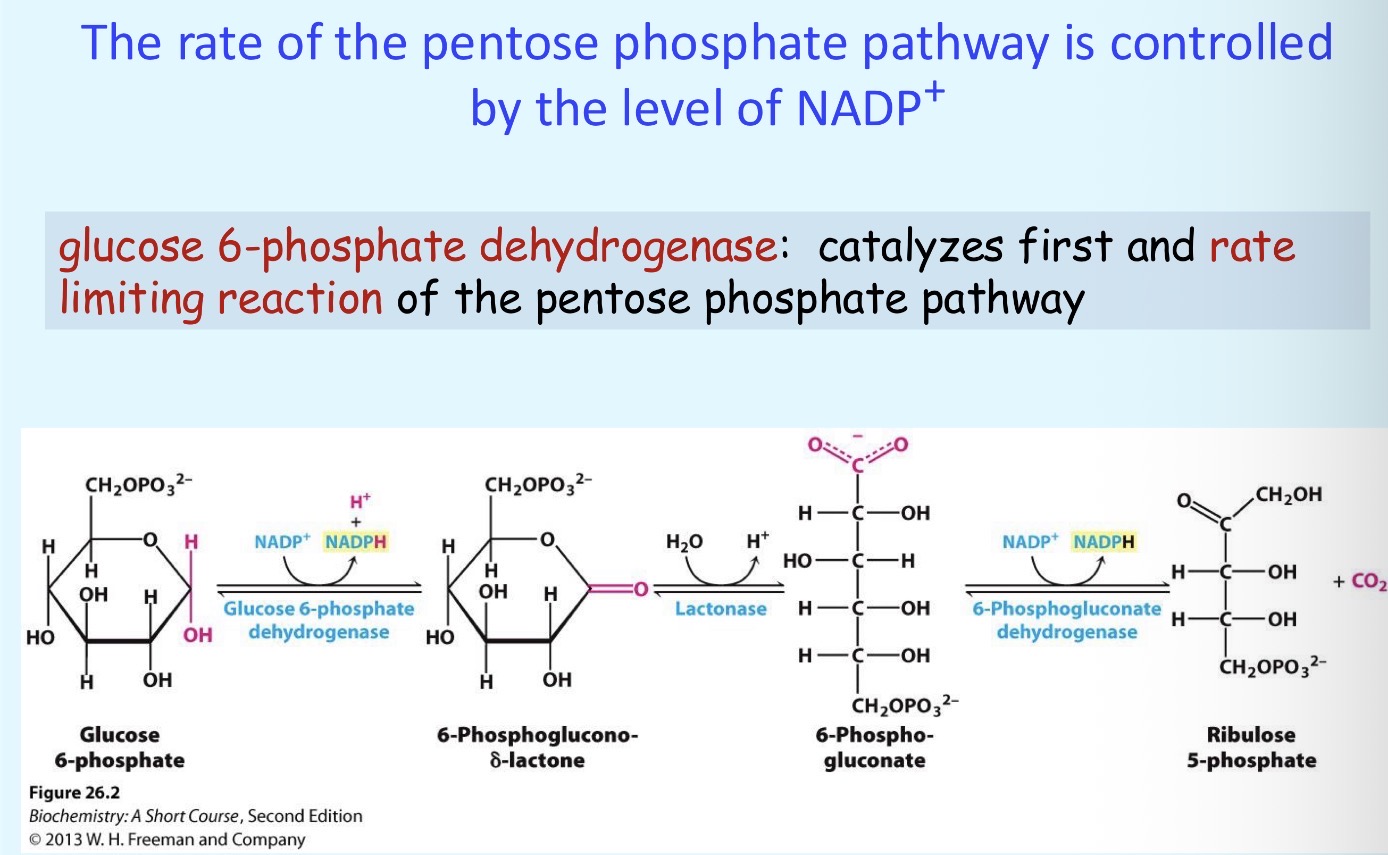
What are the reactants involved in the conversion of Glucose-6-Phosphate to Ribulose-5-Phosphate?
Reactants: Glucose-6-phosphate and NADP+
What are the products involved in the conversion of Glucose-6-Phosphate to Ribulose-5-Phosphate?
Final products: Ribulose-5-phosphate, carbon dioxide, and NADPH
What are the enzymes involved in the conversion of Glucose-6-Phosphate to Ribulose-5-Phosphate?
Glucose-6-phosphate dehydrogenase
Lactonase
6-phosphoglucomutase dehydrogenase
What is the rate-limiting enzyme within PPP?
Glucose-6-phosphate dehydrogenase
The PPP yields _________ and 5 __________.
NADPH; Carbon Sugars
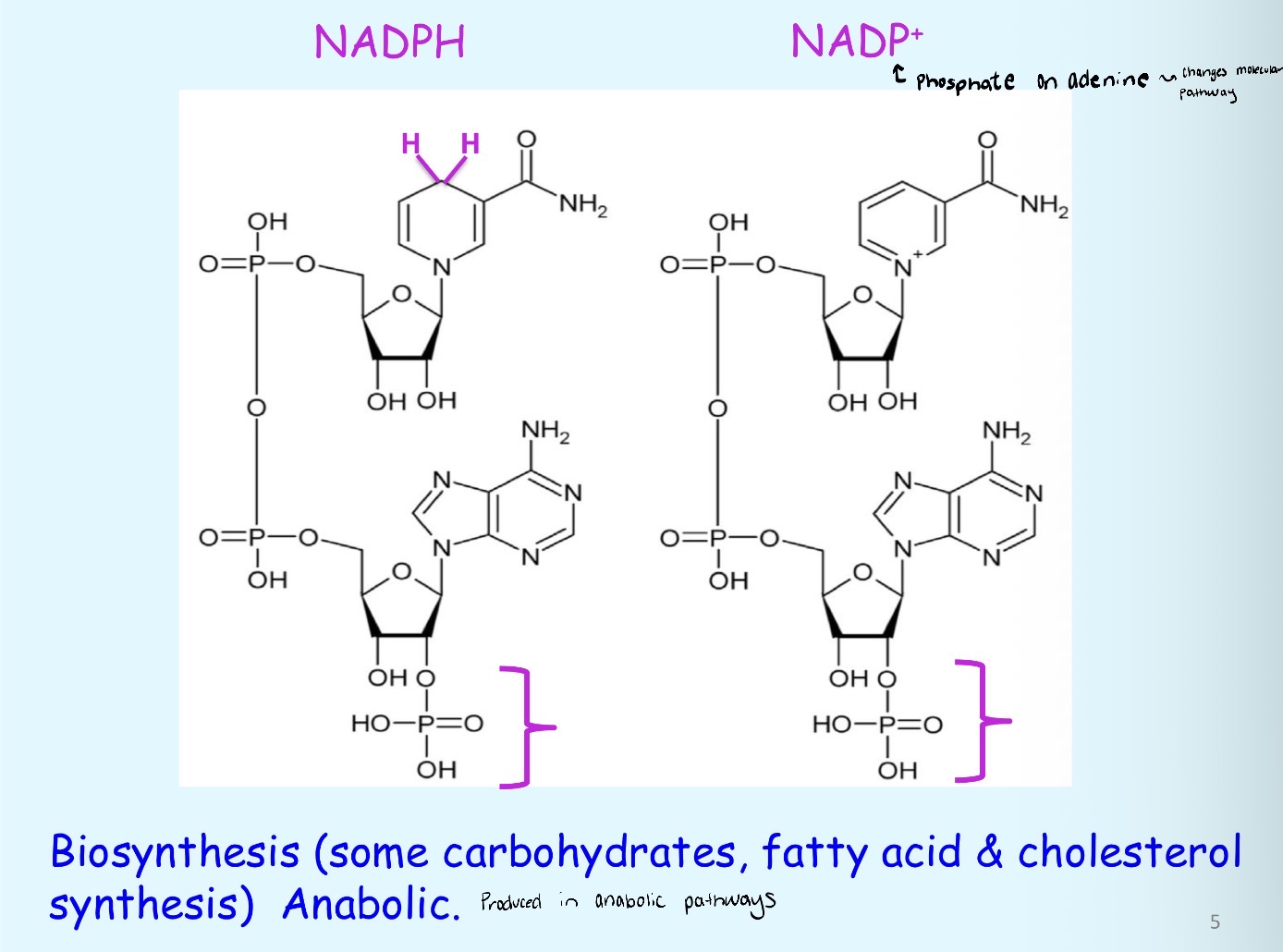
Why is NADPH a key product of the PPP and acts as source of biosynthetic reducing power?
It helps with the biosynthesis (anabolic) of important biomolecules to build them
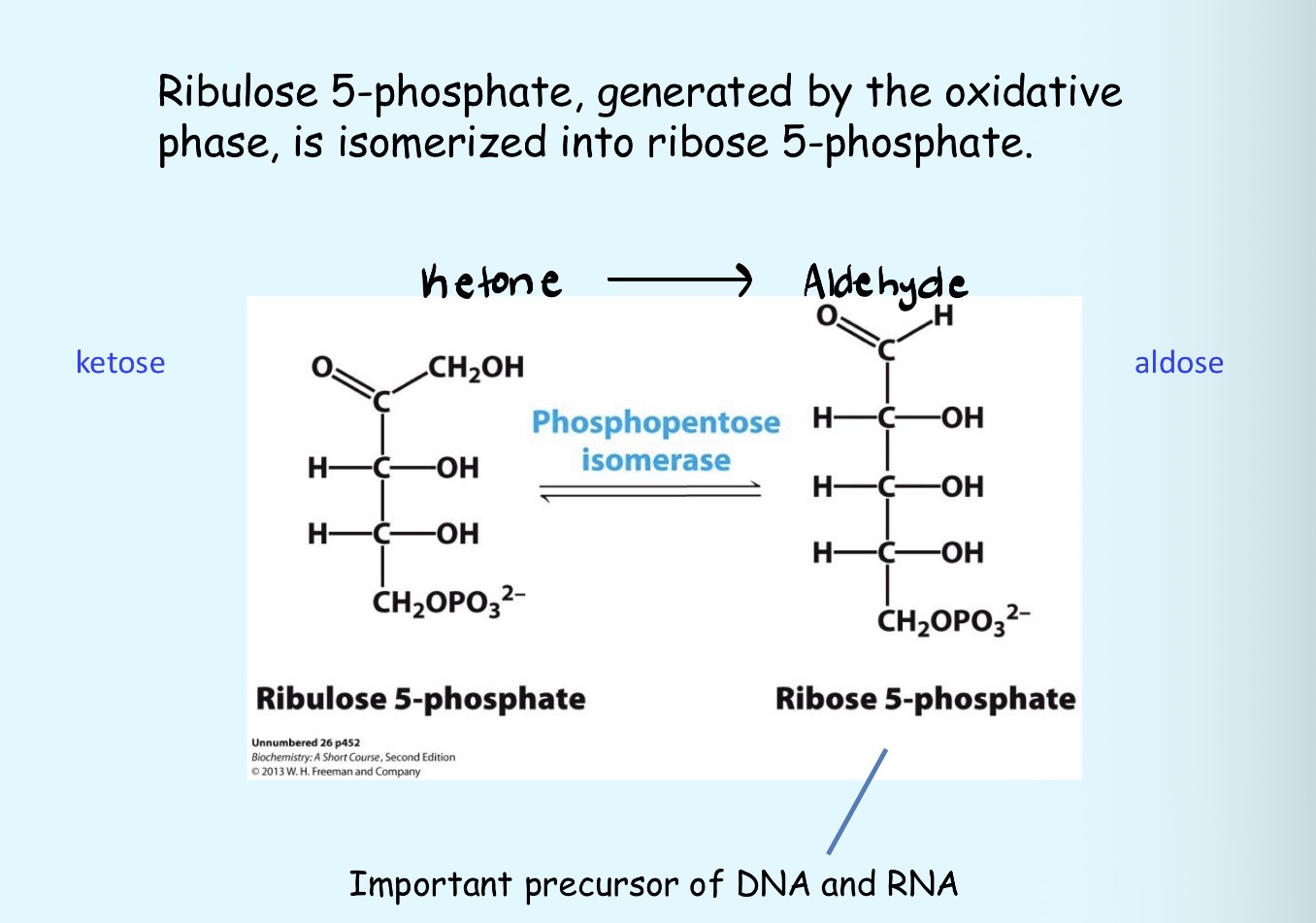
Describe the structure of a ketone v.s an aldehyde:
A ketone will contain a C=O at C6 while an aldehyde will have a -CHO
Ribose-5-phosphate, generated by the oxidative phase, is isomerized into?
Isomerized into a ribose-5-phosphate
→Ketone to a Aldehyde
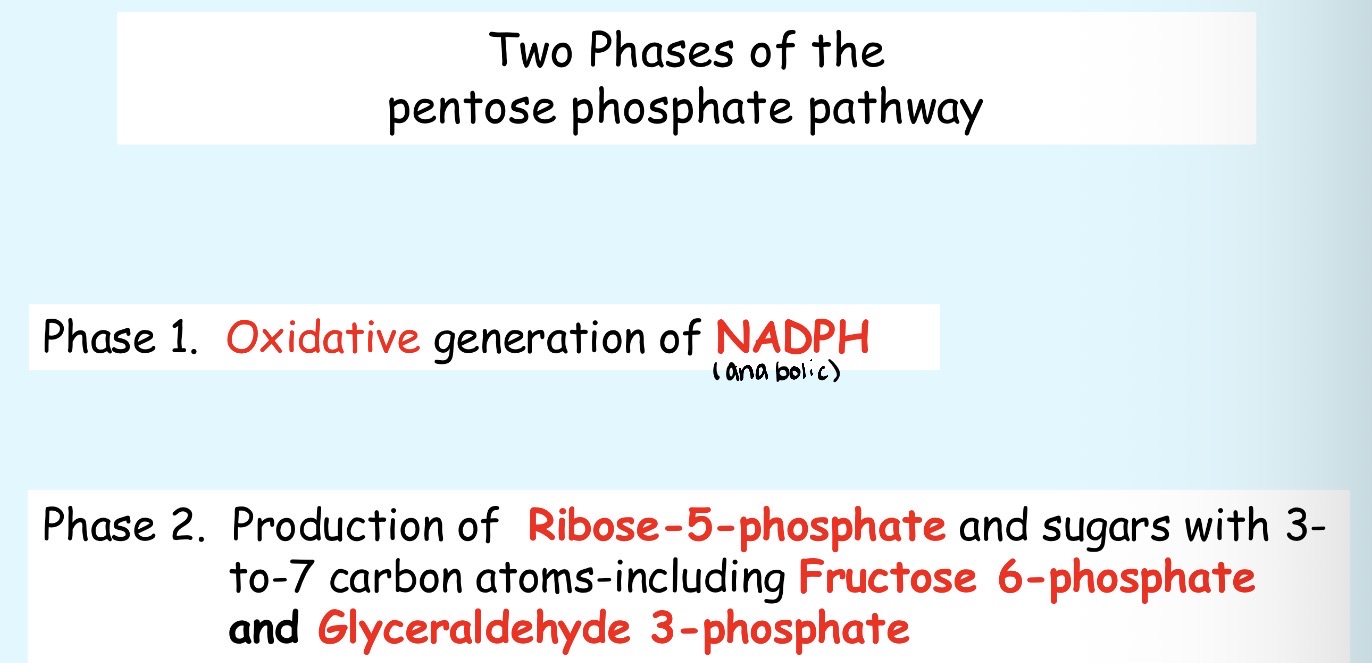
What are the 2 primary phases of the PPP?
Phase I: Oxidative generation of NADPH
Phase II: Production of Ribose-5-phosphate and sugars with 3-7 carbon atoms including fructose-6-phosphate and glyceraldehyde-3-phosphate
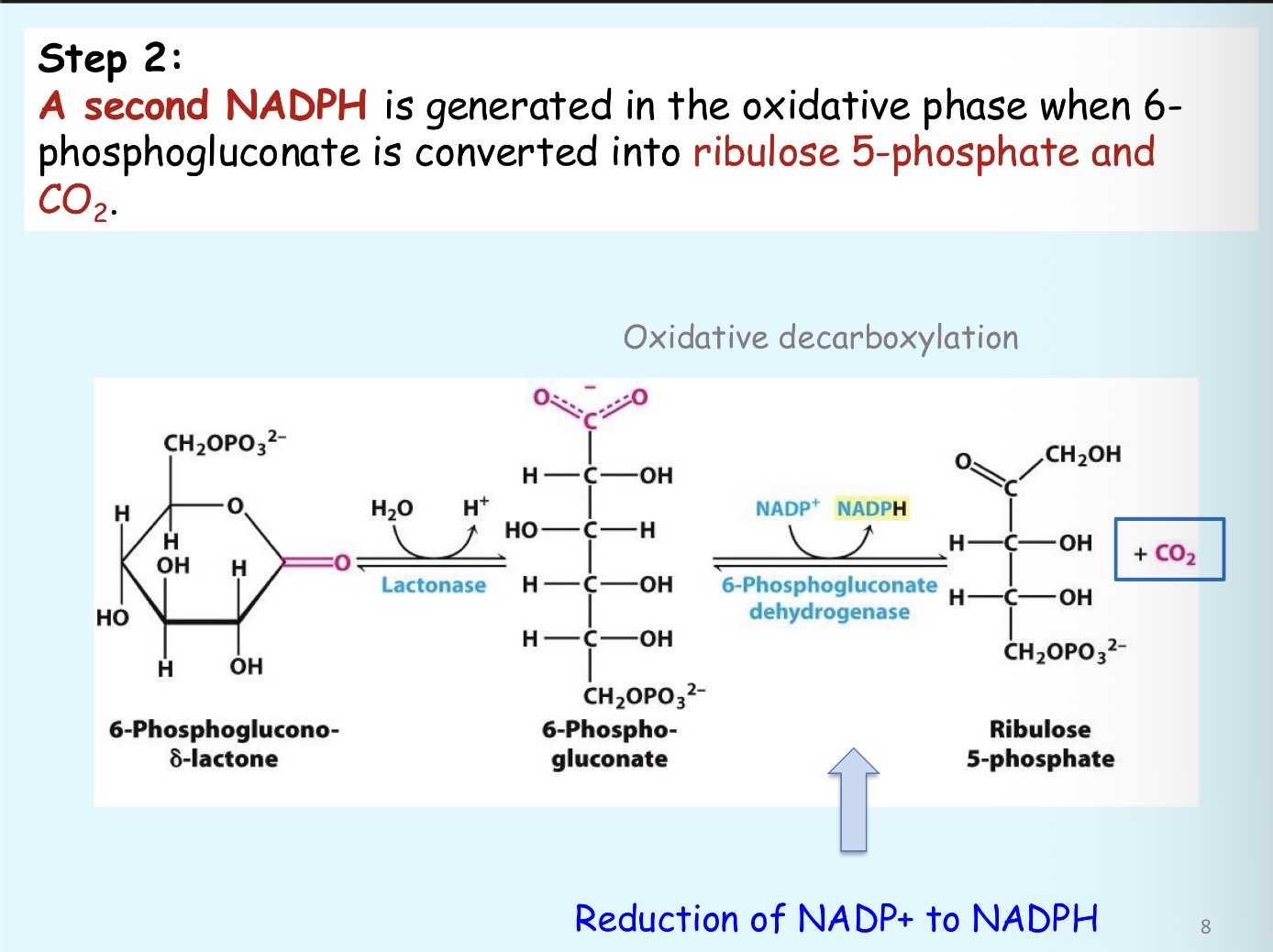
Within phase 1 of PPP, describe the step in which their is a reduction of a second NADP+ to NADPH:
Enzyme 6-phosphogluconate dehydrogenase performs oxidative decarboxylation on 6-phosphogluconate to Ribulose-5-phosphate
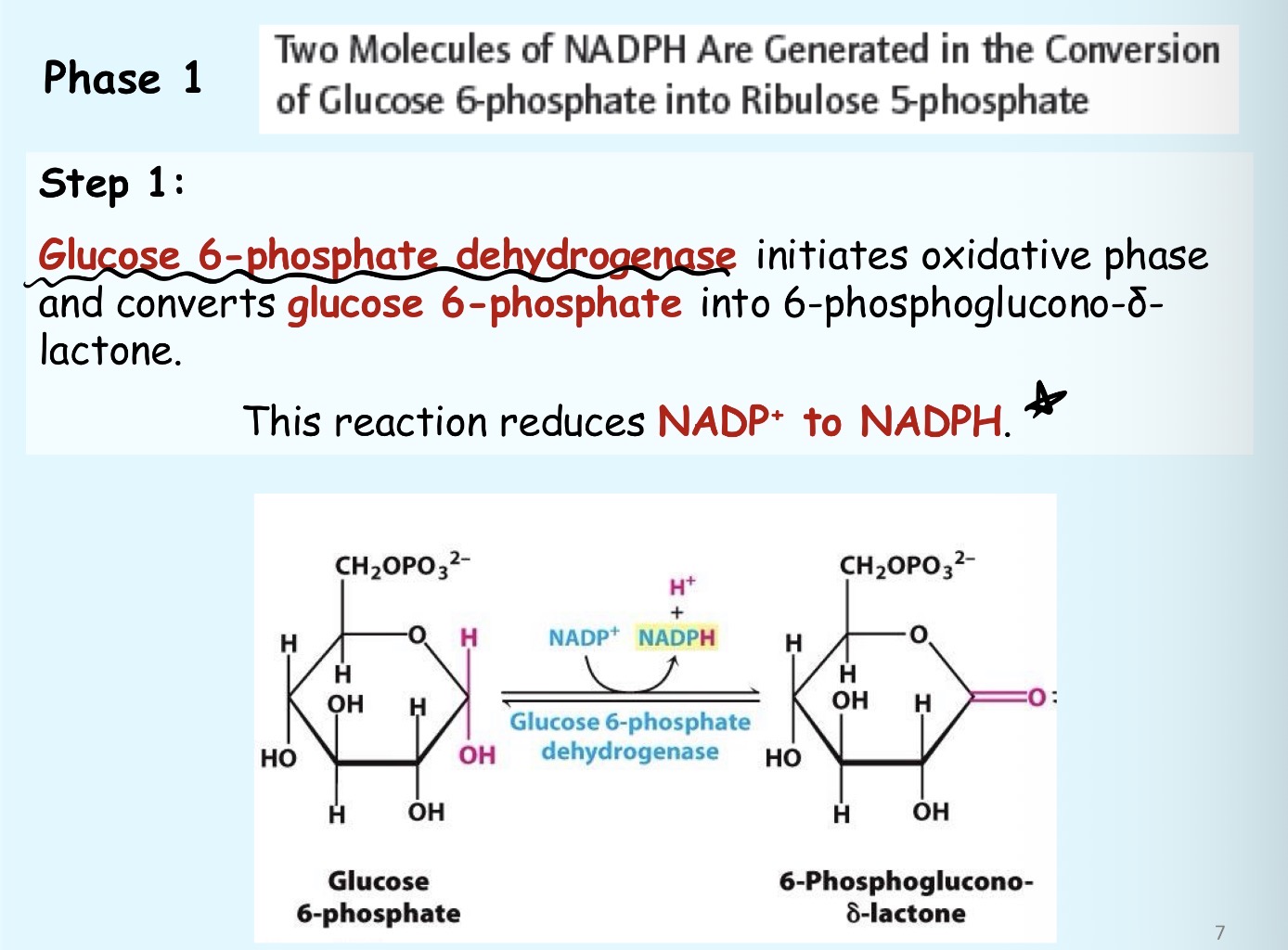
Within phase 1, describe the reaction of when the 1st NADP+ is reduced to NADPH:
Glucose-6-phosphate dehydrogenase initiates oxidative phase and converts glucose-6-phosphate into 6-phosphoglucono-lactone
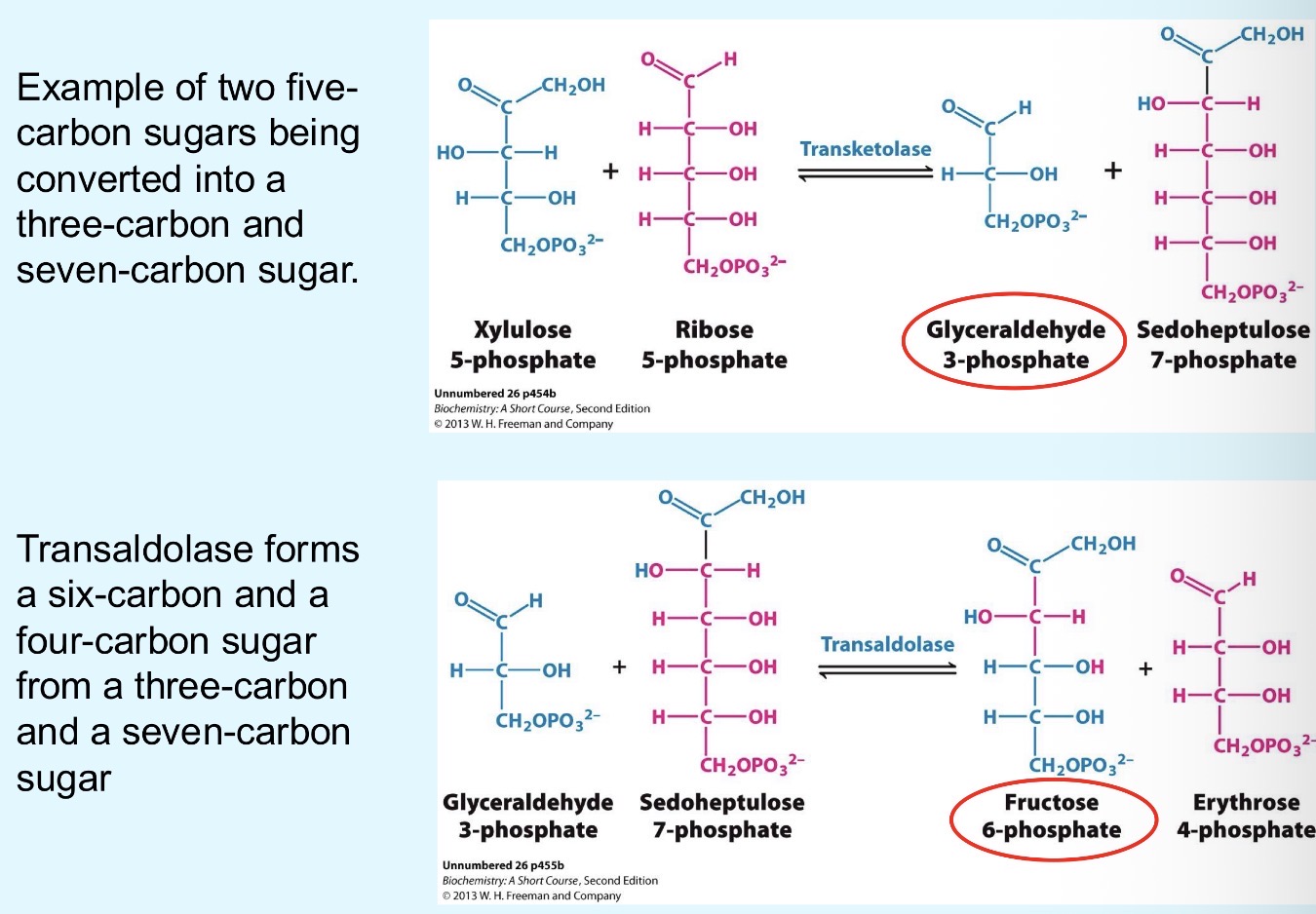
Within the non-oxidative phase 2, what are the products?
Ribose-5-P
Glycolysis intermediates: F6P and GAP
What is the key redox-active product of the PPP?
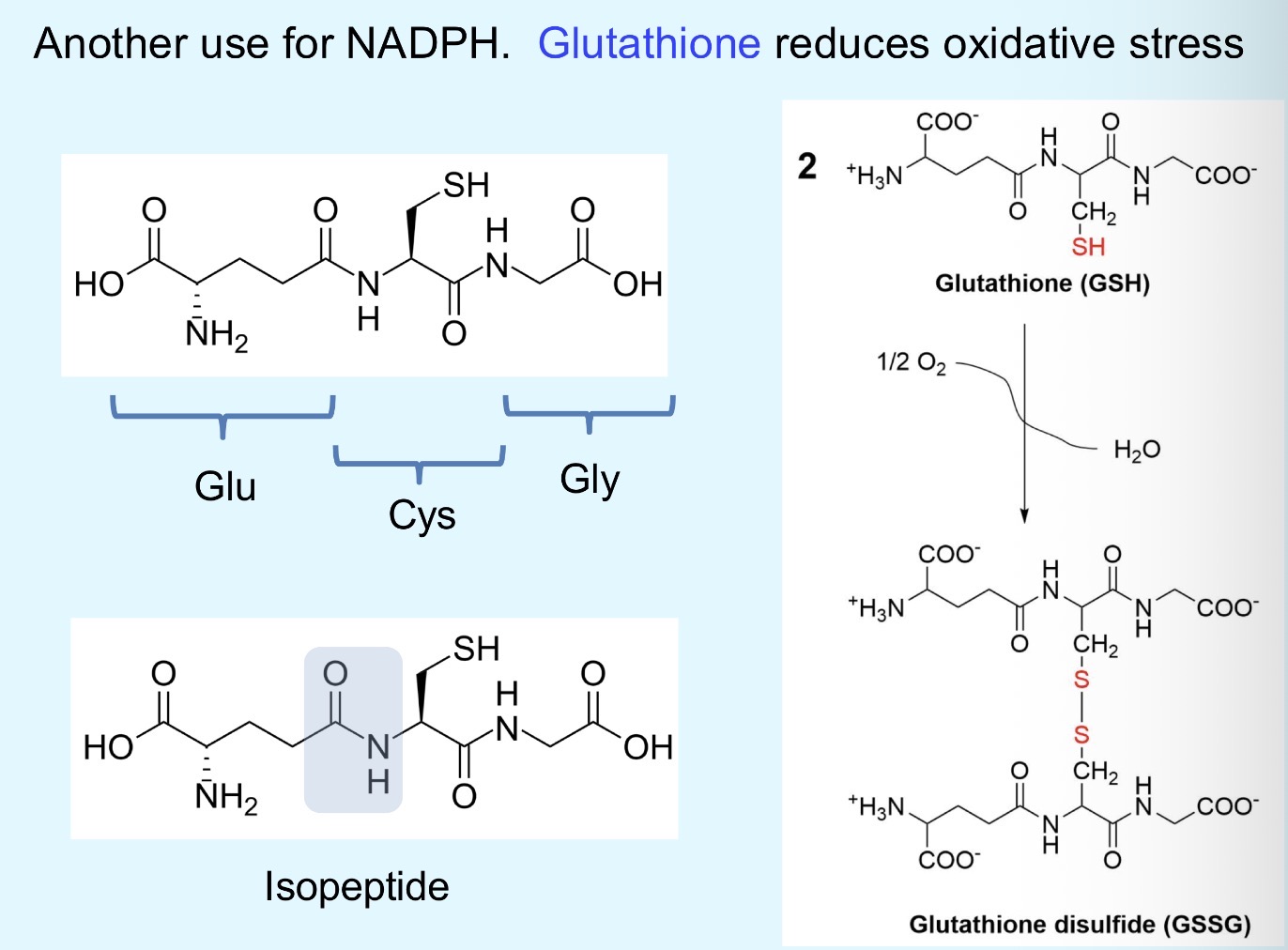
NADPH is the key redox-active product that can be used for fatty acid and cholesterol synthesis, as well as antioxidant defense (glutathione)
Name all molecules produced in the pentose phosphate pathway that participate in glycolysis:
Fructose-6-phosphate and Glyceraldehyde-3-Phosphate (GAP)
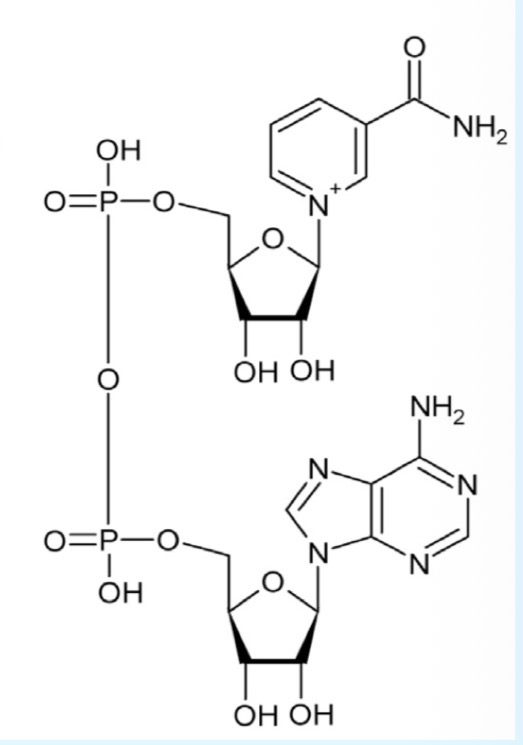
NAD+
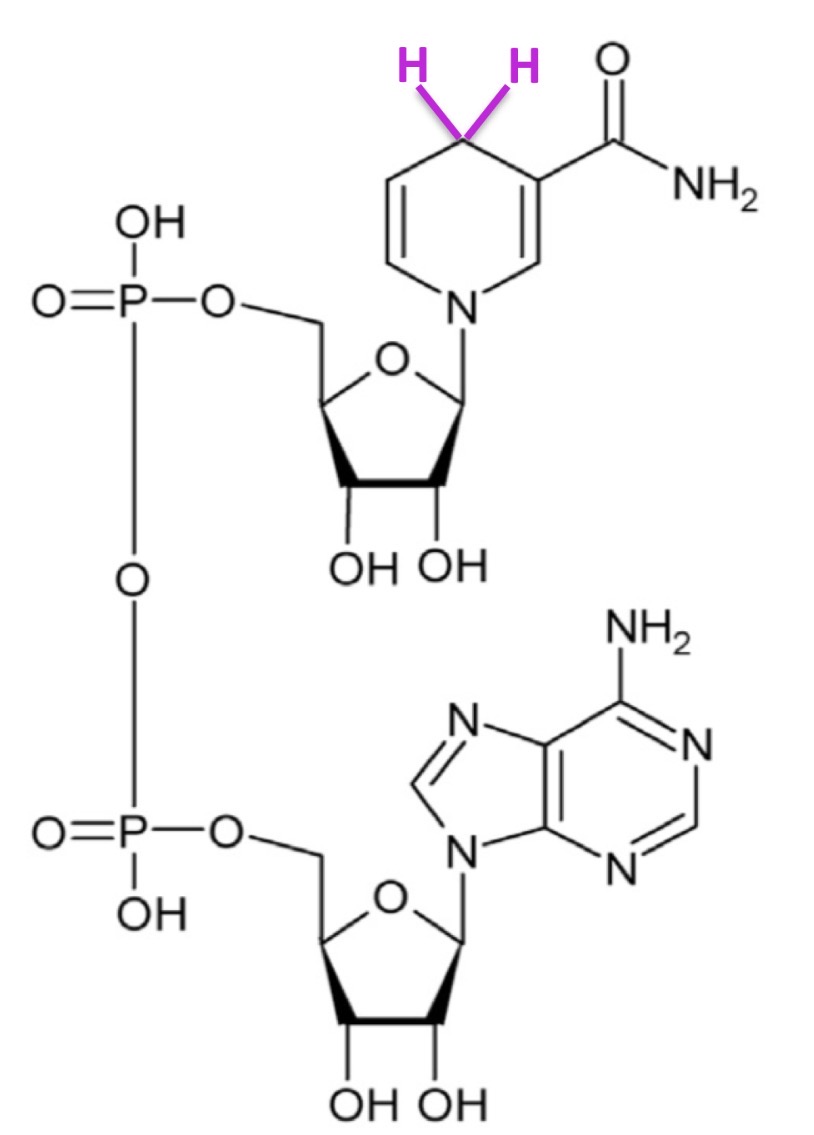
NADH
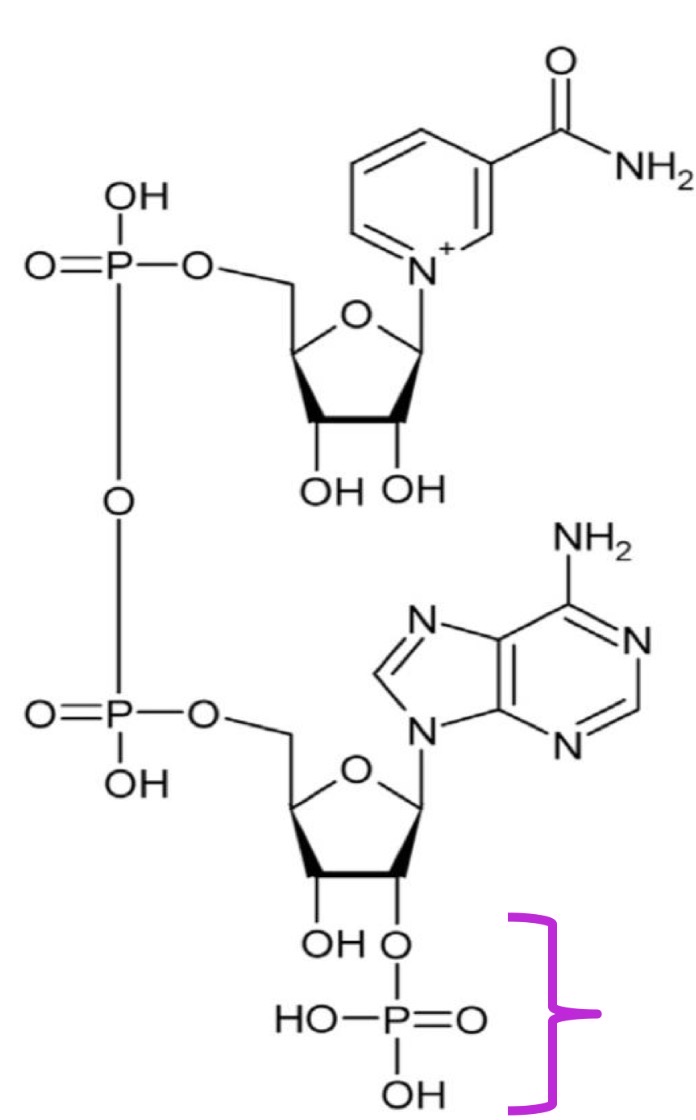
NADP+
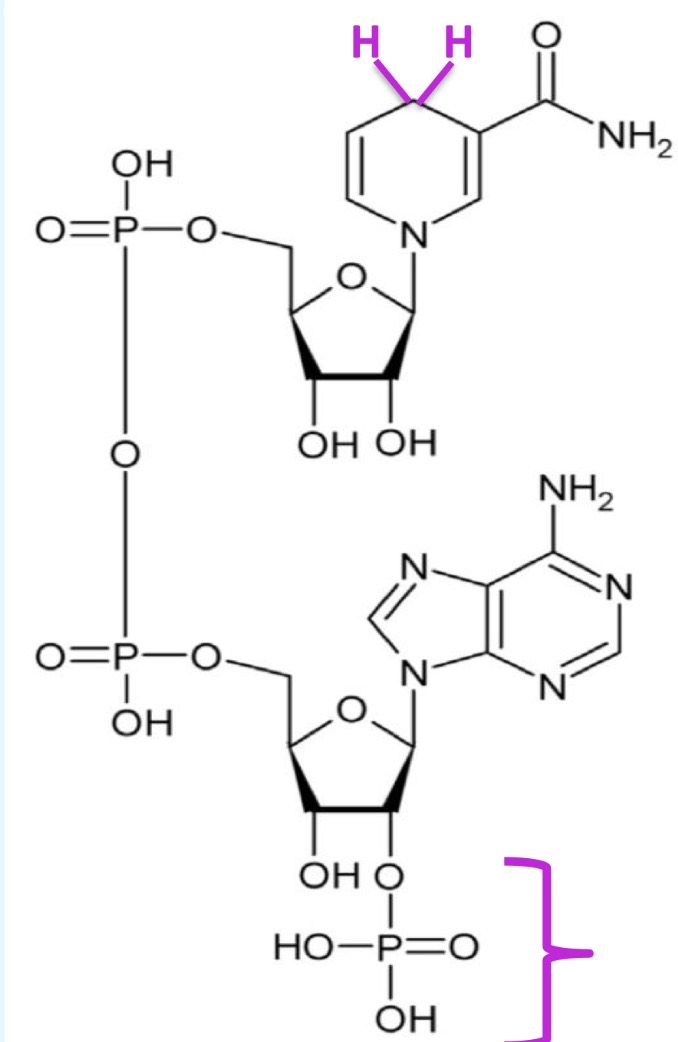
NADPH
What is the importance of the PPP intermediates fructose-6-phosphate and Glyceraldehyde-3-phosphate?
These intermediates connect PPP and glycolysis, allowing for more energy production and flexibility in metabolism. It can feed into glycolysis or pull intermediates from it if need be
What is the role of NADP+ within controlling the rate of PPP?
The level of NADP+ controls glucose-6-phosphate dehydrogenase, which reduces NADP+, catalyzes first, and is the rate limiting reaction
High NADP+ _______ PPP
Activates
High NADPH ______ PPP
Inhibits
Glutathione reduces protein ________ in the ER.
disulfides
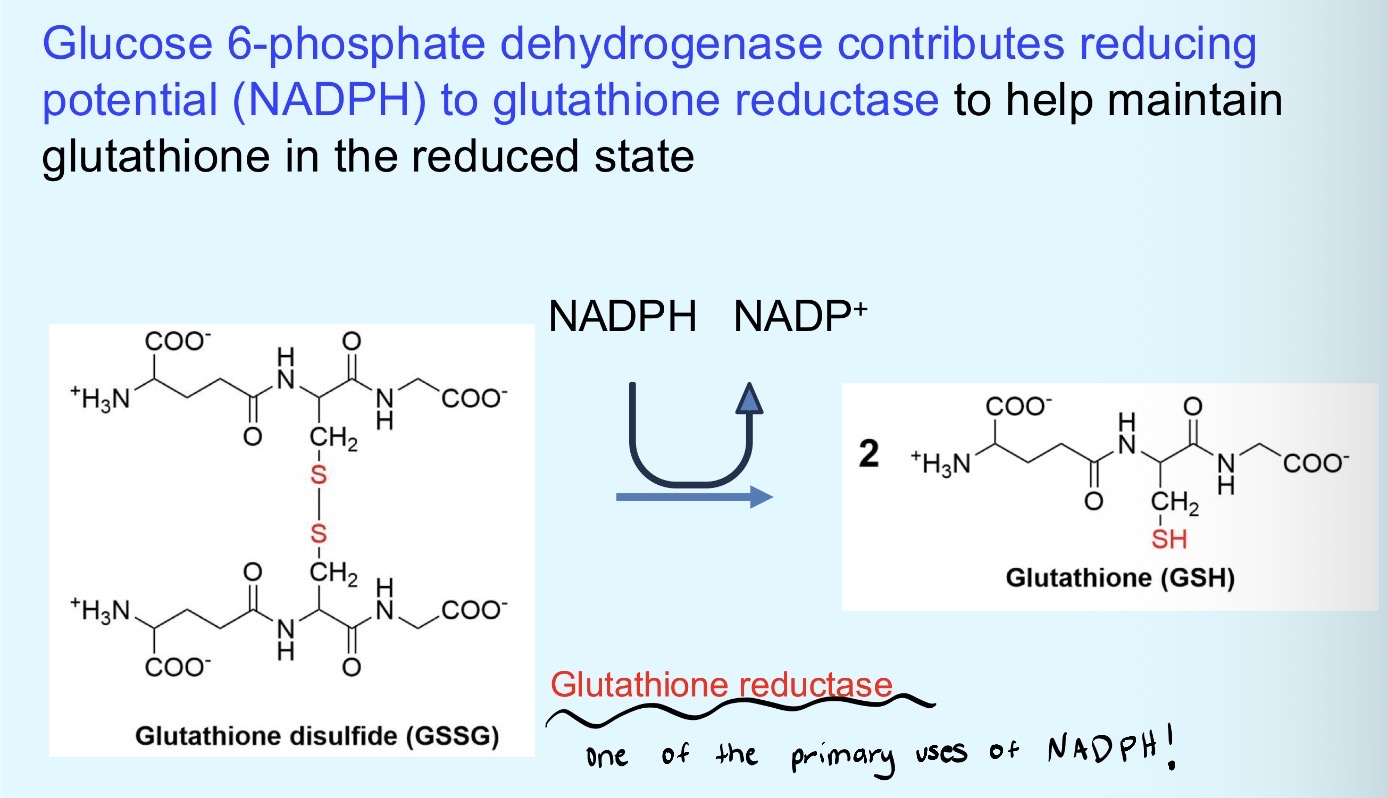
Explain why glutathione reductive is one of the primary uses of NADPH?
NADPH helps to maintain glutathione in the reduced state. Glucose-6-phosphate dehydrogenase contributes to the reducing potential of NADPH (adds H+)
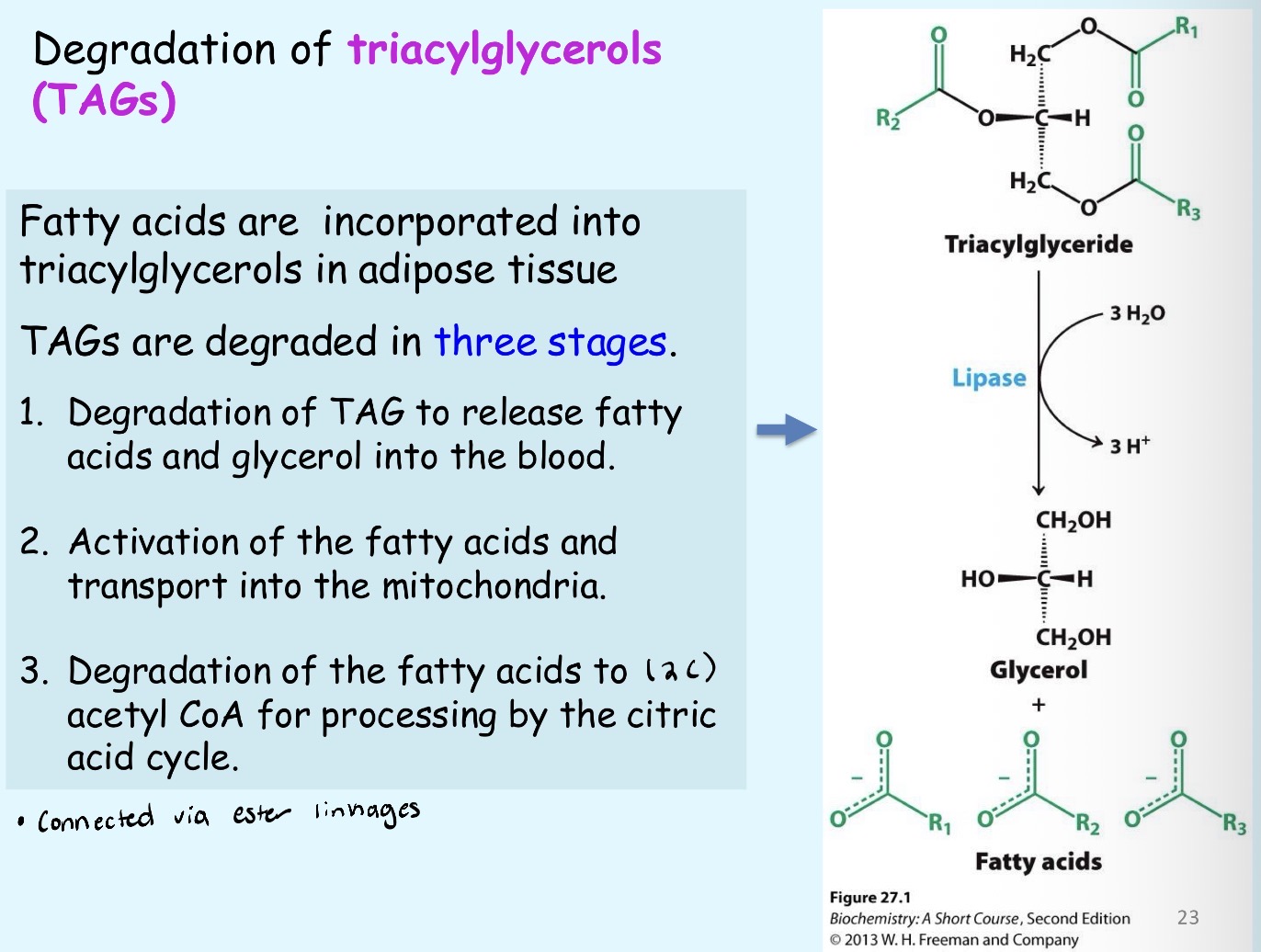
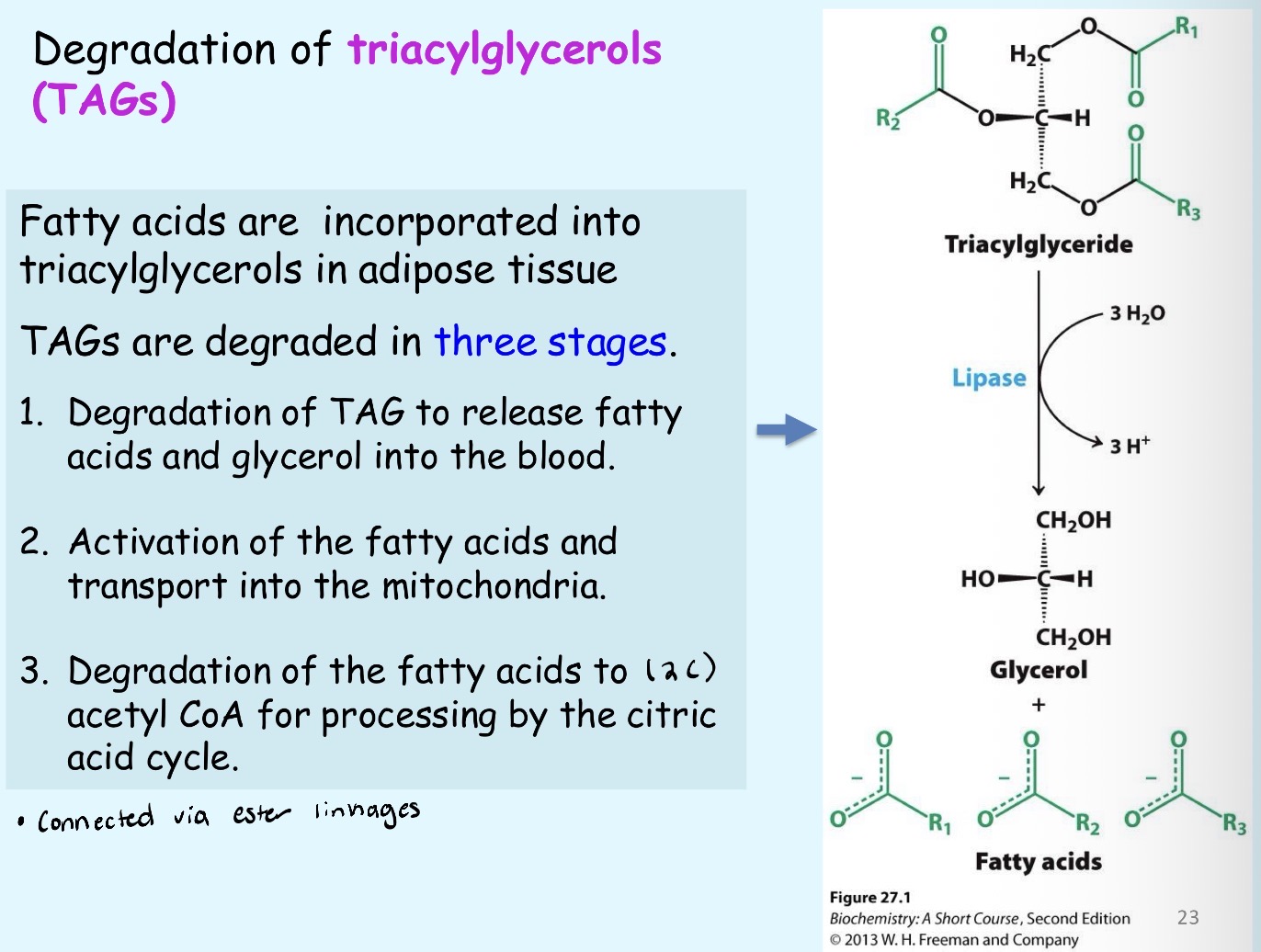
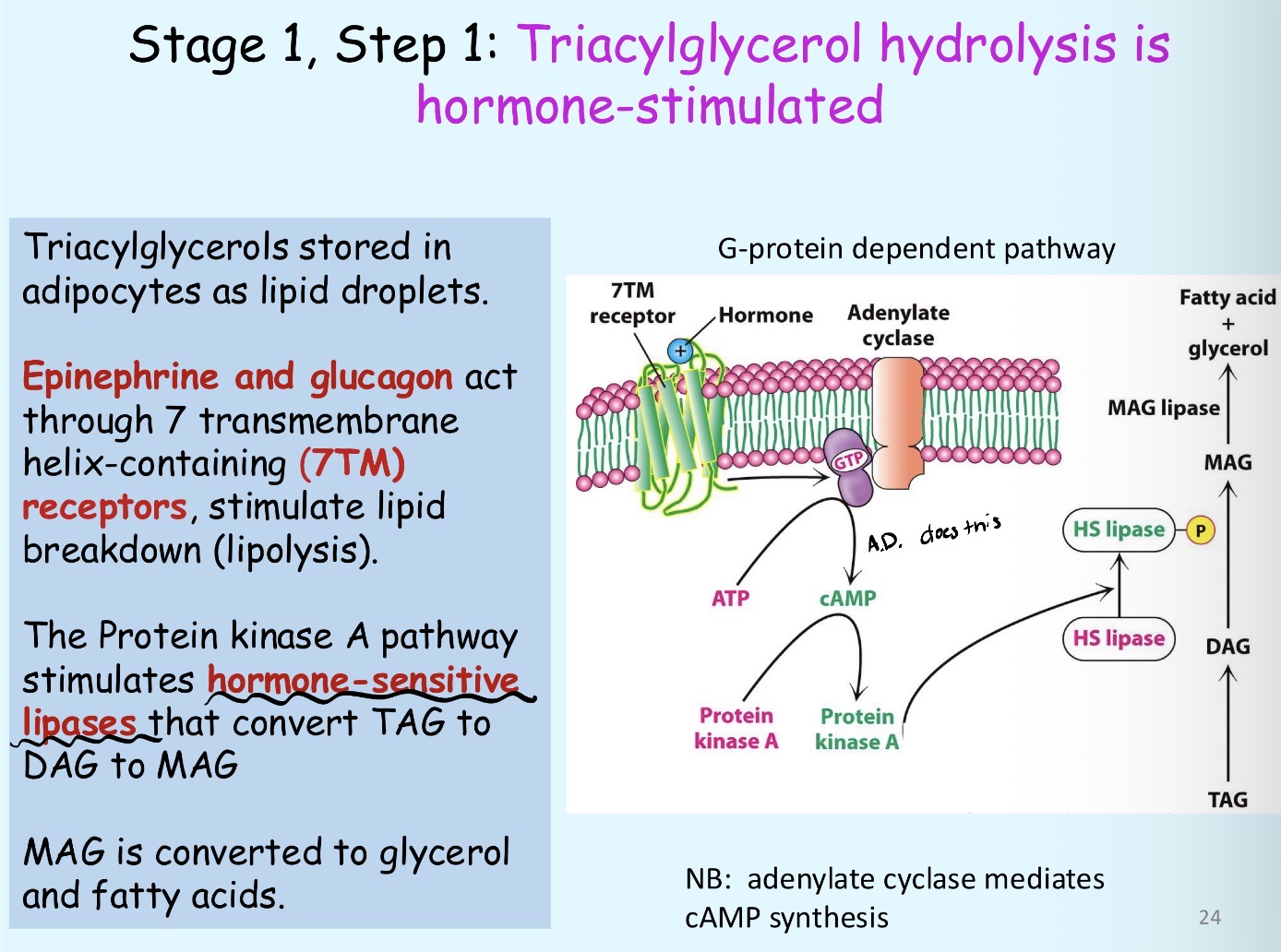
What is the enzyme that hydrolyzes triacylglycerols to glycerol and free fatty acids?
Lipase
TAG→DAG→MAG→ glycerol + FA
Describe the roles of Glucagon and Epinephrine in lipolysis:
They bind to 7TM receptors, activating the adenylate cyclase which mediates cAMP synthesis, resulting in lipolysis
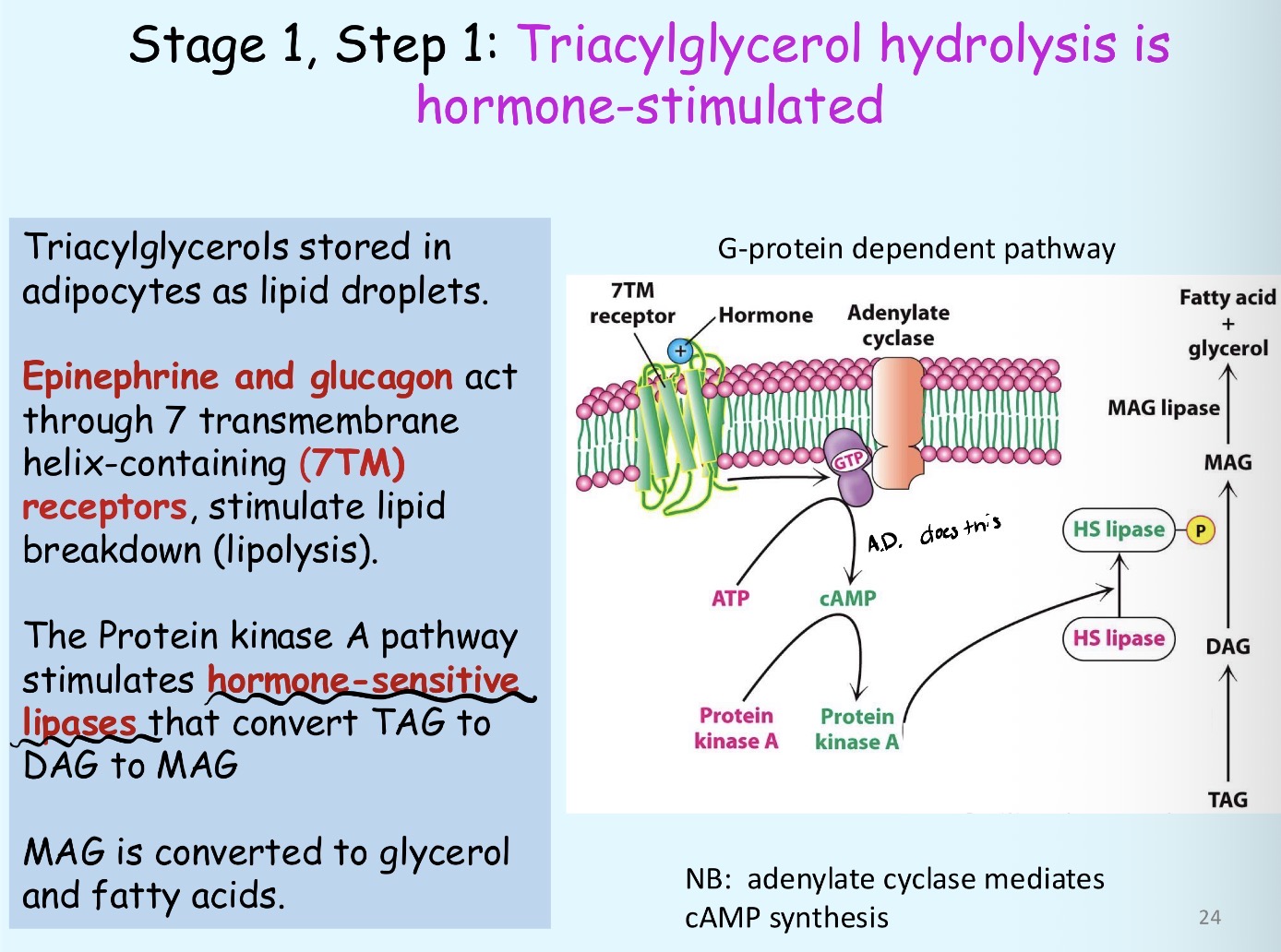
Glycerol released during lipolysis is absorbed by the liver, to be used in _______ and _______.
glycolysis; gluconeogenesis
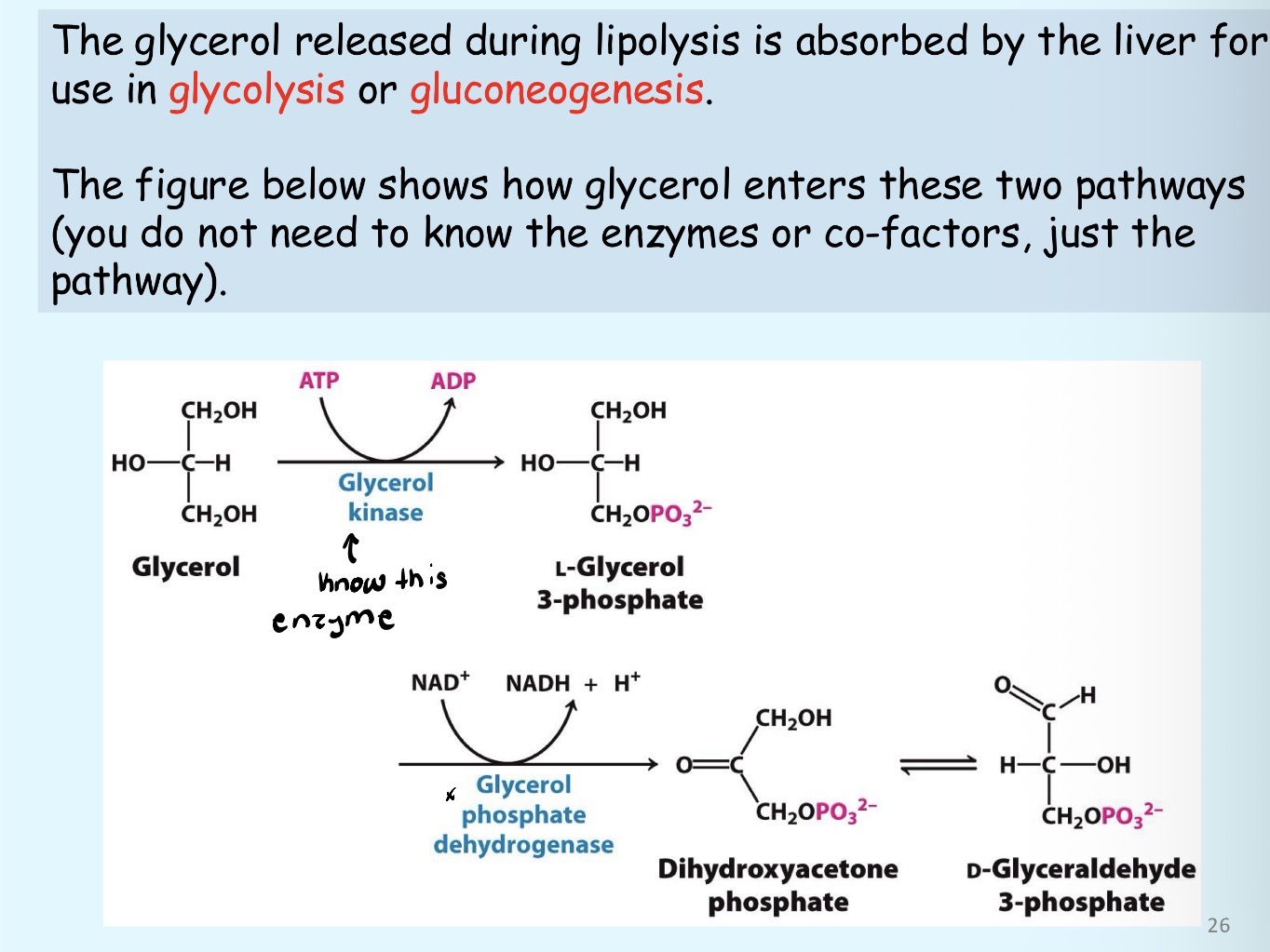
What is lipolysis?
The generation of fatty acids and glycerol from triacylglycerols (TAGs)
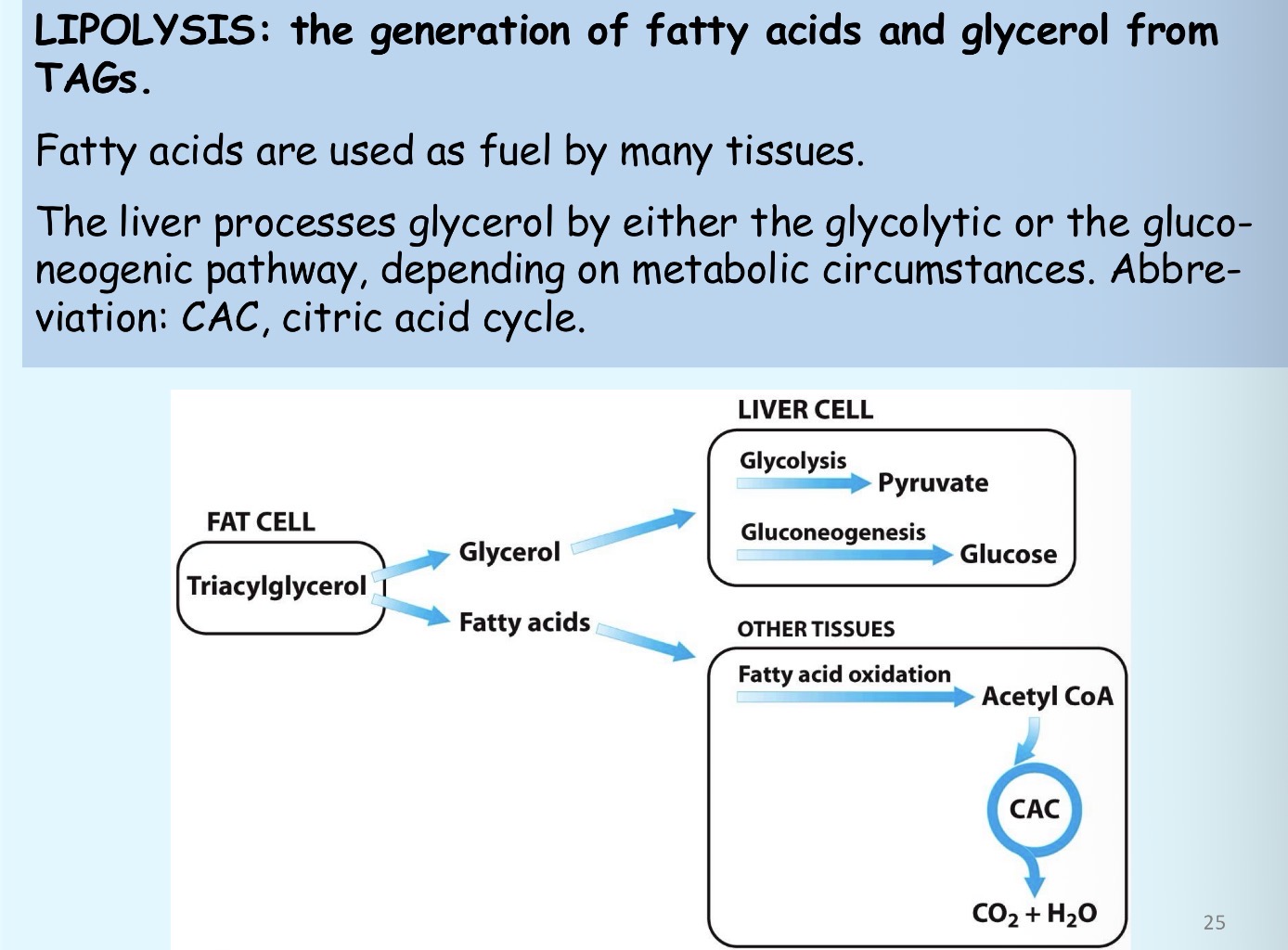
what is the primary role of cAMP in lipolysis?
It is a secondary messenger that activates protein kinase A (PKA), in which that activates hormone-sensitive lipase to break down fat
How are fatty acids activated for coupling to Coenzyme A?
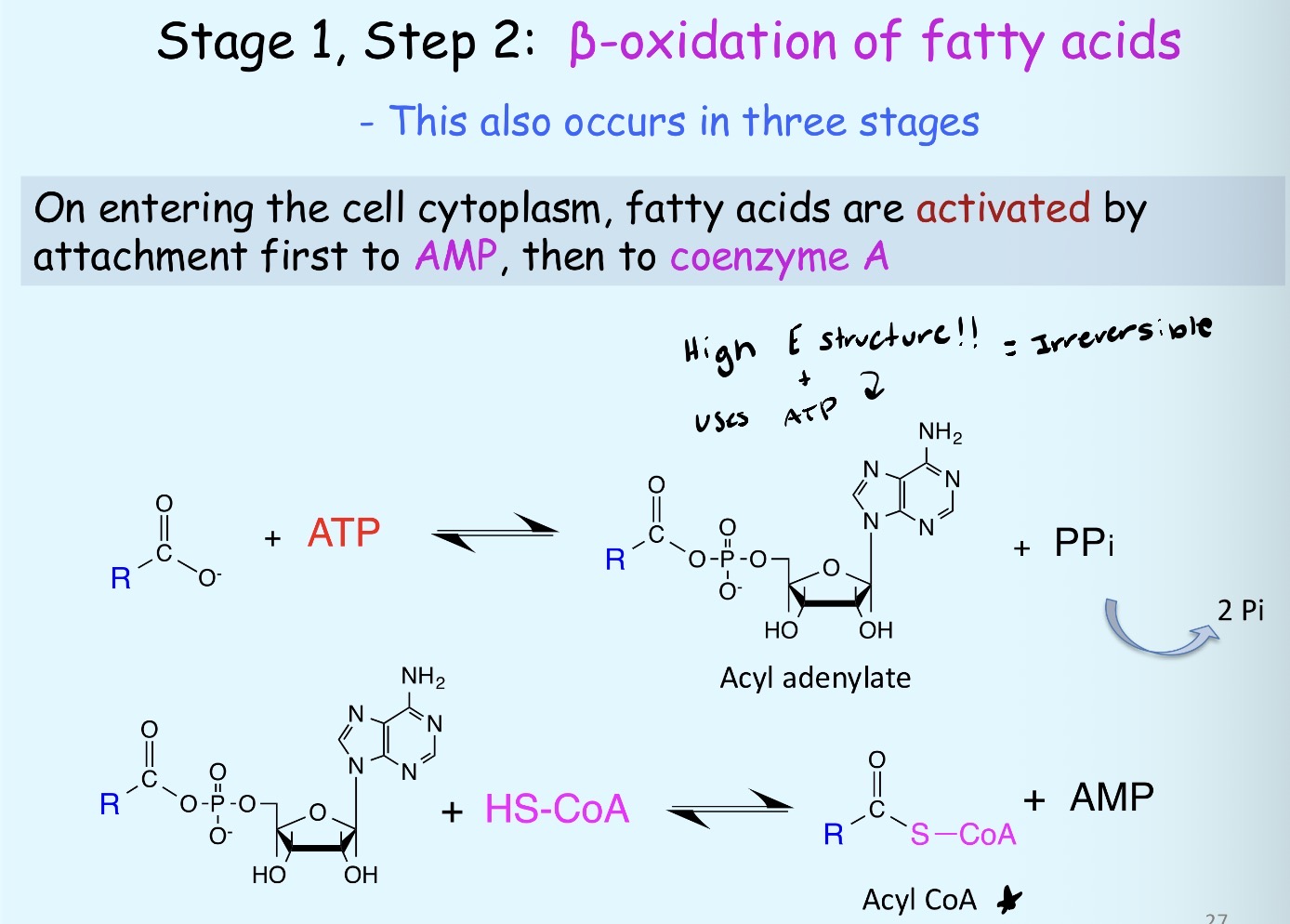
When entering the cell cytoplasm, fatty acids are activated by attaching to AMP first then to coenzyme A
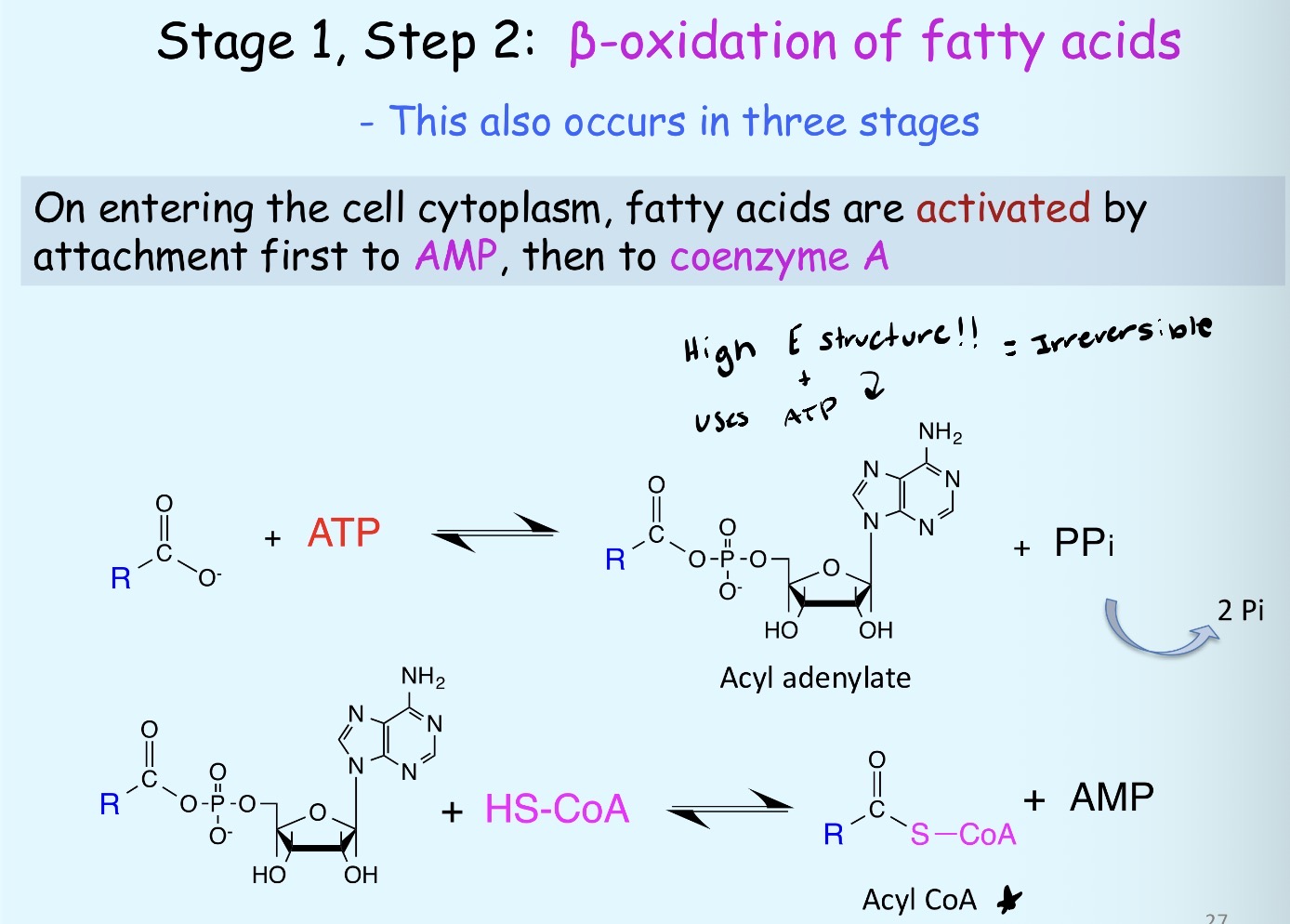
Briefly describe the reaction within FA activation:
Fatty acid + CoA +ATP → Fatty acyl-CoA
What is the mechanism in which fatty acids is activated?
FA +ATP → acyl-AMP
Acyl-AMP +CoA → acyl-CoA
Why is the process of fatty acids being activated for coupling to Coenzyme A spontaneous?
ATP → AMP+PPi (high E)
PPi hydrolysis drives reaction forward
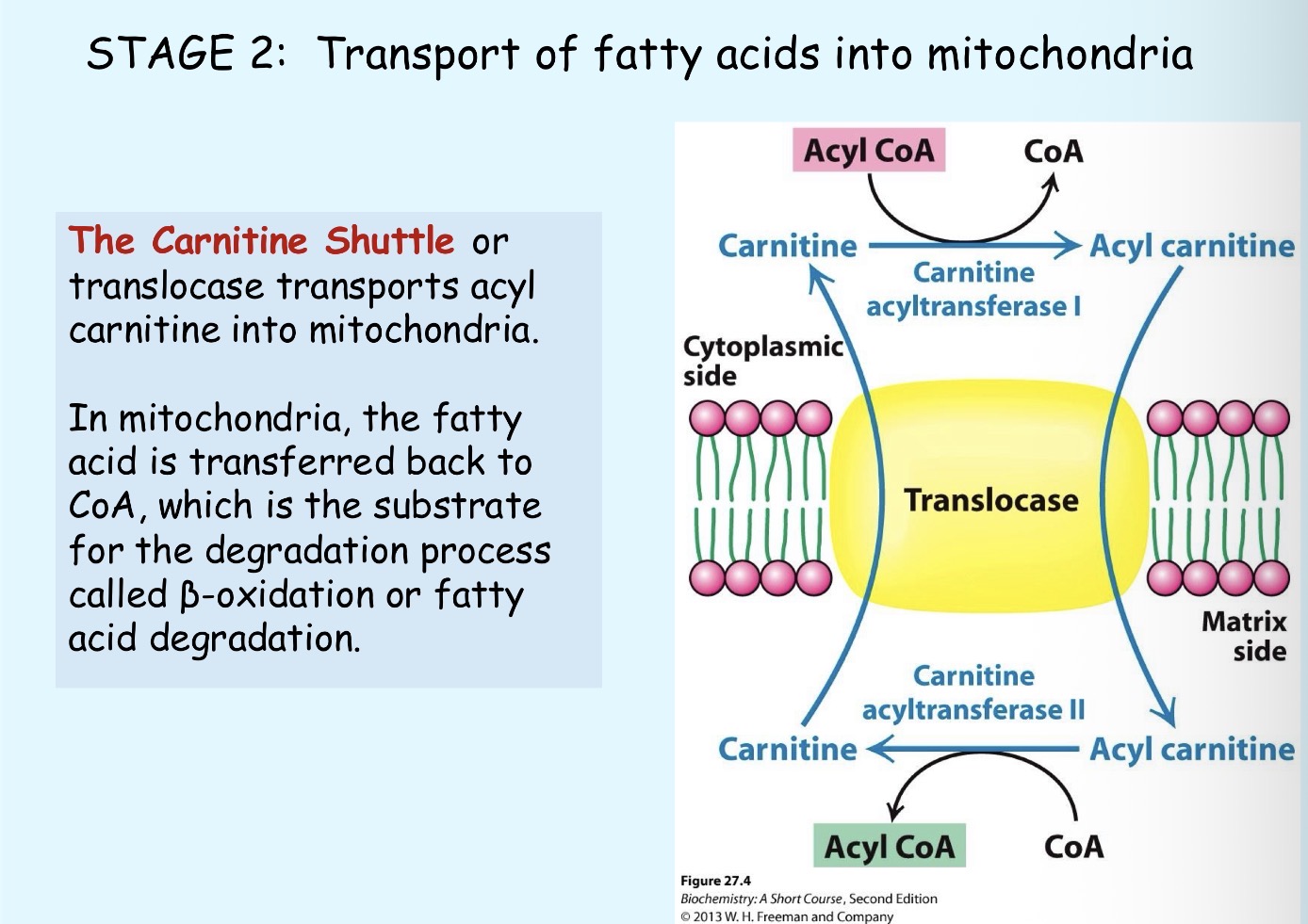
What is the molecular system that transports fatty-acyl groups into the mitochondria?
Carnitine shuttle
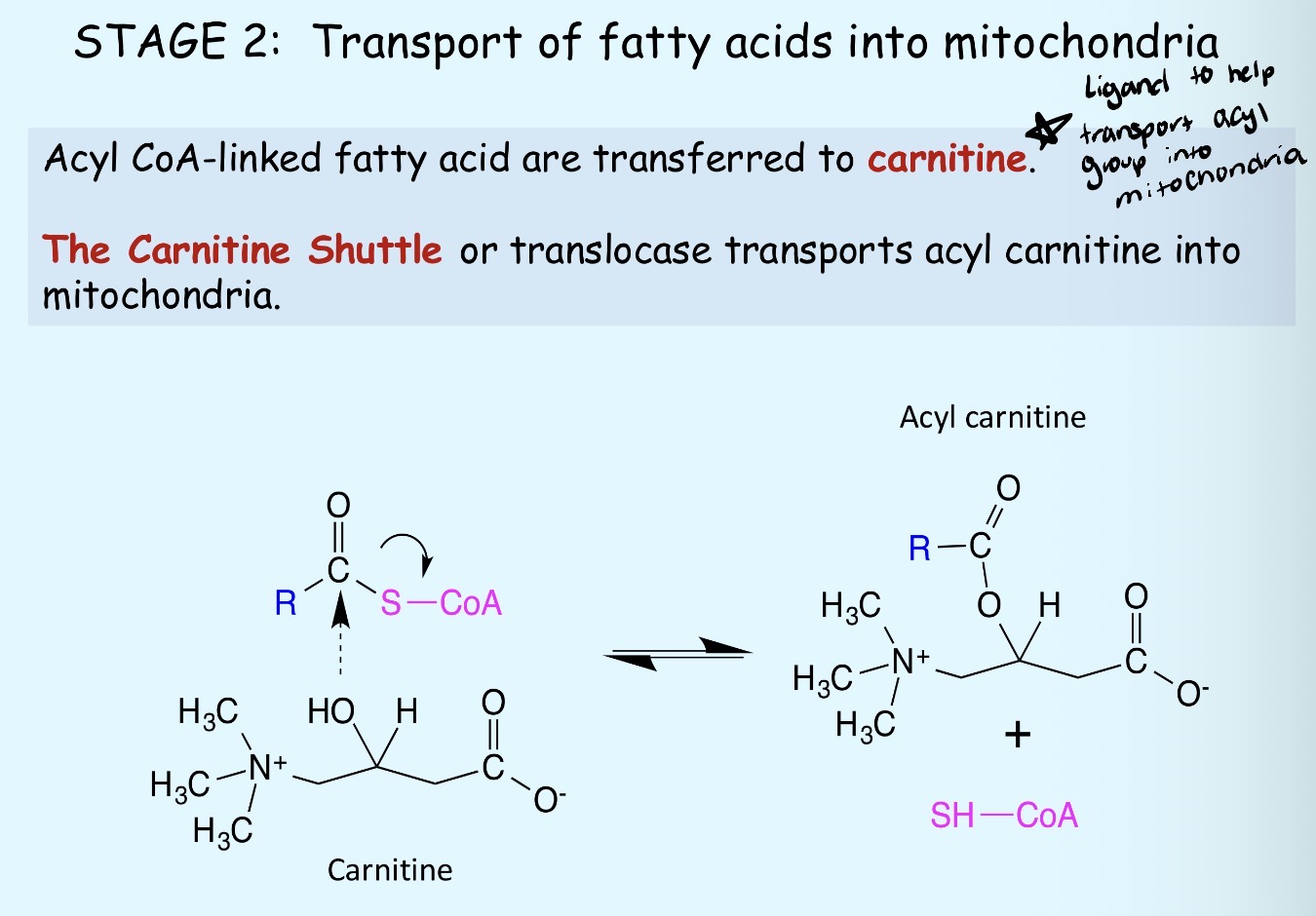
What does the carnitine shuttle convert?
Converts acyl-CoA to acyl-carnitine
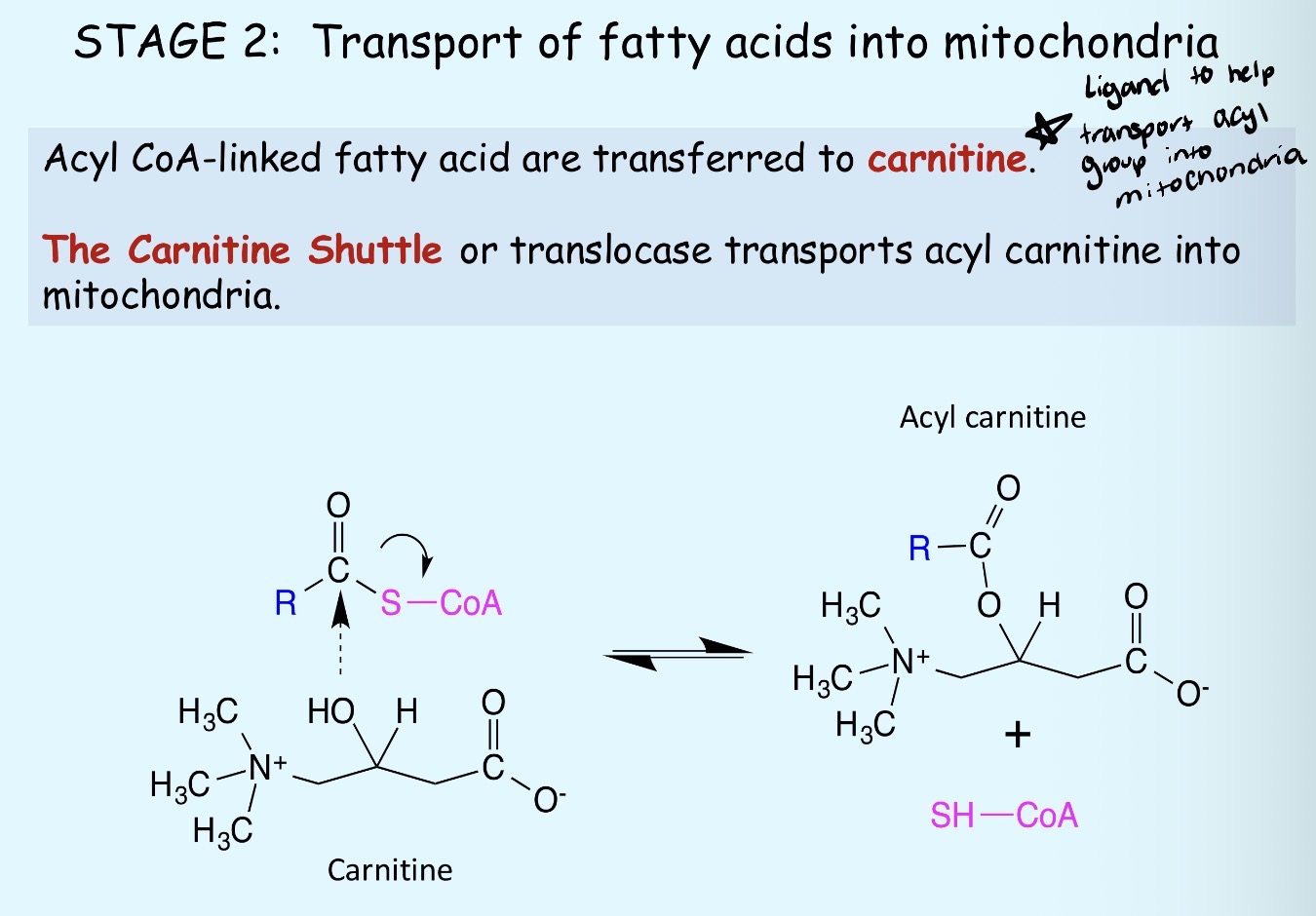
What occurs once acyl-carnitine is in the mitochondria?
The fatty acid is transferred back to CoA, which is the substrate for the degradation process called B-oxidation or fatty acids degradation
Name the four beta-oxidation reactions that degrade fatty acyl CoA and liberate Acetyl CoA:
Oxidation
Hydration
Oxidation
Thiolysis
Fatty acid degradation (beta-oxidation) is a _______ process.
Repetitive
What are the overall 3 stages in which TAGs are degraded?
Degradation of TAG to release fatty acids and glycerol into blood
Activation of the fatty acids and transport into the mitochondria
Degradation of the fatty acids to acetyl CoA for processing by the citric acid cycle