Unit 5: Christian and islamic art
 Studied by 0 people
 Call Kai
 Learn
Learn Practice Test
 Spaced Repetition
 Match
Match Flashcards
 Knowt Play
1/55

Earn XP
Description and Tags
imagery and artworks for ARTH final
Name | Mastery | Learn | Test | Matching | Spaced | Call with Kai |
|---|
No analytics yet
Send a link to your students to track their progress
56 Terms
Art of late antiuity
christian catacombs, symbolism, iconography, worship

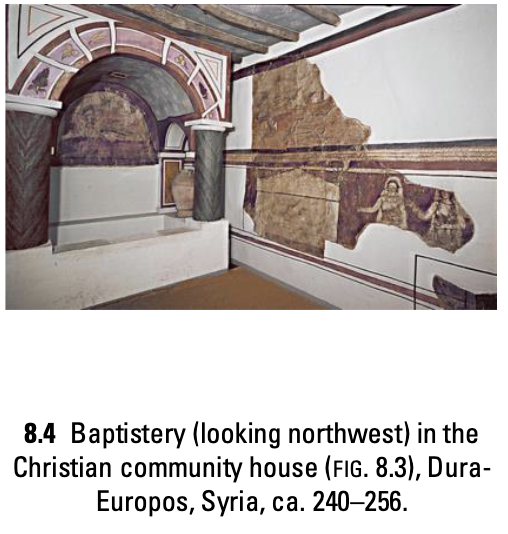
christian community house
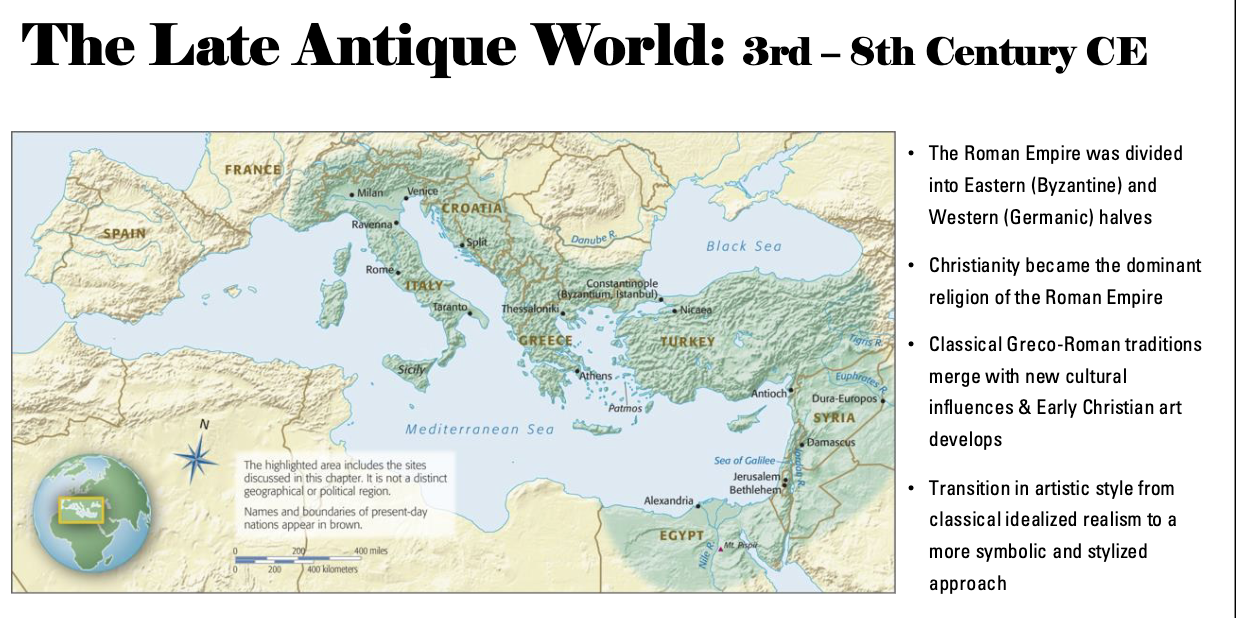
late antiquity geography: Mediterranean
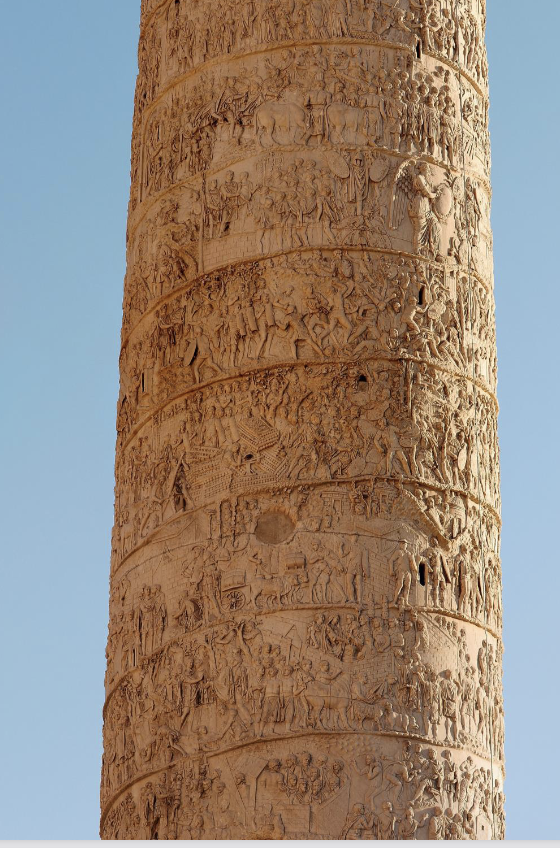
Detail of the spiral frieze of the Column of Trajan,
Forum of Trajan, Rome, Italy, dedicated 112 CE
commemorates his
victorious Dacian campaigns
The High Empire: Polytheistic Temples &
Venerated Emperors

The High Empire: Polytheistic Temples &
Venerated Emperors
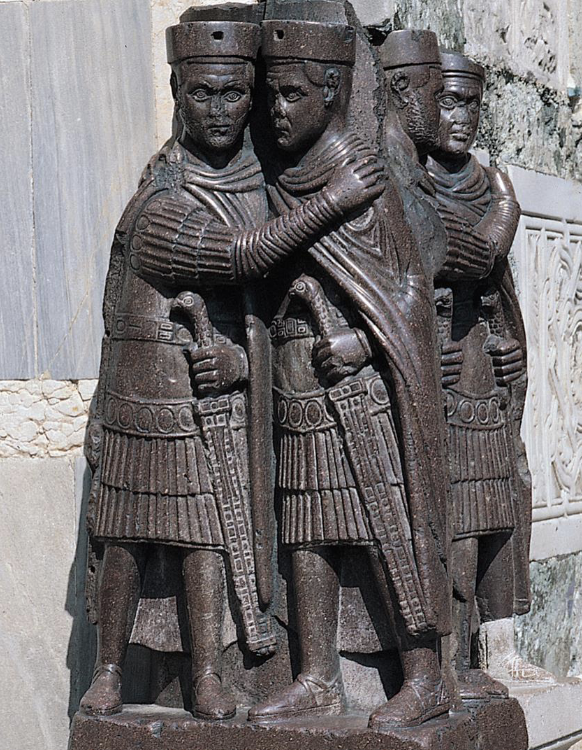
Portraits of the four tetrarchs, from Constantinople,
ca. 300 ce. Porphyry, 4′ 3′′ high.
shows political and economic instability, rule of 4 kings, 2 Caesars 2 augusti, period of the tetrarchy (rule of 4)
all look same, no distinction between the rulers
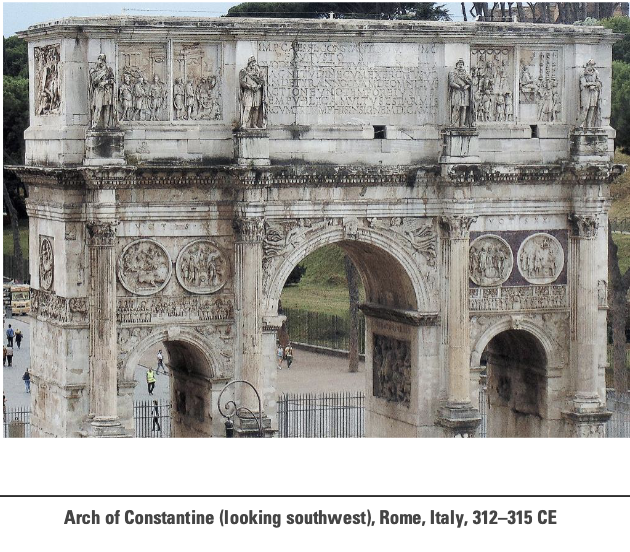
the arch of constintine =
visual propaganda, attributes win to 1 god
proclaimed religious tolerance, ending christian non tolerance
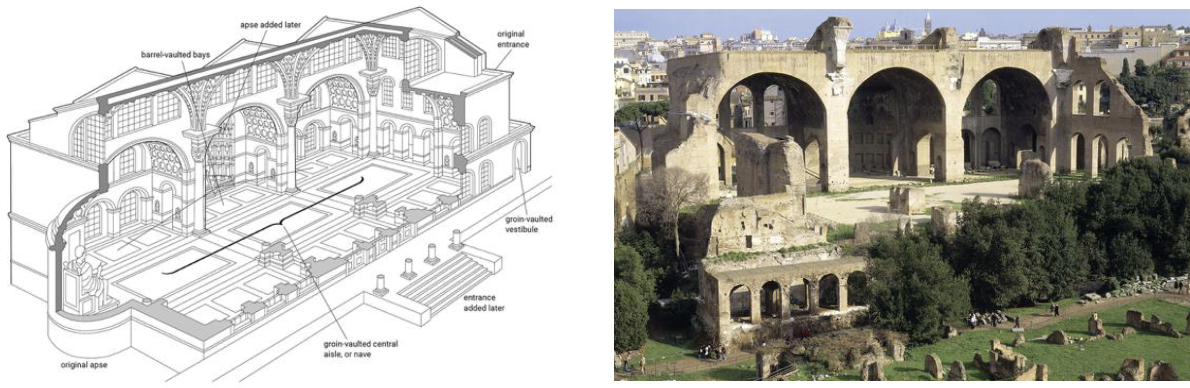
this is the…
Basilica Nova (Basilica of Maxentius and Constantine), Rome,
c. 306–313
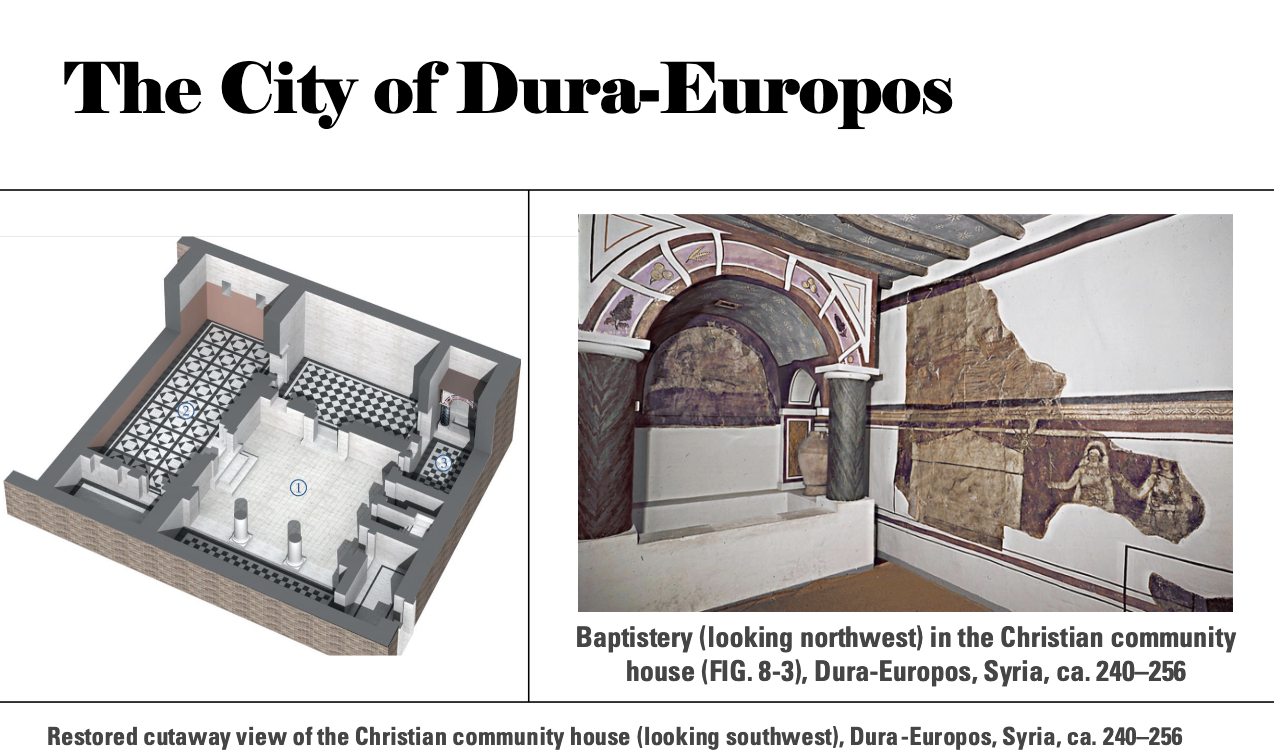
not sure
Cubiculum N, Via Latina Catacomb, Rome, Italy, ca. 320–360.
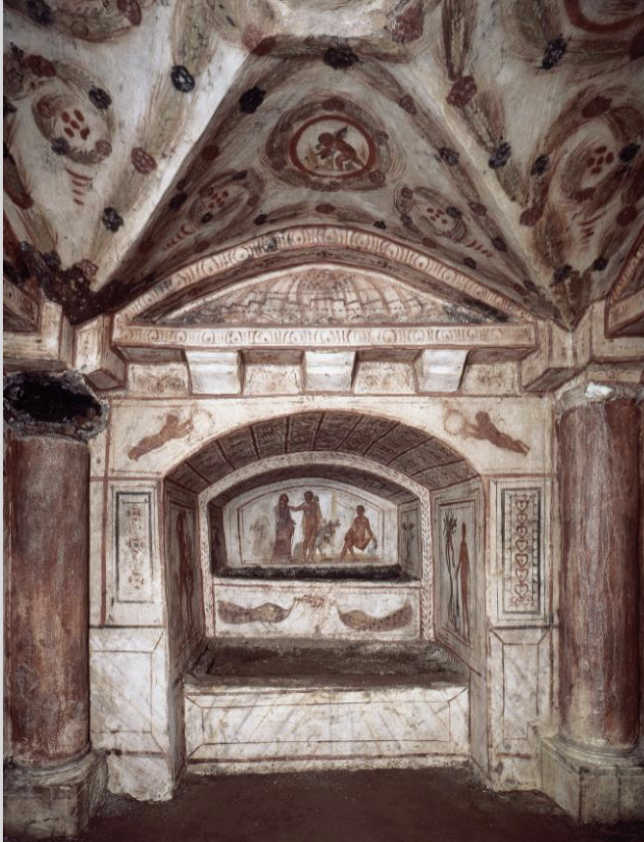
Polytheism to
Monotheism
Polytheism: belief in multiple gods
• Monotheism: the worship of a single
all-powerful god
Catacombs:
vast subterranean
networks of passageways and
chambers designed as Christian
cemeteries
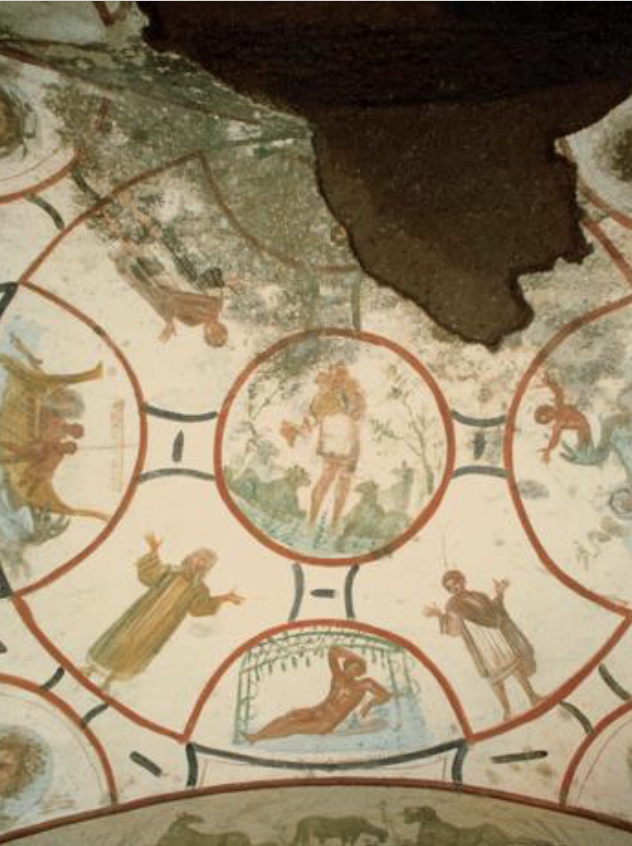
this is the…
The Good Shepherd, the story of Jonah, orants, and Seasons, frescoed ceiling of a cubiculum in
the Catacomb of Saints Peter and Marcellinus, Rome, Italy, early fourth century
list important terms in christian iconography:
iconography, lunettes, orants
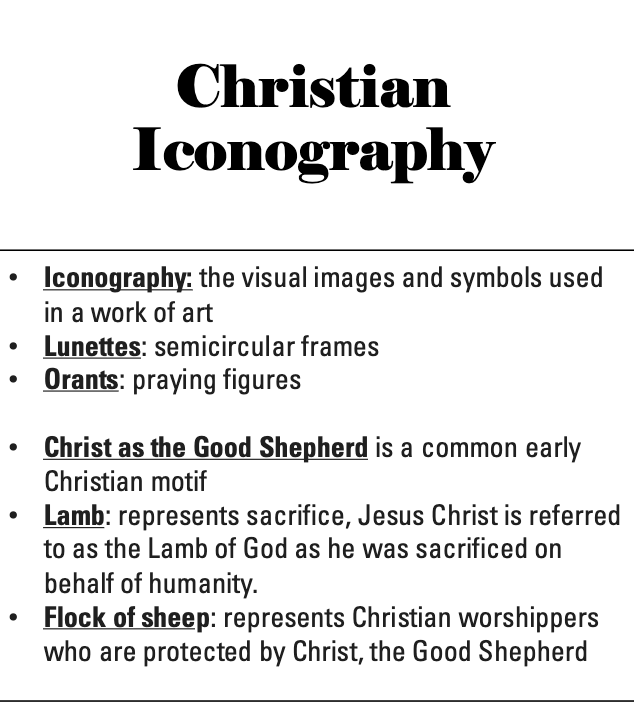
iconography symbolism
christ as the good shepard, lamb(s), flock of sheep
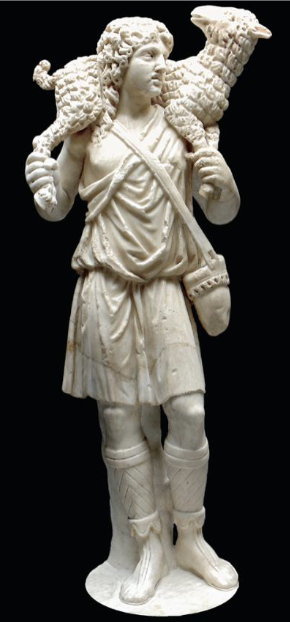
Christ as the Good Shepherd, ca. 300–350. Marble, 3’ ¼” high.
this is an example of/means:
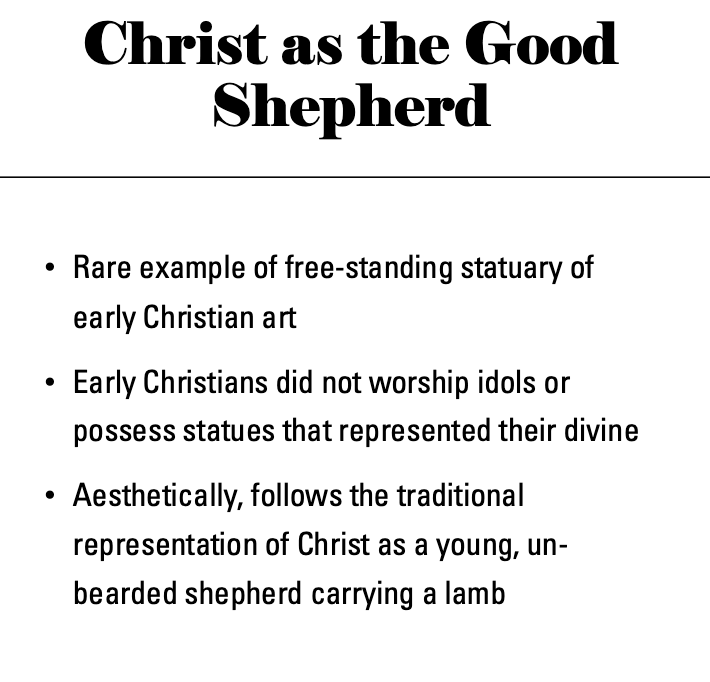
Sarcophagi: Early
Christian Art
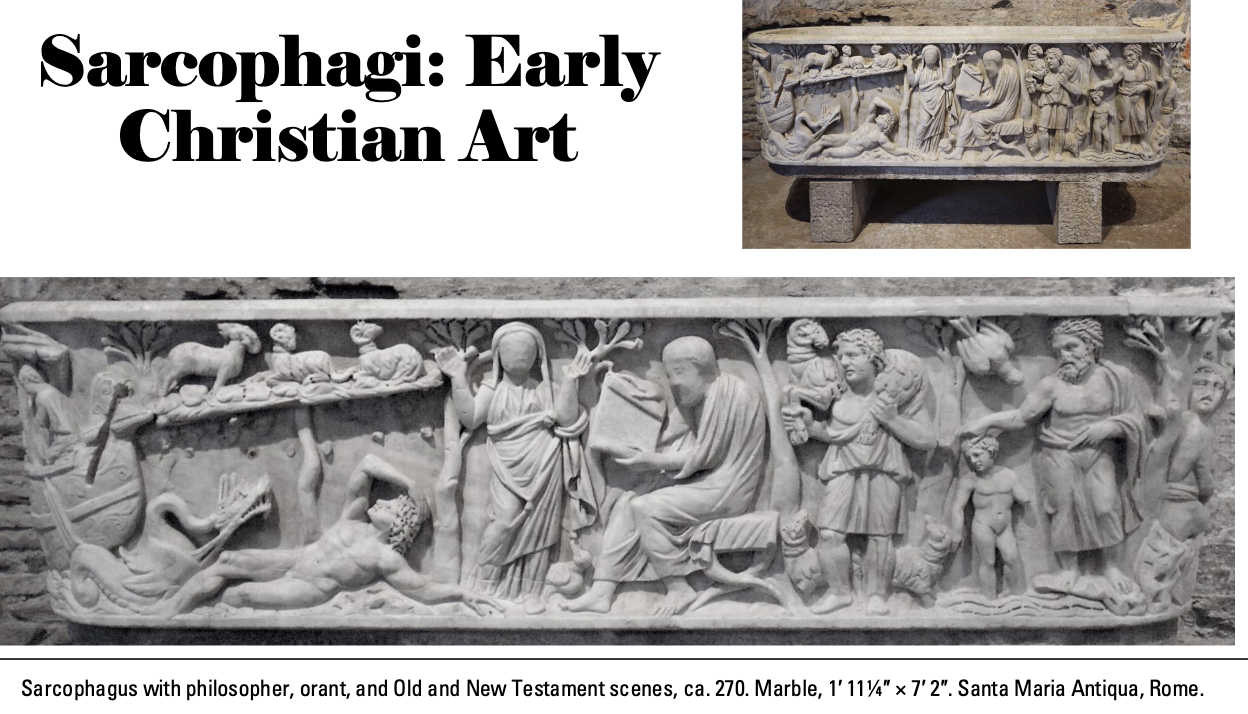
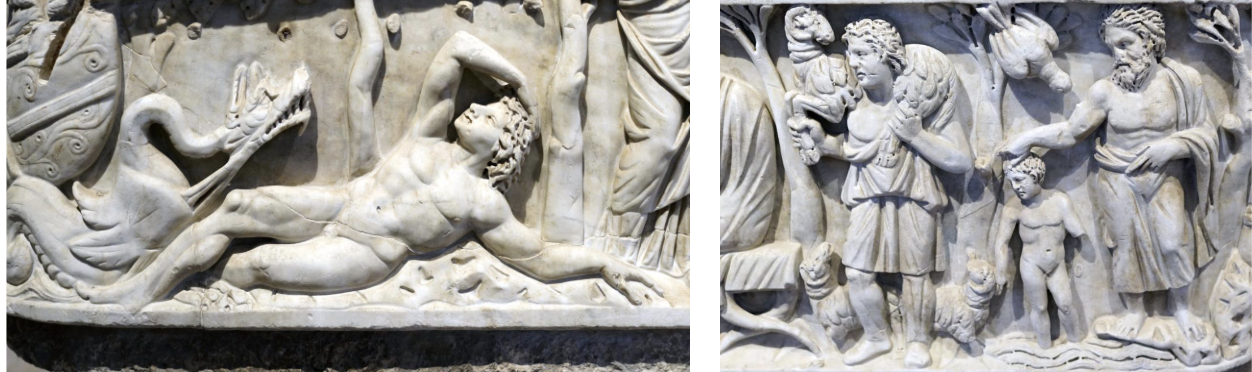
details/messages of the sarcophagus of philospher
christ the good shepard, lamb, serpent, the damned
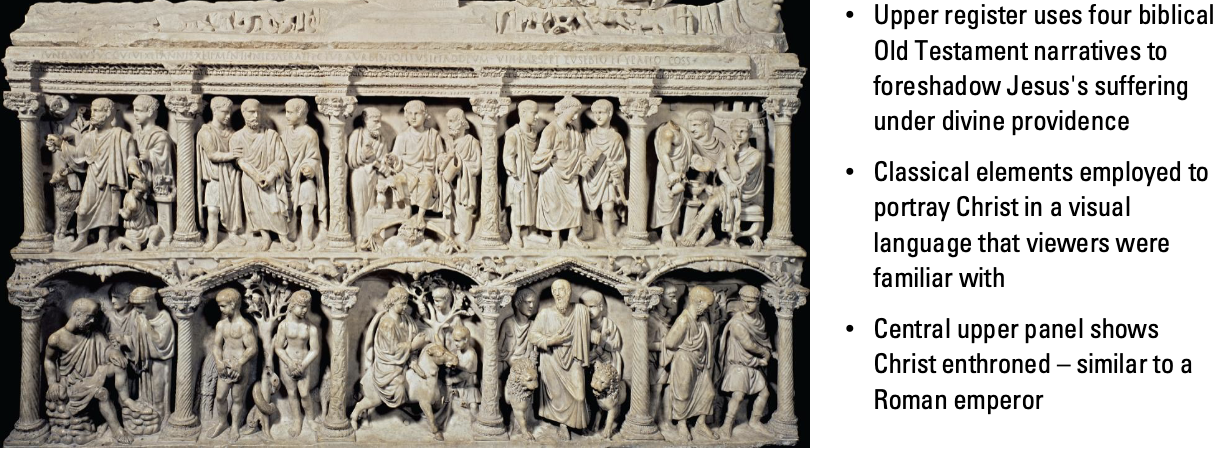
Sarcophagus of Junius Bassus
Upper register uses four biblical
Old Testament narratives to
foreshadow Jesus's suffering
under divine providence
• Classical elements employed to
portray Christ in a visual
language that viewers were
familiar with
• Central upper panel shows
Christ enthroned – similar to a
Roman emperor
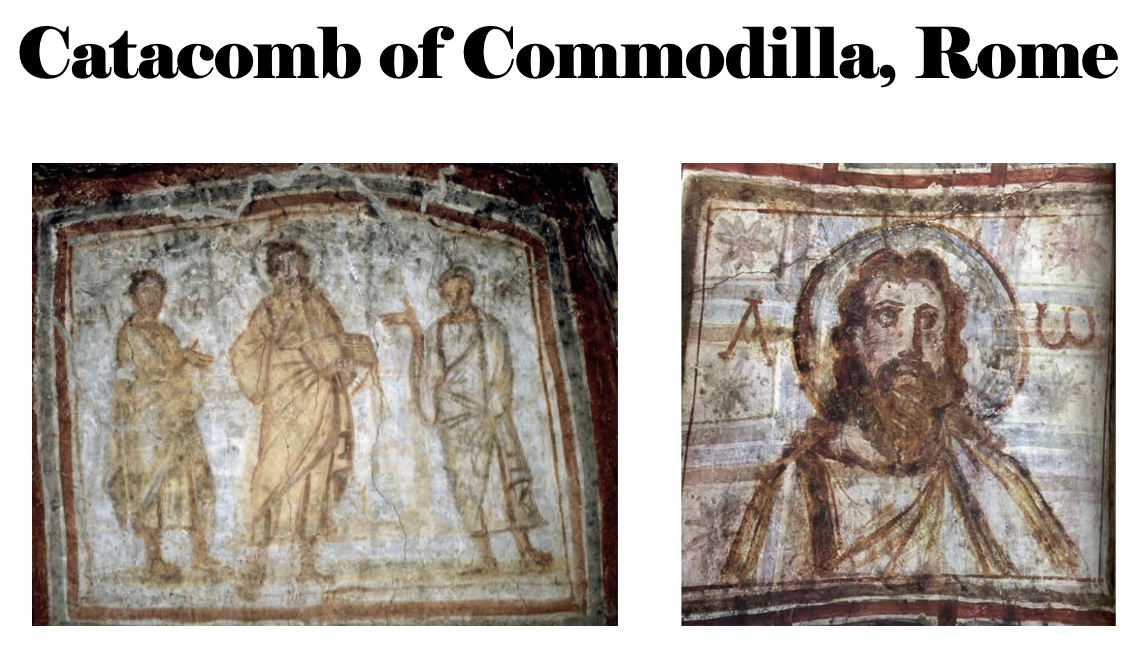
LEFT] Youthful Christ between Saints Felix and Adauctus, of the Cubiculum Leonis in the Catacomb of Commodilla, Via Ostiense, Rome, Italy, ca. 370–385.
[RIGHT] Bust of bearded Christ of the Cubiculum Leonis in the Catacomb of Commodilla, Via Ostiense, Rome, Italy, ca. 370–385.
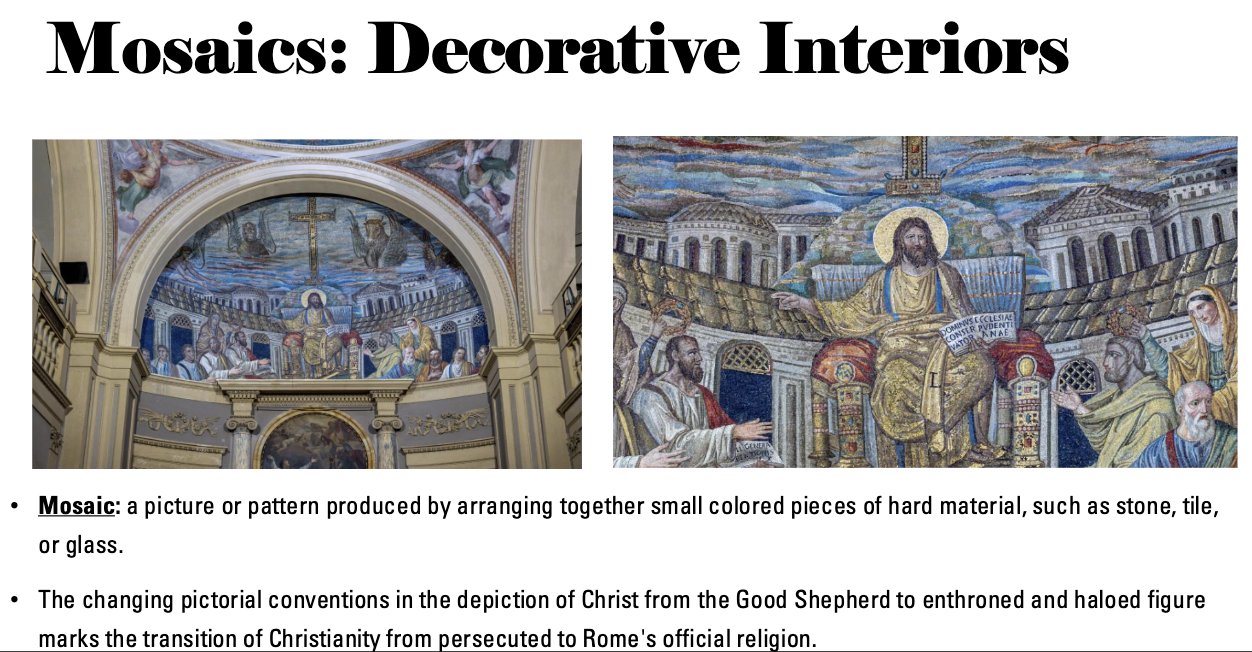
Apse mosaic of Santa Pudenziana, 4th century C.E., Rome
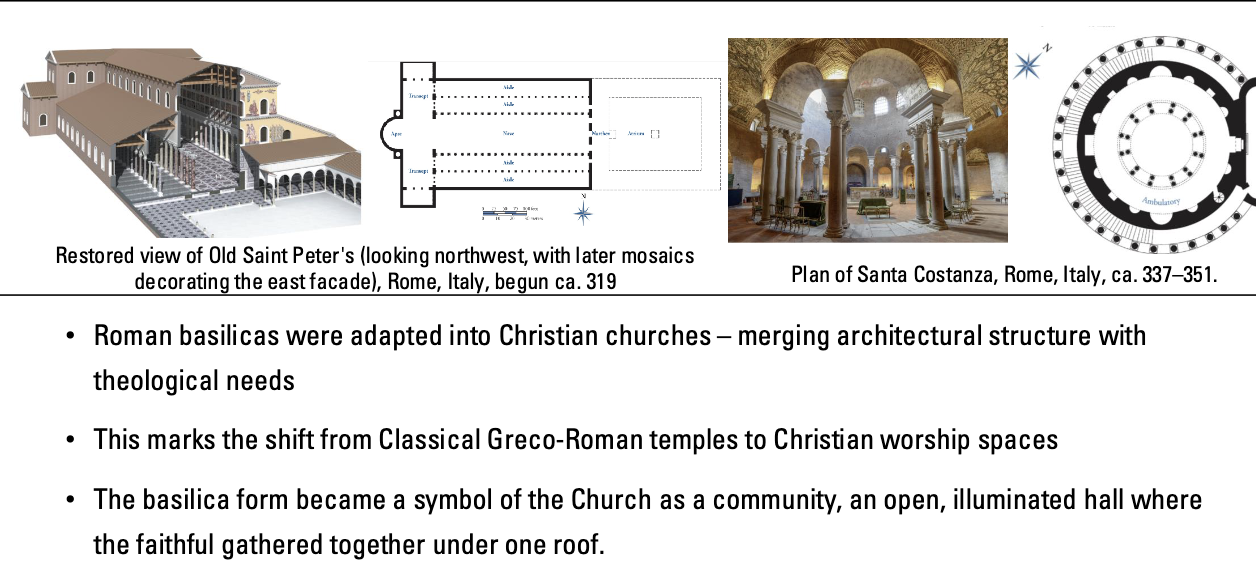
structuring the church: basilica
structuring
byzantine art
Works: Icons, mosaics, domed
churches
• Themes: spirituality, imperial and
religious authority
• Main question: How does Byzantine
art create a sense of divine
presence?
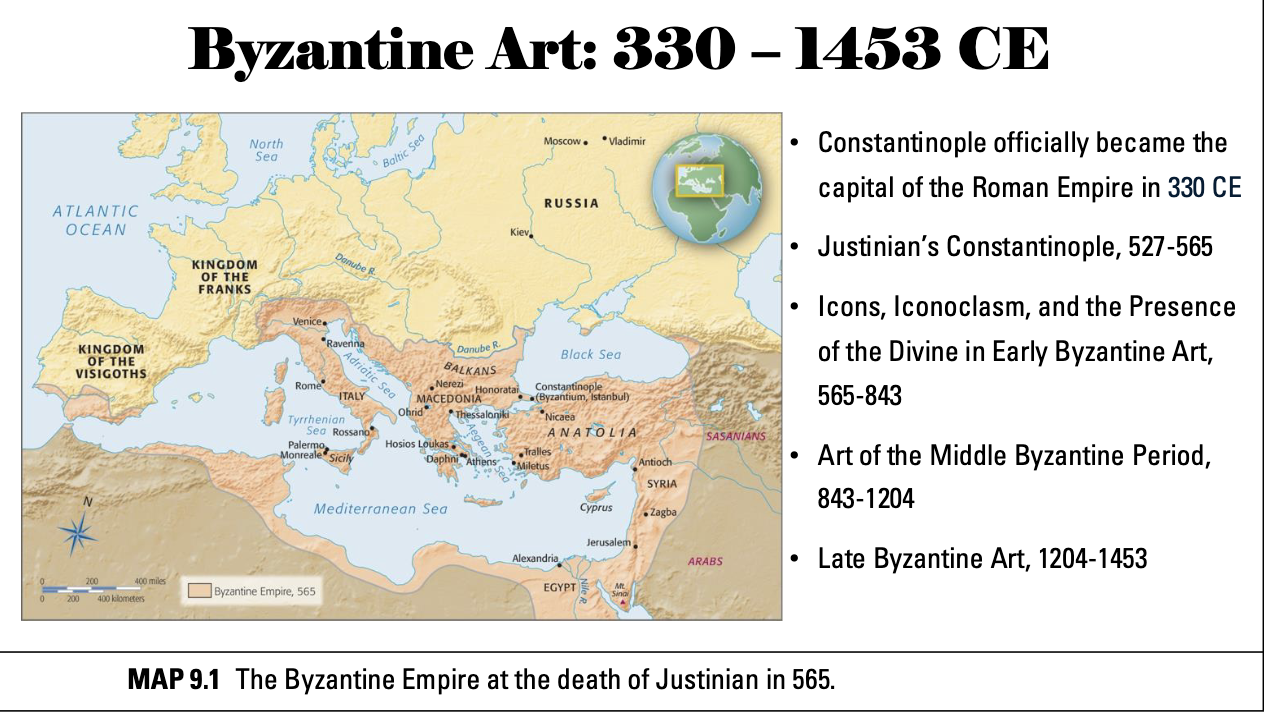
the empire currently
the empire
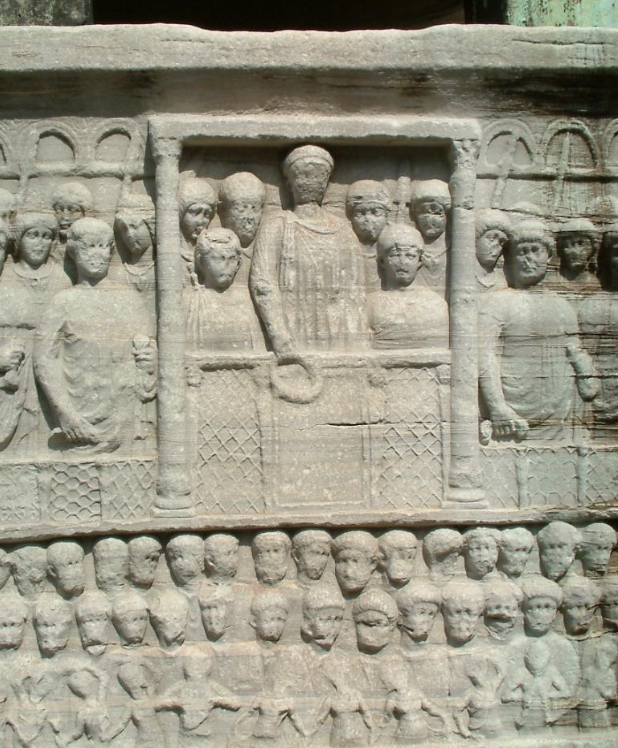
Theodosius I and attendants, relief on the southeast side of the pedestal of the obelisk
erected in the hippodrome of Constantinople (Istanbul), Turkey, 390.
Renamed Constantinople, city became the primary
capital after the fall of Rome in 476 CE
• Constantinople was a major sea-port, bringing wealth
and political power
• Churches were an important outlet for imperial
beneficence
• Emperors often exerted and enhanced their authority
through art
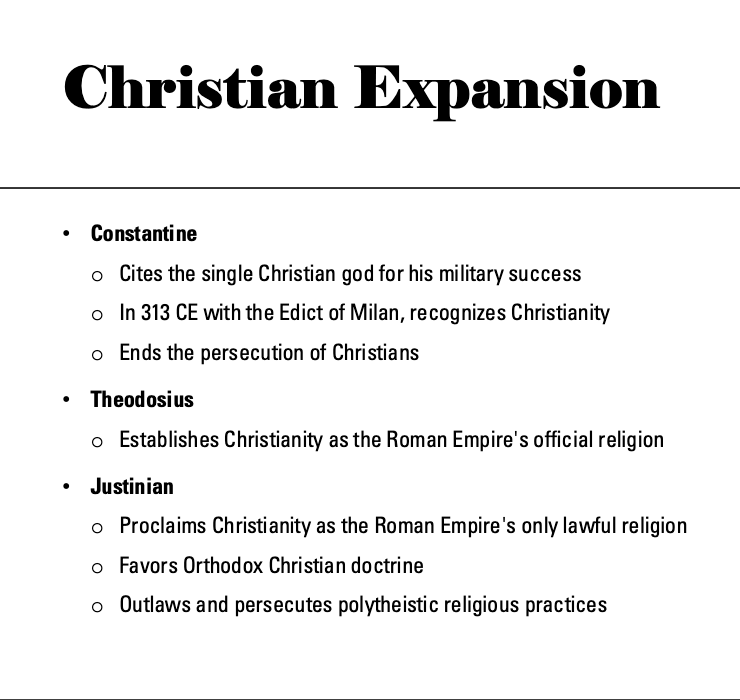
christian expansion

this is..
Justinian Defending the Faith, mid-sixth century. Imperial ivory plaque, 14¼ × 11 in.
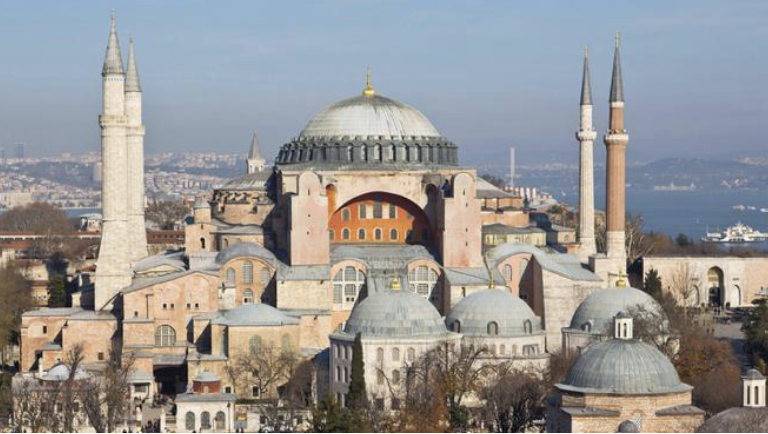
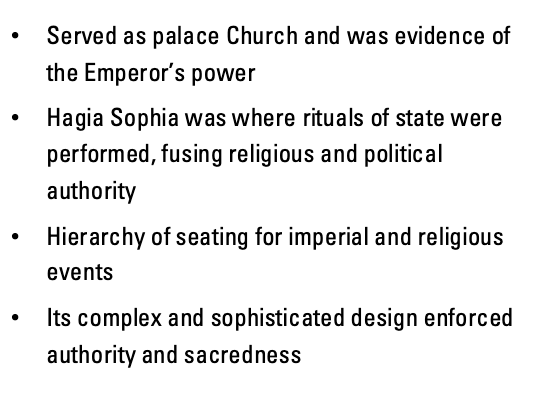
Hagia Sophia, Constantinople (Istanbul), Turkey, 532–37 CE. Architects Anthemius of Tralles and Isidorus of Miletus.
The external buttresses and four minarets were added later
Justinian's Constantinople: 527 – 565 CE
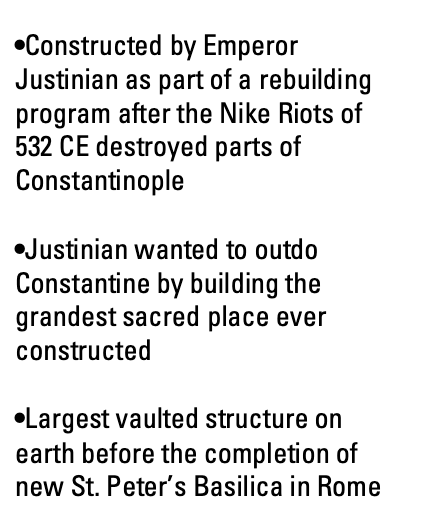
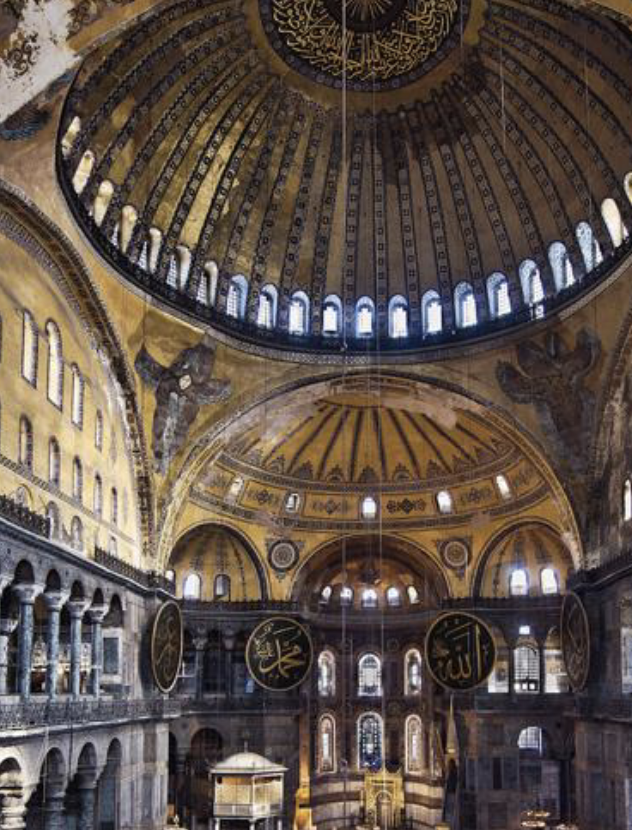
Hagia Sophia
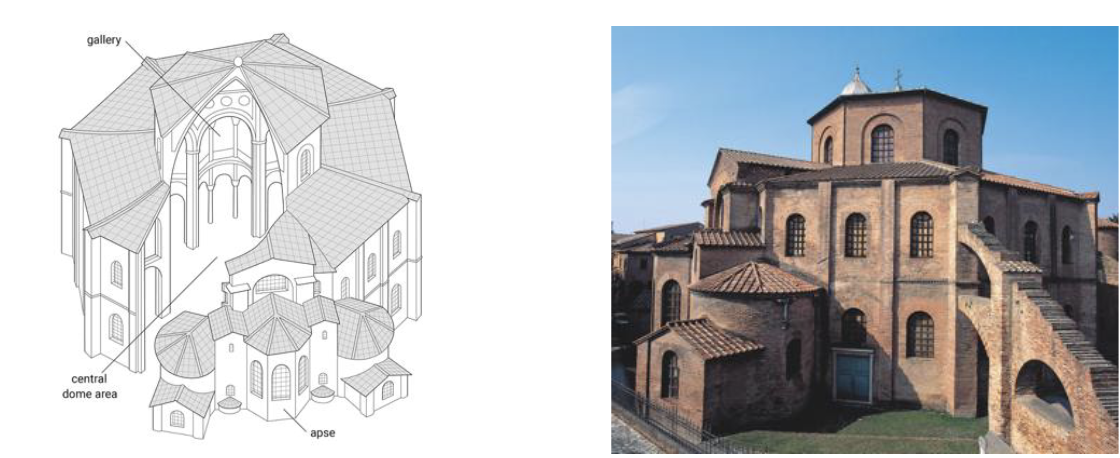
San Vitale (looking west), Ravenna, Italy, 526–547.
Ravenna served as a central city in
the extension of the Byzantine
military power into the West from
the 6th to the 8th century.

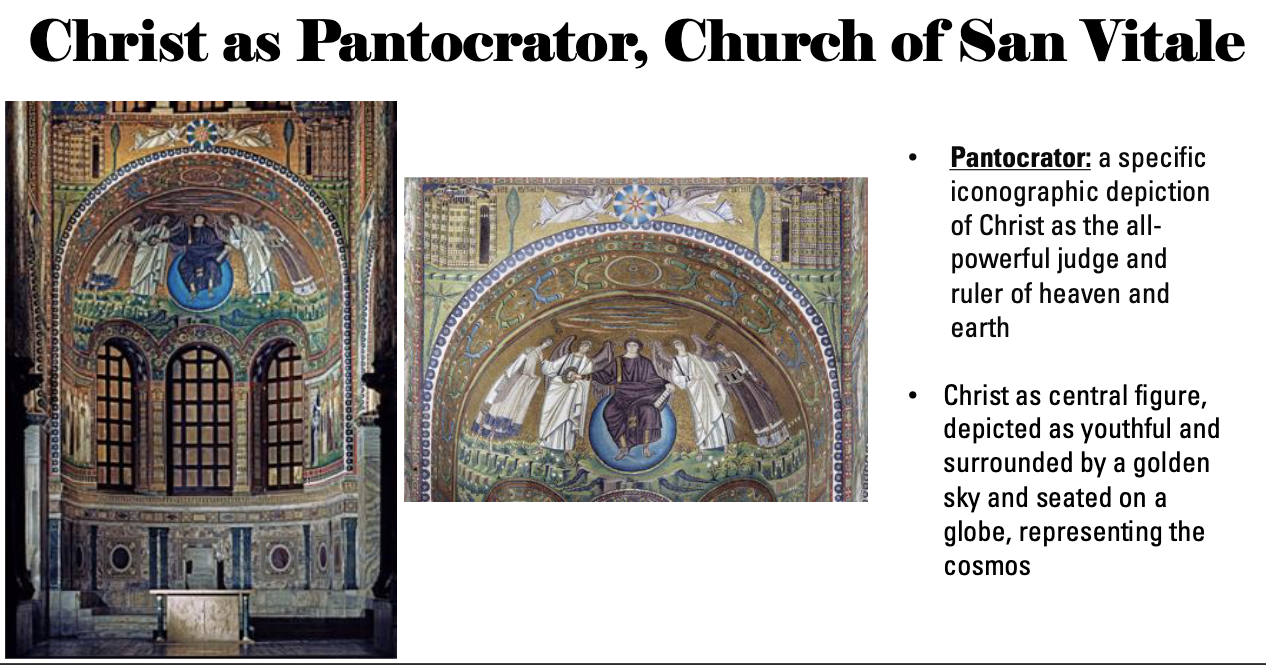
Apse (looking east) with mosaic of Christ between two angels, Saint Vitalis, and Bishop Ecclesius, San Vitale, Ravenna, Italy, 526–547

Justinian and his entourage, apse mosaic, north side, Church of San Vitale, Ravenna, Italy,
c. 546 CE.
Justinian and his entourage, apse mosaic, north side, Church of San Vitale, Ravenna, Italy,
c. 546 CE.
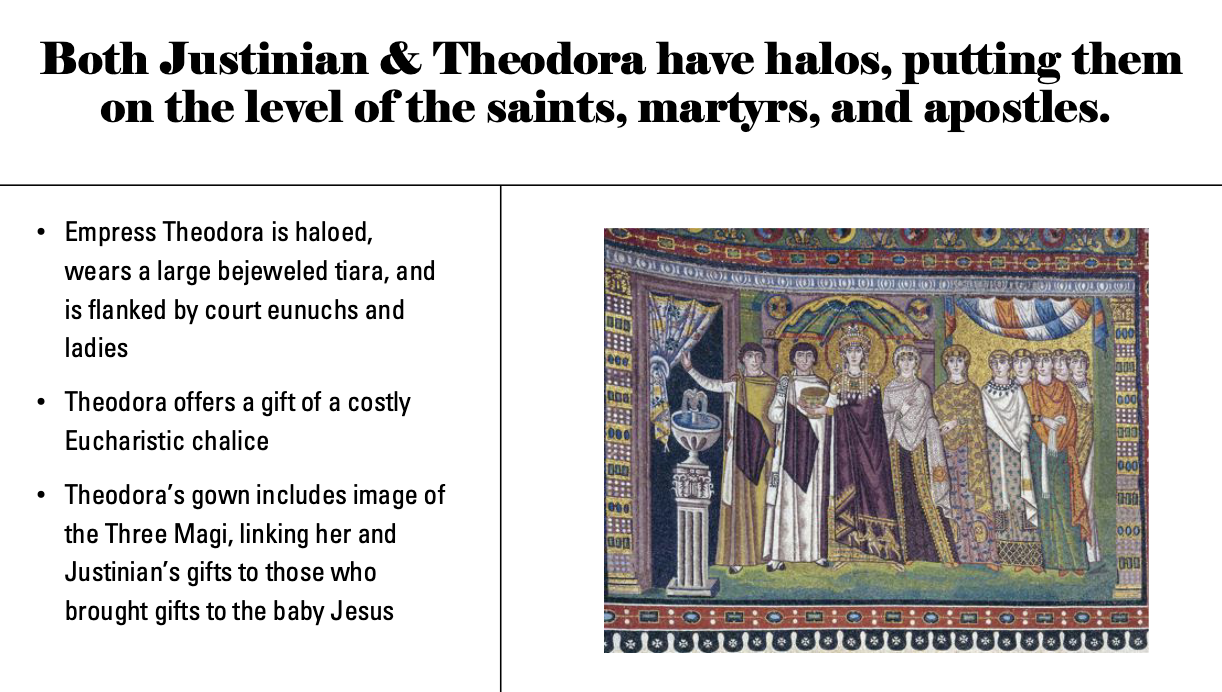
Theodora and attendants, mosaic on the south wall of the apse, San Vitale, Ravenna, Italy, ca. 547
hi
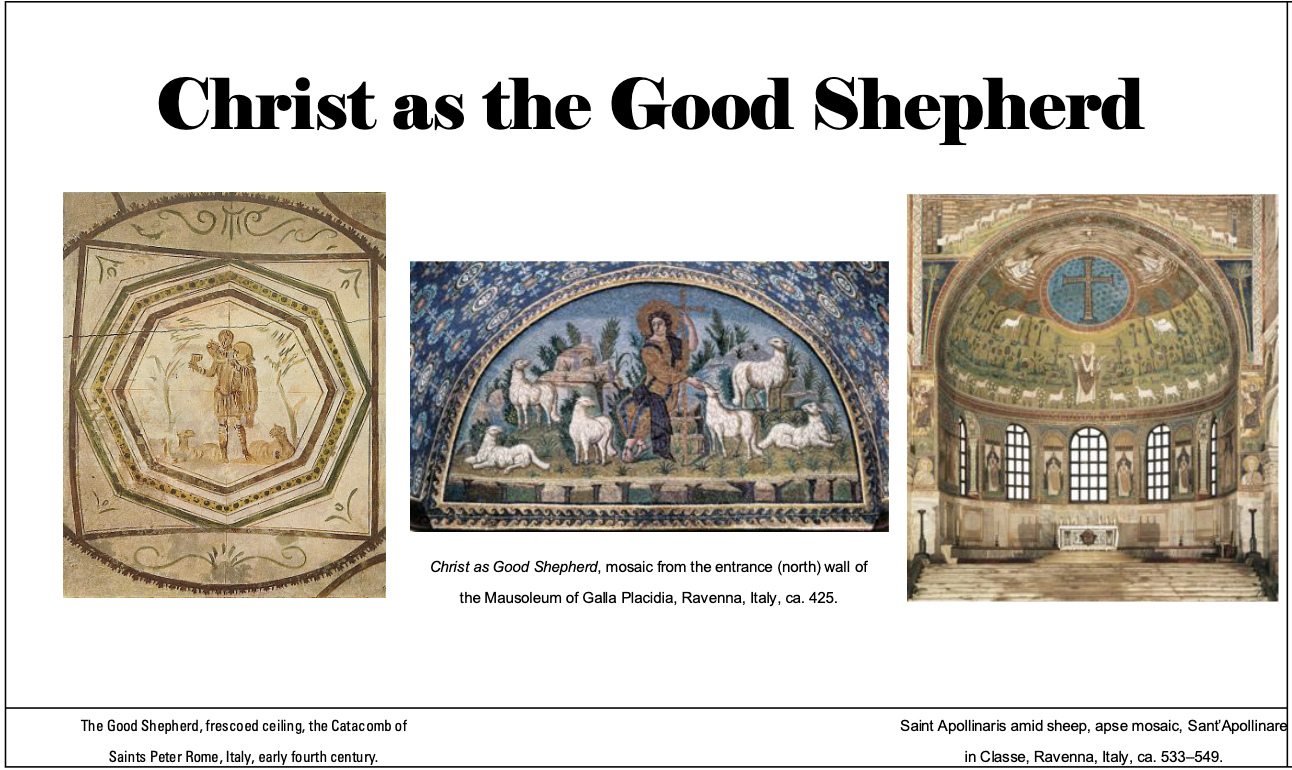
christ as the good shepard
examples of varying christ as the good
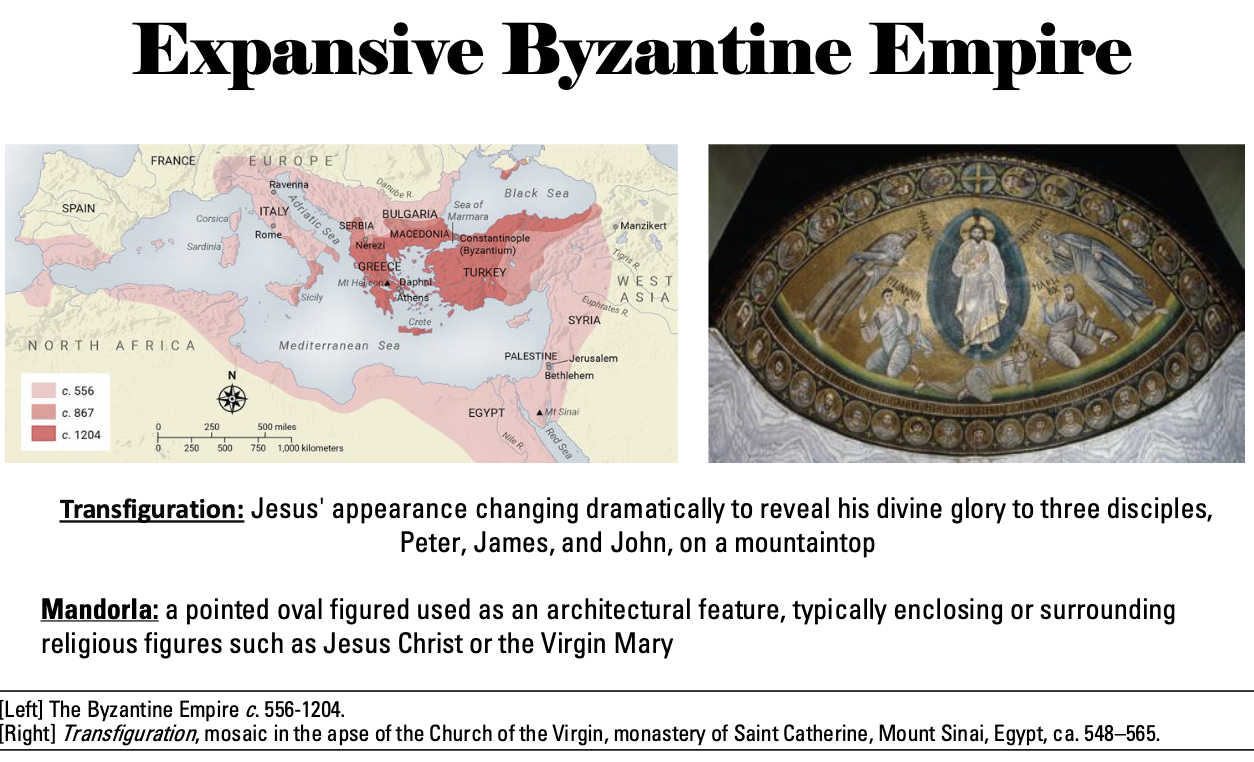
byzantine empire expansion, transfiguration
Transfiguration
Jesus' appearance changing dramatically to reveal his divine glory to three disciples,
Peter, James, and John, on a mountaintop
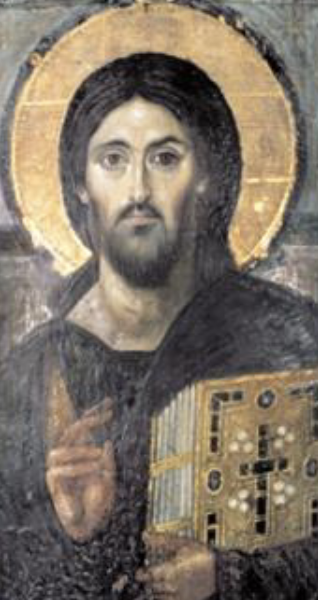
Christ blessing, icon, Monastery of Saint Catherine, Mount Sinai, Egypt, sixth century. Encaustic on wood, 2' 9" ́ 1' 6"
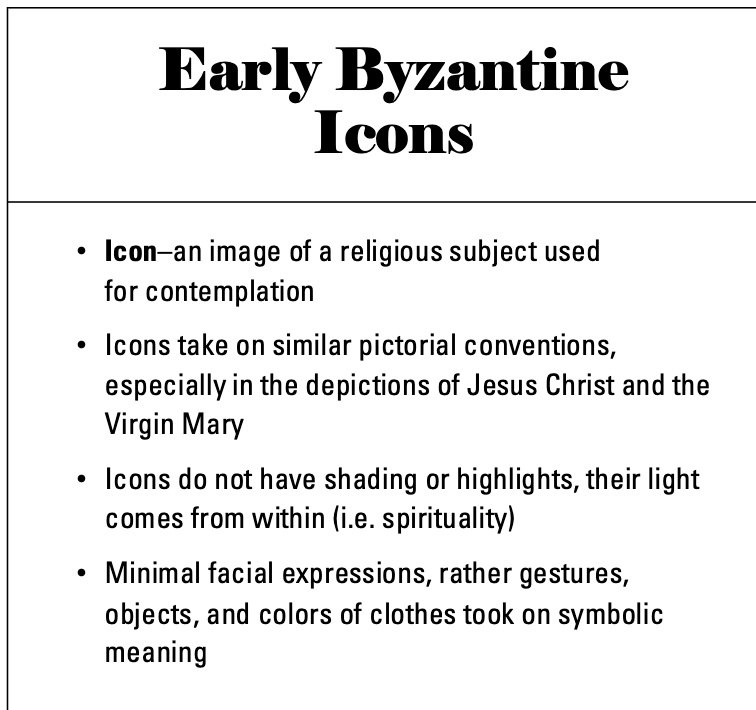
Icon-
Icon–an image of a religious subject used
for contemplation
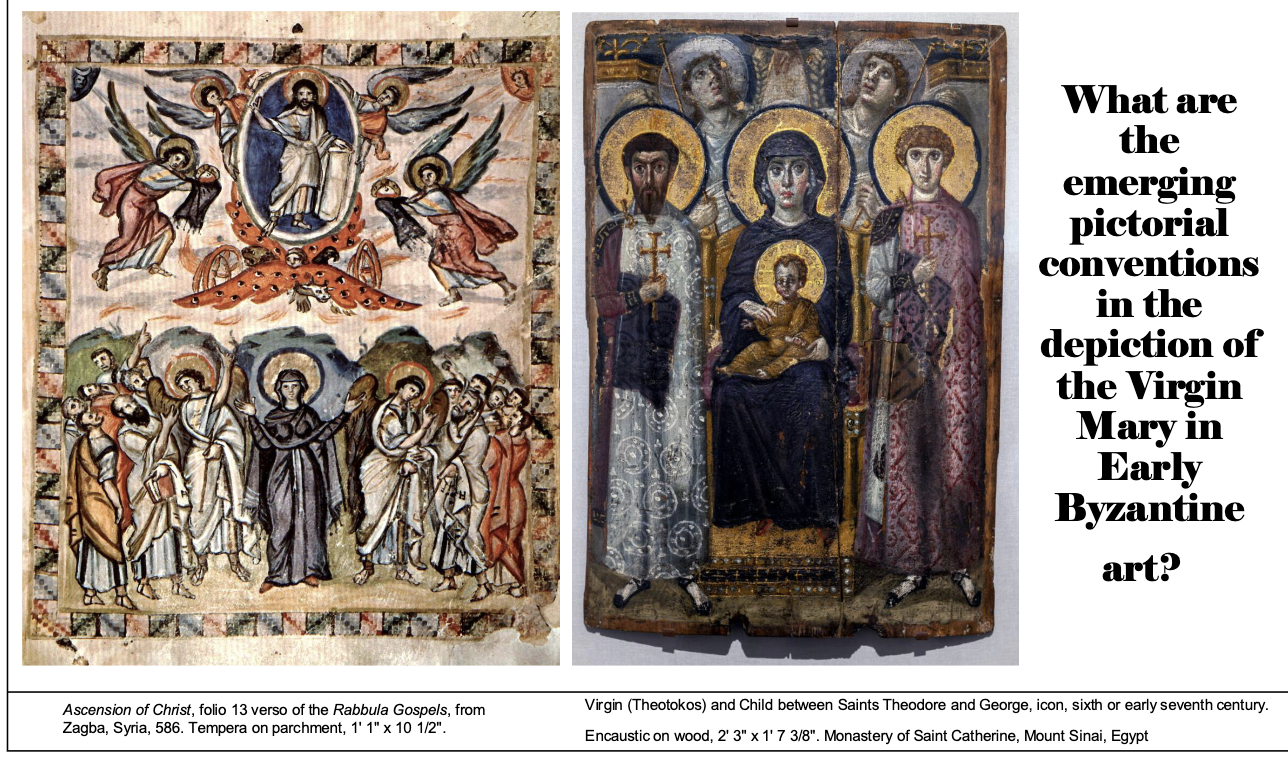
the virgin mary, starts to become holy/divine figure herself, blue
Iconoclasm
Iconoclasm–the intentional destruction or rejection of
images on religious or political grounds
idoltary
worship of idols
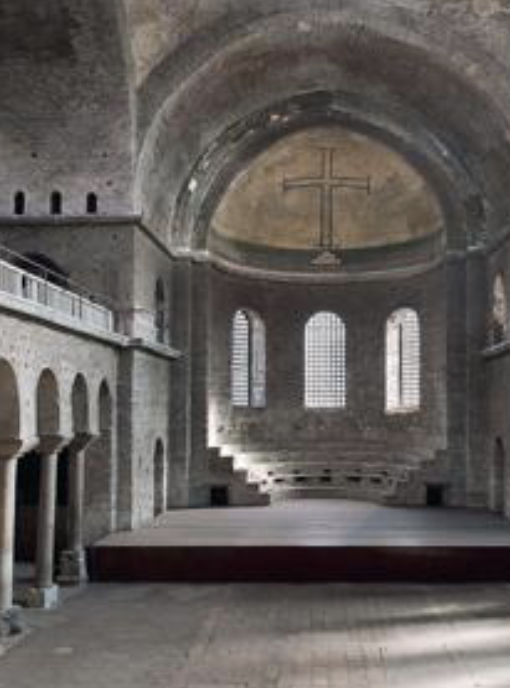
Hagia Eirene, Constantinople (Istanbul), Turkey, 740–53
iconoclasts destroyed artworks
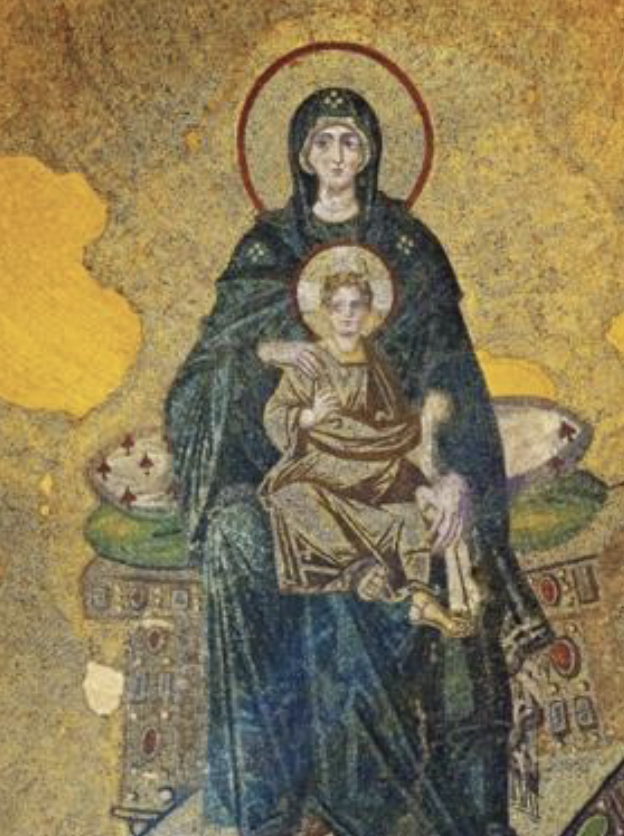
this is the…
Theotokos = “god bearer”
Virgin (Theotokos) and Child enthroned, mosaic in the apse of Hagia Sophia,
Constantinople (Istanbul), Turkey, dedicated 867.
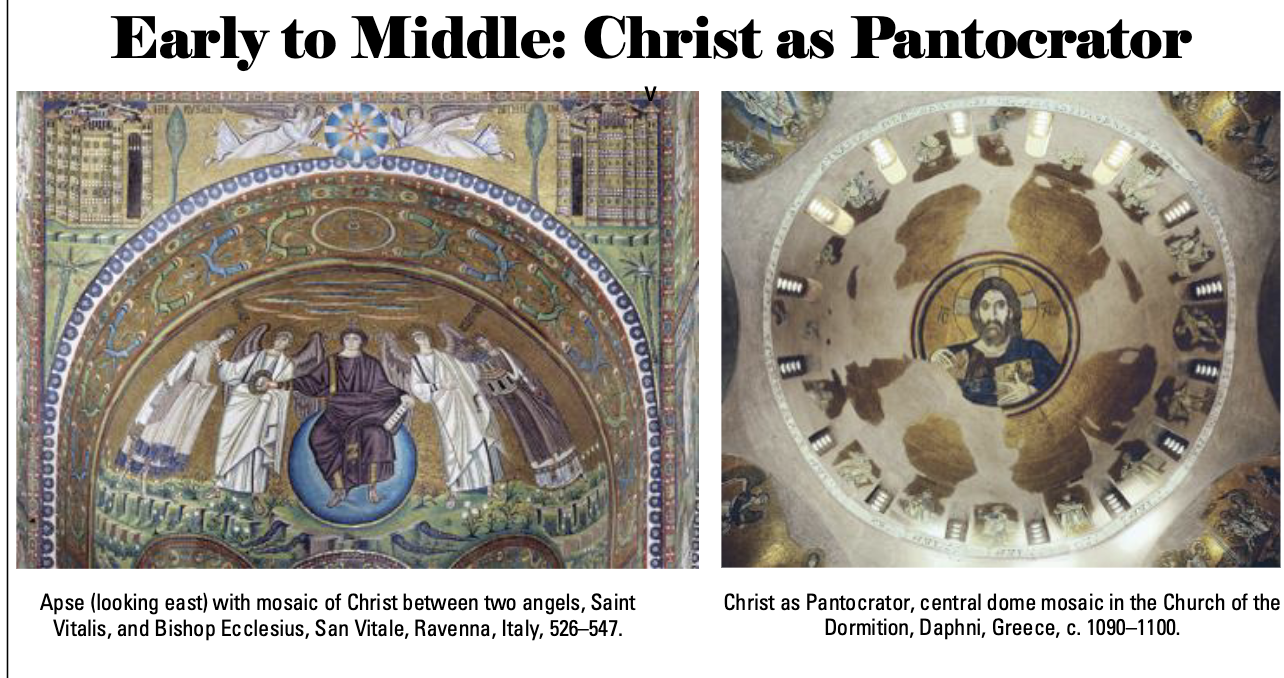
pantocrater
a title of Christ represented as the ruler of the universe, especially in Byzantine church decoration.
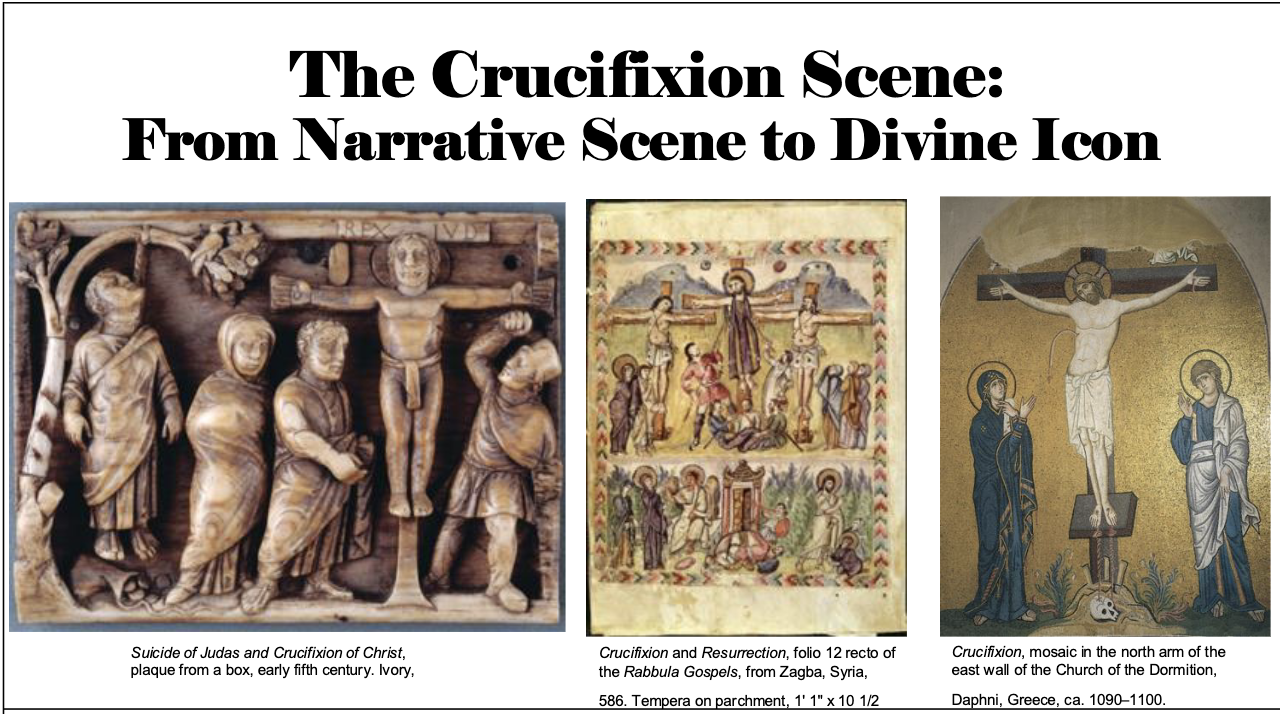
analyse
changes overtime, narrative to icon
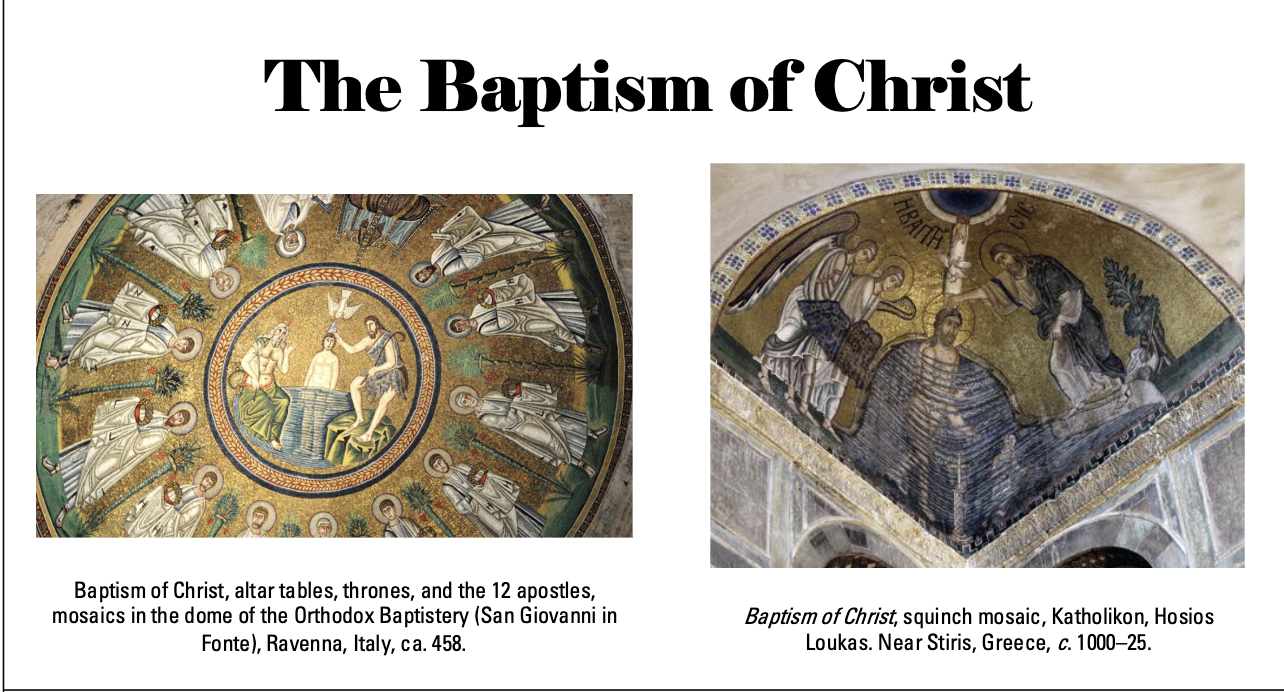
this shows…
baptism of christ, no nudity for christ
Iconographic:
describes the symbolic imagery in a work of art or the collection of images used to represent a particular subject.
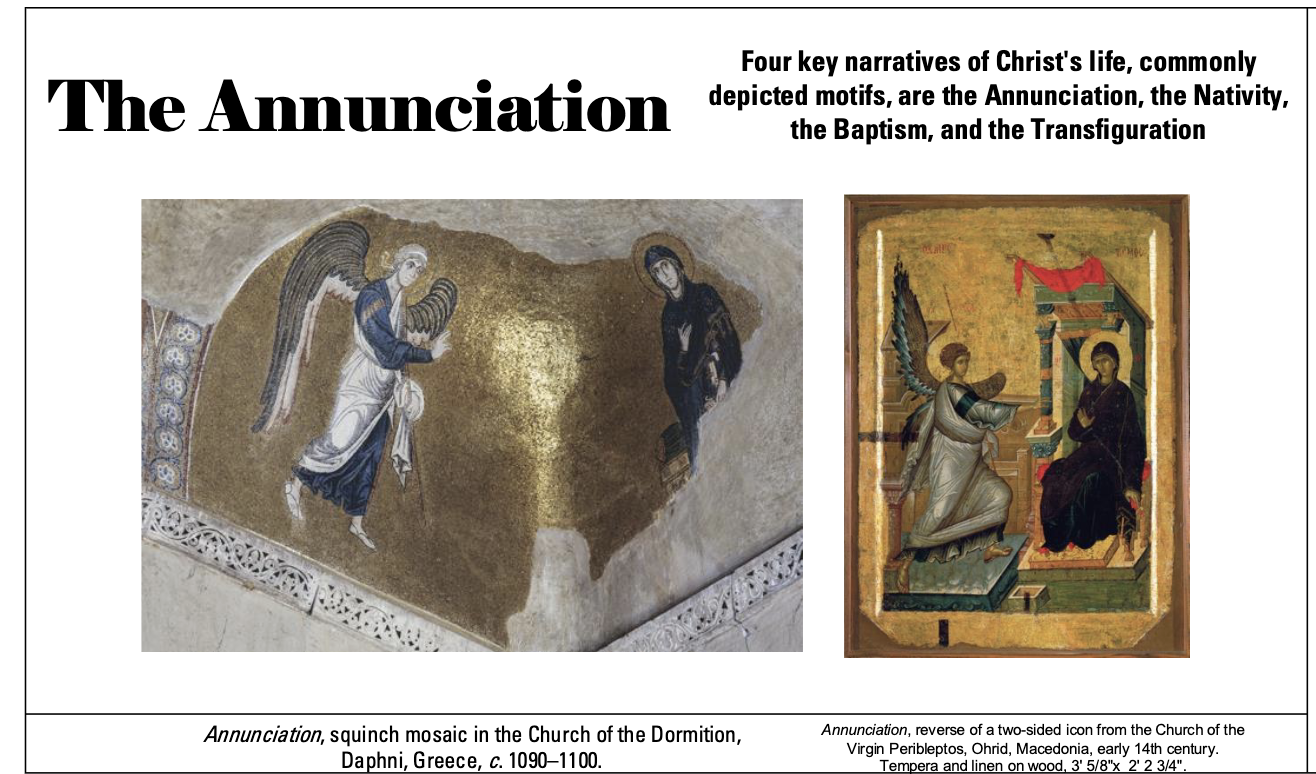
4 key figures in christs life
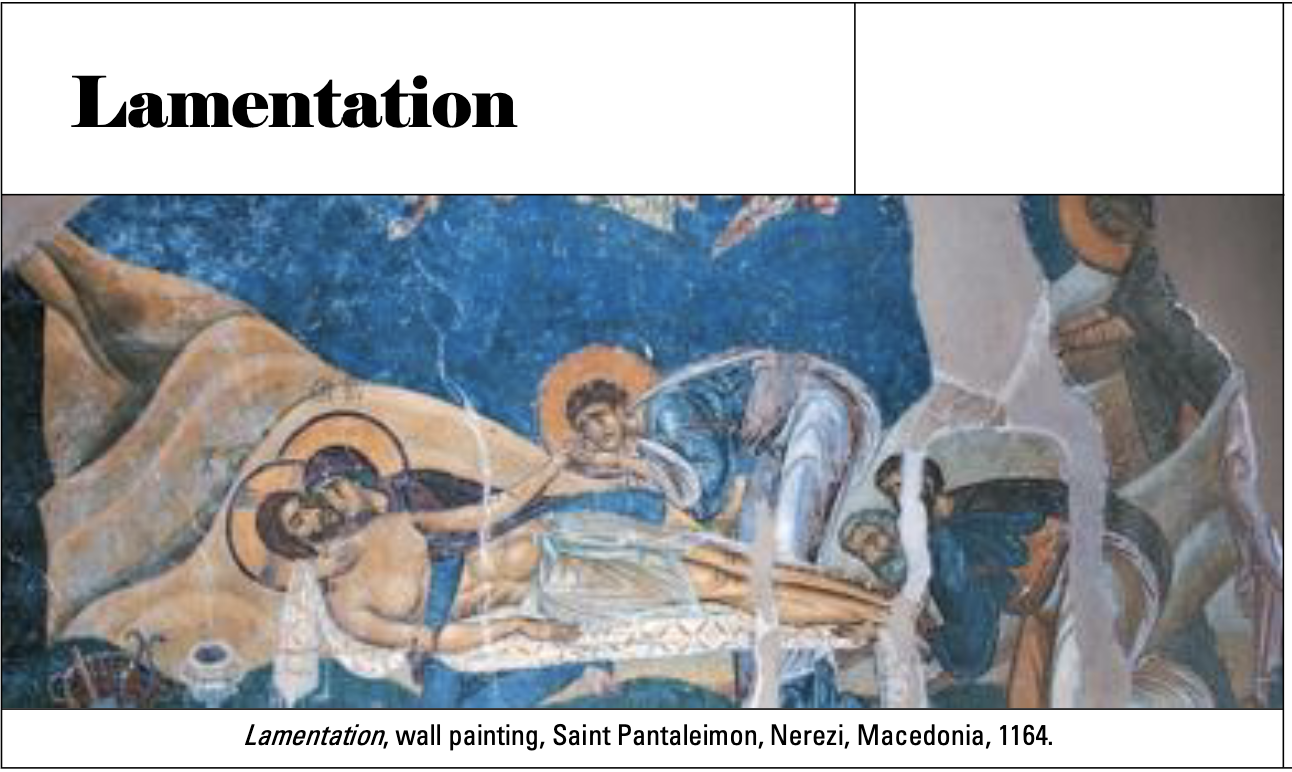
lamentation
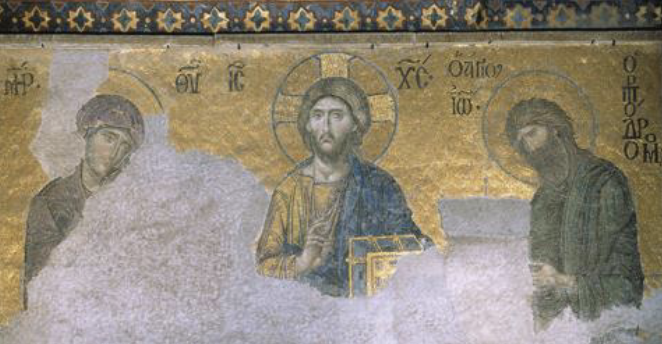
Deësis, Hagia Sophia, mosaic in the south gallery, Constantinople (Istanbul, Turkey), c. 1261.
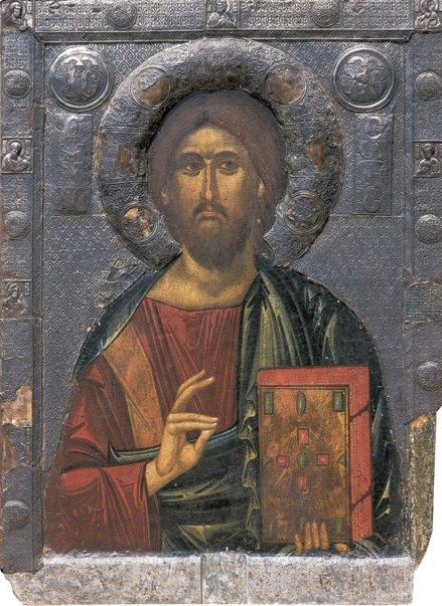
Christ as Savior of Souls, icon from Saint Clement, Ohrid, Macedonia, early 14th century. Tempera, linen, and silver on wood, 3' 1/4" x 2' 2 1/2".
savior of souls
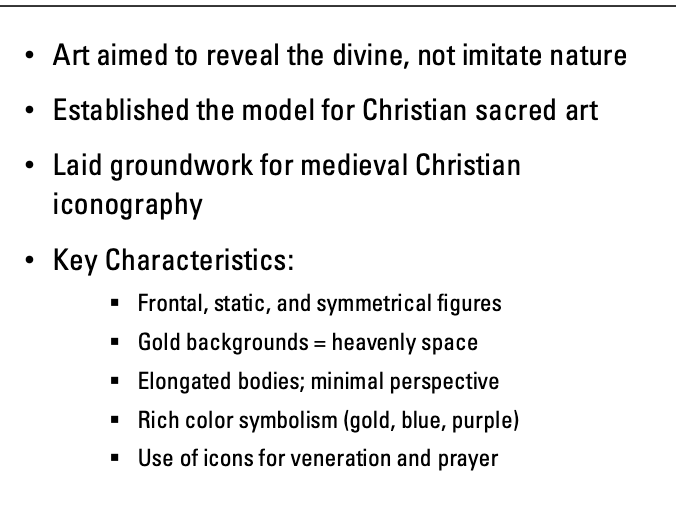
key efforts of byzantine artL
key points:
 Note
Note  Flashcards (421)