ESS 100 Dinosaurs Midterm
0.0(0)
Studied by 4 people Call Kai
 Learn
Learn Practice Test
 Spaced Repetition
 Match
Match Flashcards
 Knowt Play
Card Sorting
1/31

Earn XP
Description and Tags
Last updated 12:56 AM on 11/3/22
Name | Mastery | Learn | Test | Matching | Spaced | Call with Kai |
|---|
No analytics yet
Send a link to your students to track their progress
32 Terms
1
New cards
mesozoic
252 mya to 66 mya, dinosaurs only showed up ~230 mya
2
New cards
dinosaur
mesozoic, terrestrial reptile that walked with an upright stance
3
New cards
Argentinosaurus
largest dinosaur
4
New cards
Microraptor
one of the smallest dinosaurs, modern day China
5
New cards
Scipionyx
one of the smallest dinosaurs, modern day Italy
6
New cards
Megalosaurus
1st dinosaur described in scientific literature by William Buckland
7
New cards
Hadrosaurus
duck-billed, 1st dinosaur described from North America
8
New cards
Reptile characteristics
Tetrapod vertebrate, scaly skin, short legs relative to body size, relatively small brain, 3-chambered heart, cold-blooded, amniotic eggs
9
New cards
anapsida
fossil reptiles, no postorbital fenestra, ex. pariesaurus
10
New cards
diapsida
all other reptiles (living and extinct), 2 postorbital fenestra, includes all dinosaurs, pterosaurs, marine mammals, snakes, crocs etc.
11
New cards
synapsida
mammal-like reptiles, 1 postorbital fenestra
12
New cards
archosaur characteristics
antorbital fenestra, mandibular fenestra, high narrow skull, pointed snout, teeth set in sockets, fourth trochanter on femur
13
New cards
pterosaurs
flying reptiles, most closely related to dinosaurs, skin stretched across arm and extended 4th finger
14
New cards
dinosauria characteristics
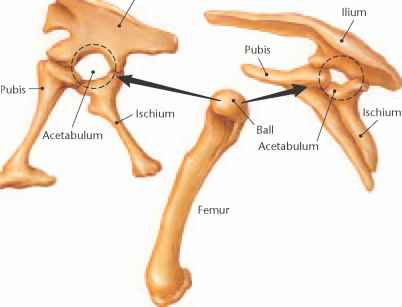
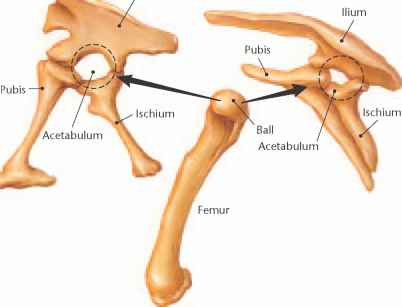
upright stance, at least 3 fused sacral vertebrae, pelvic girdle with acetabulum, femur with angled ball joint, expanded ilium/pelvic girdle to attach to the sacrum, ribs with two heads, complex forward-facing shoulder girdle
15
New cards
saurischia
lizard hipped, pubis pointed forward with a "boot" on the end, herbivores and carnivores
16
New cards
ornithischia
bird hipped, end of pubis bone pointing backwards, all herbivores, leaf shaped teeth, have spine-strengthening ossified tendons along the backbone
17
New cards
Triassic characteristics
generally small body, bipedal stance, long hind legs and fore limbs, long necks, small head, sharp teeth
18
New cards
Eoraptor
1 m long, 10 kg, large orbits, pointy teeth and elongated snout, possible common ancestor with Eodromaeus
19
New cards
Mbiresaurus raathi
2 m long, 30 kg, leaf-shaped teeth, phylogenetically different from Eoraptor
20
New cards
Eodromaeus
most primitive features of known dinosaurs, skull with large fenestra, pointed teeth, characteristics indicate common ancestor with Eoraptor
21
New cards
Herrerasaurus
light build, 3-6 m long, 250-300 kg, 1 m hip height
22
New cards
Coelophysis
earliest North American dinosaur, late Triassic, 2-3 m long, 20 kg, slender long hollow limb bones, skull with many fenestra
23
New cards
Plateosaurus
largest late Triassic dinosaur, 8 m long, leaf-shaped teeth, long neck, sturdy forelimbs
24
New cards
Nyasasaurus parringtoni
240 mya, bony crest on upper arm (deltopectoral crest), cannot be confirmed as a dinosaur
25
New cards
Asilisaurus kongwe
dinosauriform, 243 mya, potential omnivore
26
New cards
Basal Ornithischians
considered ancestral to all other ornithiscians, small, lightly built, mostly early Jurassic
27
New cards
Lesothosaurus
90 cm tall, probably bipedal, slightly derived because of their inset tooth row (cannot see teeth on the outside, cheeks cover them), BO
28
New cards
Heterodontosaurus
has multiple different types of teeth, small, slender limbs, long tail, large hands, facultative quadrupedal, BO
29
New cards
Leaellynasaura
1.5 m long, 10 kg, South Australia, large orbits and enlarged optic nerve, theory that better eyesight meant they were active during dark winters in the southern hemisphere, early Cretaceous, BO
30
New cards
Thyreophorans
armored lizards, bony armor, obligate quadrupedal, small heads, antorbital fenestra are mostly closed, leaf shaped teeth, ornithischians
31
New cards
Stegosaurus
1 type of thyreophoran, 9 m long, 3000 kg, evidence of hooves on feet, 17 bony plates on back (most likely for species recognition or sexual selection), no evidence ankylosaurus descended from stegosaurus
32
New cards
Ankylosauridae
1 type of thyreophoran, only Cretaceous (which it replaced stegosaurus during), whole back has bony plates embedded in skin, 25 genera of ankylosaurus, no evidence ankylosaurus descended from stegosaurus

