Waves
 Call Kai
 Learn
Learn Practice Test
 Spaced Repetition
 Match
Match Flashcards
 Knowt Play
1/35

There's no tags or description
Looks like no tags are added yet.
Name | Mastery | Learn | Test | Matching | Spaced | Call with Kai |
|---|
No analytics yet
Send a link to your students to track their progress
36 Terms
what is the difference between longitudinal and transverse waves?
Longitudinal: Parallel to direction of energy transfer.
Transverse: Perpendicular to direction of energy transfer.
Longitudinal: Cannot travel in vacuum; requires medium (solids, liquids, gases).
Transverse: Electromagnetic waves don’t require medium
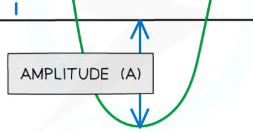
what is the definition of amplitude?
distance moved by a point on a wave measured from its undisturbed (equilibrium) position
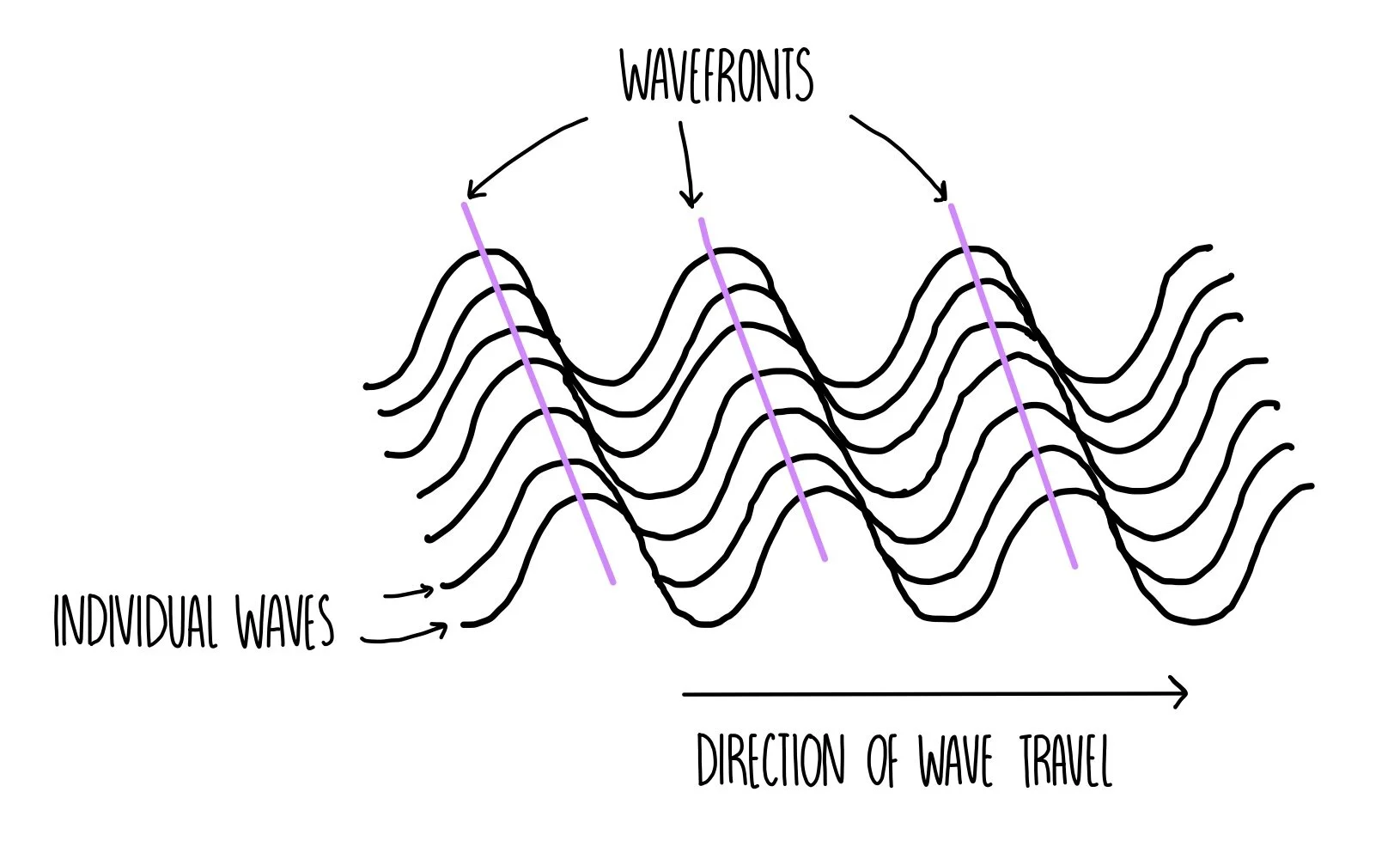
what is the definition of a wavefront?
an imaginary line or surface joining all adjacent points on a wave that are in the same phase
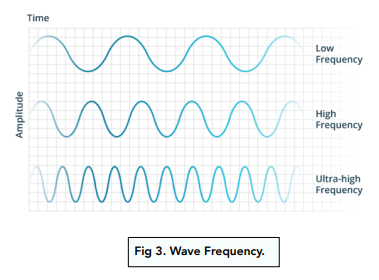
what is the definition of frequency?
the number of complete oscillations that pass a fixed point per second
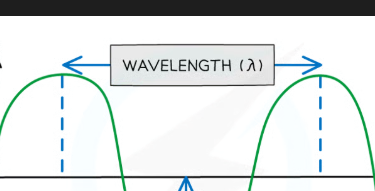
what is the definition of wavelength?
the distance between consecutive crests (peaks)
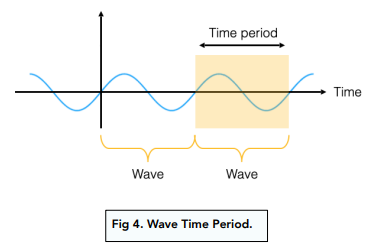
what is the definition of a period of a wave?
the time taken for one complete oscillation to pass a specific, fixed point
what do waves do?
they transfer energy and information without transferring matter
all waves can be reflected/ refracted
explain the doppler effect
the change in observed frequency and wavelength of a wave (sound or light) when source and observer move relative to eachother
what is the electromagnetic spectrum made up of?
radio, microwave, infrared, visible, ultraviolet, x-ray, gamma ray, radiation
what happens to the wave length and frequency as you go up the electromagnetic spectrum?
the wave length decreases
the frequency increases
explain the negative effects of excessive exposure of electromagnetic waves to the human body
microwaves: internal heating of body tissue
infrared: skin burns
ultraviolet: damage to surface cells and blindness
gamma rays: cancer, mutation
explain some protective measures against the risks of electromagnetic waves
Microwaves- use metal casing and mesh doors to contain radiation
Infrared- use protective clothing to prevent skin burns
Ultraviolet- use sunscreen wear sunglasses, and stay in shade
X-rays and Gamma Rays- minimise exposure time and maximize distance from source
what are light waves?
they are transverse waves that can be reflected/ refracted
what is the law of reflection?
the angle of incidence = angle of reflection
how does total internal reflection transmit information along optical fibres and in prisms
in optical fibres, total internal reflection traps light signals, enabling high-speed, long-distance data transmission
in prisms, it redirects light paths in instruments like periscopes
what is the meaning of critical angle?
the specific angle of incidence, travelling from denser to less dense medium that produces an angle of refraction of exactly 90°
what is the frequency range for human hearing?
20-20000 Hz
How can an oscilloscope display a sound wave?
by using a microphone to convert longitudinal pressure waves into electrical voltage signals
the signals are plotted on the screen as a transverse-style wave, where amplitude represents loudness and frequency represents pitch
how does the pitch of a sound relates to the frequency of vibration of the source?
the pitch of a sound is directly proportional to frequency of vibration of source
higher frequency of vibration = higher pitch
lower frequency = lower pitch
how does the loudness of a sound relates to the amplitude of vibration of the source
a higher amplitude produces a louder sound, while a lower amplitude produces a quieter sound
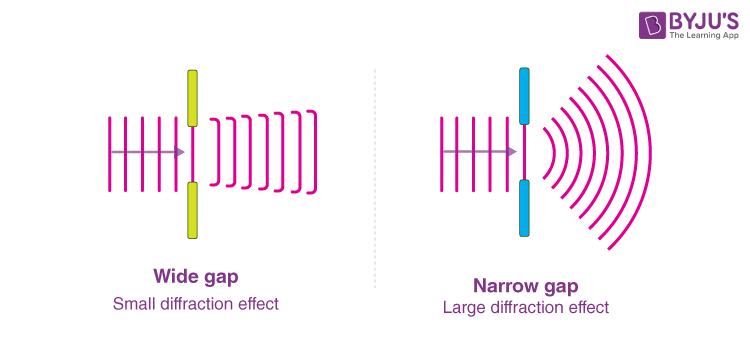
what is the definition of diffraction?
the spreading of waves when they pass through a gap or an obstacle
what is the definition of rarefaction?
the region of a longitudinal wave where particles are spread apart
what is the definition of compressions?
the region of a longitudinal wave where particles are compressed together
what is refraction?
The bending of a wave as it passes from one medium to another due to a change in speed
what is total internal reflection?
The reflection of all light back into a denser medium from a boundary with a less dense medium.
when does total internal reflection happen?
Light must travel from a more dense to a less dense medium (e.g., glass to air).
The angle of incidence must be greater than the critical angle ( i > c)
what is the use of radio waves?
broadcasting and communications
what is the use of microwaves?
cooking and satellite transmissions
what is the use of infrared electromagnetic radiations?
heaters and night vision equipment
what is the use of visible light electromagnetic radiation?
optical fibres and photography
what is the use of ultraviolet rays?
sterilisation and forgery detection
what is the use of x-rays?
observing internal structure of objects and materials, e.g., medical applications
what is the use of gamma rays?
sterilising food and medical equipment
what is the frequency range for human hearing?
20 Hz to 20,000 Hz
what is one type of wave that’s used in cancer treatment and how does it work?
gamma rays- it kills cancer cells
compare and contrast the advantages of using ultrasound and x-rays for medical scans
X-rays can be used for imaging bones and teeth but ultrasound is used for soft tissues such as organs and the foetus and blood flow
Image quality is very high and detailed in x-ray but less detailed in ultrasound
Ultrasound is safer because it is not involved in harmful radiation but x-ray might cause DNA damage and mutation and risk of radiation
X-ray dan pass through soft tissues and absorbed by a denser material
Explore top notes

Explore top flashcards
