Physiology Exam 3
 Call Kai
 Learn
Learn Practice Test
 Spaced Repetition
 Match
Match Flashcards
 Knowt Play
1/83

There's no tags or description
Looks like no tags are added yet.
Name | Mastery | Learn | Test | Matching | Spaced | Call with Kai |
|---|
No analytics yet
Send a link to your students to track their progress
84 Terms
HDL (High Density Lipoprotein)
good cholesterol
small
too large to penetrate arterial
endothelium
low risk or developing plaques
LDL (Low Density Lipoprotein)
bad cholesterol
small
easy to form plaques
at risk for atherosclerosis (blockage)
Blood Clotting Process
1. vasoconstriction: constrict blood vessels/ decrease blood flow
2. platelet plug/ releases serotonin and thromboxane A2
3. Web or fbrin (internal bandaid) Activating thrombin and releasing calcium
Erythropoietin
A protein that stimulates the process of making erythrocytes
Ischemia
Lack of oxygen to the heart; reduced blood flow
Anticoagulants
plasmin is the bodies natural clot buster (started as plasminogen inactive)
Blood Types
A, AB, B, O
Type A
A antigens, B antibodies
Type B
B antigens, A antibodies
Type AB
A & B antigens, no antibodies
Type O
no antigens, all antibodies
How aspirin works
Inhibits production or prostaglandins (thromboxane A2)
How heparin works
inactivates thrombin
Plasma Proteins
albumins, globulins, fbrinogen
Albumin
maintains blood volume and pressure
Globulins
Transports lipids and fat soluble vitamins and has immune functions
Fibrinogen
help with blood clotting
Histamine
first exposure, stored in mast cells
Plasma Cells
protein factories, produce 2,000 antibodies per second
Memory Cells
produce 1 specific antibody, exposed to the antigen creates opportunity for memory cells to be made
Complement
proteins activated by antibody-antigen binding
Process of complement proteins in the cell
seeks out foreign cells, binds to them, water rushed in and cell explodes
Antigens
large proteins that stimulate the production of antibodies
Antibodies
proteins that bind to specific antigens
Immunoglobulins
IgA= breast milk
IgG= plasma cells
IgE= allergic reactions
IgM, IgD
Immediate Hypersensitivity
Abnormal B cell response
respond too much to B cells
IgE antibodies produced instead of IgG
treated with anti-histamines
Delayed Hypersensitivity
Abnormal T cell response, don't know you have this reaction till the next day
caused by the secretion of lymphokines
treated with cortisol creams
Vaccination
prevents disease / allows immunity
Macrophages
T cells use macrophages to scout out bad cells and eat them
Endogenous pyrogen
Substances that cause a fever within the body
Epinephrine
catecholamine from the adrenal glands (protein hormone)
increase heart rate
dilates lungs
Cortisol
Stress hormone that regulates glucose metabolism
Aldosterone
Mineralocorticoids (Na+ and K+ balance)
Insulin
released into the blood by beta cells
stimulates the uptake of glucose
Glucagon (Liver and Pancreas)
releases glucose to increase blood sugar
secreted by alpha cells
Thyroid hormone
controls the metabolism
Parathyroid hormone
increases plasma calcium concentration to allow calcium to store in bones
Type 1 diabetes
juvenile-onset, insulin-dependent (autoimmune disease) that destroys pancreatic beta cells
Type 2 diabetes
adult onset, insulin resistant, caused from obesity
Leptin
signals satiety (red beyond capacity; absence of hunger), more fat cells from this
pneumotaxic center
controls the rate and pattern of breathing
slows down breathing
apneustic center
promotes respiration by stimulating the I neurons (increases breathing)
Hyperventilation
fast breathing
decreases PCO2
pH rises
Hypoventilation
slow breathing
increase in PCO2
pH drops
Inspiratory reserve volume
deep breath IN (3 Liters)
Expiratory reserve volume
blowing OUT as much air as possible (more than 1L)
Acids
lose a proton; release H+ ions
Base
lose a electron; combine with H+
Myoglobin
found in striated slow-twitch muscles
has a higher affinity for oxygen (stronger bond)
Hemoglobin
higher temperatures, contains iron
less O2 bound
pH and temperature regulation
Edema
excessive accumulation or tissue fluid, swelling of body parts, can cause high blood pressure
Baroreceptors
(blood pressure) stretch receptors in the aortic arch and carotid sinuses that detect pressure from the brain stem
increased stretch-> increase in action potentials
decreased stretch-> decrease in action potentials
Frank-Starling Law
intrinsic control within the heart; the strength of contraction varies with end-diastolic volume
deals with sarcomere
Cardiac Output
venous return of blood to the heart, leg muscles contract, and the sympathetic NS brings blood back to the heart
Regulation of Stroke Volume
1. end diastolic volume
2. total peripheral resistance
3. contractility
(Increase resistance, decrease blood flow and stroke volume)
(Decrease resistance, increase stroke volume)
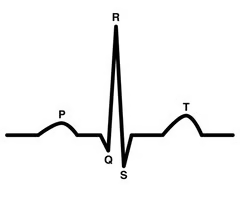
P wave
atrial depolarization
QRS wave
ventricular depolarization
T wave
ventricular repolarization
Normal EKG
SA (sinoatrial) node
heart natural pacemaker (60-100 bmp)
AV (atrioventricular) node
slows conduction to 40-60 bpm (before ventricles contract)
Tachycardia
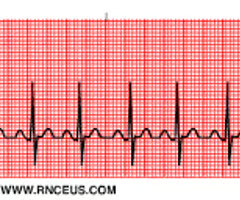
Bradycardia
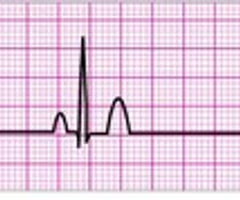
Atrial futter
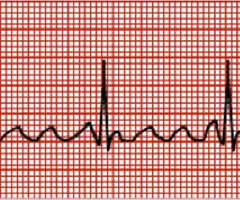
atrial fibrillation (A-Fib)
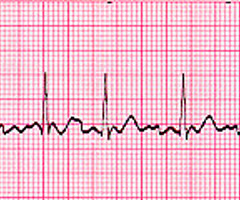
Sinus arrest
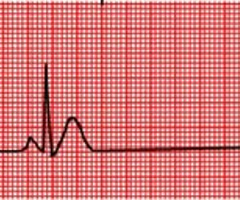
PVC (Premature Ventricular Contraction)
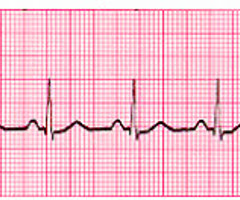
V-Fib (Ventricular Fibrillation)
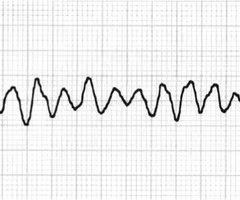
V-Tach (Ventricular Tachycardia)
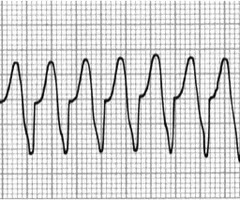
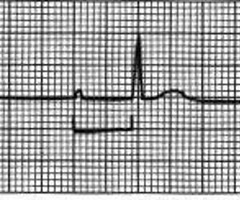
AV Blocks
Bell's Palsy
Facial cranial nerve (#7)
Motor fbers stopped conducting impulses
Eye patch stopes secretion from the tear glands
Clinical Case #5
Hemolytic Angina (lack of oxygen)
icterus (elevated bilirubin / overproduction)
B12 and folic acid are missing from diet
hyperthyroidism
goiter (swelling in the neck)
carotid artery is blocked restricting blood flow
inject iodine because it only destroys tissue in the thyroid gland
Bilirubin
jaundice; formed by the breakdown of hemoglobin when red blood cells are destroyed
Vitamin B12 and folic acid
Required for DNA synthesis; necessary for the growth and division of all cells
An individual with type A blood can safely receive a transfusion from?
Type A
Which drug affectively prevents clot formation by inhibiting prostaglandin production?
Aspirin
The rapid secondary response of active immunity is based on the presence of?
Memory Cells
What is the best treatment for immediate hypersensitivity?
Anti-histamine
Which of the following hormones increases the plasma concentration of calcium?
Parathyroid hormone
Increased in atrial PCO2 leads to?
decreased blood pH
A deficiency in can lead to formation of megaloblastic red blood cells?
vitamin B-12
Baroreceptors respond to?
stretching of large arteries
The T wave of an EKG represents?
ventricular repolarization

