CH. 13 study guide
 Call Kai
 Learn
Learn Practice Test
 Spaced Repetition
 Match
Match Flashcards
 Knowt Play
1/145

There's no tags or description
Looks like no tags are added yet.
Name | Mastery | Learn | Test | Matching | Spaced | Call with Kai |
|---|
No analytics yet
Send a link to your students to track their progress
146 Terms
functions of the spinal cord
conduction, locomotion, reflexes
functions of the spinal cord - Conduction
Movement of the nerve signal (action potentials) via bundles of nerve fibers (axons)
Afferent (sensory) pathways: Up the cord to the brain
Efferent (motor) pathways: Down the cord from the brain
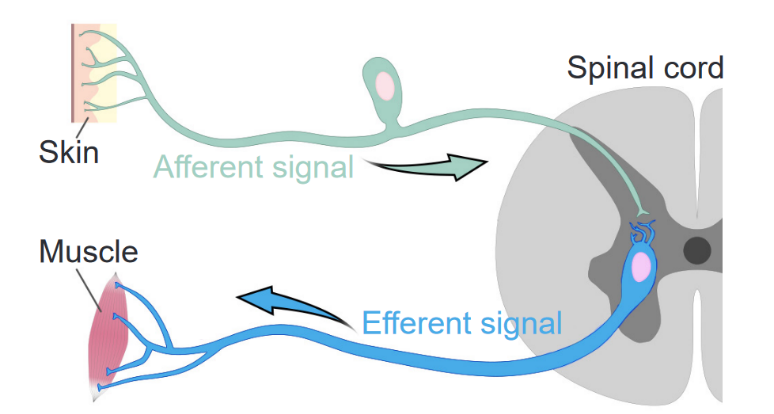
Conduction - Afferent ( ______ ) pathways
(sensory) up the cord to the brain
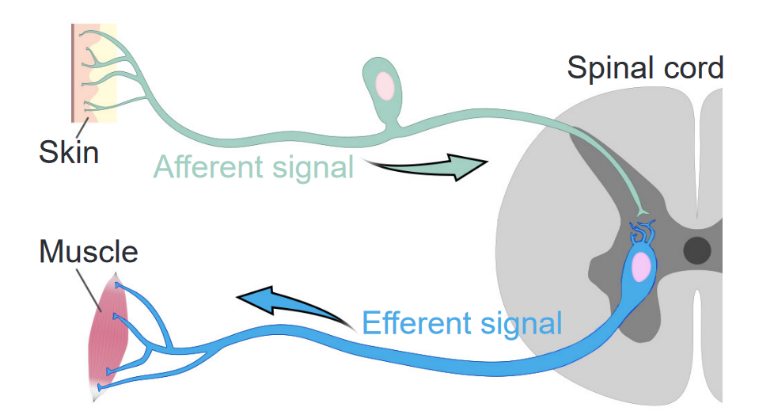
Conduction - Efferent ( _______ ) pathways
(motor) Down the cord from the brain
Which function of the spinal cord involves movement of the nerve signal (action potentials) via bundles of nerve fibers (axons)?
Conduction
the spinal cord is Part of the ______ nervous system
“_______” between the ______ and ______ neurons of the PNS and the brain
central, “Highway", sensory, motor
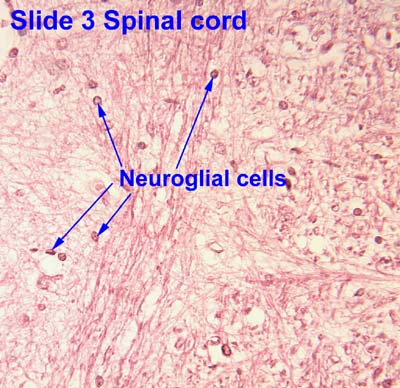
the spinal cord is a cylinder ______ tissue within the spinal _______
Neurons and ______ cells - very fragile
nervous tissue, column, glial
functions of the spinal cord - Locomotion
repetitive motions of walking that don’t require conscious thought (ex. walking)
Conscious awareness resides in the brain
done without conscious stimulus from the brain
spinal cord is capable
what function of the spinal cord involves the repetitive motions that don’t require conscious thought (ex. walking)?
locomotion
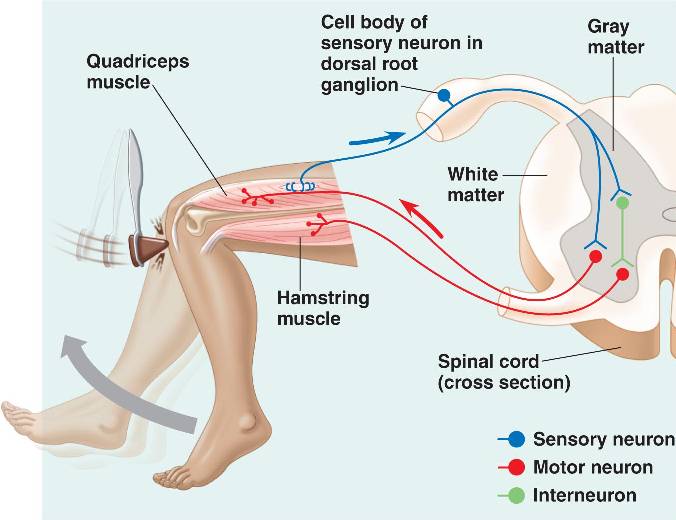
functions of the spinal cord - Reflexes
involuntary, stereotyped responses to stimuli
→ automatic
what type of responses are spinal cord reflexes?
involuntary → automatic
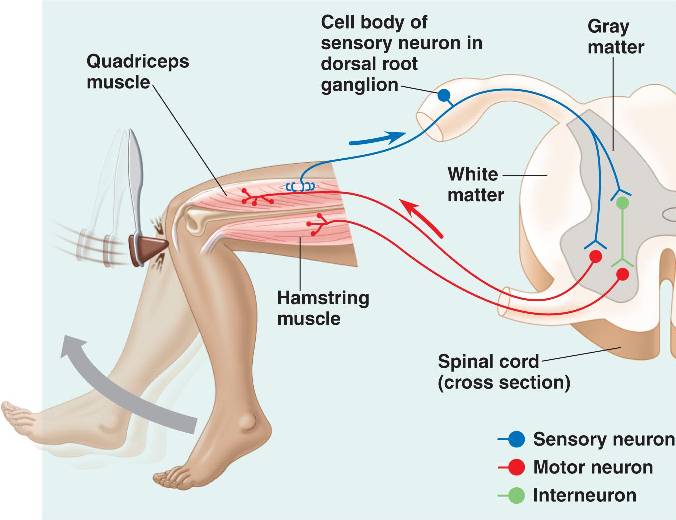
involuntary = without ______ ______
conscious decision
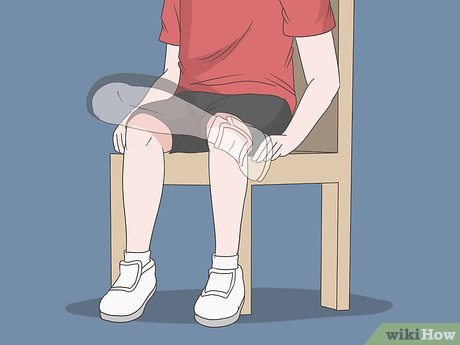
ex. mallat hitting knee → lifts knee
What is a nerve?
A bundle of axons of PNS neurons
Spinal nerves and cranial nerves
Looks like a beige cord
Wrapped in CT
somas are clustered together → areas of the brain, areas within spinal cord, bulges associated with nerves
nerves are bundles of what? location?
bundle of axons of PNS neurons
where are somas clustered together in nerves? - 3 areas (2 CNS, 1 PNS)
CNS: areas of the brain 🧠 , areas within spinal cord,
PNS: bulges associated with nerves (ganglions/cluster of somas in the PNS)
spinal nerves originate at the ______ _____
spinal cord
cranial nerves originate at the _____
brain (inside cranium) 🧠
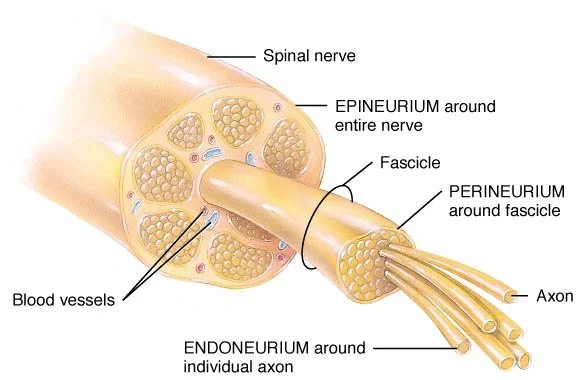
Layers of Connective Tissues of a Nerve
E_____
P_____
Ep____
Endoneurium = loose CT around 1 axon
Perineurium = overlapping, squamous cells around the fascicle
Epineurium = dense irregular CT around the entire nerve
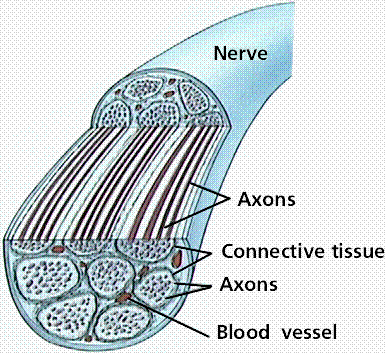
What do Connective tissues enclose?
axons and blood vessels
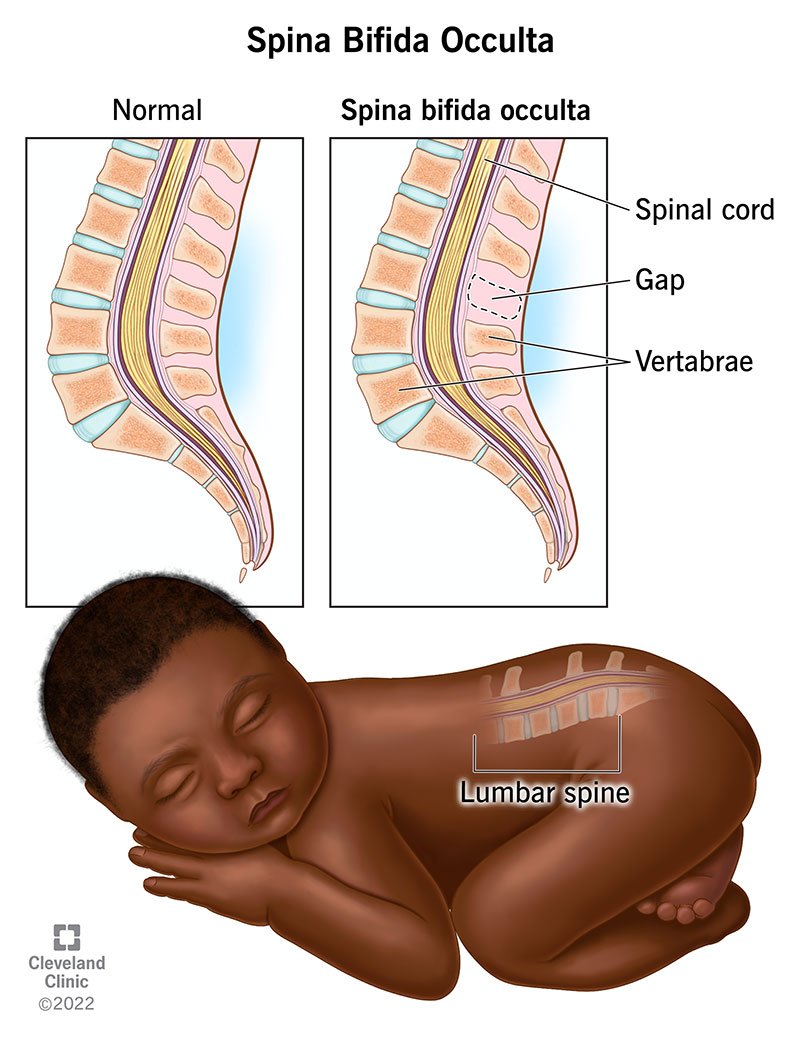
Spina bifida occulta: “____”
“hidden”
1/few vertebrae incompletely formed
No functional problems → because opening isn’t big enough for spinal cord material to exude
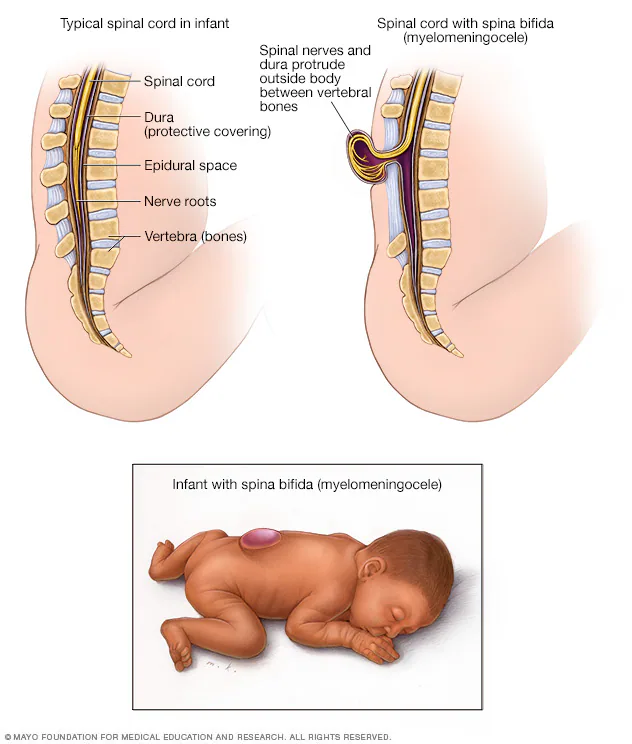
Spina bifida Cystica: external ____
external sac / cyst
Membranes, cord
Lose cord function below sac
Digestive, urinary, muscle problems
Surgery to close w/in 72 hours of birth
in what condition is the spinal cord is vulnerable, damage often occurs?
Spina bifida Cystica
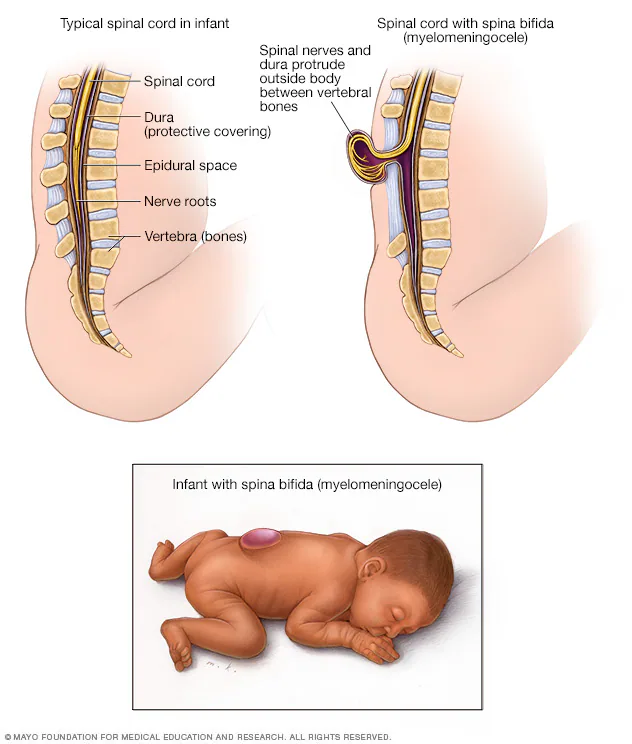
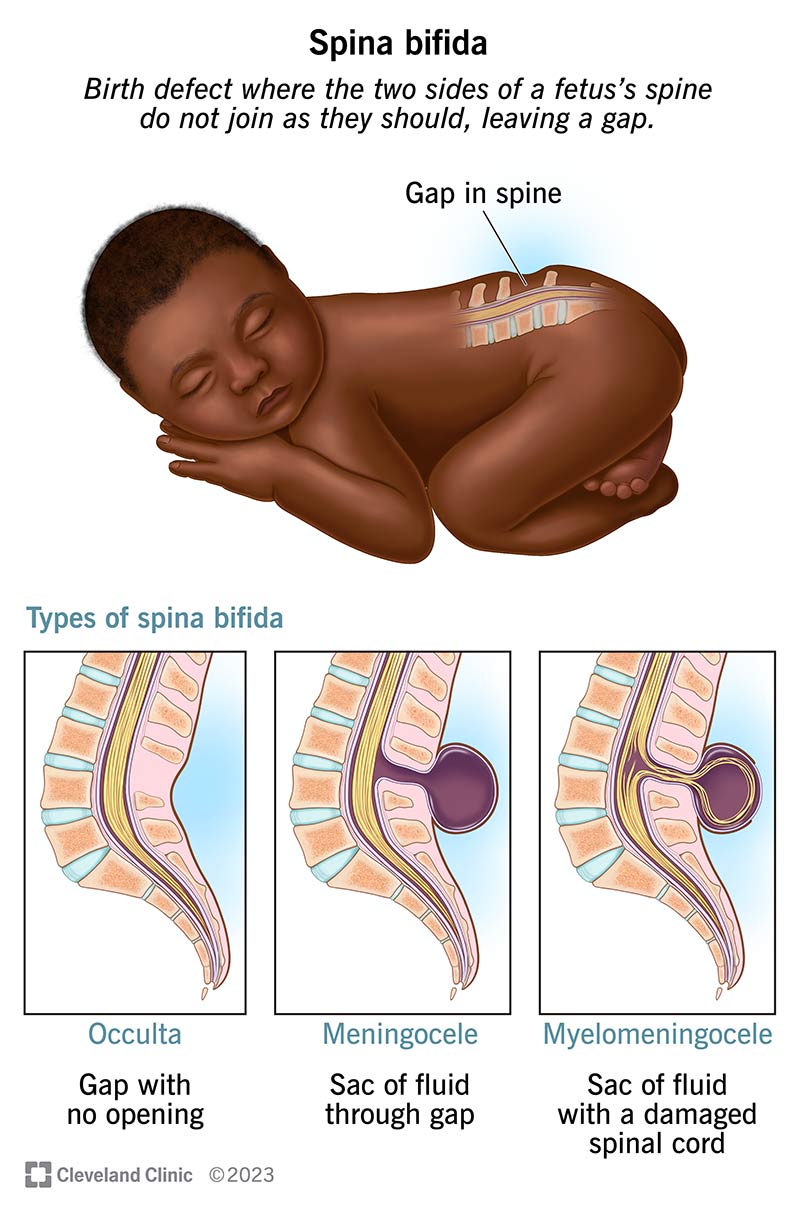
Spina bifida
Vertebral arch (especially lumbrosacral) doesn’t form completely
Prevetion for Spina bifida starts before _______
ex.
conception
Folic acid supplements or green veggies, beans, enriched bread
Spinal nerves include axons of ______ and _____ neurons
sensory, motor
how do spinal nerves impact muscles below the neck (trunk and limbs)?
they innervate(supply with nerves) muscles below the neck (trunk and limbs)
how many pairs of spinal nerves are there? and where do they exit?
31 pairs
exit through the intervertebral foramen
*1st exits between skull & atlas
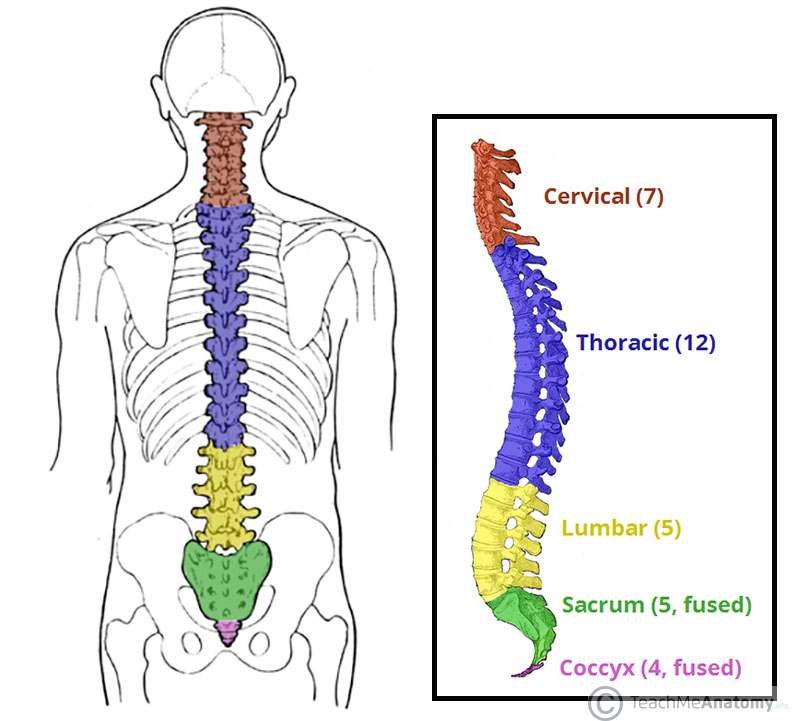
Spinal cord - Cervical Region
nerves for . . .
Cervical Enlargement
Nerves for upper limbs
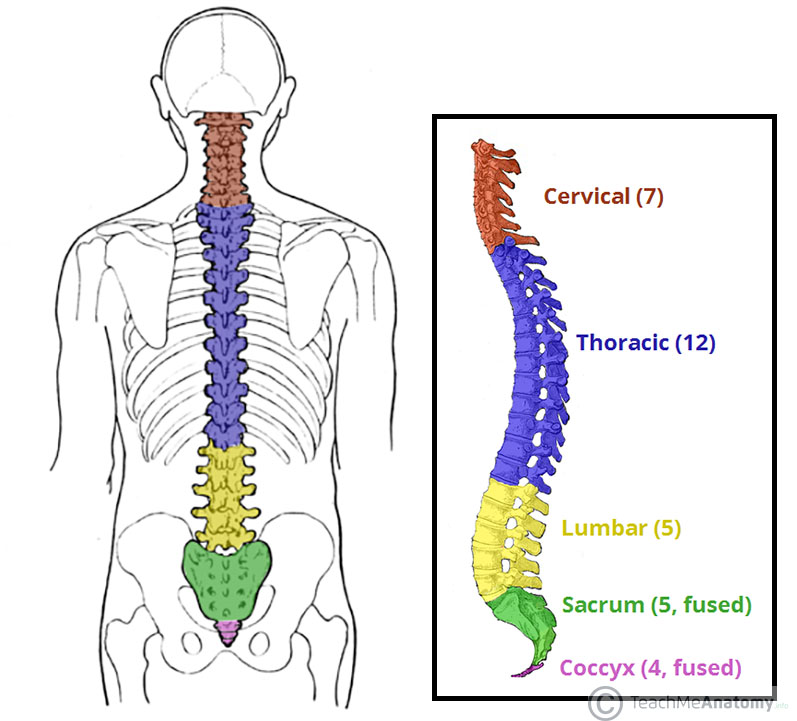
Spinal cord - Thoracic Region
No Enlargement
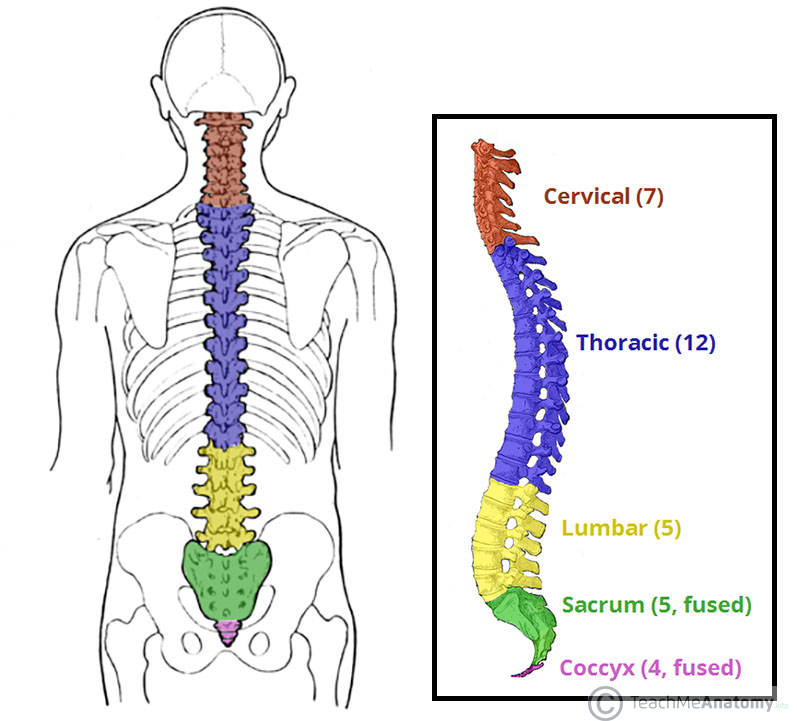
Spinal cord - Lumbar Region
Lumbar Enlargement
T11 to L1
Nerves for pelvic region & lower limb
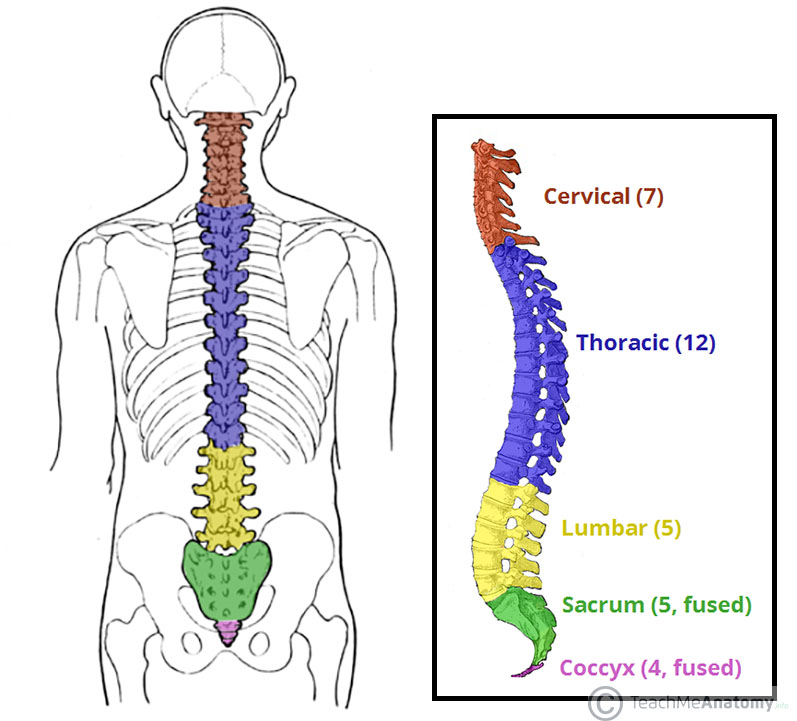
Spinal cord - Sacral Region
No Enlargement (J’ron’s 🍑)
which regions of the spinal cord include enlargement?
cervical region - cervical enlargement
lumbar region - lumbar enlargement
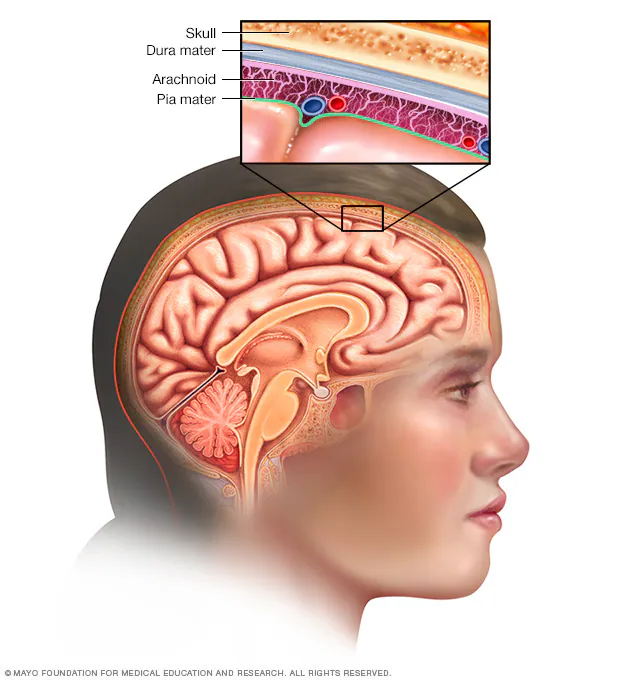
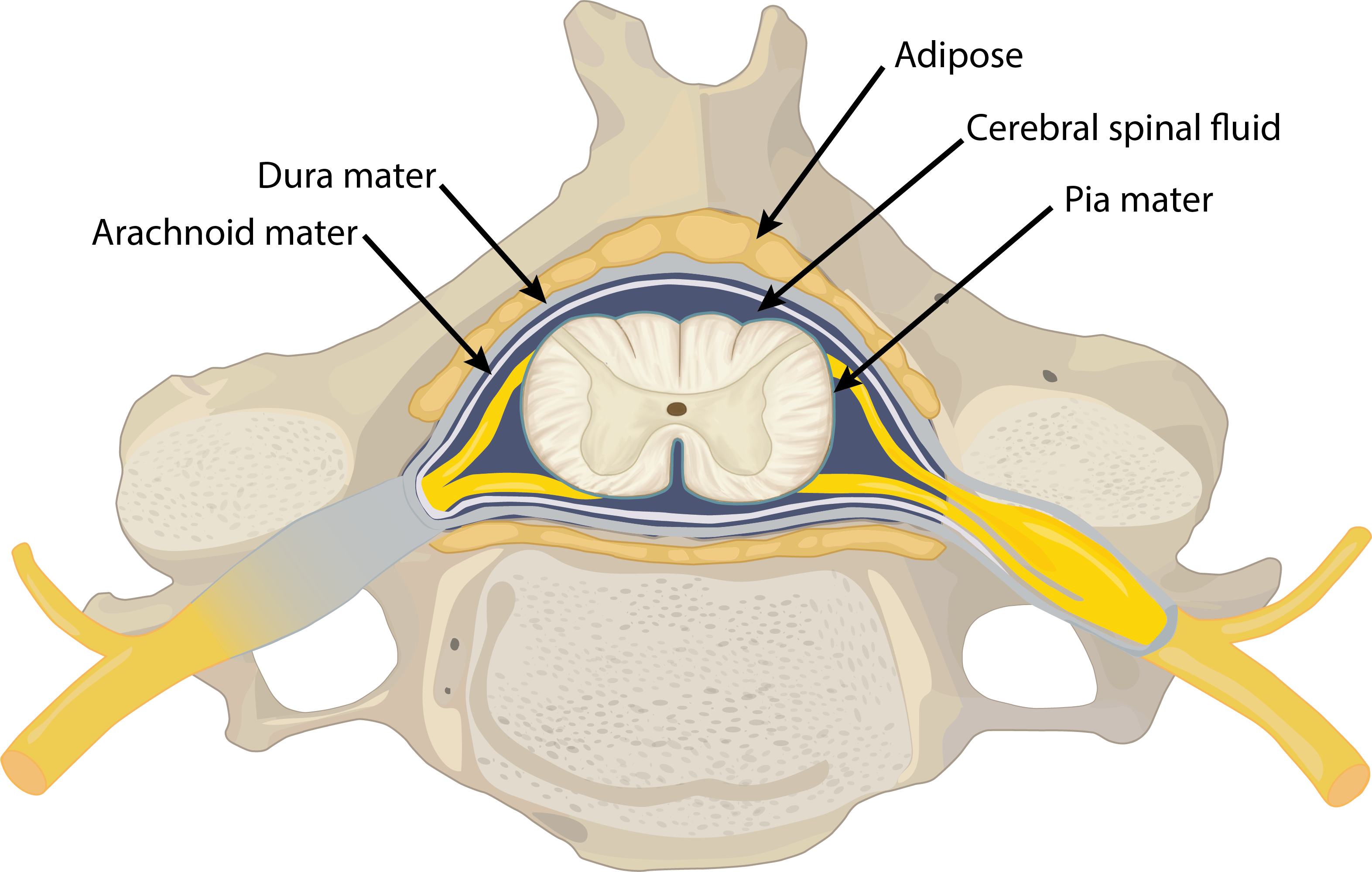
Meninges = ___ Layers of _____ ______ around _____ & _____
separates the ____ ______ (soft tissue) from the ____ _____ of the vertebral column
also separate the _____ from the _____ of the cranium
3 layers of fibrous membranes around brain & cord
Separates the spinal cord (soft tissue) from the hard bones of the vertebral column
also separate the brain from the bones of the cranium
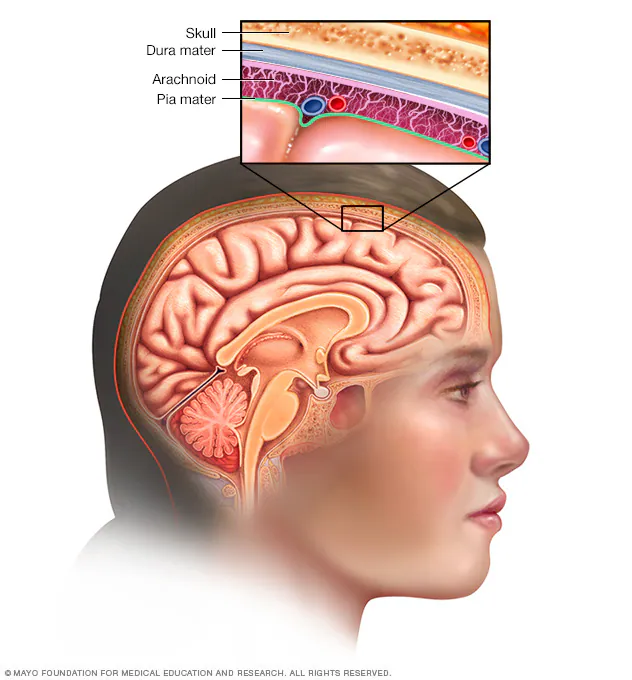
What do meninges separate? *2 areas
the spinal cord (soft tissue) from the hard bones of the vertebral column
the brain from the bones of the cranium
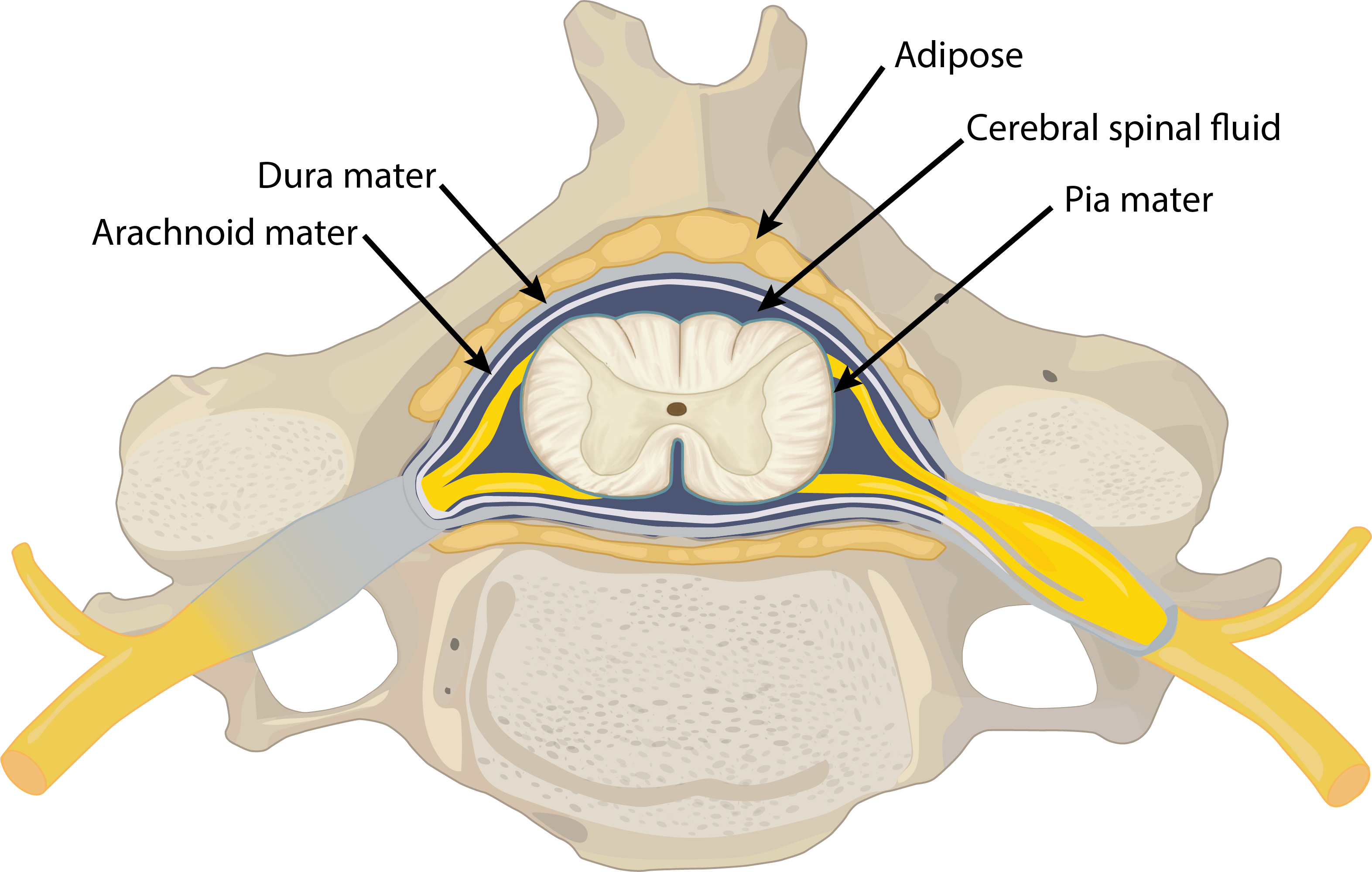
Meninges - from outermost
Dura mater, Arachnoid mater, Pia mater(mater = mother)
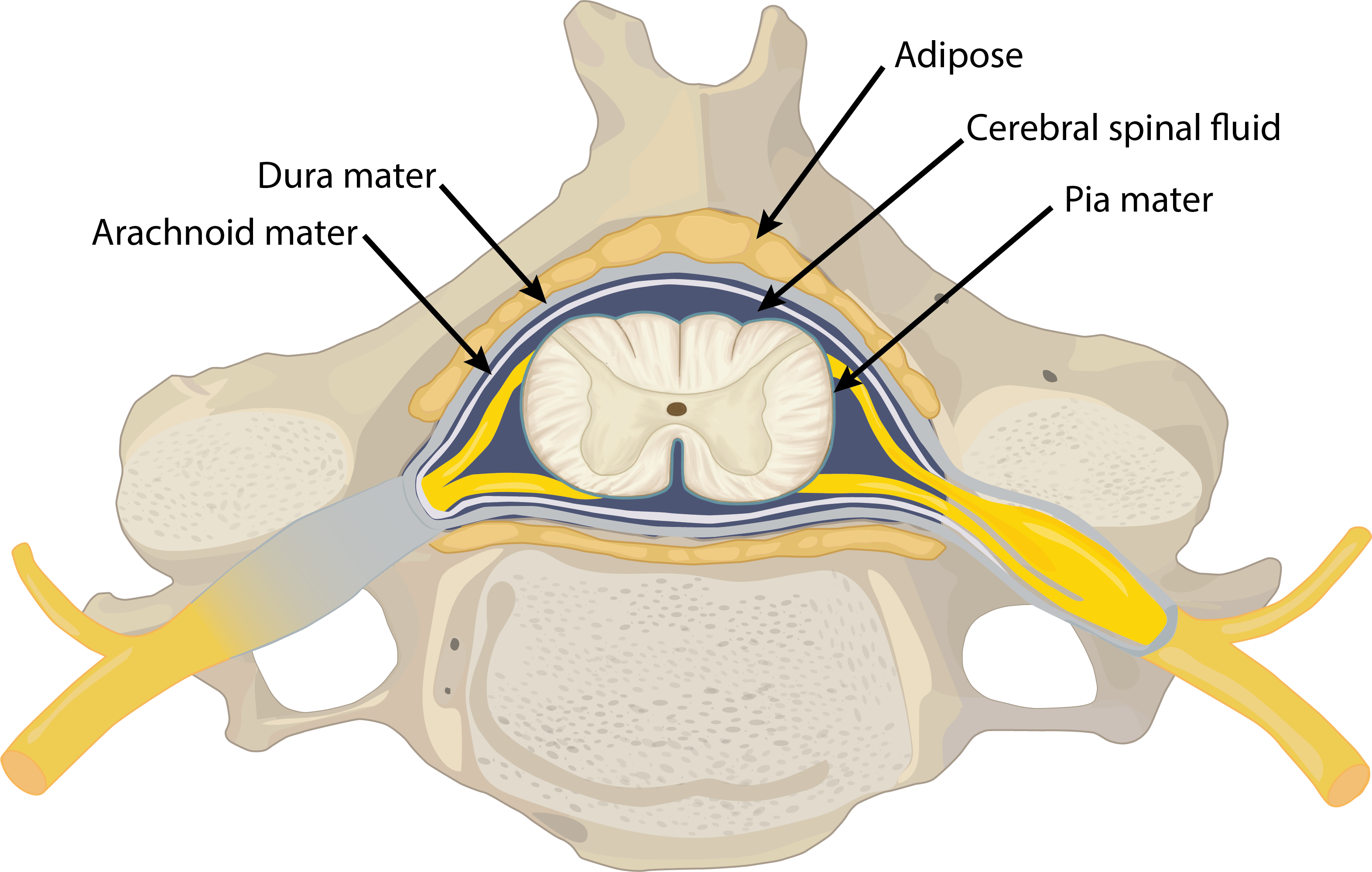
Meninges - Dura Mater 🤰🏼
Tough outermost layer
Epidural space: Between dura mater & vertebrae
Good place for anesthesia administration → Adipose with blood vessels & loose CT
Epidural administration
Usually done below conus medullaris
Still have nerves of cauda equina → can still have nerve damage (lower limbs) but more likely to regenrate
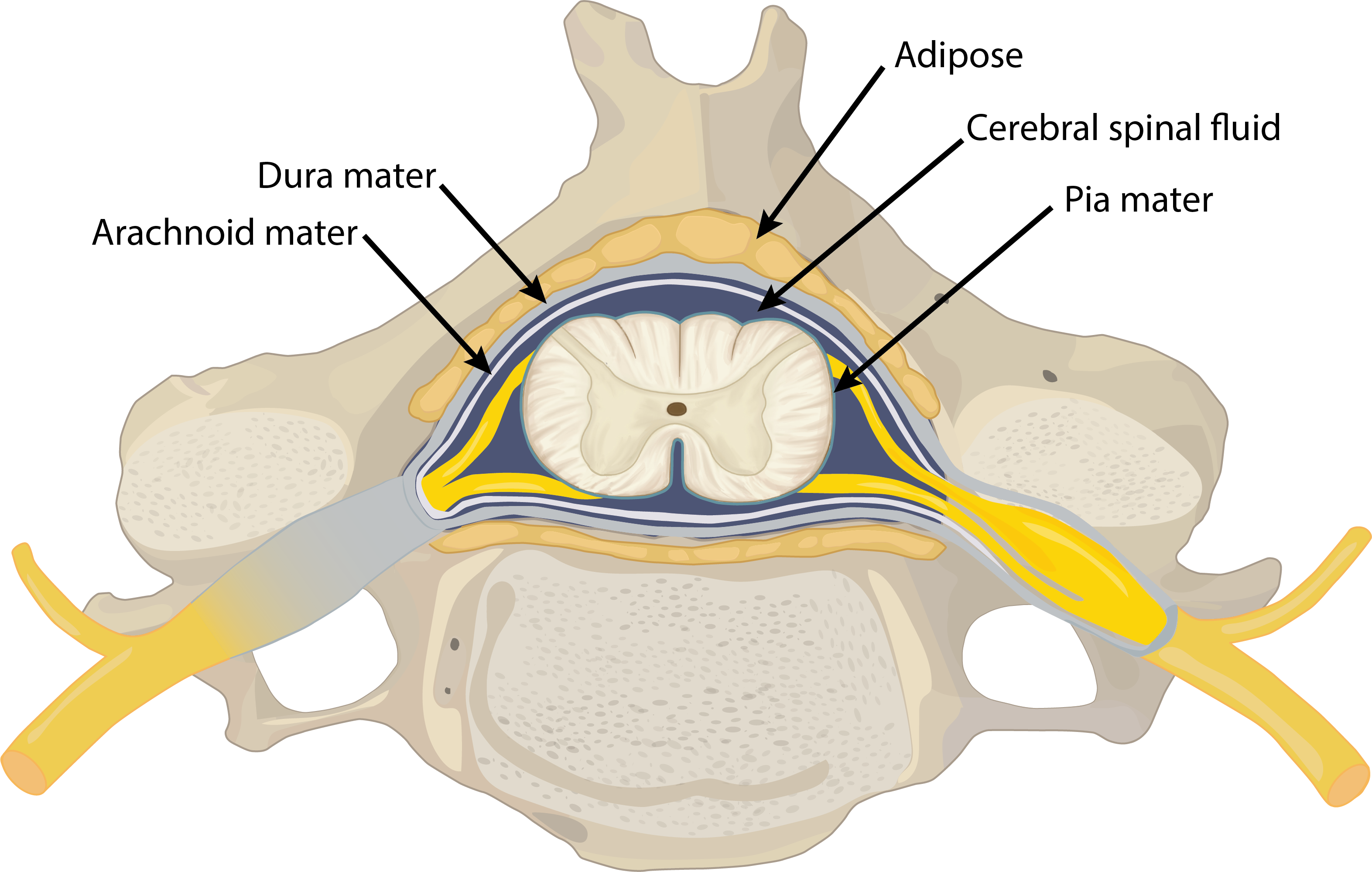
Meninges - Arachnoid mater = middle ______
middle meninge
Arachnoid
Fused to dura mater
Between arachnoid & pia
Subarachnoid space (SAS) - btw. arachnoid + pia
Mesh of fibers
Contains cerebrospinal fluid
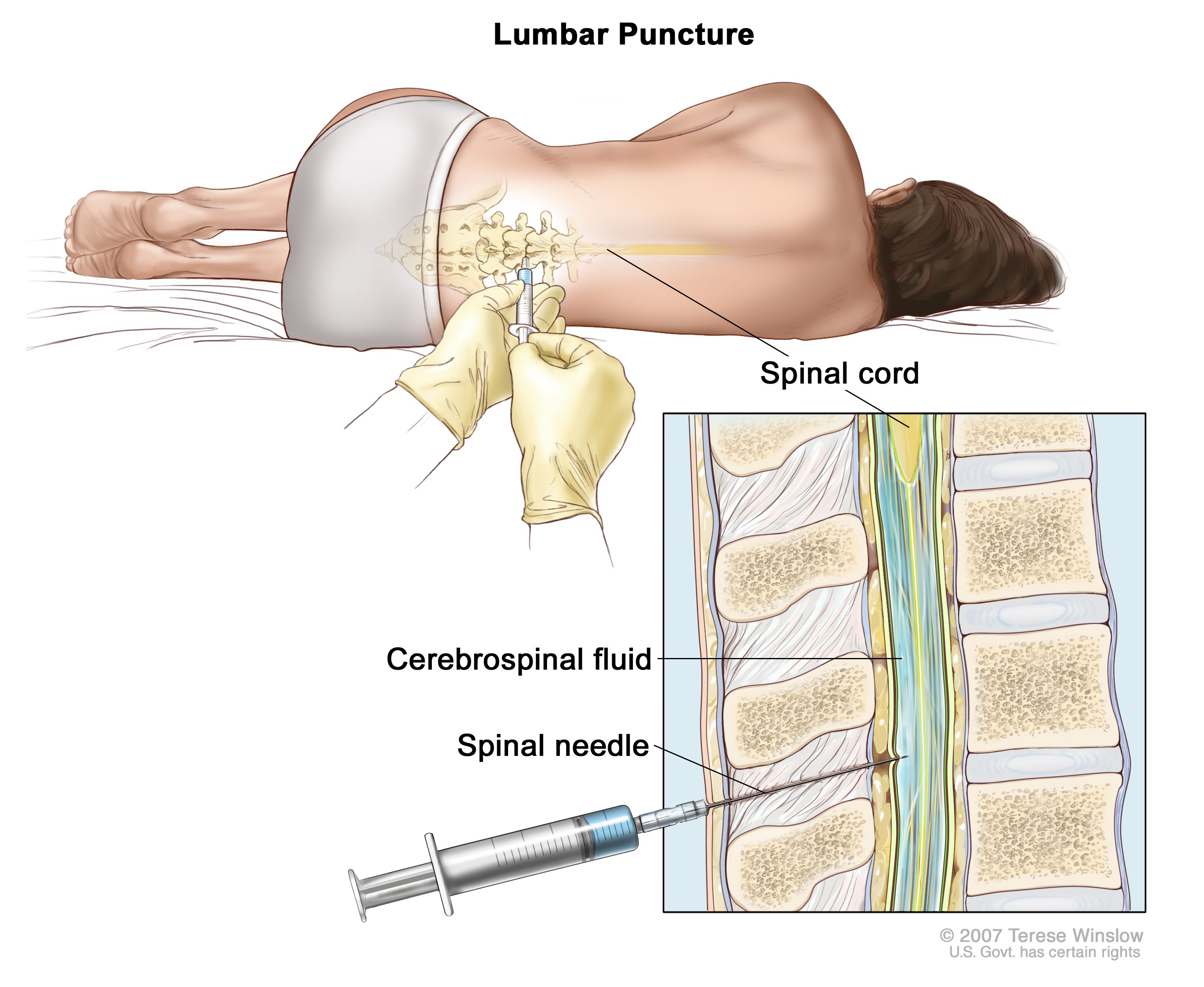
Meninge - Lumbar Puncture ( _____ tap)
remove ____ from the _______ space of the lumbar cistern?
(spinal tap)
Remove CSF from the Subarachnoid space of the lumbar cistern
the CSF is checked for abnormal contents
Similar placement as epidur
Meninge - Pia Mater: ______ meninge
innermost meninge
Delicate & transparent
Follows folds of the spinal cord
neural material of spinal cord is vulnerable to damage from excessive movement
Anchors for the cord
Terminal filum = thread of pia mater beyond cone
Pia and dura
Anchors inferiorly
Denticulate Ligaments:
Pia
Anchors laterally
What reduces excessive movement in the Pia Mater?
Terminal filum and Denticulate Ligament
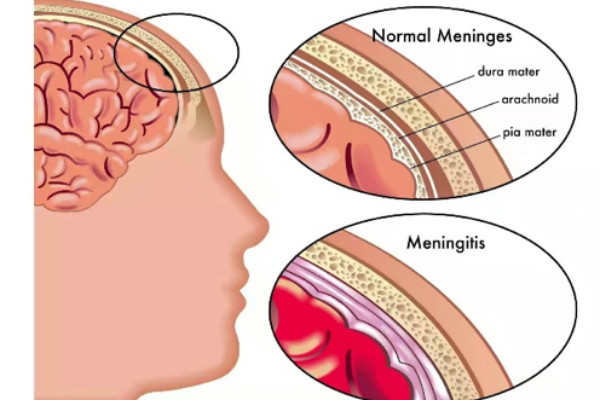
Spinal Meningitis
*itis = inflammation
Inflammation of brain and/or spinal cord meninges
What usually causes spinal meningitic(inflammation of brain and/or spinal cord meninges)?
viral infection (but also injury, bacteria, fungus)
Viral: More common; less severe 🦠 (enterovirus, herpes simplex)
Bacterial: Less common; brain damage & death 💀 (meningococcal, streptococcus pneumonia)
Symtoms of Spinal Meningitis
Stiff neck, head ache, vomiting, seizures
Brudzinski's neck sign: hip & knee movement when neck is flexed
inflamed meninges puts pressure on the spinal cord → inappropriate neural firing → damage to cord
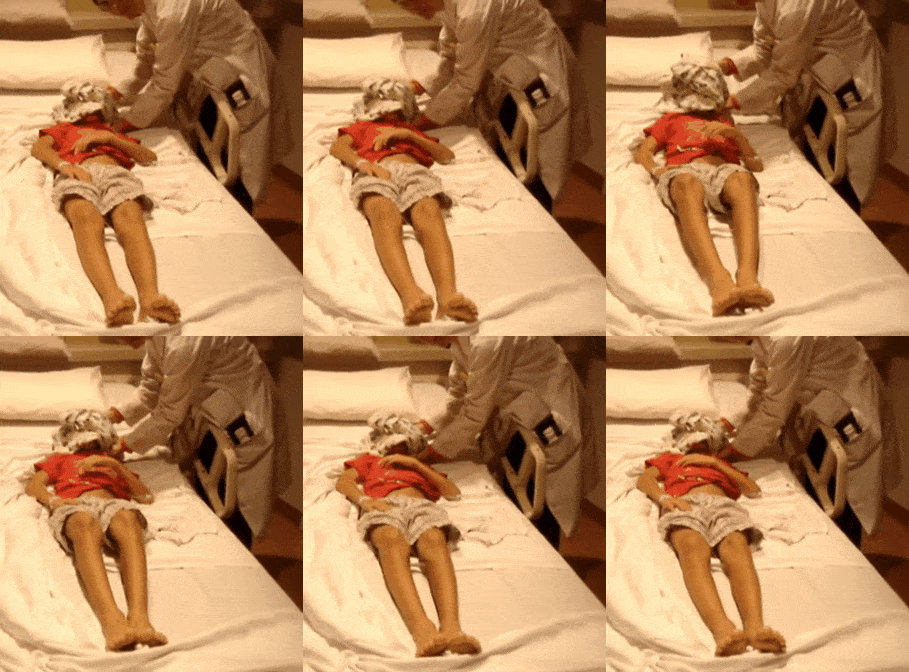
Brudzinski's neck sign
hip & knee movement when neck is flexed
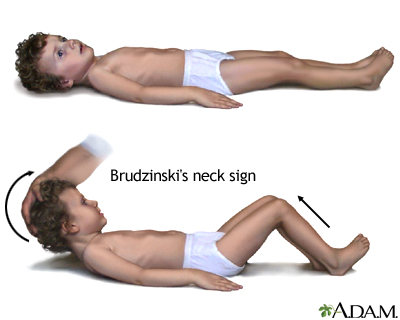
hip & knee movement when neck is flexed (Brudzinski’s neck sign) is a symptom of what?
Spinal Meningitis
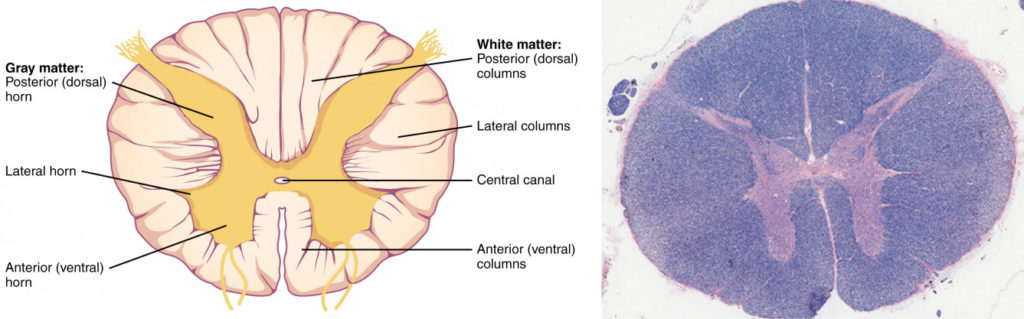
Gray matter = ______
Mostly made of:
Gray because it is ________
butterfly 🦋
somas & dendrites
unmyelinated
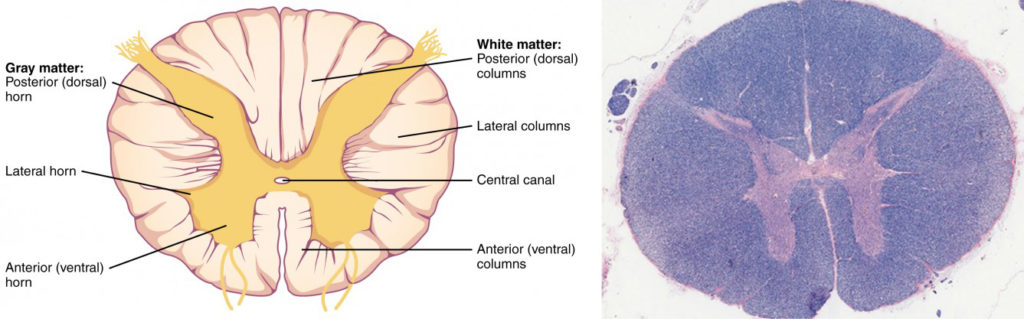
Functions of Gray Matter
Lots of synapses: Processing & integration of information for decision
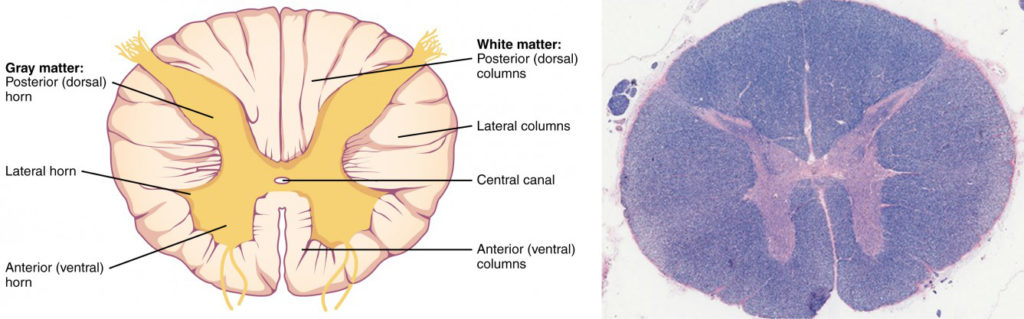
White matter (______)
Bundles of ______ = tracts
White because of _______
Superficial to ____ _____
(outside)
Bundles of axons = tracts
White because of myelination
Superficial to gray matter
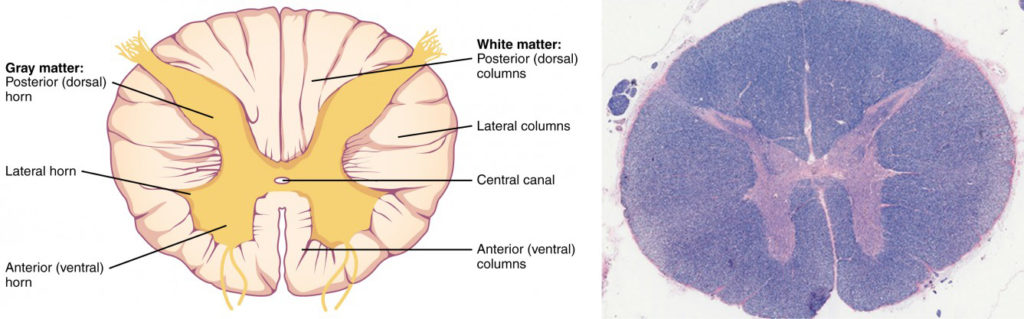
Function of white matter
Conduct information through the cord: Action Potentials
Conduction = movement of info
→ nerve signal
Spinal process = (anterior or posterior?)
Ganglion tells you ^
posterior
Ganglion tells you posterior
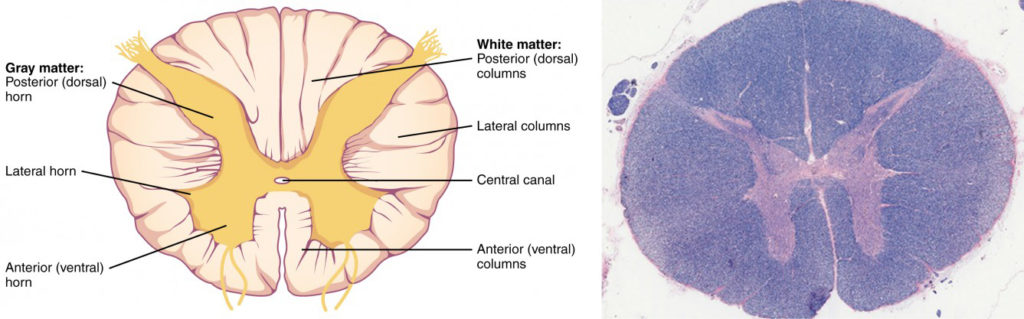
Butterfly wing is more narrow at ______ end
posterior
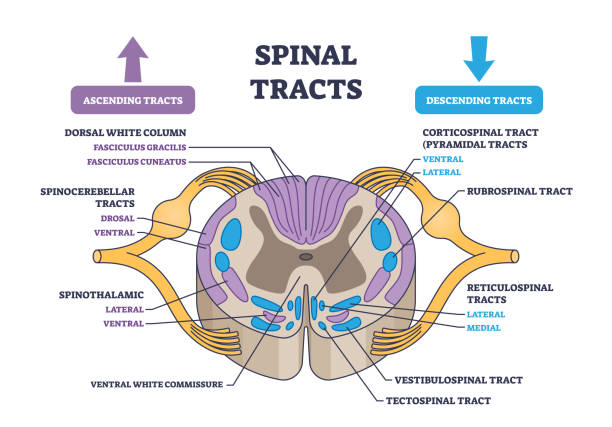
Ascending Tracts
→ start @ receptor
→ carry sensory info(afferent)
→ move up to the brain
Where do ascending tracts start and move to?
start @ receptor, move up to the brain
what info do ascending tracts carry?
sensory info(afferent)
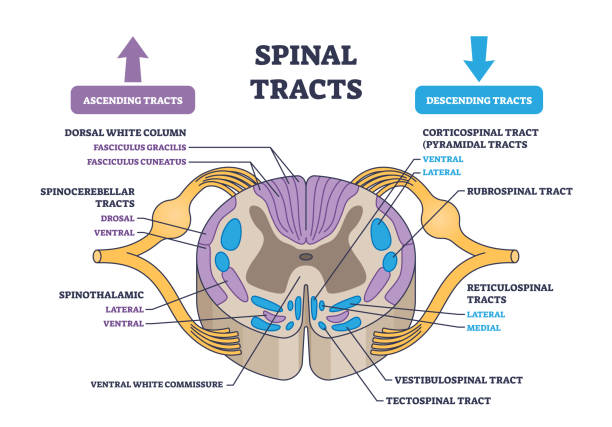
Descending Tracts
→ start @ brain
→ carry motor info (efferent)
→ moving down to effectors
what info do descending tracts carry?
carry motor info (efferent)
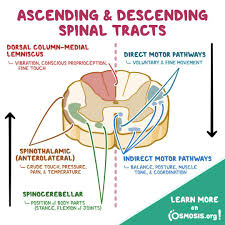
where do descending tracts start and move to?
start at the brain, move down to effectors
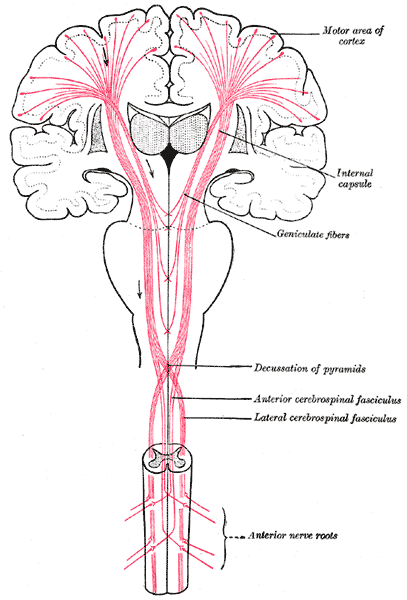
Spinal Tracts: Decussation
Crossing that forms an “X”
Ex: If a tract begins on the left side of the brain, but crosses to (and ends) on the right side of the body
either ipsilateral or contralateral
Decussation: Contralateral
after decussate
Starts on one side but ends on the opposite side
Decussation: Ipsilateral
IpSalateral → same
Doesn’t decussate
Starts and ends on same side
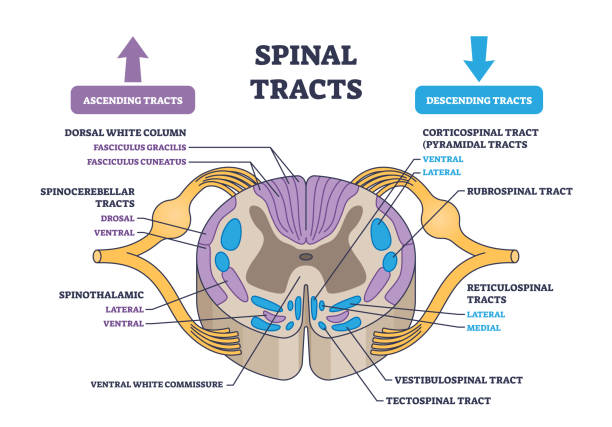
Ascending tracts usually have ___ neurons
3 (2 - 4 neurons)
→ 1st order
→ 2nd order
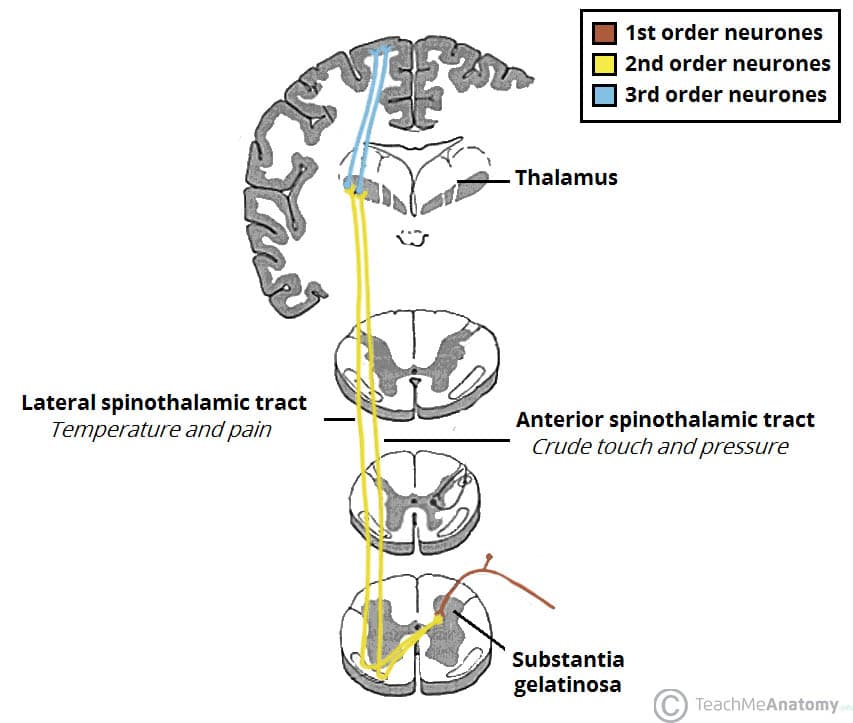
Lateral Spinothalamic Tract 😓 🥵
Temperature & Pain
Descending tracts only have ___ neurons
2
→ upper
→ lower
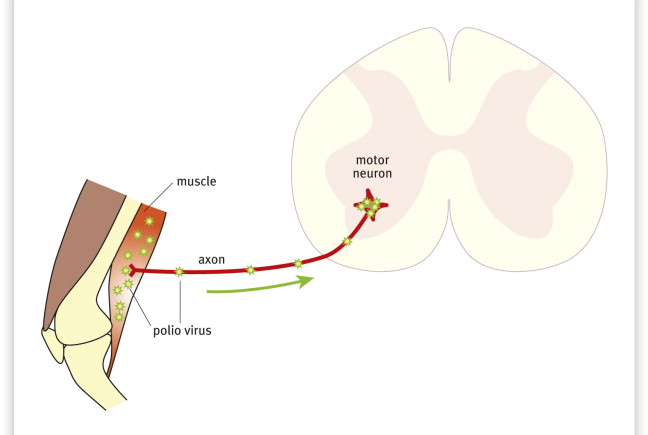
Poliomyelitis: polio virus
Destroys motor neurons
what does polio virus destroy?
motor neurons
Symptoms of poliomyelitis: polio virus
Muscle pain, weakness, loss of reflexes, paralysis, muscle atrophy, respiratory arrest
Amyotrophic Lateral Sclerosis (ALS/Lou Gehrig’s disease)
Astrocytes don’t remove glutamate → overstimulation
Overstimulated neurons die
Lateral spinal cord scars (Sclerosis)
unlike polio which ends when the immune system _____ the virus, ALS _____ until _____
defeats, progresses, death
What does ALS affect? 👩🏼🦽➡️
upper and lower neurons of descending (motor) pathways
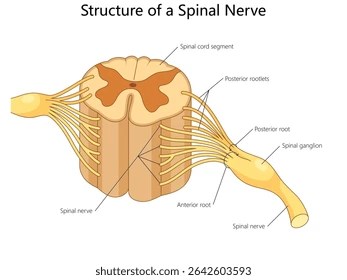
Anterior Root carries ______ or _____ neurons
axons, motor
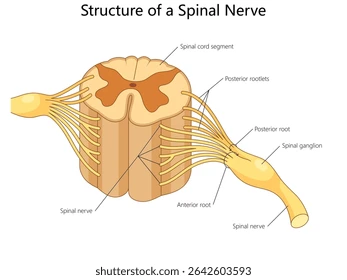
Posterior Root carries _____ of ______ neurons
axons, sensory
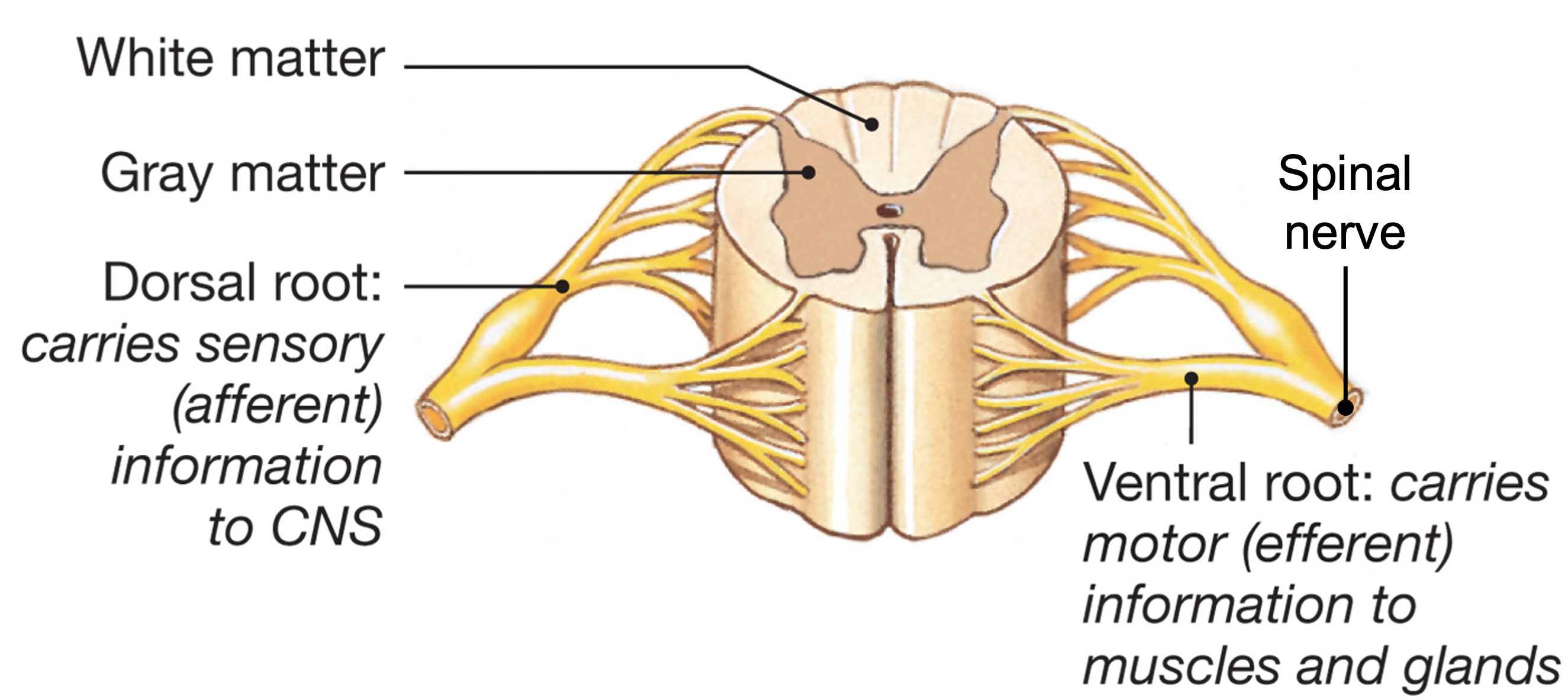
Since spinal nerves form by merging of the 2 roots,
All spinal nerves are ________ (both sensory & motor function)
mixed
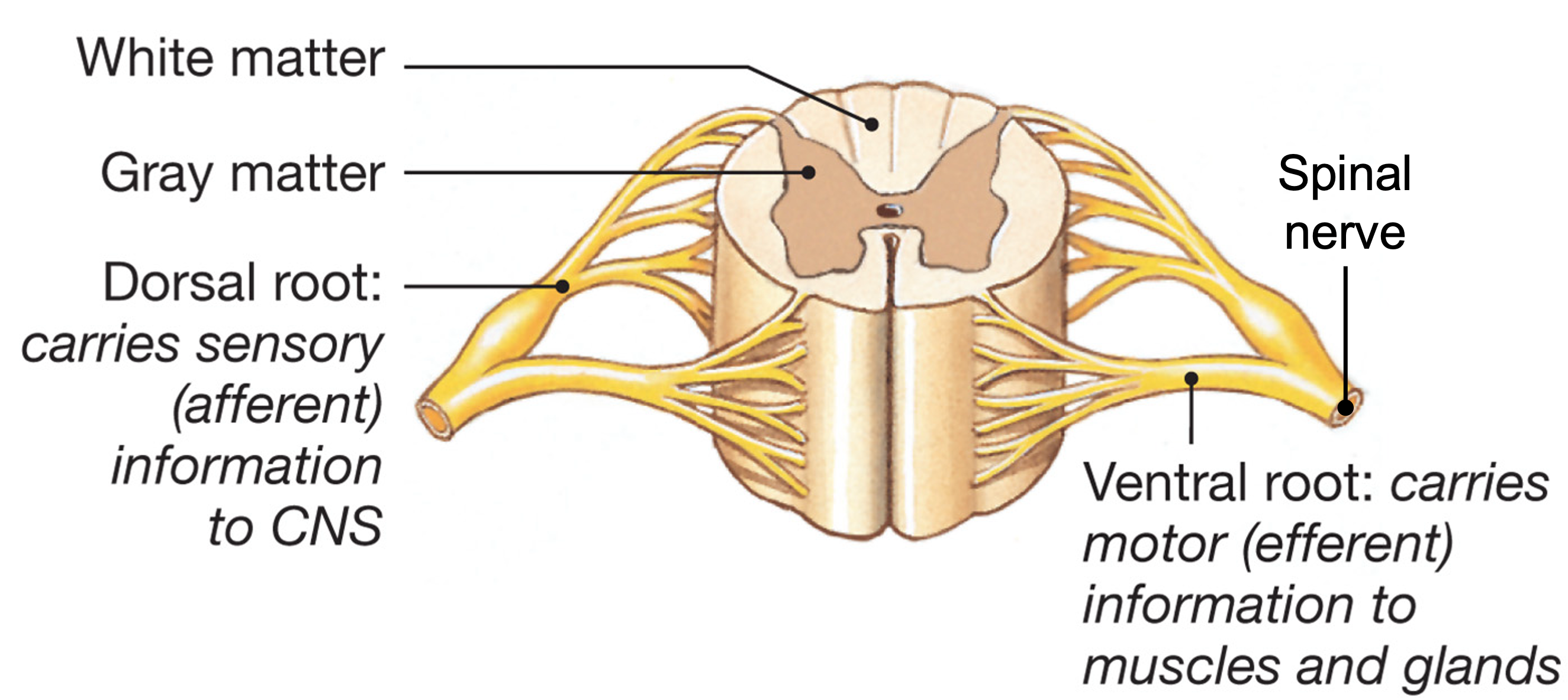
spinal nerve → carries both ______ and ______ axons → both functions
sensory, motor
Neuralgia
Nerve pain, often from pressure on spinal nerves (sensory neurons)
Herniated disc is an example of what?
Neuralgia
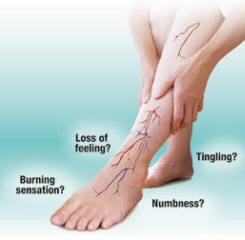
Peripheral Neuropathy
neuro = nerve, pathy = condition/suffering
Loss of sensory or motor function from nerve injury
What is often seen in Peripheral Neuropathy?
Diabetes
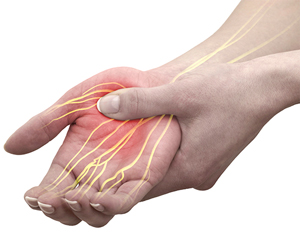
Parathesia
Abnormal sensations of numbness, prickling, burning
Parathesia: mild symptoms + severe symptoms
Mild symptoms from pressure on nerves (sitting on foot)
Severe symptoms from nerve trauma/peripheral nerve disorders
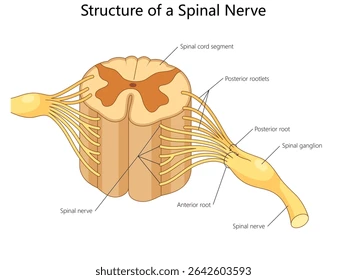
Posterior: ________ process
Posterior: bulge = _______
Anterior: ______
Vertebral , ganglion, Body
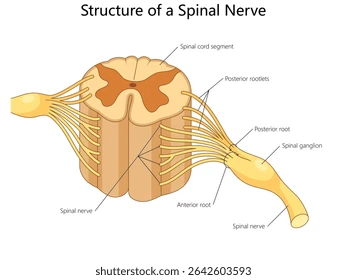
Rootlets and roots are _______ to the cord
Spinal nerve is very short
Rami ( _______ ) are _______ to the cord
proximal, ( branches ), distal
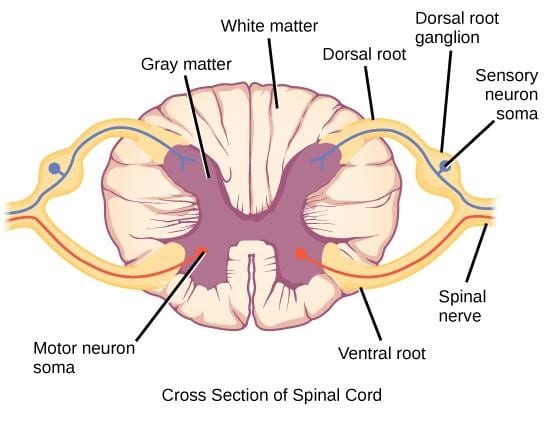
Sensory neurons of the posterior root
Carrying nerve signals from ________ receptors
Travel to the posterior _______ where they may synapse with _______
Carrying nerve signals from sensory receptors
Travel to the posterior horn where they may synapse with interneurons
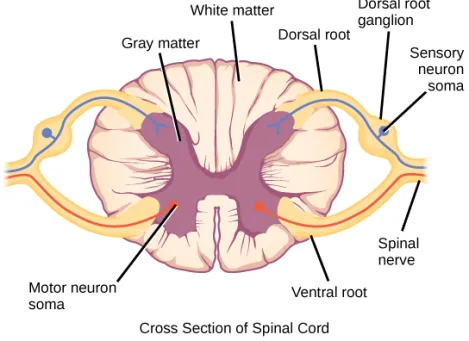
Ganglion are clumps of what?
somas in the PNS
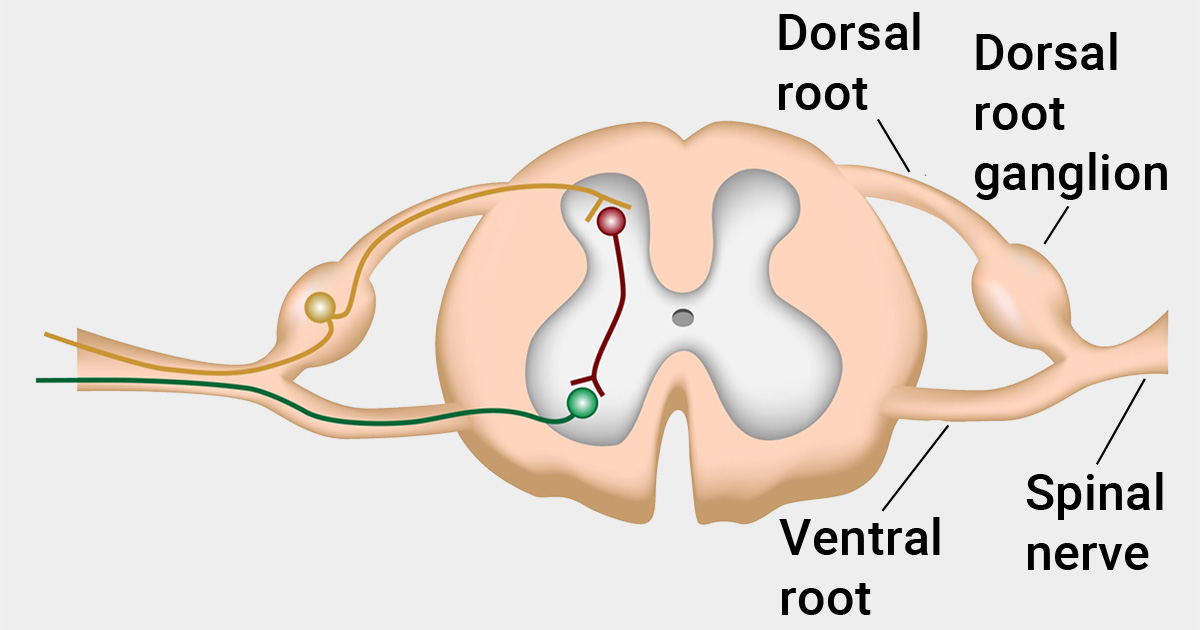
Posterior root includes the Posterior Root Ganglion
The ______ of ______ neurons are clustered here
Not in spinal cord, so _____
The somas of sesnroy neurons are clustered here
Not in spinal cord, so PNS
Motor (efferent) neurons of the anterior/ventral root
Carry “_________” to the effectors (skeletal muscles)
No anterior root ________
Somas of motor neurons are in the ______/ _______ horn of the spinal cord
Carry “commands” to the effectors (skeletal muscles)
No anterior root ganglion
Somas of motor neurons are in the anterior/ventral horn of the spinal cord
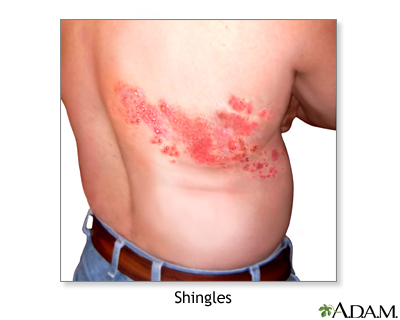
Shingles
Virus stays in the posterior (dorsal) root ganglion
It’s kept in check by the immune system, but can re-emerge if the immune system is weakened (stress; age)
Pain and/or itch can last years after outbreak
What causes chicken pox? → which causes Shingles
Varicella zoster virus
Where does the shingles virus stay in?
in the posterior (dorsal) root ganglion
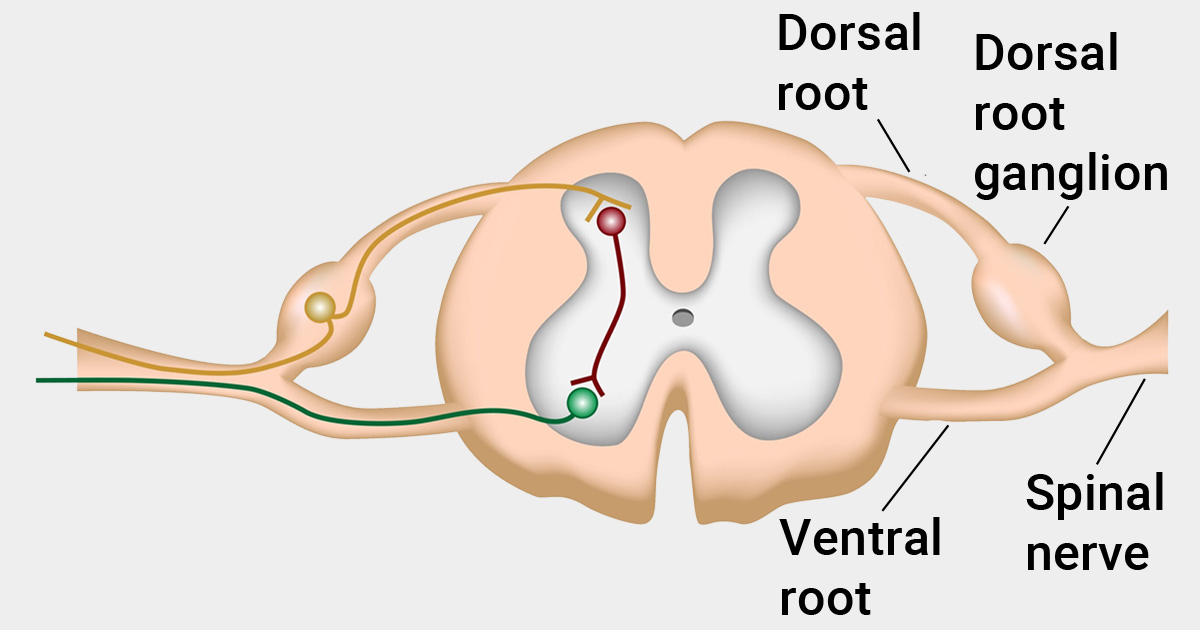
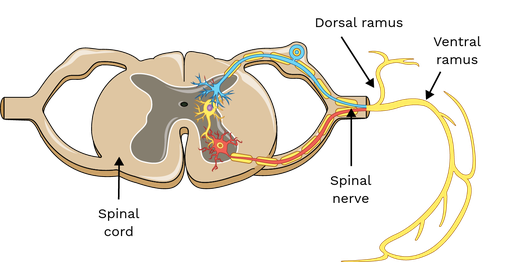
Posterior ramus
Innervates muscles, joints of spine & skin of back
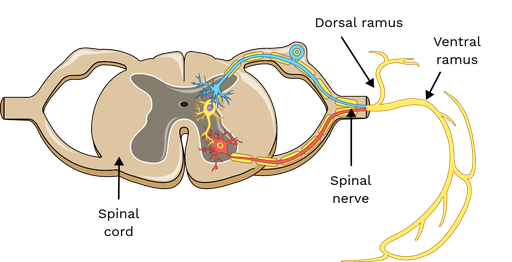
Anterior ramus
Gives rise to plexuses and peripheral nerves (sciatic)
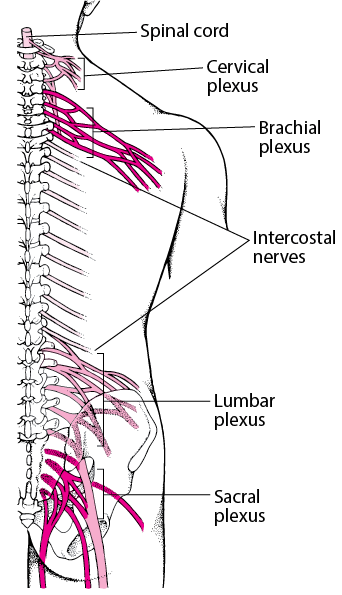
Spinal Plexuses 🕸
re-branching / spider-web looking structure
Anterior rami from adjacent spinal nerves merge and re-branch (anastomoses)
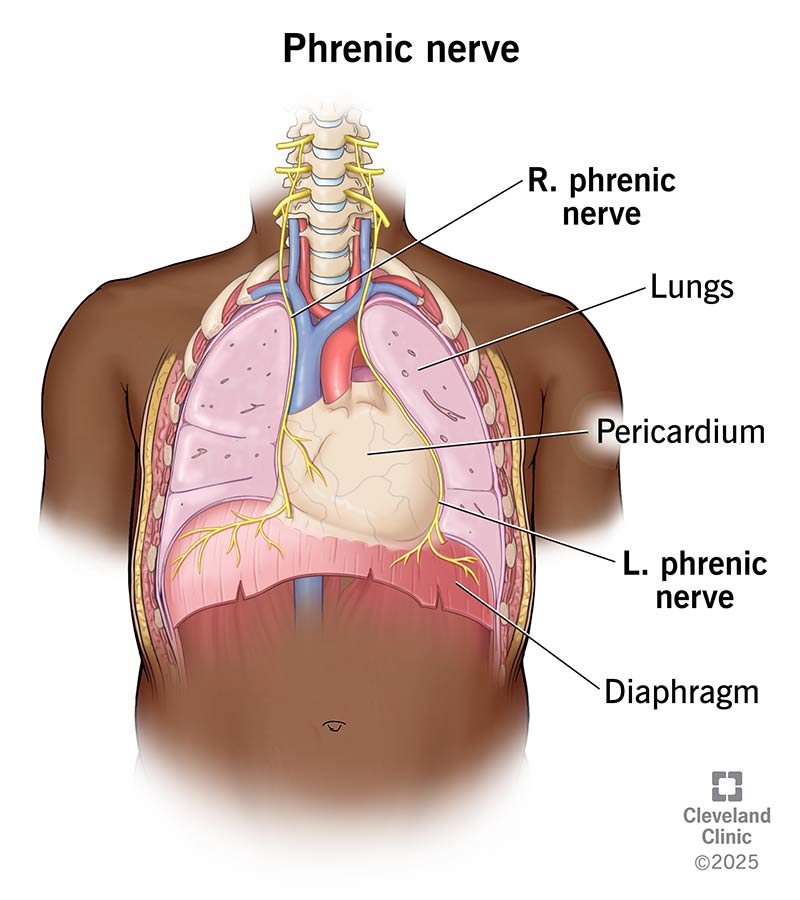
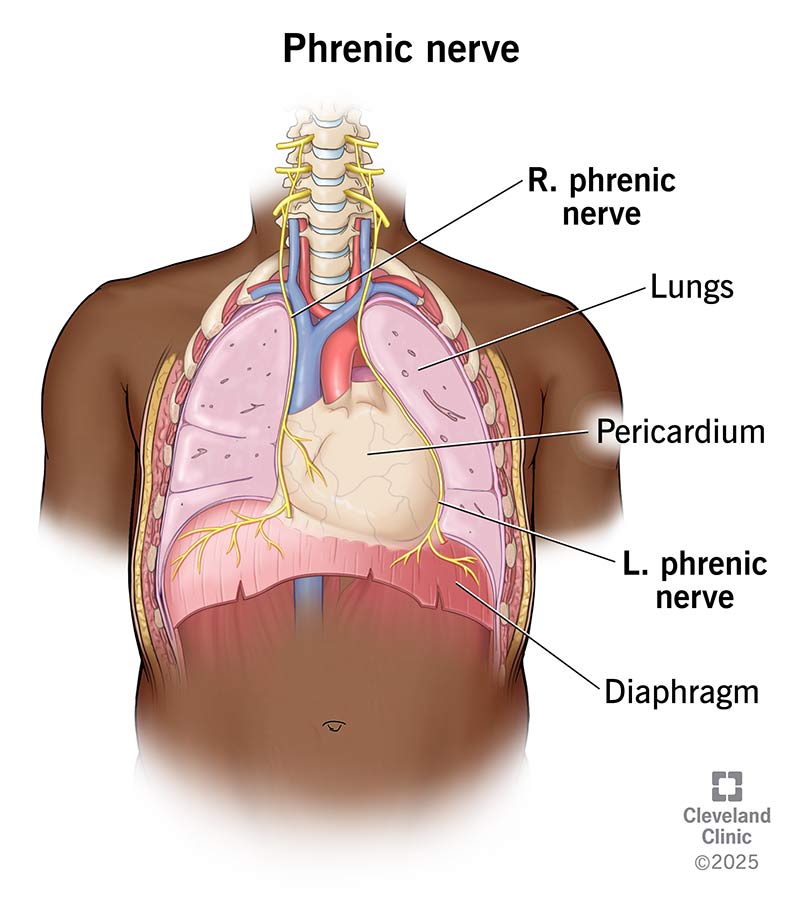
Cervical Plexus - Phrenic Nerve
innervates the diaphragm (prime mover of breathing)
what does the Phrenic Nerve innervate?
the diaphragm
Peripheral Nerves (Brachial Plexus)
Ulnar, Median, Radial, Musculocutaneous, Axillary
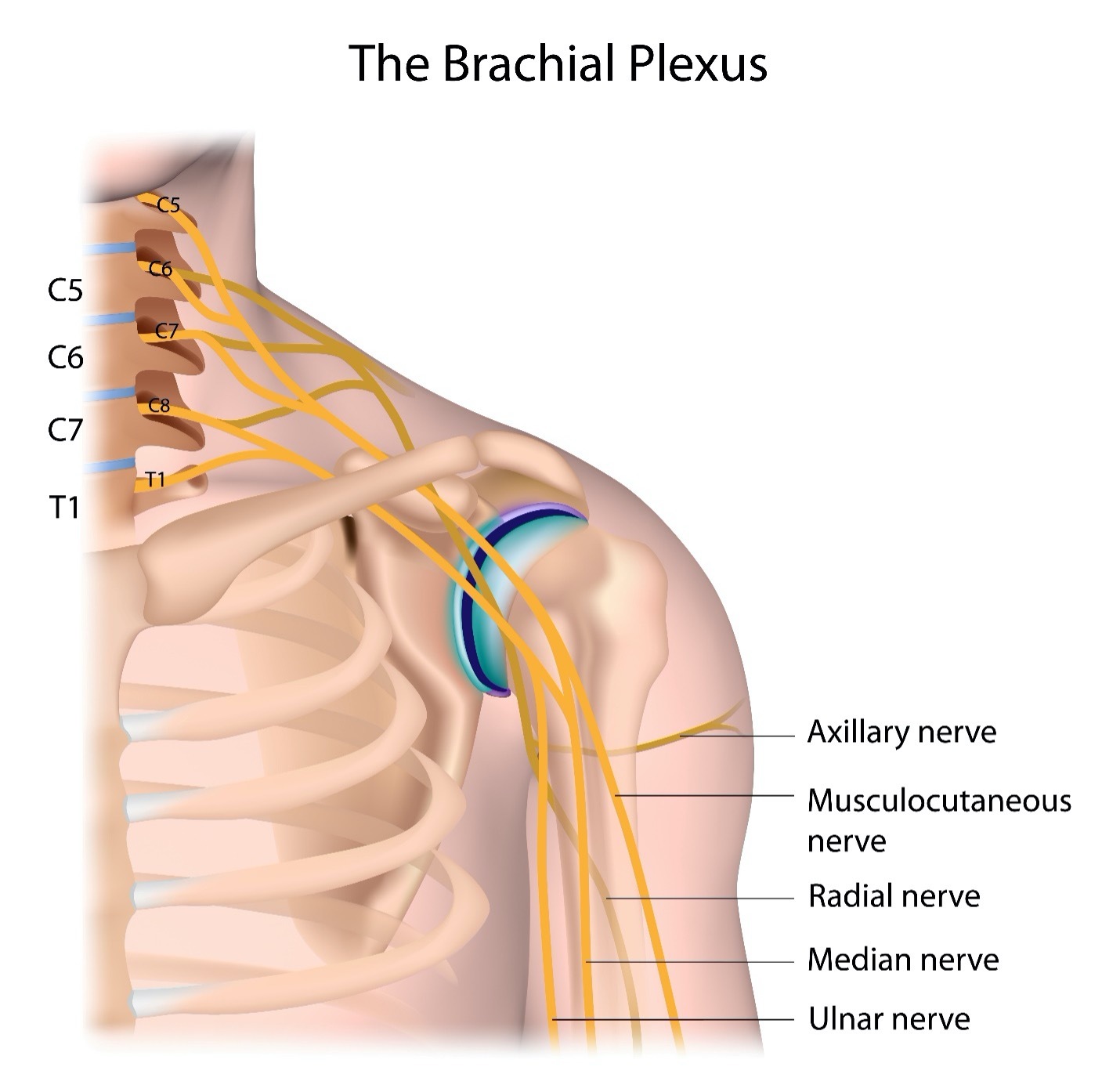
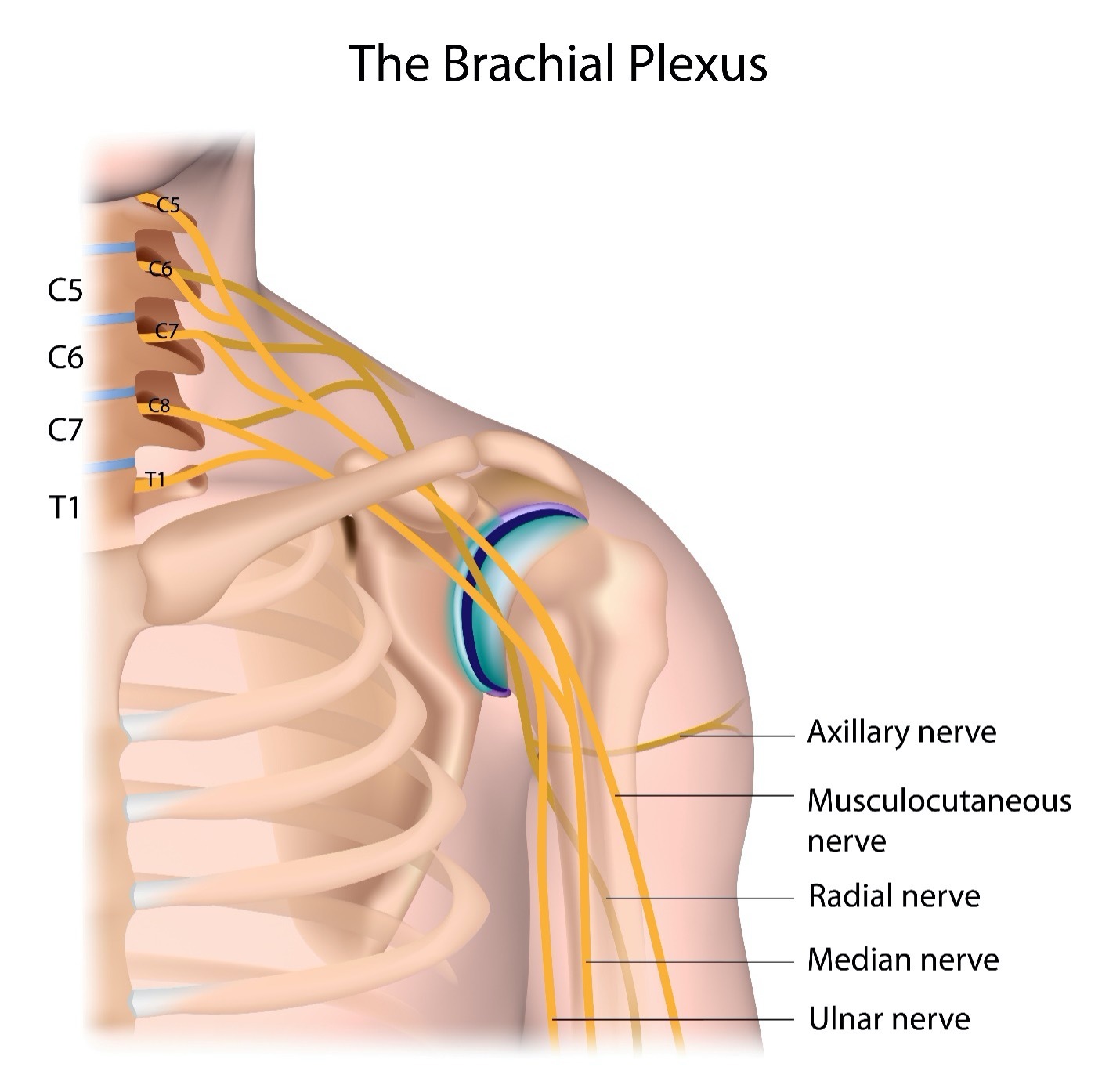
Brachial Plexus - the ulnar and median(antebrachial + hand) are _______(posterior, anterior, anteriolateral) ?
anterior
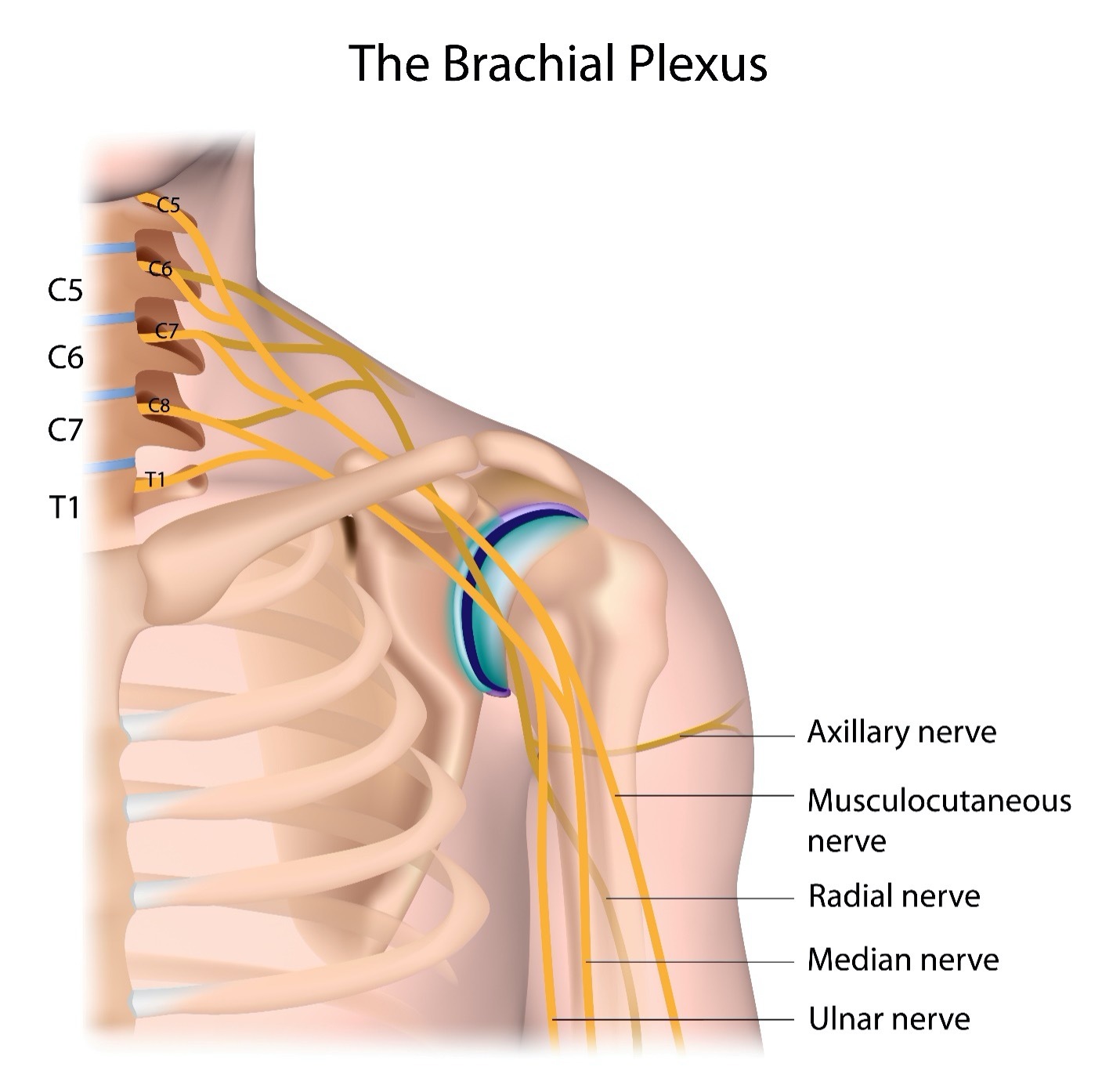
Brachial Plexus - the Musculocutaneous are _______(posterior, anterior, anteriolateral) ?
anteriolateral
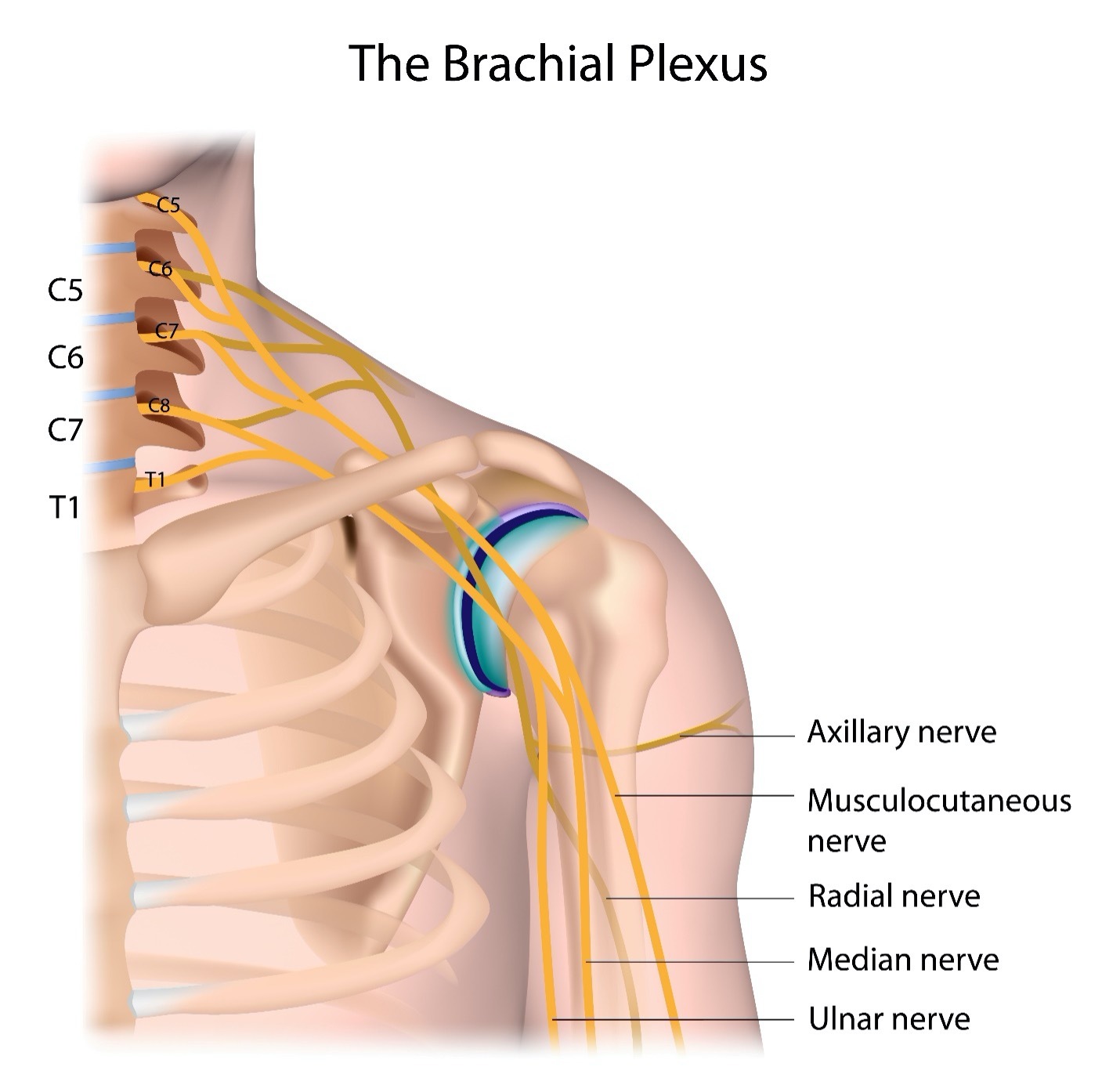
Brachial Plexus - the Axillary innervates the ______ and _____ ______
deltoid, teres minor
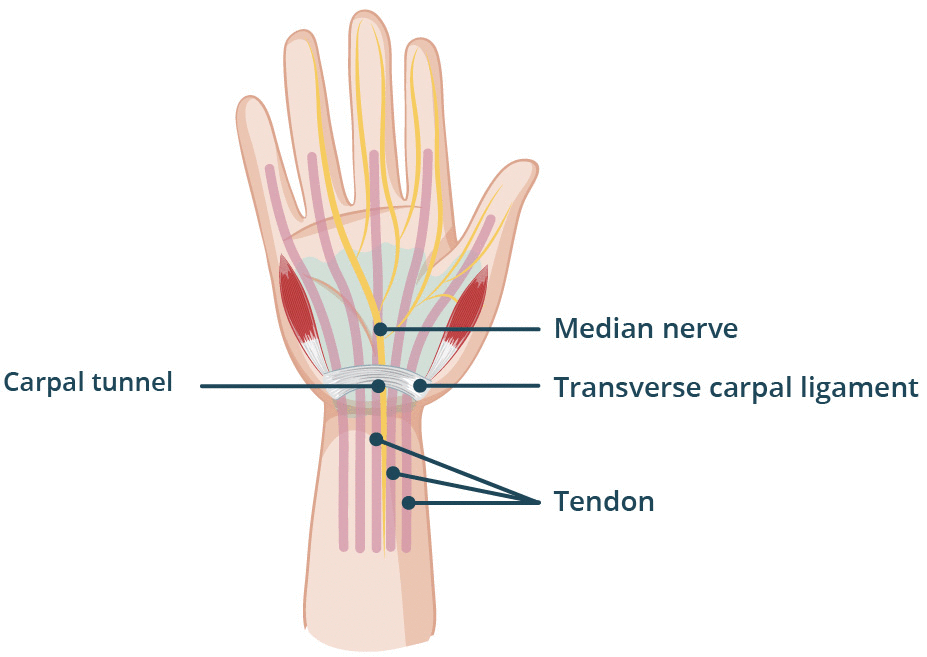
Brachial Plexus Injuries - Carpal Tunnel
can damage Median nerve (finger muscles) → reduce function
can’t pincer grasp
What injury can damage Median nerve (finger muscles) → reduce function ?
and can’t pincer grasp ?
Carpal Tunnel
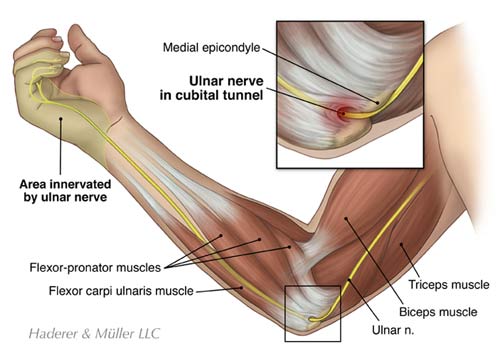
Brachial Plexus Injuries - Ulnar nerve AKA _____ “bone”
funny “bone”
(hand muscles)
Sensory: Loss of sensation in little/ring finger
Motor: Claw-like deformities; Can’t curl fist

