Unit 2 Topic 2 Biology
 View linked note
 Call Kai
 Learn
Learn Practice Test
 Spaced Repetition
 Match
Match Flashcards
 Knowt Play
1/11

There's no tags or description
Looks like no tags are added yet.
Name | Mastery | Learn | Test | Matching | Spaced | Call with Kai |
|---|
No analytics yet
Send a link to your students to track their progress
12 Terms
Infectious disease vs non-infectious disease
Infectious - invasion by a pathogen and can be transmitted from one host to another
Non-infectious - genetic and lifestyle diseases
Pathogens
Prions - cause host to misfold it own normal prion proteins, which hurt immune system, no treatments. Eg CJD (brain disease can caught from eating beef with ‘mad cows disease’)
Viruses - can only replicate inside cells, not made out of cells, need host to replicate, is genetic material encased in capsid protein coat, cannot be treated with antibiotics. Eg Influenza, chicken pox
Bacteria - can be treated by antibiotics, have many different types and features. Eg salmonella, E.coli
Fungi - can secrete enzymes and other chemicals into the environment to break down organic matter so it can be absorbed. These secretions act as an agent of disease in the host. Eg mold, true yeasts
Protists - can be pathogenic to plants and animals. Eg plasmodium which causes malaria, root rot in plants
Parasites - get their nutrients from the host, thus harming the host. Eg worms (pinworm, threadworms)
Virulence Factor
how effective a pathogen is against an organism’s defences depends on this factor
Capsule - coating around a bacterium, making it less vulnerable to elimination by the host
Adherence factors - proteins or carbs on the surface of the pathogen that allow it to stick to the host cells
Invasion Factors - surface components that allow it to invade the host cells
Toxins - substances the pathogen can excrete to damage the host cells
Modes of Disease transmission
Direct contact - poor hygiene, touching contaminated surfaces
contact with body fluids - contact with saliva, blood, semen
contaminated food/water - resulting from chemicals, pesticides, animal waste, industrial waste
disease-specific vectors - mosquitos carry malaria
Immune responses
pathogens (bacterial and viral) can cause both physical and chemical changes in host cells that stimulate the host immune responses. Eg introduction of foreign chemicals via the surface of the pathogen, production of toxins, recognition of self and non-self.
all plants and animals have innate immune responses (general/non-specific) and vertebrates also have adaptive (specific) immune responses
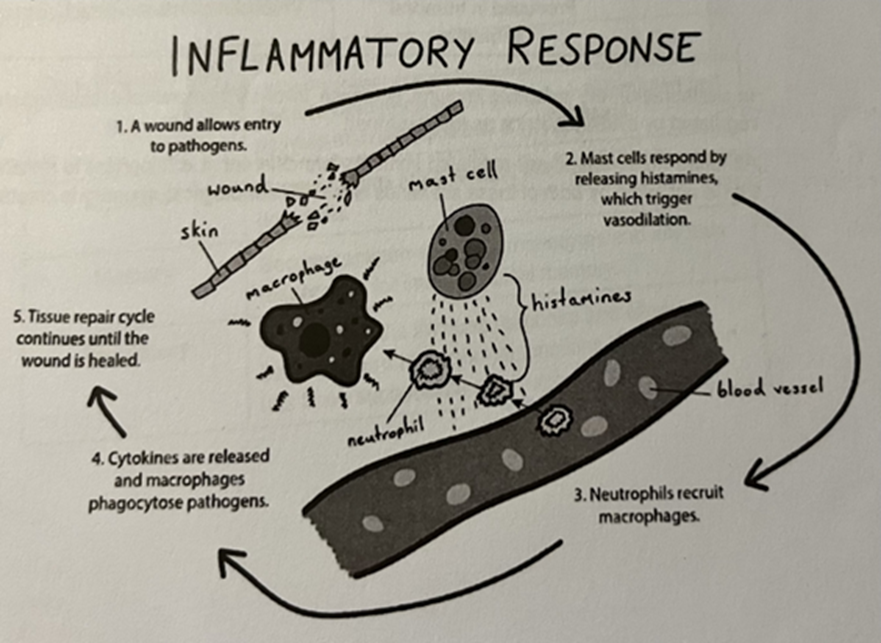
innate immune response in vertebrates comprises surface barrier (skin, mucus and cilia), inflammation and the complement system
Inflammatory response
The complement system
is made up of a large number of distinct plasma proteins that react with one another to opsonize pathogens and induce a series of inflammatory responses that help to fight infection.
adaptive immune response
Its key features include its ability to act automatically in response to microbial invasion, generate resistance proportional to the threat, and improve with experience.
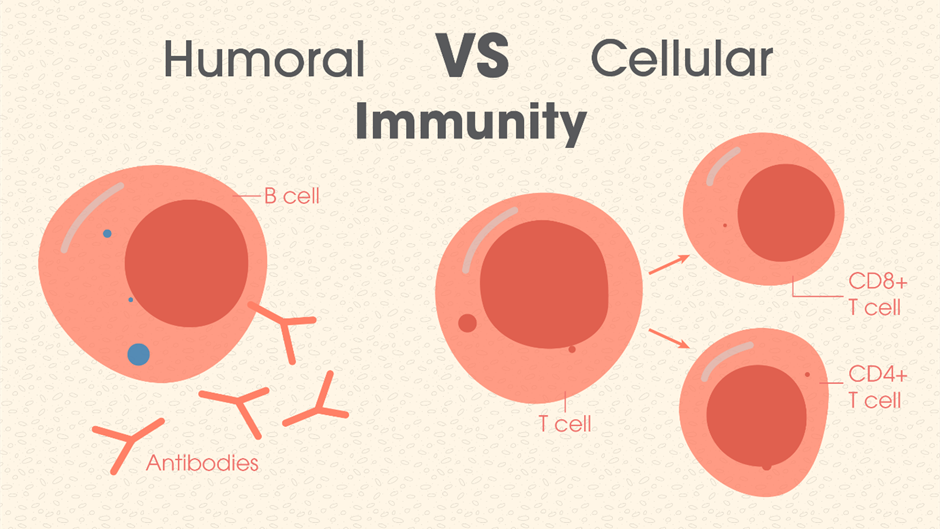
Humoral vs cell-mediated immunity
Humoral immunity produces antigen-specific antibodies and is primarily driven by B cells.
Cell-mediated immunity does not depend on antibodies for its adaptive immune functions and is primarily driven by mature T cells, macrophages and the release of cytokines in response to an antigen.
Both responses produce memory cells that stay in the body for a period of time and ‘remember’ the pathogen if it enters the system again.
Transmission and spread of disease
transmission is facilitated by regional and global movement of organisms
factors that affect immunity are - persistence of pathogens within a host, transmission mechanism (ie direct/indirect contact/contaminates), proportion of the population that is immune or has been immunized, mobility of the individuals in the affected community.
Factors to predict potential outbreaks
persistence of pathogens within a host, transmission mechanism (ie direct/indirect contact/contaminates), proportion of the population that is immune or has been immunized, mobility of the individuals in the affected community.
Strategies to control the spread of disease
personal hygiene,
contact tracing,
school and workplace closures,
reduction of mass gatherings,
temperature screening,
travel restrictions
