Plant ID Quiz 3
 Call Kai
 Learn
Learn Practice Test
 Spaced Repetition
 Match
Match Flashcards
 Knowt Play
1/53

There's no tags or description
Looks like no tags are added yet.
54 Terms
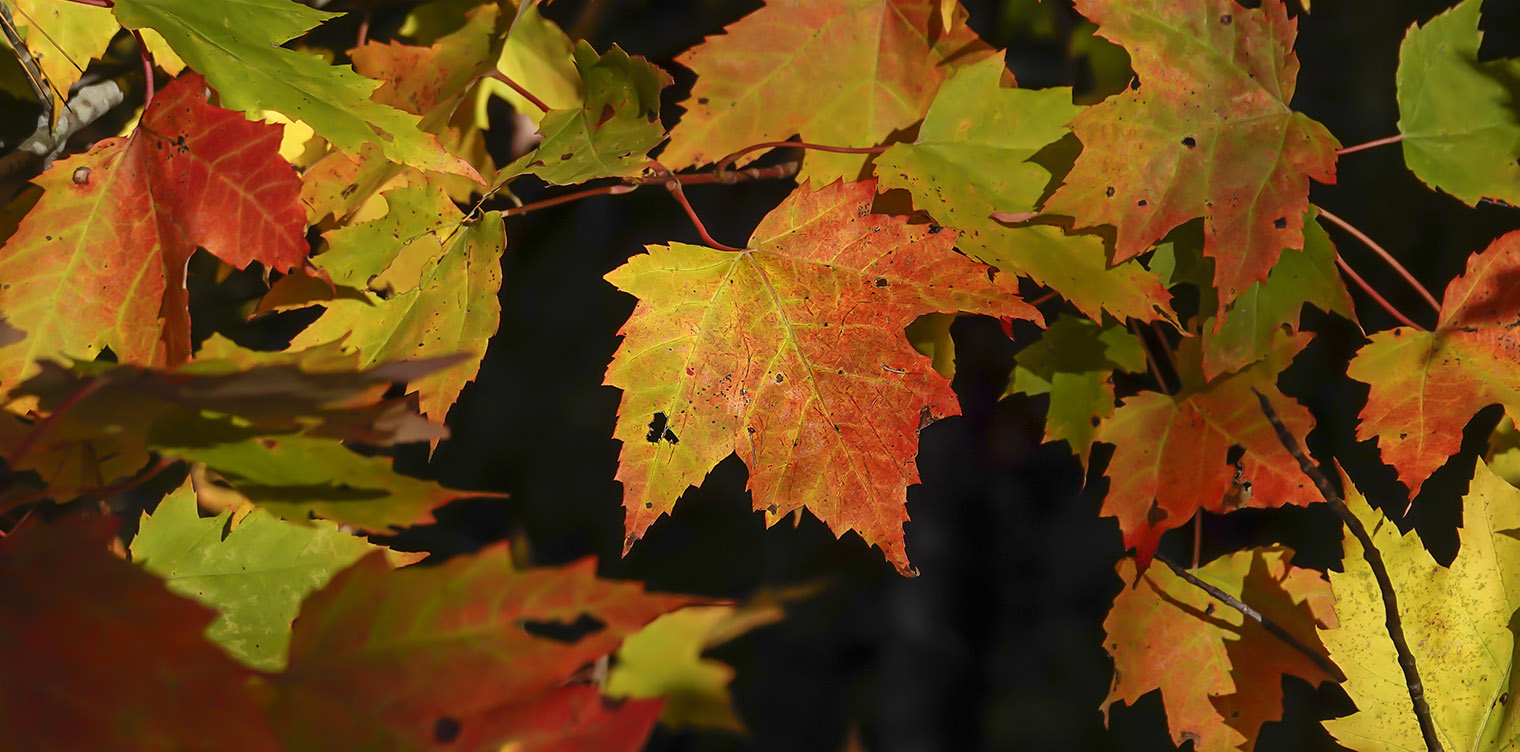
Acer rubrum
Acer rubrum
Red maple
Tree, red peddial, 3 prominent lobes on leaf, opposite leaves
seeds eaten by gray squirrels, provides nesting cover for birds, natural salt lick for deer
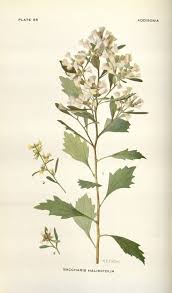
Baccharis halimifolia
Baccharis halimifolia
Eastern baccharis
Dioecious, native plant but can take over fields, very specific looking top of plant, shrub, green stem toward top, leaf dentition toward end of leaf; coarsely toothed in the upper margin of the leaf
Browsed by deer, nesting coverage for birds
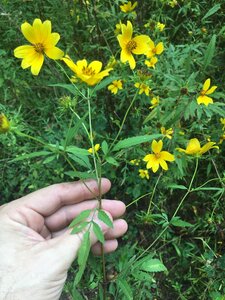
Bidens aristosa
Bidens aristosa
Sticktight
Yellow flowers, deeper toward center with yellow center, seed producer, usually round water, native, forbe; deeply lobed leaves, distinctive flattened seeds with two hooked awns
Good for waterfowl, pollinators use the flowers, rabbits forage on the leaves
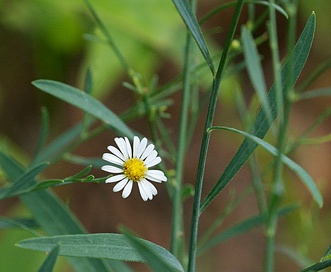
Boltonia diffusa
Boltonia diffusa
Doll’s daisy
Blooms later, native, forbe; small daisy-like flower heads, stems are slender and silvery-green, leaves are typically linear, narrow, and green
Not much wildlife use, deer have foraged on it
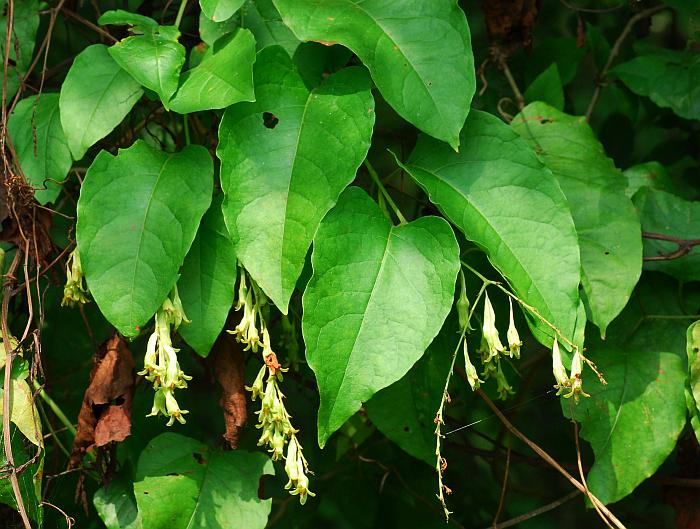
Brunnichia ovata
Brunnichia ovata
American buckwheat vine, red vine
Holds water, vine, pain for wetland management, native; semi-woody, triangular to heart-shaped leaves that are alternate, green to reddish-brown stems
No known wildlife uses
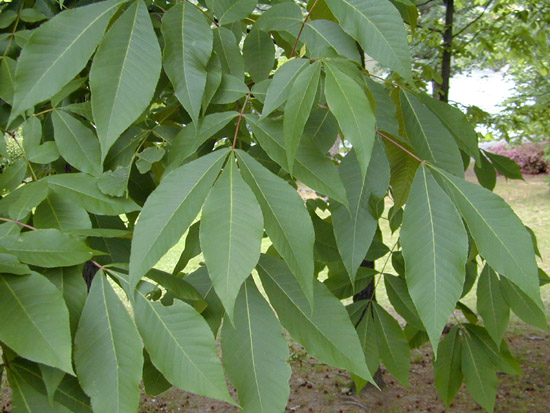
Carya spp.
Carya spp.
Hickory
Hard nuts dropped, cavity forming trees, tree, canopy coverage; feather-compound leaves, which are alternate and have 5-13 toothed leaflets
Squirrels eat nuts dropped, birds can use cavities
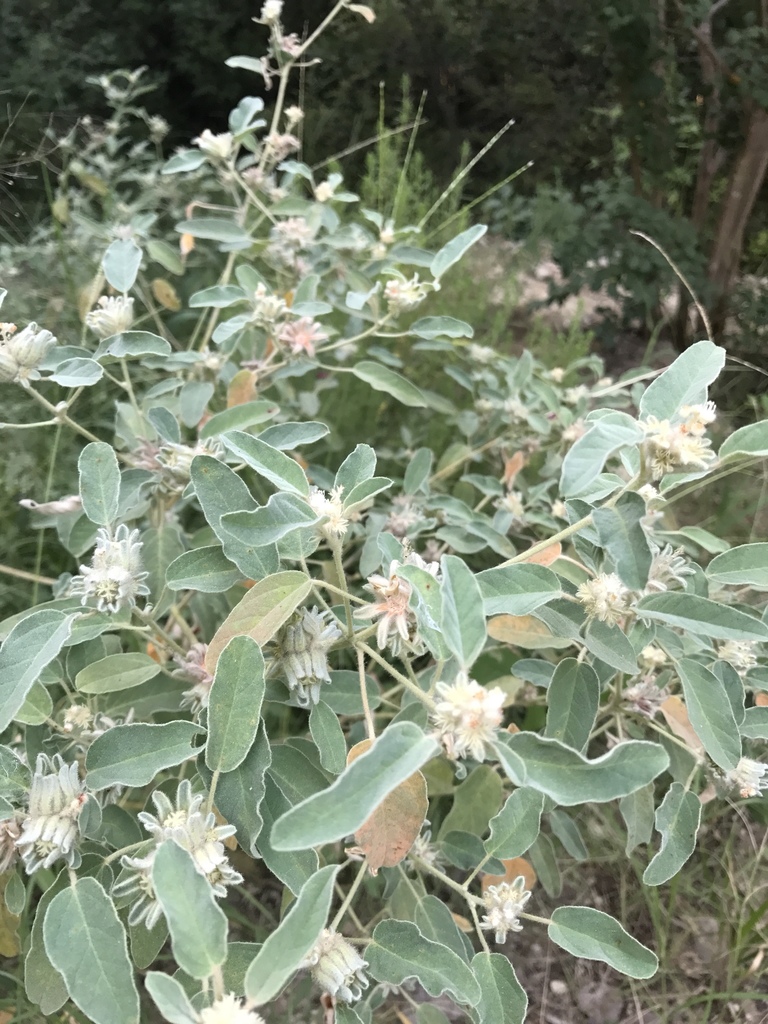
Croton capitatus
Croton capitatus
Wooly croton
Paler green, native, forbe ; dense, woolly, white or rusty-brown, star-shaped hairs covering its stems, alternate, green-gray leaves that are oval to lance-shaped with non-toothed margins
mourning doves eat seeds
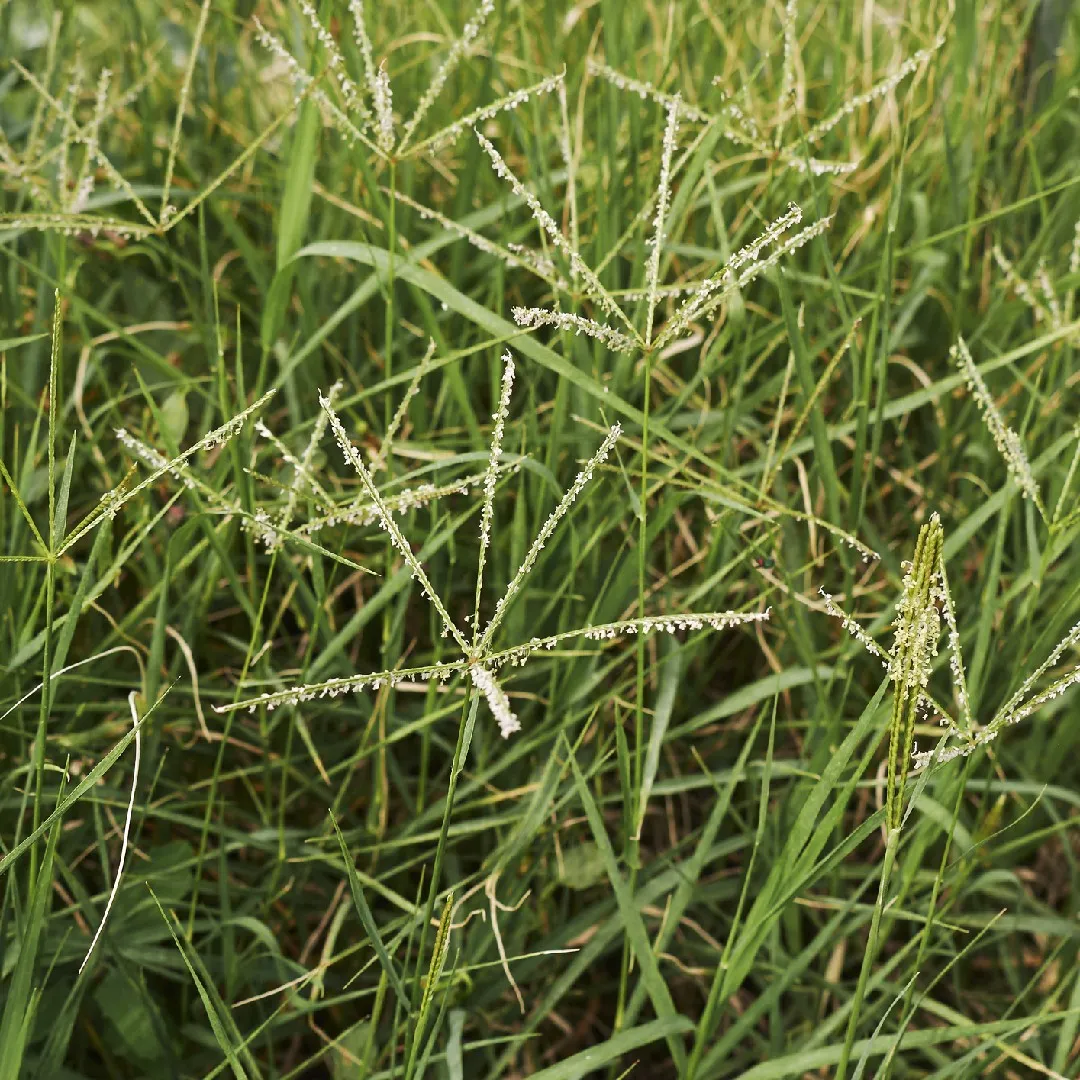
Cynodon dactylon
Cynodon dactylon
Bermuda grass
Takes over, water keeps it at bay, down low, creeps across; narrow leaves, flower head has 2-7 finger-like spikes in a cluster at the top of the stem
No known wildlife use
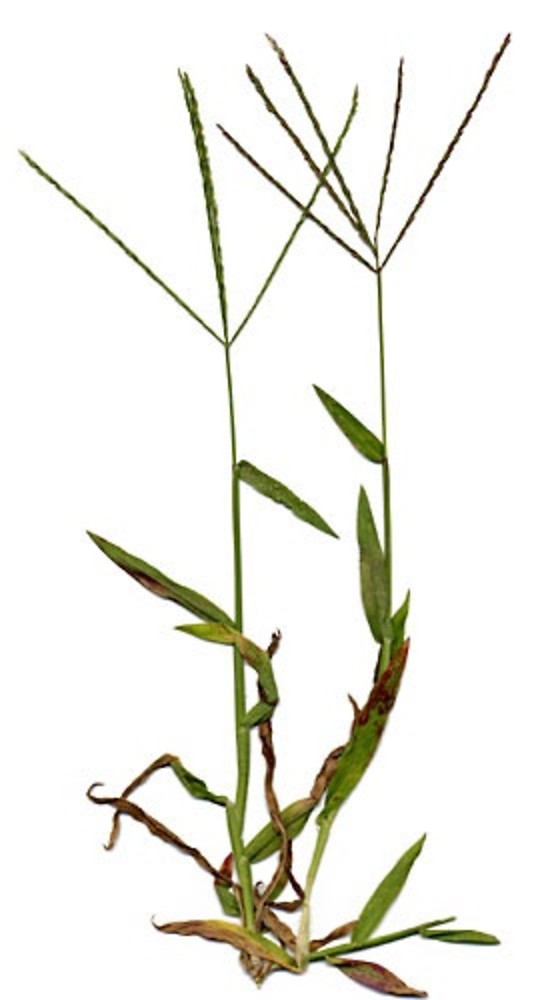
Digitaria spp.
Digitaria spp.
Crabgrass
Grass, small seed head, native and exotic, good seed producers; seed head has 2 rows of spikelets in a spiral
Mourning doves eat seeds
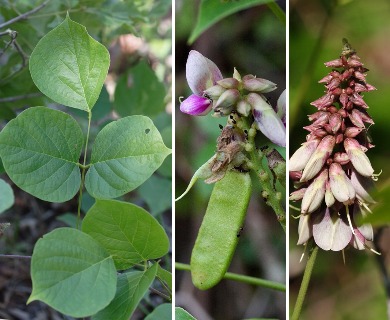
Dioclea multiflora
Dioclea multiflora
Boykin’s clusterpea
Legume, 3 leaves, pops up after fire, usually with kudzu but not insane like it, point at end of leaf, native, vine; alternate trifoliate leaves, cluster of flowers, woody vine
Not much wildlife use known
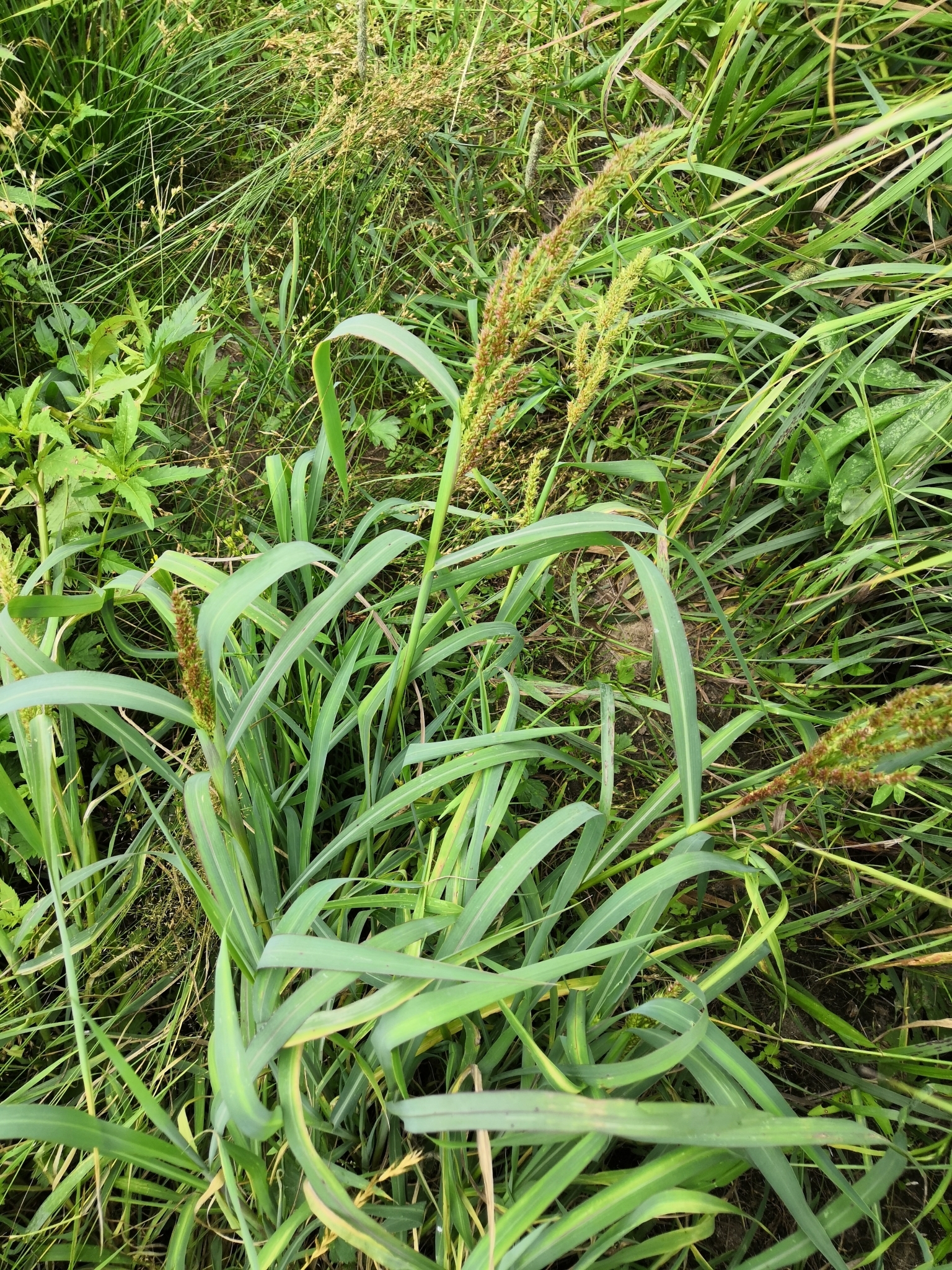
Echinochloa crus-galli
Echinochloa crus-galli
Barnyard grass
Good seed producers, robust grass, unique seed head, native, grass, grows in wetland or upland, native, jointed stem; flat, smooth leaves without ligule, stems often reddish at the base
Not much known for wildlife use
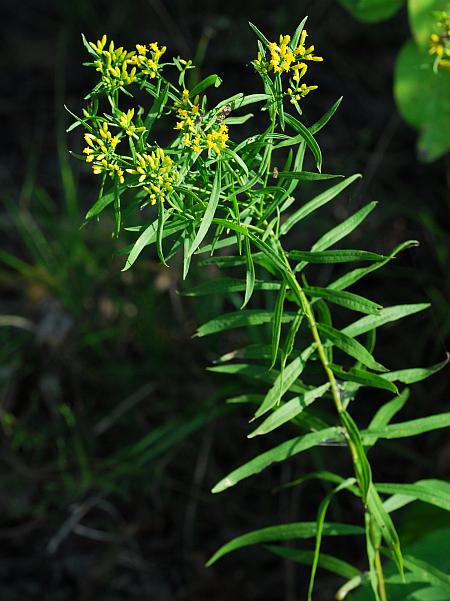
Euthamia spp.
Euthamia spp.
Slender goldentop
Unique smell, flowers sit on top not racemes like solidago, basil rosettes, forbe, native; narrow leaves
Good for pollinators with flowers on top, deer forage the greenery
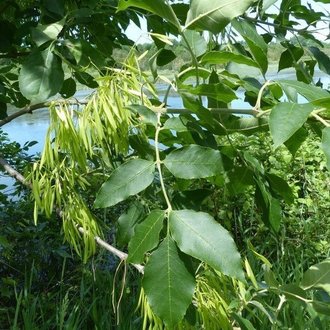
Fraxinus pennsylvanica
Fraxinus pennsylvanica
Green ash
Tolerates moisture, tree, compound leaves, green between leaves, native; leaves have 5-9 pointed leaflets
Seeds are good for turkeys and songbirds
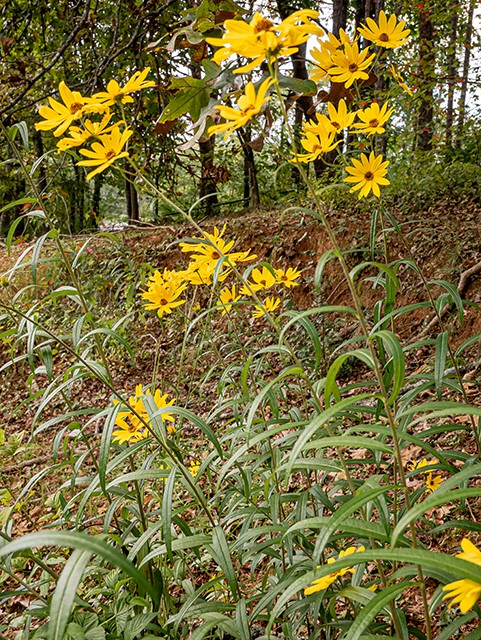
Helianthus angustifolius
Helianthus angustifolius
Narrowleaf sunflower, swamp sunflower
Very narrow leaves, can get tall, nice flowers, some seed production, forbe, native; narrow, dark green, rough-hairy leaves, bright yellow flowers
White tail deer forage
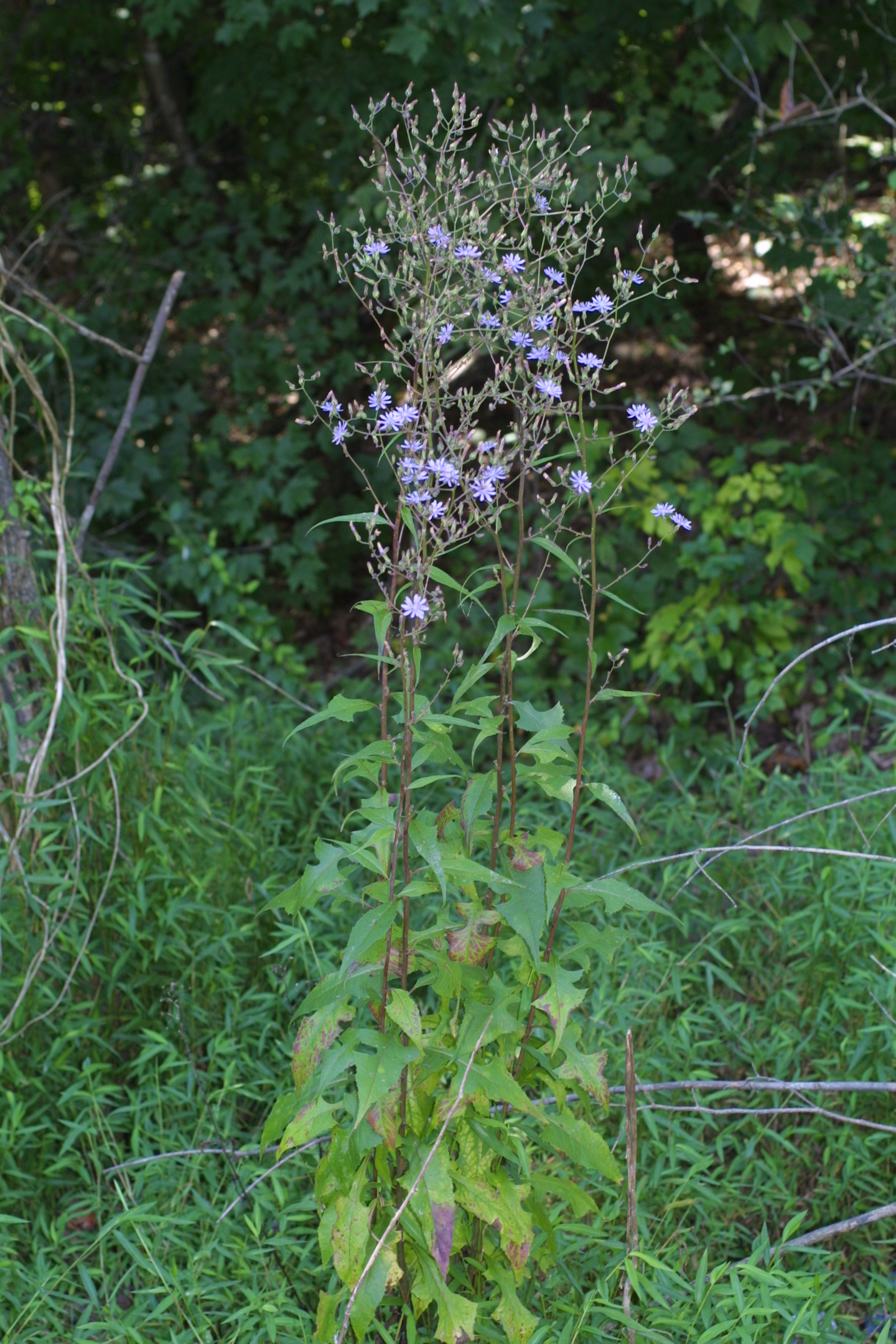
Lactuca floridana
Lactuca floridana
Woodland lettuce
Purple flowers on top, forbe, bilobed leaves, can be hard to find, natives, forbe; smooth, purple-green stems; produce milky sap when broken
Deer forage on it
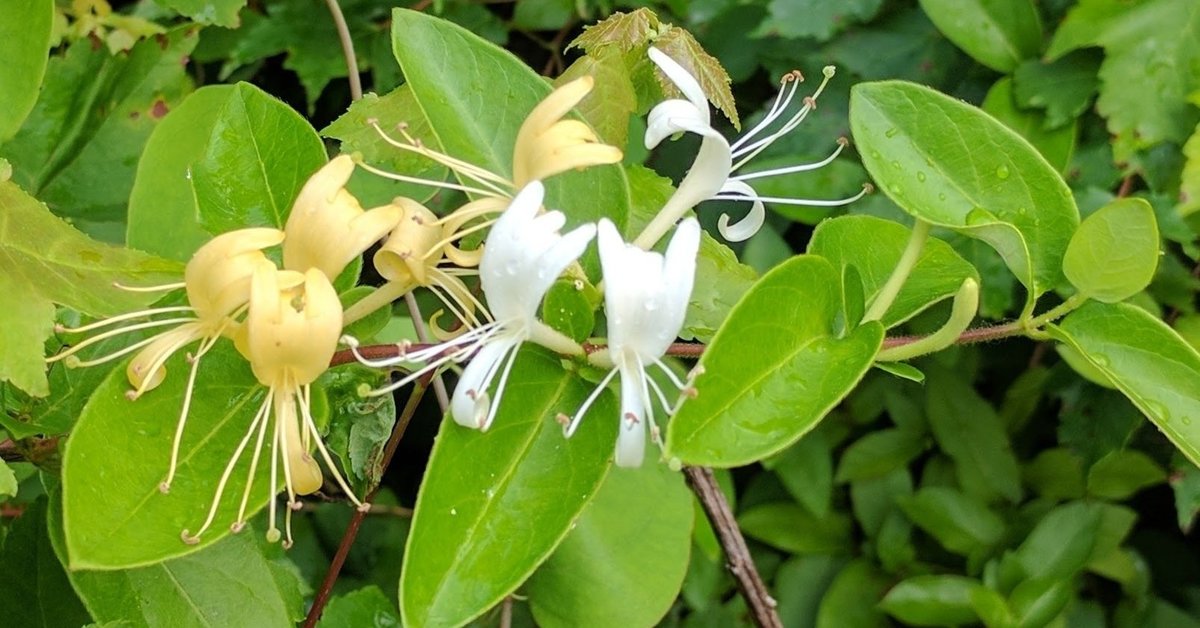
Lonicera japonica
Lonicera japonica
Japanese honeysuckle
Looks like dogbane, vine, does not have milky sap, fruiting bodies, honeysuckle, exotic; opposite leaves, honeysuckle that we know that has the nectar
Foraged on by white tail deer and rabbits, nectar in honeysuckle for pollinators (and us)
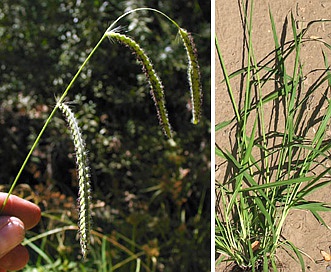
Paspalum dilatatum
Paspalum dilatatum
Dallisgrass
Short, seed head comes off at angle and has 1 terminal, grass, exotic, bad; flat, ovate, hairy spikelets in rows
Not good for wildlife
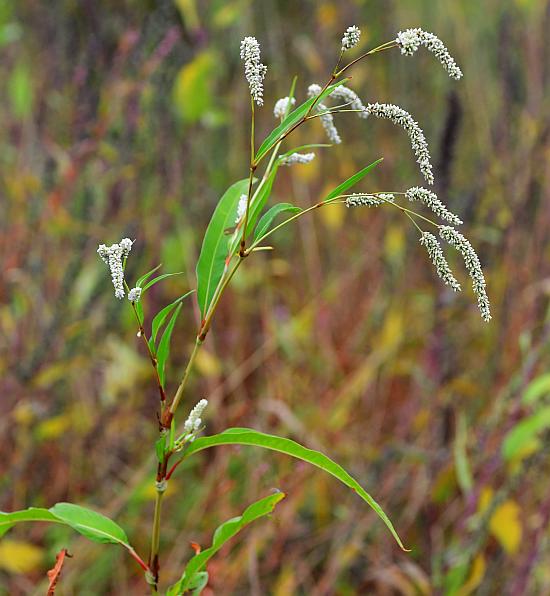
Persicaria spp.
Persicaria spp.
Water knotweed, water pepper
Native or exotic, can take over, long white flowers, tubed sheath, perineal and annual, forbe; alternate, lanced shaped leaves
Dabbling ducks eat the seeds
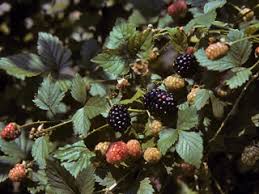
Rubus argutus
Rubus argutus
Sawtooth blackberry
Tall standing, 3-5 leaflets palmately compound, semiwoody vine, nasty thorns, ridges on stem, native, coverage
Fruit eating animals eat the berries, deer forage on it, and turkeys also eat the seeds and fruit
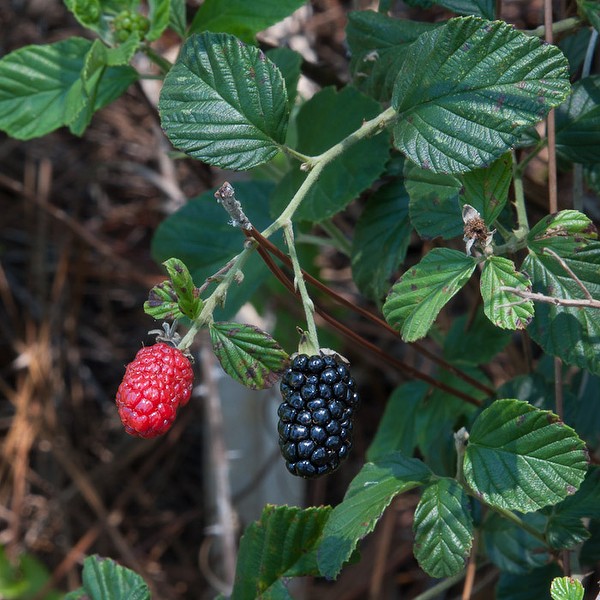
Rubus cuneifolius
Rubus cuneifolius
Sand blackberry
More trailing than other, different thorns, green vine, semiwoody, native, not as many berries; thick, wedge-shaped leaves, dark green on top and white on bottom due to hairs
Fruit eating animals again, deer forage on it
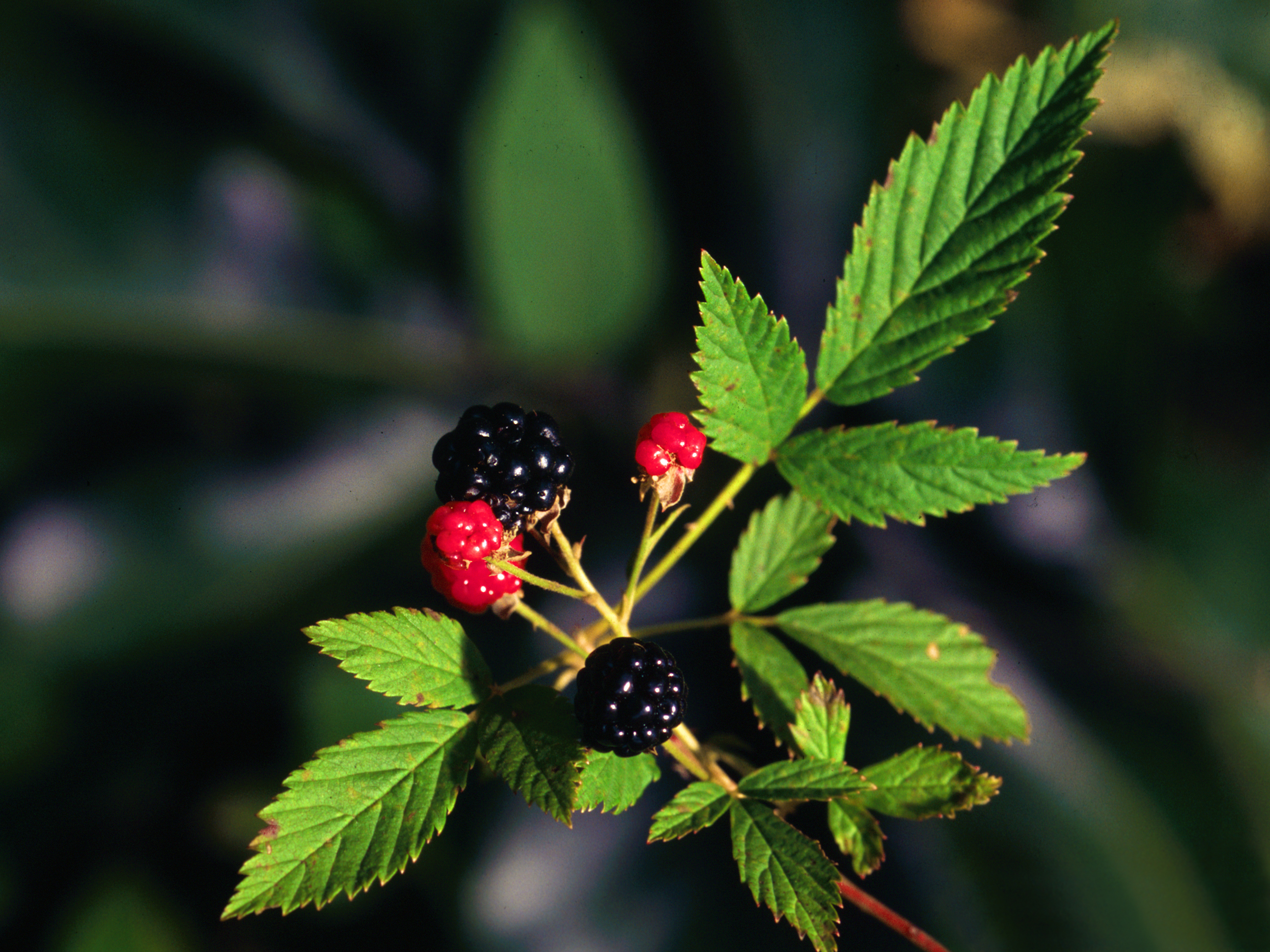
Rubus flagellaris
Rubus flagellaris
Dewberry
Purple fuzzy stem, a few thorns, common around people, native, vine; scattered, hooked prickles and palmately compound leaves with 3 to 5 serrated leaflets
Once again, fruit eating animals eat the fruit and deer can forage on it
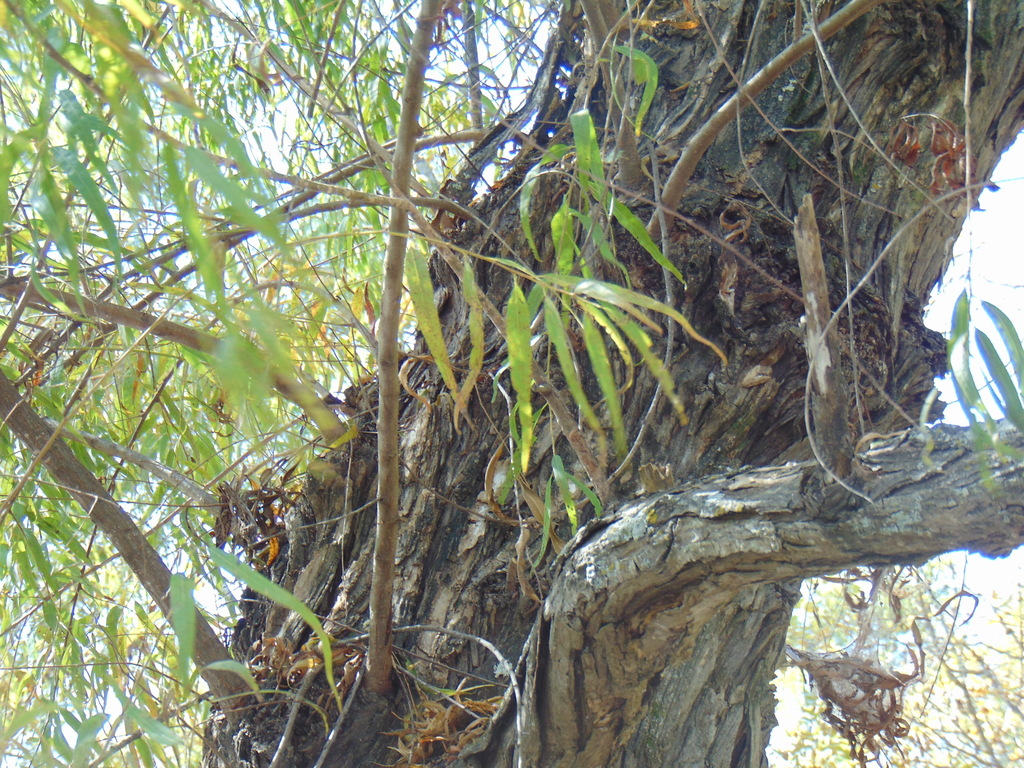
Salix nigra
Salix nigra
Black willow
Unique leaf shape, native, tree; dark, furrowed bark, narrow, finely toothed leaves (shiny top, light underneath)
Early nectar source for pollinators, beavers use it for their dams, sap suckers (?) eat the sap
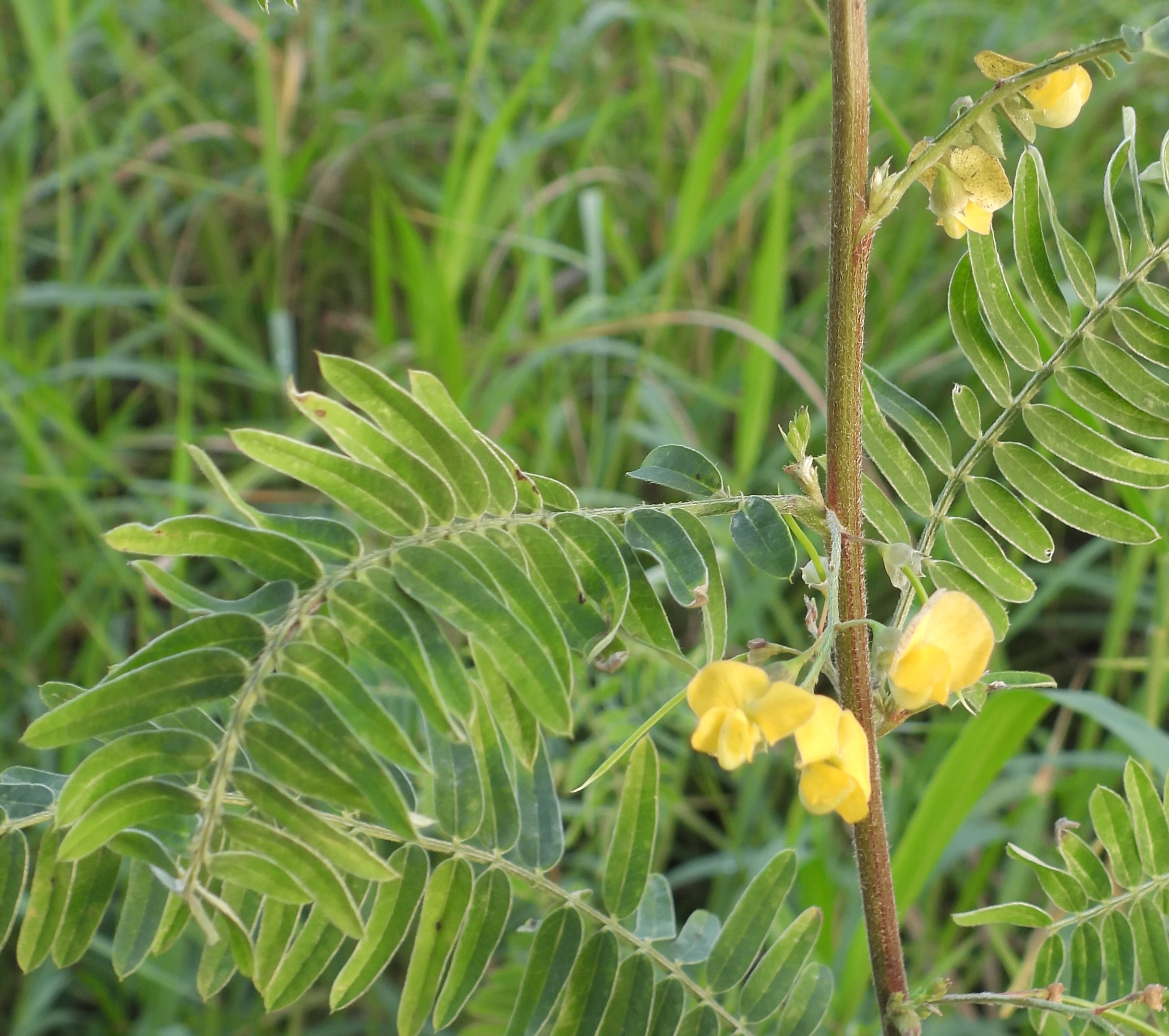
Sesbania herbacea
Sesbania herbacea
Coffee weed
Can be problematic, forbe, legume, native; looks like Chamaecrista but has many more leaflets
Dabbling ducks can eat the seeds
Setaria spp.
Setaria spp.
Foxtail
Like a small cattail, fuzzy seeds, naturalized but exotic, grass
No known wildlife use
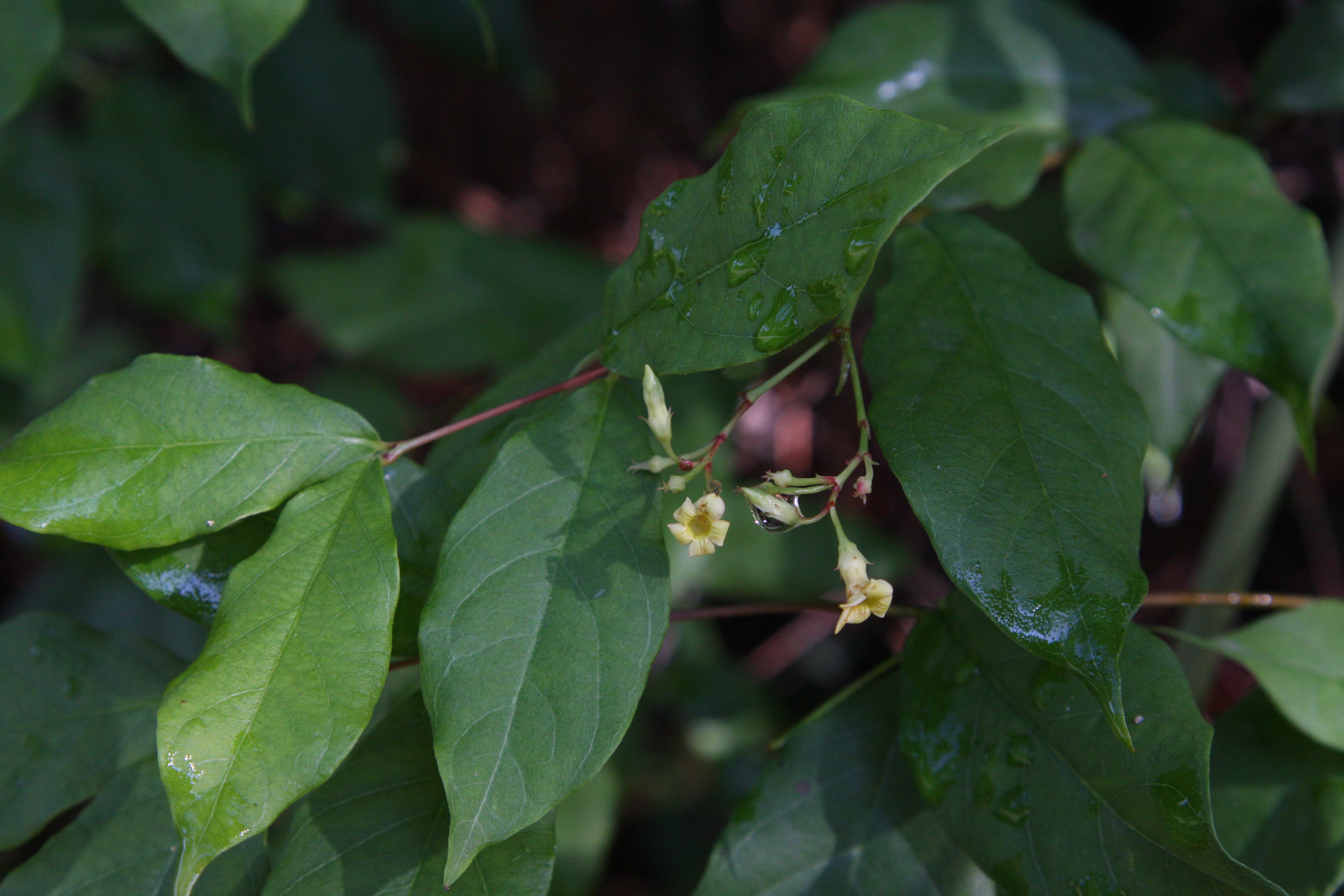
Trachelospermum difforme
Thyrsanthella difforme
Thyrsanthella difforme
Climbing dogbane
Woody vine, opposite leaves, milky sap when broken, different forms of leaves, venation prominent, native; pale yellow to greenish-yellow flowers with orange stripes on the inside of the funnelform corolla
Possible white tail deer forage, possible pollinator use
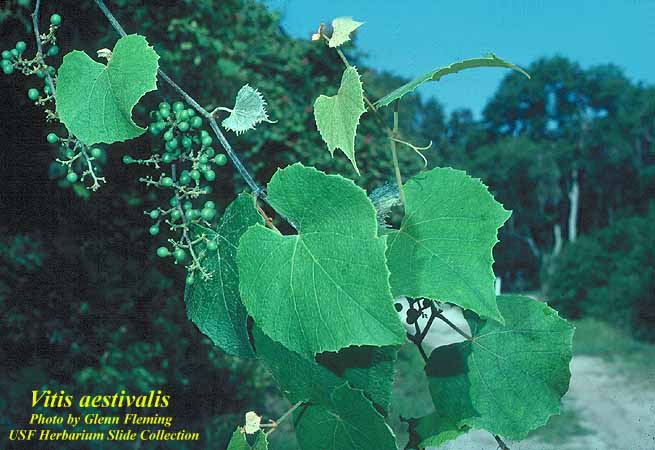
Vitis aestivalis
Vitis aestivalis
Summer grape
Up high, much bigger leaves, split tendril if they have them, heart shaped leaves, vine, fuzzier looking, soft mass fruit, native; peeling, reddish-brown bark, lobed leaves
White tail deer forage if it is low enough, fruit-eating animals
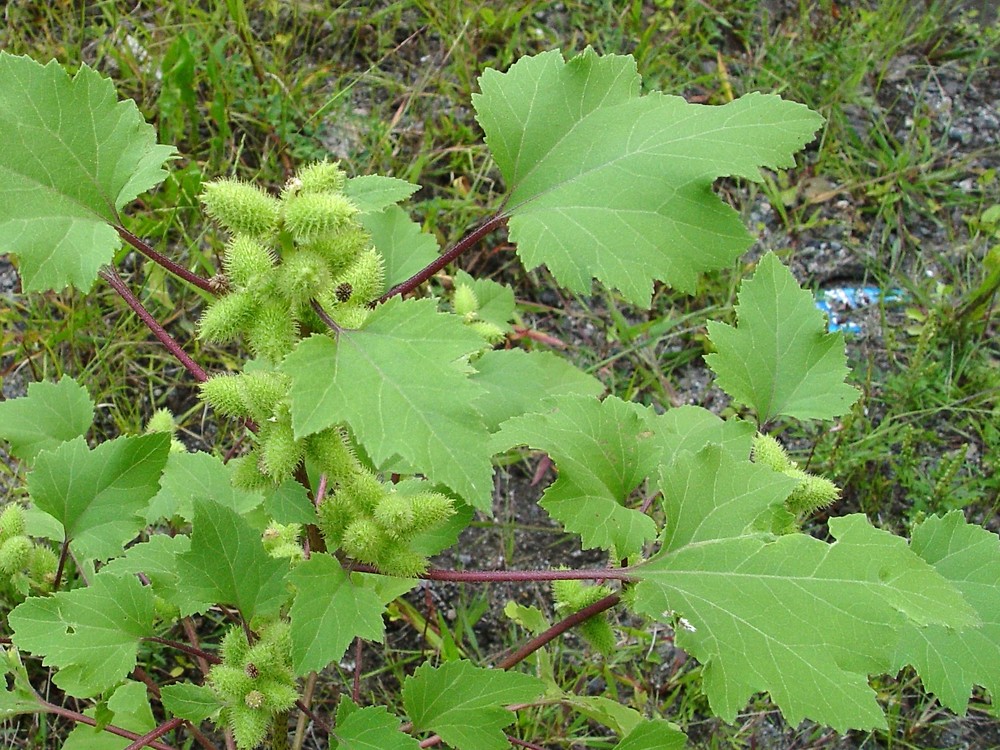
Xanthium strumarium
Xanthium strumarium
Rough cocklebur
Can take over areas a little bit, native, broad leaves, forbe
Insects eat the sap and foliage