Lecture Exam #2 review
 Call Kai
 Learn
Learn Practice Test
 Spaced Repetition
 Match
Match Flashcards
 Knowt Play
1/561

There's no tags or description
Looks like no tags are added yet.
Name | Mastery | Learn | Test | Matching | Spaced | Call with Kai |
|---|
No analytics yet
Send a link to your students to track their progress
562 Terms
Liver
The largest gland in the body,
located under the diaphragm in the upper right quadrant,
responsible for producing bile and performing numerous metabolic functions
Hepatocytes
The primary functional cells of the liver that process nutrients, store fat-soluble vitamins, and detoxify the blood
Bile
A yellow-green alkaline solution produced by the liver containing bile salts, pigments, cholesterol, and electrolytes
Bile Salts
Cholesterol derivatives in bile that function to emulsify fats, breaking them into smaller droplets for easier digestion
Bilirubin
The chief bile pigment, a waste product of heme, which is converted by bacteria in the small intestine to stercobilin, giving feces its brown color
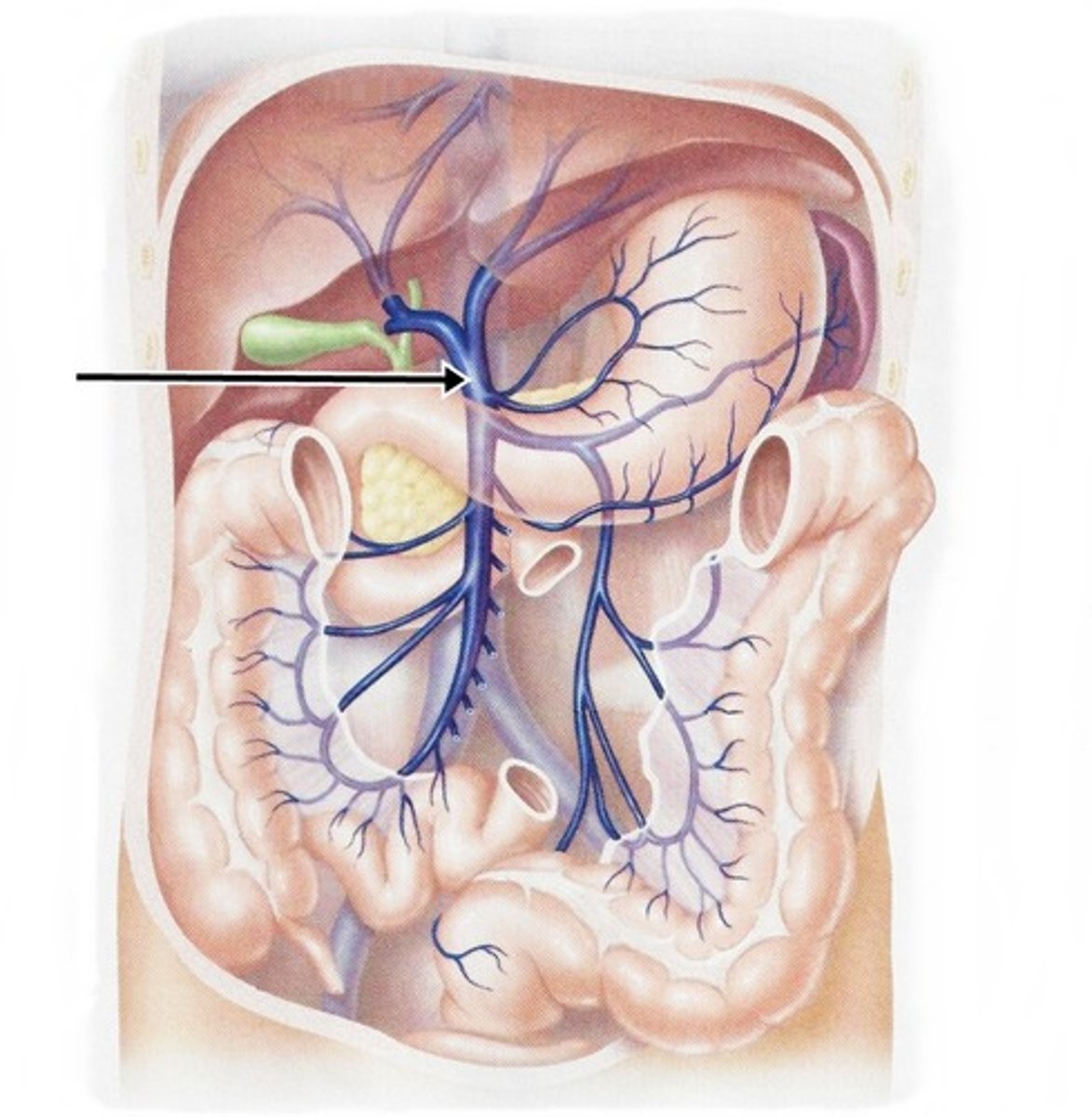
Hepatic Portal Vein
The vessel that carries nutrient-rich, deoxygenated blood from the digestive organs directly to the liver
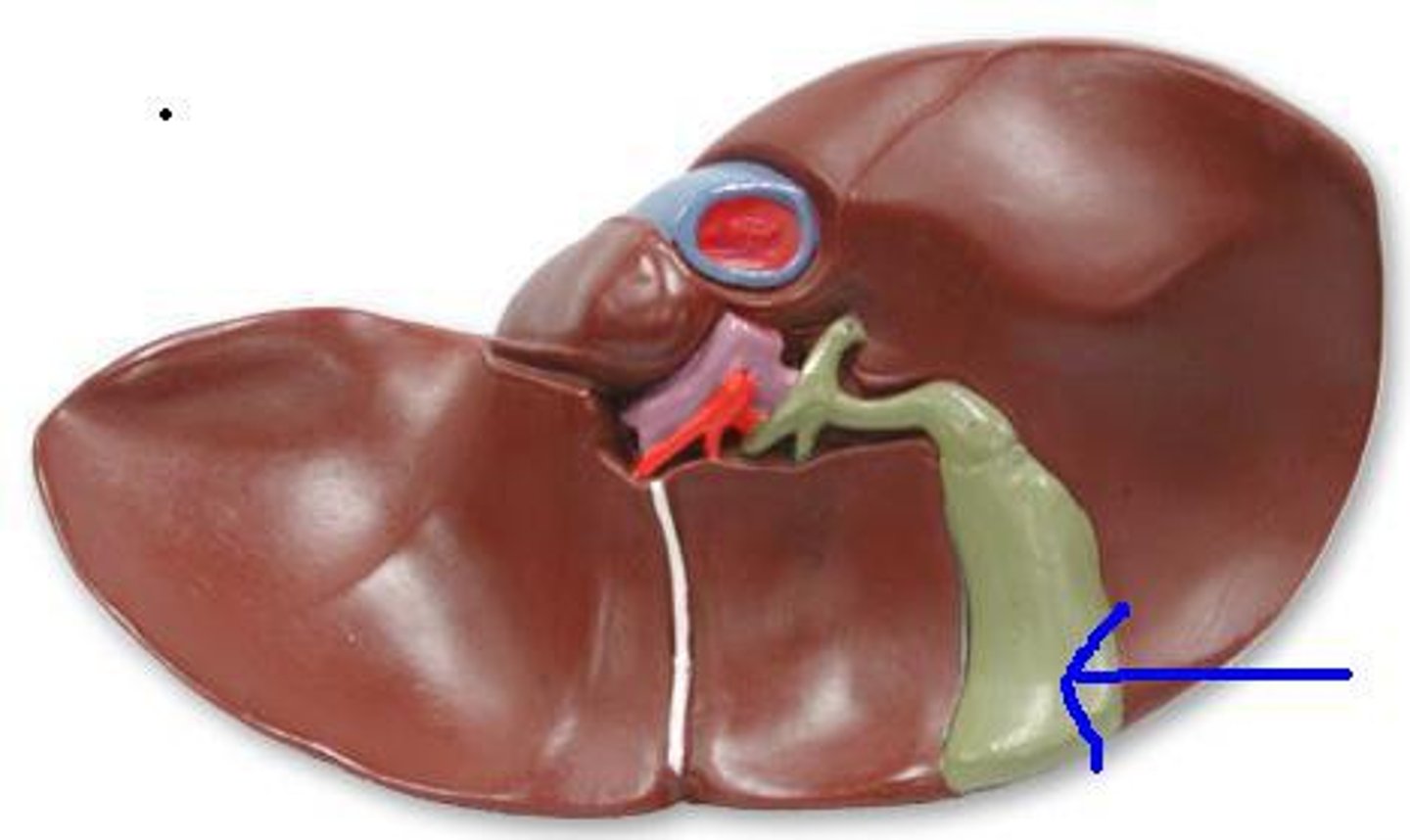
Gallbladder
A thin-walled muscular sac that stores and concentrates bile until it is needed in the small intestine
Cholecystokinin (CCK)
An intestinal hormone released in response to proteins and fats that triggers gallbladder contraction and pancreatic juice secretion
Pancreatic Juice
An alkaline mixture of water, enzymes, and electrolytes (mainly bicarbonate) that neutralizes acidic chyme and digests all food categories
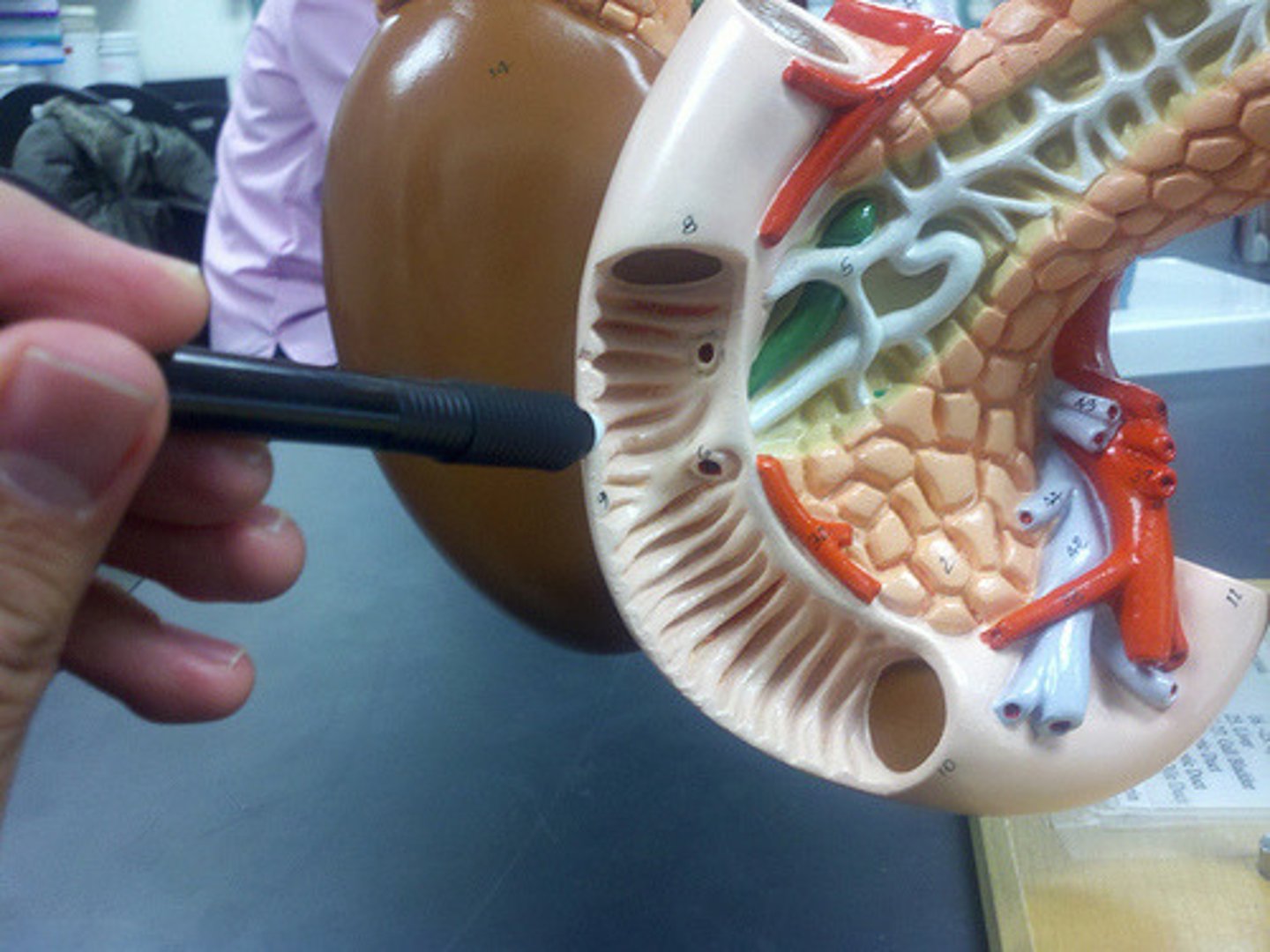
Small Intestine
The body's major digestive organ, where almost all nutrient absorption and the completion of chemical digestion occur
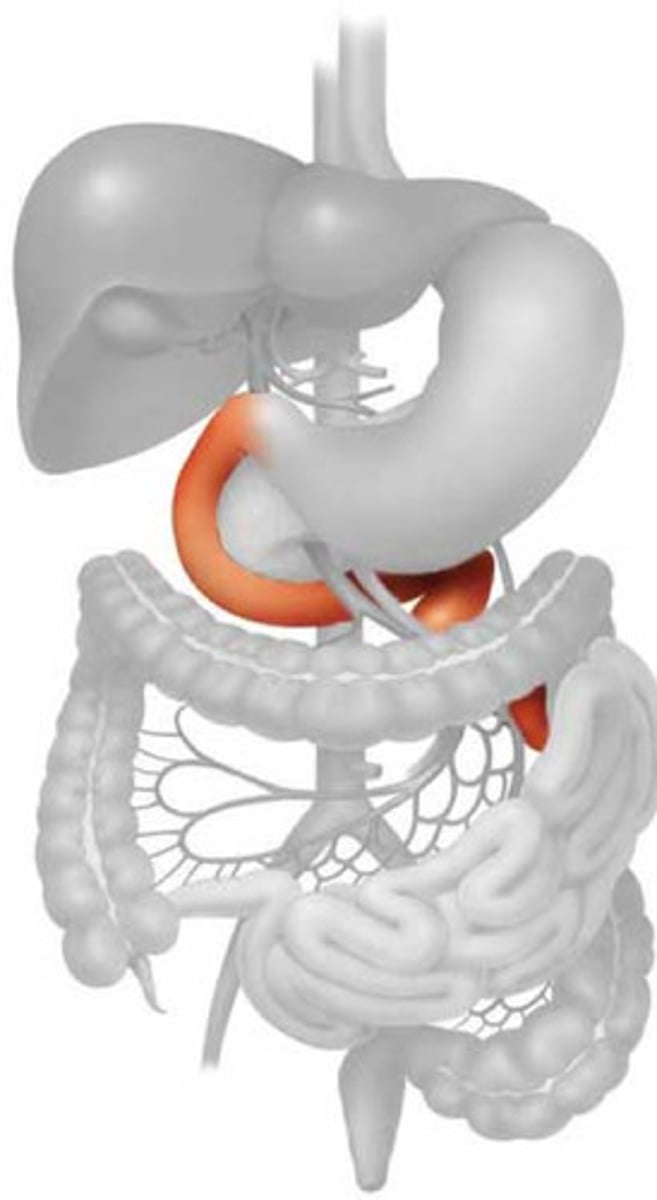
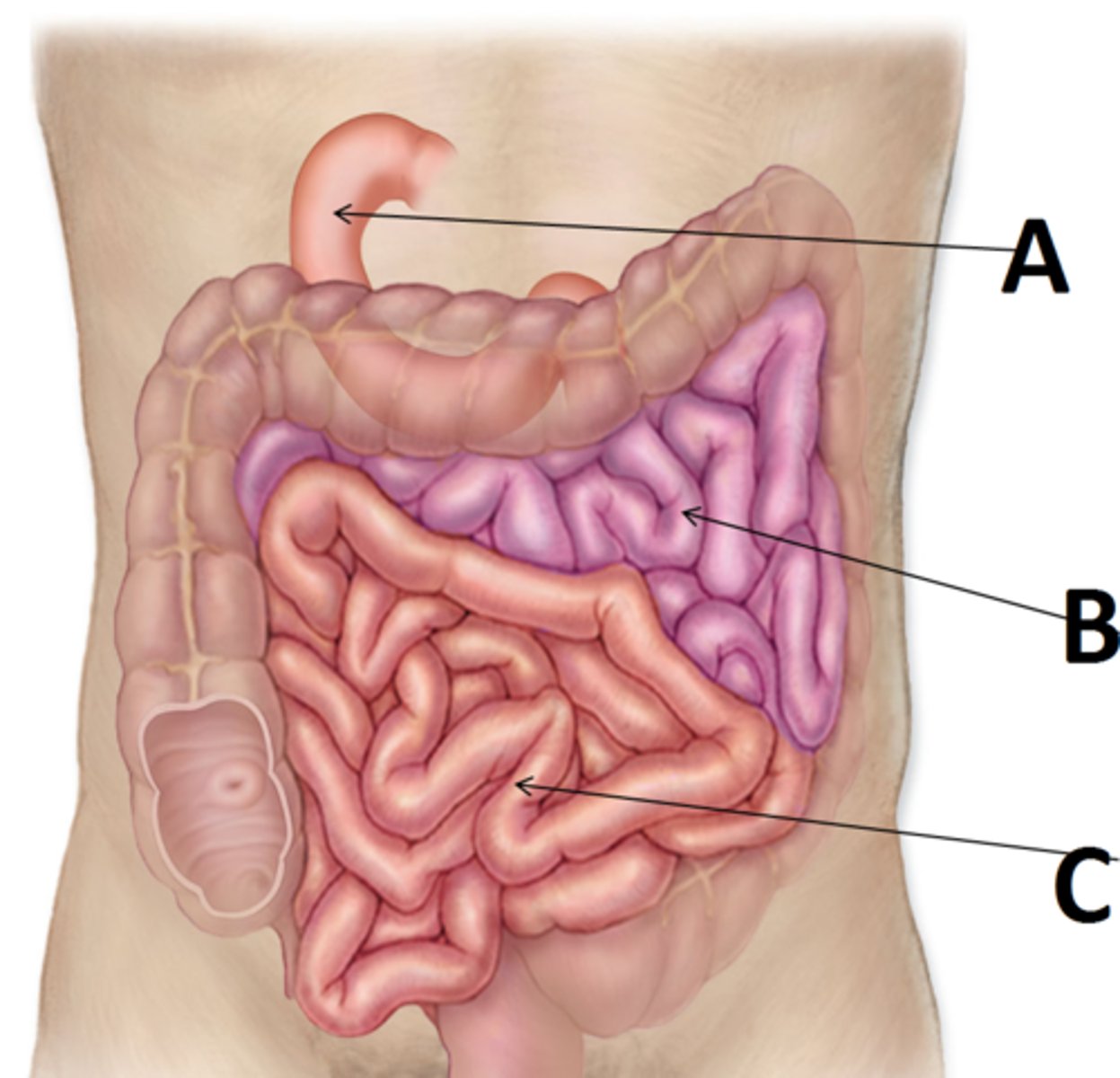
Duodenum
The first 10 inches of the small intestine where bile and pancreatic juice enter through the hepatopancreatic ampulla
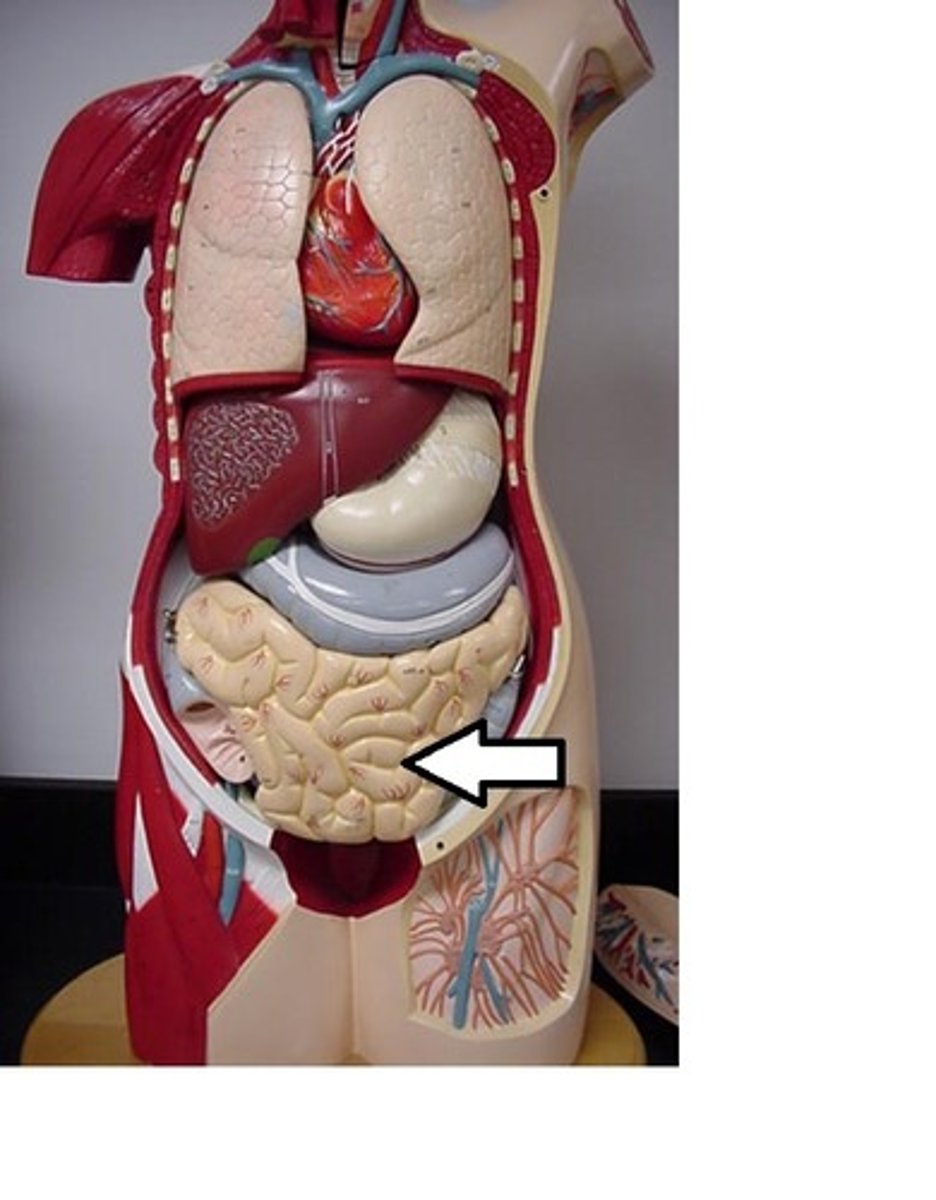
Jejunum
(B) The middle section of the small intestine (approx. 8 feet long) where the majority of nutrient absorption takes place
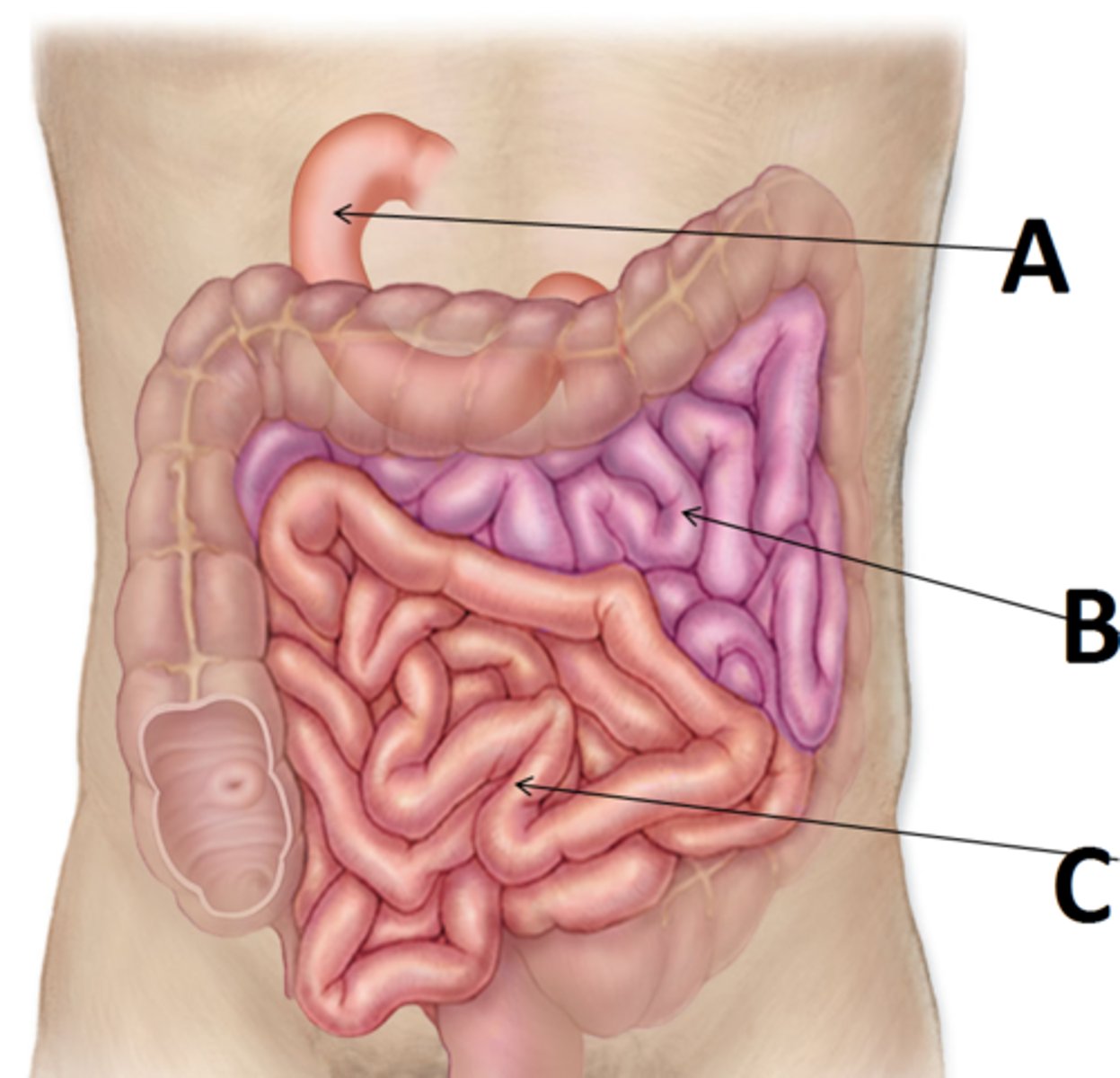
Ileum
(C) The final 12-foot section of the small intestine that joins the large intestine at the ileocecal valve
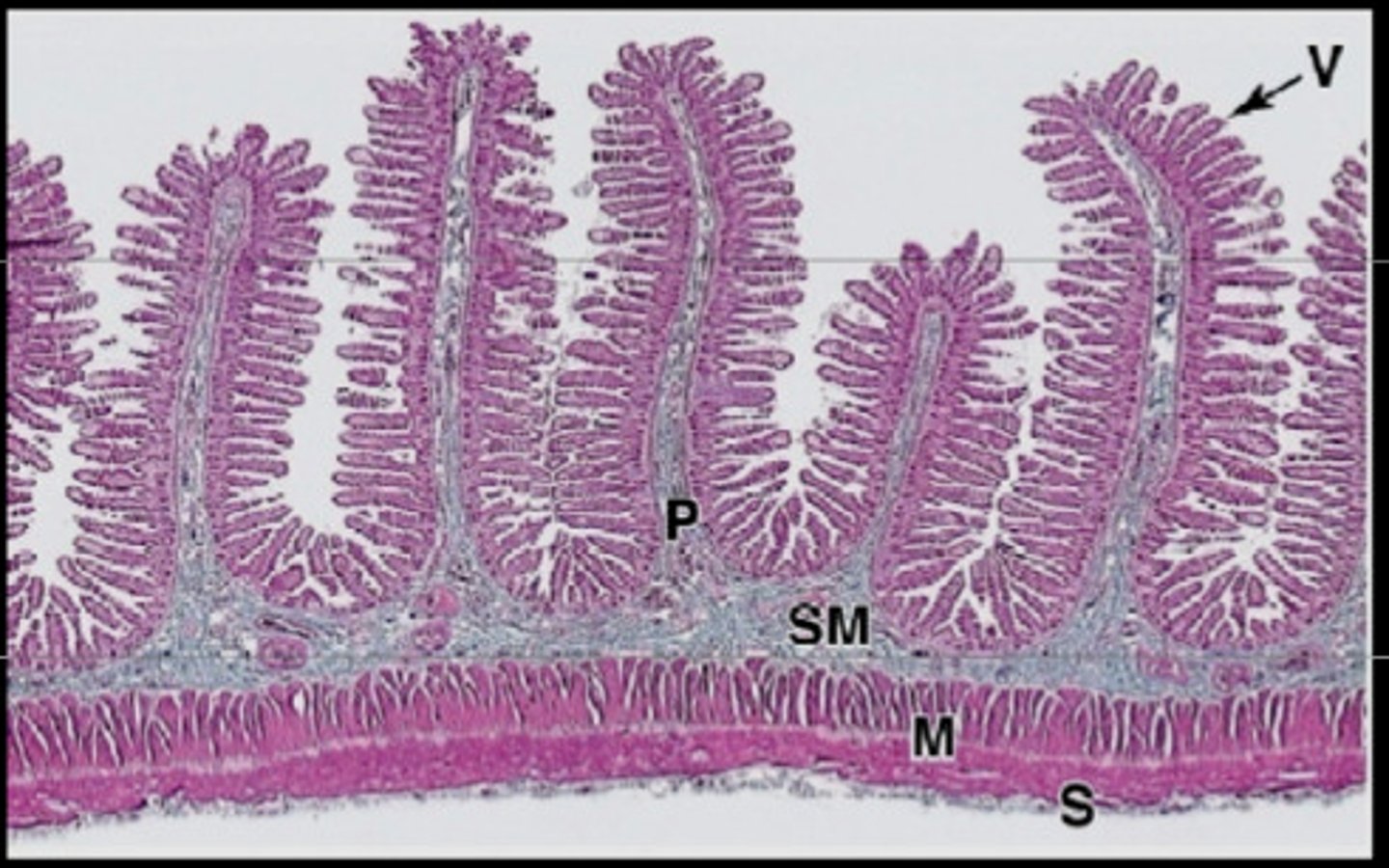
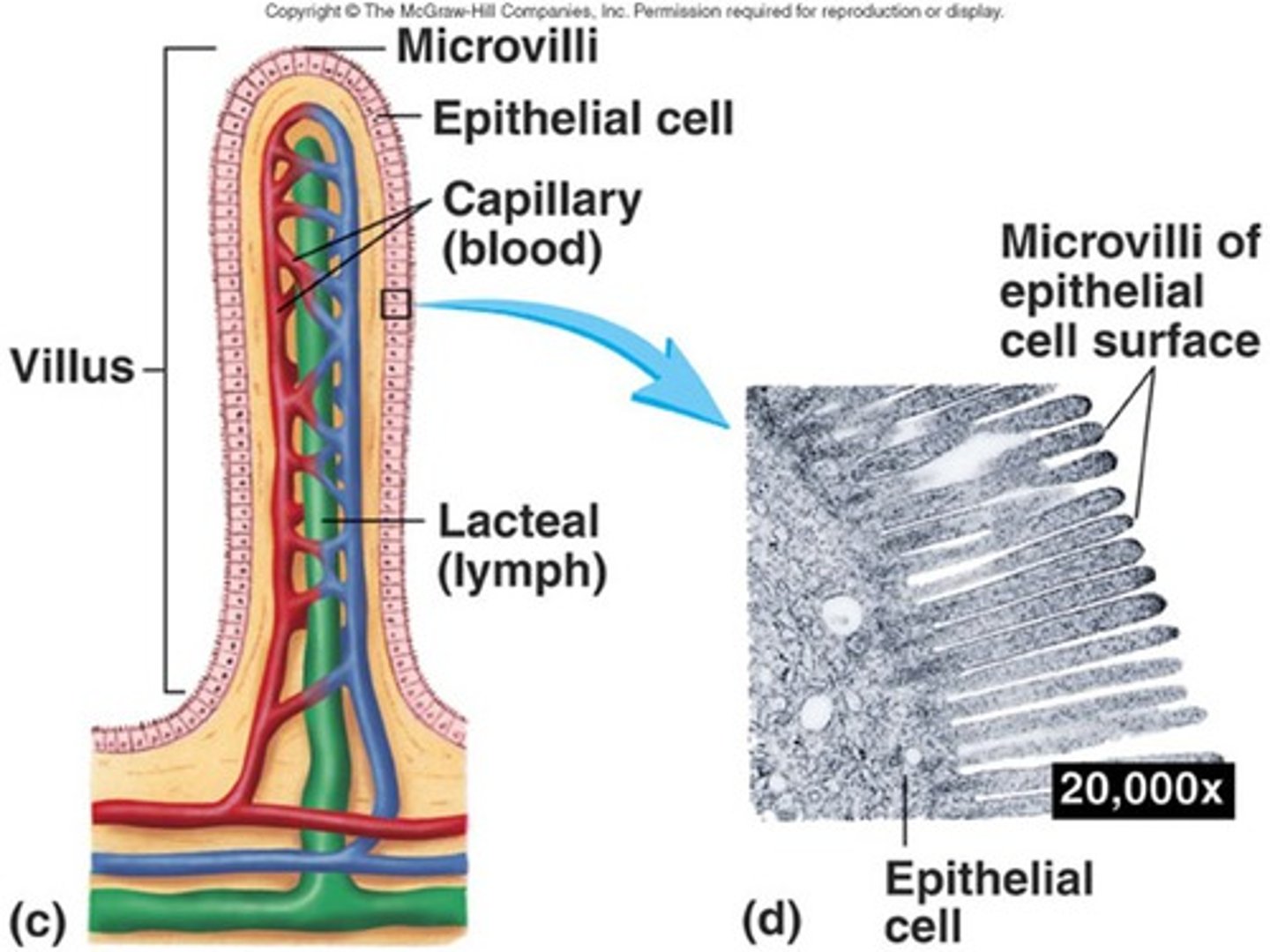
Villi
Fingerlike projections of the intestinal mucosa that increase surface area and contain blood capillaries and lymphatic lacteals
Microvilli
Tiny projections of the plasma membrane on absorptive cells that form the "brush border" and contain digestive enzymes
Intestinal Juice
A watery, slightly alkaline secretion produced by the intestinal glands that helps facilitate the transport and absorption of nutrients
Segmentation
Localized rhythmic constrictions of the small intestine that mix food with digestive juices and increase the rate of absorption
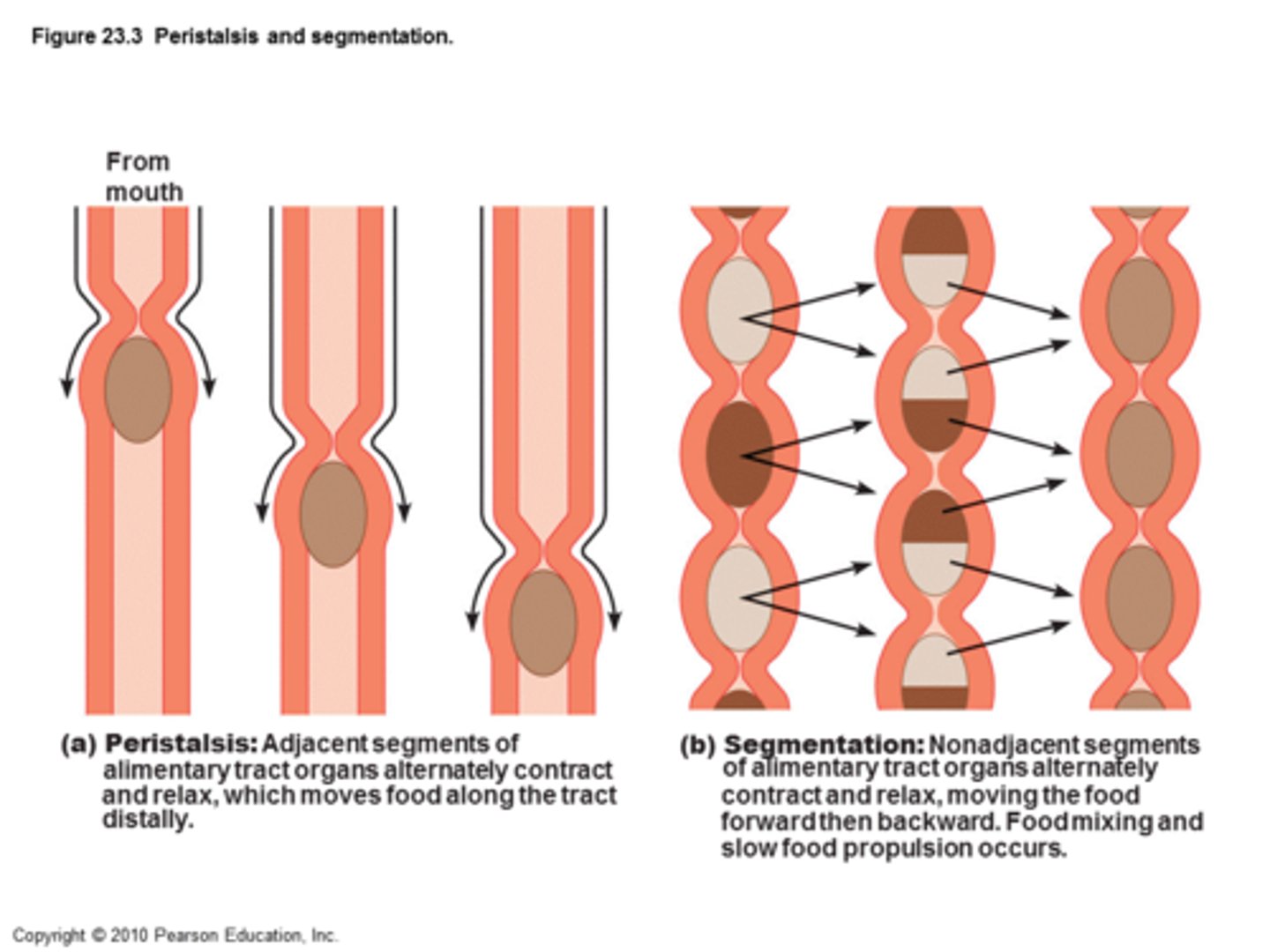
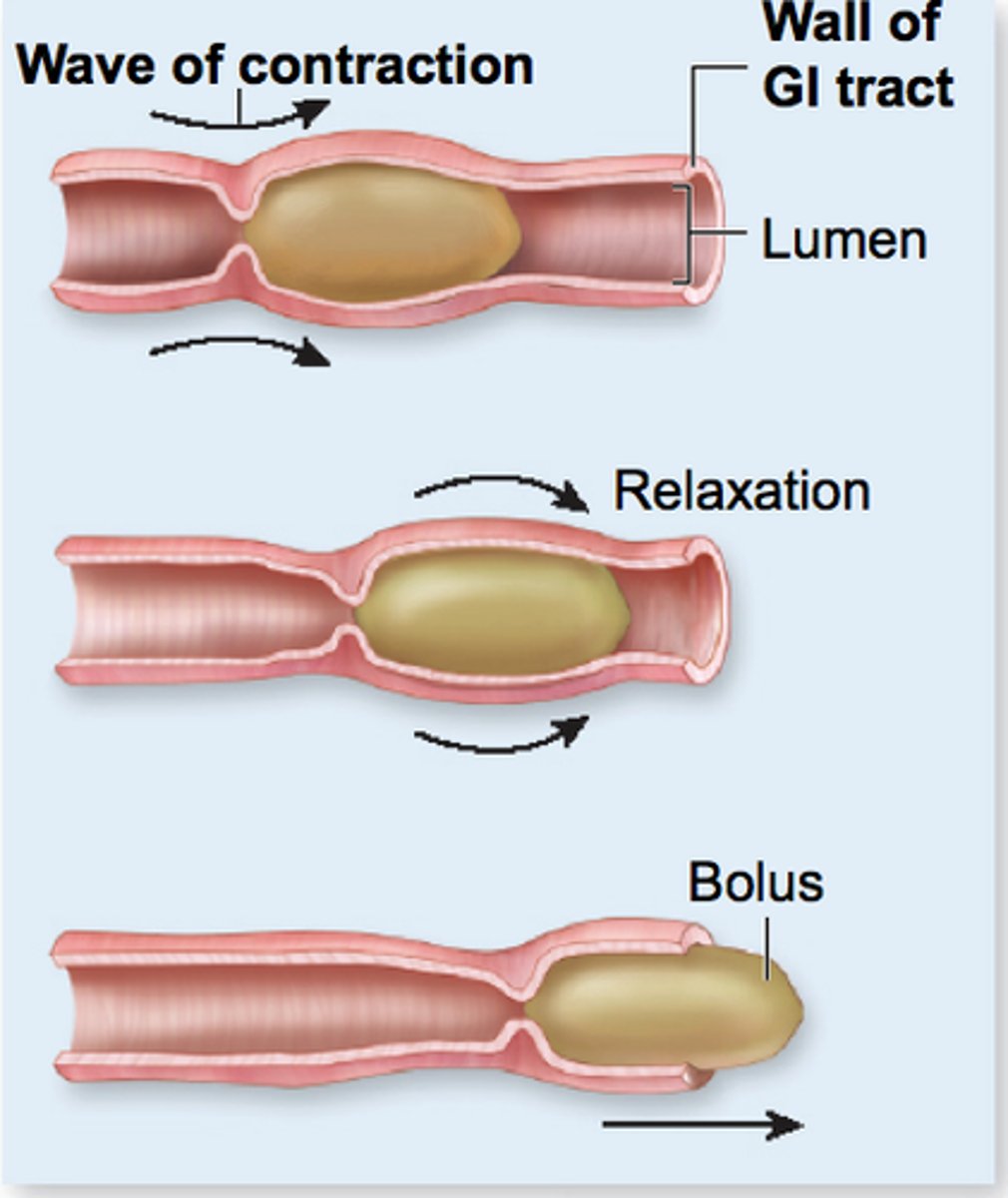
Peristalsis
Rhythmic, wave-like contractions of smooth muscle that move food and waste through the gastrointestinal tract
Salivary Amylase
An enzyme in the mouth that initiates the chemical breakdown of starches into smaller sugars
Pepsin
A stomach enzyme that begins the chemical digestion of proteins into smaller peptide chains
Pancreatic Lipase
The primary enzyme responsible for breaking down triglycerides into fatty acids and monoglycerides in the small intestine
Micelles
Spherical complexes of bile salts and fatty acids that transport lipids to the intestinal surface for absorption
Chylomicrons
Lipoprotein particles formed in intestinal cells that transport absorbed fats into the lymphatic system via lacteals
Large Intestine
The final segment of the GI tract, primarily involved in water and electrolyte absorption and the elimination of feces
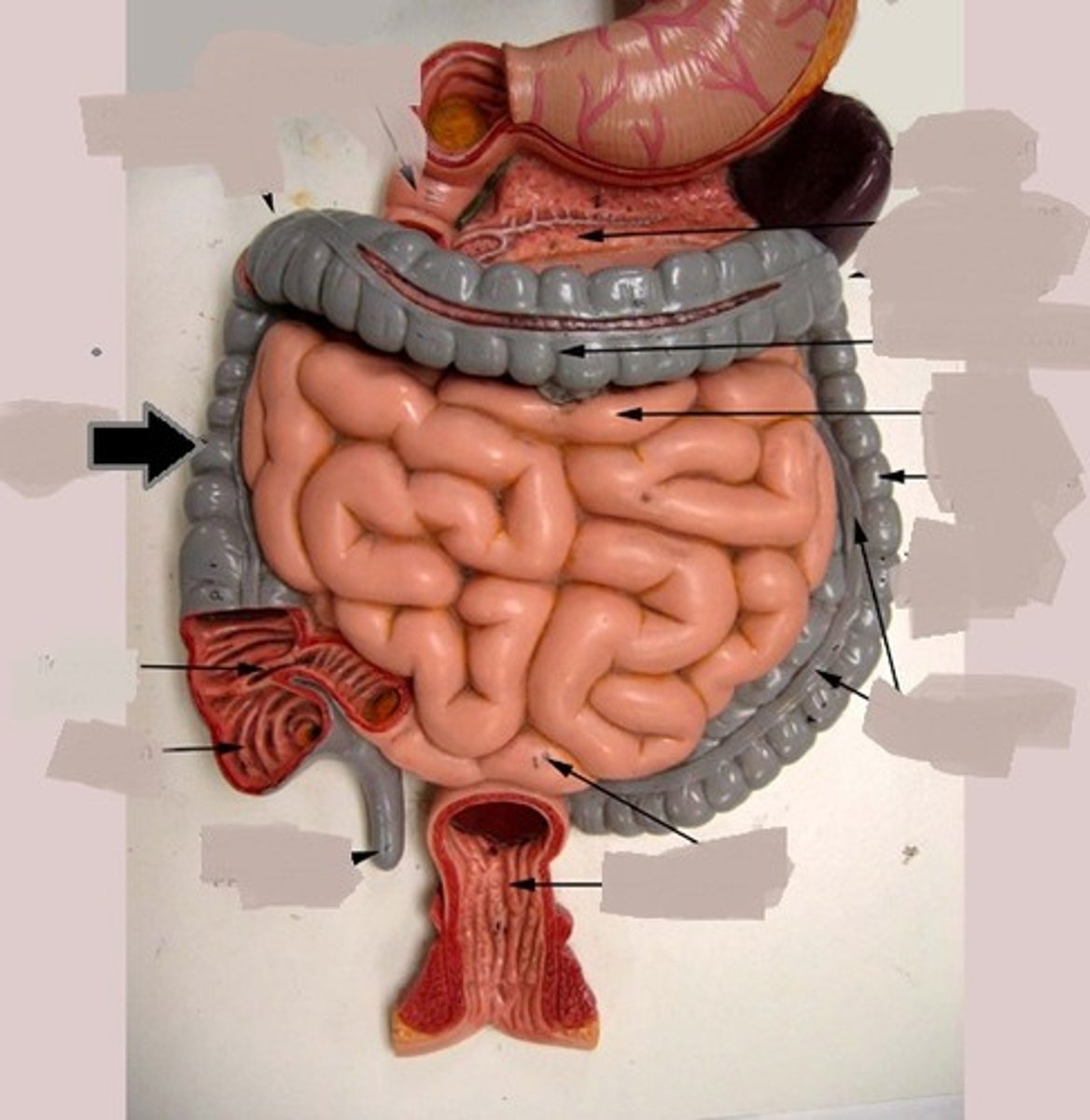
Cecum
The blind-ended pouch that marks the beginning of the large intestine, located just below the ileocecal valve
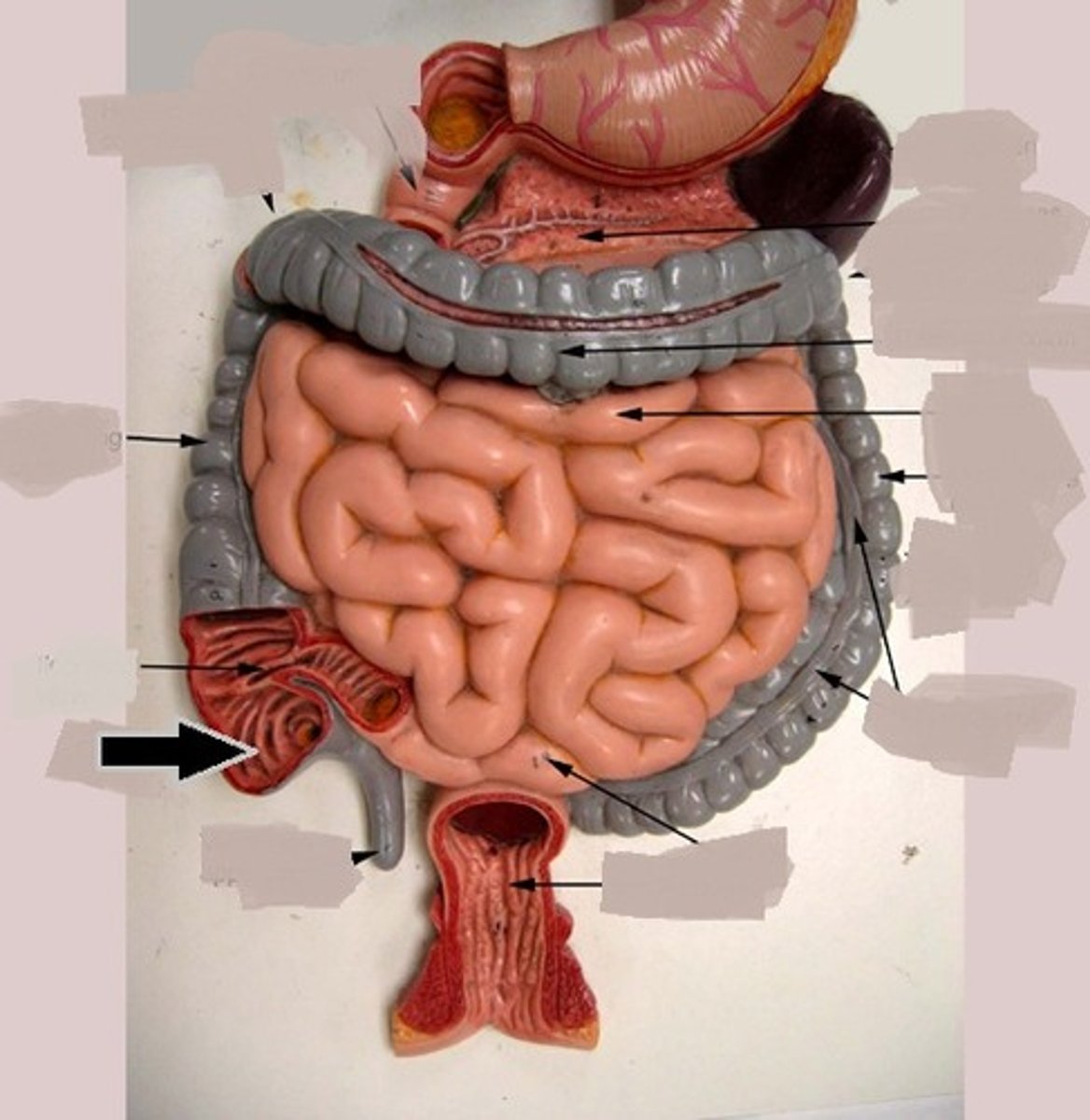
Appendix
A small, finger-like projection of the cecum containing lymphoid tissue and acting as a bacterial storehouse
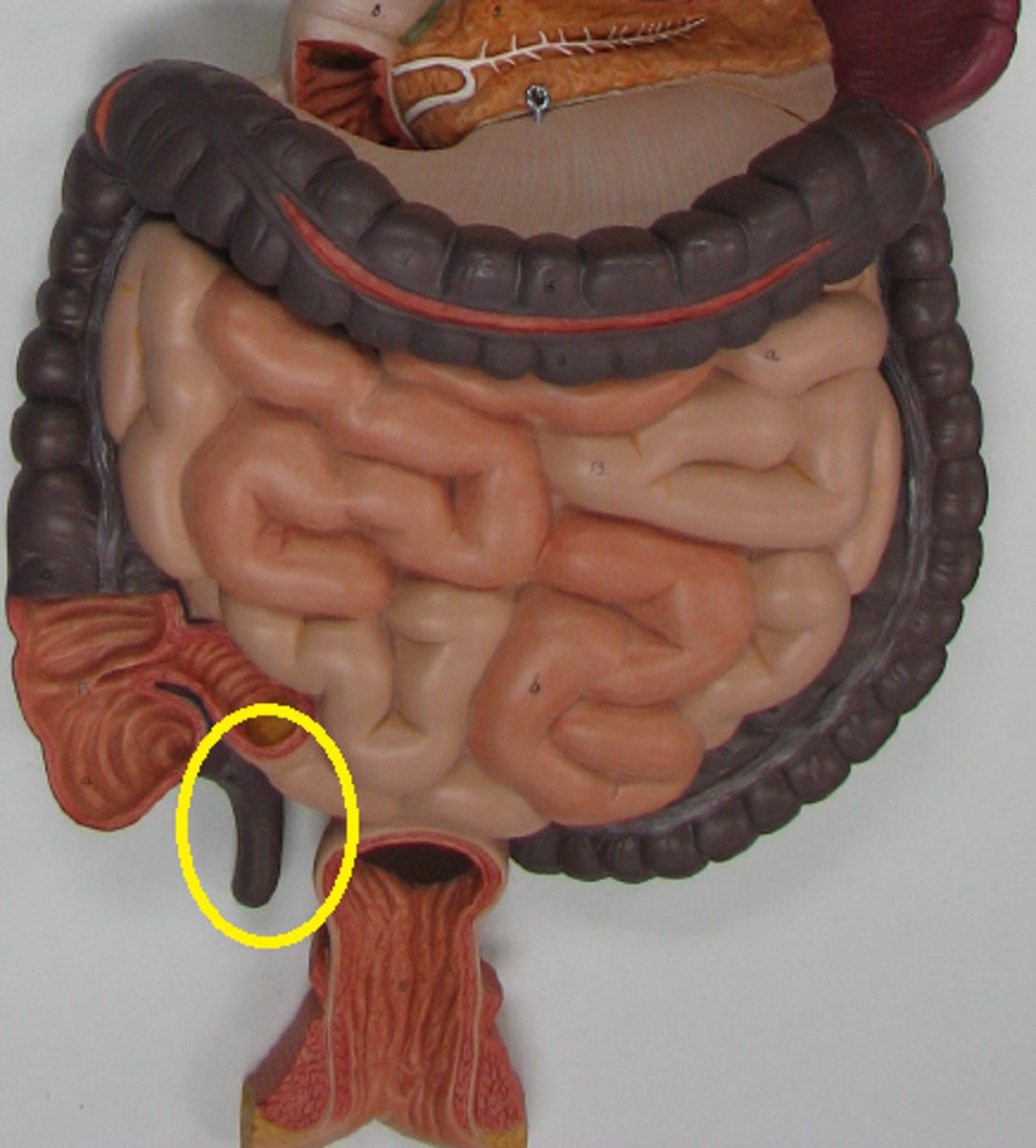
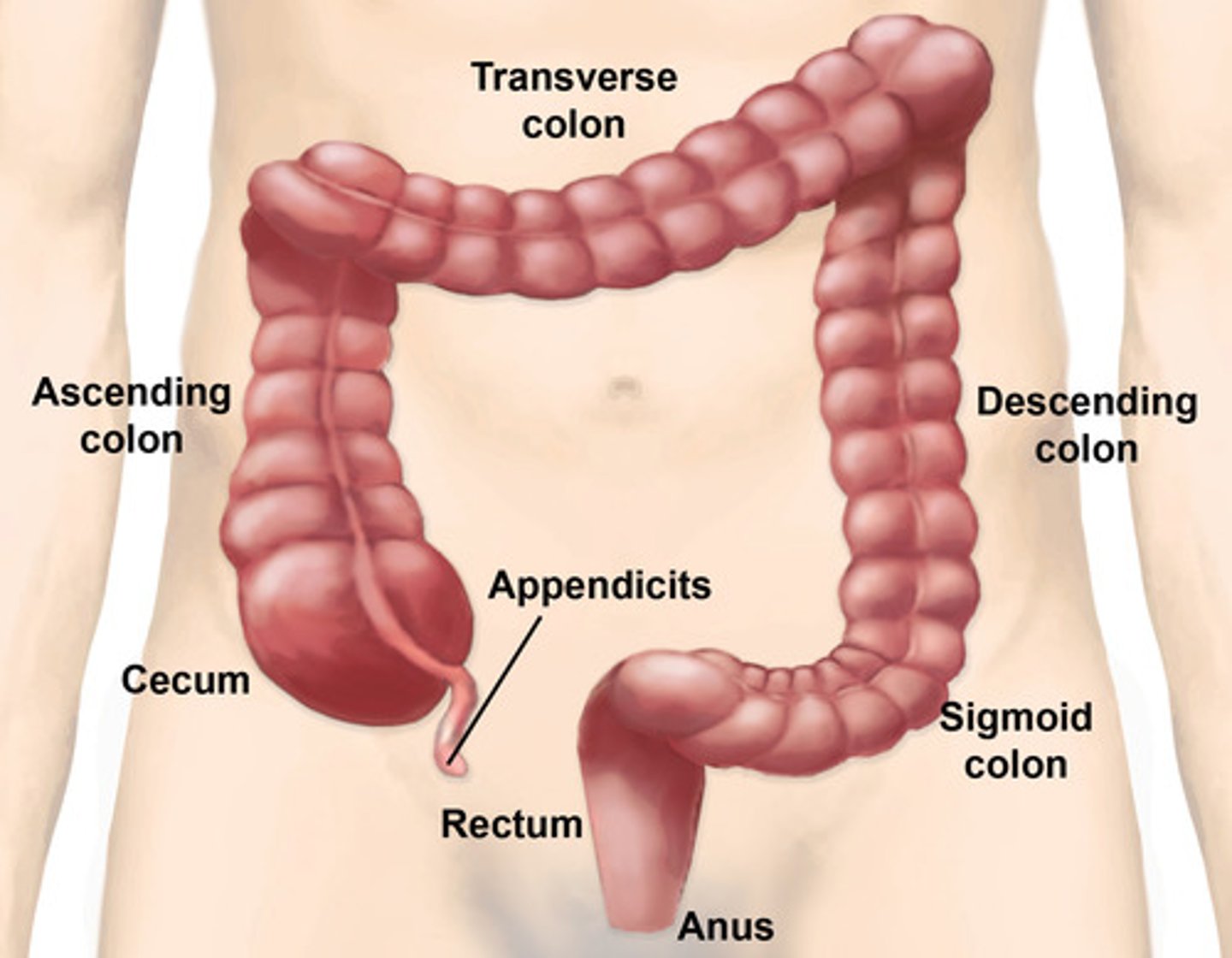
Colon
The main portion of the large intestine, divided into ascending, transverse, descending, and sigmoid regions
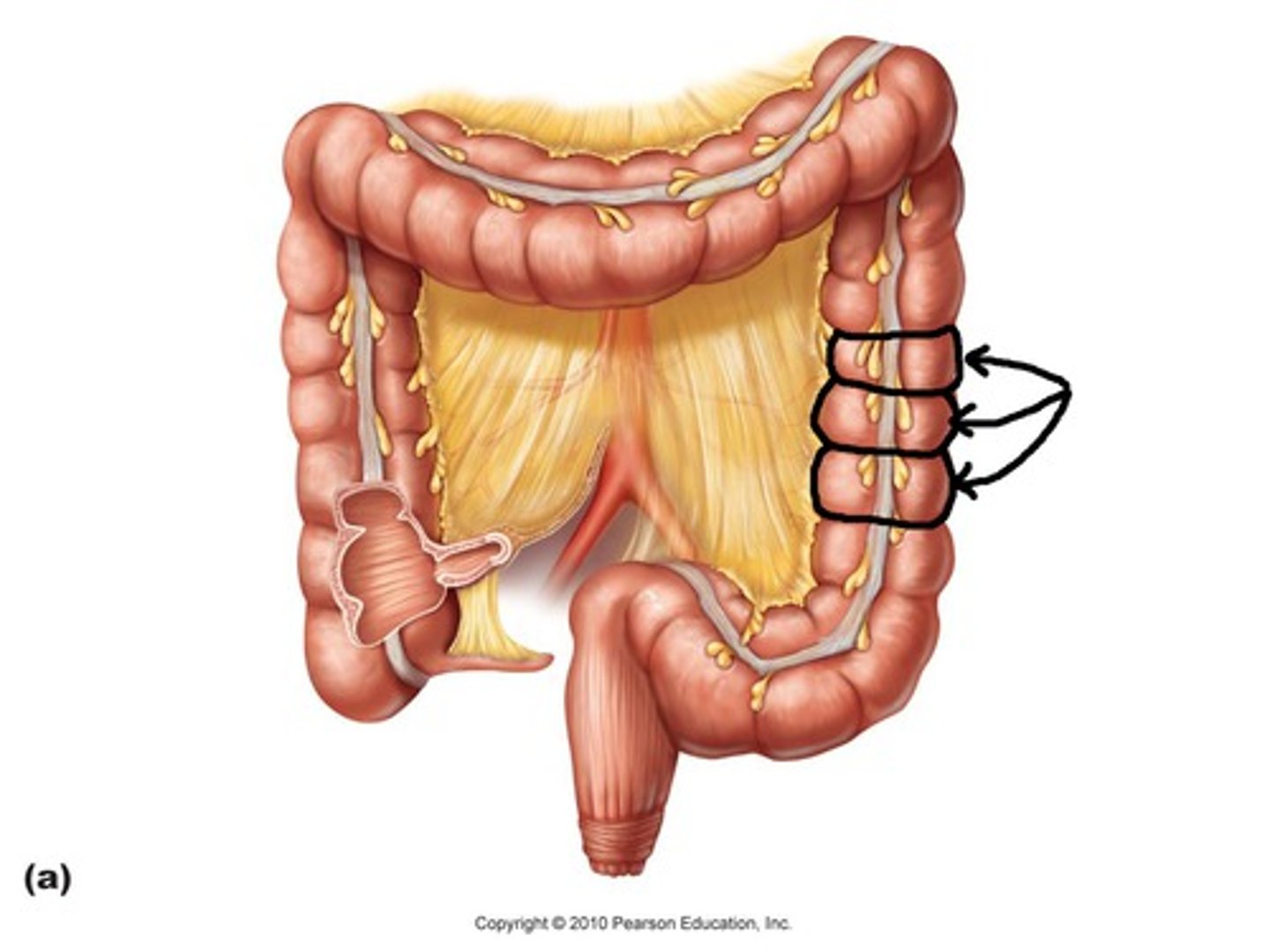
Haustra
Small, pocket-like sacs in the wall of the large intestine created by the muscle tone of the teniae coli
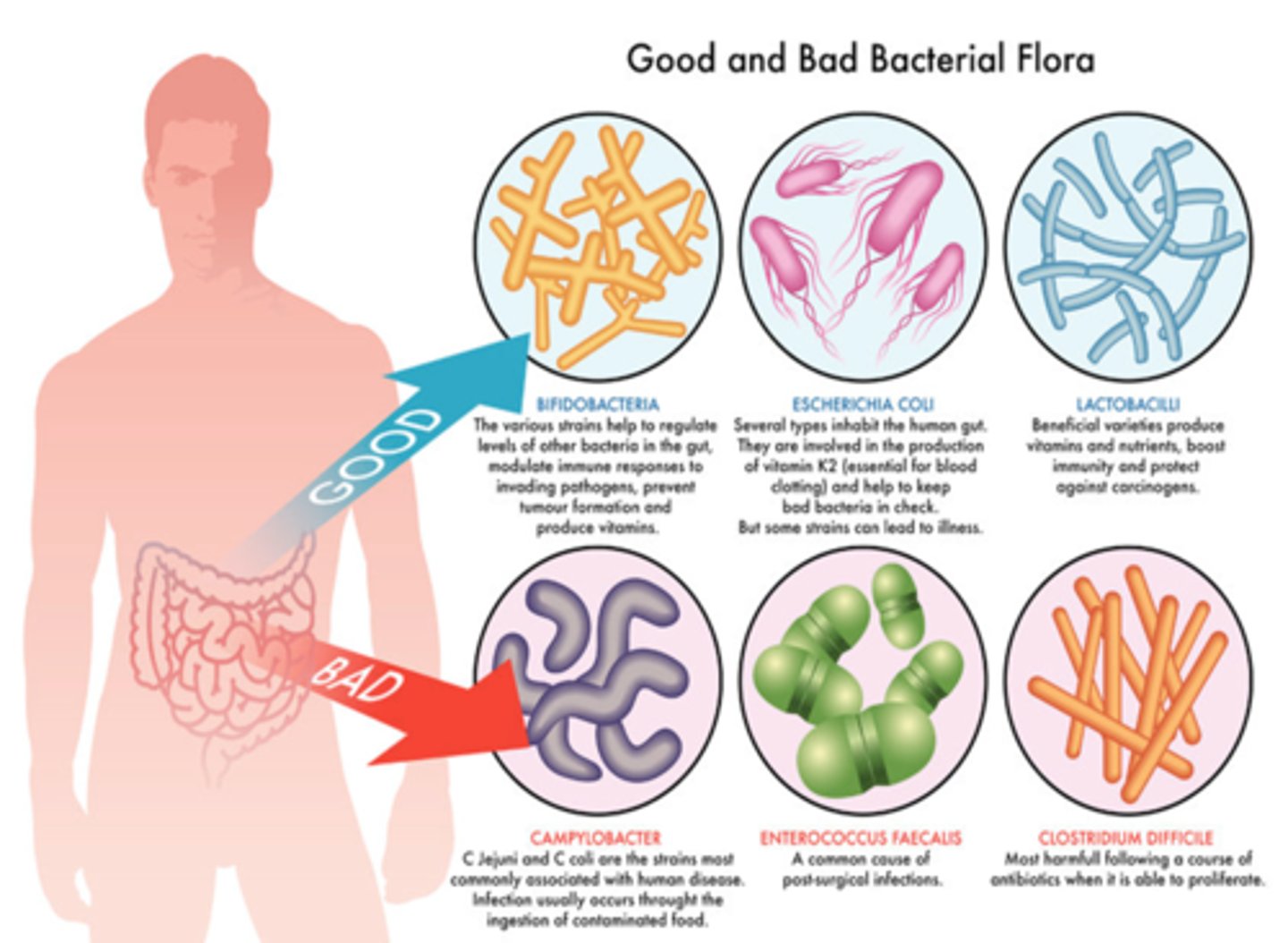
Bacterial Flora
Microorganisms in the large intestine that ferment indigestible carbohydrates and synthesize B complex vitamins and vitamin K
Defecation Reflex
A parasympathetic reflex stimulated by rectal stretching that causes the internal anal sphincter to relax and the rectal wall to contract
Mastication
The mechanical process of chewing where the cheeks and lips hold food between the teeth and the tongue compacts it
Saliva
A fluid that cleanses the mouth, moistens food for bolus formation, and contains enzymes to begin starch digestion
Bolus
A compact mass of food formed by the tongue and moistened by saliva to facilitate swallowing
Deglutition
The medical term for swallowing, which involves both voluntary and involuntary phases
Buccal Phase
The first, voluntary phase of swallowing where the tongue pushes the food bolus into the oropharynx
Pharyngeal-esophageal Phase
The involuntary phase of swallowing controlled by the brain stem, forcing food through the pharynx and into the esophagus
Soft Palate and Uvula
Structures that rise during swallowing to close off the nasopharynx and prevent food from entering the nasal cavity
Epiglottis
A flap of cartilage that blocks the trachea during swallowing to ensure food enters the esophagus
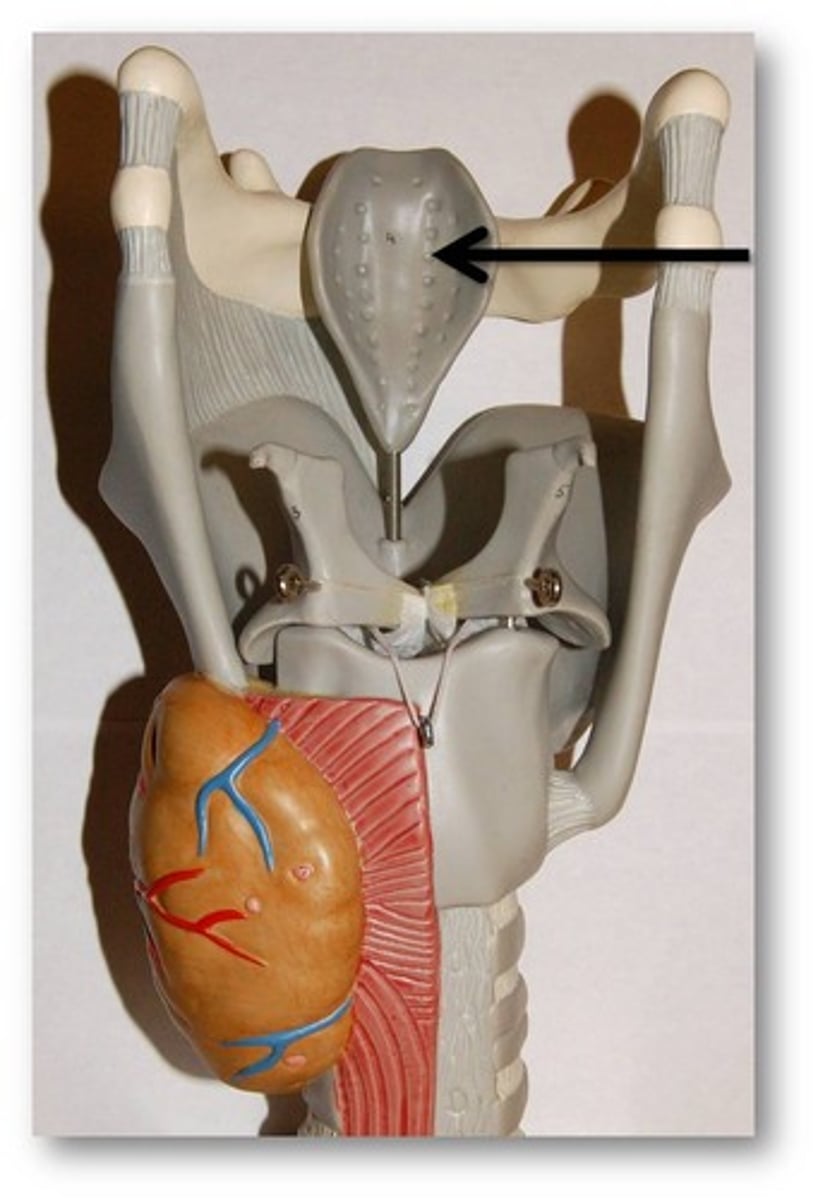
Upper Esophageal Sphincter
A muscular valve that relaxes to allow the food bolus to enter the esophagus from the pharynx
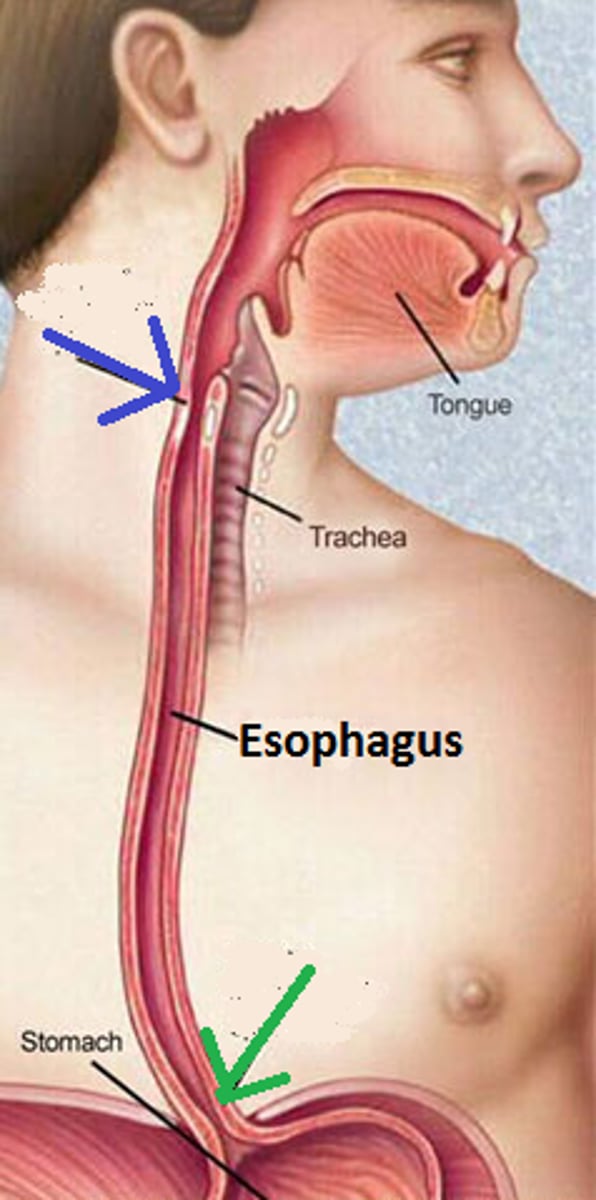
Esophagus
A muscular tube that acts as a "food chute," using peristaltic waves and mucus lubrication to move the bolus to the stomach
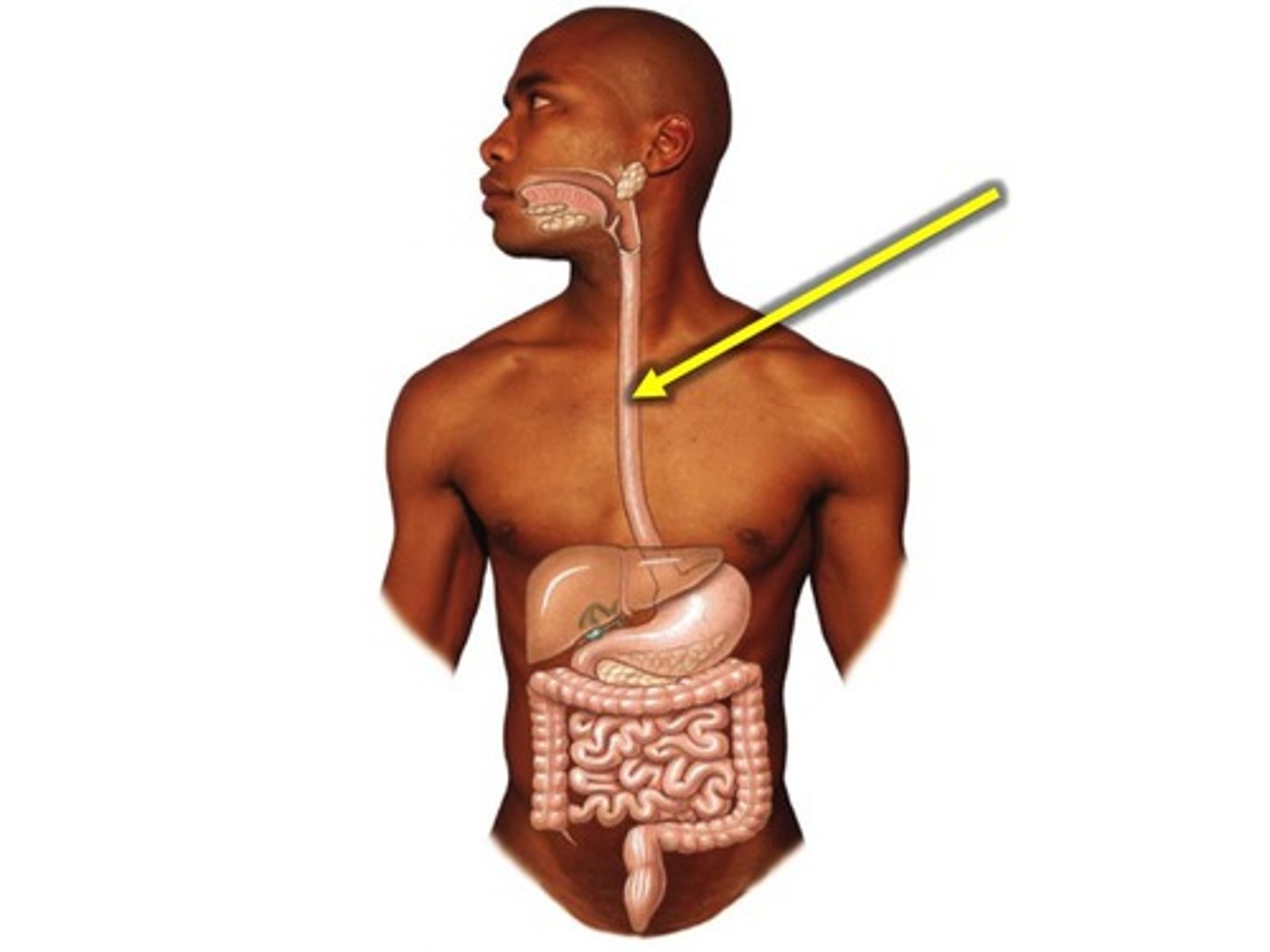
Pancreatic Amylase
A pancreatic enzyme released into the small intestine that continues the digestion of starches
Sucrase
A brush border enzyme that breaks down sucrose into glucose and fructose
Lactase
A brush border enzyme that breaks down lactose into glucose and galactose
Maltase
A brush border enzyme that splits maltose into two glucose molecules
Migrating Motility Complex (MMC)
A form of peristalsis that occurs between meals to push remaining chyme and debris forward through the small intestine
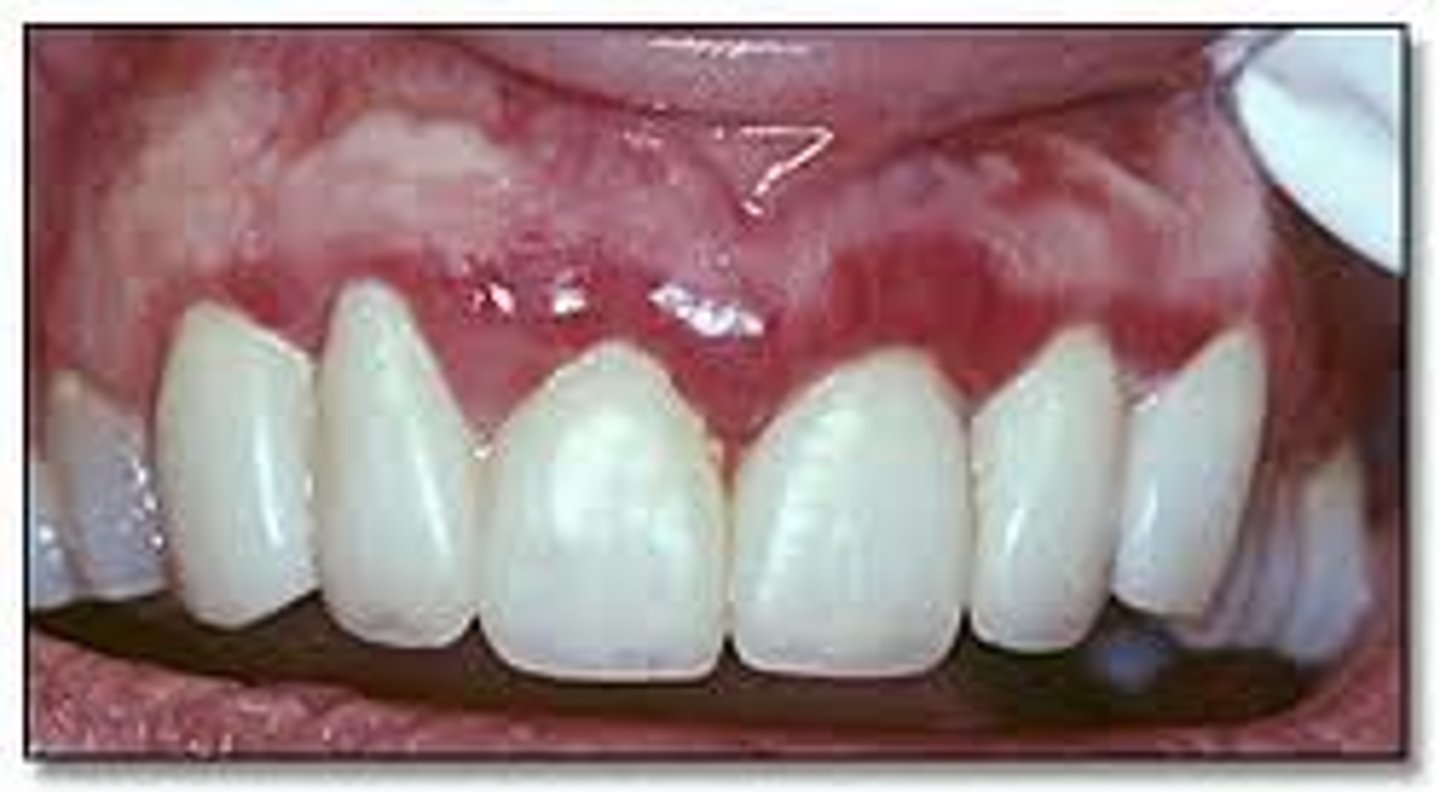
Gingivitis
Inflammation of the gums, which if chronic, can lead to bacteria entering the bloodstream
Plicae Circulares
Permanent circular folds of the intestinal mucosa and submucosa that force chyme to spiral, slowing its movement and increasing absorption time
Nutrient
substance in food needed for growth, maintenance, and repair
Macronutrients
three categories of nutrients making up most of the diet: carbohydrates, lipids, and proteins
Micronutrients
vitamins and minerals, required in small but essential amounts
Metabolic fuel
primary use for most nutrients, though some are for building molecules and cells
Water
essential substance accounting for about 60% of food volume
Essential nutrients
molecules the body cannot synthesize in adequate amounts and must be provided by the diet
Nonessential nutrients
hundreds of molecules the body can synthesize, often by liver interconversions
Kilocalories (kcal)
unit measuring nutrient energy; the heat needed to raise the temperature of 1 kg of water by 1°C
Carbohydrate and Protein Energy Value
4 kcal per gram
Lipid Energy Value
9 kcal per gram
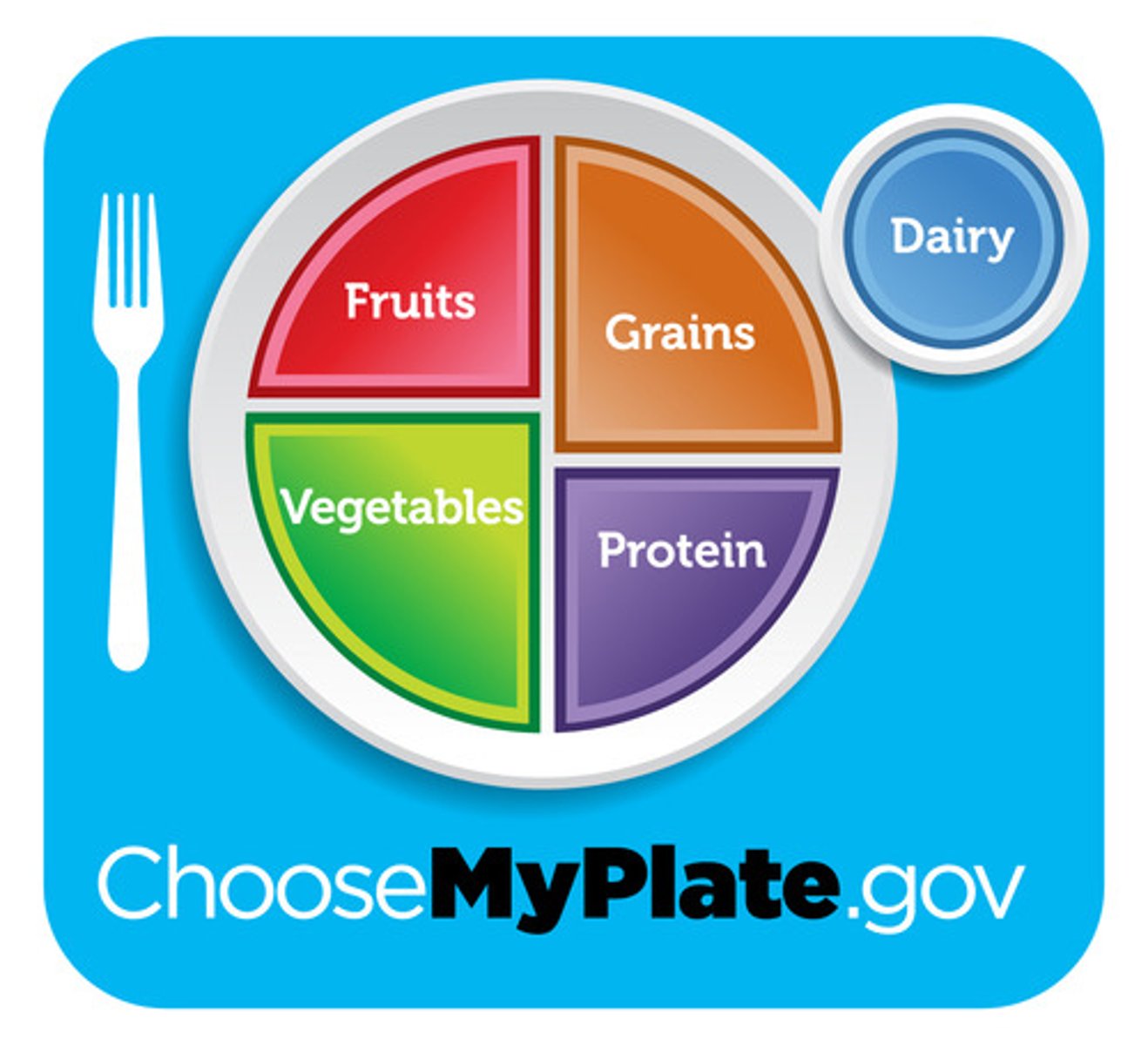
USDA MyPlate
guidelines for food portions: fruits, vegetables, grains, protein, and dairy
Basic Dietary Principles
eat only what you need; eat plenty of fruits, vegetables, and whole grains; avoid junk food
Carbohydrate Dietary Sources
mostly plants; lactose in milk; small amounts of glycogen in meat
Sugars
monosaccharides and disaccharides found in fruits, sugarcane, honey, and milk
Starch
polysaccharide found in grains and vegetables
Insoluble fiber
cellulose in vegetables that provides roughage to increase stool bulk and facilitate defecation
Soluble fiber
pectin in apples and citrus that helps reduce blood cholesterol levels
Glucose
the primary carbohydrate molecule used by cells to produce ATP
Fructose and Galactose
sugars converted to glucose by the liver before entering circulation
Neurons and RBCs
cells that rely almost entirely on glucose and die quickly without it
Glycogen or Fat
forms in which excess glucose is stored
Pentose sugars
carbohydrates used for building nucleic acids
Glycocalyx
cellular structure built using short-chain sugars
Carbohydrate Dietary Requirements
45-65% of total daily calories, ideally from complex carbohydrates
Carbohydrate Excess Problems
obesity, diabetes mellitus, dental caries, elevated triglycerides
Carbohydrate Deficit Problems
tissue wasting, metabolic acidosis from accelerated fat use
Lipid Dietary Sources
primarily triglycerides
saturated fats in meat/dairy
unsaturated in seeds/nuts
trans fats in hydrogenated oils
Cholesterol Sources
egg yolks, meats, organ meats, shellfish, and milk products
Liver Cholesterol Production
the liver produces about 85% of blood cholesterol regardless of intake
Essential Fatty Acids
linoleic acid (omega-6) and linolenic acid (omega-3), which the liver cannot make
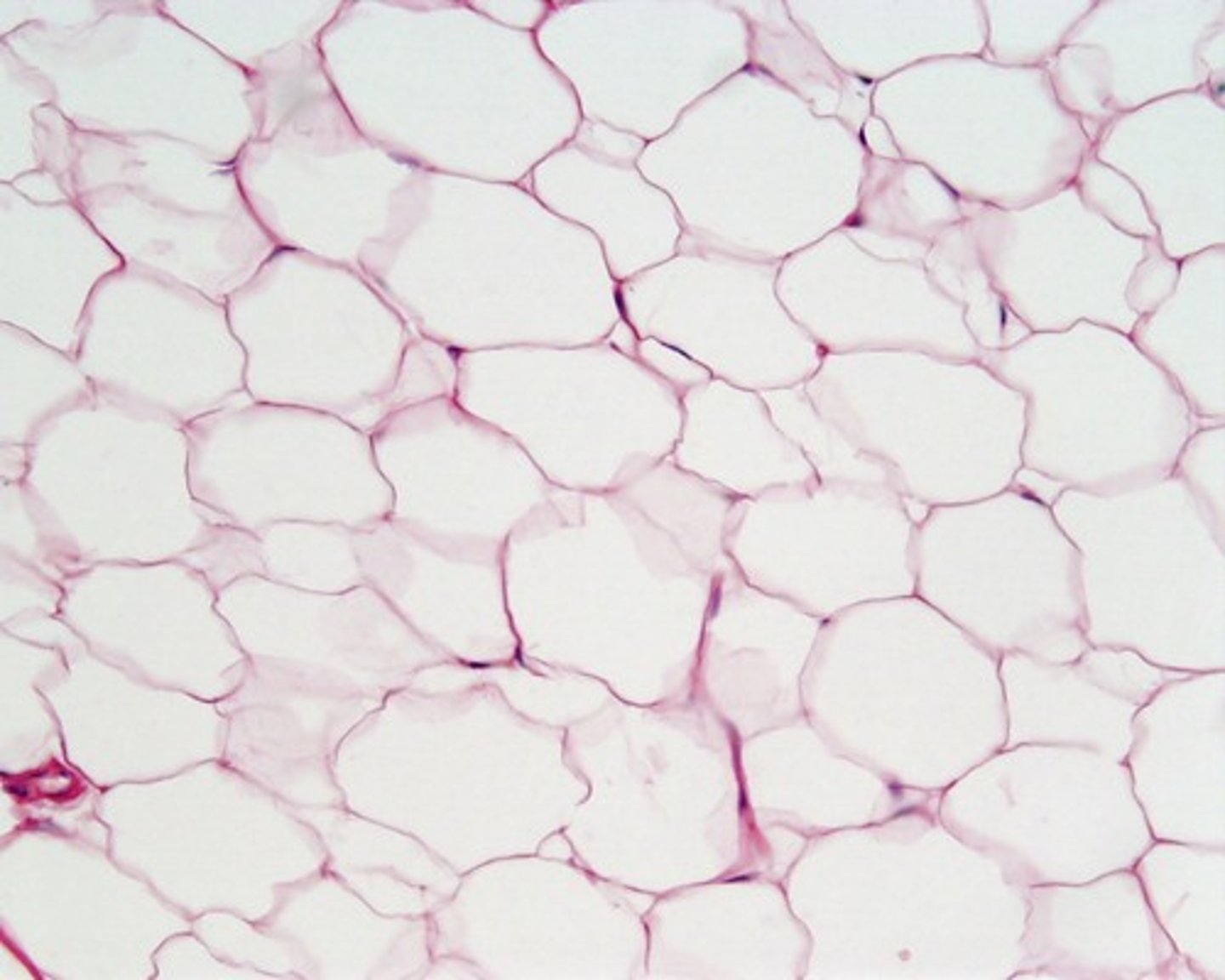
Adipose Tissue
provides protective cushioning, insulation, and energy storage
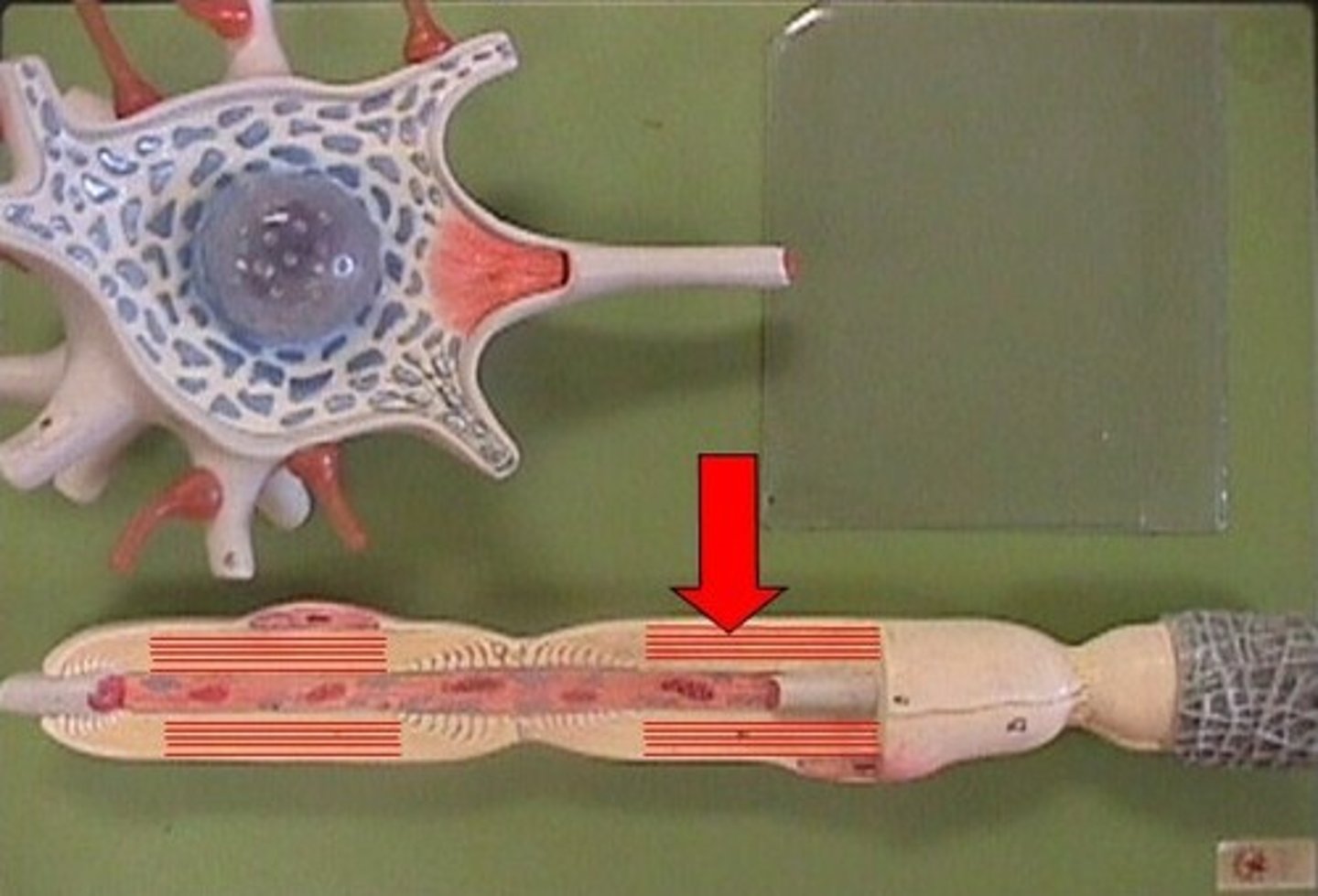
Myelin Sheaths
neuronal structures largely composed of phospholipids
Cholesterol Functions
stabilizes cell membranes; precursor for bile salts and steroid hormones
Prostaglandins
regulatory molecules made from linoleic acid involved in BP regulation and inflammation
Lipid Dietary Requirements
20-35% of total caloric intake; saturated fats limited to 10% or less
Lipid Excess Problems
obesity; increased risk of cardiovascular disease
Lipid Deficit Problems
weight loss; heat loss control issues; poor growth; skin lesions; depression
Complete Proteins
animal products and soybeans that meet all essential amino acid requirements
Incomplete Proteins
legumes, nuts, and grains LOW in one or more essential amino acids
All-or-None Rule
all amino acids needed for a specific protein must be present simultaneously or the protein cannot be built
Caloric Adequacy
if carbohydrate or fat intake is insufficient, body proteins will be burned for energy instead
Anabolic Hormones
GH and sex hormones that promote protein synthesis
Glucocorticoids
hormones that promote protein breakdown and conversion of amino acids to glucose
Positive Nitrogen Balance
synthesis exceeds breakdown; occurs during growth, pregnancy, and tissue repair
Negative Nitrogen Balance
breakdown exceeds synthesis; occurs during stress, infection, or starvation
Protein Dietary Requirement
0.8 g per kilogram of body weight daily
Protein Deficit Problems
profound weight loss; edema due to low plasma proteins; miscarriage or premature birth
Vitamins
organic compounds acting as coenzymes; needed in minute amounts for macronutrient use
Vitamin D
vitamin synthesized in the skin
Vitamins B and K
vitamins synthesized by intestinal bacteria
Beta-carotene
a provitamin found in carrots that the body converts to Vitamin A
Water-soluble Vitamins
B complex and C; absorbed with water; not stored in the body
Fat-soluble Vitamins
A, D, E, and K; absorbed with lipids; stored in body fat (except Vitamin K)

