Michelangelo final
 Call Kai
 Learn
Learn Practice Test
 Spaced Repetition
 Match
Match Flashcards
 Knowt Play
1/38

There's no tags or description
Looks like no tags are added yet.
Name | Mastery | Learn | Test | Matching | Spaced | Call with Kai |
|---|
No analytics yet
Send a link to your students to track their progress
39 Terms
Leonardo da Vinci bibliography
1452, Florence Verrocchino, Pope Leo X
Michelangelo
1475, Caprese, Ghirlandaio, Giovanni, Pope Julius II
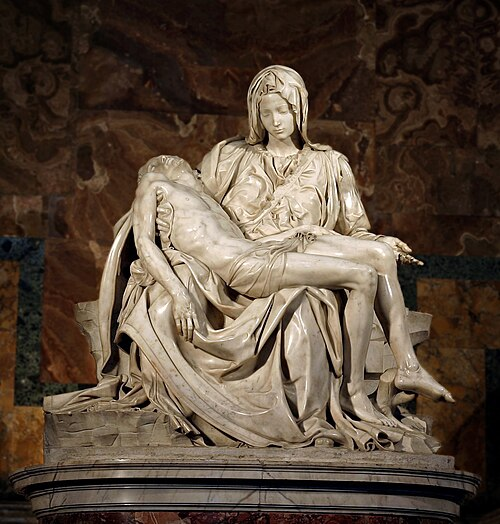
Pieta
1499, Marble, Michelangelo, commissioned by French ambassador, commissioned as a funerary monument, in St. Peter’s Basilica. triangular compositon, balancing youthfulness of Virgin Mary and Christ’s lifeless body, emphasizing peace and grief. smoothness of Christ’s body, ruffled clothes of Mary.
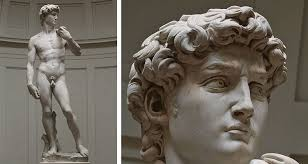
David
1501-1504, marble, Michelangelo, commissioned by Duomo where it was supposed to be. meant to represent biblical strength and Florentine freedom. depicts contraposta pose before defeating Goliath.
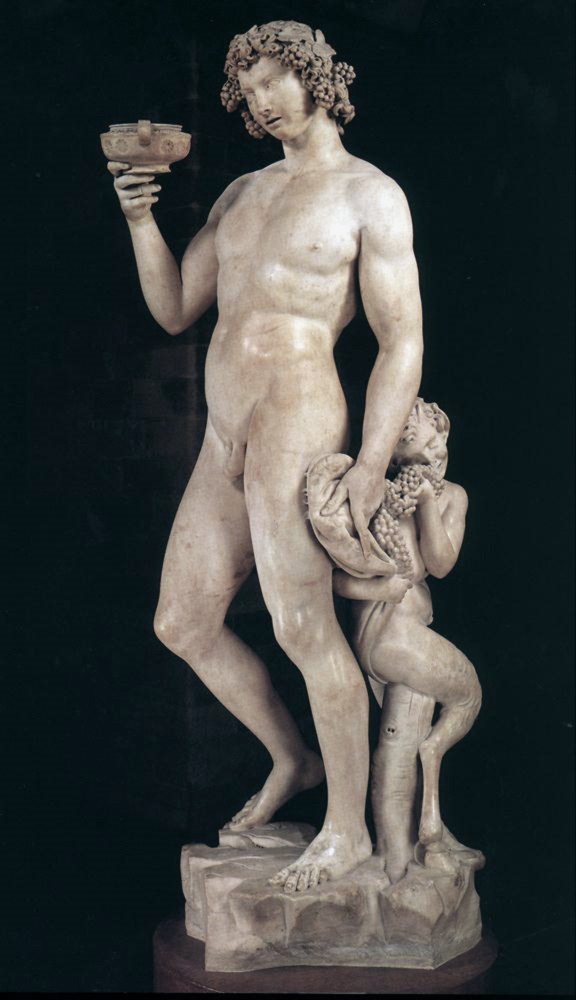
Bacchus
1496–1497, Michelangelo, marble, represents the Roman god of wine in a state of tipsy,, unsteading intoxication. Carved during Michelangelo's first stay in Rome, it is one of only two surviving sculptures from this early period and was intended as a direct challenge to the art of antiquity
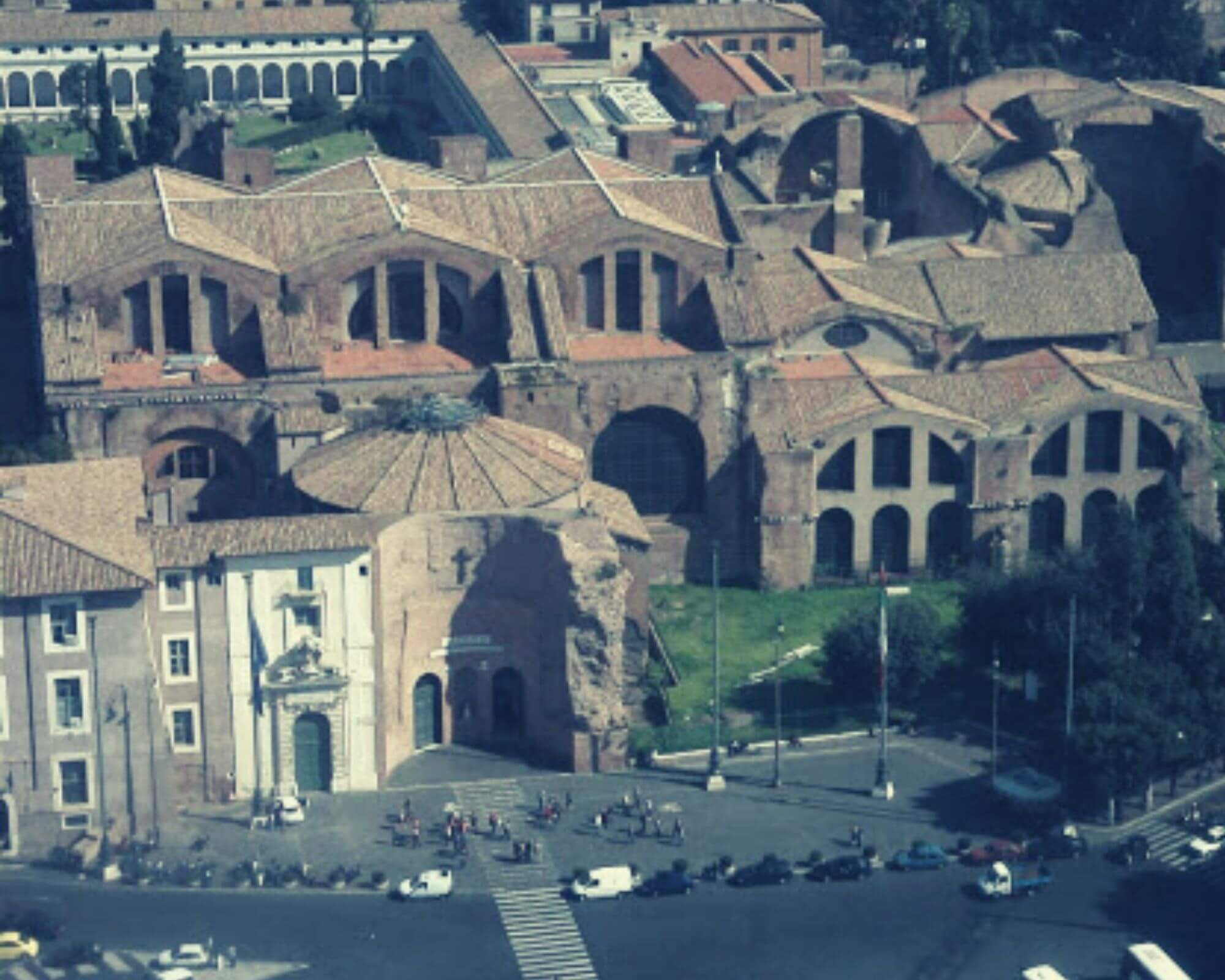
S. Maria degli Angeli e dei Martiri
1561-1562, Michelangelo, commissioned by Pope Pipus IV
is a Catholic titular minor basilica and former Carthusian conventual church in Rome constructed in the ruined frigidarium and tepidarium of the Roman Baths of Diocletian
The Church of S. Maria degli Angeli was designated a titular church for a cardinal priest on 15 May 1565 by Pope Pius IV.
to build a meridian line, a sort of sundial, within the basilica
developed from a Greek cross
Raffeallo (Rapheal) Sanzio
1483, Urbino, Perugino, Pope Julius II and Pope Leo X
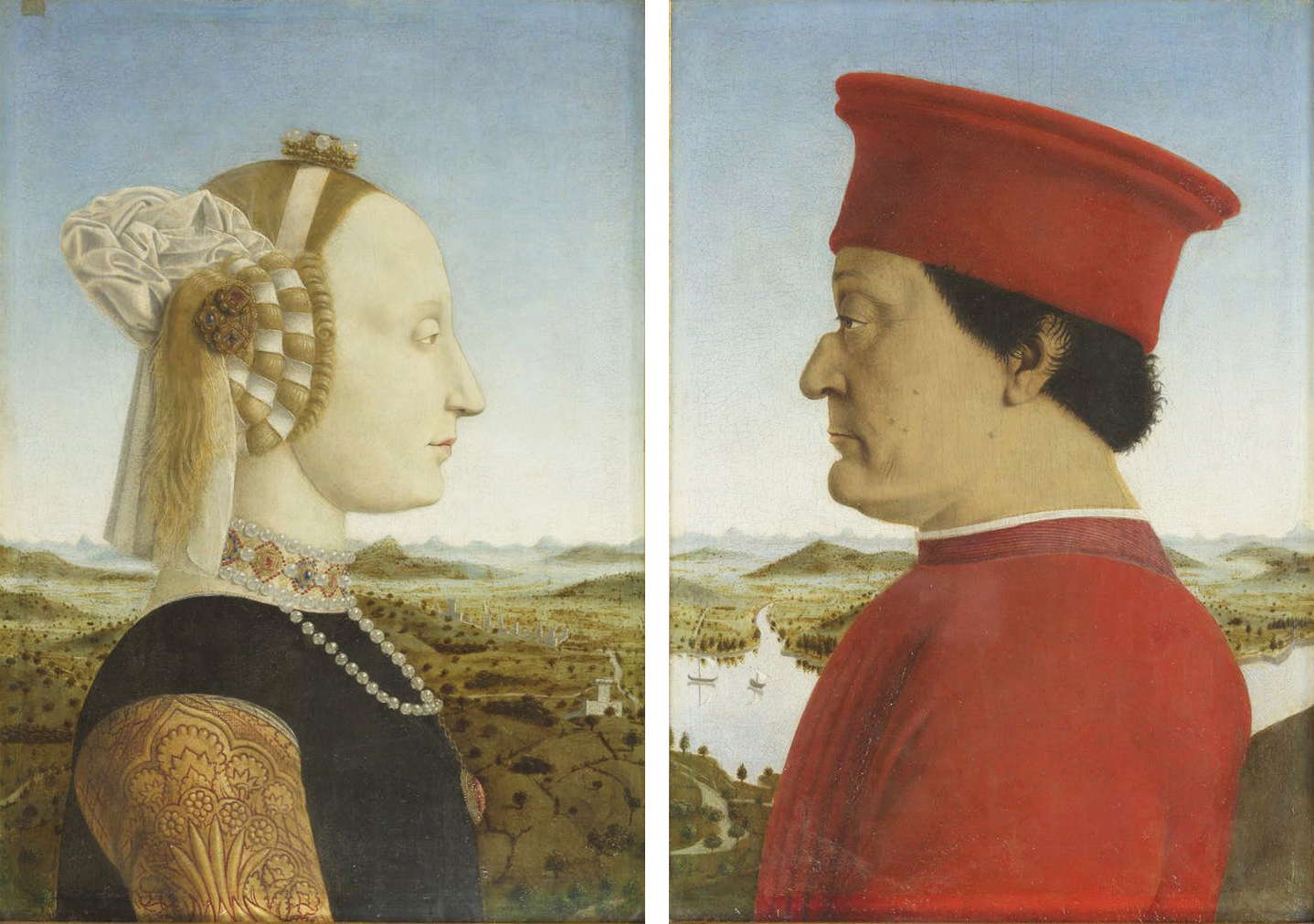
Duke of Urbino
1472, Raphael, depicts the portriat of a prominent figure in the Renaissance
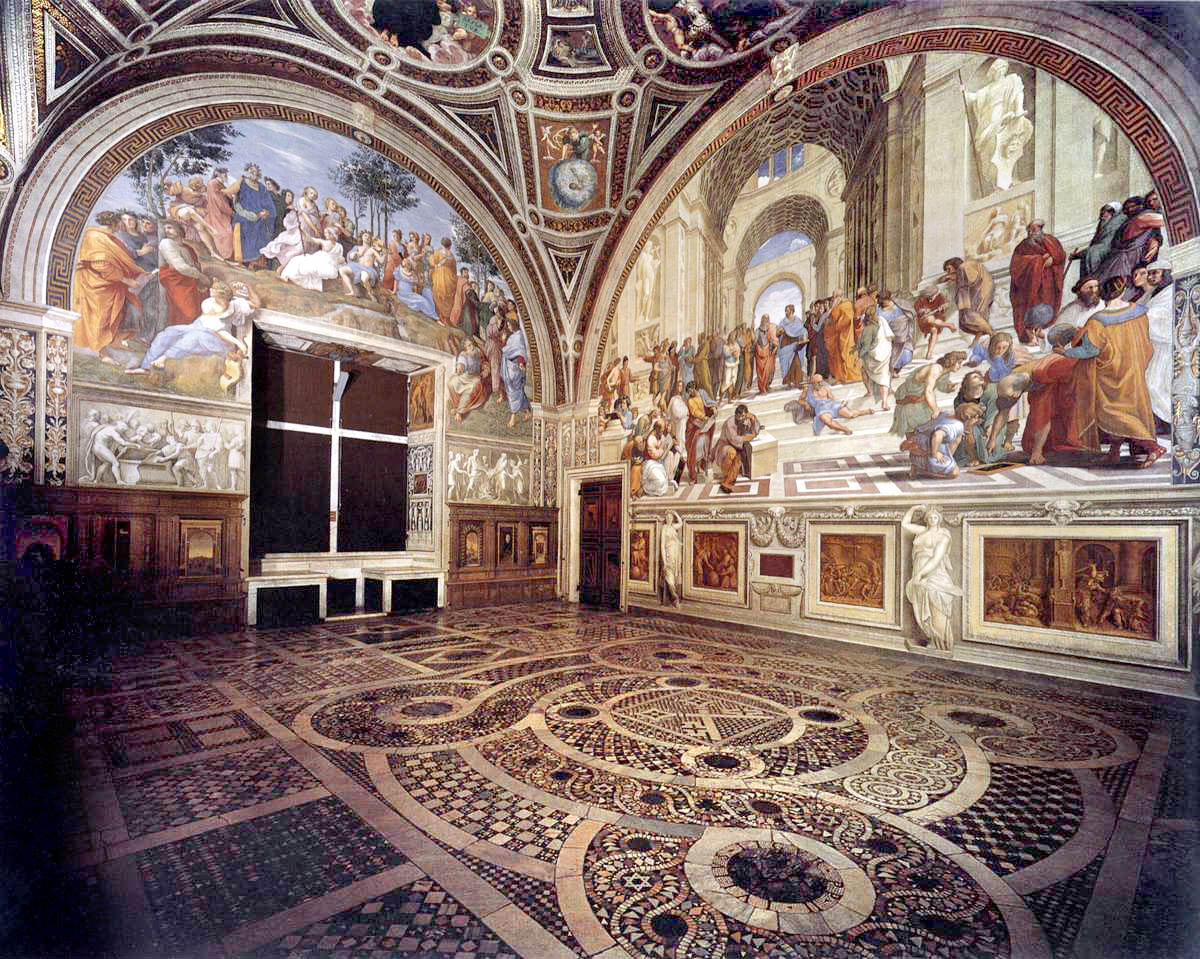
School of Athens
1509-1511, Raphael
Disputation of the Holy Sacrament
1510
Stanza della Segnature
1508-1511, Raphael, commissioned by Pope Julius II
Villa Farnesia, Loggia of Cupid and Psiche
1518, Raphael, the tale of Cupid and Psyche, commissioned by wealthy banker Agostino Chigi to celebrate his wedding and display his immense wealth and refined taste.
sistine chapel ceiling
named after pope sixtus IV who renovated the chapel architecture
commissioned by pope julius II in 1508-1512
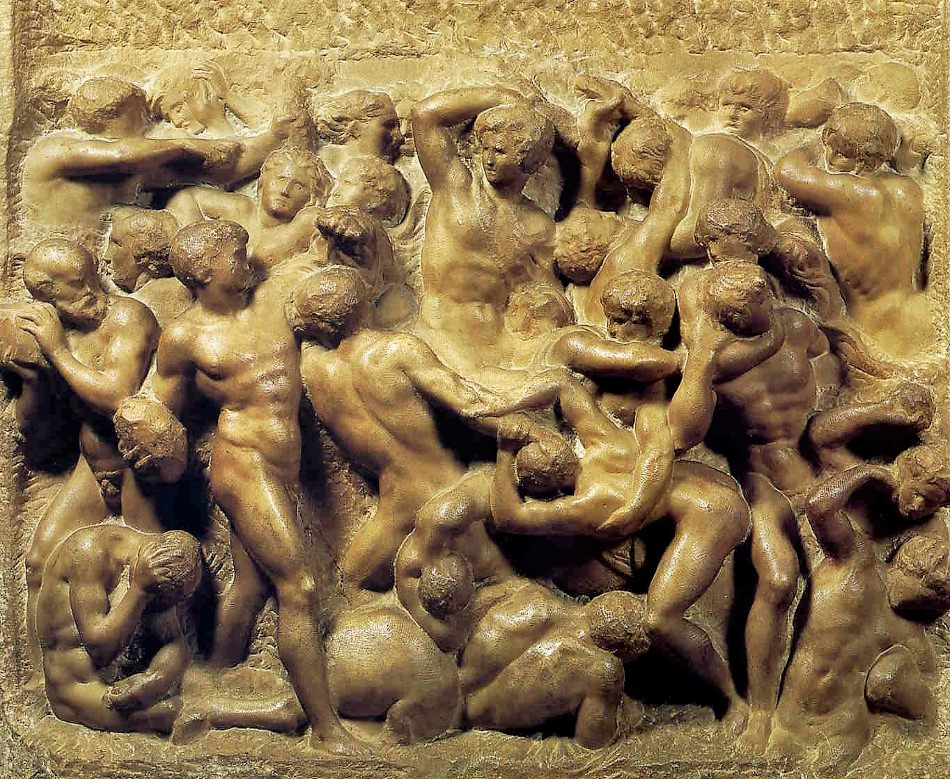
Battle of Centaurs
1492, Michelangelo, marble, it represents a mythological battle between Lapiths and Centaurs, compared to Metope South
Martin Luther
1483, Protestant Reformation
Pope Sixtus IV
1471-1485, Della Rovere family, commissioned Sistine Chapel
Pope Julius II
1503-1513, warrior pope (success for campaigns), Della Rovere family, bif commissioner, commissioned the ceiling frescoes in Sistine Chapel
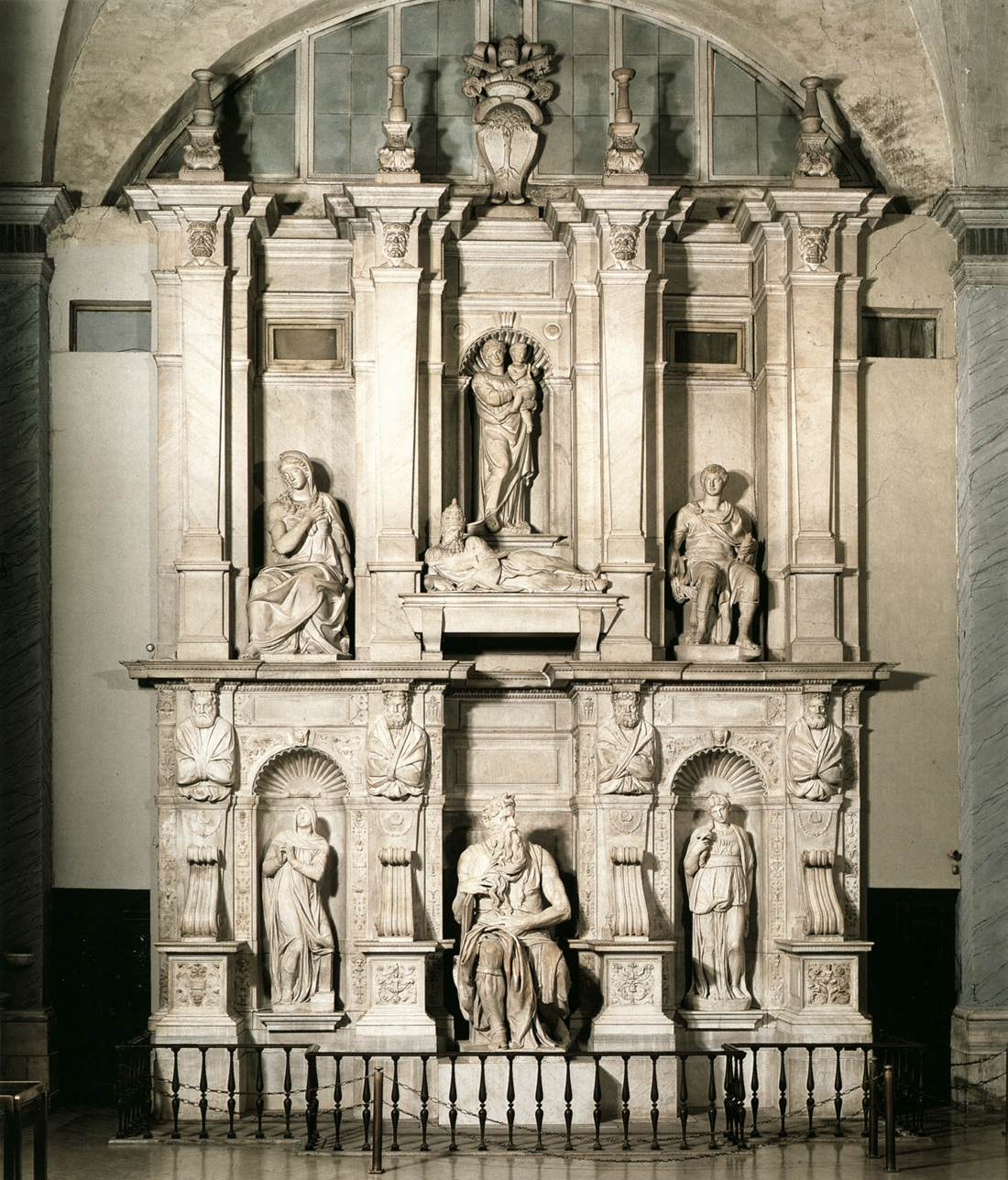
tomb of Pope Julius II
1509-1545, Michelangelo, S. Pietro Basilica, during the commission the funds were dramatically reduced, causing the original plans to be changed
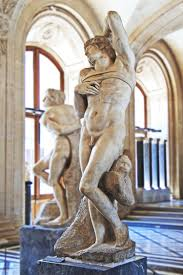
The Dying Slave and Rebellious Slave
supposed to be on Pope Julius II tomb, but abandoned and gifted away during the reconstruction of the project
Pope Paul III
1534-1549
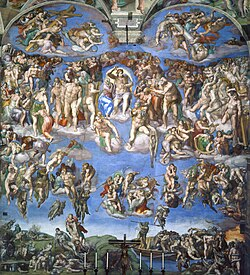
The last judgement
1536-1541, fresco, depicts second coming of Christ, intended to show Catholic church’s power and divine justice. traditional composition, rigid tiered layouts, depicting motion, seperation of the blessed and damned. heaven and hell being depicted
Pope Leo X, Medici Pope
1513-1521
Donato Bramante
1444, Urbino, Piero della Francesa, Pope Julius II
Pietro Perugino
1446, fresco painter
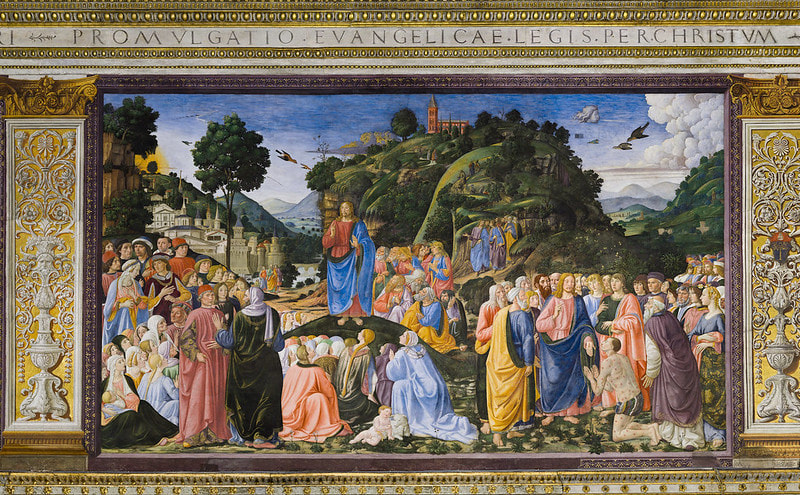
North wall, Life of Christ on Sistine Chapel
1481-1482, painted by team of Florentine painters
Medici family
powerful Florentine banking dynasty, used their fortune to finance art, architecture and humanities
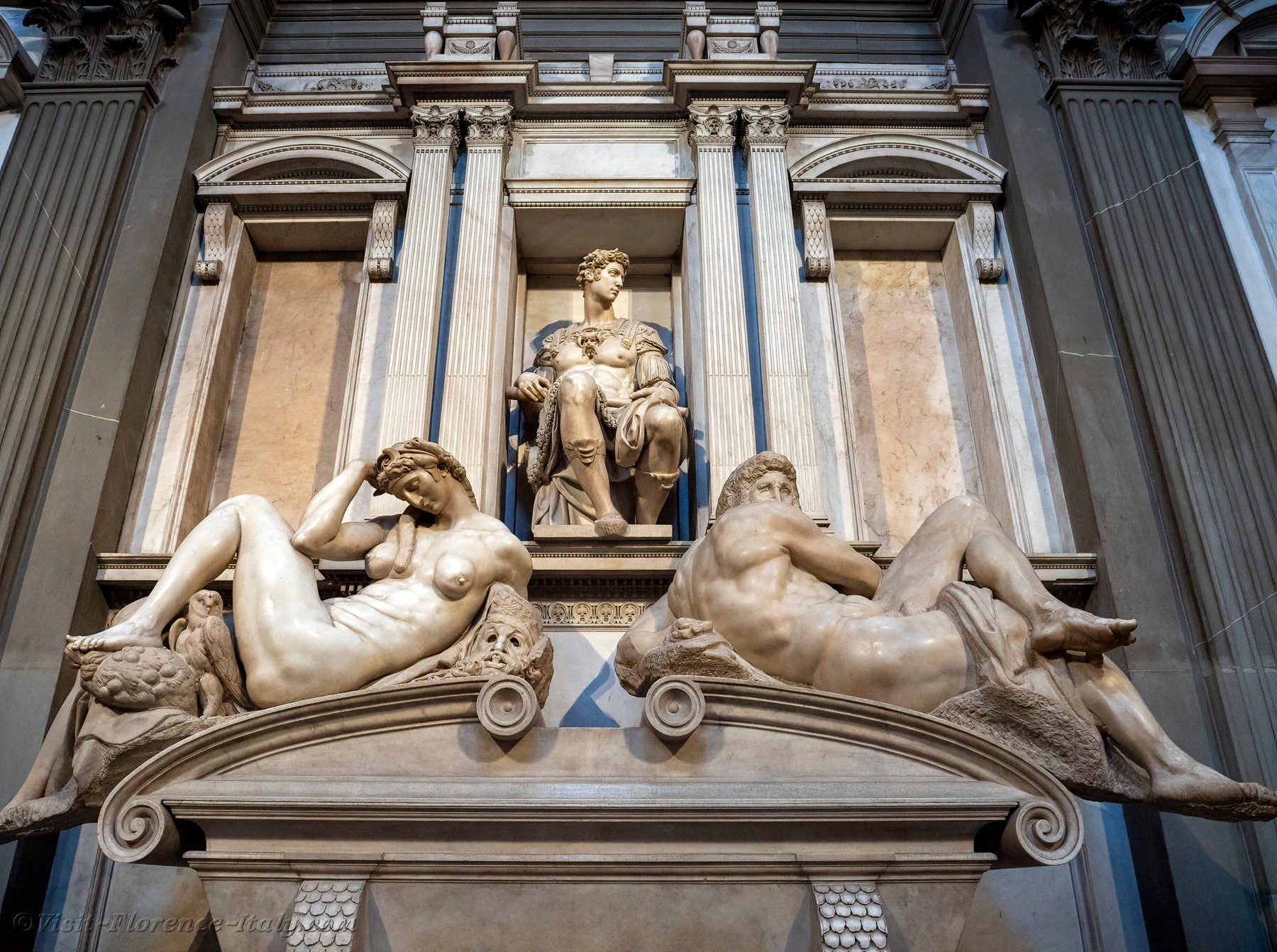
tomb of Giuliano de' Medici
1524-1536, Michelangelo, has the Night and Day sculptures, symbolize the relentless passage of time
Night (Left): A female figure depicted sleeping, recognized by symbols like a mask (dreams), an owl, and poppies. She is often noted for her elegant yet complex "twisted" form.
Day (Right): A male figure shown with his body contorted away from the viewer, looking back over his shoulder, often interpreted as a tense, powerful figure symbolizing the "action" of life.
Lorenzo de Medici
most powerful patron of Italian renassiance
Madonna of the Stairs
1490-1492, commissioned by Lorenzo Medici, Michelangelo
Bronze statue of David
1440, commissioned by Medici family, Donatello, first free-standing n
Renaissance
“rebirth,” 14th century to 16th century (1300-1600)
included architecture, painting, and sculpture
influenced by humanism and figure
contraposta pose
relaxed, most weight on one foot, solemn
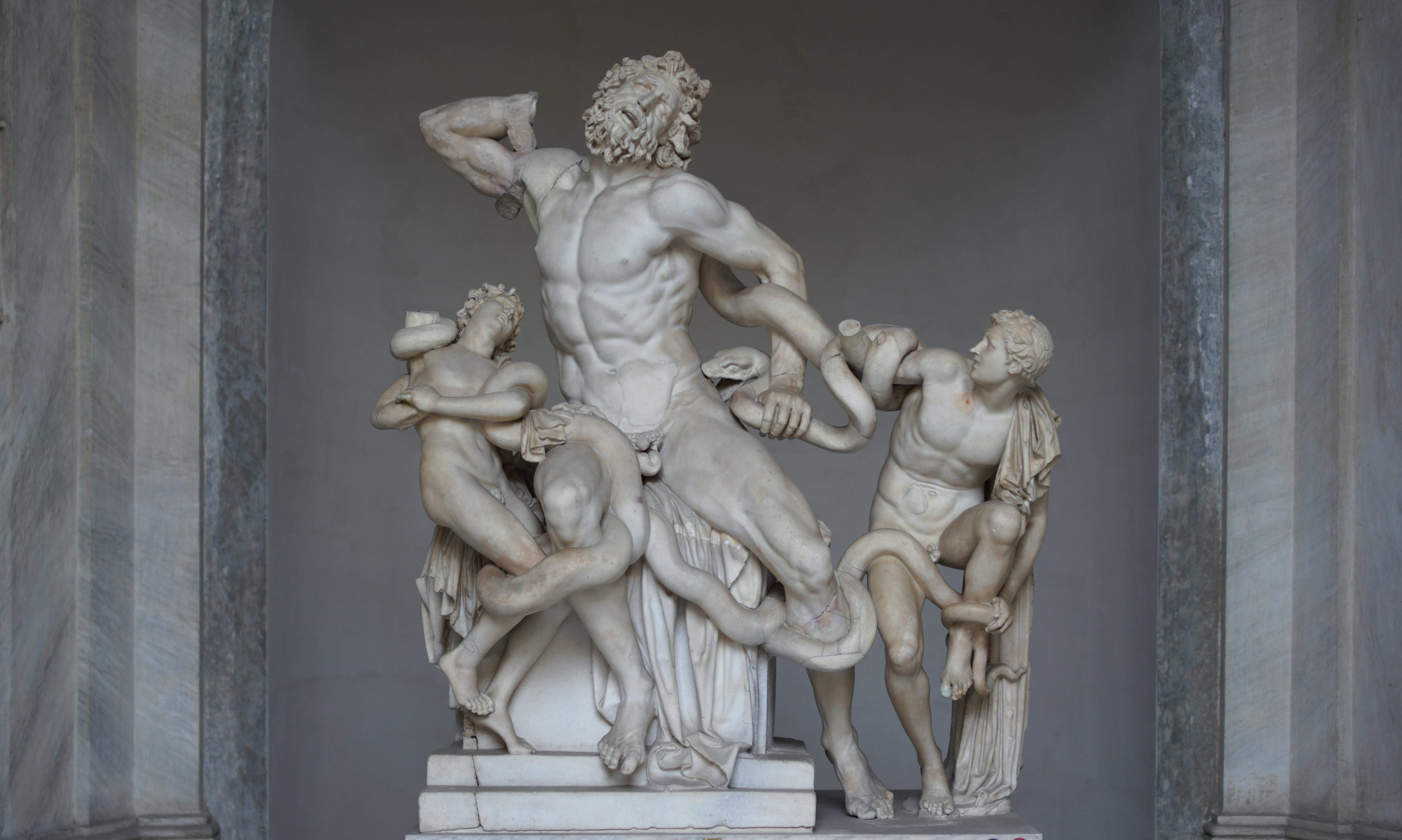
Laocoon and his Sons
found in 1506, on Esquiline Hill, depicts the agonizing death of the Trojan priest Laocoön and his two young sons, Antiphantes and Thymbraeus, as they are attacked by giant sea serpents. bought by Pope Julius II, influenced the slaves for Michelangelo’s tomb of Julius II
giornata
a days work, refers to the specific section of plaster a fresco artist painted in one day, before it dried
terribilita
the awe-inspiring grandeur, intense emotional force, and fierce, often terrifying power
chiaroscuro
an artistic technique using strong, dramatic contrasts between light and dark to create the illusion of three-dimensional volume, depth, and focused emotion on a two-dimensional surface
figura serpentinata
a signature Mannerist style in art where human bodies are depicted in a dynamic, twisted spiral pose around a central
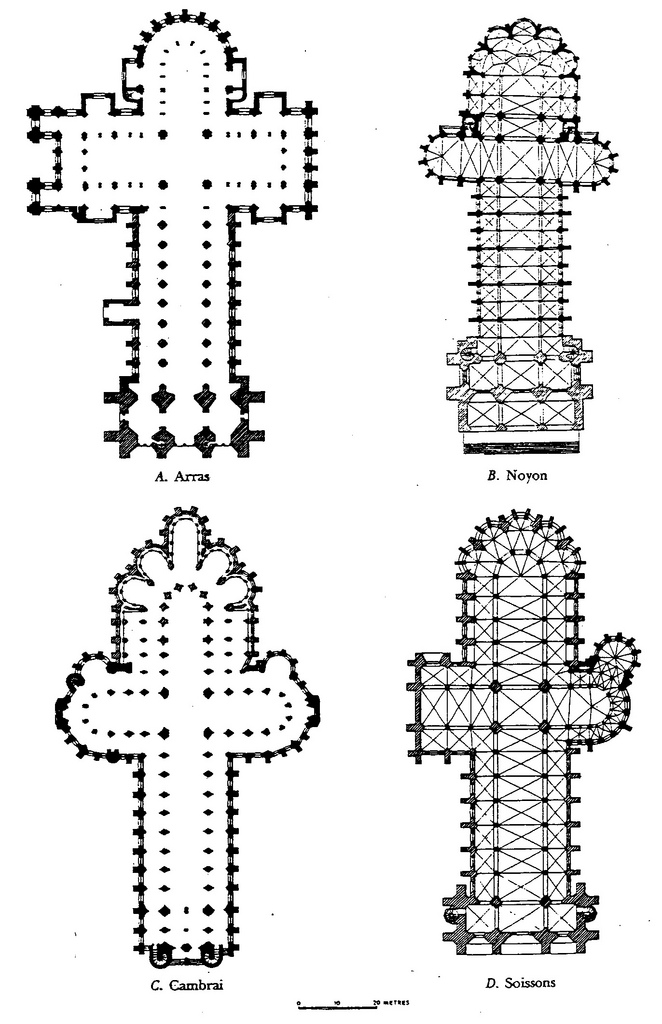
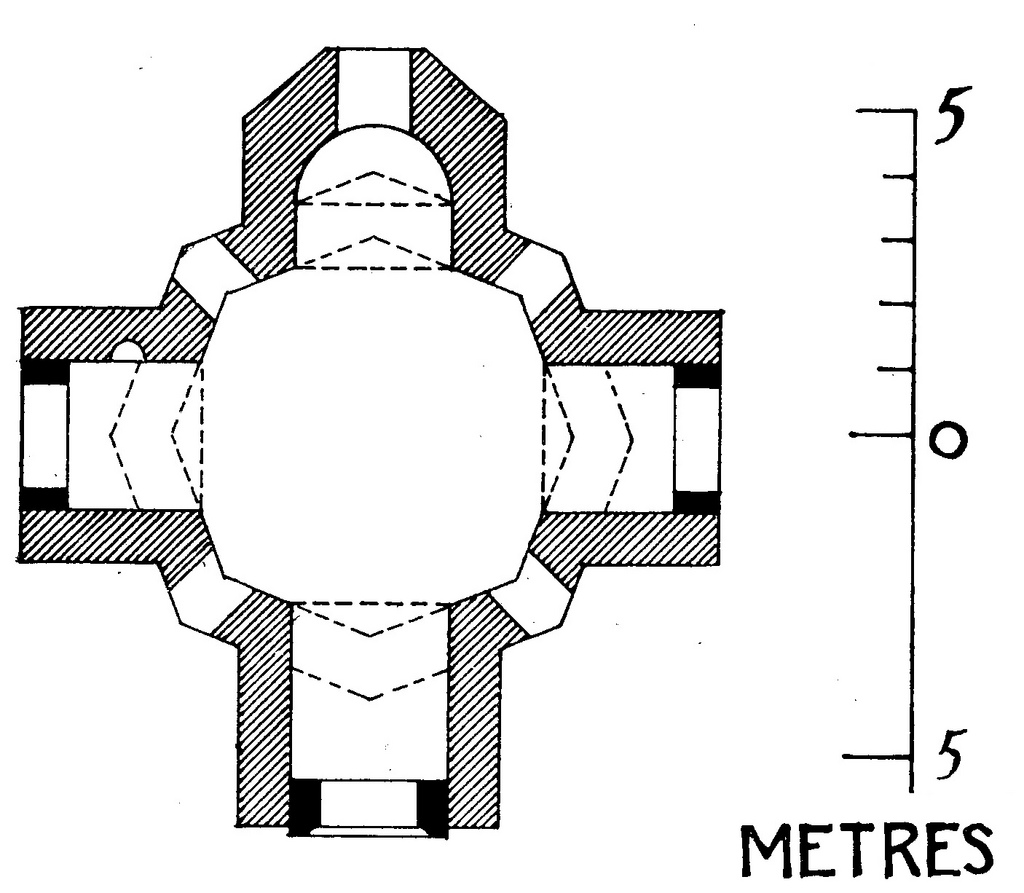
Greek Cross
a church layout characterized by four equal arms radiating from a central square, often crowned by a dome.
The design emphasizes the center, frequently with a dome resting on pillars
Latin cross
a predominant, longitudinal church design in Western Christianity, shaped like a cross (crux immissa) with a long nave intersected by a shorter transept
Symbolizing the crucifixion of Christ, popular in medieval times