Troubleshooting Hatch and Analysis
 Call Kai
 Learn
Learn Practice Test
 Spaced Repetition
 Match
Match Flashcards
 Knowt Play
1/26

There's no tags or description
Looks like no tags are added yet.
Name | Mastery | Learn | Test | Matching | Spaced | Call with Kai | Chat |
|---|
No analytics yet
Send a link to your students to track their progress
27 Terms
Normal Pattern of Embryo Loss
Hatchery management literatures use this curve as baseline of embryo losses during incubation.
higher; minimal; rises
In normal conditions, mortality is usually in the first week of incubation process, in middle period and __ again in the last few days of incubation.
Infertile
0 Day - No obvious sign of development
24h (Early Dead)
1 day - Cream colored extra-embryonic membranes occupying area up to one cm diameter
48h (Early Dead)
2 day - Cream colored extra-embryonic membranes occupying area up to three cm diameter
Blood Ring
2.5-4 days - Obvious “Blood Ring” and the beginning of formation of the sub-embryonic fluid
Black Eye
5-12 days - The black pigmentation of the embryo’s eye is obvious. The wings and legs can be seen as well
Feathers
13-17 days - Feathers present. Although the first feathers are seen as early as 11 days, they are often not obvious over the entire body until 13 days of age
Turned
18-19 days - The embryo is moving from the “head between thighs” position to the hatching position and the yolk remains outside the body of the embryo
Internal Pip
External Pip -
20 - The beak of the embryo has come through the inner cell membrane into the air cell OR The beak of the embryo has broken through the eggshell
Early Rot - Deep discoloration of the egg contents with emission of rotten odour
0-10
Late Rot
11-21 - Obvious embryo with deep discoloration of the egg contents and emission of rotten odours
Early Dead
0-7 - Any death in the first week of incubation. The end of this period is delineated by the appearance of the egg tooth on the end of the beak
Mid Dead
8-14 - Embryos with an egg tooth, but feather development is not immediately obvious over the entire body
Late Dead
15-19 - Well feathered embryo almost filling the egg. The yolk may be external to the body, or may be retracted
External Pip
20 - The beak of the embryo has broken through the eggshell
Contaminated
0-21 - Deep discoloration of the egg contents with emission of rotten odours
Troubleshooting
Identification of, or “diagnosis of trouble” in the hatchery management process caused by a failure of one or multiple factors.
Process of determining and remedying the causes of any hatchery issues.
Determining the most likely causes (a process of elimination), afterwards taking appropriate corrective actions.
first week mortality
sudden drop in hatch performance
overall performance is continually below standard
Identify what are the issues
Not sending out poor quality chicks to broiler farms
Always refer to Bounty guidelines on the Acceptable and Not Acceptable chicks
Carry out quality checks; look at the quality of the chicks in the chick holding room before delivery
Grading / Selection
Performance history
Break – out / Embryo diagnosis records
Hatching Egg
Quality
Storage Period
Machine operation and Maintenance log
Setter
Hatcher
Ventilation
Operation
Transfer
Chick processing
Personnel/Management changes
Points of Investigation
Performance History
Need to measure or have record of specific incubators performance to know if problematic hatch is machine related.
Break - out
Embryo diagnosis or egg necropsy; provide information on the identified cause of hatch failure based on assessed time and nature of embryonic death.
Hot weather
can cause spike of early deaths due to pre-incubation.
Cold weather
causing lower egg temperature and delayed on hatching times.
Health status, vaccination program, management, personnel, process, others?
First to check – what has been changed on this particular hatch?
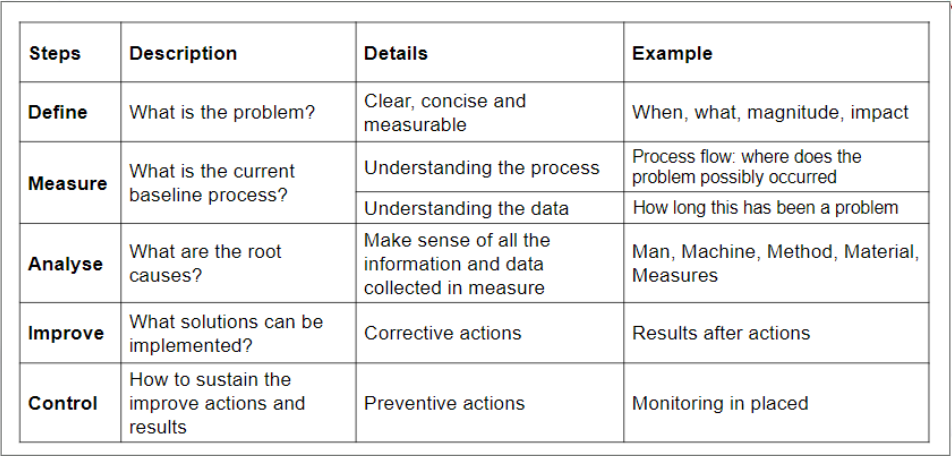
Steps in Troubleshooting