Igneous Structures
 Call Kai
 Learn
Learn Practice Test
 Spaced Repetition
 Match
Match Flashcards
 Knowt Play
1/26

There's no tags or description
Looks like no tags are added yet.
Name | Mastery | Learn | Test | Matching | Spaced | Call with Kai |
|---|
No analytics yet
Send a link to your students to track their progress
27 Terms
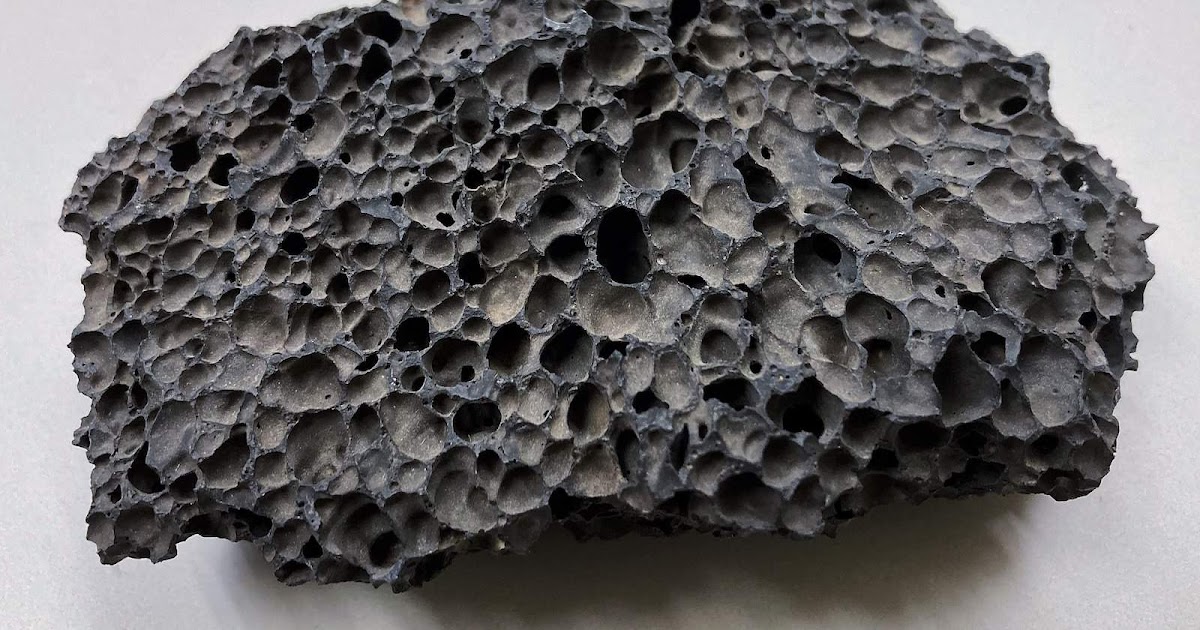
Vesicular
Formerly gas bubbles in a melt.
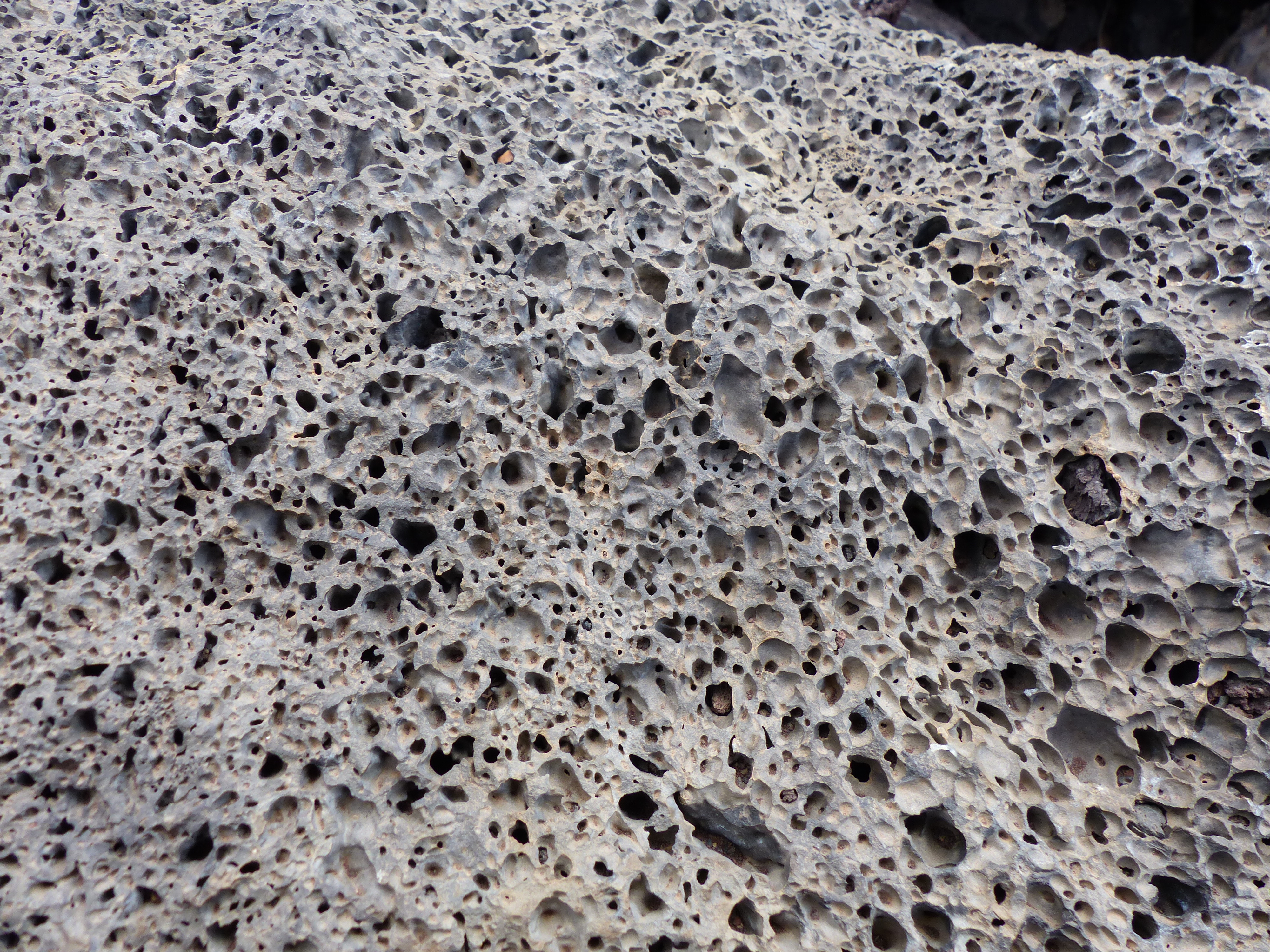
Scoriaceous
Highly vesicular and cindery.
Pumiceous
Frothy vesicular structure characteristic of pumice.
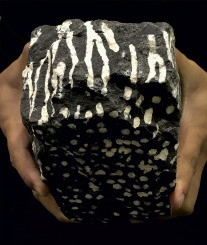
Vesicular Pipes
Cylindrical bodies highly charged with vesicles.
Pipe Vesicles
Tube-like elongated vesicles.
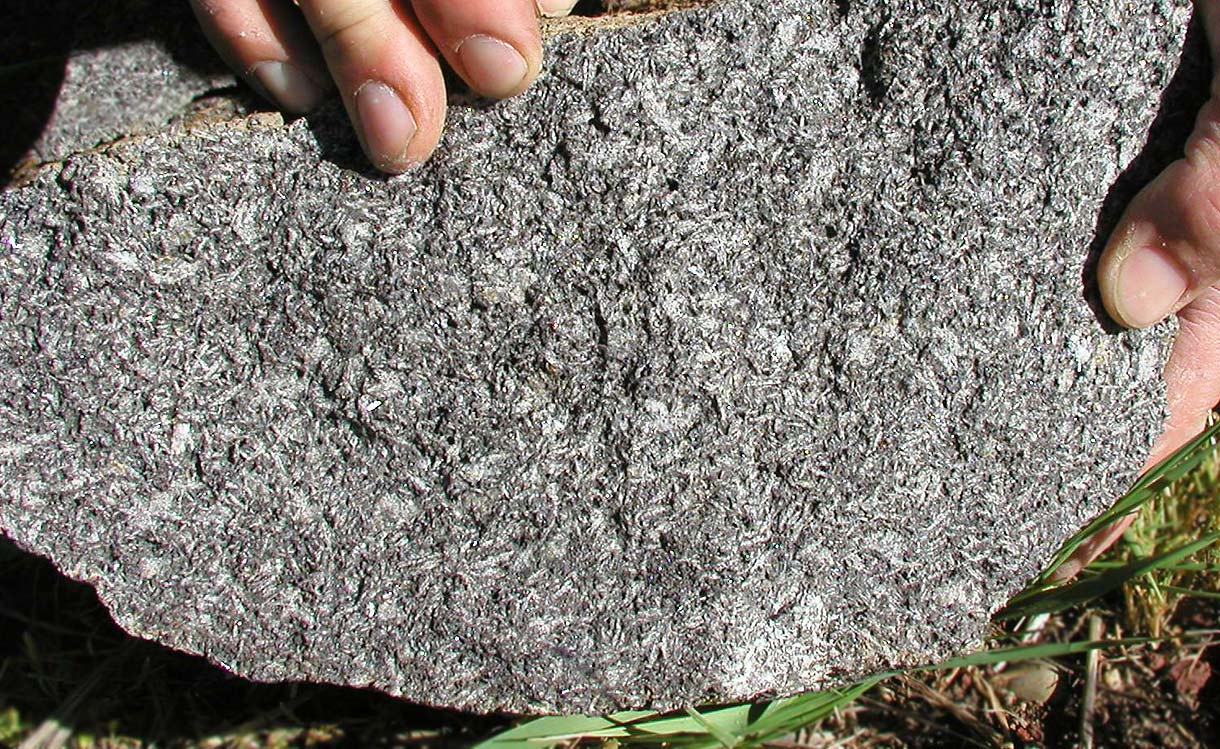
Diktytaxitic
Texture of certain basalts containing abundant angular interstitial gas cavities.
Vugs
Vesicles or cavities lined with crystals. Sometimes called a drusy.
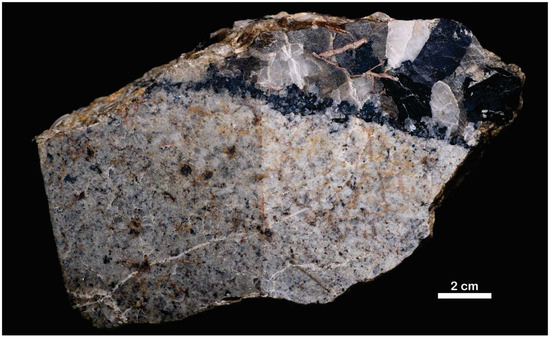
Miarolitic Cavities
Small gas cavities present in certain granite.
Amygdales
Vesicles filled entirely with secondary minerals such as quartz, calcite, or zeolites.
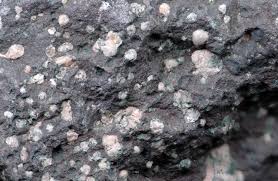
Directionless
(Massive) structurally homogenous, lacking parallelism, preferred orientation, or flow structure of the constituent minerals.
Flow
Parallel structure developed as a result of magmatic flow.
Flow flotation
Parallel alignment of planar minerals due to flow.
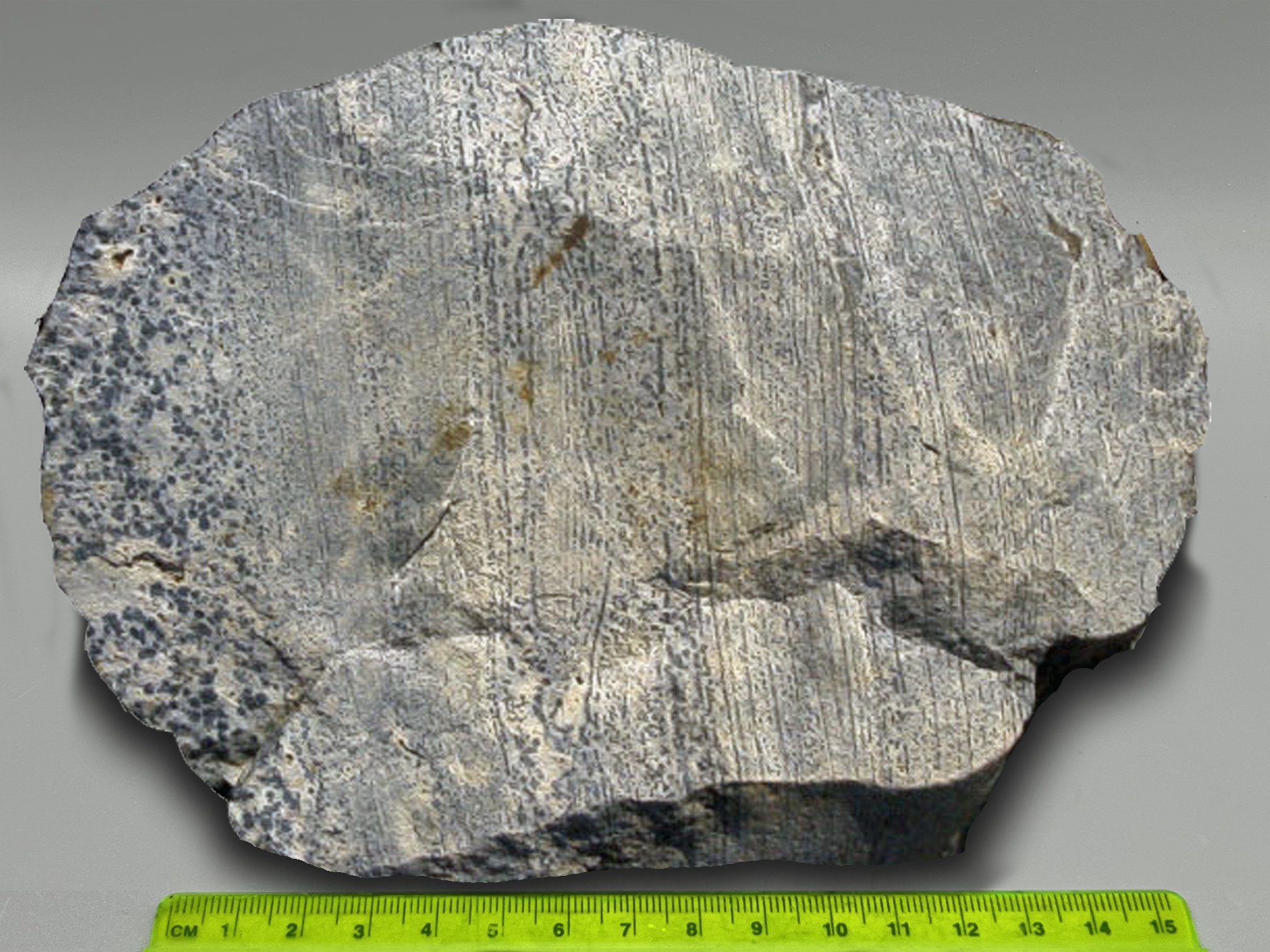
Layering
Planar parallelism of compositional zones.
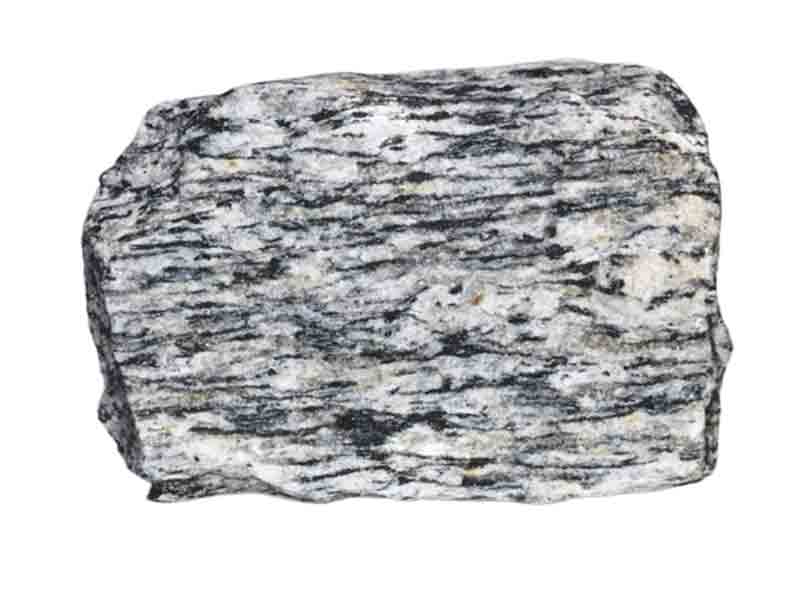
Lineation
Parallel alignment of linear minerals due to flow
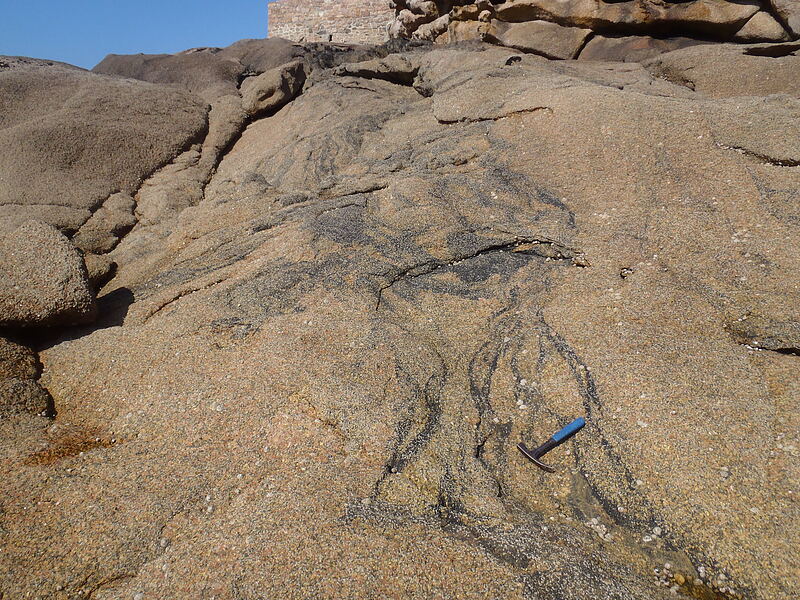
Schlieren
Flow structure marked by steaky layers of mafic composition.
Xenolith
Inclusion of country rock or other material genetically unrelated to the surrounding magma.
Enclave
Inclusion of rock of unknown relationship to the igneous rock or country rock.
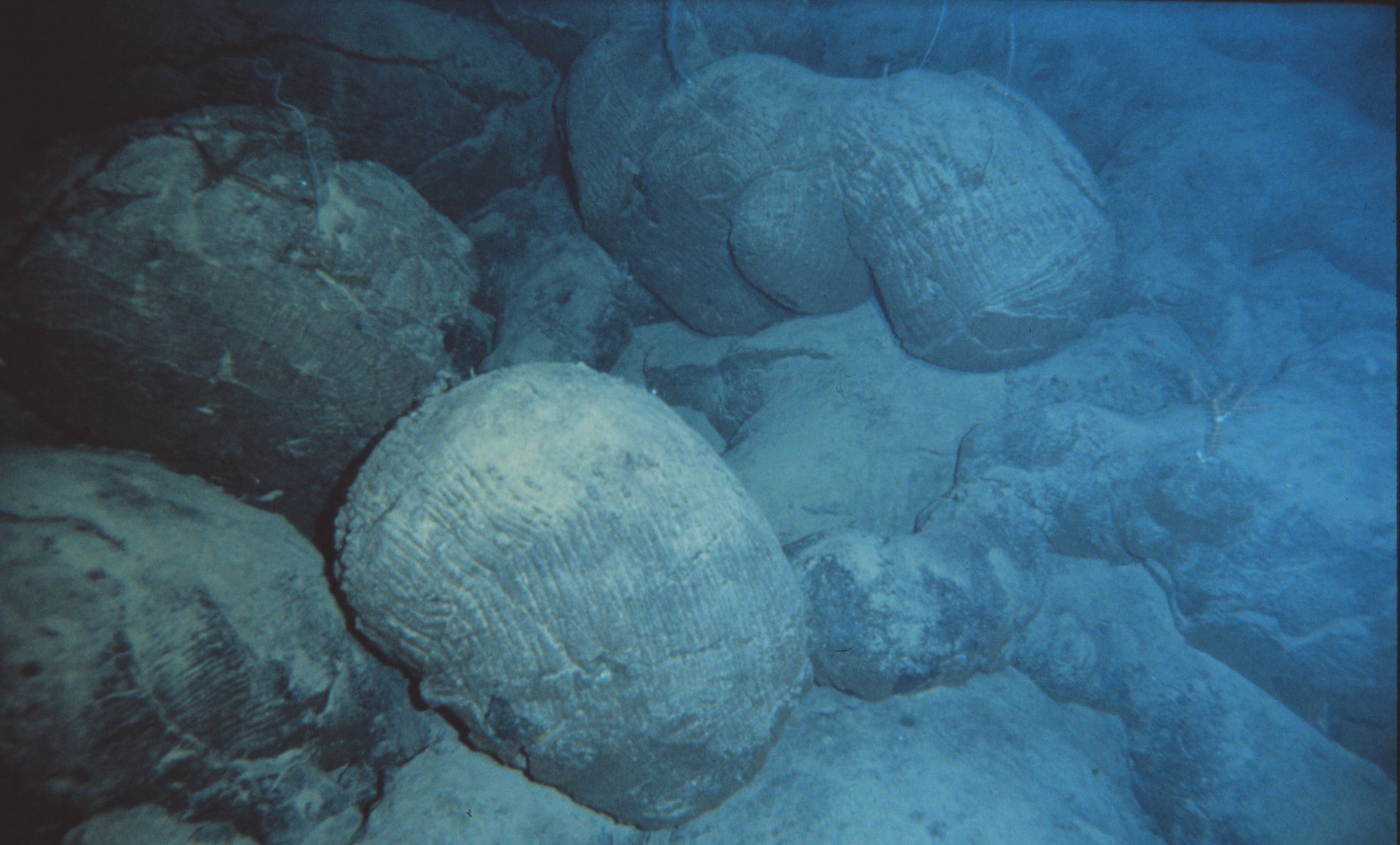
Pillow
Structure developed in the subaqueous eruption of basalt, consisting of heaps of pillow-like blobs of lava.
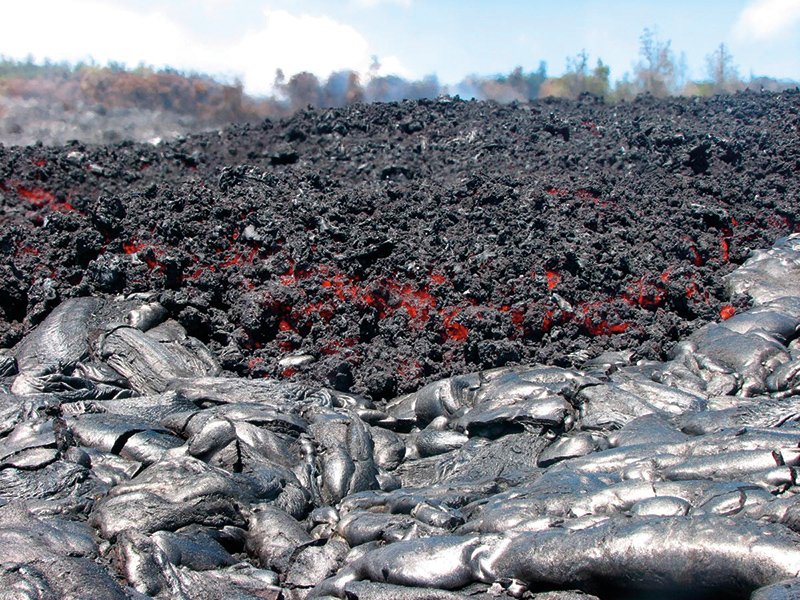
Block lava (aa)
Rough blocky structure formed on the surface of certain lava flows by fragmentation of the congealed crust during certain flow.
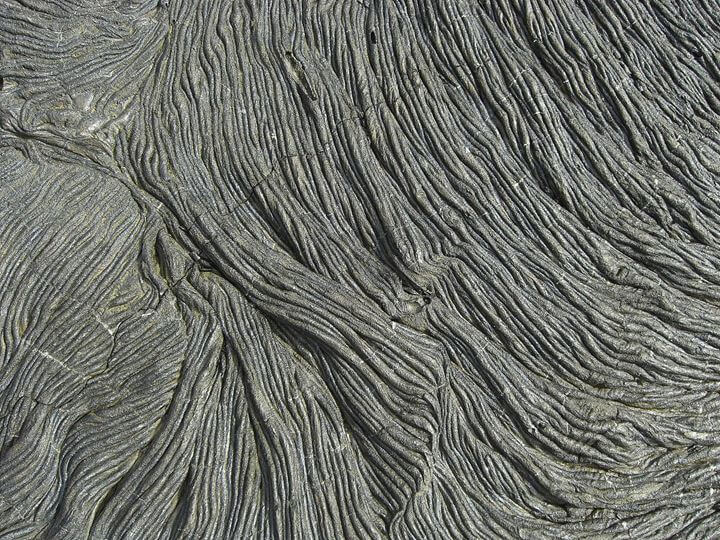
Ropy lava (Pahoehoe)
Smooth, glazed, and ropy surface structure resembles cow dung in form.
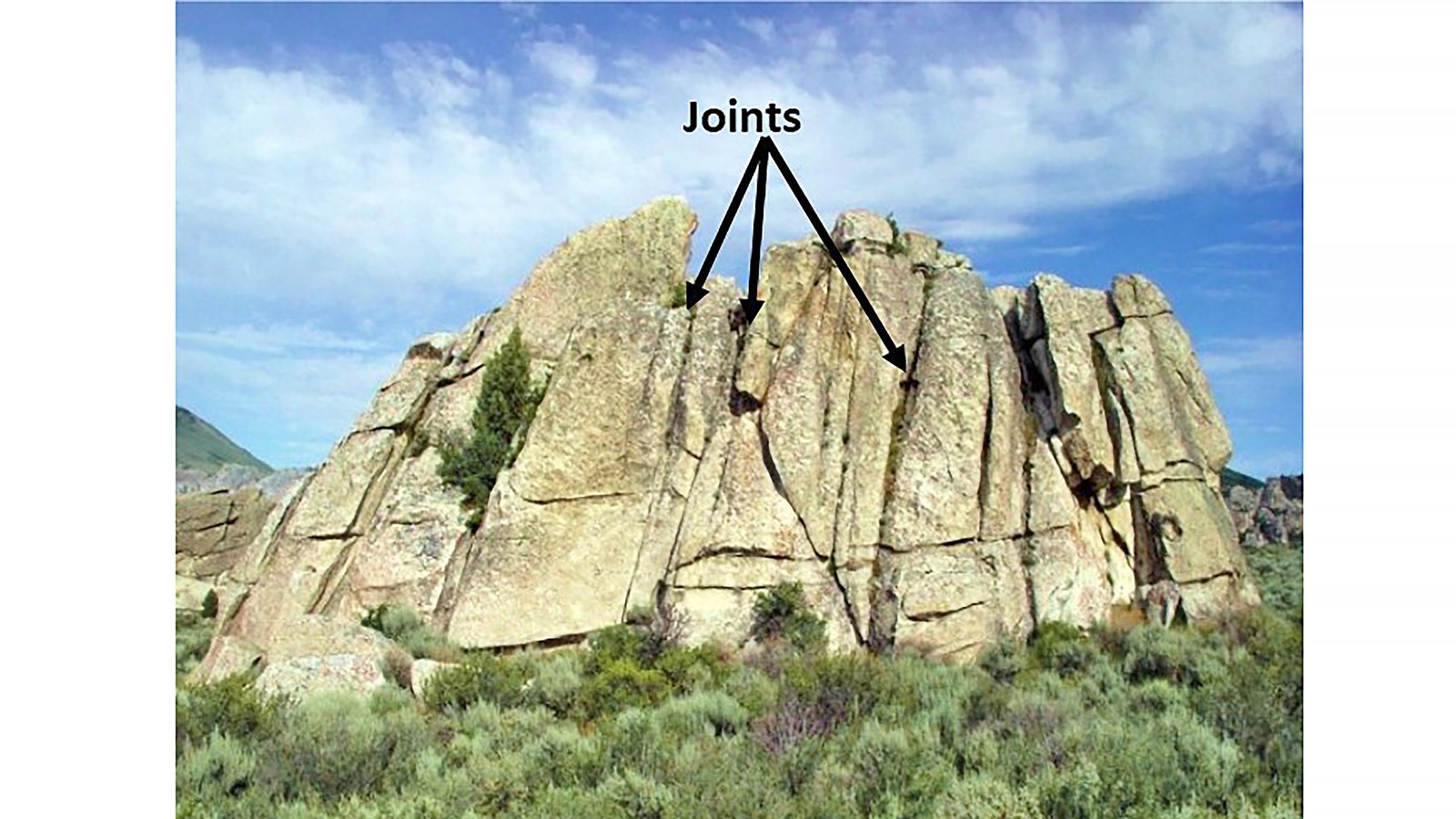
Joints
Fractures along which no visible displacements have occurred, that form during or after the cooling of a magmatic body.
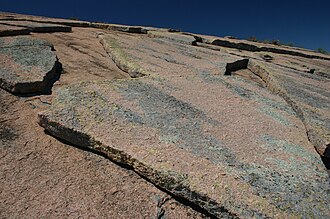
Sheeting
Type of jointing produced by pressure release or exfoliation that forms large tabular blocks or sheets roughly parallel to the Earth’s surface, especially in granitoids.
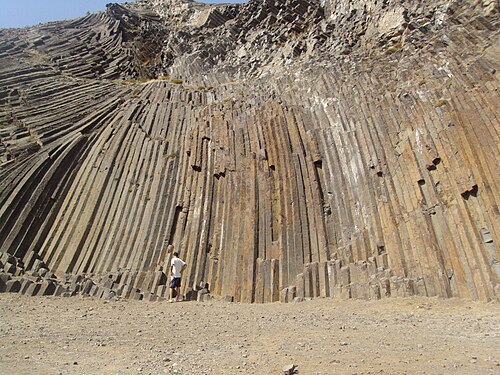
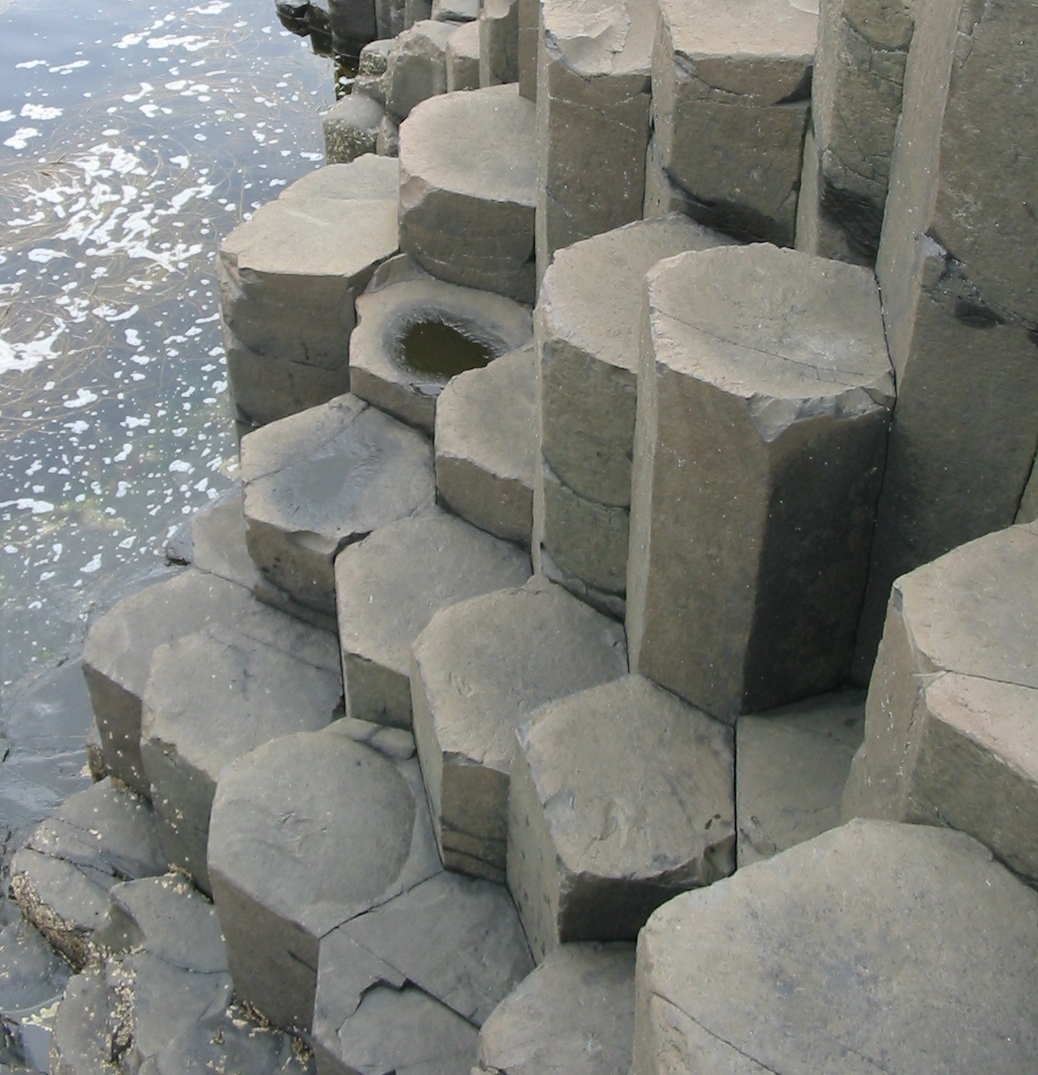
Columnar Jointing
Long, polygonal prisms with three to eight sides, usually oriented with their long axes parallel to the direction of greatest heat flow; reflect volume decrease in igneous rocks during cooling.
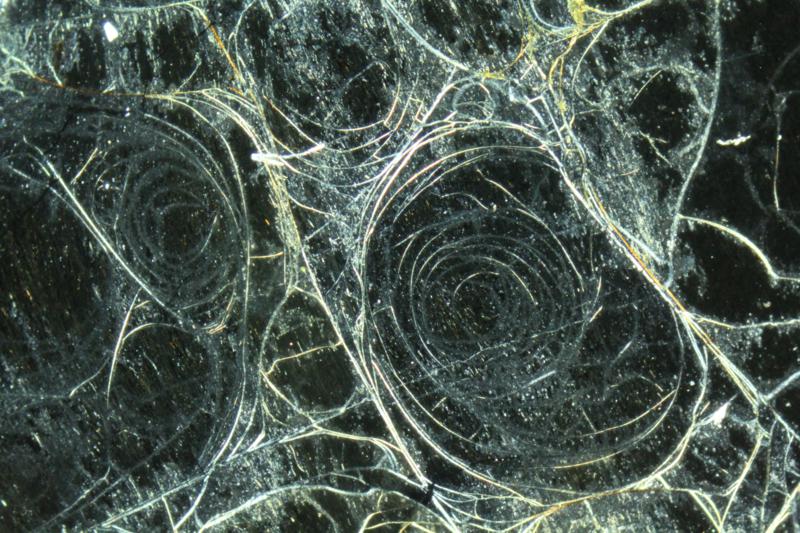
Perlitic
Concentric fracture pattern resulting from contraction on cooling of certain volcanic glasses.
Protoclastic
Deformation and granulation of early-formed minerals due to movement during the final emplacement of magma in the late stages of consolidation.
Hyaloclastite
Fragmental rock derived from rapid chilling and brecciation of volcanic glass. Glassy fragments may be extensively altered.
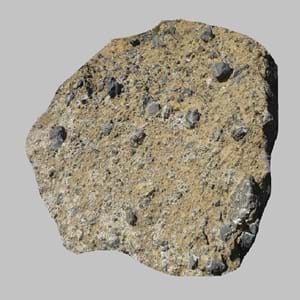
Pyroclastic
Fragmented products of volcanoes (ash, pumice, agglomerate).
Explore top notes

