AP Psychology Unit 5.5 - Treatment of Psychological Disorders
 Call Kai
 Learn
Learn Practice Test
 Spaced Repetition
 Match
Match Flashcards
 Knowt Play
1/46

There's no tags or description
Looks like no tags are added yet.
Name | Mastery | Learn | Test | Matching | Spaced | Call with Kai |
|---|
No analytics yet
Send a link to your students to track their progress
47 Terms
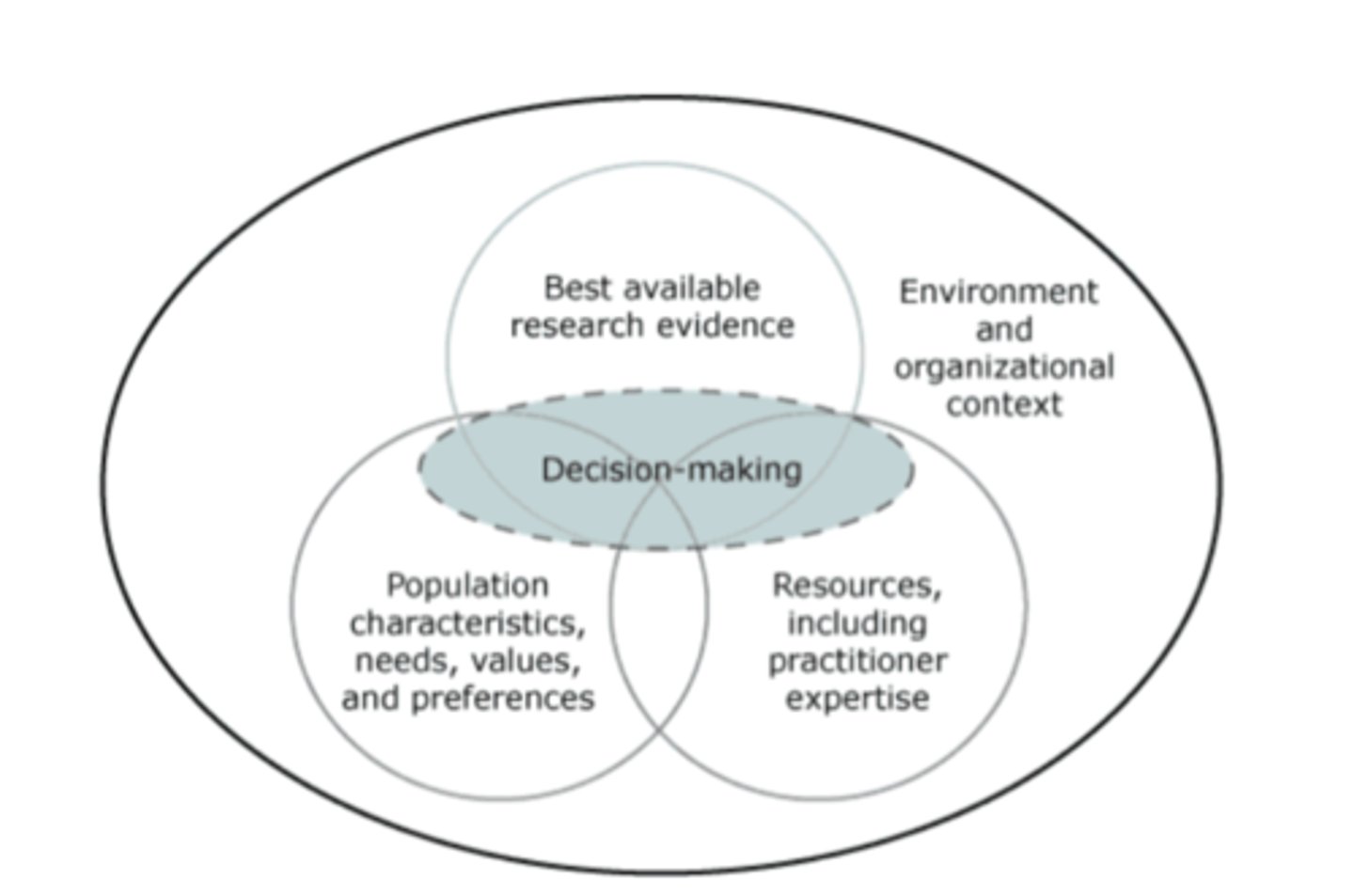
Evidence-based Practice
therapeutic treatments designed with the best available research that also consider patients' unique needs and preferences
Cultural Humility
a practice of therapists who honor a patient's beliefs, customs, and values while being aware of their own limitations and biases

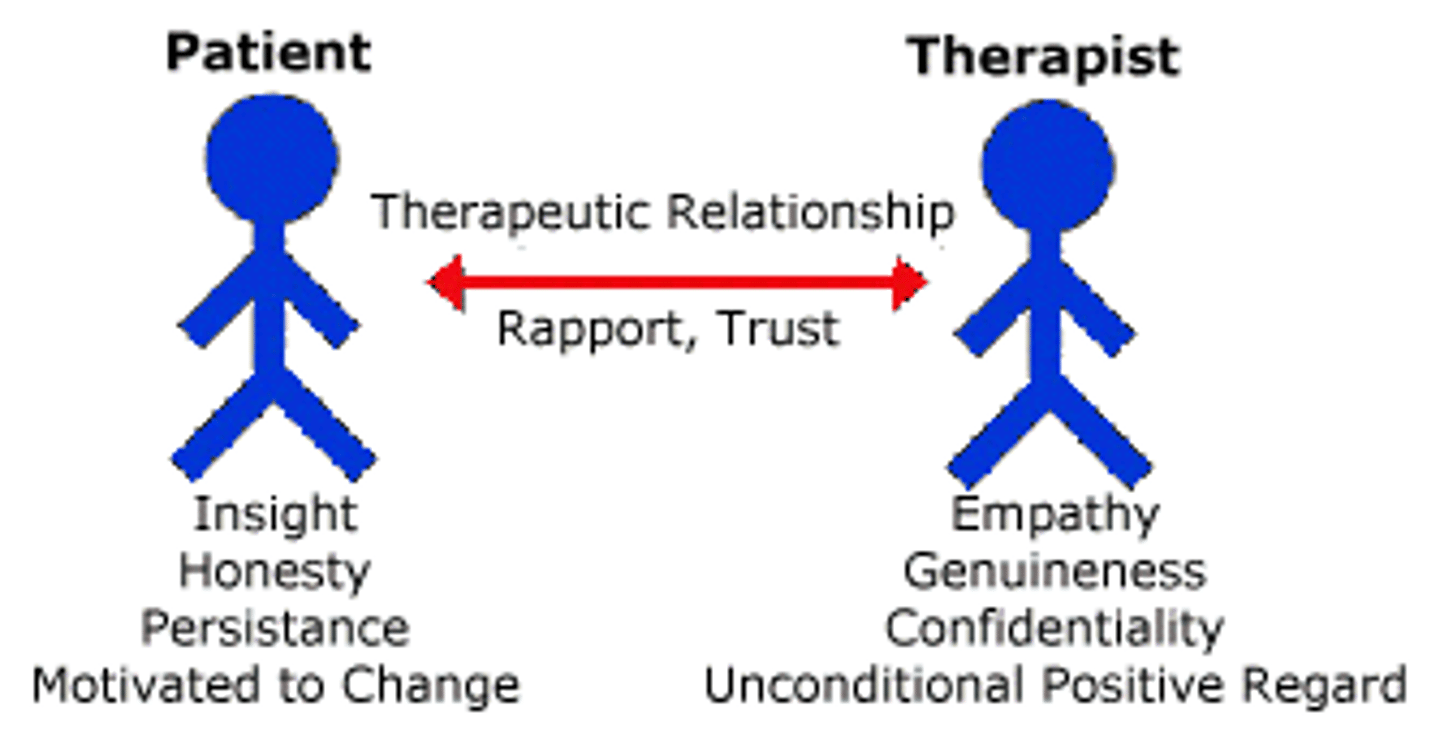
Therapeutic alliance
the bond of trust between a patient and therapist and their agreement to work together for the patient's well-being
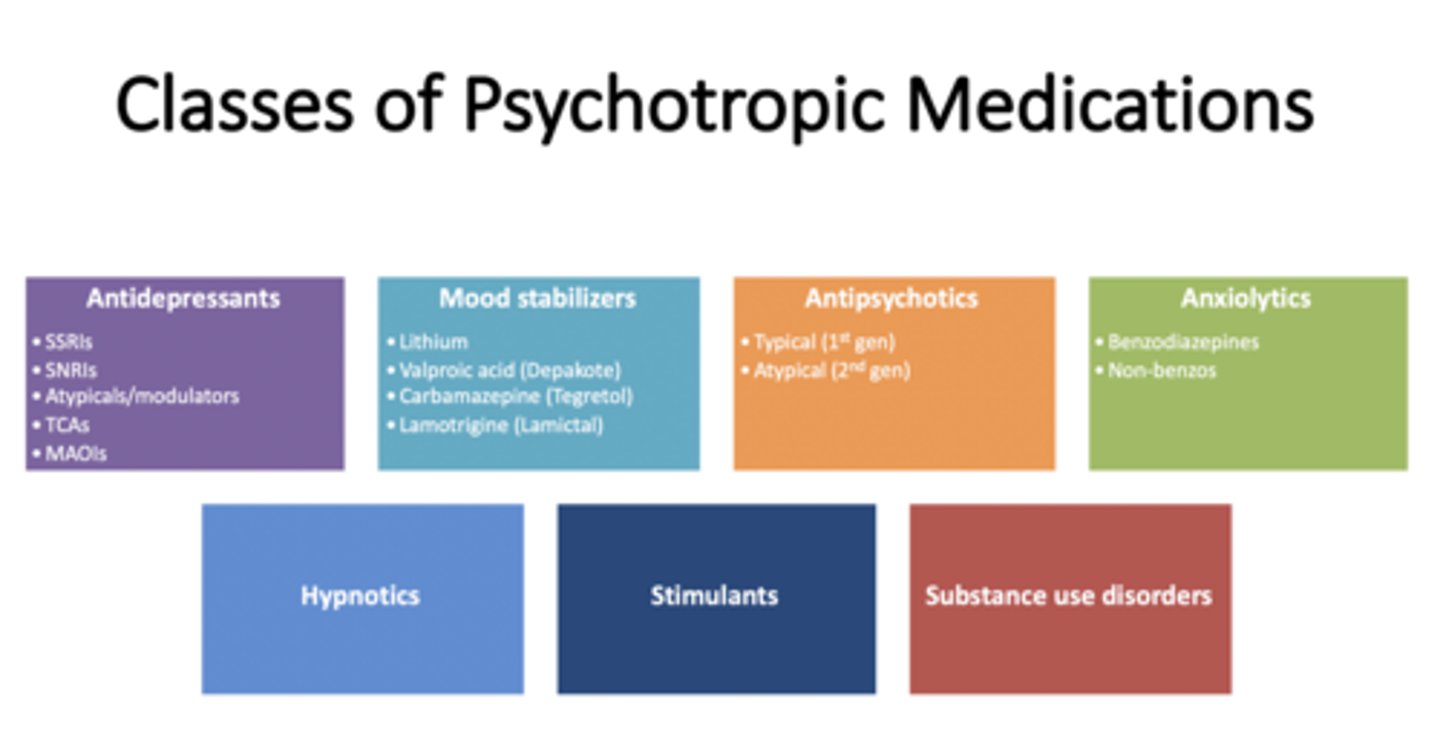
Psychotropic medication
a drug that treats mental illness by altering the brain and nervous system's chemical balance
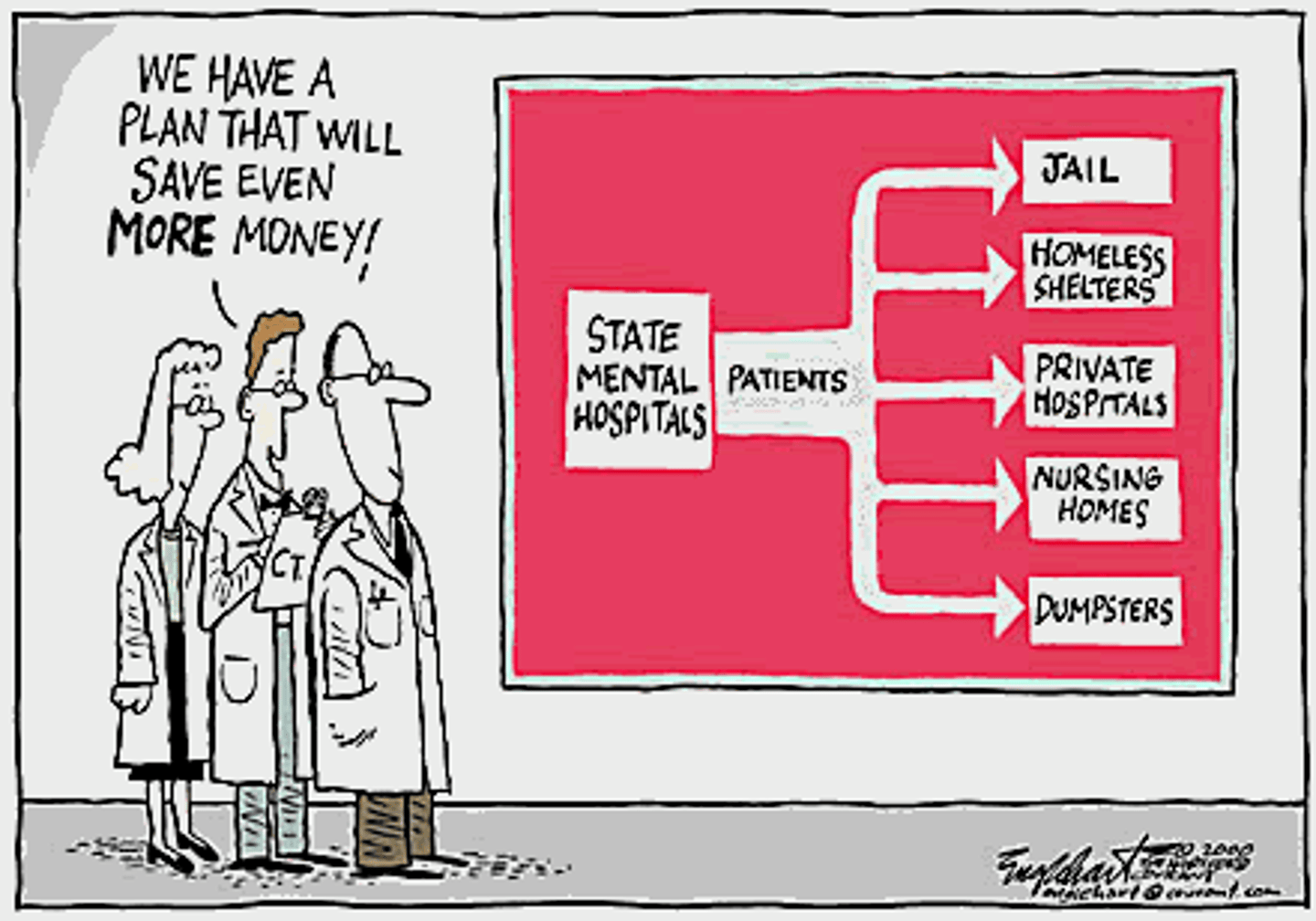
Deinstitutionalization
The process, begun in the late twentieth century, of moving people with psychological disorders out of institutional facilities.
Nonmaleficence
the ethical principle of not causing intentional harm to a patient
Fidelity
a measure of how closely a psychotherapeutic treatment follows the intended method
Integrity
a characteristic of a therapist who is truthful, trustworthy, and upholds high standards of professionalism

Respect
protecting a patient's rights, dignity, and privacy and making them a partner in decision-making
Psychodynamic therapies
treatments that focus on unconscious mental processes (usually about past experiences) and how these influence current behavior
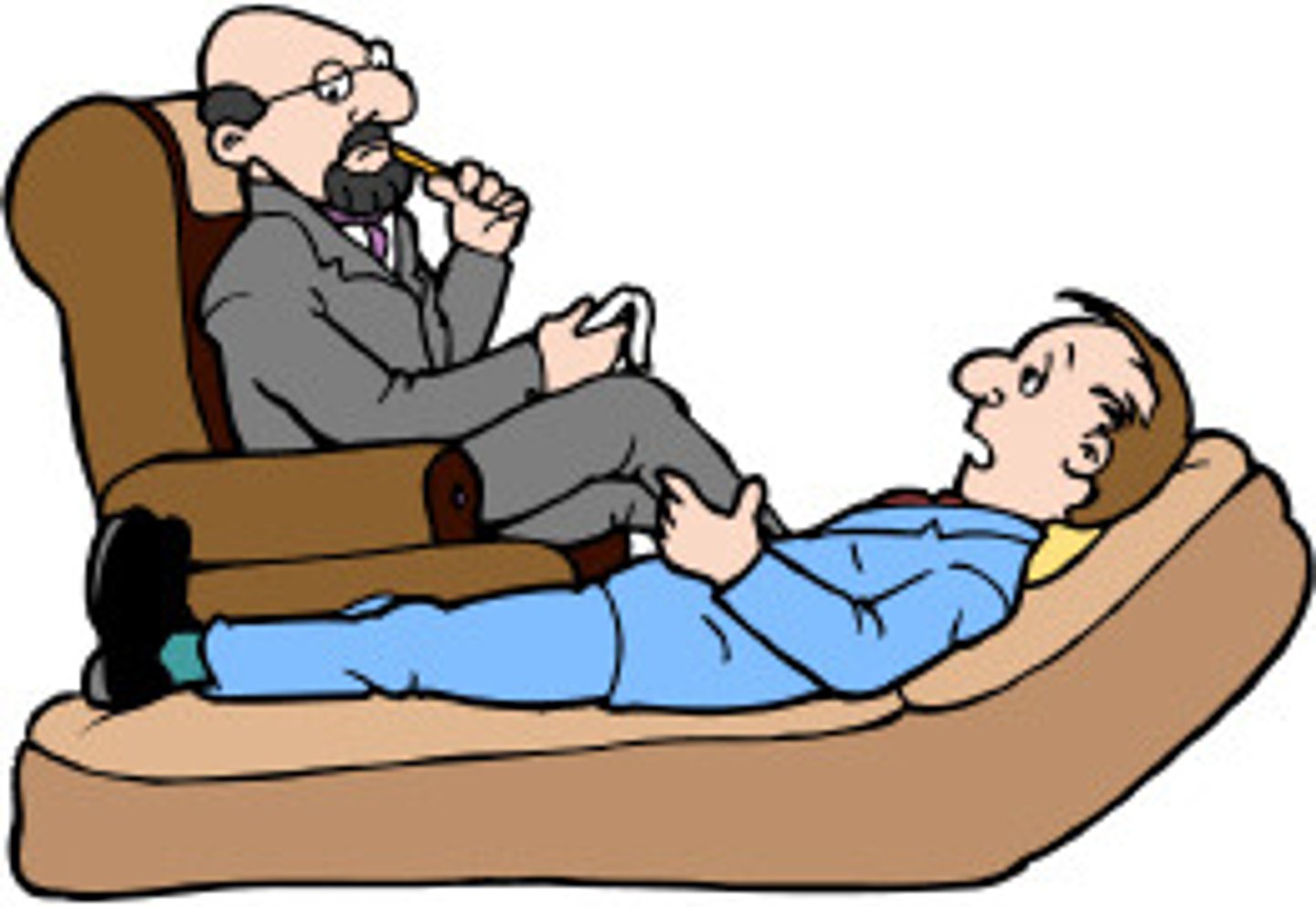
Free association
The act of speaking whatever comes to mind while facing away from your therapist in an attempt to gain understanding of unconscious beliefs/desires.

Interpretation
In psychoanalysis, the analyst’s noting of supposed dream meanings, resistances, and other significant behaviors and events in an effort to promote insight.

Cognitive therapies
treatments based on the theory that when a person changes their thoughts (as opposed to their behaviors), they can change how they feel and how they respond
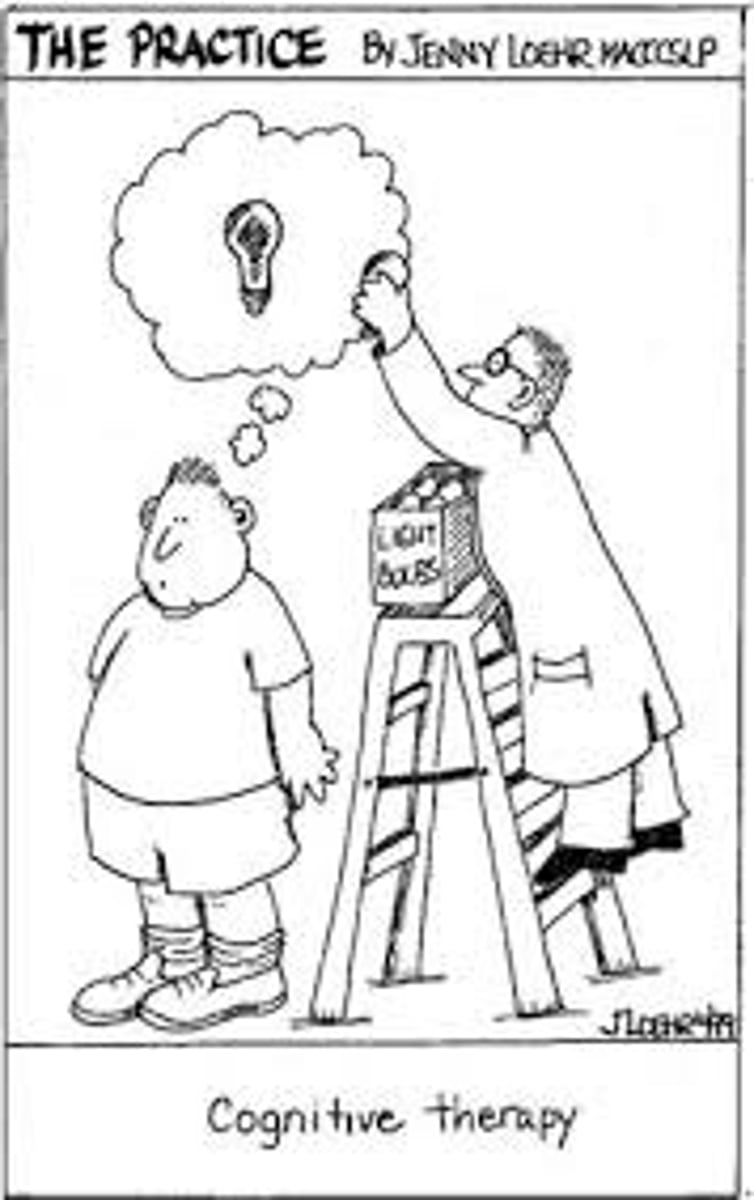
Combating maladaptive thinking
the process of changing harmful thought patterns into more realistic ones
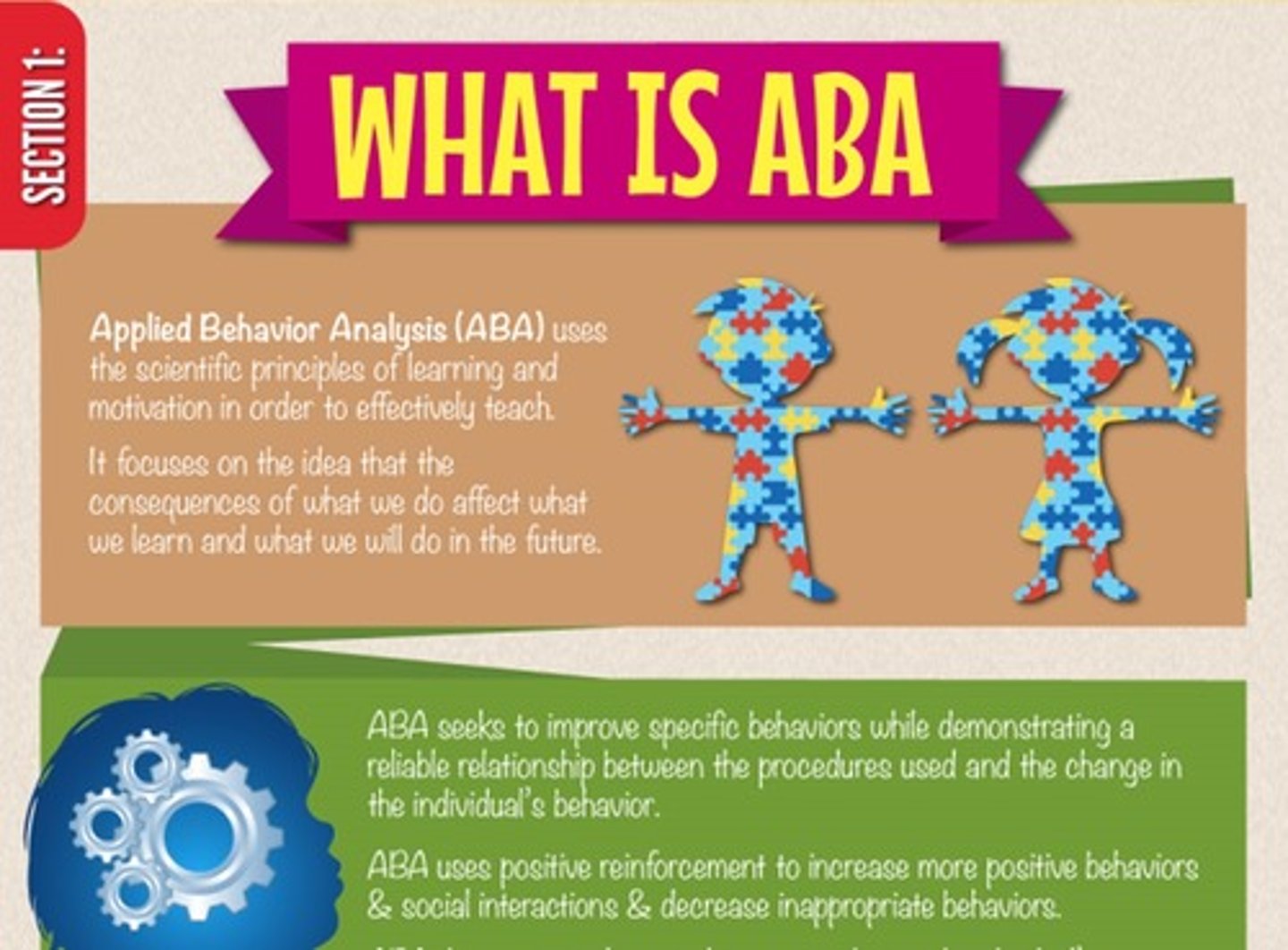
Applied behavior analysis
Uses principles of learning theory to increase positive behaviors and decrease unwanted behaviors
Exposure therapies
treatments for anxieties that safely expose people (in imagination or actuality) to the things they fear and avoid

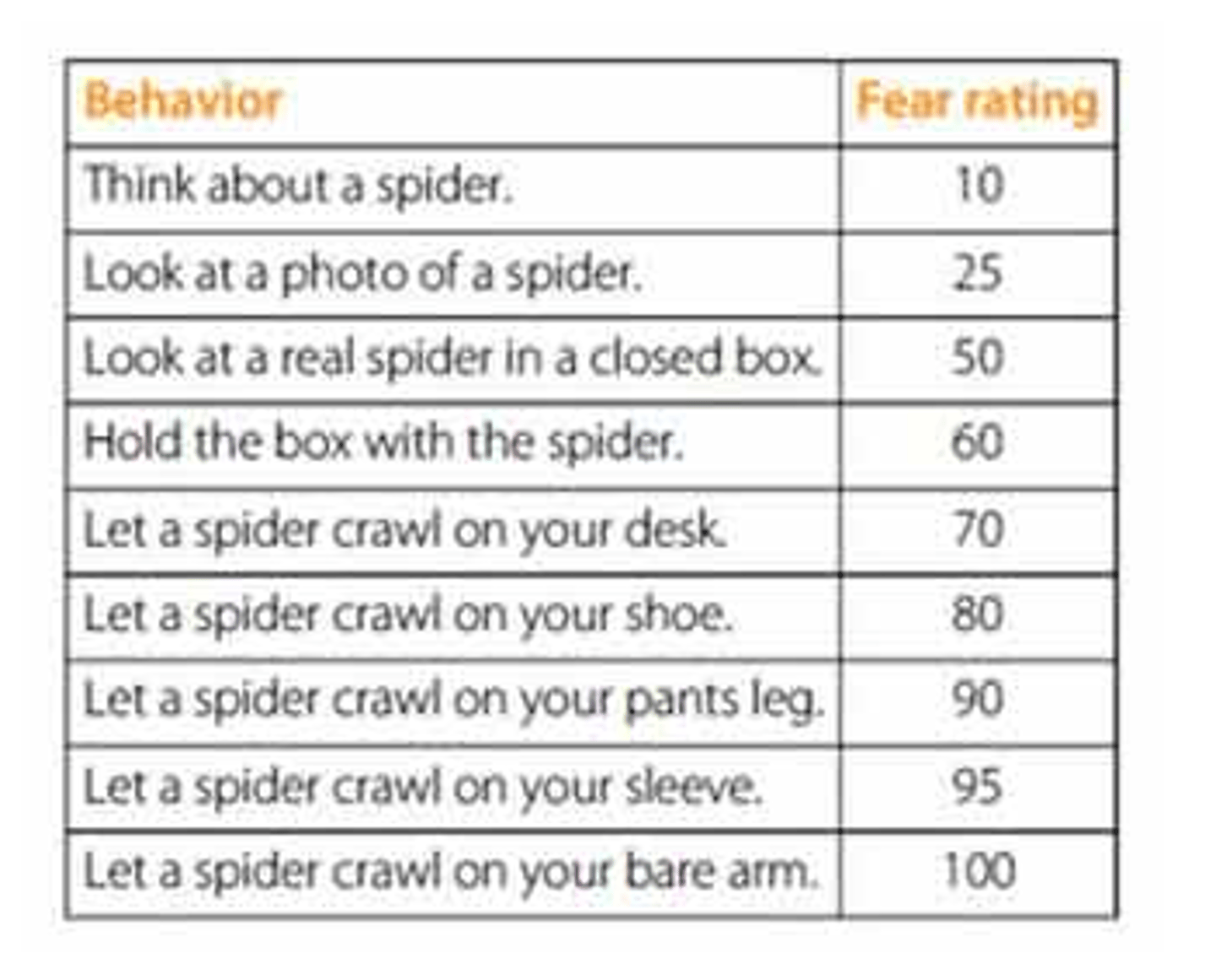
Systematic desensitization
A type of behavioral therapy used to help effectively overcome phobias and other anxiety disorders by making an anxiety hierarchy of what is least feared to the most. It involves a patient learning relaxation skills and gradually being exposed to the situation causing anxiety.
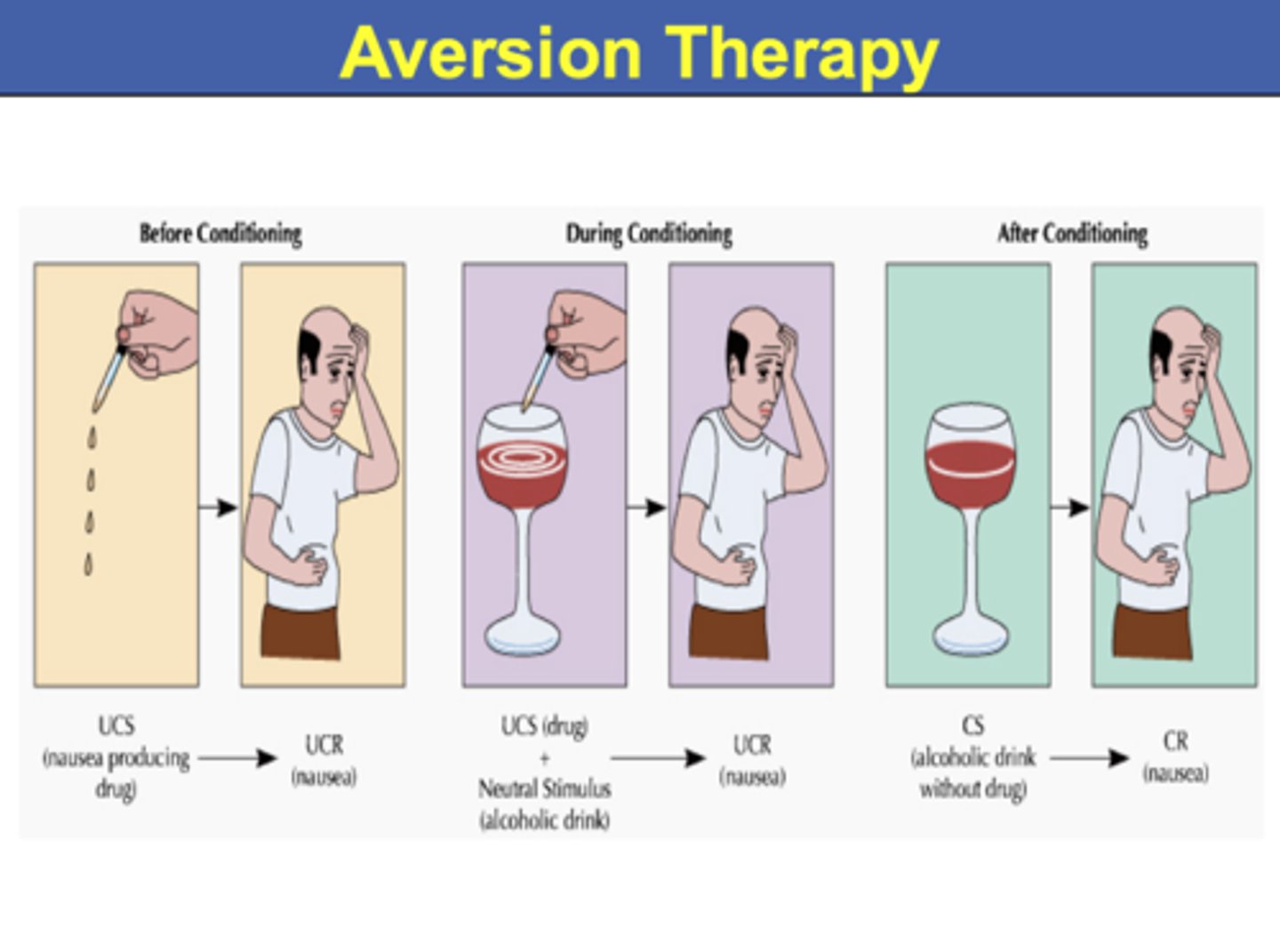
Aversion therapies
Creating a negative response to the harmful stimulus to reduce or eliminate the behavior
Token economies
a behavioral management technique that uses tokens to reward desired behaviors

Biofeedback
a technique that uses external devices to monitor a person's physiological state with the goal of controlling bodily functions to improve health

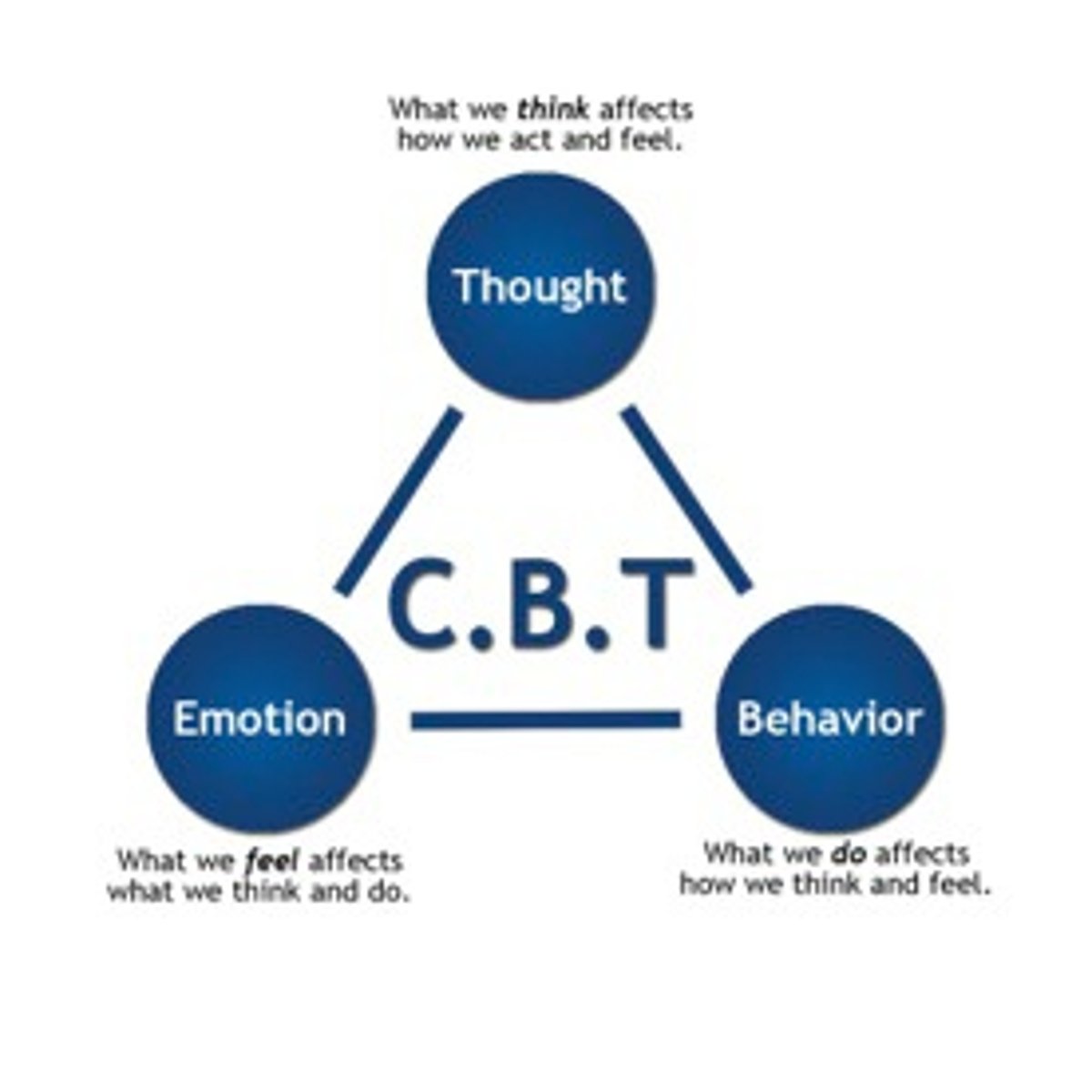
Cognitive-behavioral therapies (CBT)
a therapy based on the idea that thoughts and behaviors reinforce each other and that changing these can make a person feel better
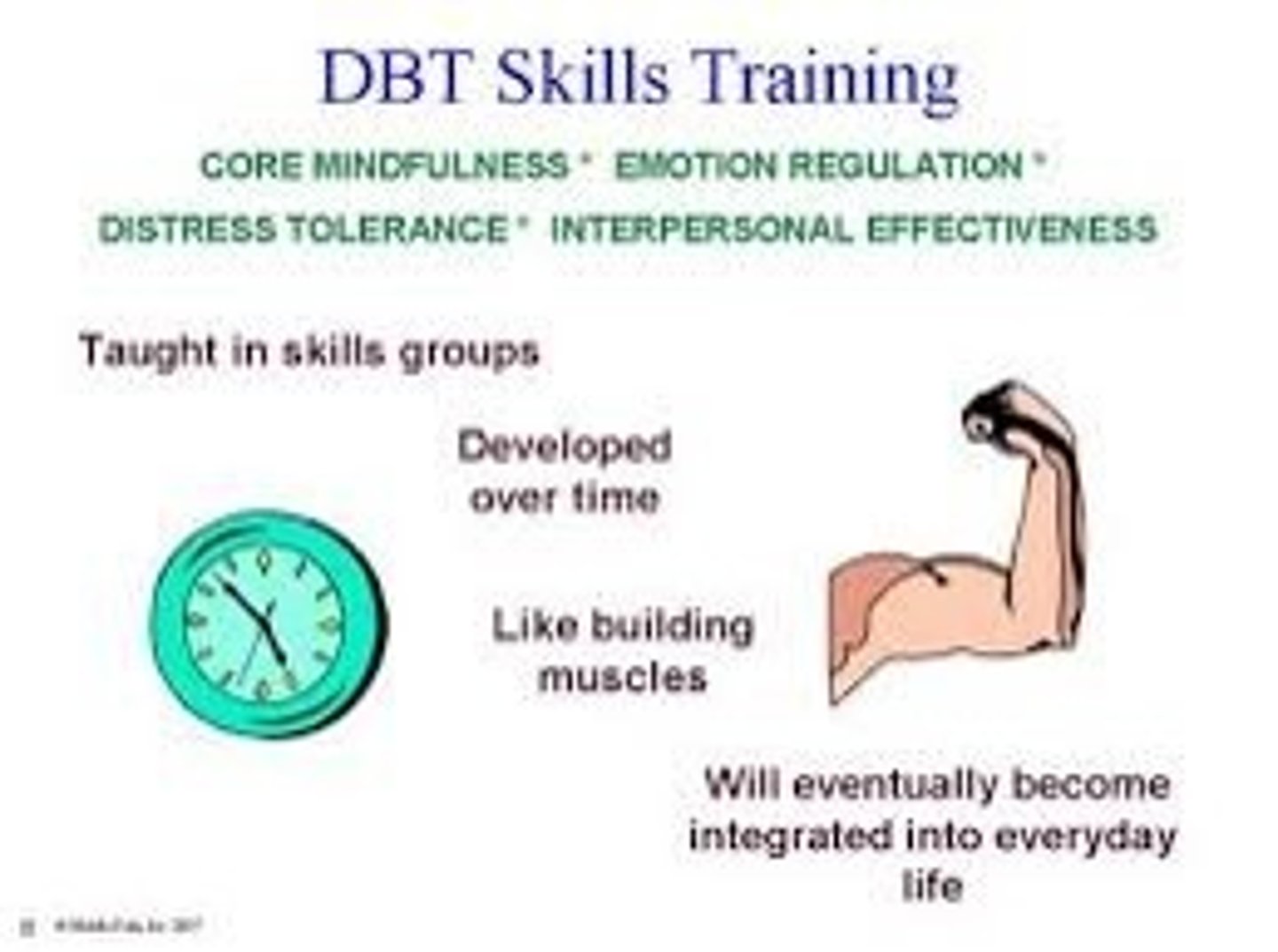
Dialectical behavior therapy (DBT)
a CBT treatment that helps people learn to accept reality and manage their emotions and relationship skills by teaching mindfulness.
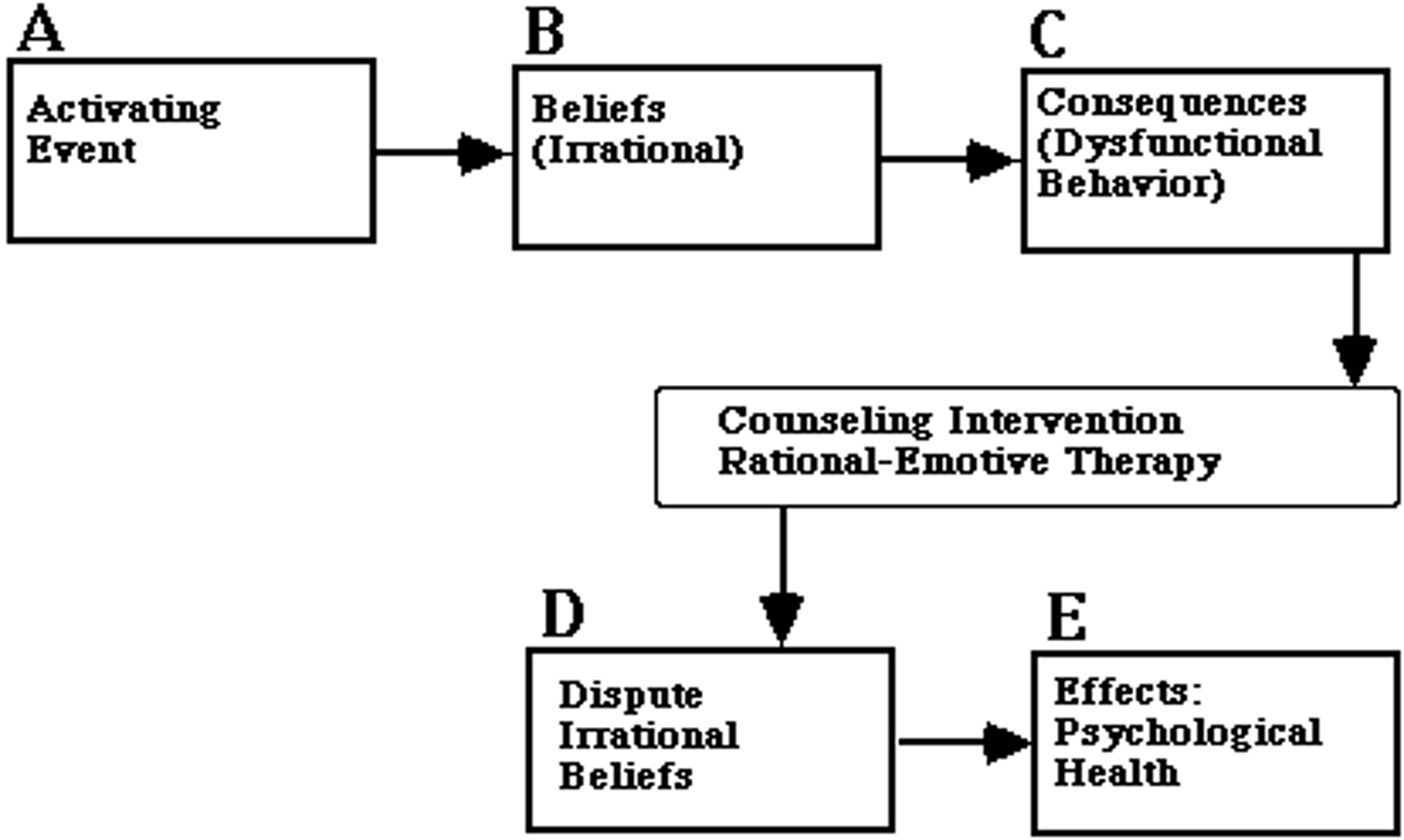
Rational Emotive Behavior Therapy (REBT)
a CBT treatment that helps people identify self-defeating thoughts and feelings by using reasoning to disprove those beliefs.
Person-Centered Therapy
a treatment from the humanistic perspective that focuses on creating a supportive and non-judgmental environment for clients to help them develop self-acceptance and personal growth

Active Listening
a crucial part of person-centered therapy in which the therapist closely listens then demonstrates that they understand through clarifying questions and feedback

Group Therapy
treating several people with similar problems in regular meetings with a trained counselor or therapist

Hypnosis
a state of consciousness characterized by focused attention, increased suggestibility, and heightened mental relaxation used by therapists to treat pain and anxiety

Psychoactive Medication
drugs that interact with specific neurotransmitters in the central nervous system to address possible biochemical causes of mental disorders

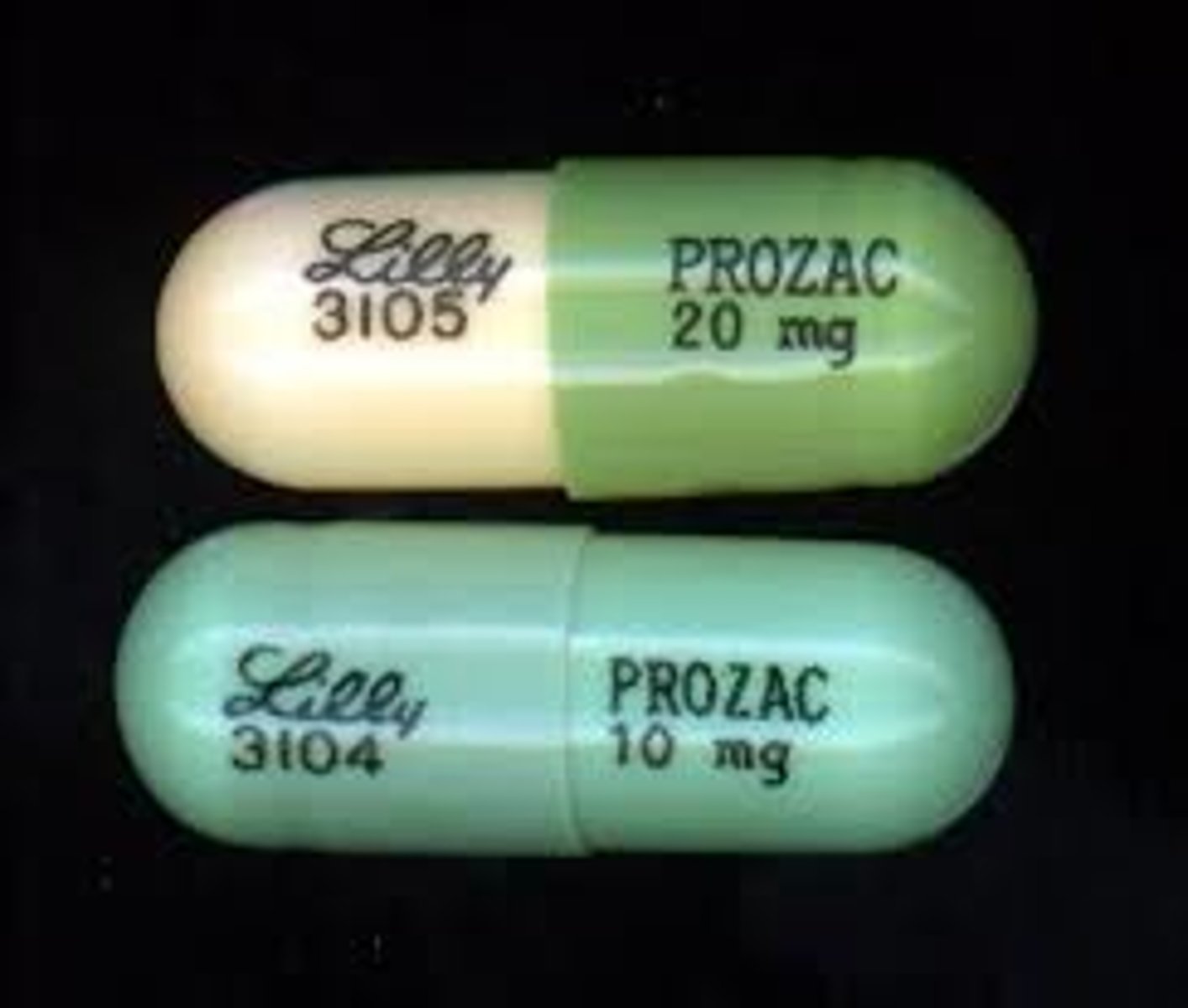
Antidepressants
psychoactive medications that alter the brain's use of neurotransmitters (e.g., serotonin, norepinephrine, and dopamine) to improve mood and behavior
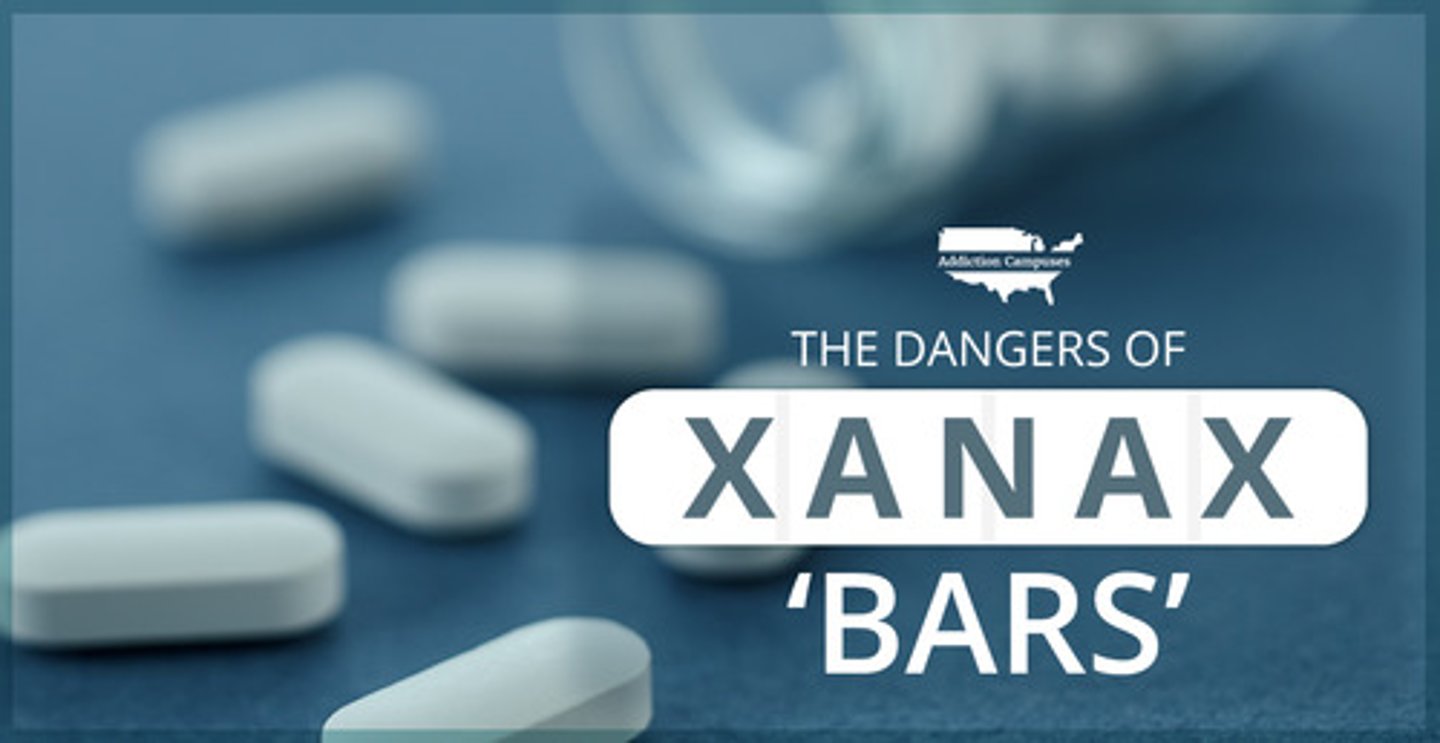
Antianxiety drugs
psychoactive medications that slow down brain activity and increase serotonin levels to alleviate fear, dread, uneasiness, and muscle tightness
Lithium
a psychoactive medication used as a mood stabilizer (most commonly for bipolar disorder, mania, and depression)

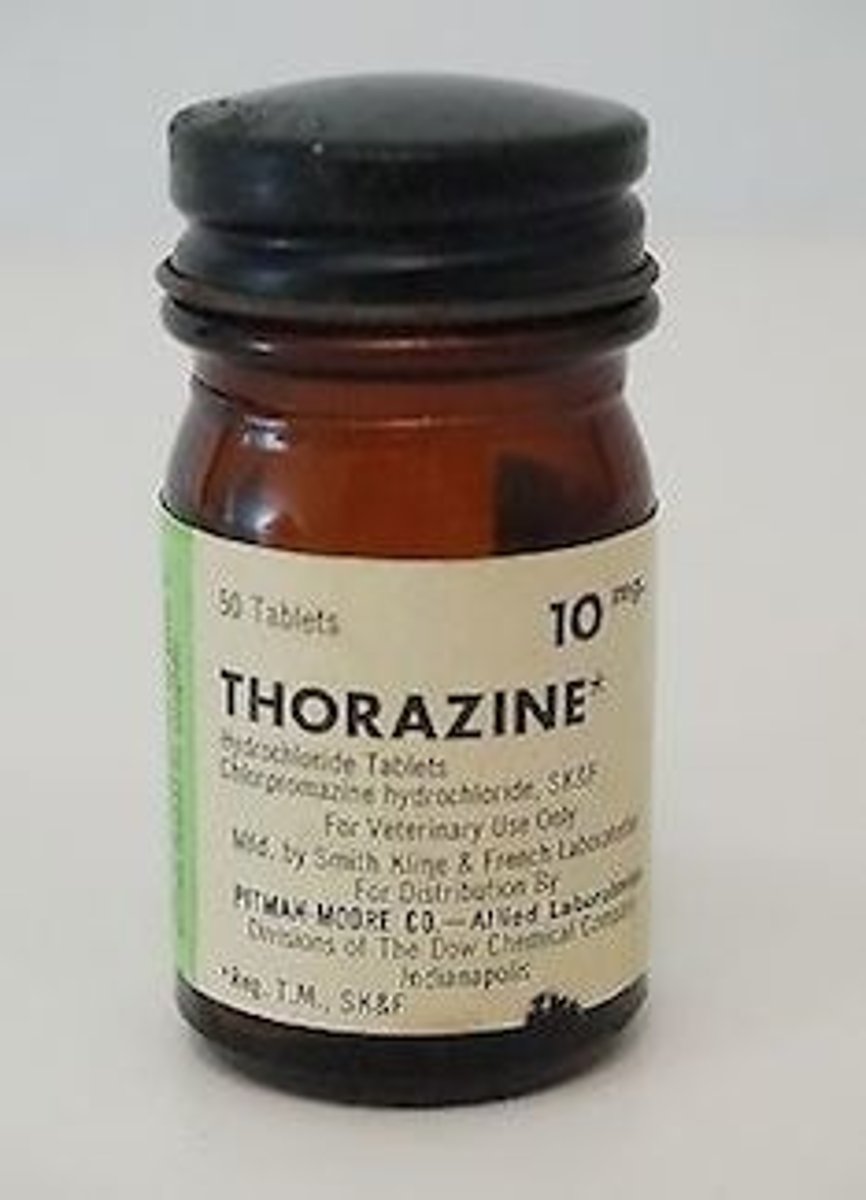
Antipsychotic medications
psychoactive medications that are used to treat symptoms of psychosis, such as hallucinations and delusions
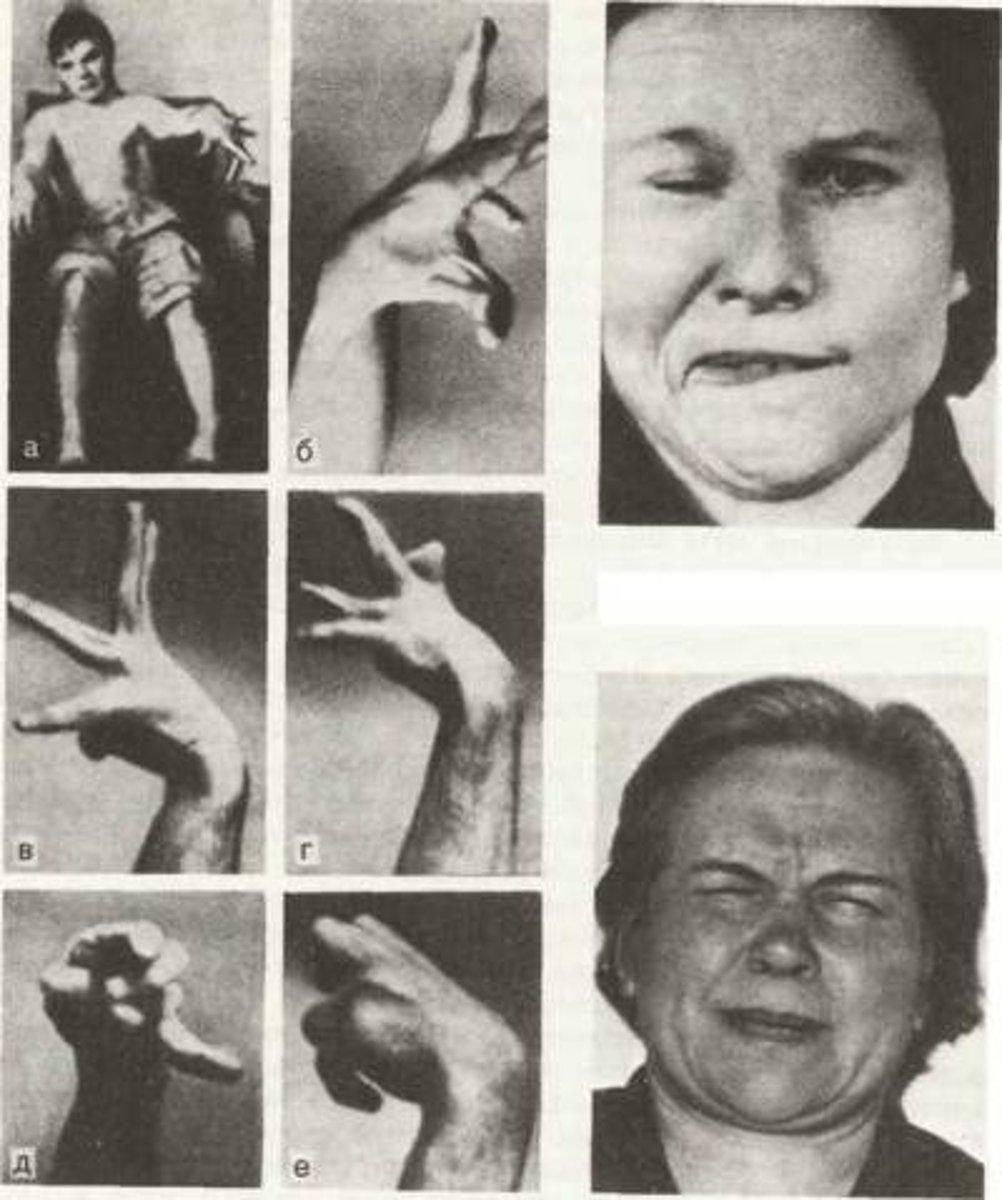
Tardive dyskinesia
a side effect of long-term use of traditional psychoactive medications in which people have uncontrollable movements, tremors, or spasms (related to the regulation of dopamine
in the nervous system)
Psychosurgery
surgical procedures on brain tissue that remove or disconnect nerve pathways to treat mental disorders
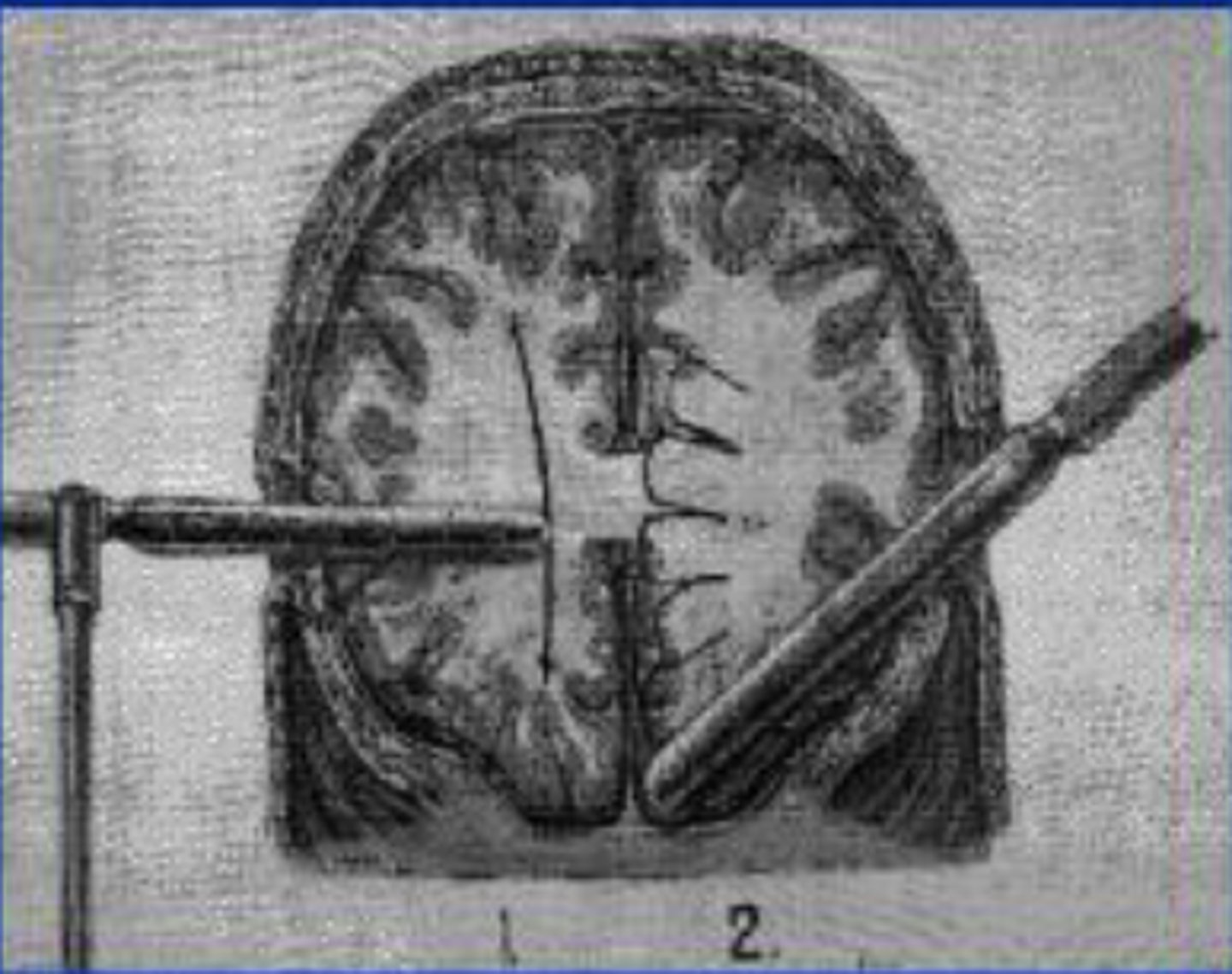
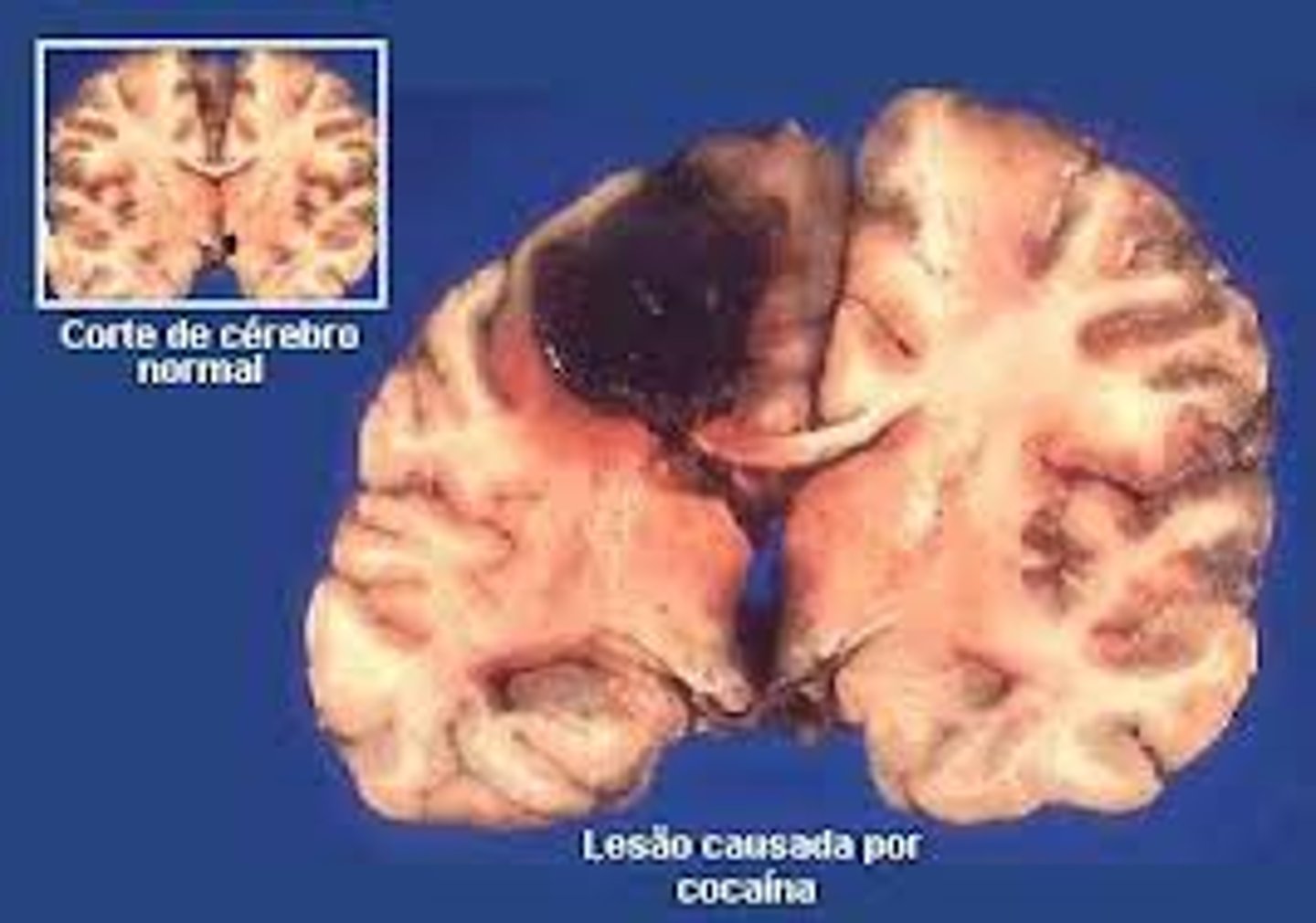
Lesioning
a form of psychosurgery involving the removal or destruction of part of the brain
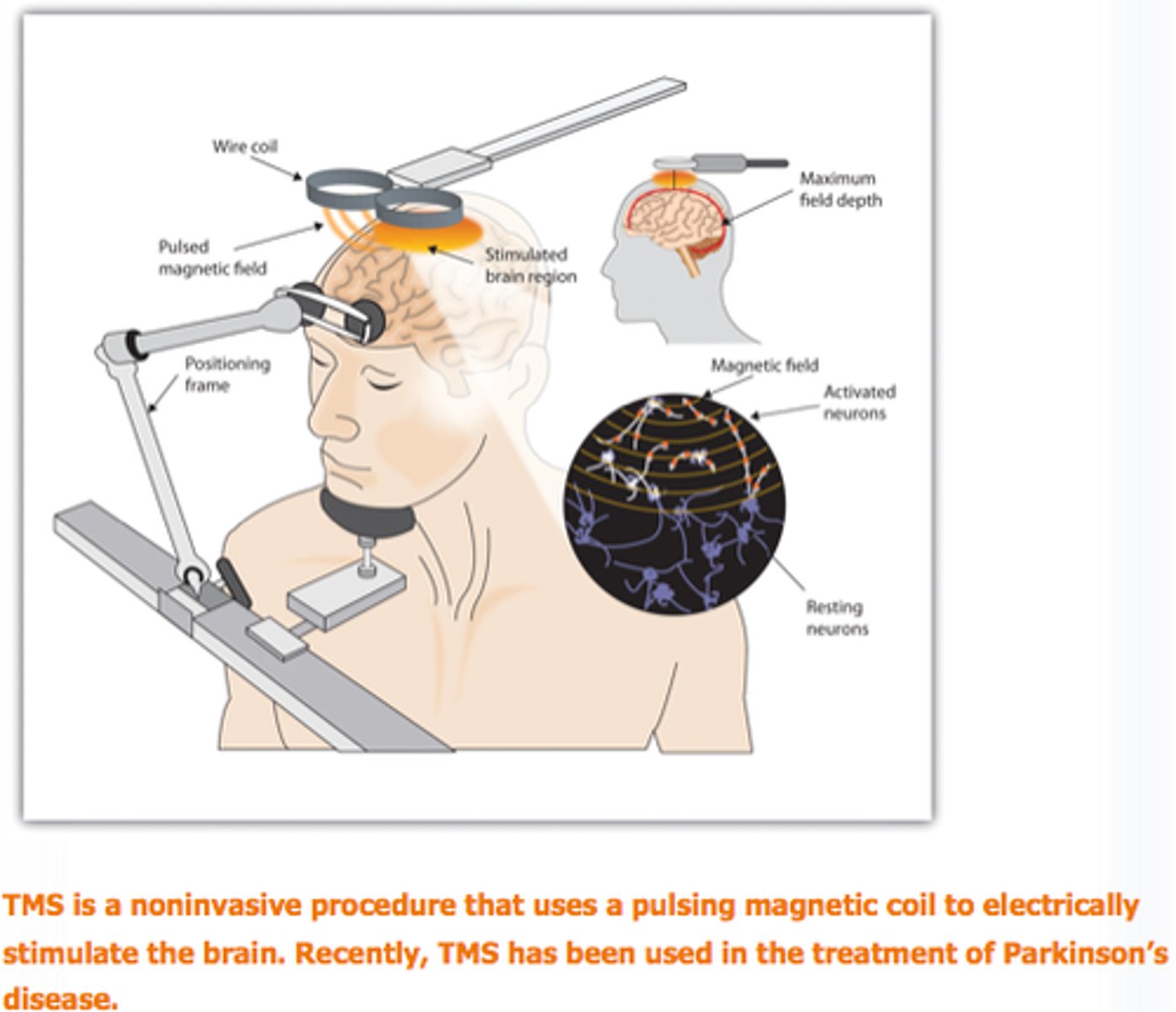
Transcranial magnetic stimulation (TMS)
a non-invasive intervention that uses magnetic fields to stimulate the brain (used for depression, obsessive-compulsive disorder, and other conditions)
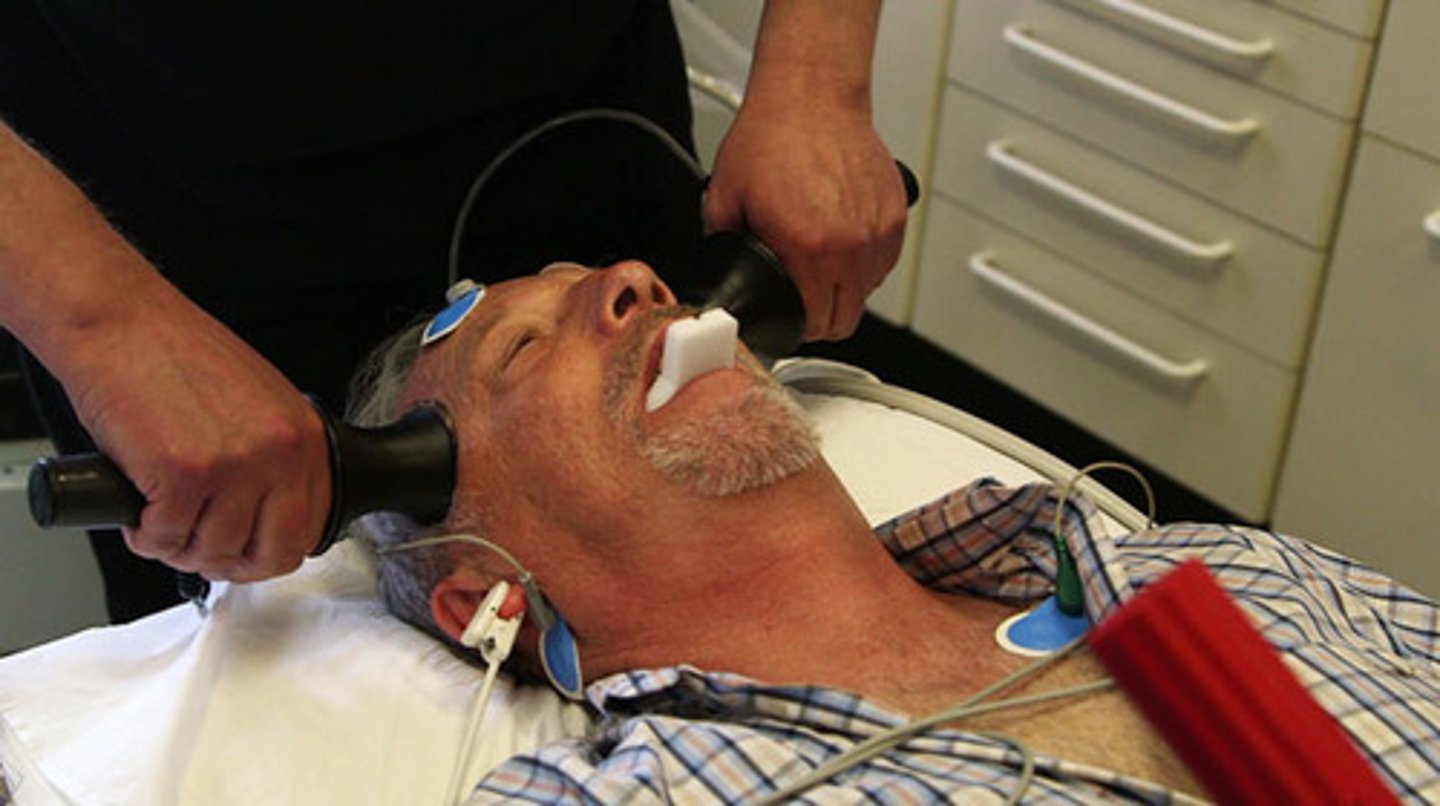
Electroconvulsive therapy
a treatment that uses electric shock to induce a seizure in the brain most commonly for drug-resistant or severe disorders
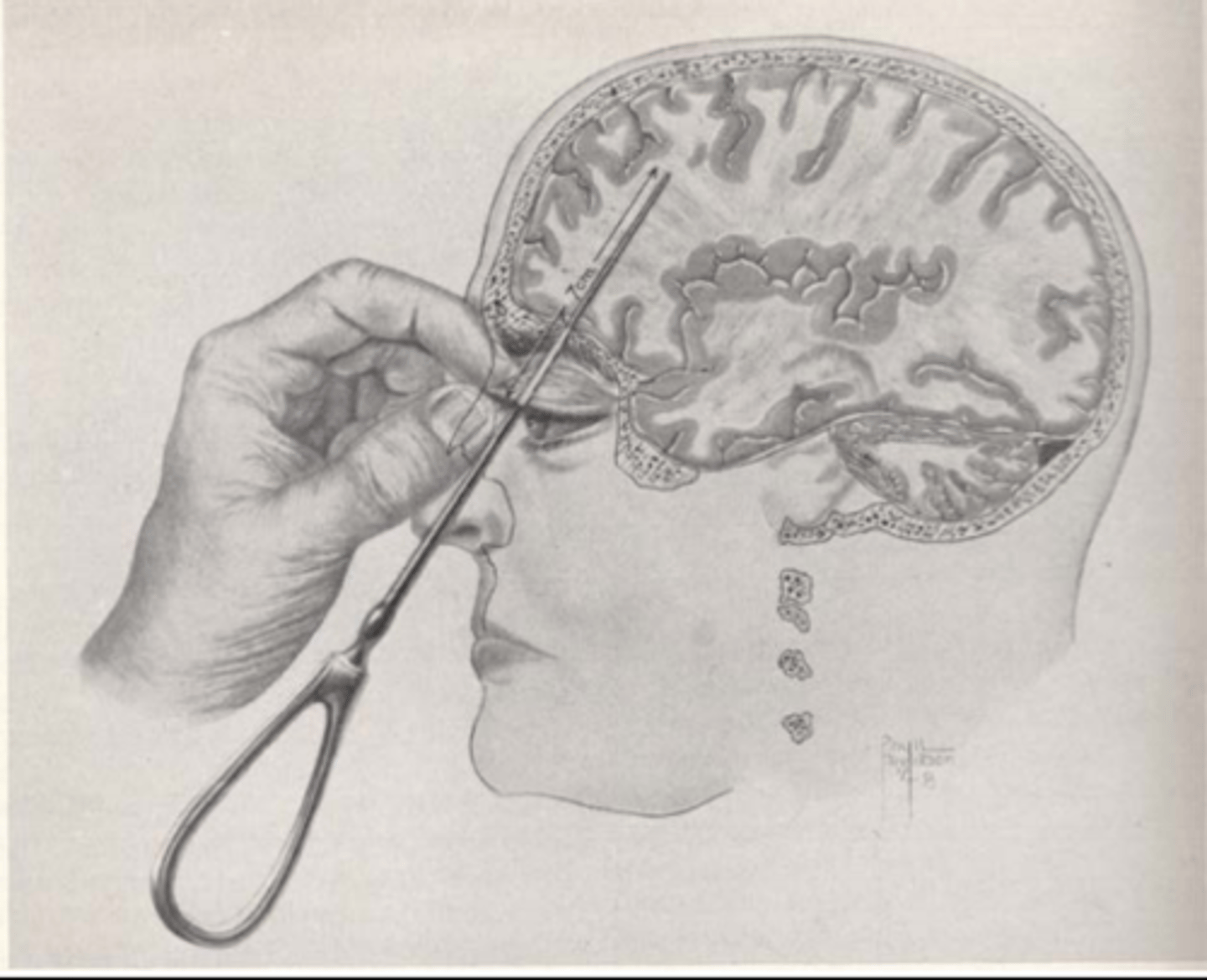
Lobotomy
a now-rare psychosurgical procedure used to calm uncontrollably emotional or violent patients by cutting the nerves that connect the frontal lobes to the emotion-controlling centers of the inner brain
Counterconditioning
Inducing a relaxed response to a fear-causing stimuli, and gradually introducing the feared stimuli until the trigger stimulus is paired with an incompatible emotion from fear.
Psychotherapy
Treatment involving psychological techniques; consists of interactions between a trained therapist and someone seeking to overcome psychological difficulties or achieve personal growth
Biomedical Therapy
Prescribed medications or procedures that act directly on the person’s phsyiology
Eclectic Approach
An approach to psychotherapy that uses techniques from various forms of therapy
Psychoanalysis
Sigmund Freud’s therapeutic technique. Freud believed the patient’s free associations, resistances, dreams, and transferences - and the analyst’s interpretations of them - released previously repressed feelings, allowing the patient to gain self-insight.
Resistance
In psychoanalysis, the blocking from consciousness of anxiety-laden material.
Transference
In psychoanalysis, the patient’s transfer to the analyst of emotions linked with other relationships.
Shaping
The rewarding of close and closer approximations for a desired behavior.
Countertransference
When the therapist realizes that the client brings up a strong emotional reaction towards said client.

