Metformin, SGLT2 inhibitors, Sulfonylureas, Insulins.
 Studied by 0 people
 Call with Kai
 Learn
Learn Practice Test
 Spaced Repetition
 Match
Match Flashcards
 Knowt Play
1/65

There's no tags or description
Looks like no tags are added yet.
Name | Mastery | Learn | Test | Matching | Spaced | Call with Kai |
|---|
No analytics yet
Send a link to your students to track their progress
66 Terms
What class of drug is metformin?
Biguanide.
How does metformin lower blood glucose?
1) Reducing glycogenolysis and gluconeogenesis
2) Increasing glucose uptake and utilisation by skeletal muscle
3) Activation of AMP kinase
What beneficial metabolic effect may accompany metformin therapy?
Modest weight loss.
How is metformin eliminated from the body?
Excreted unchanged by the kidneys.
When should metformin dose be reduced based on eGFR?
eGFR <45 mL/min/1.73 m²
When should metformin be STOPPED due to renal function?
eGFR <30 mL/min/1.73 m²
In which acute conditions should metformin be withheld?
AKI or severe tissue hypoxia (e.g. sepsis, MI, respiratory failure).
Why should metformin be used cautiously in liver disease?
Reduced lactate clearance increases lactic acidosis risk.
What advice applies to alcohol and metformin use?
Withhold during acute intoxication; caution in chronic alcohol abuse.
What must be checked before giving IV iodinated contrast to a patient on metformin?
Renal function.
Why may metformin be temporarily stopped around contrast studies? Does this apply to gadolinium-based contrast agents used for MRI scans?
1) Risk of renal impairment → lactic acidosis.
2) No.
Which drugs increase the risk of renal impairment when combined with metformin?
ACE inhibitors, NSAIDs, diuretics.
Which drugs oppose the glucose-lowering effect of metformin?
Corticosteroids, thiazide diuretics, loop diuretics.
What is the usual HbA1c target on metformin monotherapy?
≤48 mmol/mol.
How often should renal function be monitored with metformin?
Before starting and at least annually (more often if high risk).
When should metformin be stopped?
Intolerance, lack of efficacy, eGFR <30 mL/min/1.73 m², or acute illness.
Why is metformin usually the first-choice drug in type 2 diabetes?
Effective glucose control without weight gain or hypoglycaemia.
What are the common indications of SGLT2 inhibitors?
1) T2DM
2) HF with reduced ejection fraction
3) CKD with albuminuria
Where is SGLT2 located in the nephron?
PCT.
How do SGLT2 inhibitors lower blood glucose?
By inhibiting glucose reabsorption, causing glycosuria.
What effect do SGLT2 inhibitors have on sodium and water excretion?
Increases both.
What effect do SGLT2 inhibitors have on intraglomerular pressure?
Reduce it via tubuloglomerular feedback.
Do SGLT2 inhibitors commonly cause hypoglycaemia? Why?
No- their effect diminishes at low serum glucose levels.
Why do SGLT2 inhibitors increase infection risk?
Glycosuria promotes bacterial and fungal growth.
What rare but serious infection is associated with SGLT2 inhibitors?
Fournier’s gangrene.
What type of ketoacidosis can SGLT2 inhibitors cause?
Euglycaemic diabetic ketoacidosis. (DKA at near-normal glucose levels).
How do SGLT2 inhibitors interact with antihypertensive drugs?
Increase risk of hypotension.
How do SGLT2 inhibitors interact with diuretics?
Increase risk of volume depletion.
Can SGLT2 inhibitors be taken with food?
Yes.
What should be checked before starting SGLT2 inhibitors?
Renals- then continued annually.
When should SGLT2 inhibitors be temporarily STOPPED?
During dehydration, hypovolaemia, hypotension, or acute illness.
What urinalysis finding is concerning in patients on SGLT2 inhibitors? What action should be taken?
Urinary ketones- withhold drug, check acid–base status, seek specialist advice.
Name some sulfonylureas.
Gliclazide, glimepride, glipizide.
MOA of sulfonylureas?
Stimulating pancreatic insulin secretion, by blocking ATP-dependent K+ channels in pancreatic β-cell membranes
Are sulfonylureas effective in type 1 diabetes?
No – they require residual pancreatic β-cell function.
What is the most important adverse effect of sulfonylureas?
Hypoglycaemia.
When is hypoglycaemia more likely with sulfonylureas?
1) At high doses
2) Reduced drug metabolism
3) In combination with other glucose-lowering drugs
What rare hypersensitivity reactions can sulfonylureas cause?
Cholestatic jaundice, drug hypersensitivity syndrome, agranulocytosis.
How is gliclazide metabolised?
Hepatically.
In which conditions should sulfonylureas be used with caution?
Renal impairment, hepatic impairment, malnutrition, adrenal or pituitary insufficiency, older age.
Which drugs can mask symptoms of hypoglycaemia?
β-blockers.
Which drugs reduce the efficacy of sulfonylureas?
Corticosteroids, thiazide/ loop diuretics.
Why is gliclazide (short-acting) preferred?
Lower risk of nocturnal hypoglycaemia.
What is the approximate equivalence between MR and standard-release gliclazide?
30 mg MR ≈ 80 mg standard-release.
When should sulfonylureas be taken?
With meals.
How should hypoglycaemia be managed by patients?
Take fast-acting sugar, then a starchy snack, and seek advice if symptoms recur.
Why may insulin be preferred during acute illness?
Oral agents are less effective and risk hypoglycemia; insulin is easier to titrate.
In which diabetic emergencies is IV insulin used?
Diabetic ketoacidosis (DKA) and hyperosmolar hyperglycaemic state (HHS).
Why is insulin used peri-operatively?
For tight glycaemic control in selected surgical patients.
How is insulin used in hyperkalaemia?
To shift K⁺ into cells (must be given with IV glucose).
How does insulin lower blood glucose?
1) ↑ Glycogen synthesis, lipid synthesis, and protein synthesis
2) ↓ gluconeogenesis
How does insulin reduce serum potassium?
By activating Na⁺/K⁺-ATPase, driving K⁺ into cells.
Give an example of biphasic insulin.
NovoMix® 30.
Which insulin is used intravenously?
Soluble insulin (Actrapid®).
What is the most important adverse effect of insulin?
Hypoglycaemia.
What local complication can occur with repeated injections at the same site?
Lipohypertrophy.
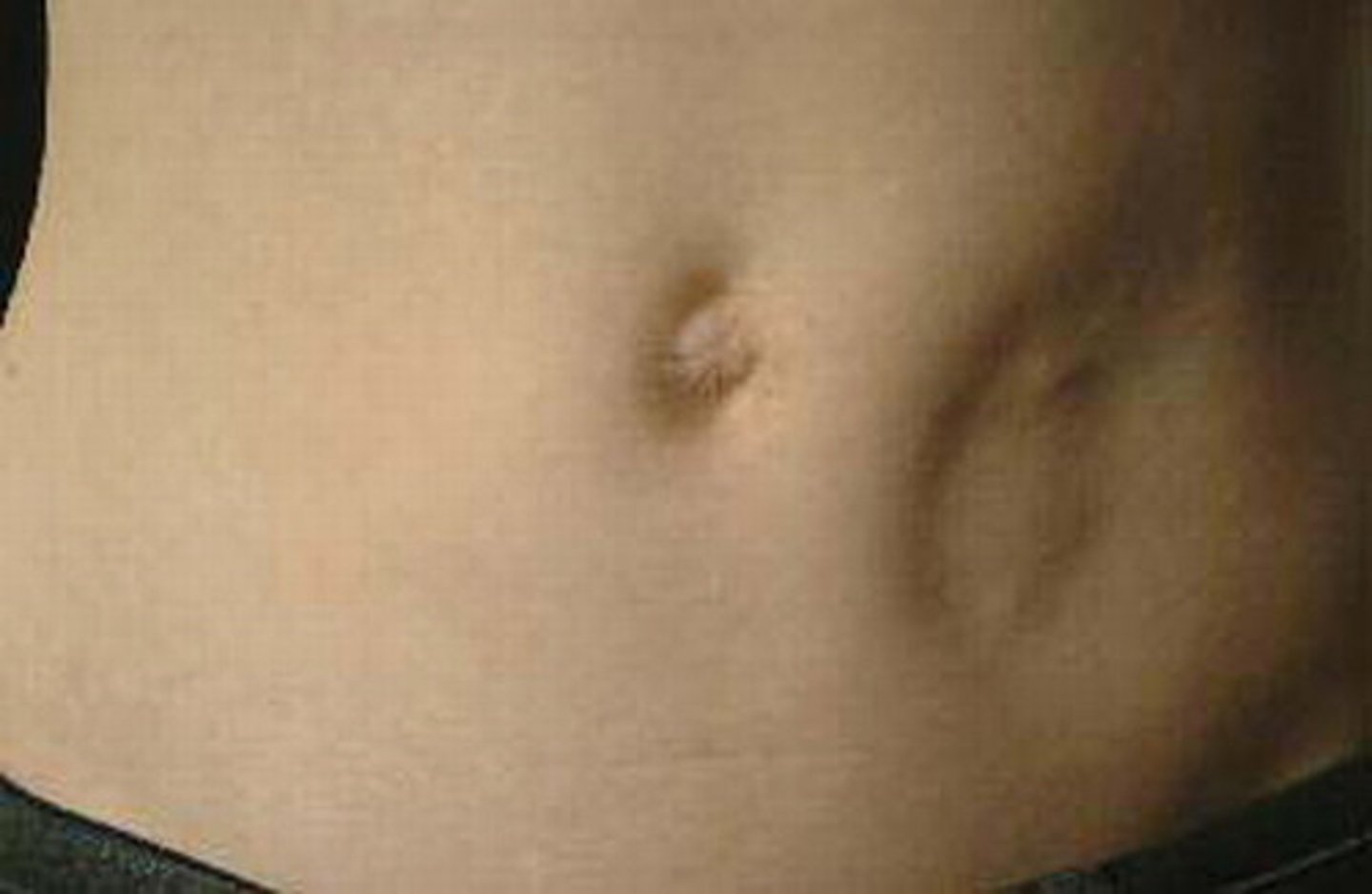
Why is hypoglycaemia risk increased in renal impairment with insulin?
Reduced clearance.
What is a basal-bolus insulin regimen?
1) Long-acting insulin once daily +
2) Rapid-acting insulin with meals.
What is a twice-daily insulin regimen?
Intermediate-acting / biphasic insulin before breakfast and evening meal.
What symptoms indicate hypoglycaemia?
Dizziness, sweating, nausea, agitation, confusion.
What is the main method of monitoring insulin therapy?
Capillary blood glucose measurements.
What must be monitored during IV insulin therapy?
Serum potassium.
What is the acceptable inpatient glucose range in acute illness?
Approximately 4–12 mmol/L.
How should insulin doses be adjusted for hyperglycaemia?
Increase preceding dose by ~10%.
How should insulin doses be adjusted for hypoglycaemia?
Reduce preceding dose by ~20%
Which insulin is preferred for correcting acute hyperglycaemia?
Rapid-acting insulin (e.g. insulin aspart)
 Note
Note  Flashcards (20)