Chapters 5 and 6 ECON
 Studied by 0 people
 Call Kai
 Learn
Learn Practice Test
 Spaced Repetition
 Match
Match Flashcards
 Knowt Play
1/32

There's no tags or description
Looks like no tags are added yet.
Name | Mastery | Learn | Test | Matching | Spaced | Call with Kai |
|---|
No analytics yet
Send a link to your students to track their progress
33 Terms
Elasticity
Consumers are sensitive/responsive to price changes
Measure of responsiveness of quantity demanded/supplied to a change in one of its determinants
Inelasticity
Consumers not very responsive / sensitive to price changes
Price elasticity of demand (PED)
Measure of how much quantity demanded of a good responds to a change in its price
How is PED measured
Percent change in quantity demanded and in price change
Factors influencing PED
1) Consumers more sensitive to price change when products have many substitutes
2) Goods and services taking large portions of their budget
3) More time consumers have to adjust (inelastic in short run, elastic in long run)
Perfectly inelastic (PED)
PED = 0
Relatively inelastic (PED)
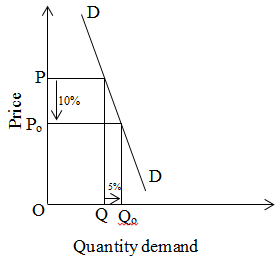
PED < 1
Unit elastic (PED)

PED = 1
Relatively elastic (PED)
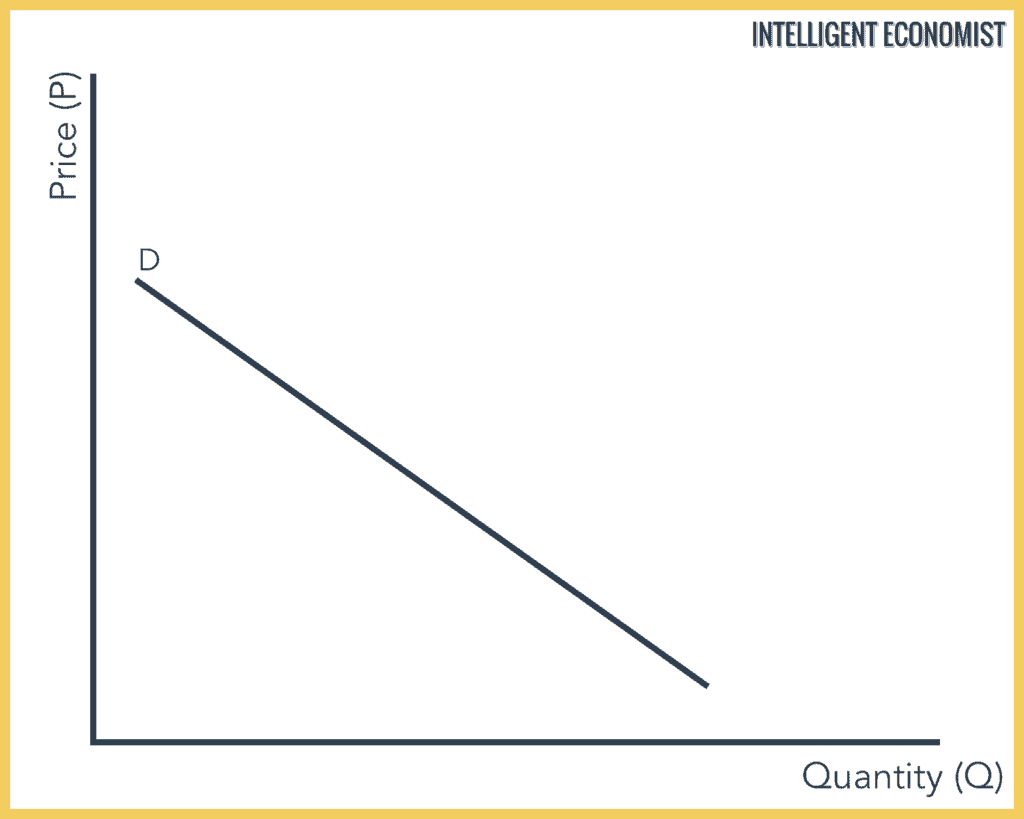
Perfectly elastic (PED)

Total revenue test
TR = PQ, knowing whether a good is inelastic or elastic lets producers know how a change in price will affect their total revenue
What happens to total revenue when a good is inelastic
Price up, total revenue up
Price down, total revenue down
What happens to total revenue when a good is elastic
Price up, total revenue down
Price down, total revenue up
Price Elasticity of Supply (PES)
Measure of responsiveness of quantity supplied to the change in price
How is PES measured
%change in Qsupplied / %change in price
What factors influence PES
-Change in per-unit costs with increased production (Can production increase without increasing production of a unit of a product? yes - elastic, no - inelastic)
-Time Horizon (short-run → inelastic, long-run → elastic)
Perfectly inelastic (PES)
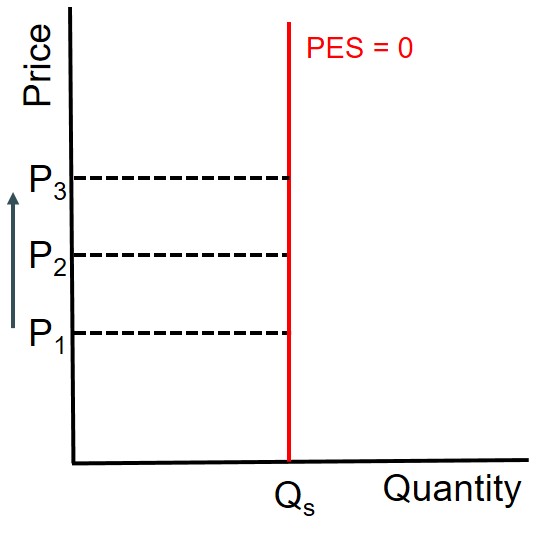
PES = 0
Relatively inelastic (PES)

PES < 1
Unit elastic (PES)
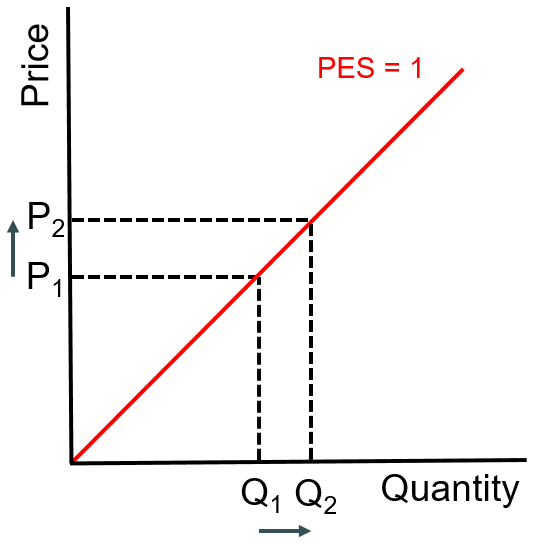
PES = 1
Relatively elastic (PES)

PES > 1
Perfectly elastic (PES)
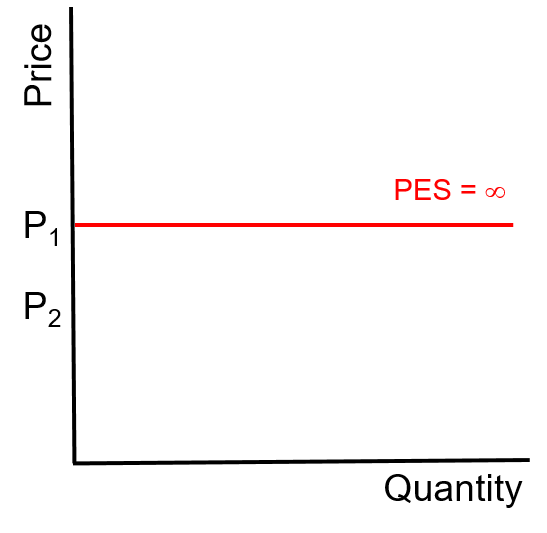
PES = infinite
Price controls (how are they implemented and why)
Implemented through government interfering with economic market, policies aimed to help certain population groups
Price ceiling
Max price at which a good or service can be sold
-Price ceilings above equilibrium price not matter
-Price ceilings below equilibrium price altering market
Binding price ceiling

-Above equilibirum price, altering market
-Causing shortage (below market price)
Nonbinding price ceiling
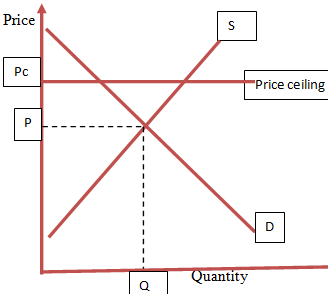
Above equilibirum price, not mattering
Price floor
Minimum price set by government, price cannot go below a certain amount
Binding price floor
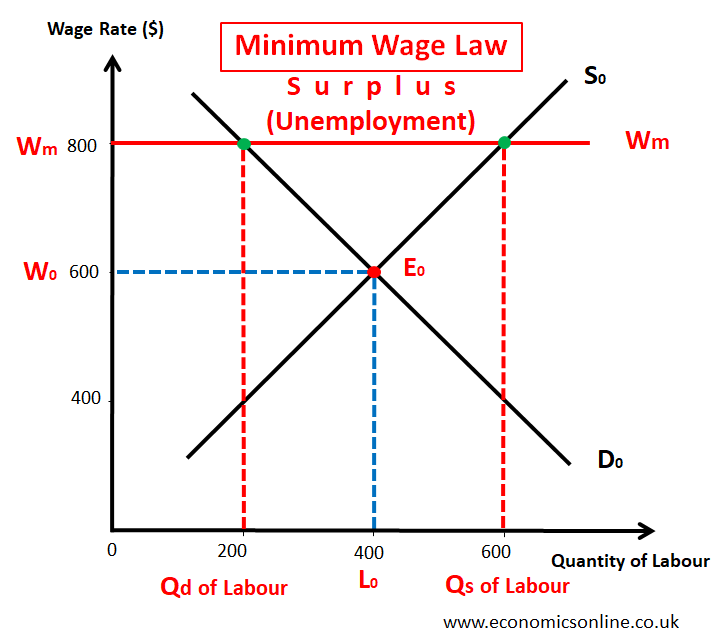
-Above equlibirum price, altering market
-Causing surplus
Non-binding price floor

-Below equilibrium price, not mattering/affecting
Example of a price ceiling
Rent control
Example of a price floor
Minimum wage laws
Tax incidence
Analysis of how burden of a tax is between buyers (consumers) and sellers (producers), depending on price elasticity of demand and supply
Who has the greater tax burden when supply is elastic and demand is inelastic?
Resources producing taxed good easily moved to other industries
ESCAPE tax
Who has the greater tax burden when supply is inelastic and demand is elastic?
Resources fixed, only used to produce taxed good
Producers stuck with bigger burden
 Note
Note  Flashcards (87)