Anatomy of Typography
 Call Kai
 Learn
Learn Practice Test
 Spaced Repetition
 Match
Match Flashcards
 Knowt Play
1/22

There's no tags or description
Looks like no tags are added yet.
Name | Mastery | Learn | Test | Matching | Spaced | Call with Kai |
|---|
No analytics yet
Send a link to your students to track their progress
23 Terms
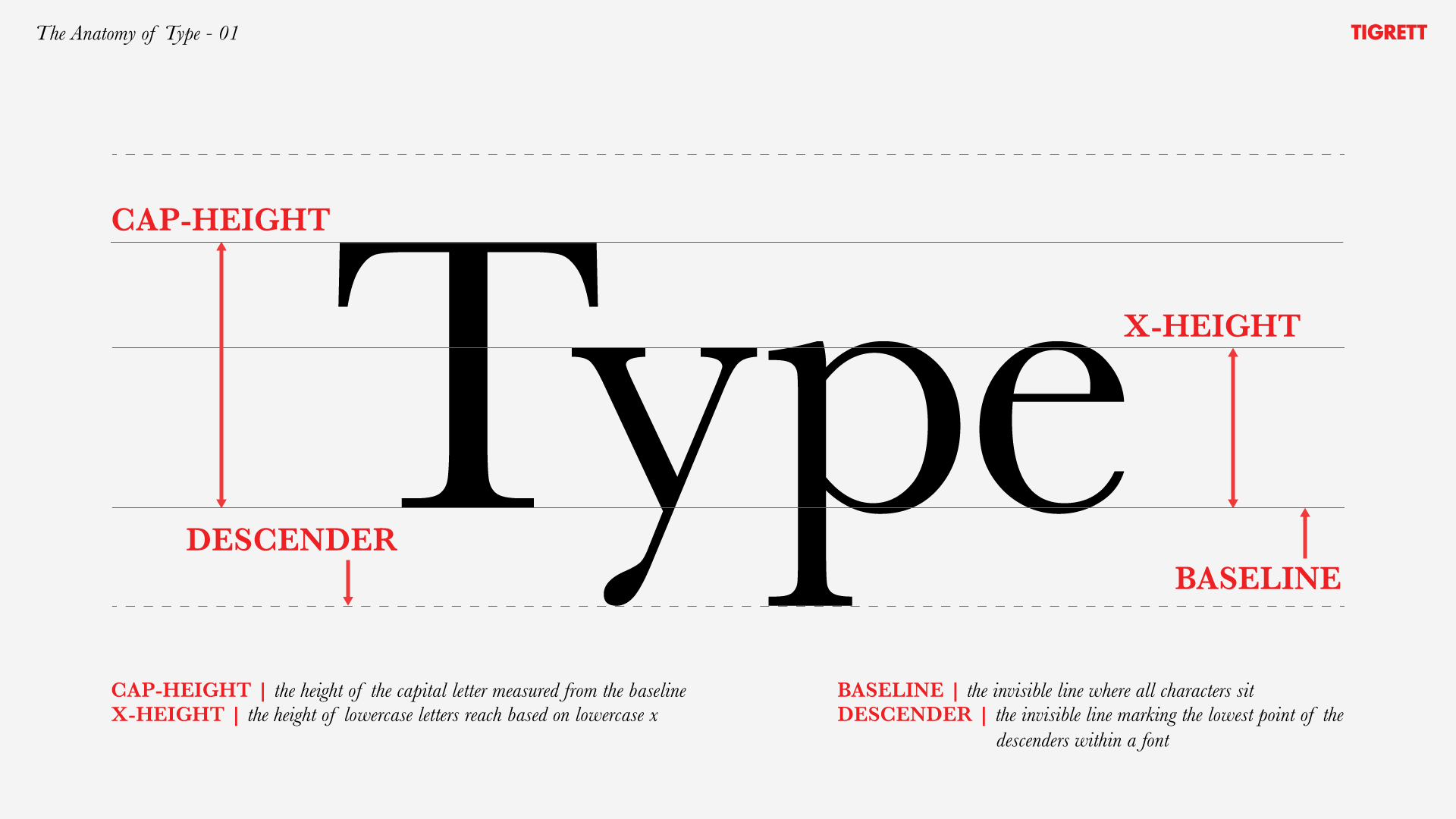
cap height
the height of a typeface’s flat capital letters (like H or I) measured from the baseline to the top
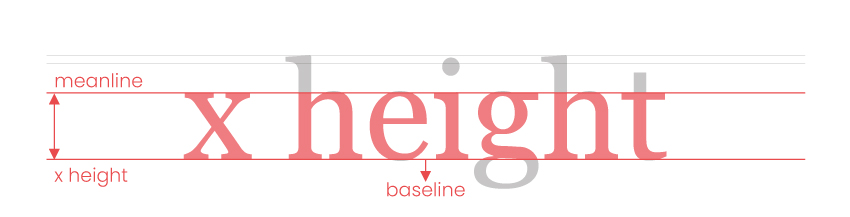
x-height
distance between baseline and midline (height of letter “x”)
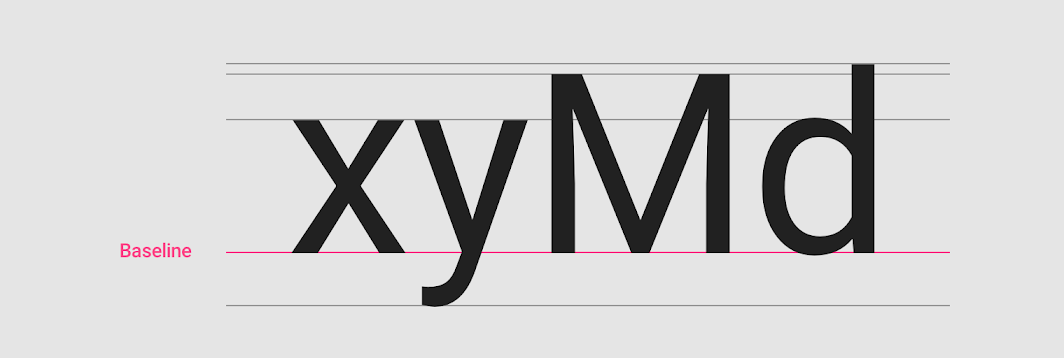
Baseline
line upon which most letters sit
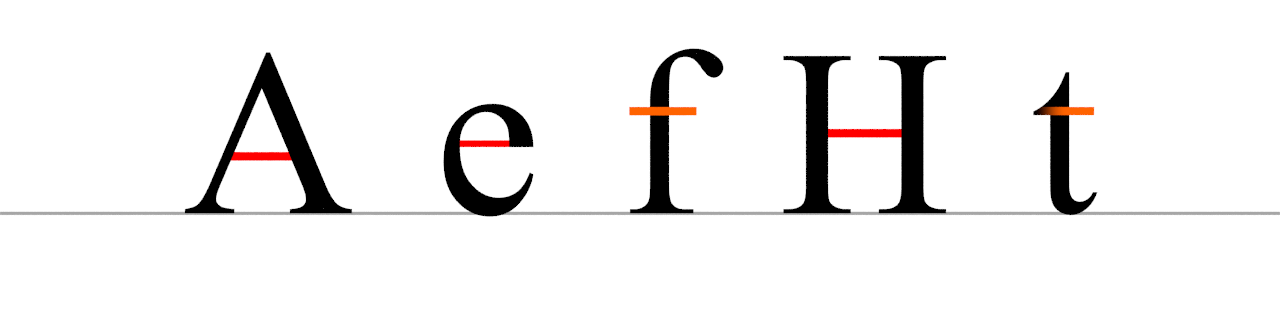
Crossbar
stroke that connects two stems or strokes within a letterform
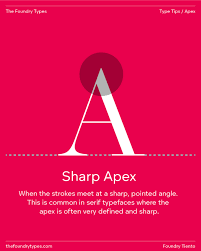
Apex
Point on sharp capitals
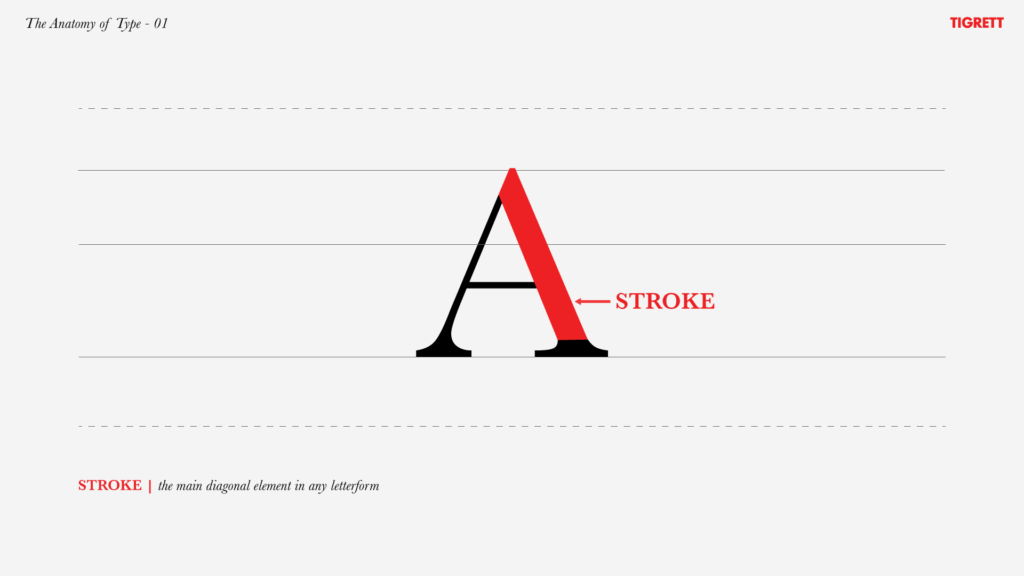
Stroke
Thicks and thins of the letters/body
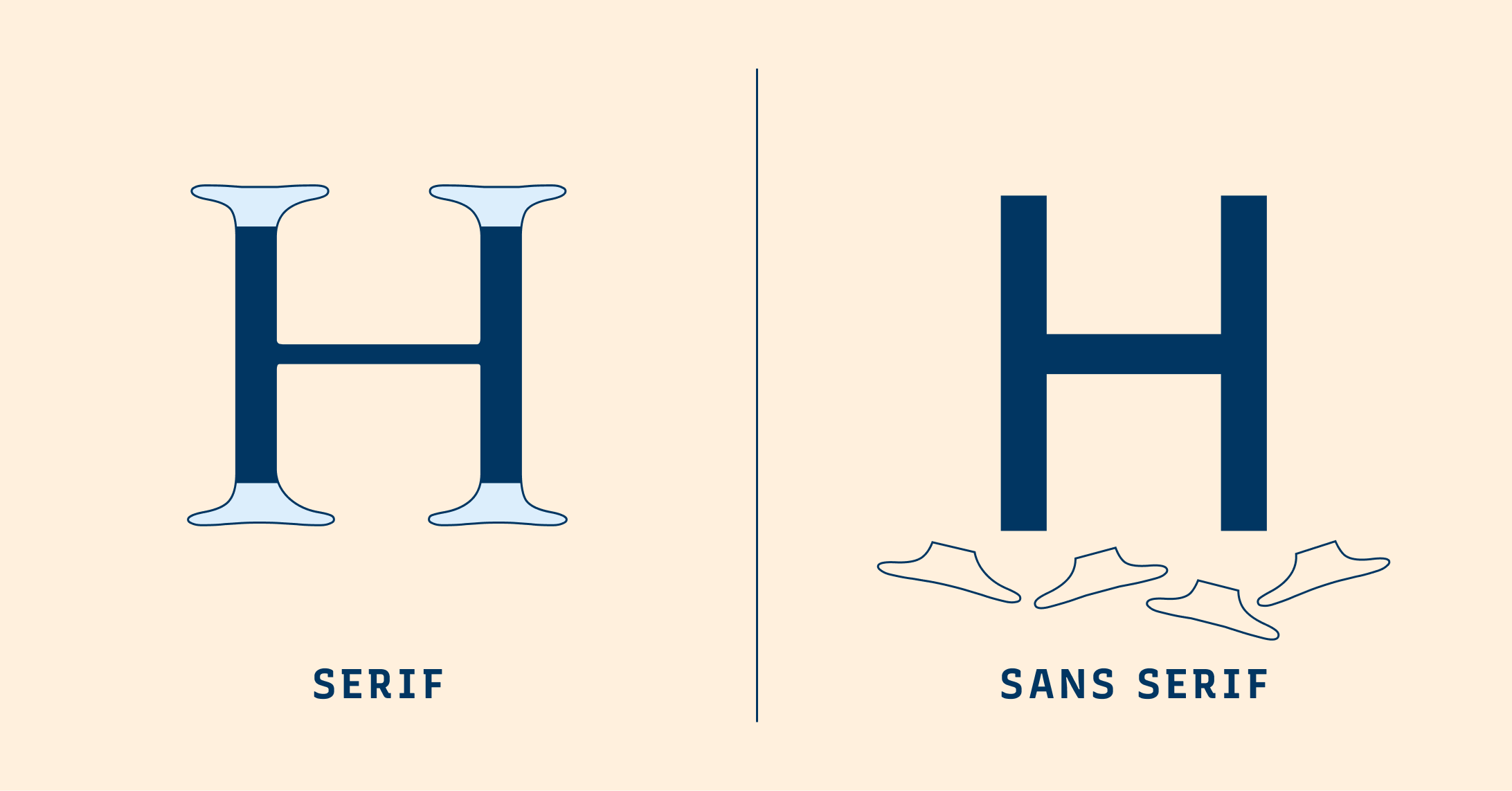
Serif
“feet” at the ends of characters
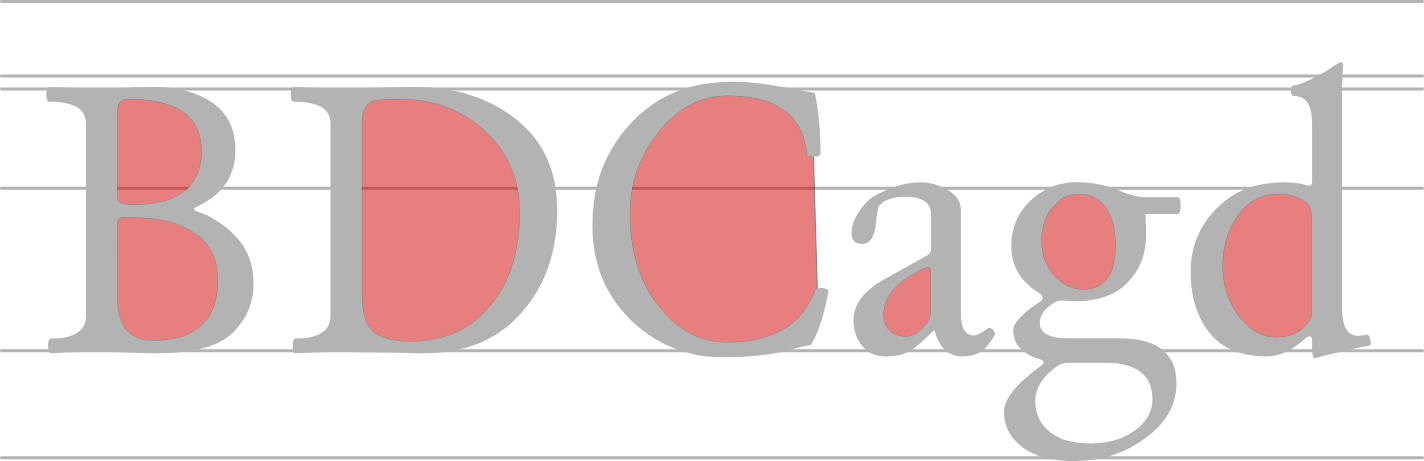
Counter
negative space in letters
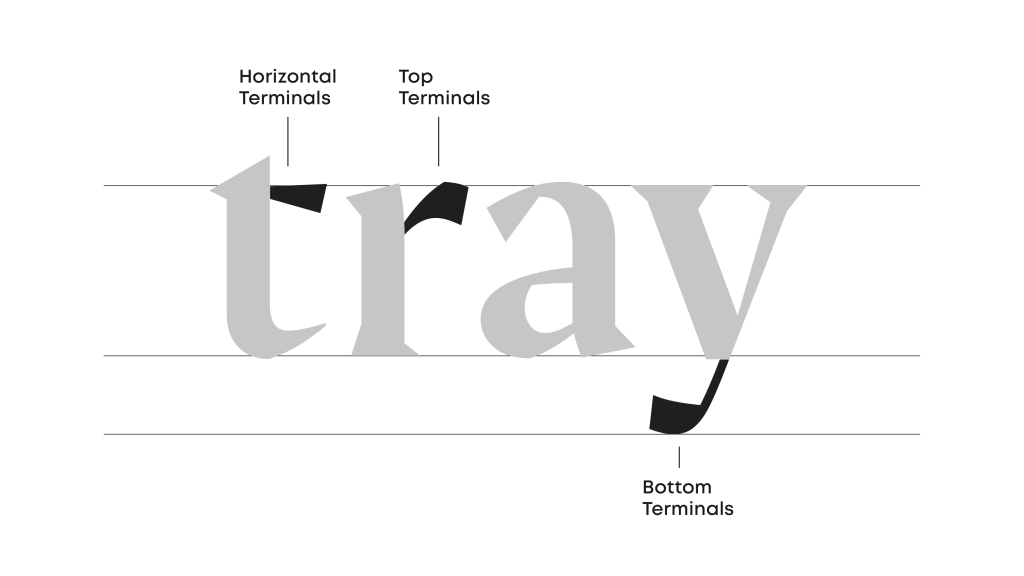
Terminal
where the stroke of any letter ends
Initial (small) caps
uppercase letterforms designed at the same height as lowercase text

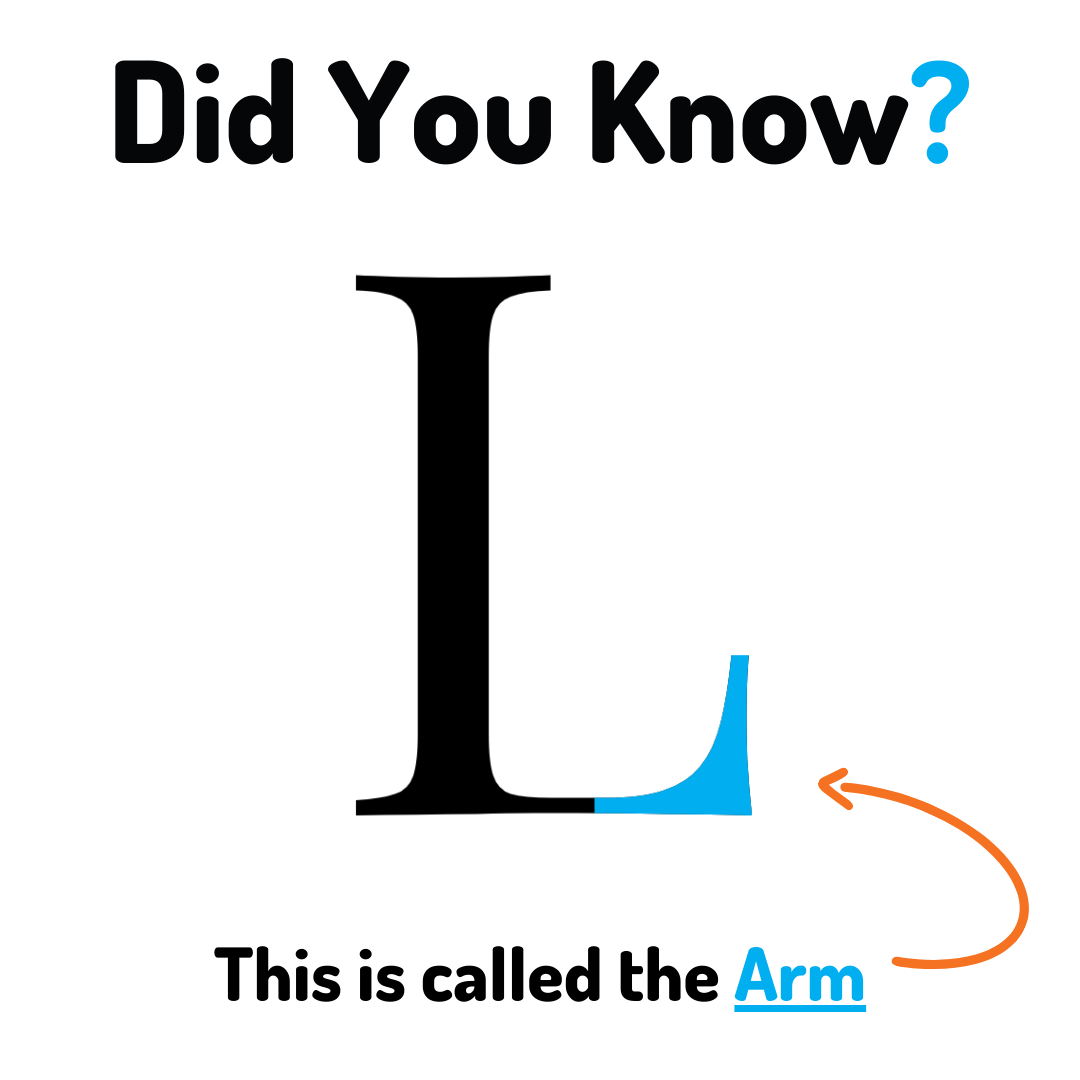
Arms
Parts of a letter only connected on one side
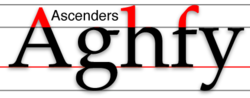
Ascender
Portion of lowercase letter above the x-height
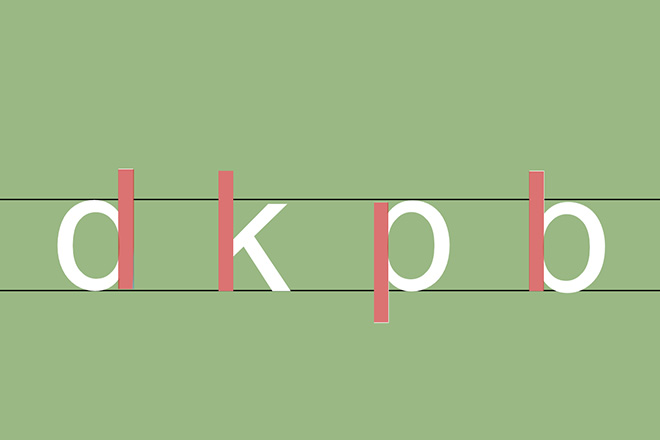
Stem
Any straight portion of a letter
Bowl
Round section attached to a stem

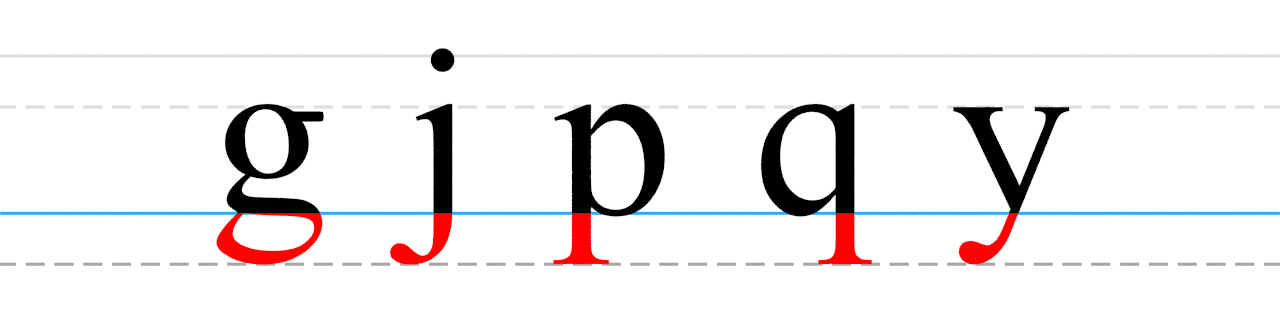
Descender
Any portion of lowercase letters that go below the baseline
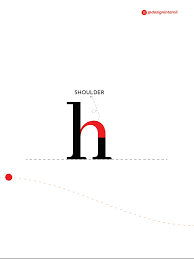
Shoulder
Round portion of a letter that transitions to a stem/straight portion
ear
a small, decorative stroke extending from the top-right side of the upper bowl of a lowercase double-storey ‘g’

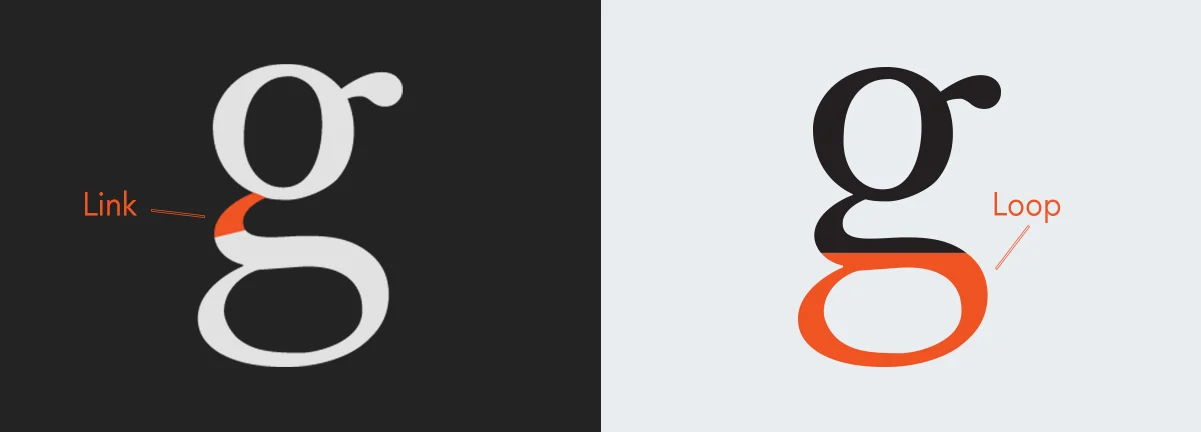
Loop
Type of descender specific to lower case ‘g’
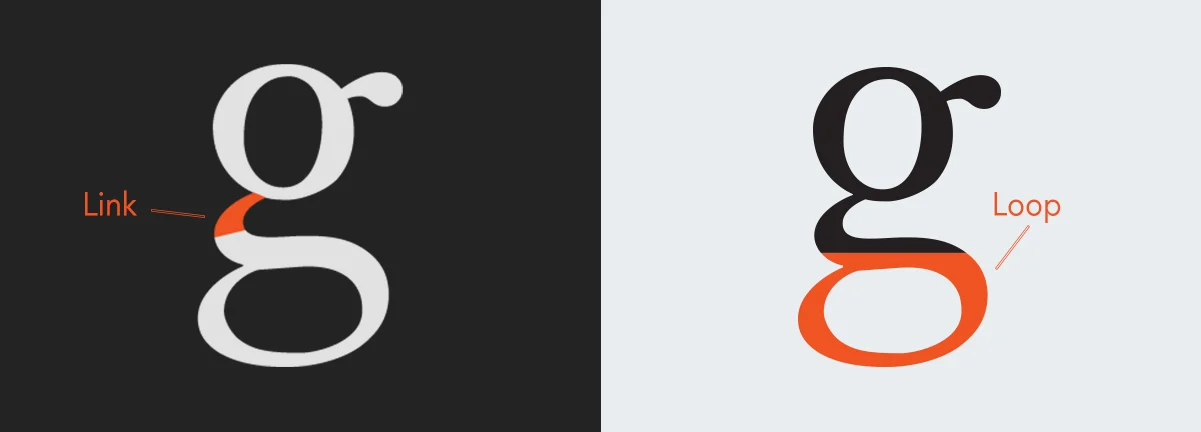
Link
the small, often curved stroke that connects the top bowl and the bottom loop of a double-storey lowercase 'g'
Type is measured from the top of the cap height to the bottom of the lowest descender.
How is type measured?
the more legible the text at smaller sizes
The bigger the y-height…
fits exactly within both the x-height and baseline
X is the only letter that…
Keep sizing consistent
Rounded portions drop below the baseline to….

