ZOOL 224 Lepidosauria (Lizards)
 Studied by 0 people
 Call Kai
 Learn
Learn Practice Test
 Spaced Repetition
 Match
Match Flashcards
 Knowt Play
1/29

There's no tags or description
Looks like no tags are added yet.
Name | Mastery | Learn | Test | Matching | Spaced | Call with Kai |
|---|
No analytics yet
Send a link to your students to track their progress
30 Terms
What is included in Lepidosauria?
-Sphenodontia/Rhynchocephalia (tuatara)
-Squamata (lizards and snakes)
Describe the limbs and walking style of most lepidosaurs
-Quadrupedal
-Many lineages have reduced or lost limbs
What type of skulls do most lepidosaurs have?
Diapsid or modified diapsid skulls (modified more common)
Describe what lepidosaurs do with their dead skin cells
Shed them periodically in large patches or as a continuous sheath
Describe the cloacal slit of lepidosaurs
Transverse (instead of longitudinal)
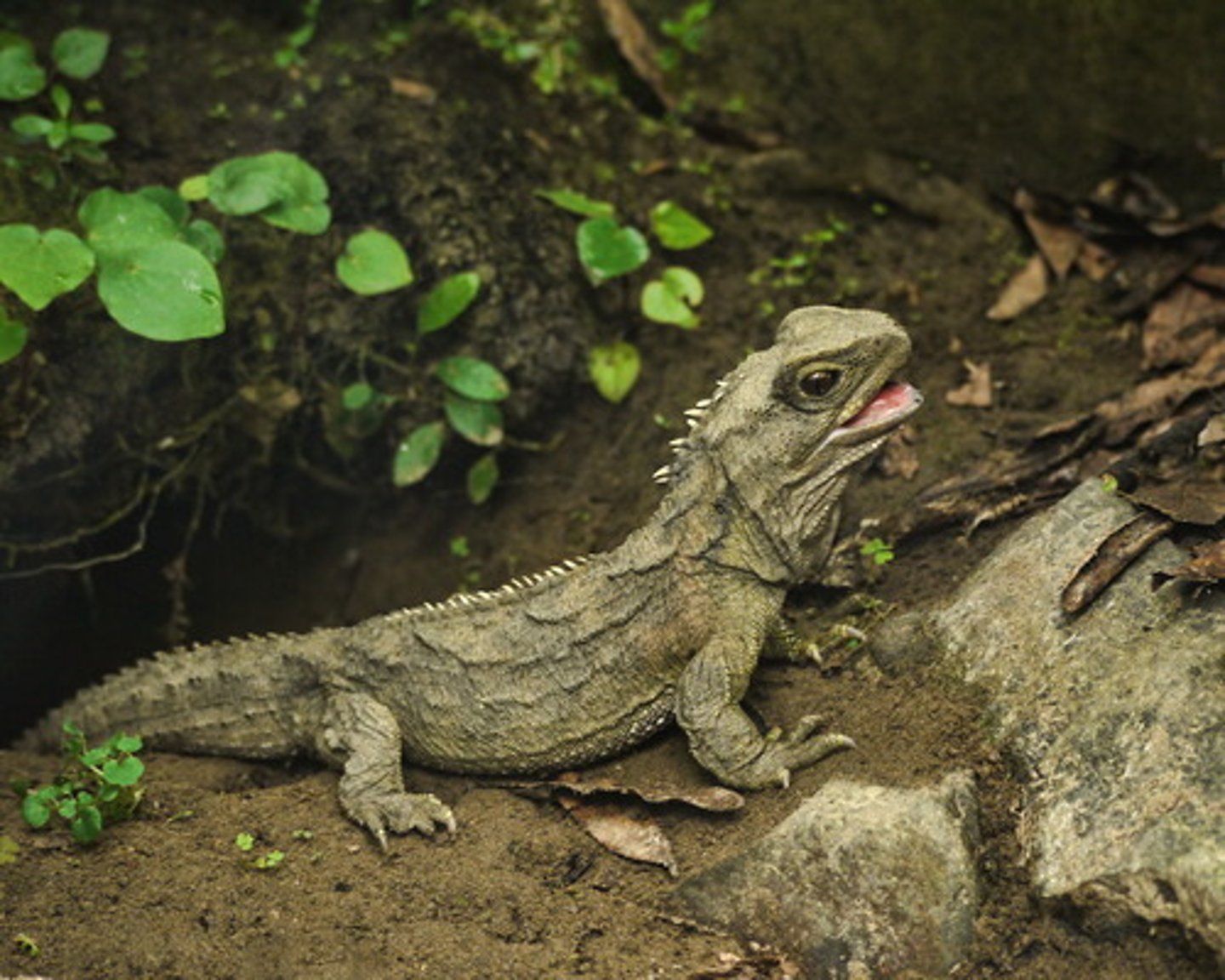
What is distinct about Sphenodontia?
-Unmodified diapsid skull
-Ribs with overlapping uncinate processes
-Gastralia
-No tympanum
-No male copulatory organ (juxtaposition of cloacae)
-Retain parietal eye (covered by scales by age 4-6 months
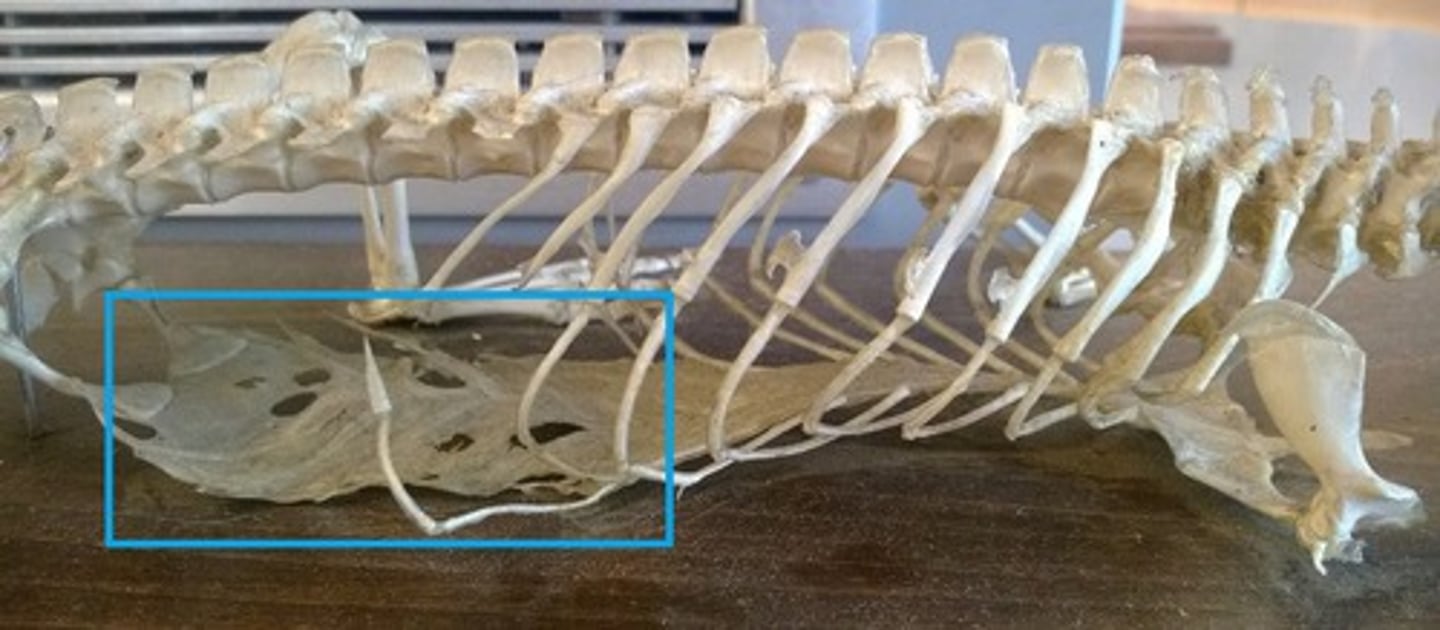
Define gastralia
Free floating "belly ribs"
How do Sphenodontia feed and on what?
-Propalineal teeth arrangement
-Mainly eats invertebrates and some small vertebrates
Do Sphenodontia have similar internal body temperatures to other lizards?
No. It is lower at around 6-16 C.
Where can you find Sphenodontia?
-New Zealand only
-Live in burrows
-Active at night, sun bask in day
-Most active in warm wet weather
-Prefer areas with seabirds
What is so special about snakes?
They are within squamata, but are highly derived. At the end of the day, they are limbless lizards.
What group does Amphisbaenidae fall into?
Squamata
Are amphisbaenidae and snakes closely related within Squamata?
No
What is characteristic about squamata?
Their cranial kinesis permitted by the rotation of the quadrate bone
Do squamata have gastralia?
No
What is the name of the squamata male reproductive organ?
Hemipenis. A paired copulatory organ.
What primitive features do lizards have that are lost in snakes?
-Specialized wrist and ankle joints (fusion/loss of elements, one axis of flexion)
-Gracile (slender) limbs
-Heel formed by hooked metatarsal bone of fifth digit
Describe the modified diapsid skulls of squamata
Bar of bone below lower temporal fenestra is lost, allowing increased skull movement. Facilitates a wider gape and effective bite.
Do both lizards and snakes have determinate growth?
Just lizards, not snakes. This means growth completely ceases once a certain stage of maturity is reached.
What are the 6 families within Lacerta we must know?
-Helodermatidae
-Varanidae
-Chamaeleonidae
-Iguanidae
-Gekkonidae
-Scincidae
What are the 2 families of Serpentes we must know?
-Colubridae
-Viperidae
Describe Helodermatidae
-1 genus, 2 spp
-Large, heavy bodied, carnivorous
-Osteoderms under rounded scales (beaded look)
-No tail autotomy
-Only lizard with venom glands in LOWER jaw (modified salivary glands)
-Several ducts between teeth and lips
-Grooved teeth, not hollow
Describe Varanidae
-Monitors, goannas, earless monitors
-No caudal autotomy, no limb loss
-Carnivourous + fruit eater
-Insects, small and large vertebrates
-Detect volatile oils from decomposing carcasses
Describe the Komodo Dragon
-Varanidae
-154-302 cm, over 70kg
-Hatchlings arboreal, juveniles arboreal and terrestrial, adults only terrestrial
-Some swim
Describe Chamaeleonidae
-Projectile tongues
-Independent eye movements
-Arboreal (highly adapted)
-Zygodactylous feet (fusions of sets of 2 and 3 digits forming opposable 2 digit mitten)
-Skin of small juxtaposed scales, no osteoderms dorsally or ventral on trunk
-Ability to change colours
Describe Iguanidae
-Small to large
-Variety of scales
-Terrestrial, arboreal, or rock dwelling
-Phrynosoma hernandesi found in AB
-Marine iguana feeds on marine algae and has nasal glands for excess salt
-Basilisks are bipedal on land and water
-Green iguanas are large
Describe Gekkonidae
->1000 spp, one of largest vertebrate groups
-Pantropic
-Loose fitting velvety skin with small juxtaposed scales
-Dorsal and ventral scales granular, small
-Caudal autotomy common
-Small to large body size
-Large eyes with transparent spectacle
-Round pupils (diurnal) or vertical (nocturnal)
-Varying tail size (often is equal to SVL)
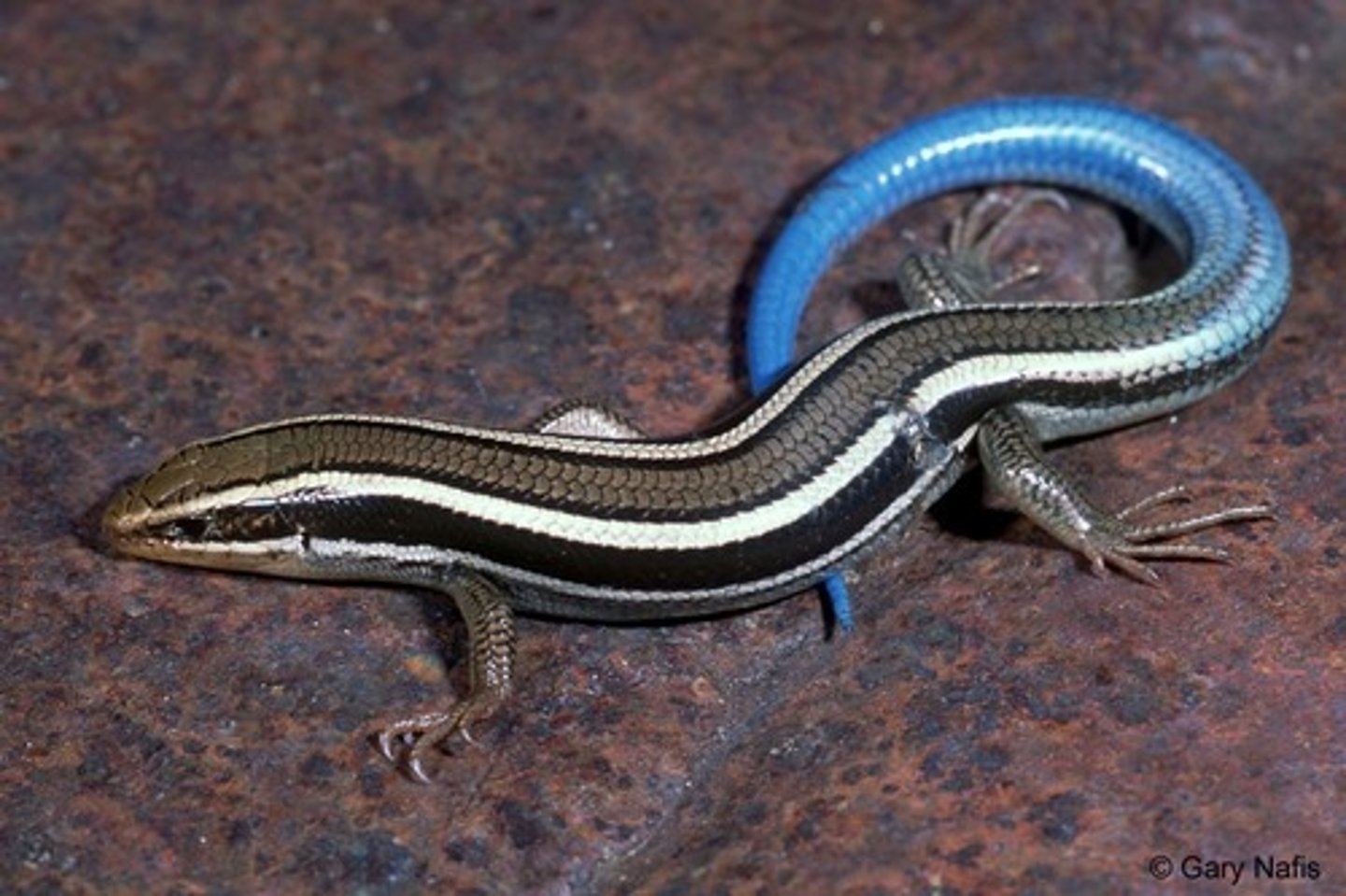
Describe Scincidae
-1200+ species, very diverse, small to large
-Almost world-wide
-Range from strong limbs to no external limbs
-Caudal autotomy common
-Head usually with large plates (= head shields)
Describe Amphisbaenidae
-Ringed lizards/worm lizards
-Limbless, one genus has short forelegs
-Reduced or absent girdles
-Adapted to fossorial habitat
How are Amphisbaenidae adapted for a fossorial habitat?
-No external ear openings; eyes (adult) under skin
-No osteoderms on trunk
-Rather short tails
-Braincase almost completely enclosed
-Skull bones tightly knit; short, expanded snout
 Note
Note  Flashcards (20)