Entomology Scioly
 Studied by 13 people
 Call Kai
 Learn
Learn Practice Test
 Spaced Repetition
 Match
Match Flashcards
 Knowt Play
1/169

Earn XP
Description and Tags
Bugs with some interesting descriptions
Name | Mastery | Learn | Test | Matching | Spaced | Call with Kai |
|---|
No analytics yet
Send a link to your students to track their progress
170 Terms
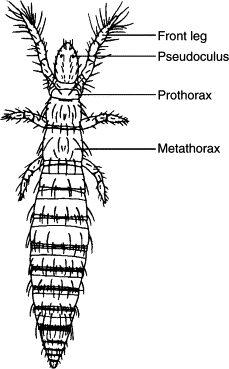
What are some defining characteristics about Order Protura?
Extremely elongated abdomen, small legs sticking out from thorax, front legs sticking out of (basically) shoulders and no antennae, segmented, six legs, Class Entognatha, Coneheads/Telson Tails
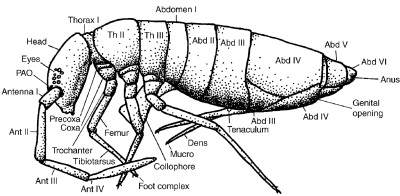
What are some defining characteristics about Order Collembola?
Forked mouthpieces, a furcula (like a leg-looking thing) for jumping, segmented, six legs, Class Entognatha, springtails
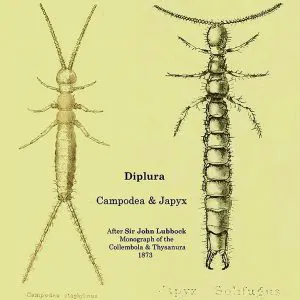
What are some defining characteristics about Order Diplura?
Two-pronged tail, two long antennae, segmented, six legs, Class Entognatha, common name two-pronged bristletail
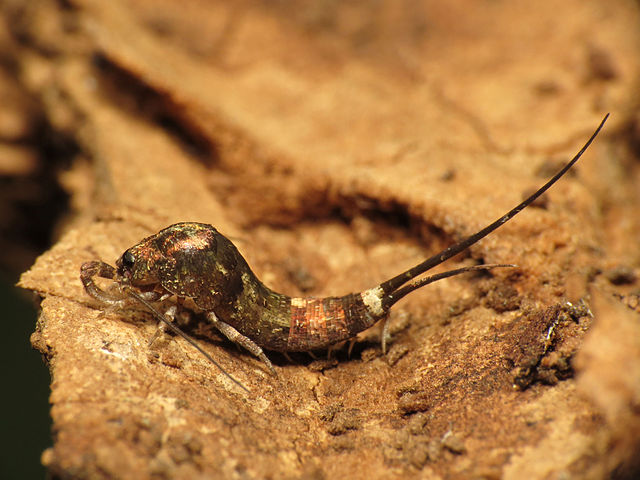
What are some defining characteristics about Order Archaeognatha?
Primarily wingless, two long antennae, humpback, three-pronged tail, six legs, segmented, weird leg things in their face, Class Insecta, Bristletails
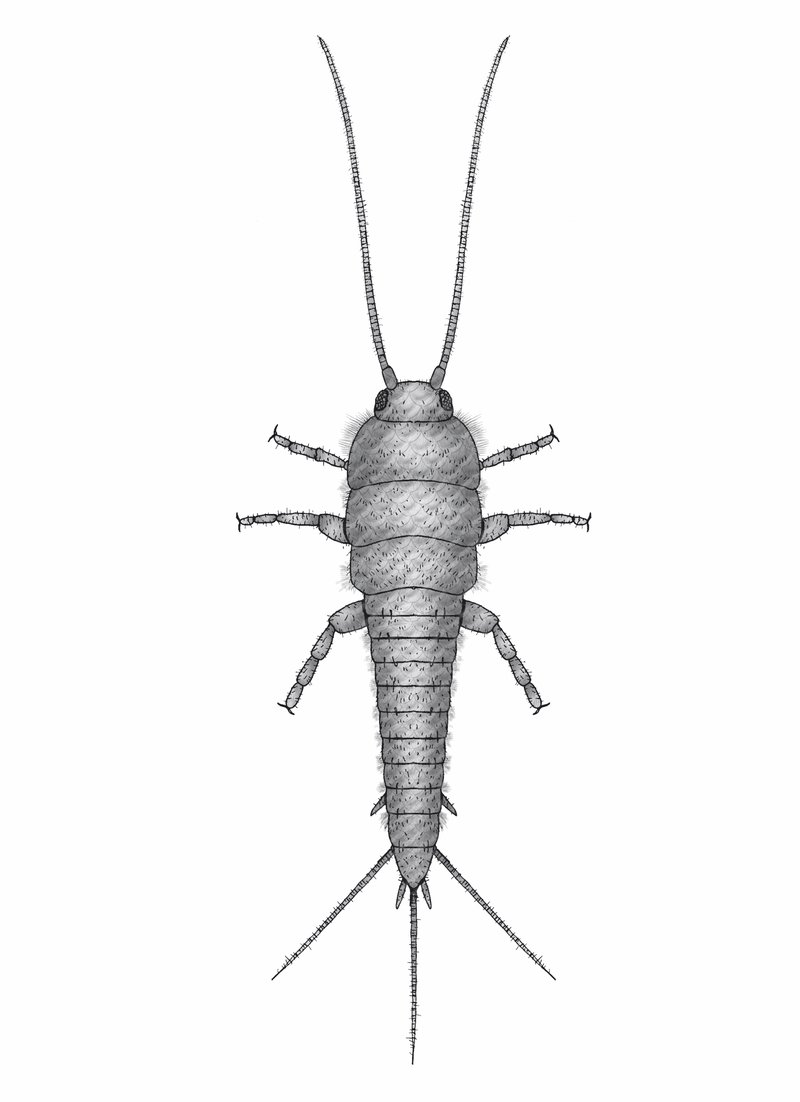
What are some defining characteristics about Zygentoma?
Two long antennae, two small antennae, six legs, three-pronged tail, sometimes two smaller tail things, Class Insecta, silverfish
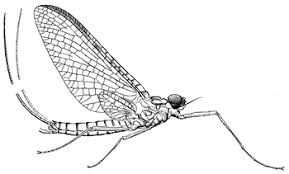
What are some defining characteristics about Order Ephemeroptera?
Three long tail filaments, two pairs of membranous wings (4 wings, forewings are large, triangular, other wings are tiny triangular), one in front and one behind but both in same place, Class Insecta, Mayfly
What are some defining characteristics about Order Ephemperoptera Nymph?
Aquatic, three tail filament things, feathery gills on sides of abdomen, Class Insecta, Mayfly

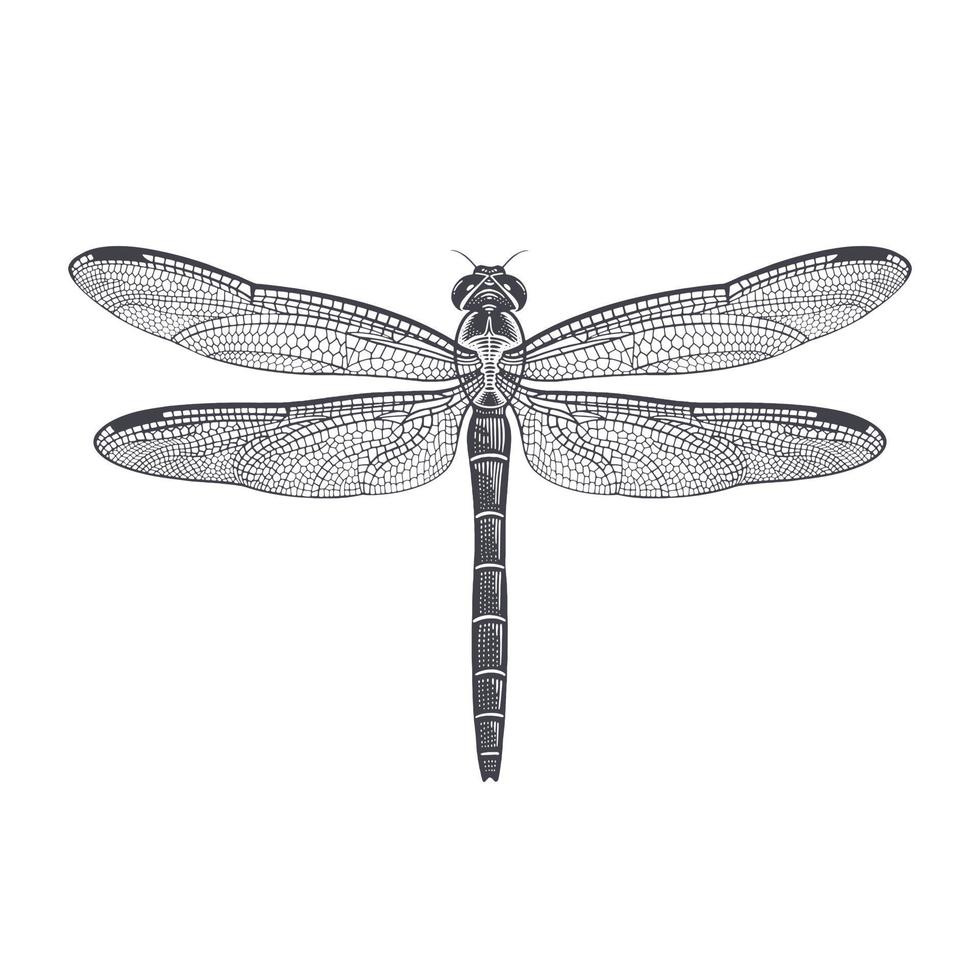
What are some defining characteristics about Order Odonata?
Two pairs of membranous wings, same size, one higher up and one lower down but touching, large compound eyes (like thousands of tiny circles), long, slender abdomen, Class Insecta, Dragon/Damselfiles
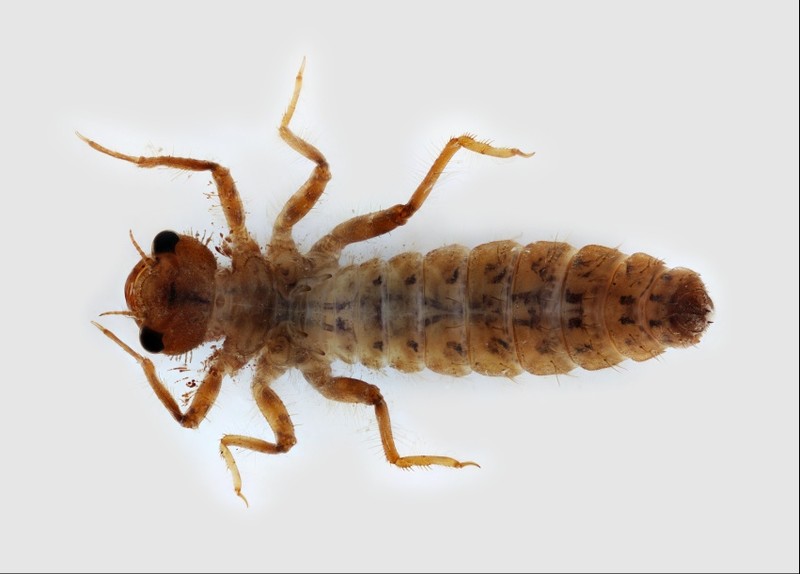
What are some defining characteristics about Order Odonata Nymph?
large eyes, three pairs of legs, wing pads on thorax, Class Insecta
What are some defining characteristics about Family Aeshnidae?
Large thorax, large compound eyes touching (or close) on top of the head, long and slender bodies after thorax, same-shaped wings placed with one pair above the other on the thorax, Class Insecta, Order Odonata, called darners, aeshnids, and hawkers
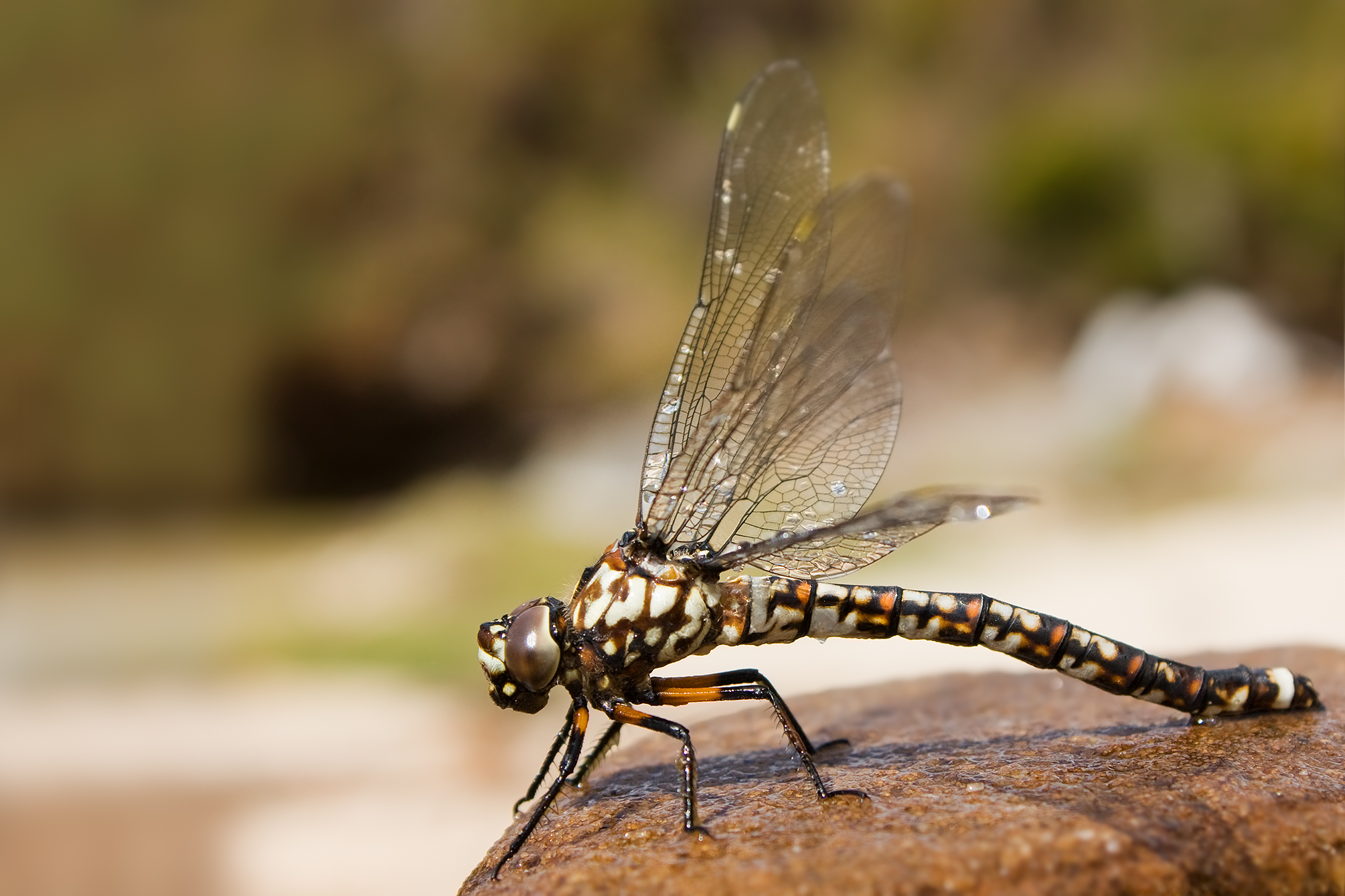
What are some defining characteristics about Family Aeshnidae Nymph?
six stripey legs, segmented body with spiky things, big separated eyes, weird jutting out lips, usually squiggly legs, little tail things
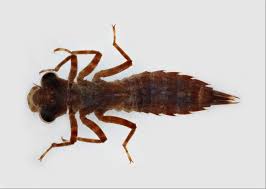
What are some defining characteristics about Family Gomphidae?
Small, wide-spread compound eyes, club-shaped, thick end of abdomen (rest of abdomen is slender), two pairs of same-shaped wings placed with one pair above the other on the thorax, Class Insecta, Order Odonata, called clubtail dragonflies
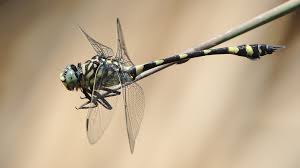
What are some defining characteristics about Family Gomphidae Nymph?
Same as Aeshnidae nymph, however instead of round-like nymphs, they have pincer-like lip things
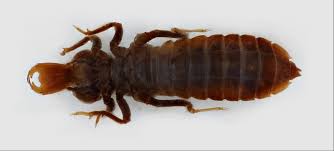
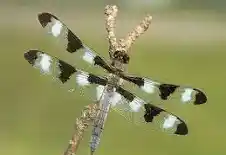
What are some defining characteristics about Family Libellulidae
Similar to Family Aeshnidae, but with smaller thoraxes and smaller tail thing and with non-touching eyes. Wings are same shape with one above the other on the thorax. Class Insecta, Order Odonata, called skimmers, chasers, darters, and perchers.
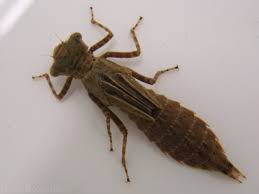
What are some defining characteristics about Family Libellulidae Nymph?
Looks similar to Aeshnidae nymph, however they do not have tail things, and their lip things are smaller without the second stripe thing
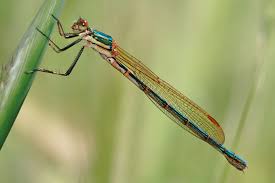
What are some defining characteristics about Family Lestidae?
Thinnest dragonfly, little thicker at the VERY end of tail, two wing pairs, each pair basically in same place as other part of pair, wings are usually spread (hence the name), Class Insecta, Order Odonata, called spreadwings or Spread-winged damselflies
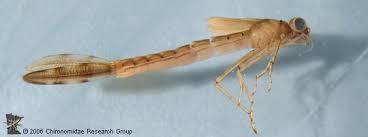
What are some defining characteristics about Family Lestidae nymph?
Significantly longer than all earlier Odonata nymphs, paler, eyes WIDE apart, little fans at the end of tail, undeveloped wings on back, six legs
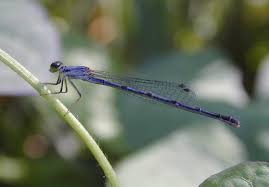
What are some defining characteristics about Family Coenagrionidae?
Look EXTREMELY similar to Family Lestidae. To differentiate, look at wings at resting position. Family Lestidae wings are held above their body, while Family Coenagrionidae wings are held in the same position as their body, - narrow-winged dragon/damselflies
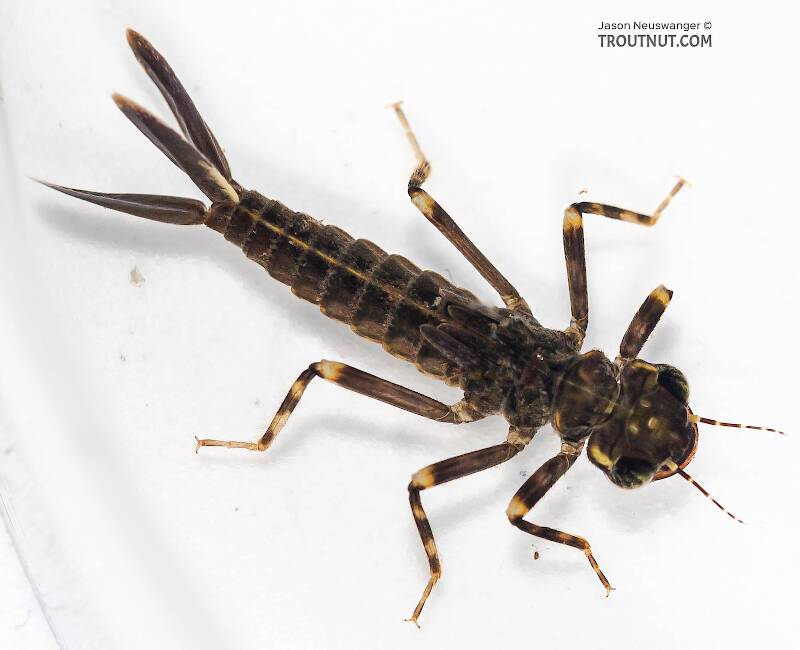
What are some defining characteristics about Family Coenagrionidae nymph?
They look really weird. Very small antennae, eyes on either side of head, developing wings that hide the thorax, segmented abdomen getting smaller as it gets closer to the end, three feather-like tail things attached to the end of abdomen.
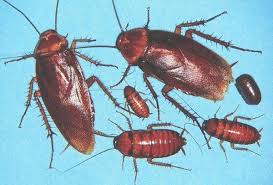
What are some defining characteristics about Order Blattodea?
Literally just roaches and termites figure it out (Google says a flattened, oval body; a large pronotum that shields the head from above; long, filiform antennae; and chewing mouthparts), Class Insecta REMEMBER: BLATTODEA is the order. Roaches are BLATTIDAE
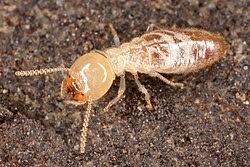
What are some defining characteristics about Family Termitidae
Look like ants with big heads and kinda big pincer things. Usually slightly tanish translucent with darker brown translucent, can sometimes have wings. Just imagine ants if you don’t remember what a termite looks like. Class Insecta, Order BLATTODEA, called termites (obviously)
What are some defining characteristics about Family Blattidae?
Roaches. (Google: a flattened, oval body, long antennae, and a large shield-like pronotum that covers the head and thorax), Class Insecta, Order BLATTODEA, called roaches
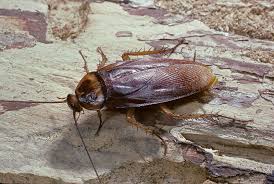
What are some defining characteristics about Family Cryptocercidae?
Type of roaches. To differentiate, blattidae have wings, while cryptocercidae do NOT have wings. Pretty much all cryptocercidae look the same. Class Insecta, Order BLATTODEA, called brown-hooded roaches

What are some defining characteristics about Order Mantodea?
If you don’t know what this is, quit this event. Class Insecta. Called mantids.
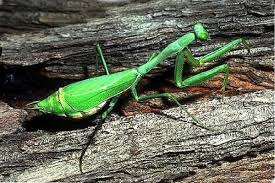
What are some defining characteristics about Order Embioptera?
Heads look similar to termites, long antennae with little hooks at the end, long bodies, can have wings, weird looking legs that go from thick to thin to thick, smaller thorax than head and abdomen, Class Insecta, called webspinners
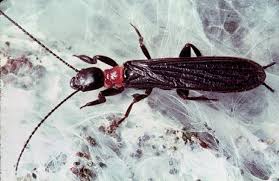
What are some defining characteristics about Order Dermaptera?
longish antennae with look hooks at the end, triangular heads with the thicker part of the triangle closer to the thorax (like they have big cheeks), look like they have two thoraxes (one small closer to the head and one bigger closer to the abdomen), segmented abdomen, pincer (like actually look like that would hurt kind of pincers) at the end of abdomen, Class Insecta, earwigs —-> To remember that dermaptera means earwigs, things of derma meaning skin and your ear being skin
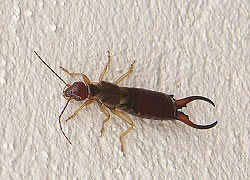
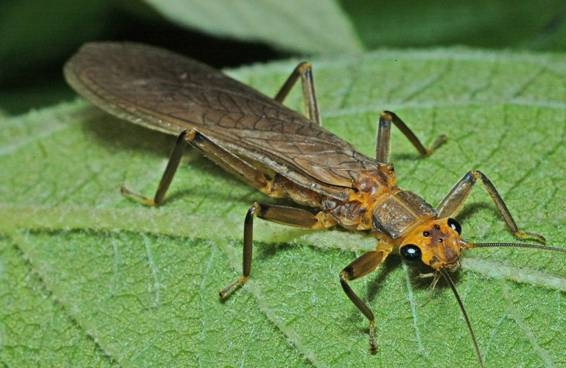
What are some defining characteristics about Family Plecoptera?
square head, regular, slightly curved antennae, eyes on either side of head, small square thorax, six legs that look kind of segmented (like the “elbow” squeezed in on itself), and wings that are so long you can’t see abdomen. Wings are folded in on each other. Class Insecta, called stoneflies (perhaps because they’re grayish idrk)
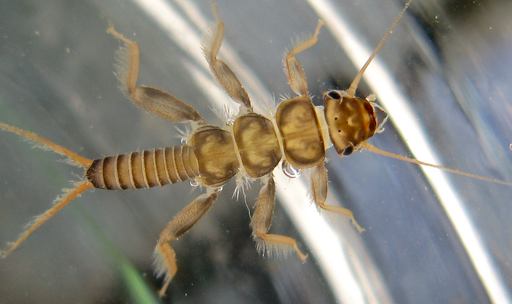
What are some defining characteristics about Family Plecoptera nymph?
REALLY beefy nymph, triangular head, little baby pincers, segmented beefy legs, look like they have three thoraxes, striped abdomen, no wings, two tails facing away from each other (like a V connected to the abdomen)
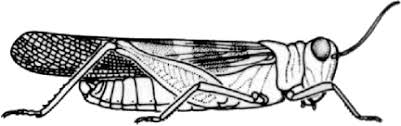
What are some defining characteristics about Order Orthoptera?
Crickets and grasshoppers are pretty identifiable (Google: powerful hind legs for jumping, leathery forewings called tegmina, and membranous hind wings that fold like a fan. Other key characteristics include mandibulate mouthparts for chewing, incomplete metamorphosis (hemimetabolous development), and the ability to produce sound through stridulation), Class Insecta, grasshoppers & crickets
What are some defining characteristics about Family Tetrigidae?
Two first pairs of legs are either small or medium, BEEFY hind legs, wings that are large near the head but are folded to a small point near the end between the hind legs, thin, itty bitty antennae, abdomen seems to end around the start of hind legs, hind legs are bent further back instead of higher up, Class Insecta, Order Orthoptera, called pygmy grasshoppers
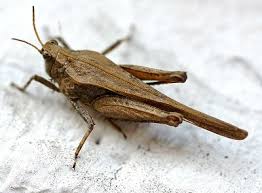
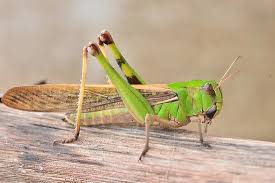
What are some defining characteristics about Family Acrididae?
Head and thorax look fused together, smallish antennae, head looks smushed into thorax, wings are folded over each other, but they have the same consistent shape unlike Family Tetrigidae. Wings are usually a bit longer than abdomen, which reaches slightly past hind legs, also unlike Tetigidae. Two first pairs of legs are thin, while the hind legs START thick but become thinner. Legs are higher up instead of wider or bent further back. MOST DEFINIING CHARACTERISTIC is the smushed face. Class Insecta, Order Orthoptera, called short-horned grasshoppers
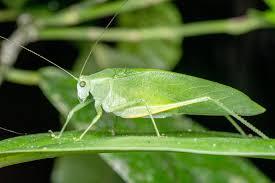
What are some defining characteristics about Family Tettigoniidae?
Most of them look like leaves, with leafy wings that hide the abdomen. Really long, thin antennae, thinner legs that most of Order Orthoptera, which go both high and wide but aren’t spread. Legs look kind of like sticks. Class Insecta, Order Orthoptera, called katydids
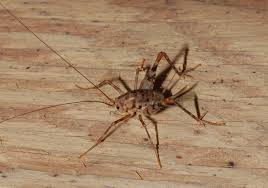
What are some defining characteristics about Family Rhaphidophoridae?
Look kind of like a mix between a spider and a cricket. Head is smushed into thorax like Family Tetrigidae, however their “chin” is not touching their thorax, it droops down below the thorax. First two pairs of legs are thinnish, while the hind legs start out BEEFY and end thin. They look like they have a weird tail thing. Don’t look like they have wings. Legs are wider out. Class Insecta, Order Orthoptera, called camel crickets
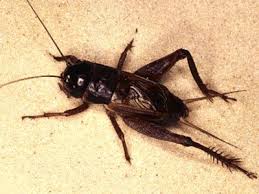
What are some defining characteristics about Family Gryllidae?
Long antennae, head is like a semi-circle, with the straight line connected to square thorax, The first two pairs of legs are thin, while the third pair starts out thick and ends thin but with little spiky things. Class Insecta, Order Orthoptera, called crickets or tree crickets
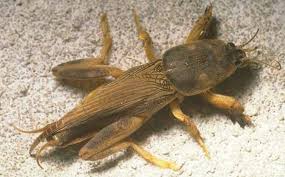
What are some defining characteristics about Family Gryllotalpidae?
THESE ARE THE CREEPY ONES. They look like they have swollen alien heads. Beefy ALL OVER. Big legs, weird wings that are wide and suddenly become small, two small weird tail things not touching at all. Class Insecta, Order Orthoptera. Called mole crickets
What are some defining characteristics about Order Phasmatodea
Literally look like sticks or leaves. Leaf ones can look similar to Family Tettigoniidae. To differentiate, look at how thick the legs are. Phasmatodea have much thinner legs. SOME crazy ones look like scorpions. Class Insecta, called walkingsticks
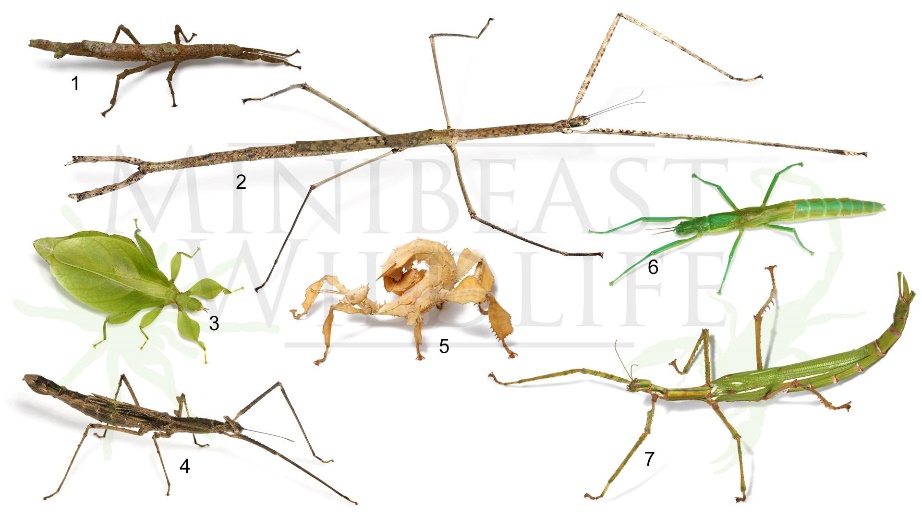
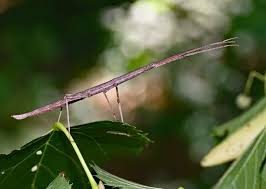
What are some defining characteristics about Family Diapheromeridae
The type of phasmatodea to look exclusively like sticks. Class Insecta, Order Phasmatodea, common walkingsticks
What are some defining characteristics about Order Hemiptera?
Piercing-sucking mouthparts are pretty much the only thing they all have in common. Class Insecta, called true bugs
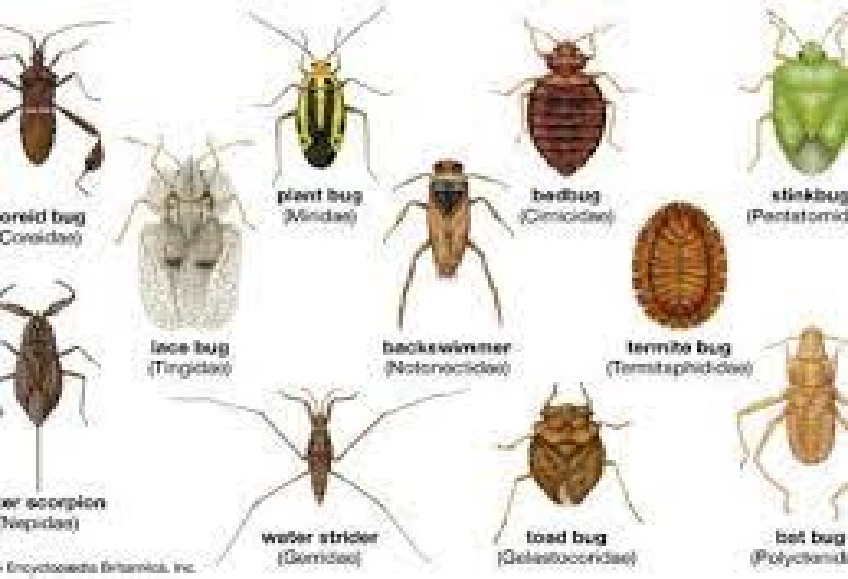
What are some defining characteristics about Family Corixidae?
three pairs of legs, but one pair look kind of like feathers (used for swimming), thin semicircle head with separated eyes, very simple looking, literally just an oval. The front pair of legs are usually underneath them and small, so they aren’t usually seen, can’t usually see their abdomen unless they spread their wings, VERY OBVIOUSLY WATER BUGS, Class Insecta, Order Hemiptera, called water boatmen

What are some defining characteristics about Family Notonectidae?
Look like Family Corixidae, however they have weird leg antennae, and one pair of legs is usually longer. Also, the end of their abdomens are fuzzy-looking, whereas Family Corixidae have plain abdomens, Class Insecta, Order Hemiptera, called backswimmers (because they swim upside down)
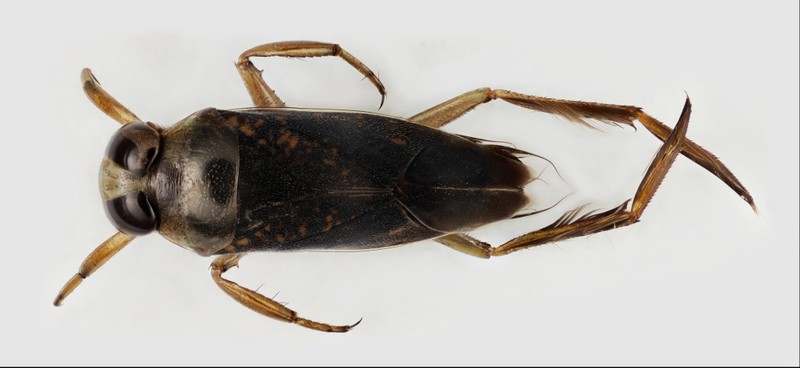
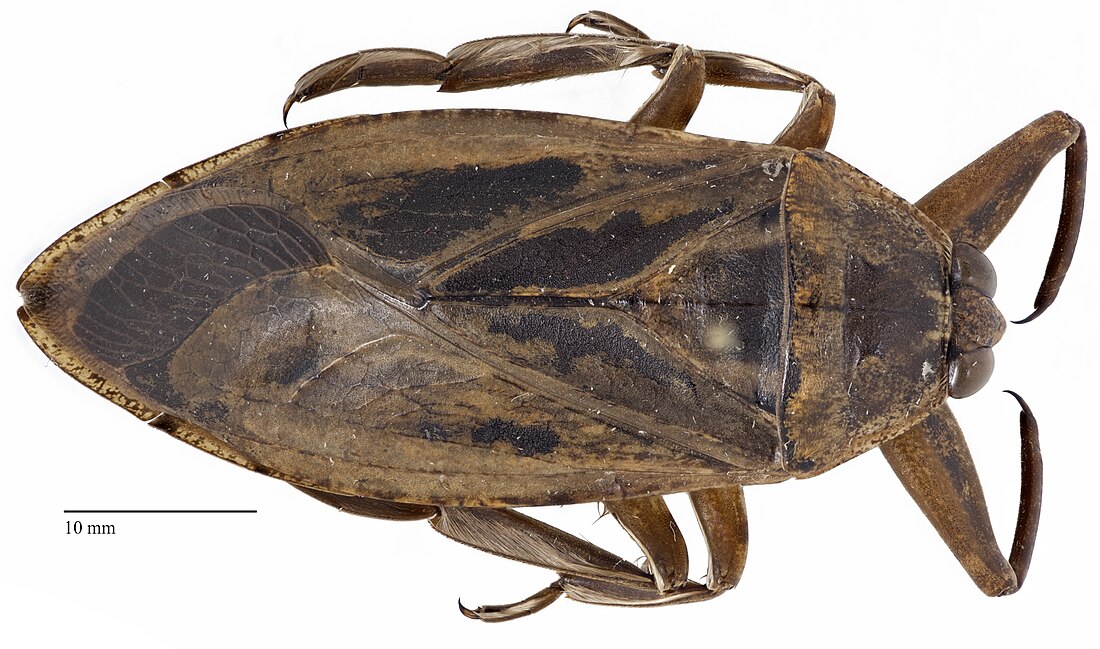
What are some defining characteristics about Family Belostomatidae?
Three pairs of legs that look segmented and are bigger than the previous water bugs. The pair closest to their head kind of looks like antennae. All legs have little scoops for swimming. Bigger than other water bugs. Class Insecta, Order Hemiptera, called giant water bugs.
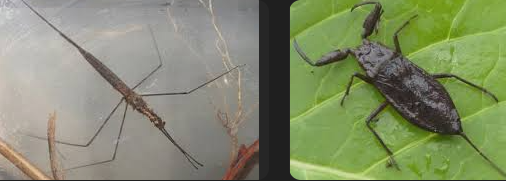
What are some defining characteristics about Family Nepidae?
Can either be as thin as Family Phasmatodae, or can be thick. However, they have pincer-looking legs on their head, like a mix between pincers, legs, and antennae. Also, regardless of which size they are, they have long tails. Class Insecta, Order Hemiptera, called water scorpions (probably because of their pincer-like legs)
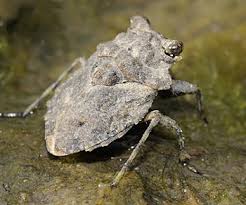
What are some defining characteristics about Family Gelastocoridae
Bugs that look like toads. Class Insecta, Order Hemiptera, called toad bugs.
What are some defining characteristics about Family Gerridae?
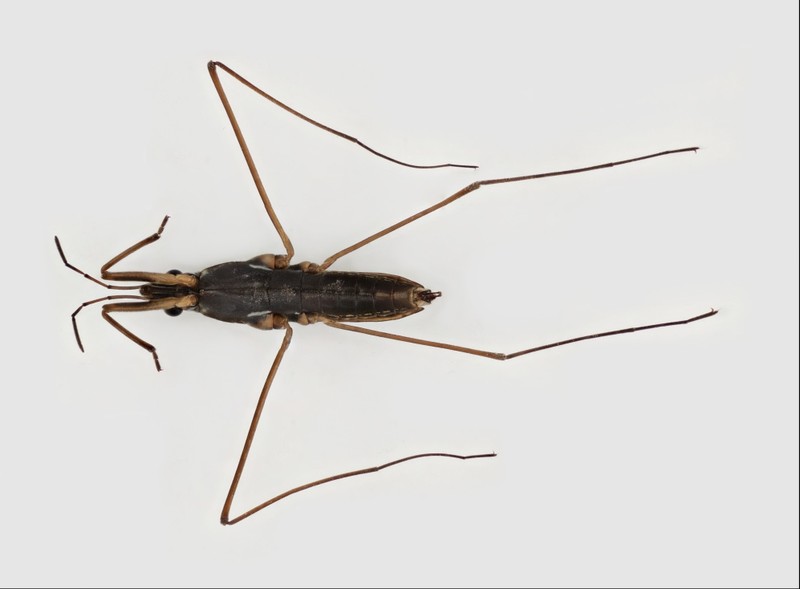
Small thorax, REALLY long, thin middle and hind legs, have both legs and antennae (same shape, antennae are slightly thinner and longer) on head. Class Insecta, Order Hemiptera, called water striders
What are some defining characteristics about Family Cimicidae?
Regular legs, but one pair on the side of head. Triangular head with antennae, segmented round or oval body. Class Insecta, Order Hemiptera, called bed bugs

What are some defining characteristics about Family Miridae?
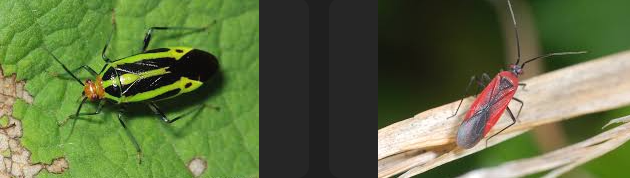
Usually have oval-shaped bodies with strange patterns, six L-shaped legs, and medium-length antennae. Some miridae are specifically red and black, but they aren’t all. Class Insecta, Order Hemiptera, called plant bugs
What are some defining characteristics about Family Reduviidae?
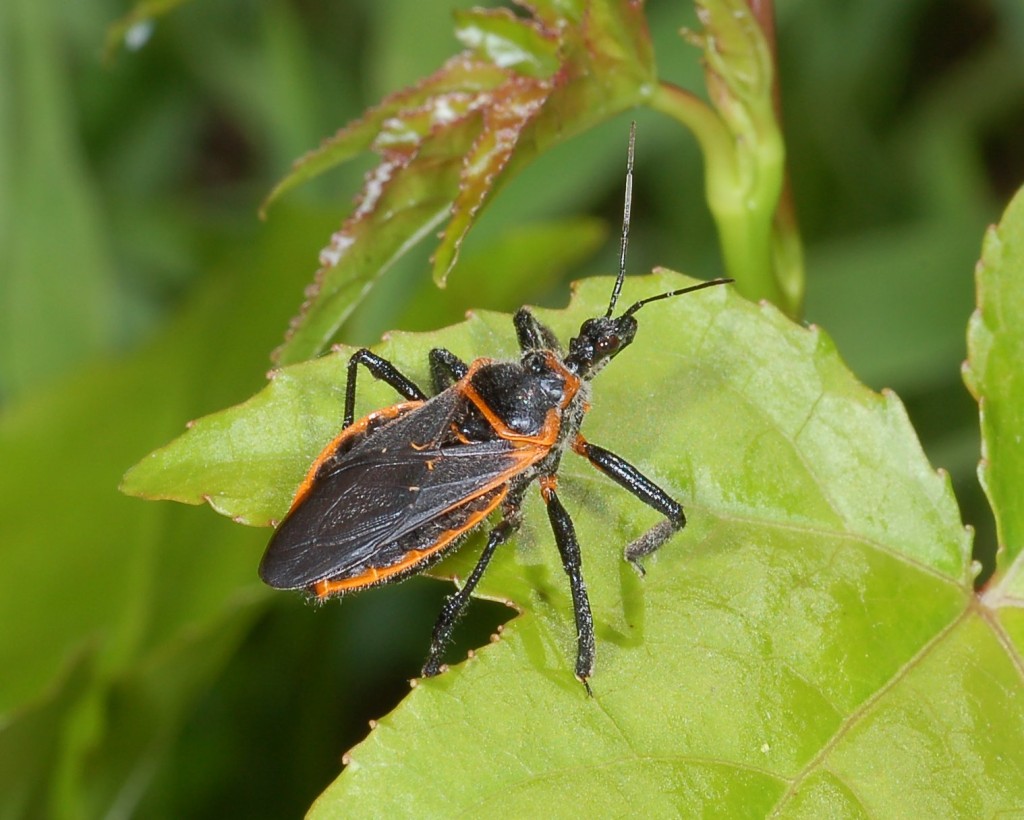
Rhombus thorax, regular legs, really small head, raptorial front legs (like a mantis), Class Insecta, Order Hemiptera, called assassin bugs
What are some defining characteristics about Family Scutelleridae?
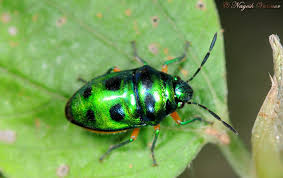
Can be metallic, usually have spots on their back, six legs with the part connected to the thorax are thicker but quickly become thinner, medium-length antennae, head and eyes together are triangular, Class Insecta, Order Hemiptera, called metallic shiled bugs
What are some defining characteristics about Family Tingidae?
Bugs with wings that look like they’re made of lace. Class Insecta, Order Hemiptera, called lace bugs
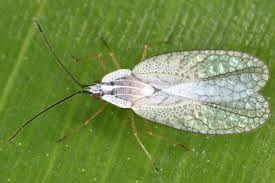
What are some defining characteristics about Family Lygaeidae
Usually red and black, but can also be brown. Look kind of similar to the red and black Family Miridae bugs. However, Family Lygaeidae usually is slightly thicker, with slightly thicker legs and a slightly wider body. Fmily Lygaeidae also has a small lump on the back of their thorax, making them look slightly like a hunchback. Class Insecta, Order Hemiptera, called seed bugs.
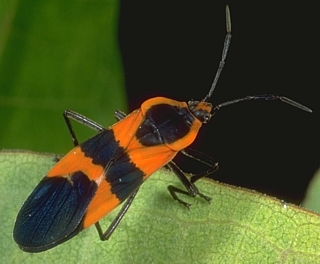
What are some defining characteristics about Family Coreidae?
Interesting body shapes, with antennae and the first two pairs of legs are regular, but the hind pair are much thicker, usually with strange shapes but not always. Also have a bump on the back of their thorax, like Family Lygaeidae. Head is extremely small, almost imperceptible. Class Insecta, Order Hemiptera, called leaf–footed bugs
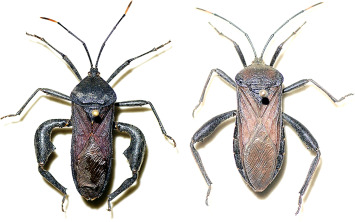
What are some defining characteristics about Family Pentatomidae?
Definable by looking at pentagon-like shape. Can be obvious or subtle. Have antennae, but otherwise can look extremely different, including head shape, whether or not they have ridges or bumps on their thorax, etc. Class Insecta, Order Hemiptera, called stink bugs
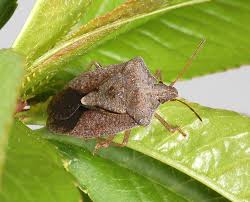
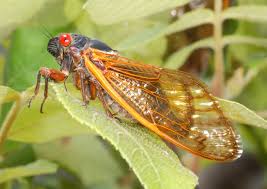
What are some defining characteristics about Family Cicadidae?
Usually a very definable shape (probably need to memorize shape), but easy to tell by wings with transparent parts. Class Insecta, Order Hemiptera, called cicadas
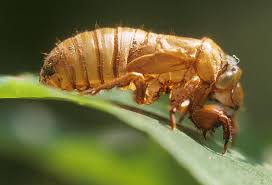
What are some defining characteristics about Family Cicadidae nymph?
Similar shape to adult cicada. Most definable part is their shape and the fact that the first half of their front legs are much thicker than the second half.
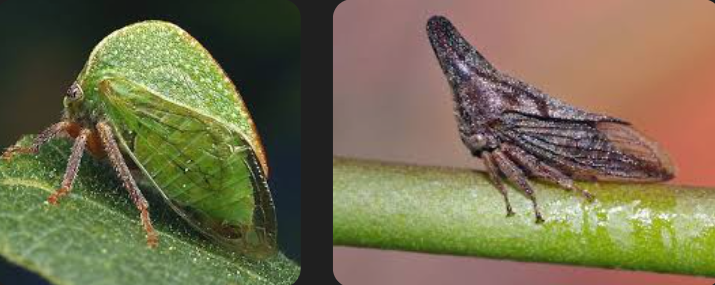
What are some defining characteristics about Family Membracidae?
These can have very diverse body shapes. However, they all have little hairs all over their body, heads that aren’t super visible because it’s attached to it’s body, and wings that are transparent with lines in them. Class Insecta, Order Hemiptera, called treehoppers
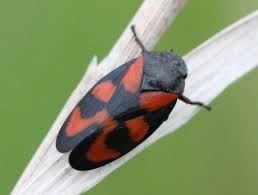
What are some defining characteristics about Family Cercopidae?
Usually either have rhombus shaped wings, or they have two wings that look like an oval but both urve inward at the end, so it makes a heart-like shape. Also have roundish triangular heads Some of them are definable by their black and red patterns, but not reliable because some don’t have it. Class Insecta, Order Hemiptera, called froghoppers and spittlebugs (because of the substance that looks like spit that nymphs produce)
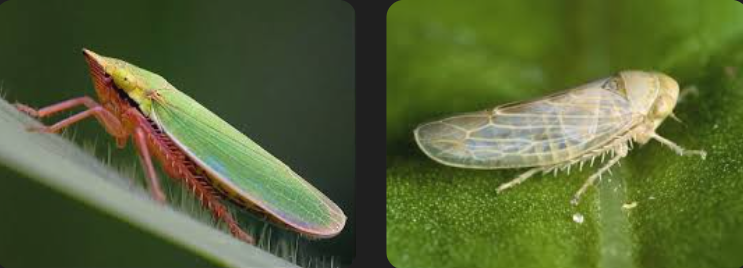
What are some defining characteristics about Family Cicadellidae
Either have green wings that are very flat except a bump near the head, or have transparent wings with the head smushed against the thorax. Recognizable by the spiky things on their legs. Class Insecta, Order Hemiptera, called leafhoppers.
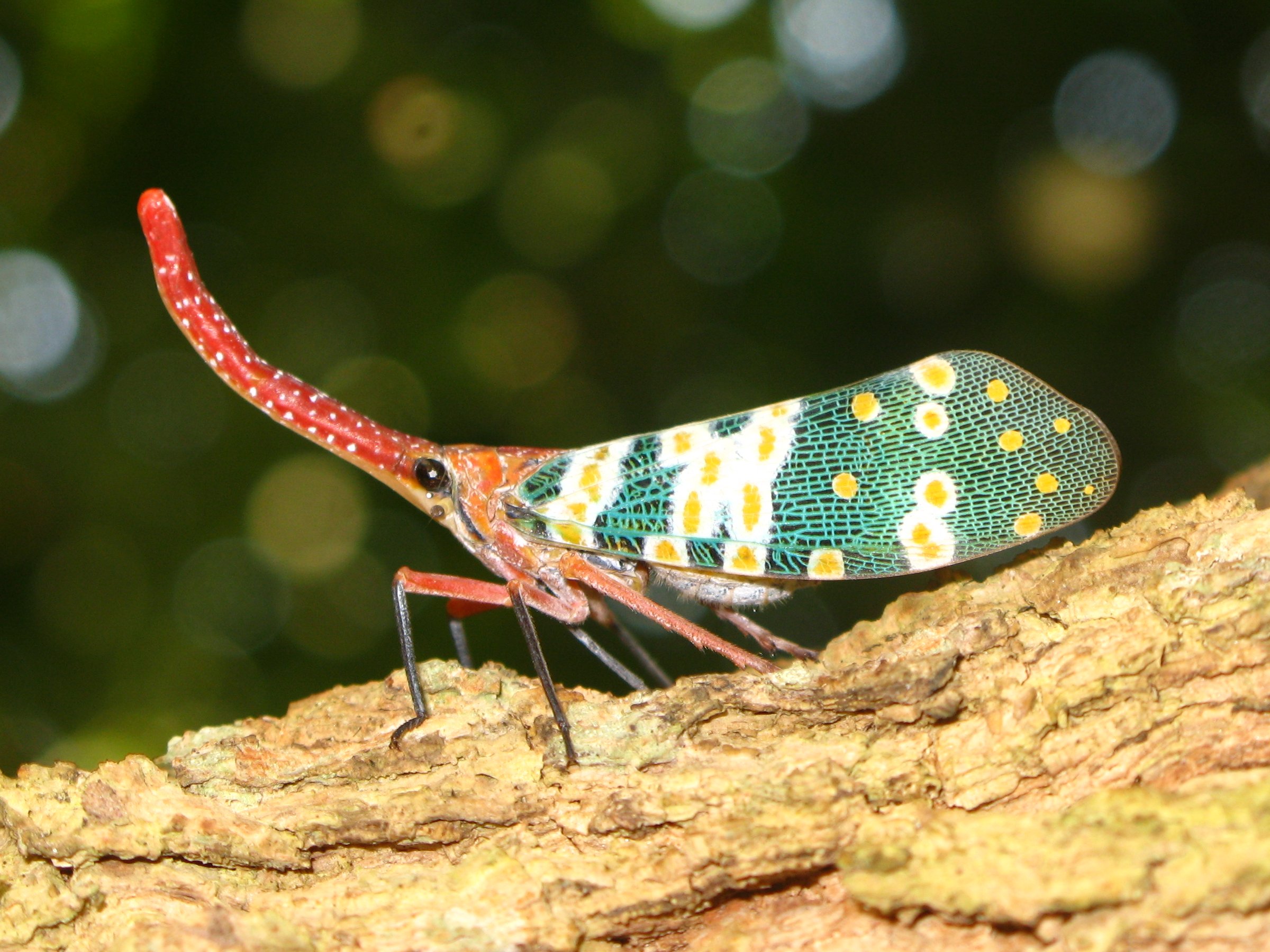
What are some defining characteristics about Family Fulgoridae?
VERY DEFINING BODY SHAPE. Memorize body shape. If you can’t remember the shape, look at the “noses”. While the length can very, it always sticks up, regardless of what the body shape is. Class Insecta, Order Hemiptera, called fulgorid planthoppers.
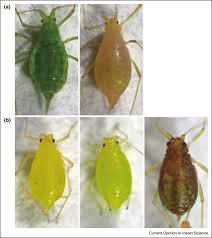
What are some defining characteristics about Family Aphididae?
Usually pretty transparent, round bodies. Legs and antennae are small and thin. Eyes are very small but visible. Class Insecta, Order Hemiptera, called aphids
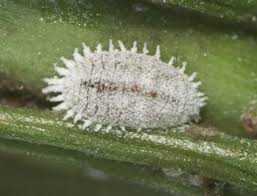
What are some defining characteristics about Family Pseudococcidae?
White, round, and spiky. Very defining. Class Insecta, Order Hemiptera, called mealybugs
What are some defining characteristics about Family Pseudococcidae nymph?
Pretty much the same as adult, however they have two tail-looking things.
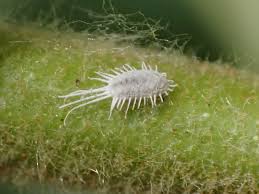
What are some defining characteristics about Family Coccidae?
Literally just the roundest bug you’ve ever seen before. HOWEVER, they look similar to Family Psephenidae. To differentiate, Coccidae “shells” look like they have a bunch of tiny legs around the edge. Class Insecta, Order Hemiptera, called soft scale insects

What are some defining characteristics about Family Coccidae nymph?
Look the same as adults
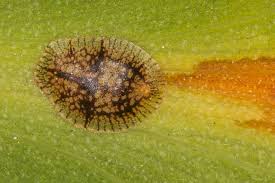
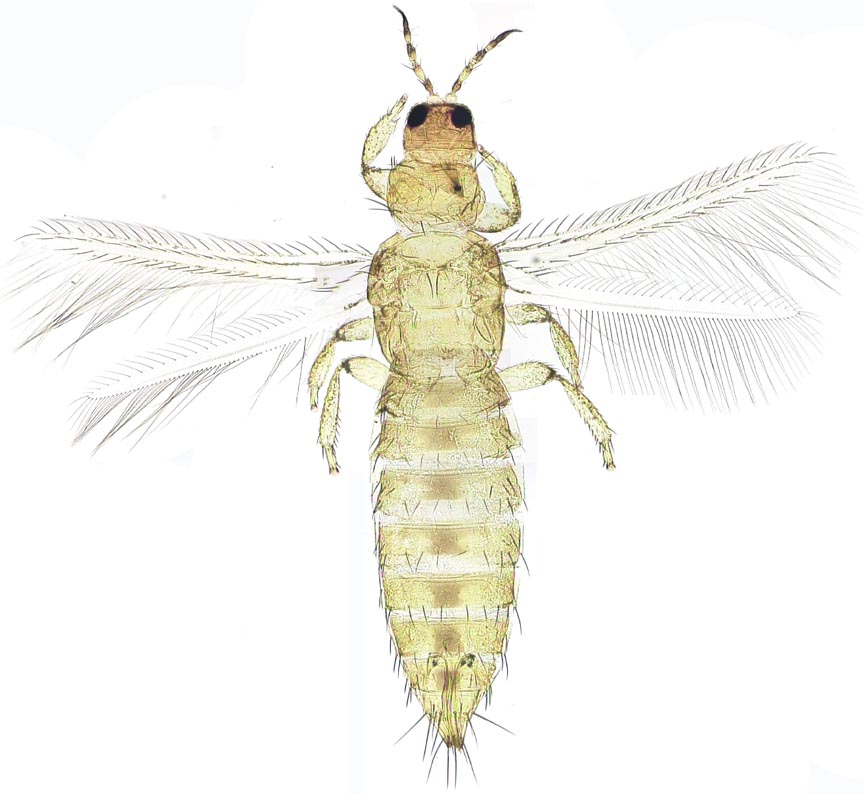
What are some defining characteristics about Order Thysanoptera?
Fringed wings (kinda feathery), long, slender body, wings have few or no veins, fuzzy-looking antennae, long, striped abdomens with fuzzy stuff at the end, slightly segmented antennae, two legs at the end of first thorax thing, two at the middle of the thorax, and two at the very start of the abdomen. Class Insecta, called thrips
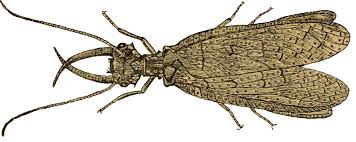
What are some defining characteristics about Order Megaloptera?
Large wings with patterned, complex wings, longish antennae which are slightly segmented, some have mandibles (not all), unique head shape, have a little V shape at the end of legs. Class Insecta, called dobsonflies
While the specs say order megaloptera, it specifies dobsonflies, which are a family. Probably don’t need to know other families in the order
What are some defining characteristics about Order Megaloptera nymph?
Roundish square head, thick mandibles, armored thorax and head. The legs are thick but normal. The most defining feature is there abdomen, which is covered in spikes and segmented, and ends in a V shape
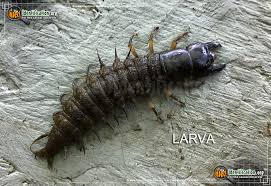
What are some defining characteristics about Order Neuroptera?
Small heads, long, thin antennae, legs that start underneath thorax but reach other to look like they connect to the sides, slightly larger thorax than abdomen, which is segmented, slender, and long. Most prominent feature is the wings, which are thin and have lacy-looking veins. NOT to be confused with lace bugs. Lace bugs have wings that have larger veins and are usually circular. Neuroptera have veings that are thinner and are more squarish. Class Insecta, called lacewings and Antlions
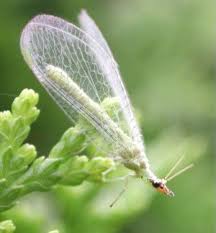
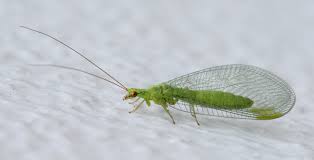
What are some defining characteristics about Family Chrysopidae?
Type of Neuroptera that specifically has a green thorax. Other than that, all characteristics are in the description for Order Neuroptera, so study that. Class Insecta, Order Neuroptera, called green lacewings
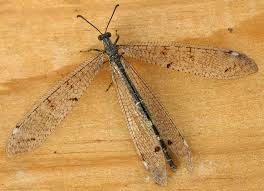
What are some defining characteristics about Family Myrmeleontidae?
Resemble dragon/damselflies. To distinguish, Myrmeleontidae have relatively short antennae which are either prominently curved or clubbed at the end. Two pairs of long, narrow, intricately net-veined, translucent wings that may be clear or mottled with brown or black. The wings are typically held roof-like over their body at rest, unlike the spread wings of a dragonfly, long, slender bodies that typically have small hairs. Class Insecta, Order Neuroptera, called antlions
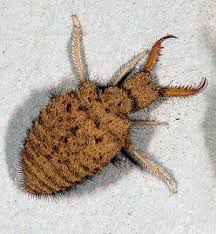
What are some defining characteristics about Family Myrmeleontidae nymph?
Oval body, flattened head, and prominent mandibles. Fuzzy all over, segmented abdomen, small weird thorax.
What are some defining characteristics about Order Coleoptera?
The presence of elytra, which are hardened forewings that meet in a straight line down the back, membranous hind wings that are folded underneath, hardened body and three pairs of segmented legs. Class Insecta, called beetles

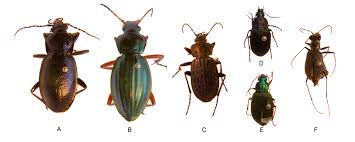
What are some defining characteristics about Family Carabidae?
Long, thin segmented antennae, front part of legs are thicker, while back part of legs are very thin with a bunch of tiny v shapes, abdomens are seed-shaped, thoraxes are like a very round, squarish trapezoid, eyes on the side of their heads, thin, segmented mandibles, Class Insecta, Order Coleoptera, called ground beetles, tiger beetles
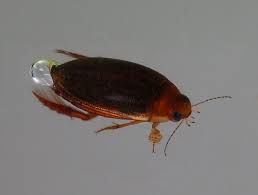
What are some defining characteristics about Family Dytiscidae?
Thin, curved, segmented antennae, little mandible things, seed-shaped, eyes on side of head, fuzzy legs, very plain-looking elytra. Can sometimes be seen with air bubbles at the end of abdomen under elytra, used for breathing underwater. Class Insecta, Order Coleoptera, called predaceous diving beetles
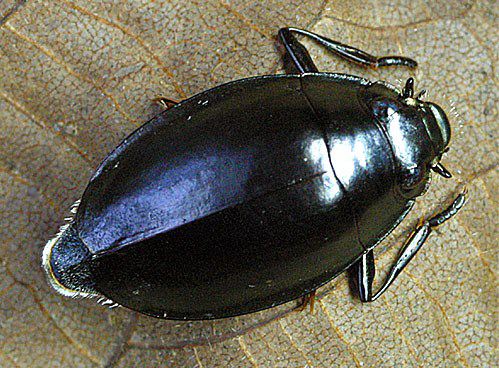
What are some defining characteristics about Family Gyrinidae?
Seed shaped but with jutting out round area at the end of abdomen, hard shells that are shiny, usually black or brown, have six, segmented legs but usually only two are visible, semicircular head with little horn-like mandibles where their “cheeks” are. Eyes on the side of head. Class Insecta, Order Coleoptera, called whirligig beetles. Can be differentiated from Family Dytiscidae because legs are not fuzzy and the round part at the end of abdomen.
What are some defining characteristics about Family Psephenidae?
Very round bug. HOWEVER, they look very similar to Family Coccidae. To differentiate, instead of the outer rim of their “shells” looking like a bunch of tiny legs, Family Psephenidae have more turtle-shell like patterns around their “shells”. Class Insecta, Order Coleoptera, called water-penny beetles, probably because they are water beetles and look like pennies in the water.
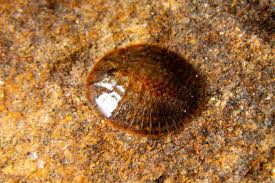
What are some defining characteristics about Family Psephenidae nymph?
Look the same as adults.
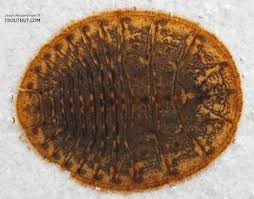
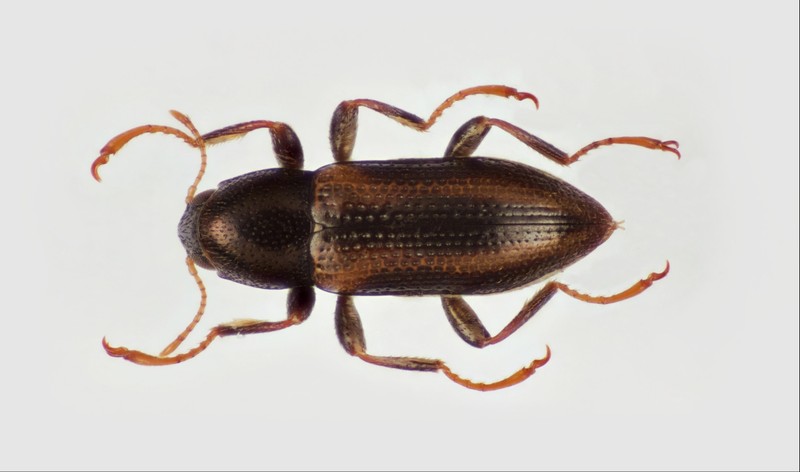
What are some defining characteristics about Family Elmidae?
Head and thorax together make up an elongated semicircle, elytra is like a seed missing the very top to make a straight line. Most definable by curvy legs and antennae, with legs in a very specific shape and starting out thick, getting progressively thinner with little scoops at the end. Class Insecta, Order Coleoptera, called riffle beetles (because their legs feel like riffles).
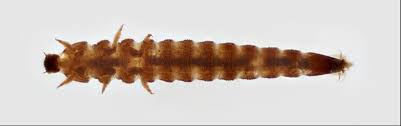
What are some defining characteristics about Family Elmidae nymph?
roundish square head with very small, minuscule antennae, six legs at the front of body, long, very segmented abdomen, can see a line cross through the body, little fuzzy things at the end of long abdomen.
What are some defining characteristics about Family Histeridae?
Roundish square/rectangular body. Roundish square head, can have mandibles. Have weird mouthparts identifiable because of round ends, like wearing earmuffs. End of elytra does not reach the end of the abdomen, so you can see part of the abdomen. Forelegs are clubbed and spiky, and they have little scoops at the end. Class Insecta, Order Coleoptera, called hister beetles.
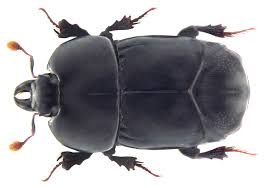
What are some defining characteristics about Family Staphylinidae
Segmented antennae, shiny, hard head and thorax, first two pairs of legs are between first and second thorax, while third pair is between second thorax and abdomen. Medium segmented abdomen with “tail” and two fuzzy things around the tail. Class Insecta, Order Coleoptera, called rove beetles.

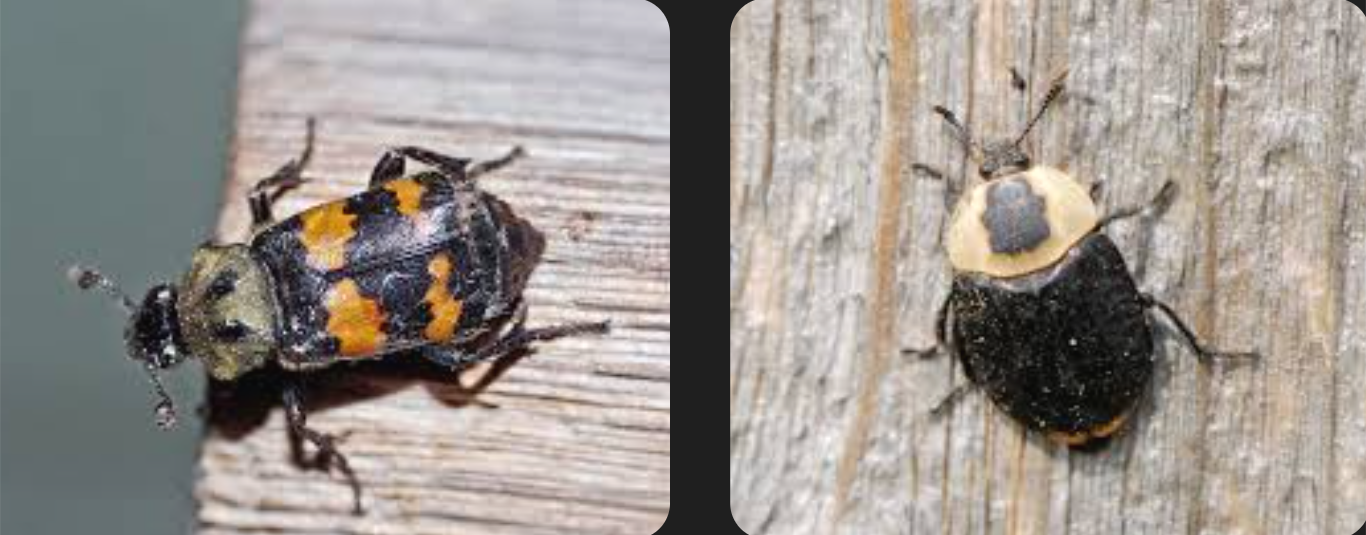
What are some defining characteristics about Family Silphidae?
There are two different types: 1) Prominent black and orange/red patterns, antennae with the earmuffs, squarish thorax, head shaped a curved rectangle with mandibles, and legs that are clubbed at the end of the forelegs and thin at the rest of it with little v shapes all over. Abdomen can either end in a semicircle or a segmented v shape. 2) antennae that start out thin but look slightly clubbed at the end, very round thorax and elytra, ends before abdomen which ends with a segmented v shape with little fuzzy parts. Thorax is yellow with a squarish shape with weird jutting out parts, legs with forelegs that end clubbed, and end thinner with v shapes and scoops.
Class Insecta, Order Coleoptera, called carrion beetles. 1 looks like checkered beetles, to differentiate, look at antennae.
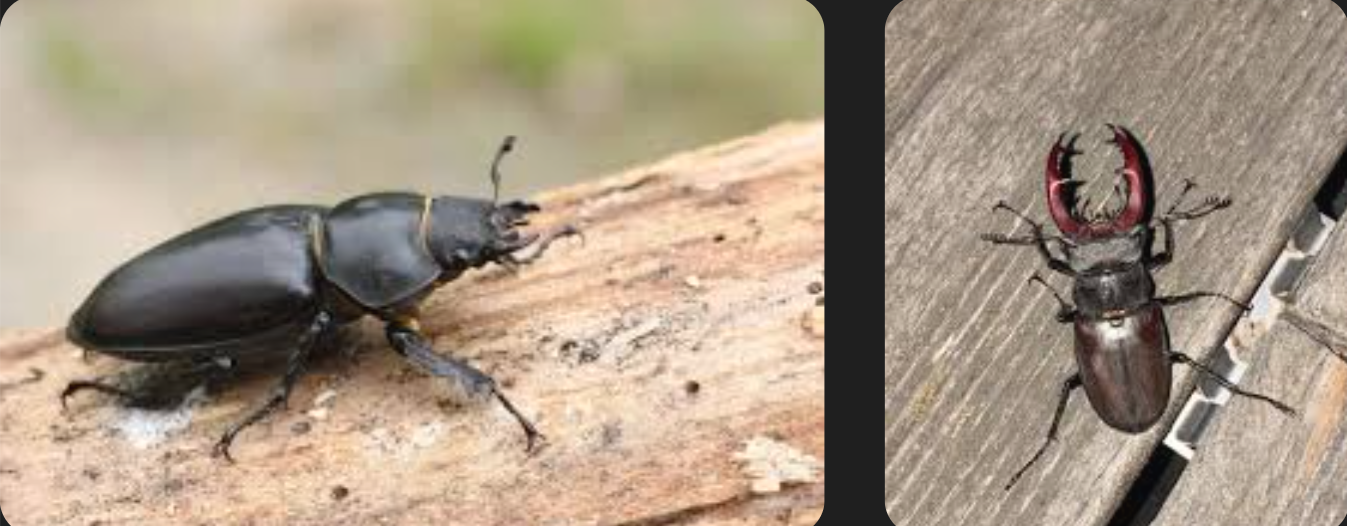
What are some defining characteristics about Family Lucanidae?
Most prominent feature are the unique mandibles. Some have large ones while some have small ones, forearms are all thicker and become thinner. The back pair of hind legs have thin scoops at the end, spiky legs, antennae with spiky earmuff things, thorax can be round or spiky square, usually the elytra starts straight but rounds out near the end, heads are also able to be round and flat or thicker with spikes and abnormal outlines, Class Insecta, Family Coleoptera, called stag beetles
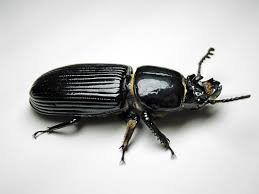
What are some defining characteristics about Family Passalidae?
Shiny black body, long vertical lines on elytra, thorax and elytra are completely separated showing a thin “waist”, antennae are very curvy, front legs are thick and the front legs are spiky, with each pair of leg going down getting less spiky, small mandibles that look like crab claws, weird heads, Class Insecta, Order Coleoptera, called bess beetles (what the specs use), betsy beetles, and horned passalus beetles
What are some defining characteristics about Family Scarabaeidae?
Can have club-shaped antennae with segments, TYPICALLY oval-shaped body. To be honest, just memorize every other beetle and if you don’t recognize one, just assume it’s in this one because everything is in this. Class Insecta, Order Coleoptera, called scarab beetles
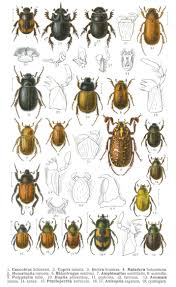
What are some defining characteristics about Family Buprestidae?
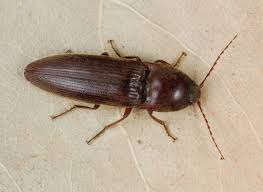
What are some defining characteristics about Family Elateridae?
Most prominent features are the zigzag antennae, and the thin gap between the thorax and the elytra, not a straight line, click mechanism in the middle of that gap, segmented antennae, pretty normal legs, can be slightly segmented, usually a longer oval body shape, heads look like mini versions of their thoraxes, seed-like abdomens, Class Insecta, Order Coleoptera, called click beetles
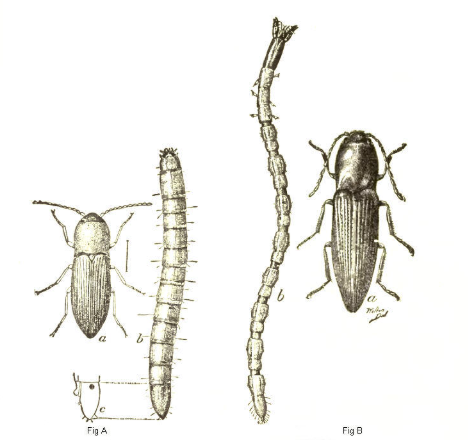
What are some defining characteristics about Family Elateridae nymph?
Look like segmented worms, but with many legs. One kind is a consistent shape and little fuzzy things on their head, while another kind is inconsistently segmented, with their head and abdomen being much different shapes; this one has thicker antennae and bigger hair stuff
What are some defining characteristics about Family Lampyridae?
Various sizes of segmented antennae, thick forearms that become thin and have little hair-like things at the end, since elytra is round at the end, there’s a v-shaped gap between them. Have somewhat transparent thoraxes with black and red spots in the middle, small gap between thorax and elytra, Class Insecta, Order Coleoptera, called fireflies, lightning bugs, and glowworms

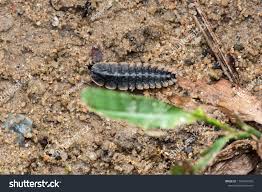
What are some defining characteristics about Family Lampyridae nymph?
Whole body is segmented, line runs down the middle that kind of looks like a spine, head is rounder than the rest of body
What are some defining characteristics about Family Cantharidae?
Feet of insect are segmented, usually black with red markings but can be brown, can have different body shapes, end of abdomen is seen through the elytra, have little antennae looking things and longer thread-like antennae, Class Insecta, Order Coleoptera, called soldier beetles and leatherwings
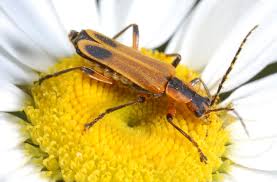
What are some defining characteristics about Family Lycidae?
Veins all over elytra, saw-like antennae, often red or orange with patterns, legs look like zigzags, segmented legs with a ton of little v’s on them, Class Insecta, Order Coleoptera, called net-winged beetles because of veins

What are some defining characteristics about Family Cleridae?
Look EXTREMELY similar to Family Silphidae. To differentiate, Family Cleridae antennae are usually slightly less clubbed. Also, Family Cleridae legs are usually less fanned out at the end of forelegs. Some Family Silphidae have toothbrush-like bristles, but they don’t always. Family Silphidae ordinarily looks slightly rounder, while Family Cleridae is usually thinner, Class Insecta, Order Coleoptera, called checkered beetles
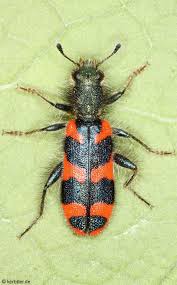
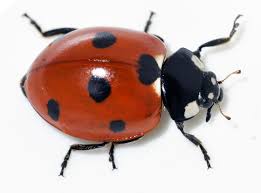
What are some defining characteristics about Family Coccinellidae?
Ladybugs. Some look like ladybugs, while some don’t have the signature red with black spots but have spots. Some do not have spots, in which case, it’s body is outlines like a ladybug’s. Class Insecta, Order Coleoptera, called ladybugs in the US, ladybirds in the UK, and Marybeetles in Germany.
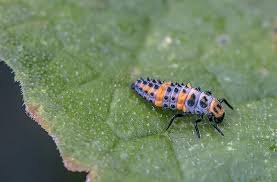
What are some defining characteristics about Family Coccinellidae nymph?
Look like caterpillars with spikes like armor and thin legs.
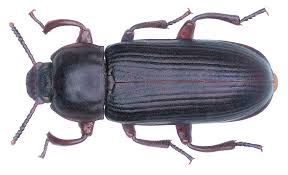
What are some defining characteristics about Family Tenebrionidae?
Pill-shapes bodies, legs kind of look like scythes that curve from the thorax/abdomen and jut out like handles, small head with slightly segmented antennae that look like circles stacked on each other, most noticeable feature is their legs, Class Insecta, Order Coleoptera, called darkling beetles
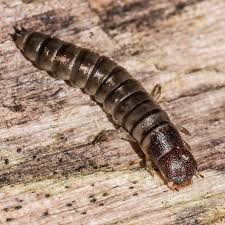
What are some defining characteristics about Family Tenebrionidae nymph?
Look like segmented, armored worms with three tails and baby antennae
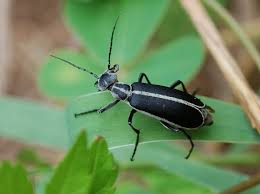
What are some defining characteristics about Family Meloidae?
Thin ‘neck’, wings often don’t cover full abdomen, hard to describe just memorize. Class Insecta, Order Coleoptera, called blister beetles
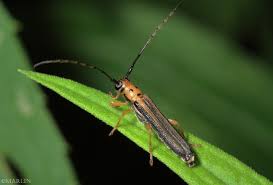
What are some defining characteristics about Family Cerambycidae?
Sometimes have EXTREMELY long curved antennae, have legs that look like square root symbols, JUST PAY ATTENTION TO THE ANTENNAE, Class Insecta, Order Coleoptera, called long-horned beetles
What are some defining characteristics about Family Cerambycidae nymph?
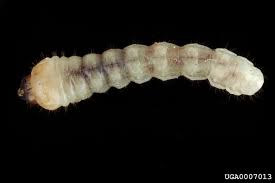
Pale, partly translucent, no legs, segmented body, head looks like part of their body, little baby antennae
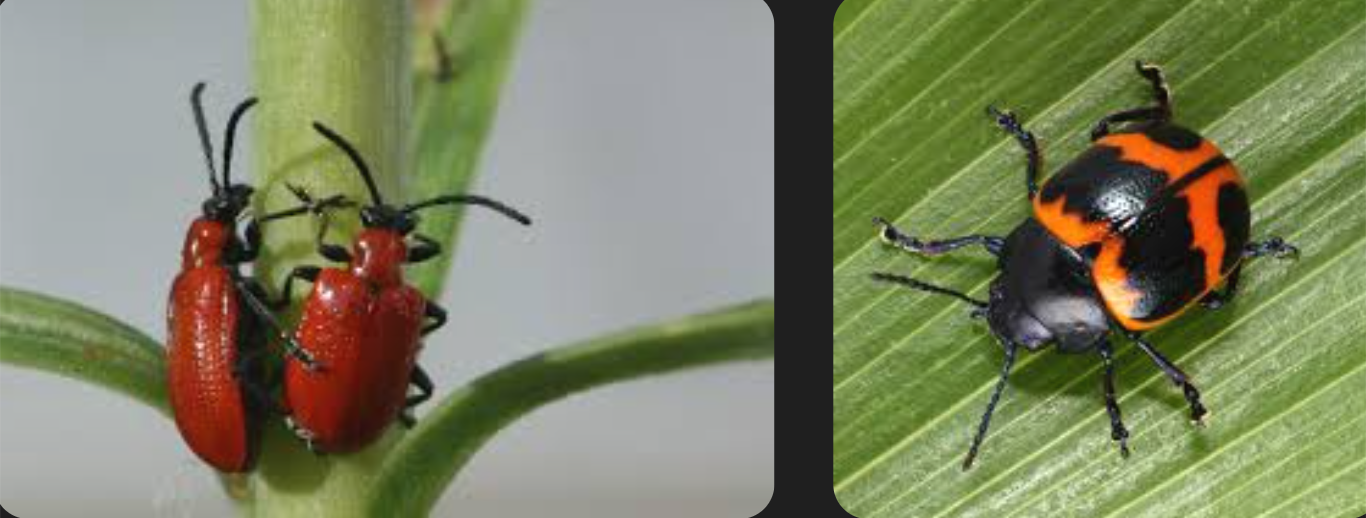
What are some defining characteristics about Family Chrysomelidae?
Usually more rounded or oval, but some are slightly elongated, short antennae that are smaller than their body length, often brightly colored and metallic. Class Insecta, Order Coleoptera, called leaf beetles
 Note
Note  Flashcards (46)