National 5 Physics - Space
 Call Kai
 Learn
Learn Practice Test
 Spaced Repetition
 Match
Match Flashcards
 Knowt Play
1/23

There's no tags or description
Looks like no tags are added yet.
Name | Mastery | Learn | Test | Matching | Spaced | Call with Kai |
|---|
No analytics yet
Send a link to your students to track their progress
24 Terms
Planet
orbits a star, made round by its own gravity and has cleared its orbit of other material
Star
something that produces light and heat through nuclear fusion
Moon
orbits a planet
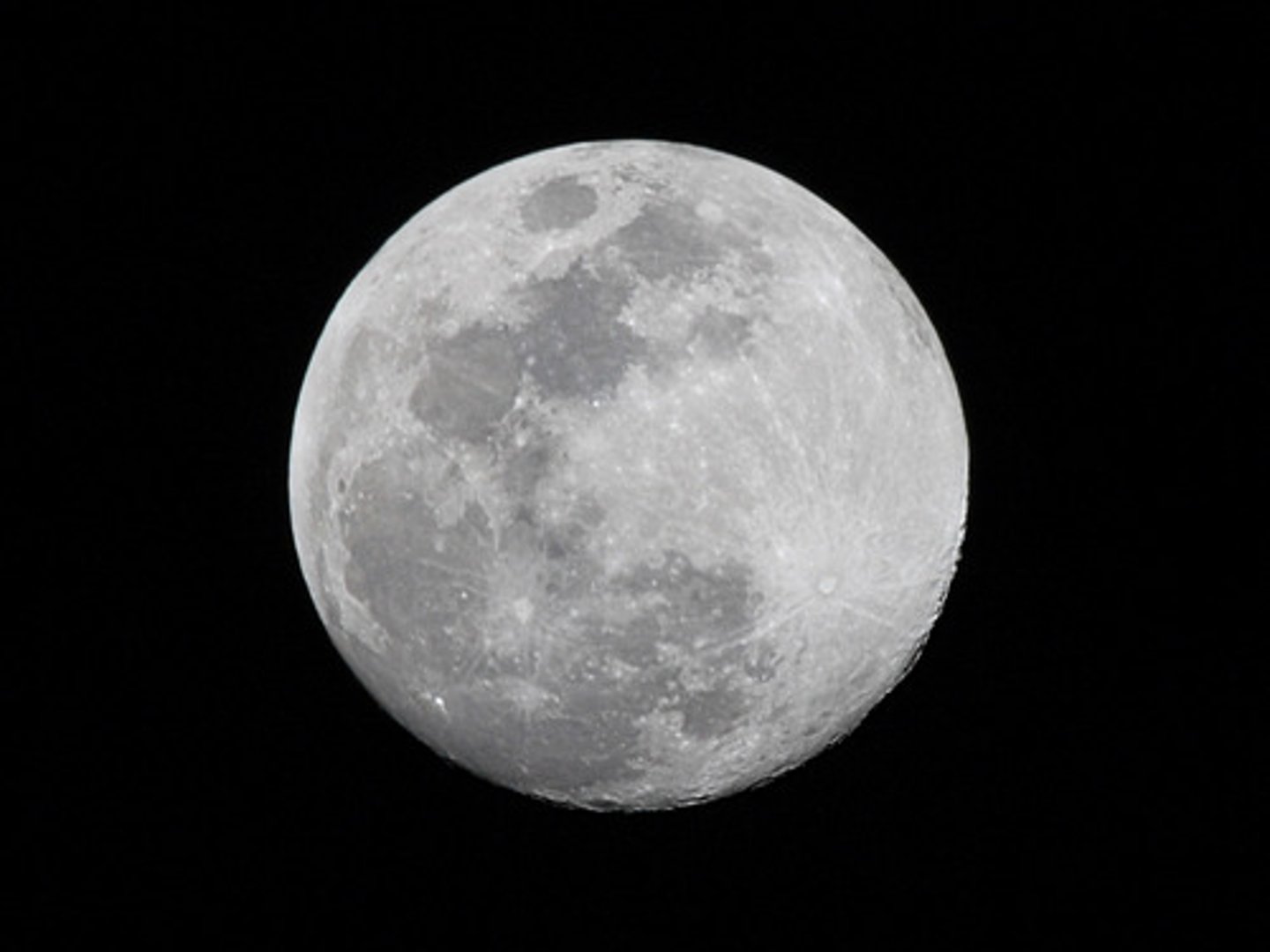
Dwarf planet
orbits a star, made nearly round by its own gravity but has not cleared its orbit of other material
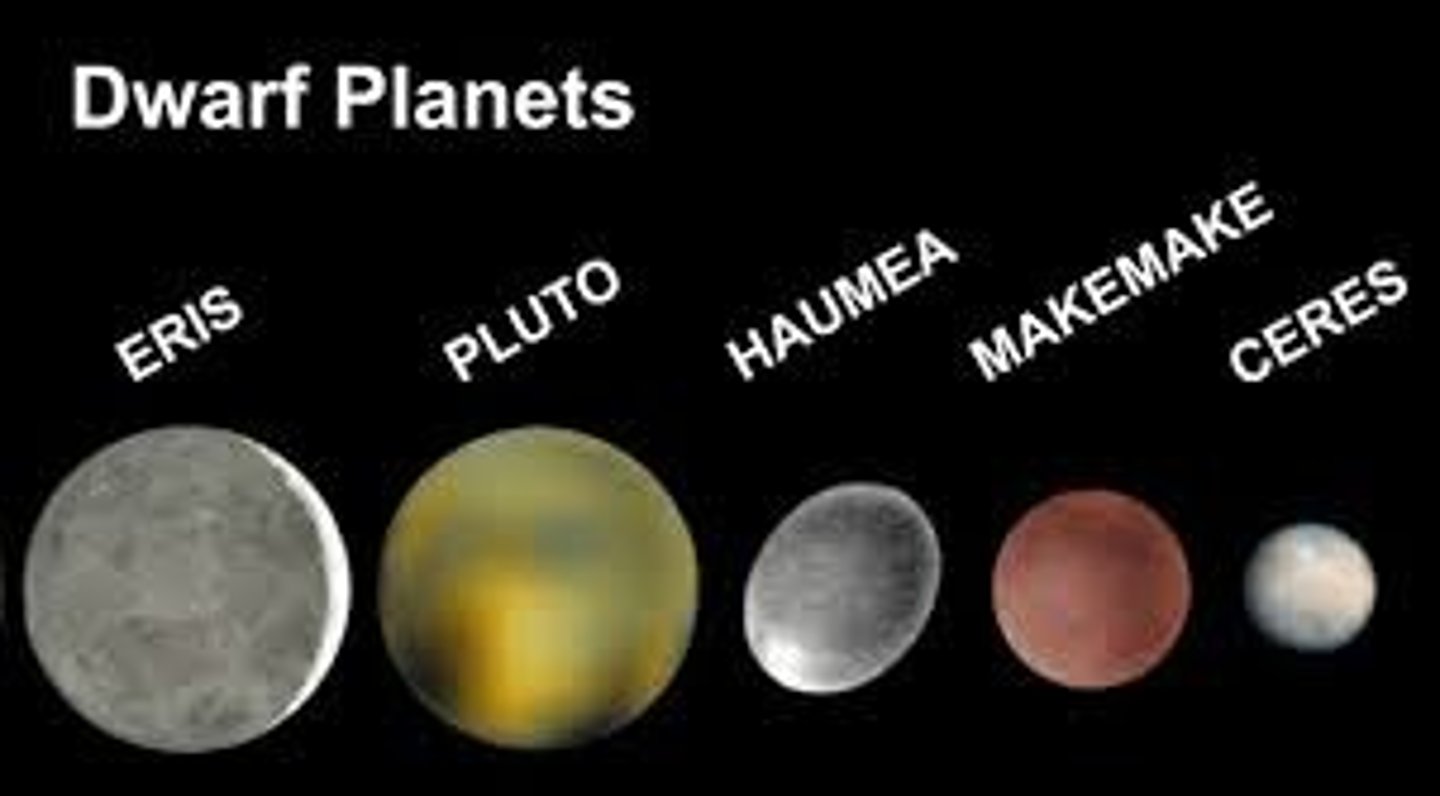
Exoplanet
planet outside our solar system
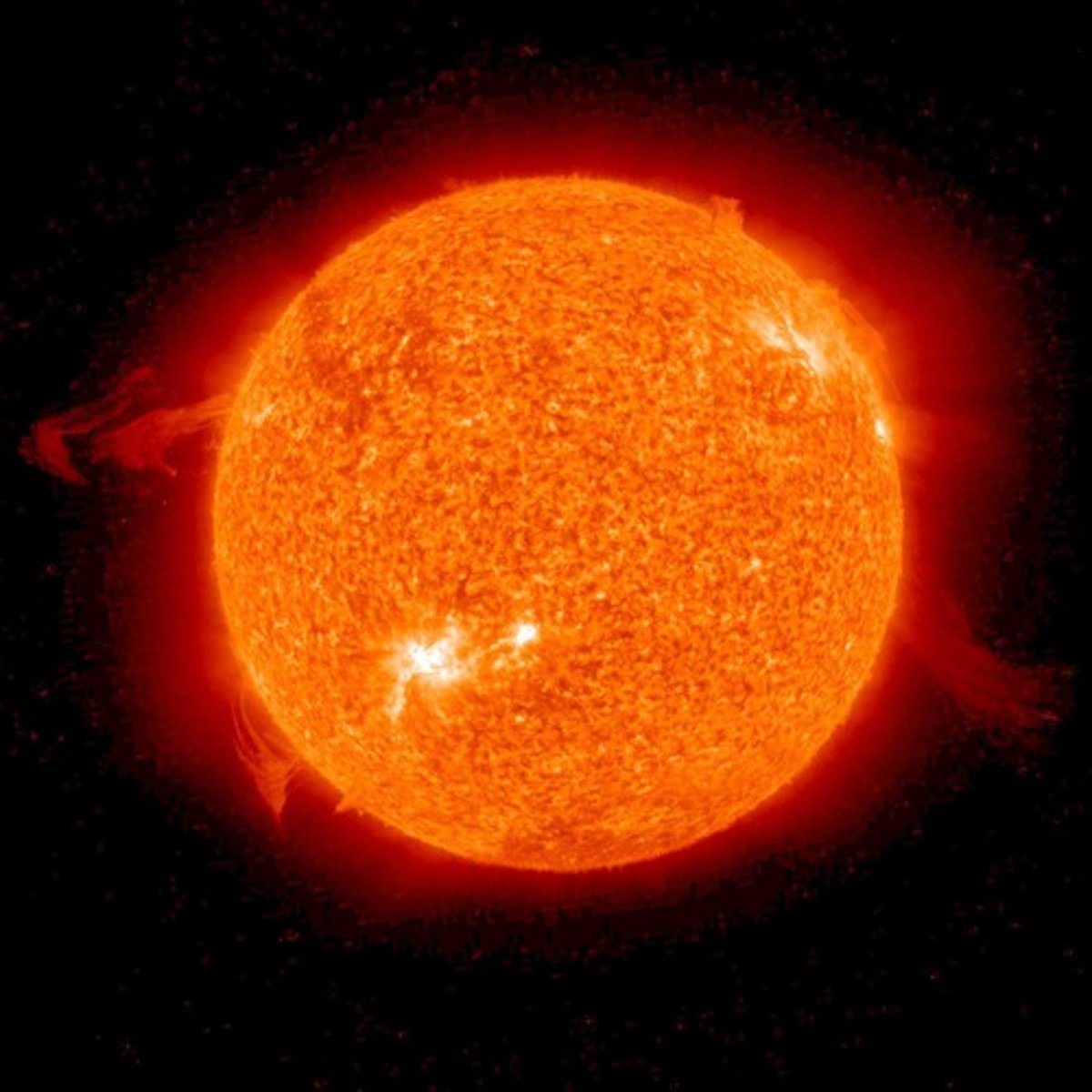
Sun
closest star to Earth, we orbit it
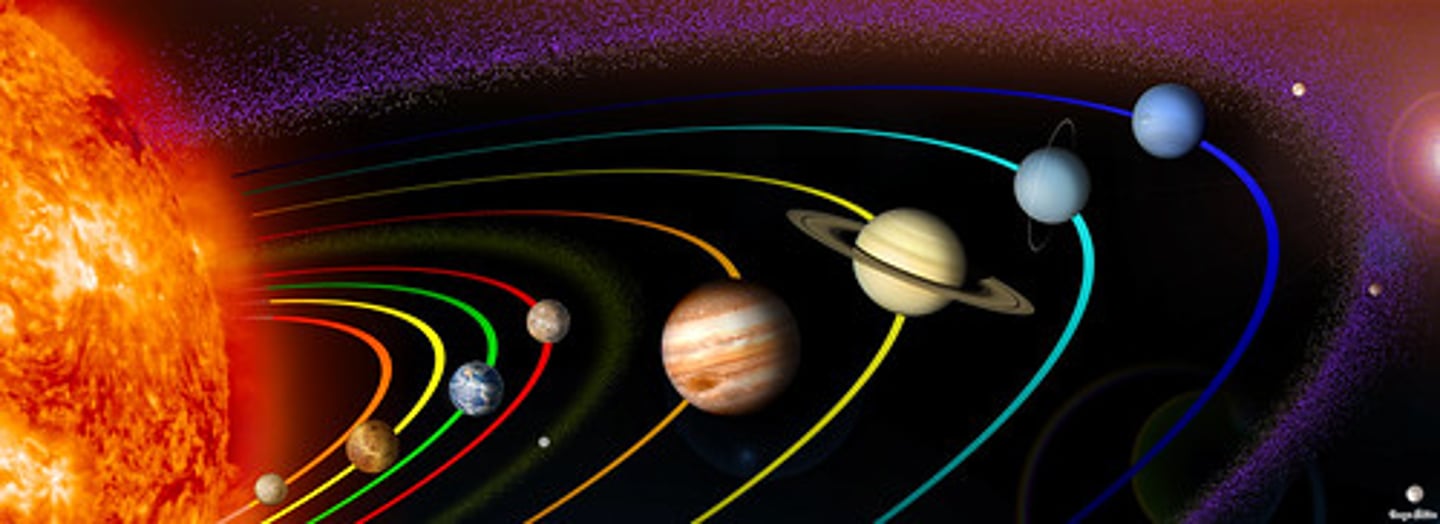
Solar system
star plus everything that orbits that star (planets, comets etc)
Asteroid
small rocky objects orbiting the Sun that do not have the characteristics of planets or comets
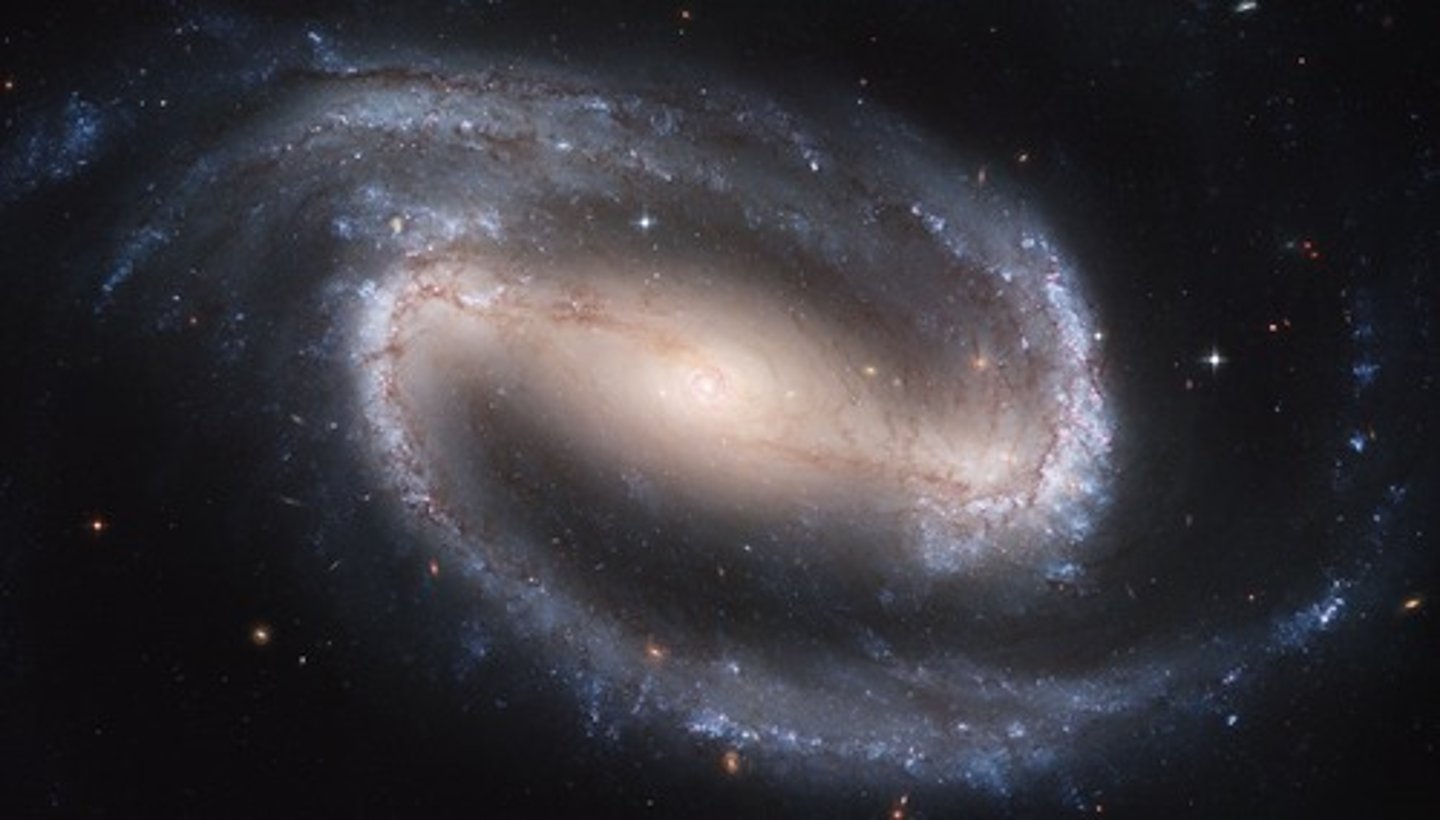
Galaxy
large collection of stars, gas dust etc
Universe
everything that exists/all of space
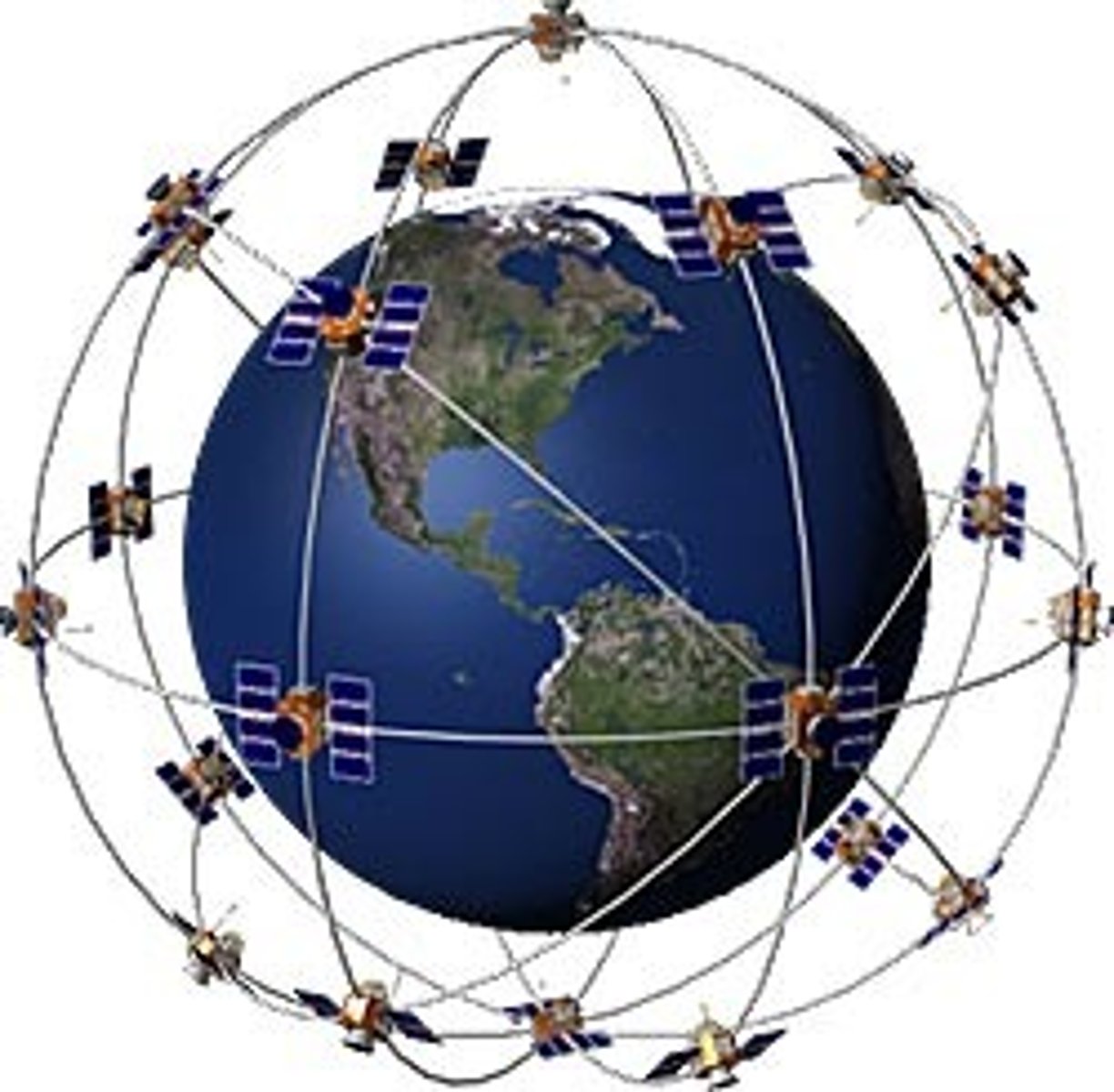
GPS
Global Positioning System, a satellite system used for navigation
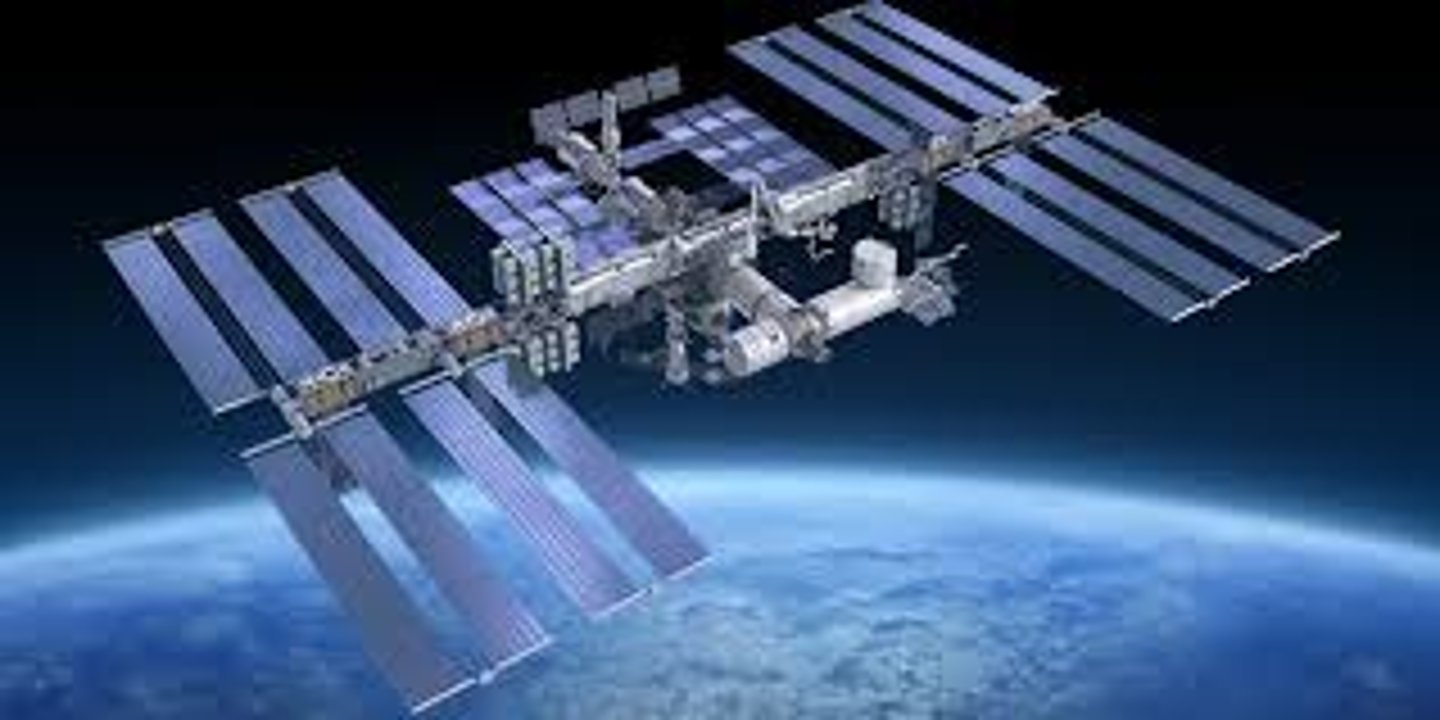
ISS
International Space Station
Geostationary satellite
a satellite with a period of 24 hours and an altitude of 36000 km which always remains above the same point on the Earth's surface.
Altitude
height above the Earth's surface that a satellite orbits at.
Period (of a satellite)
time it takes to complete one orbit.
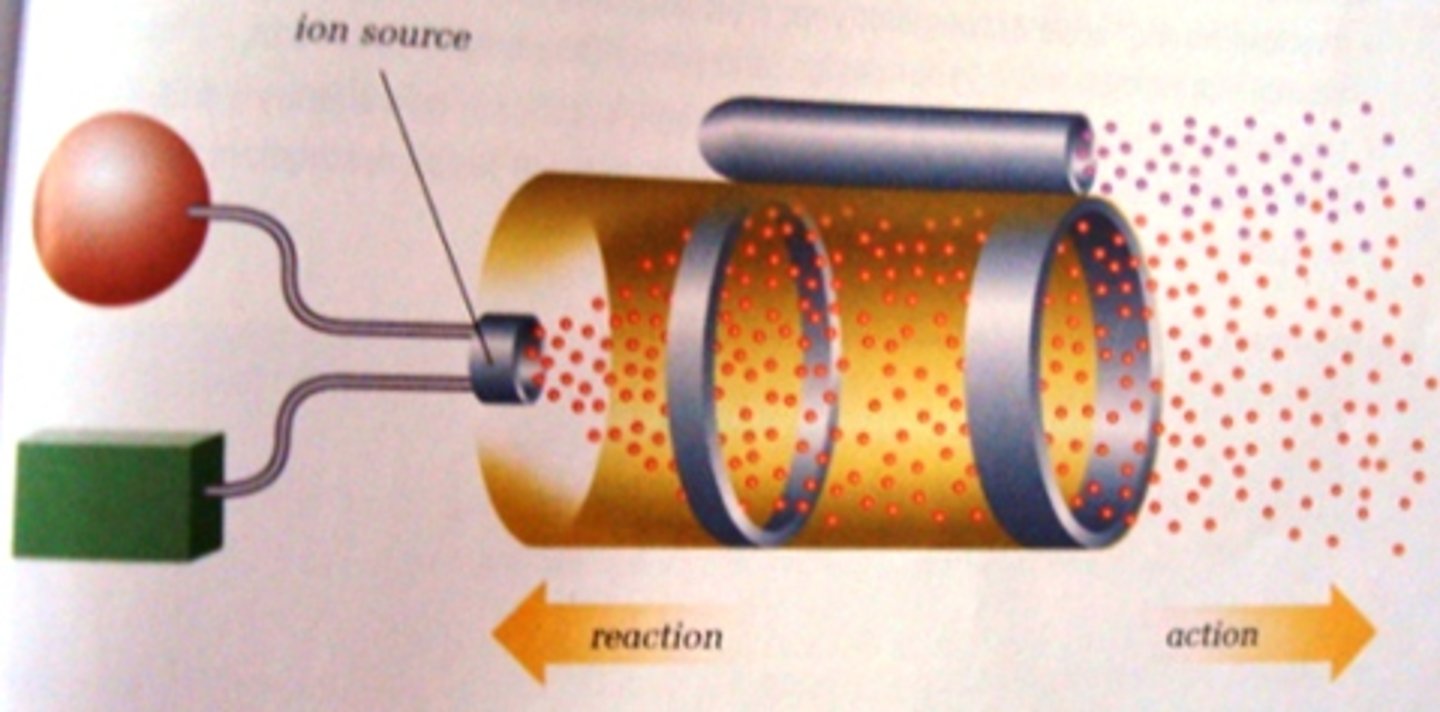
Ion drive
a device that uses the acceleration of charged particles by an electric field to propel a spacecraft
Slingshot manoeuvre
the use of the movement and gravity of a planet to alter the direction and speed of a spacecraft
Re-entry
the return of a spacecraft into the Earth's atmosphere
Rocket
a device that is accelerated forwards by the reaction force of a gas being propelled out of the back.
Lightyear
the distance that light travels in one Earth year (365 days)
Big Bang
the theory which describes the formation and evolution of the early Universe from an infinitely dense, hot point to its current state.
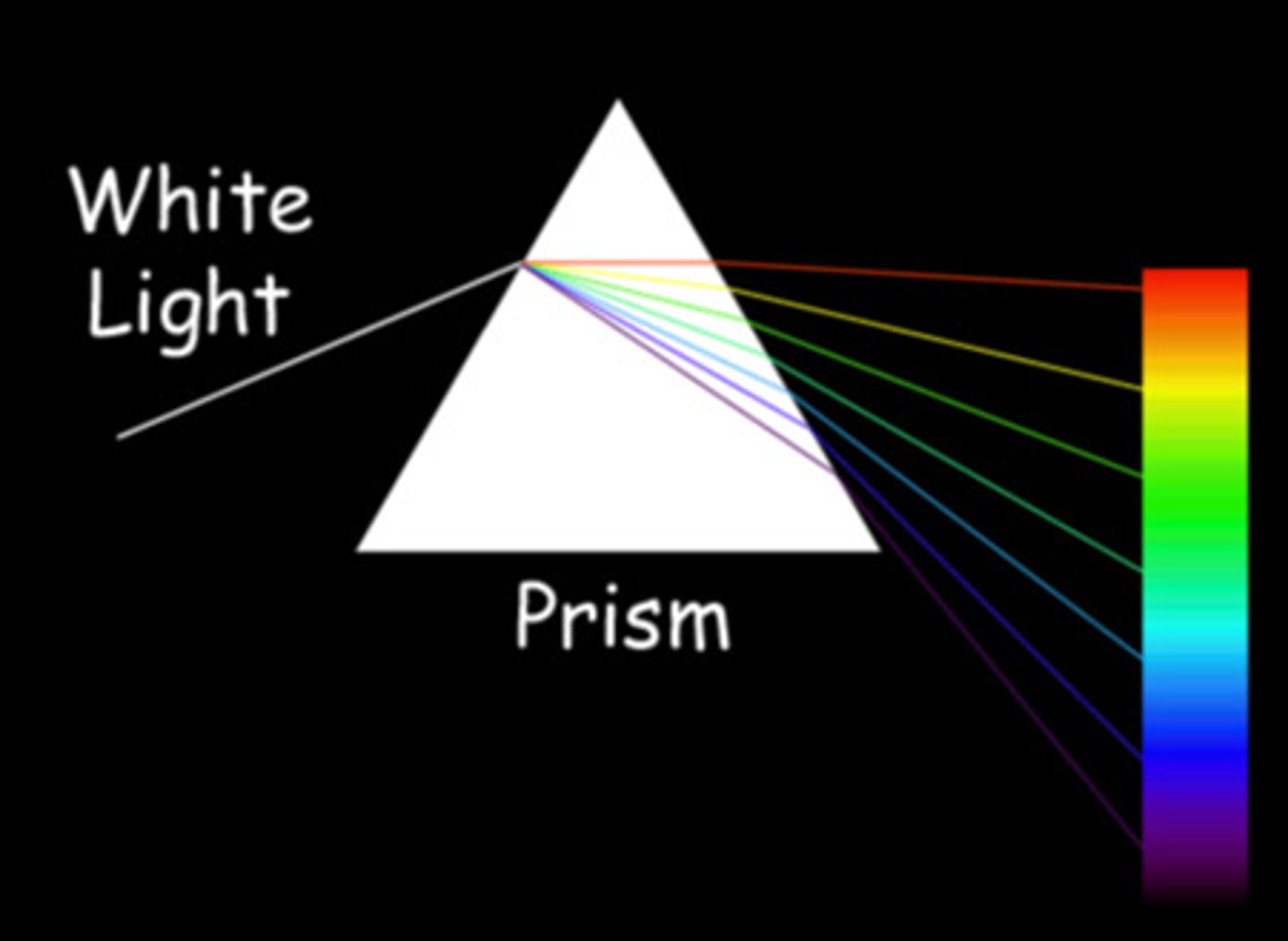
Continuous spectra
a spectrum of light which consists of all wavelengths and has no gaps
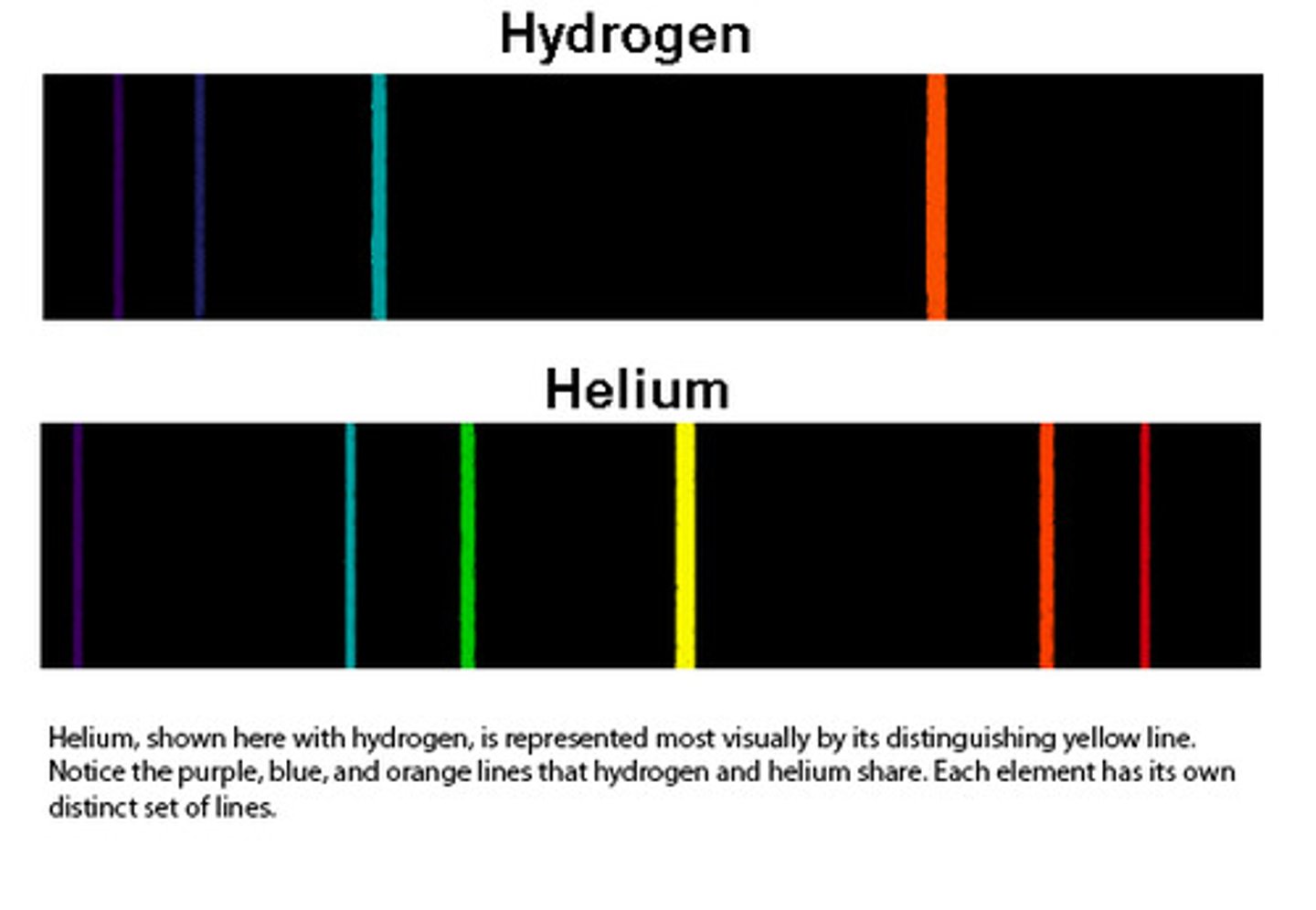
Line emission spectra
a spectrum of light which consists of discrete wavelengths, producing lines of separate colours. Each element has a unique line spectrum.
Line absorption spectra
a spectrum of light produced by shining a continuous spectrum through a gas, resulting in dark lines being observed which correspond to the emission lines that would be produced by the gas.

Explore top notes

