HIM 361- Ch. 10
 Call Kai
 Learn
Learn Practice Test
 Spaced Repetition
 Match
Match Flashcards
 Knowt Play
1/130

There's no tags or description
Looks like no tags are added yet.
Name | Mastery | Learn | Test | Matching | Spaced | Call with Kai |
|---|
No analytics yet
Send a link to your students to track their progress
131 Terms
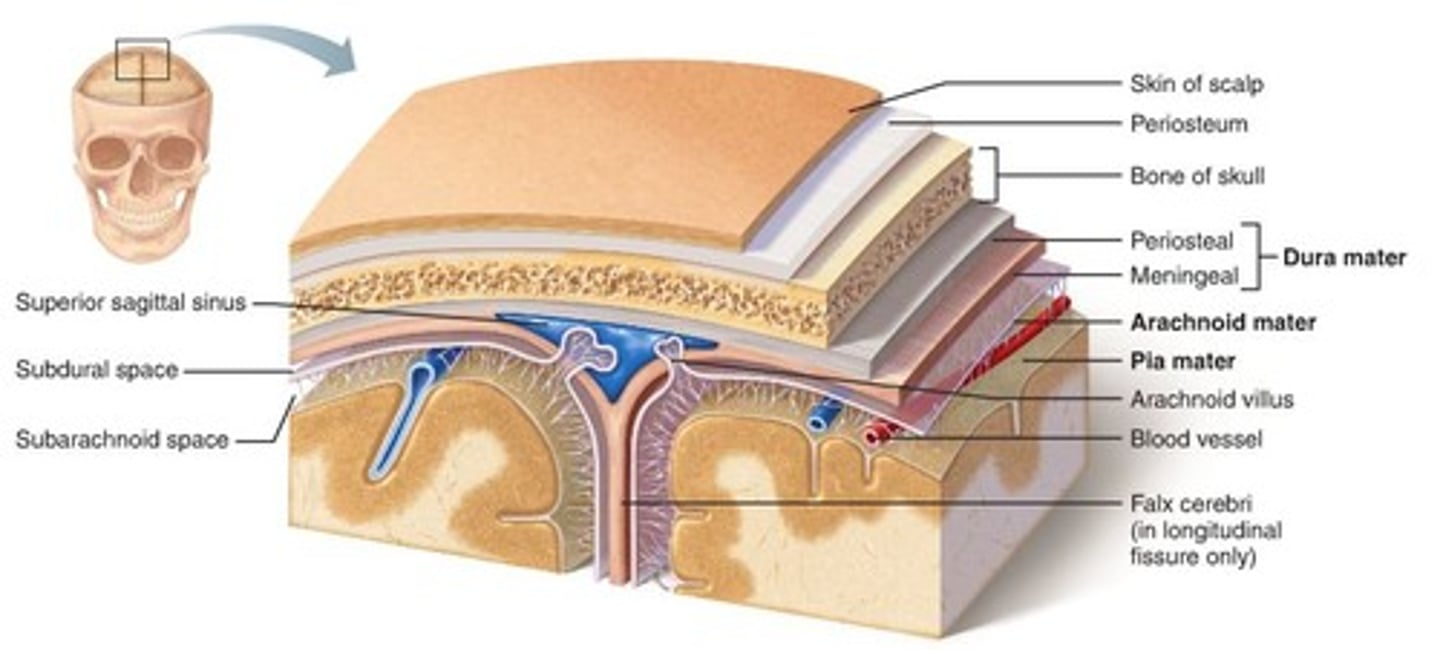
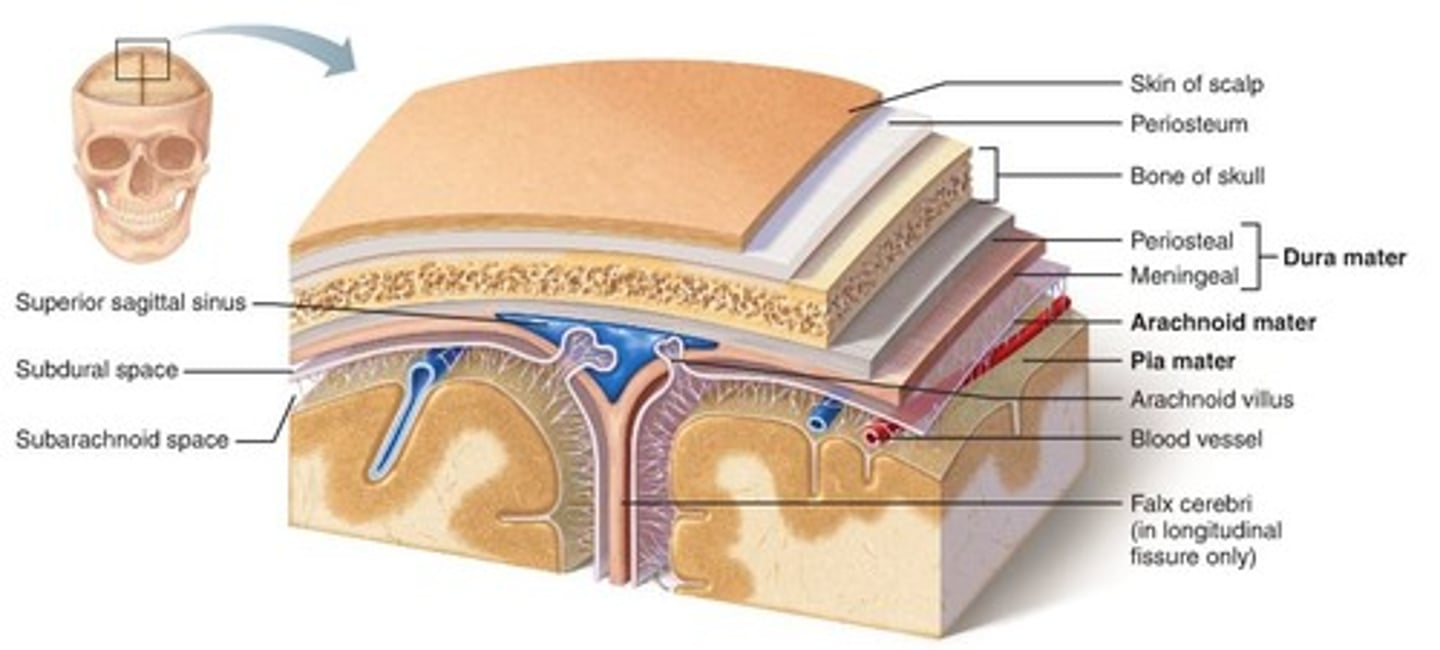
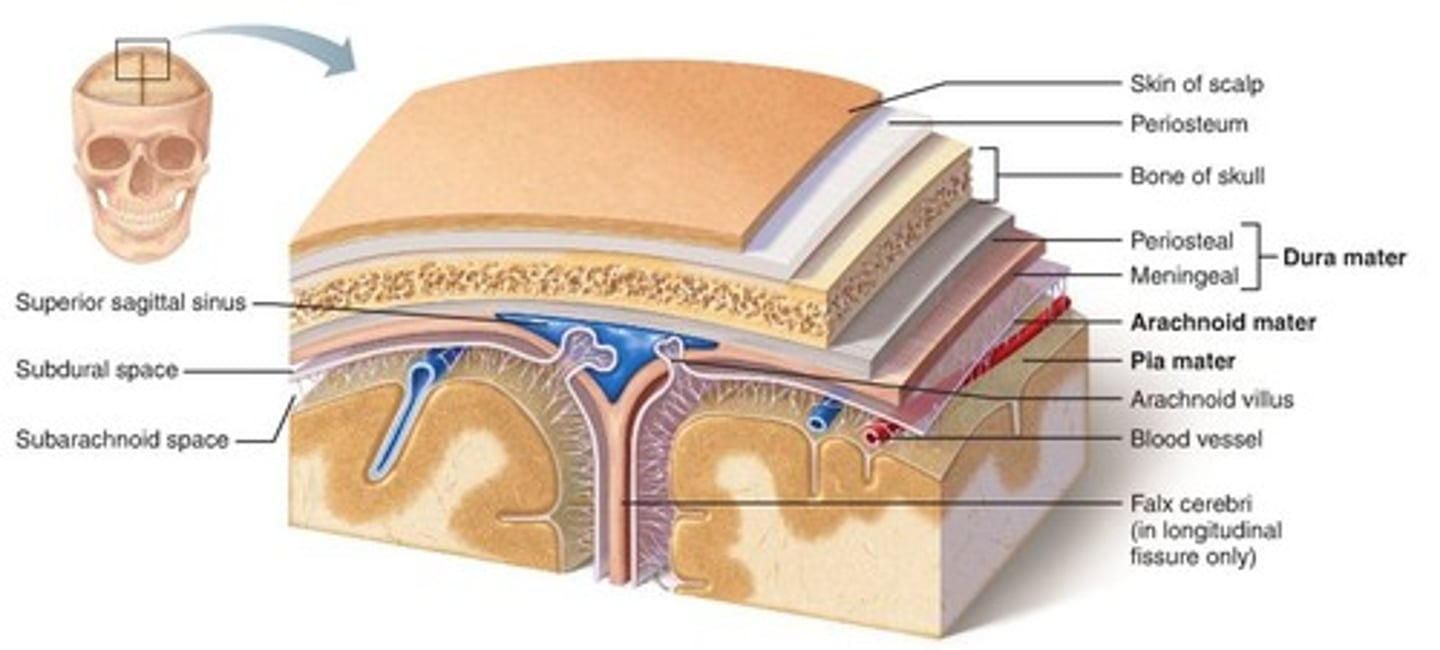
arachnoid membrane
middle layer of the three membranes (meninges) that surround the brain and spinal cord
autonomic nervous system
nerves that control involuntary body functions of muscles, glands, and internal organs
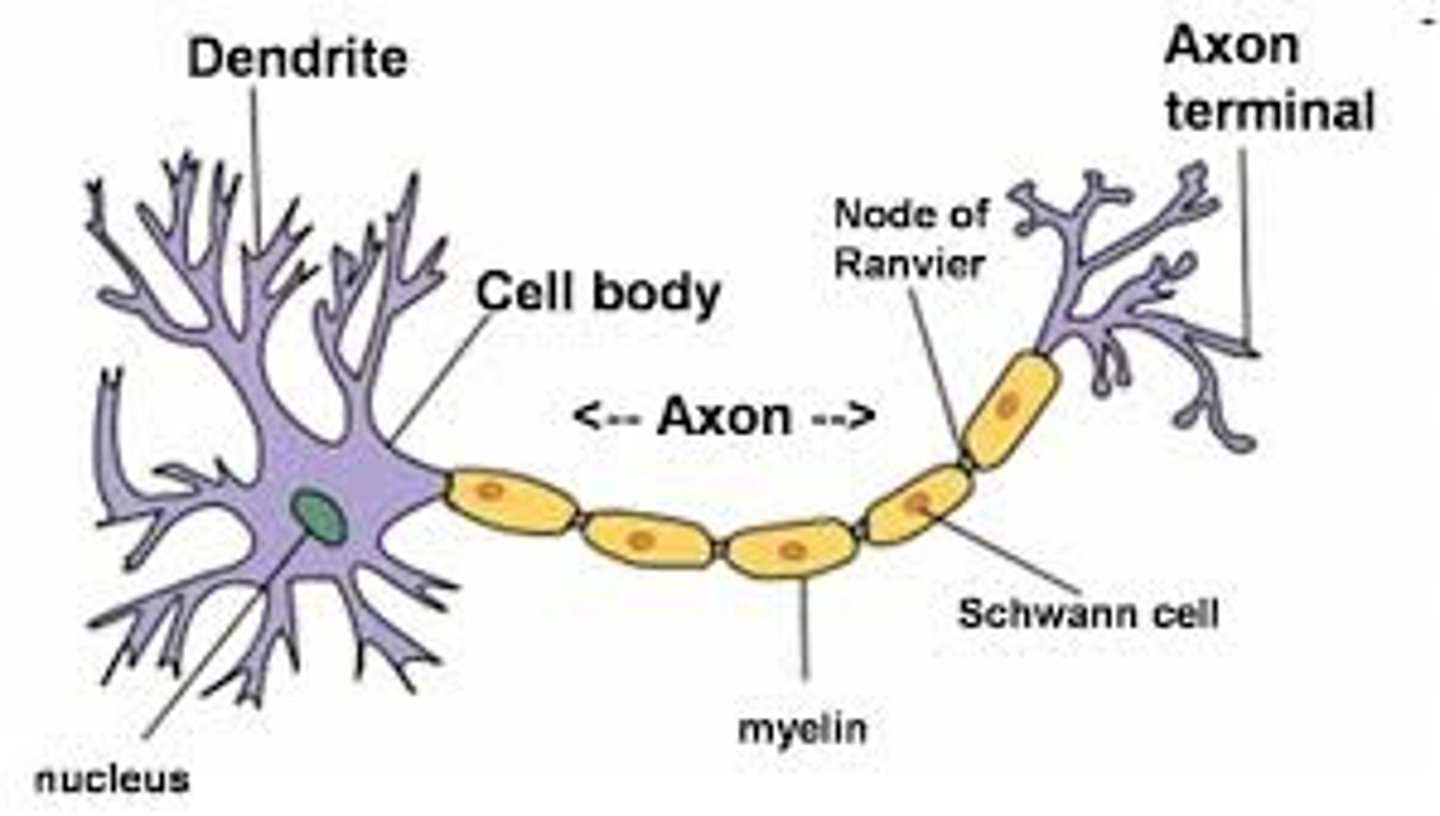
axon
microscopic fiber that carries the nervous impulse along a nerve cell
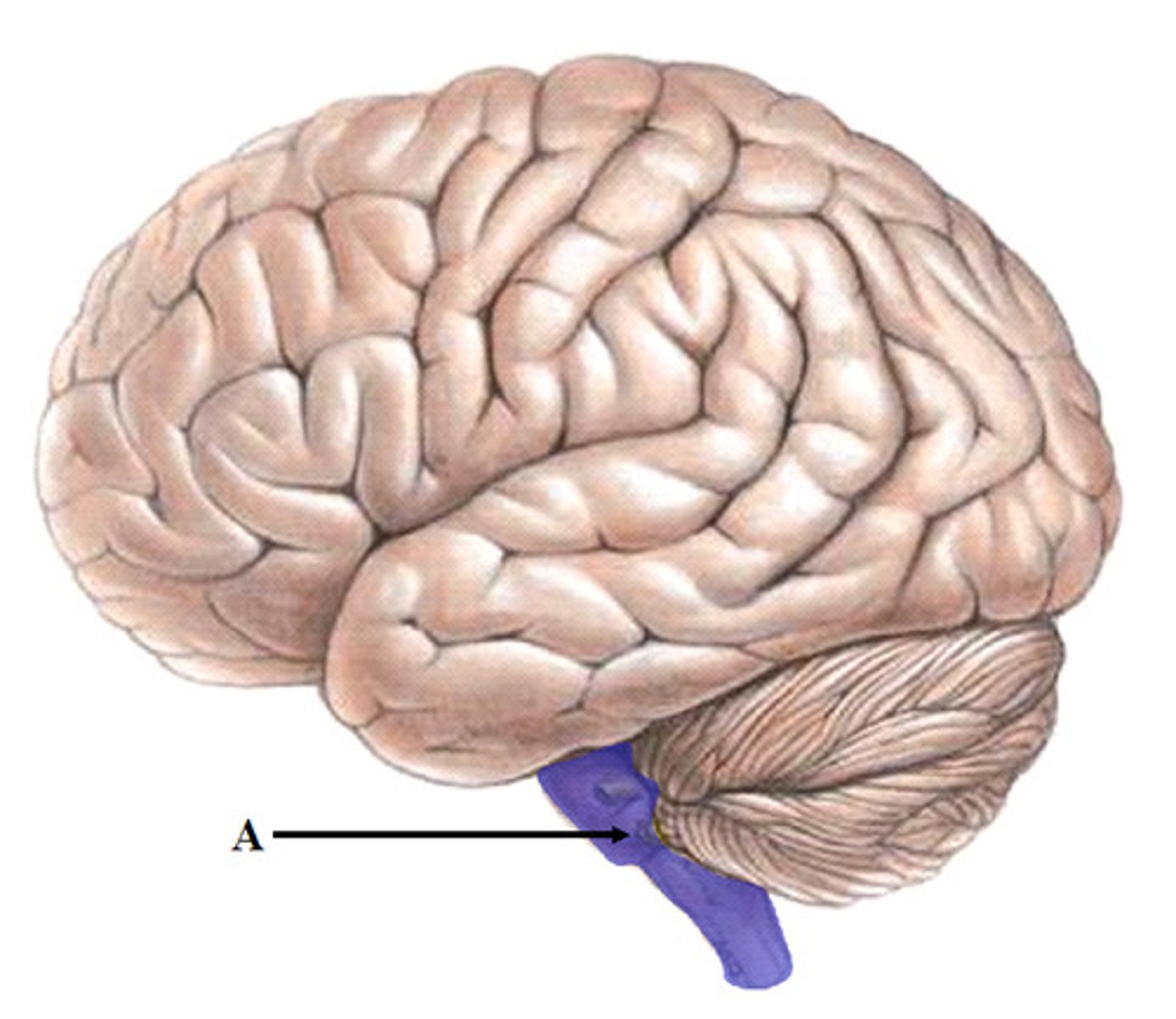
brainstem
posterior portion of the brain that connects the cerebrum with the spinal cord (includes the midbrain, pons, and medulla)
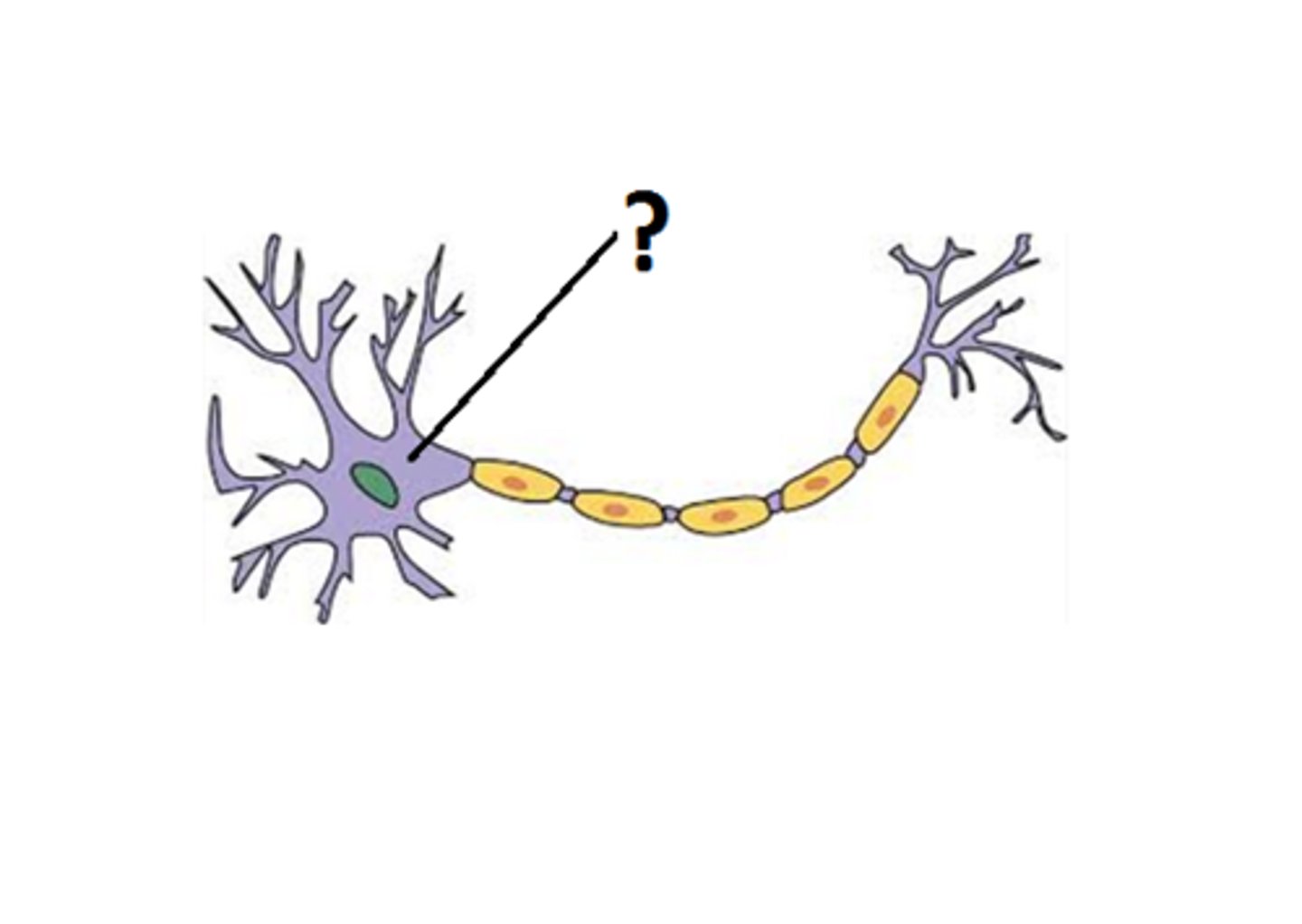
cell body
part of a nerve cell that contains the nucleus
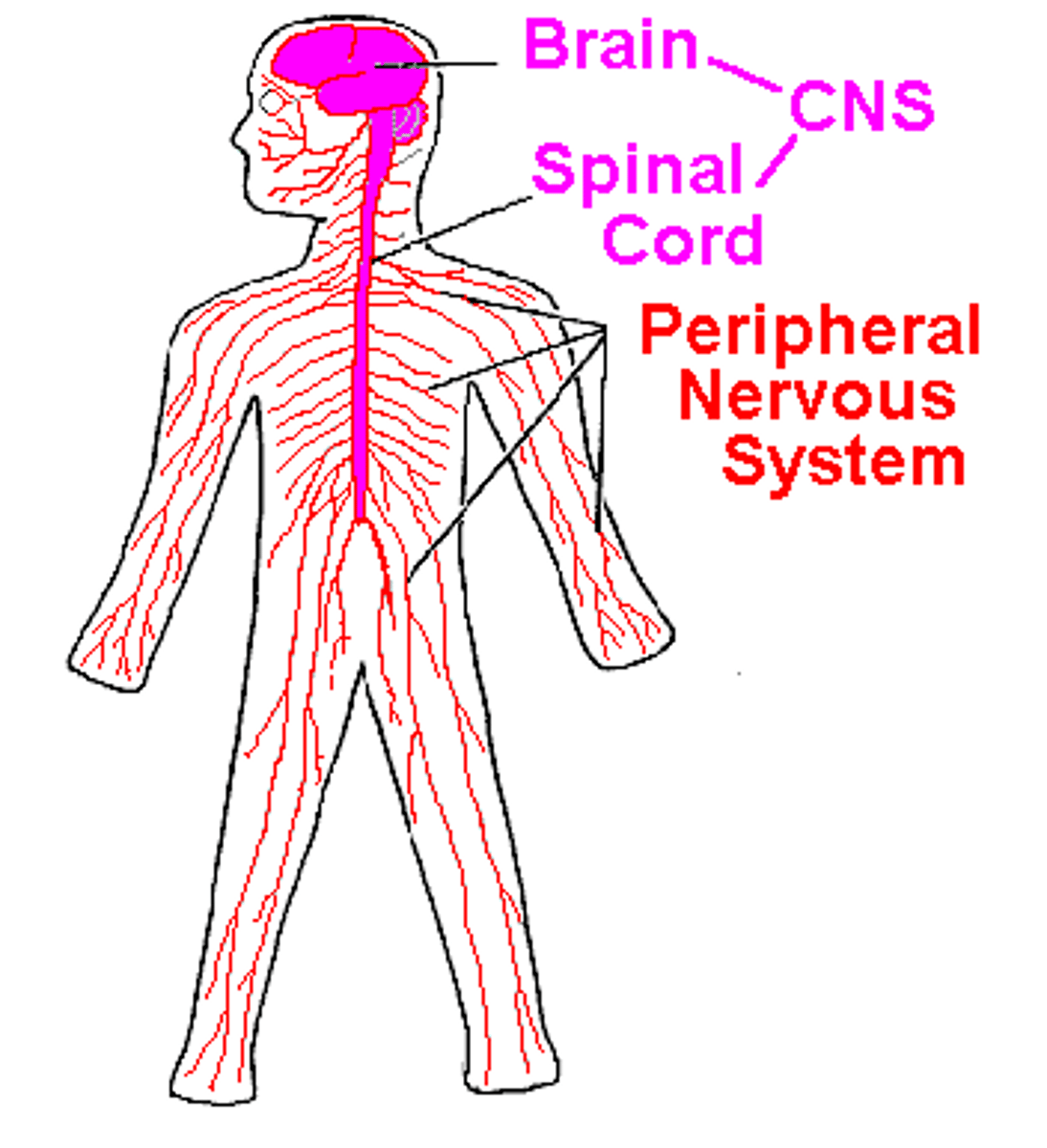
central nervous system (CNS)
brain and spinal cord
cerebellum
posterior part of the brain that coordinates muscle movements and maintains balance
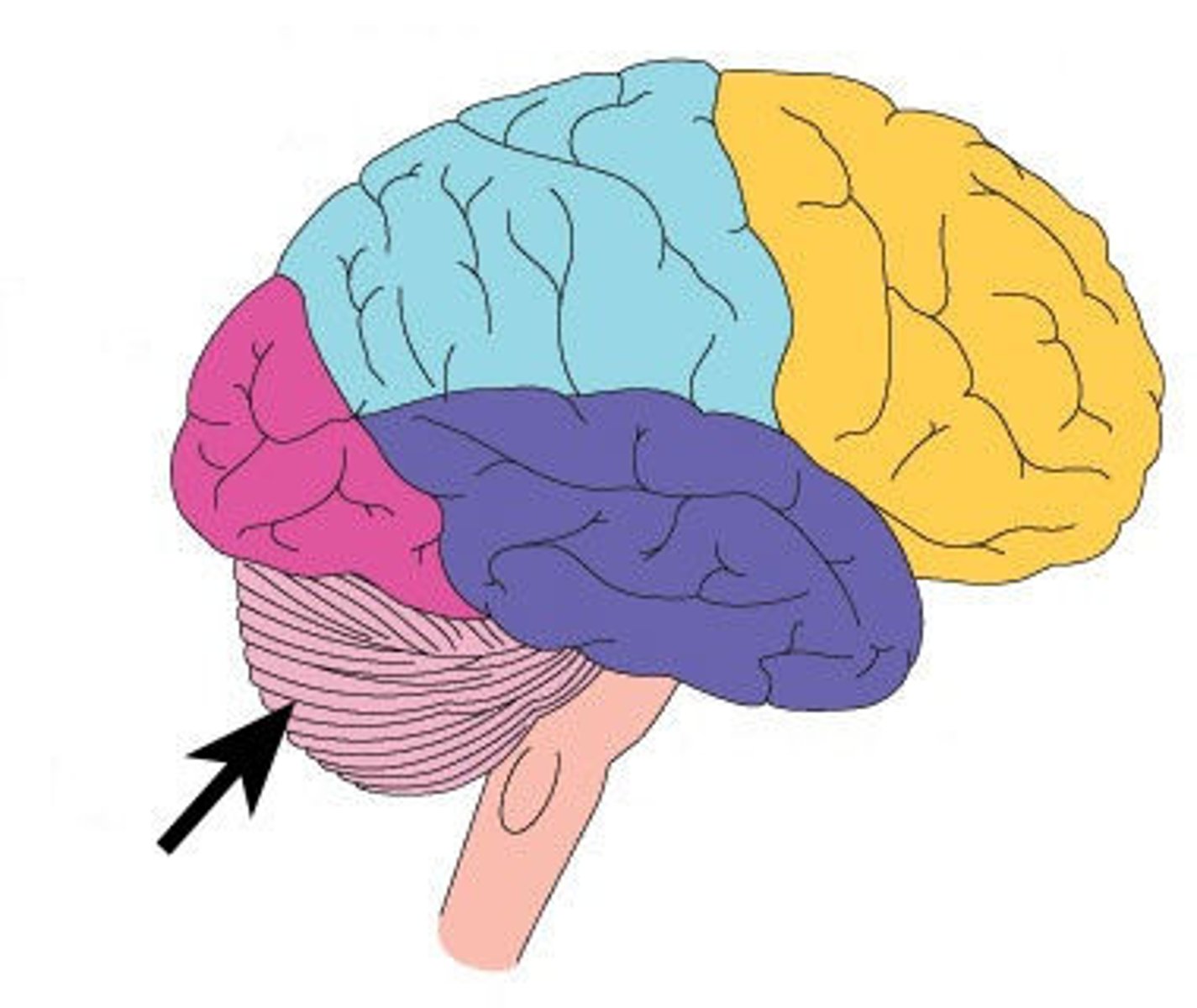
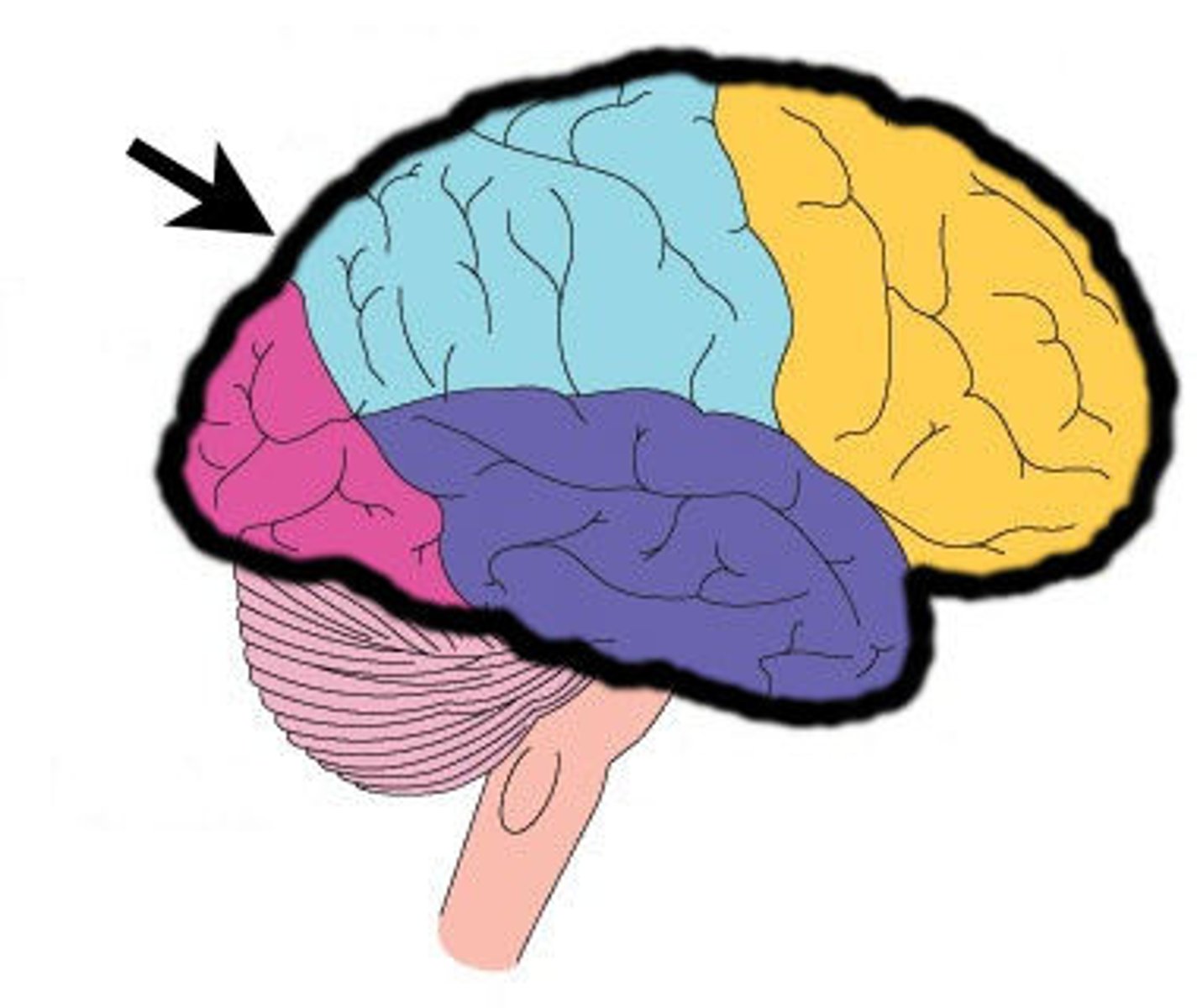
cerebral cortex
outer region of the cerebrum, containing sheets of nerve cells; gray matter of the brain
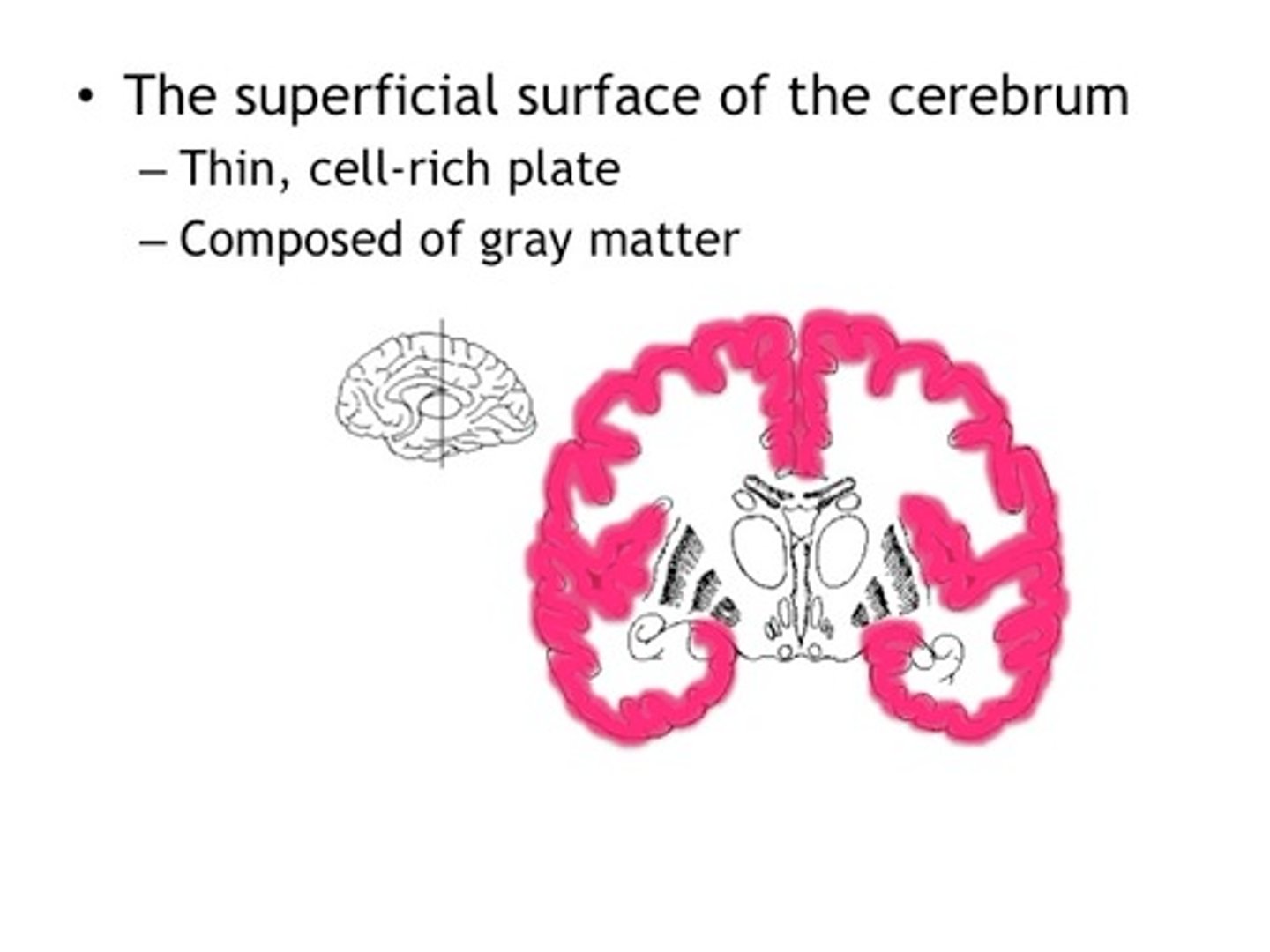
cerebrospinal fluid (CSF)
circulates throughout the brain and spinal cord
cerebrum
Largest part of the brain; responsible for voluntary muscular activity, vision, speech, taste, hearing, thought, and memory.
cranial nerves
12 pairs of nerves that carry messages to and from the brain with regard to the head and neck (except the vagus nerve)
dendrite
microscopic branching fiber of a nerve cell that is the first part to receive the nervous impulse
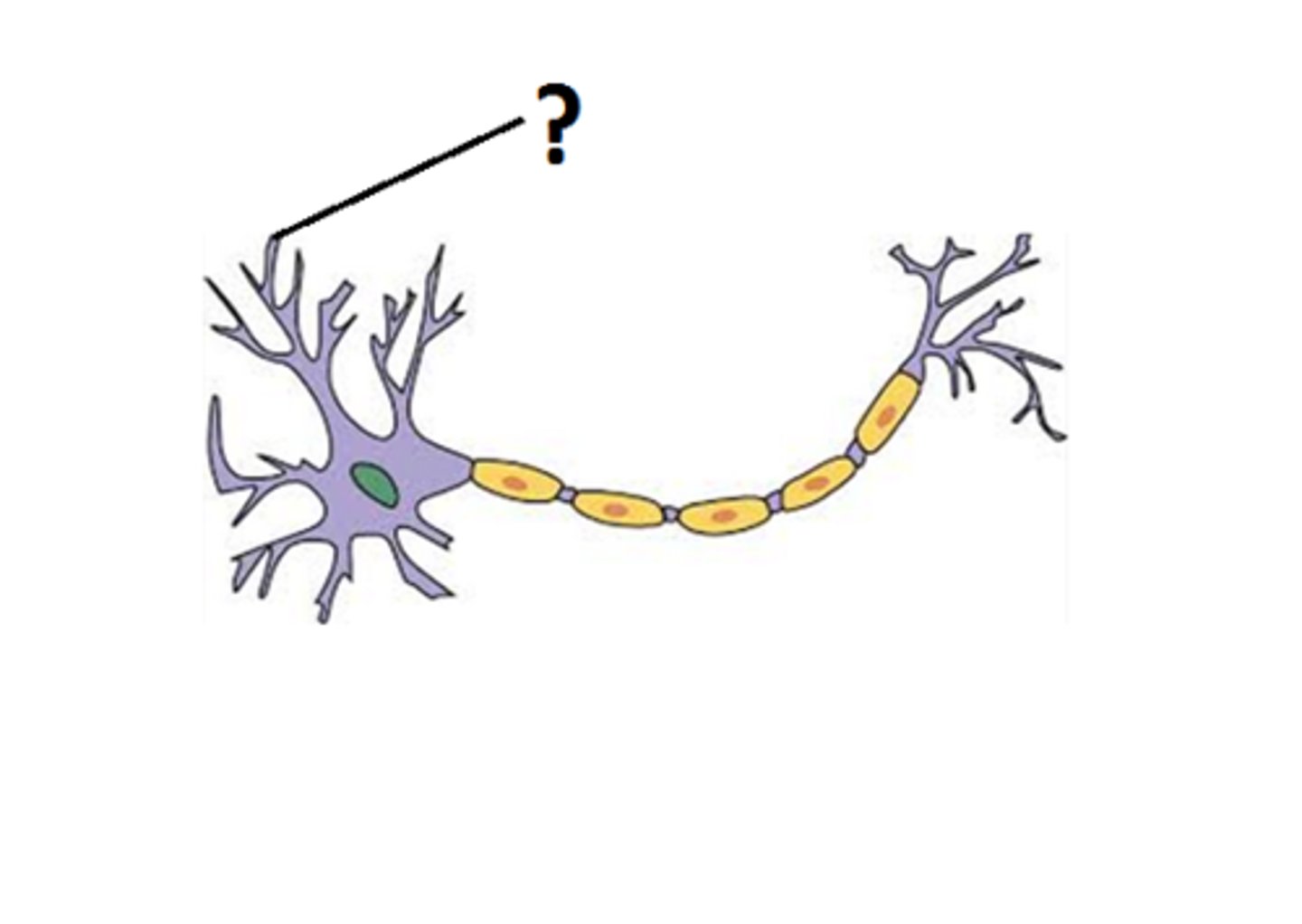
dura mater
thick, outermost layer of the meninges surrounding and protecting the brain and spinal cord
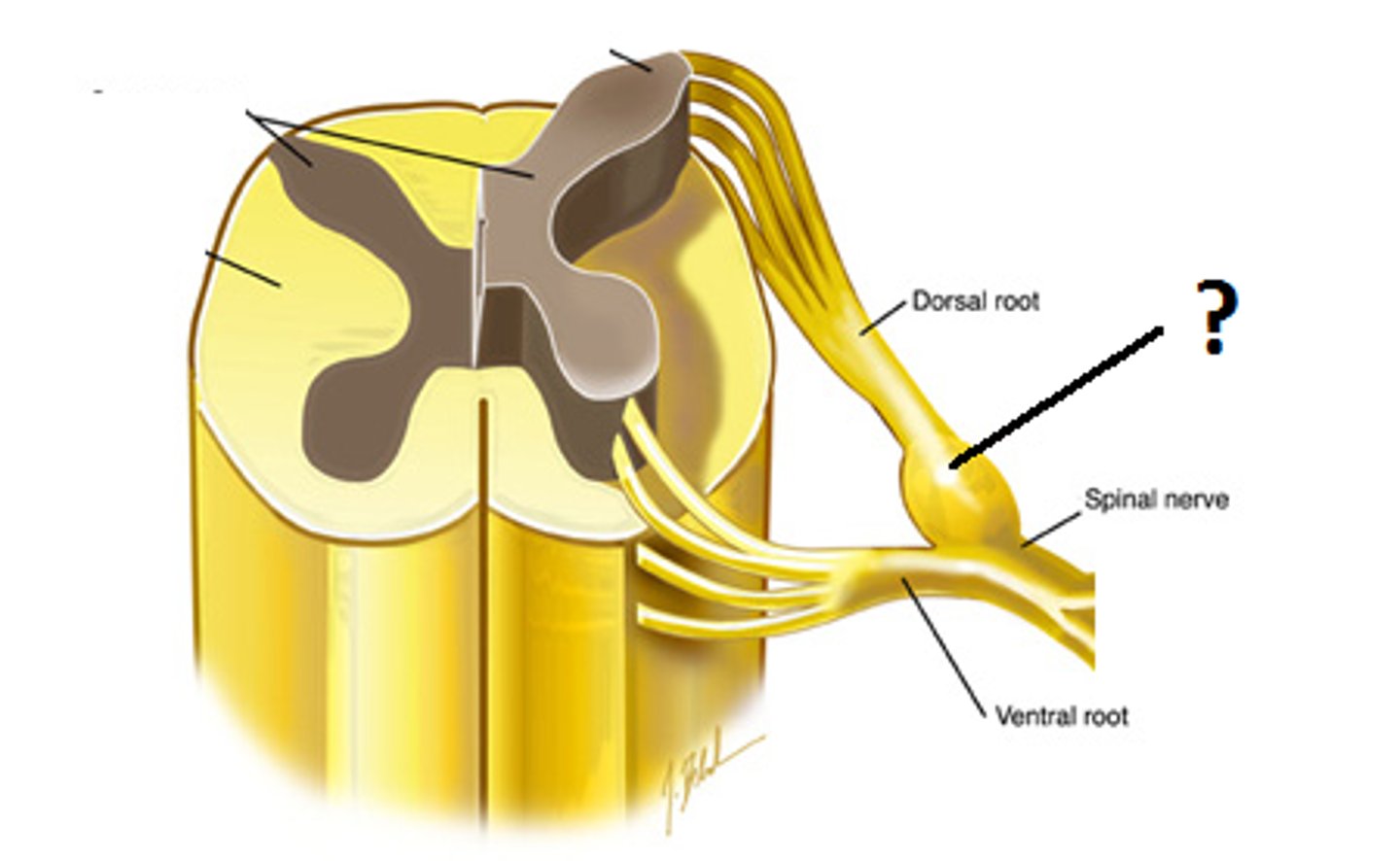
ganglion (plural: ganglia)
collection of nerve cell bodies in the peripheral nervous system
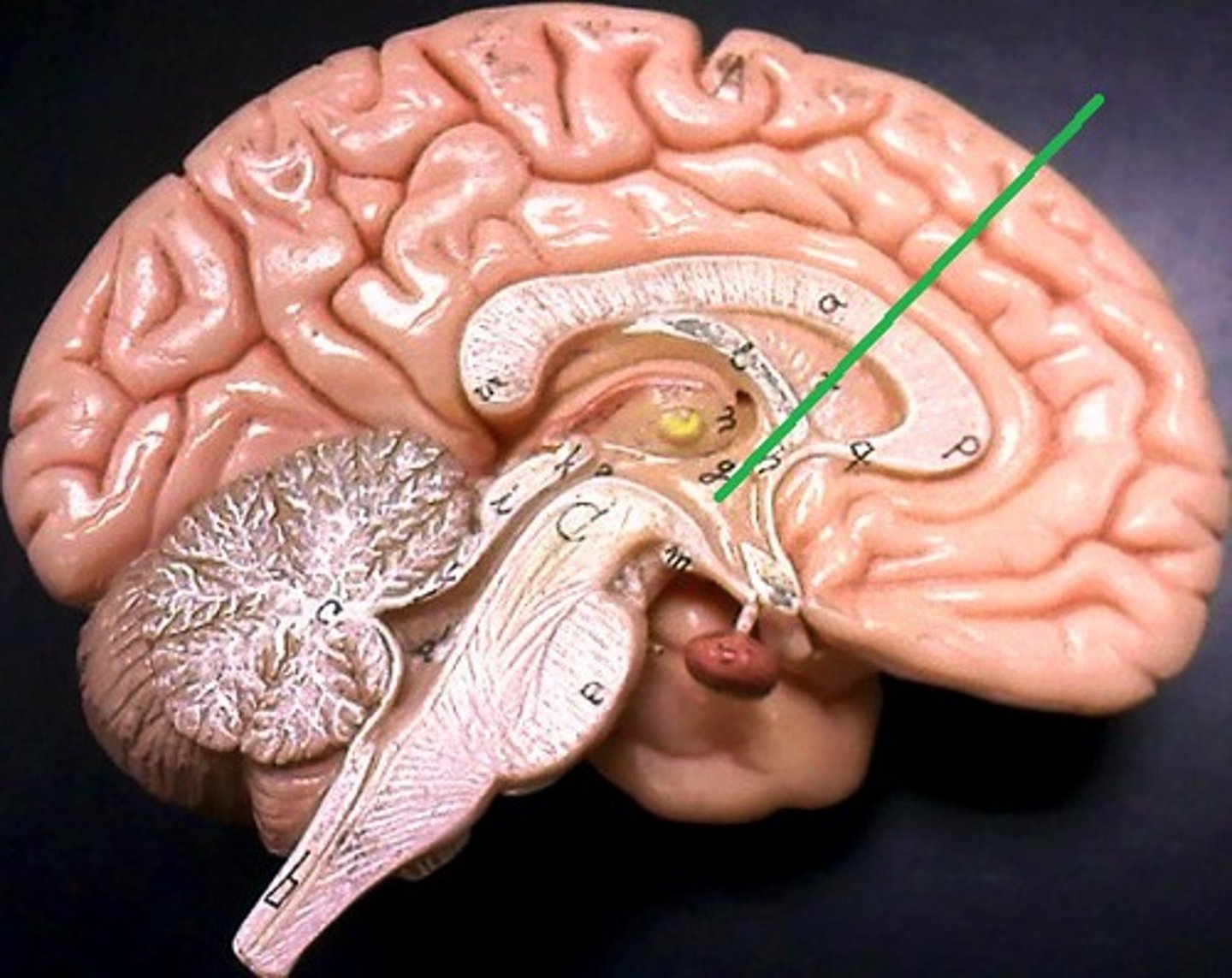
hypothalamus
portion of the brain beneath the thalamus; controls sleep, appetite, body temperature, and secretions from the pituitary gland
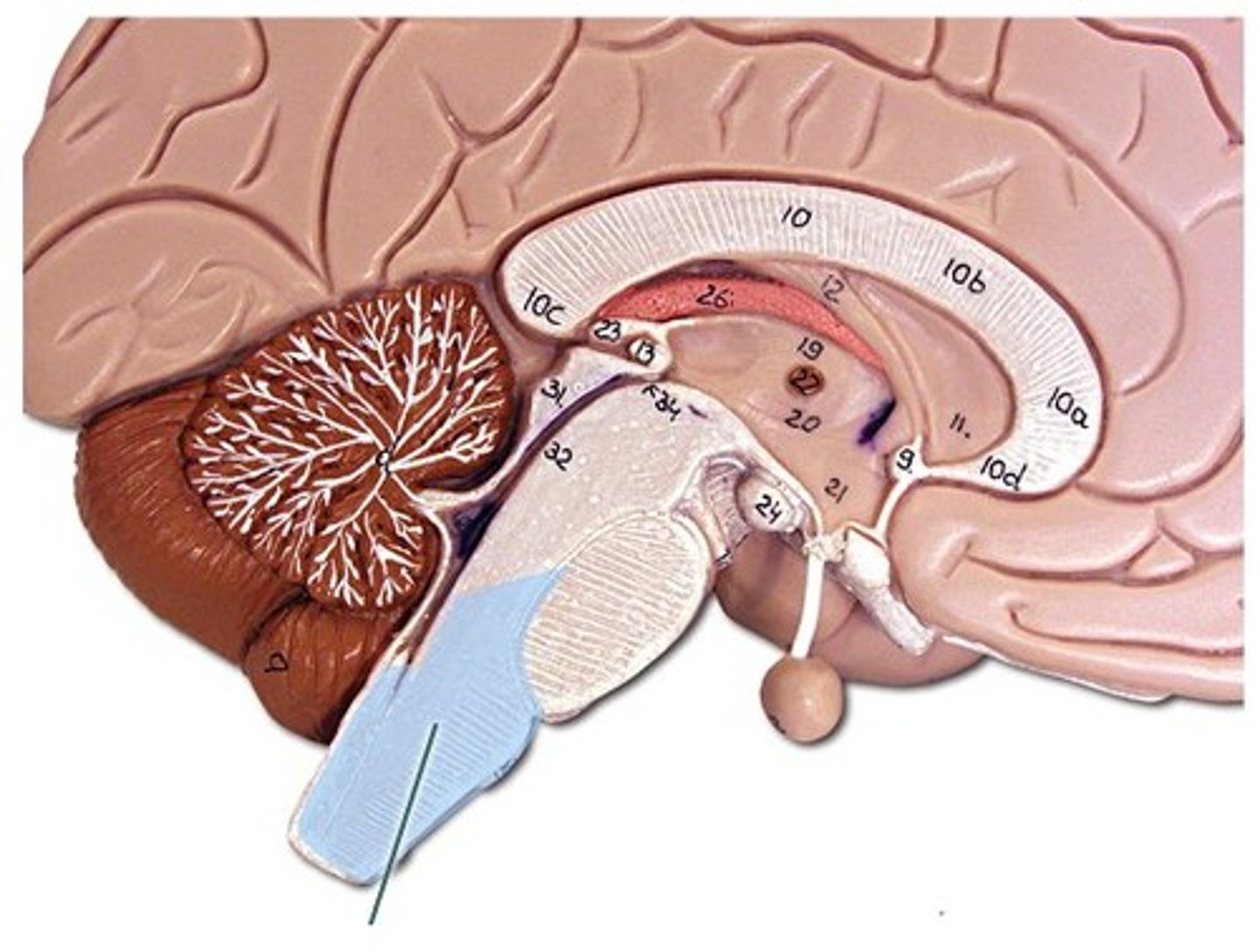
medulla oblongata
part of the brain just above the spinal cord; controls breathing, heartbeat, and the size of blood vessels; nerve fibers cross over here
meninges
three protective membranes that surround the brain and spinal cord
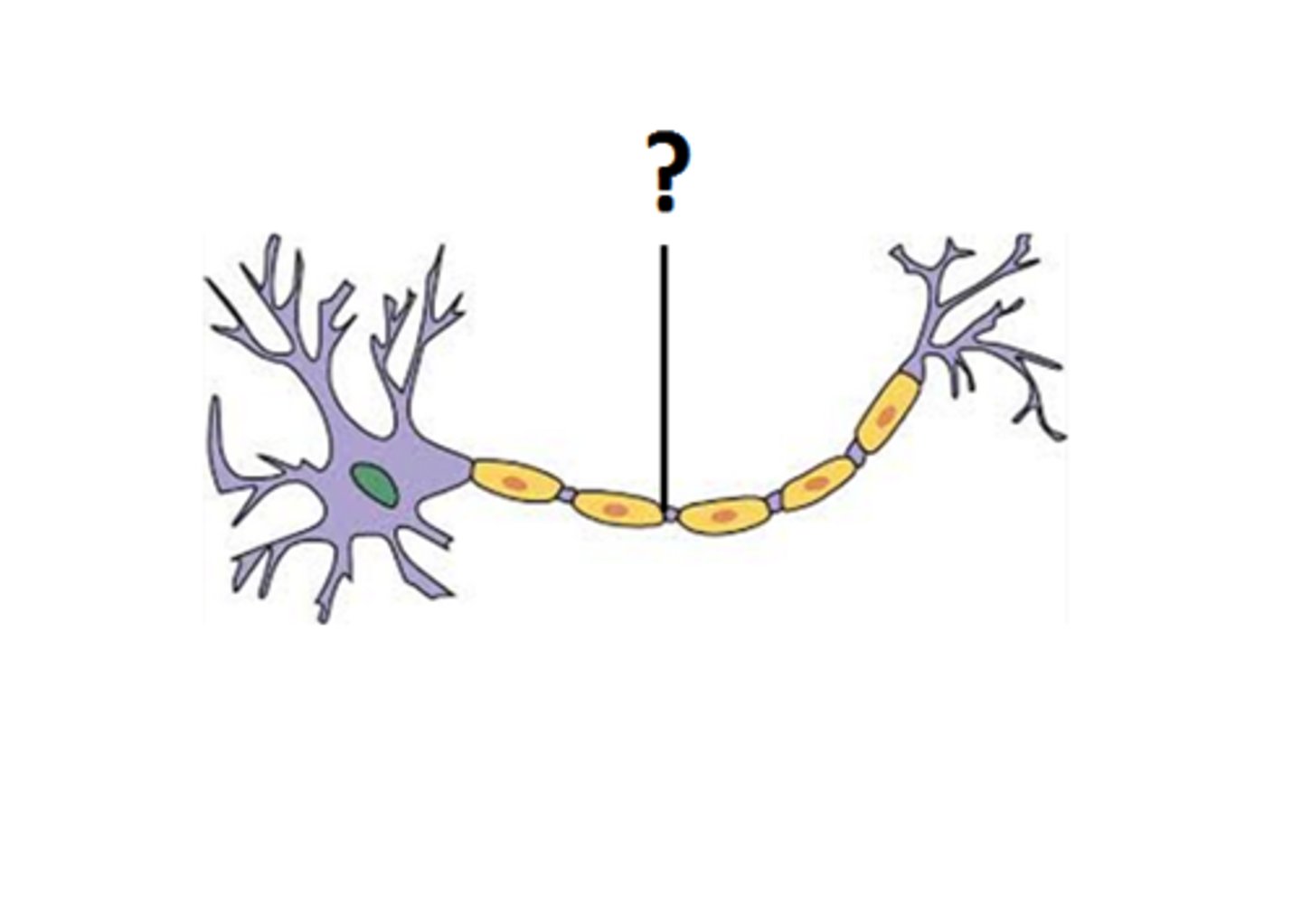
myelin sheath
Covering of white fatty tissue that surrounds and insulates the axon of a nerve cell. Myelin speeds impulse conduction along axons.
nerve
macroscopic cord-like collection of fibers (axons and dendrites) that carry electrical impulses
neuron
nerve cell that carries impulses throughout the body; parenchyma of the nervous system
parasympathetic nerves
involuntary, autonomic nerves that regulate normal body functions such as heart rate, breathing, and muscles of the gastrointestinal tract
peripheral nervous system (PNS)
nerves outside the brain and spinal cord; cranial, spinal, and autonomic nerves
pia mater
thin, delicate inner membrane of the meninges
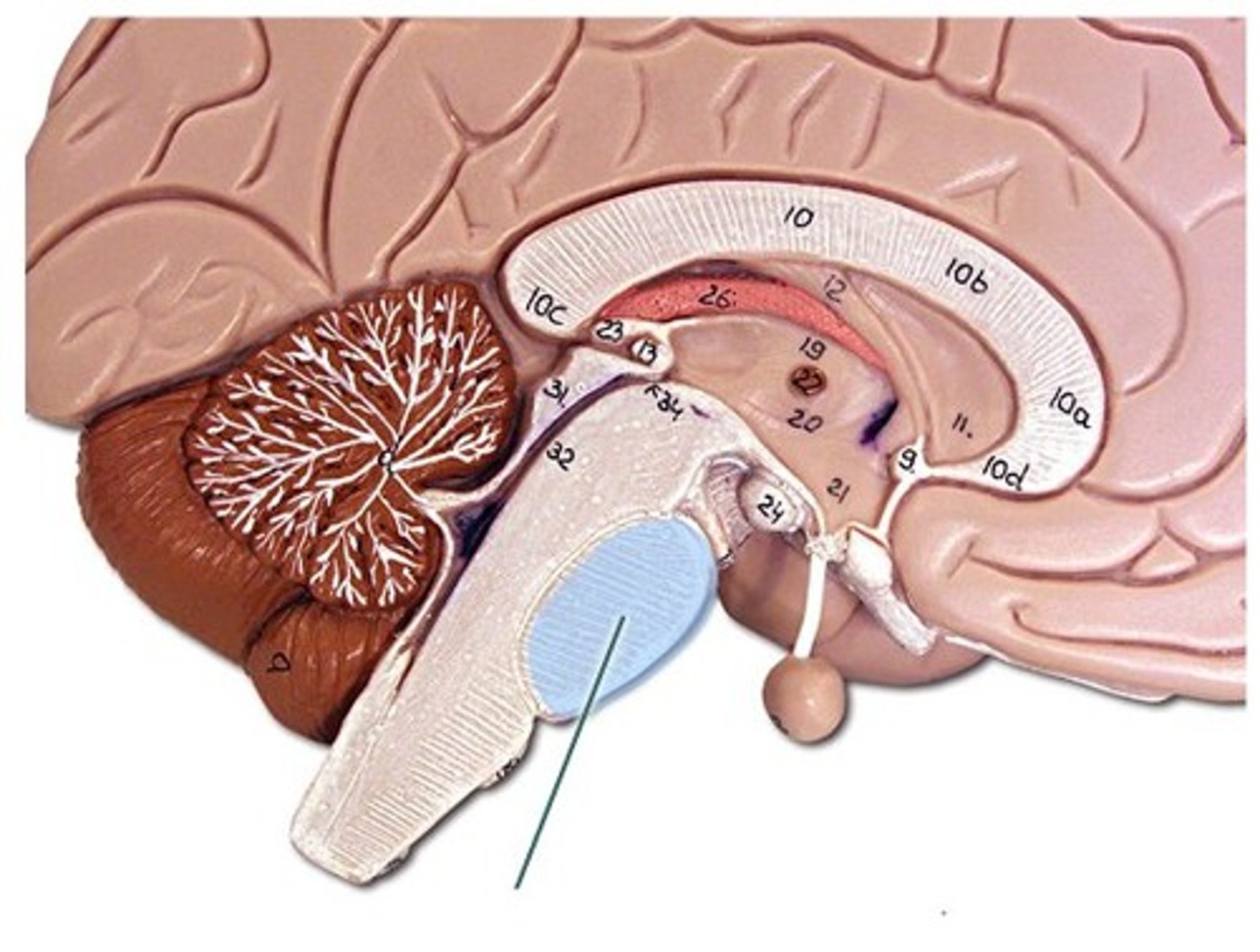
pons
part of the brain anterior to the cerebellum and between the medulla and the rest of the midbrain
spinal nerves
31 pairs of nerves arising from the spinal cord
stimulus (plural: stimuli)
agent of change in the internal or external environment that evokes a response
sympathetic nerves
autonomic nerves that influence bodily functions involuntarily in times of stress
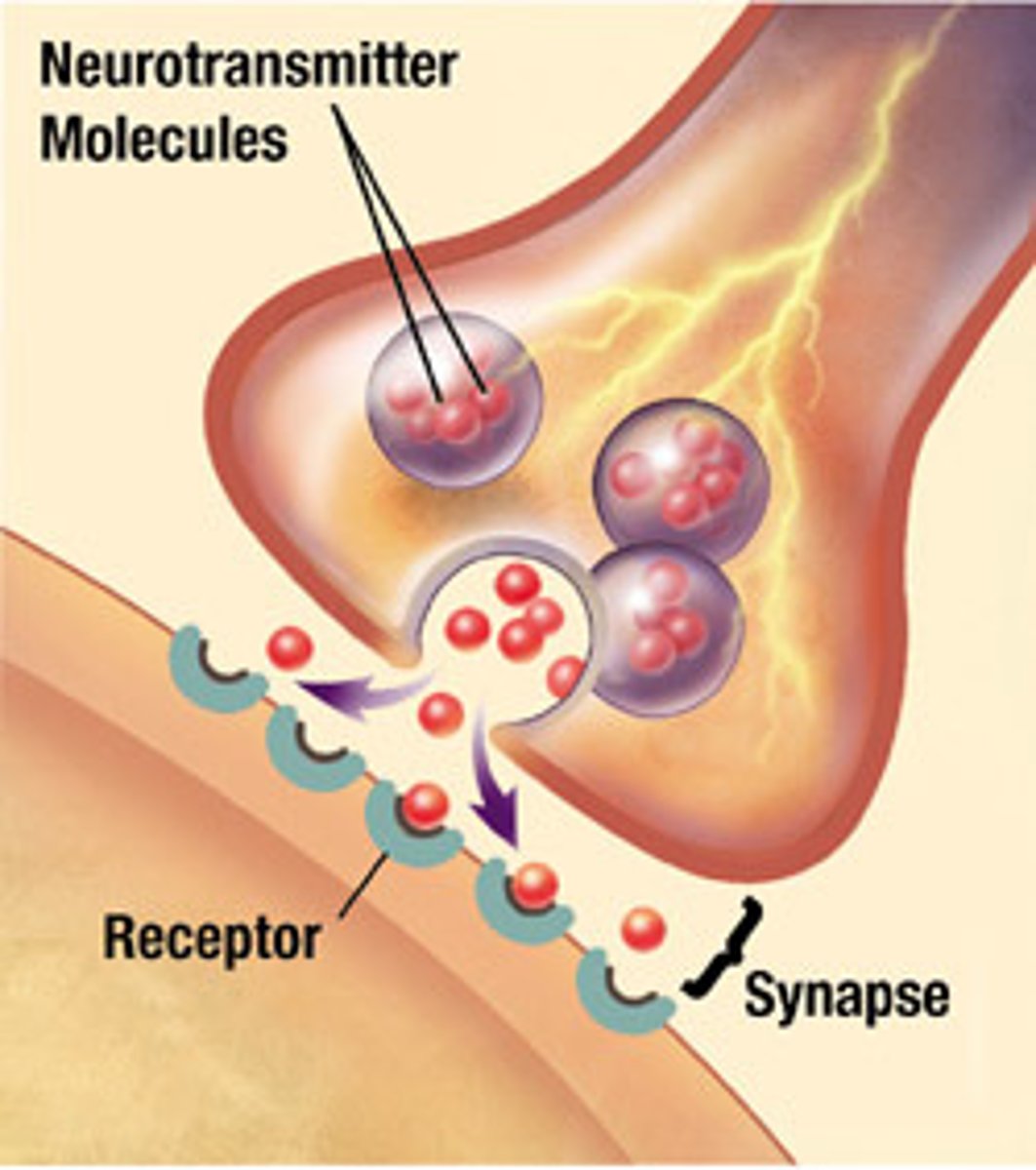
synapse
space through which a nervous impulse travels between nerve cells or between nerve and muscle or glandular cells
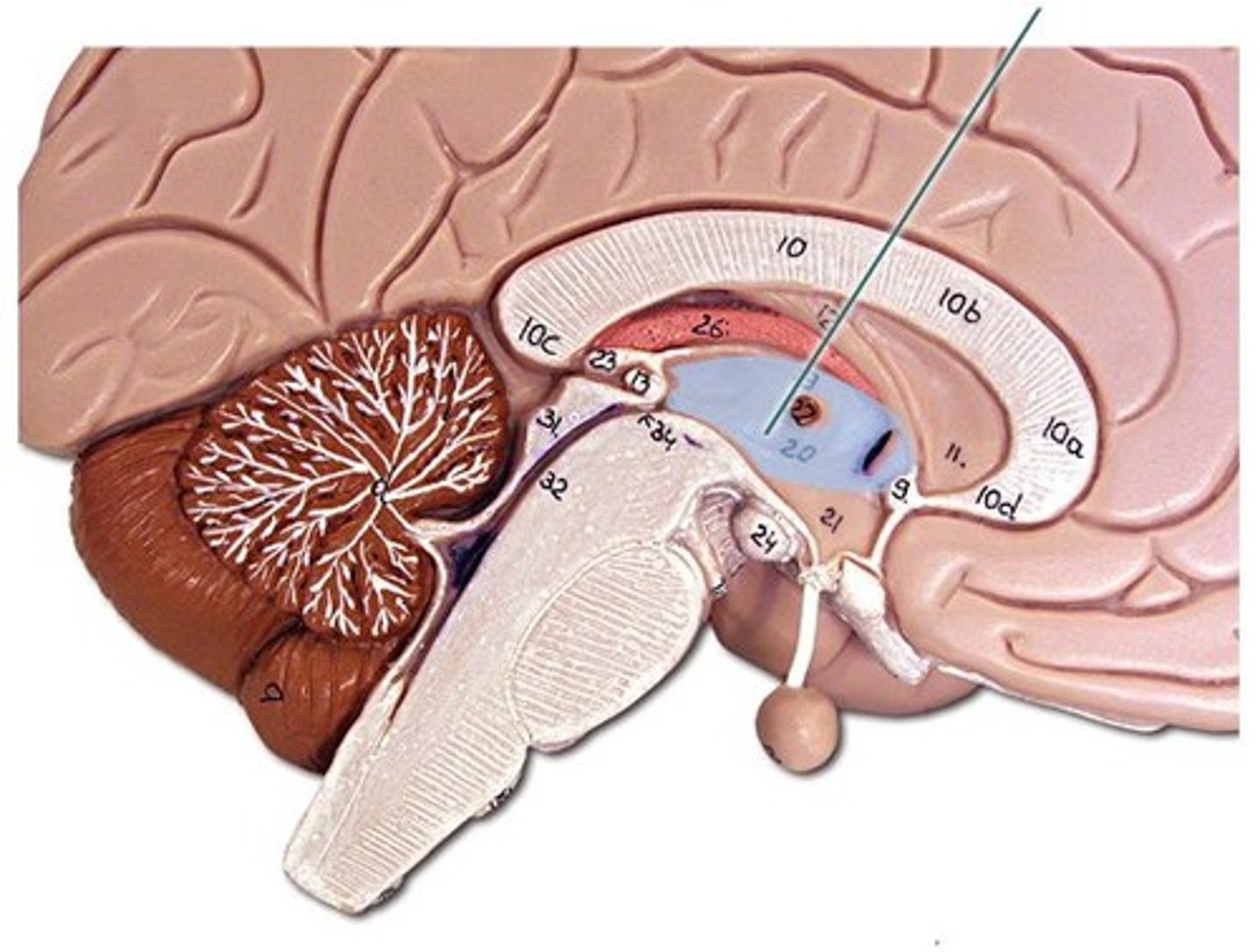
thalamus
Main relay center of the brain; conducts impulses between the spinal cord and the cerebrum; incoming sensory messages are relayed through the thalamus to appropriate centers in the cerebrum
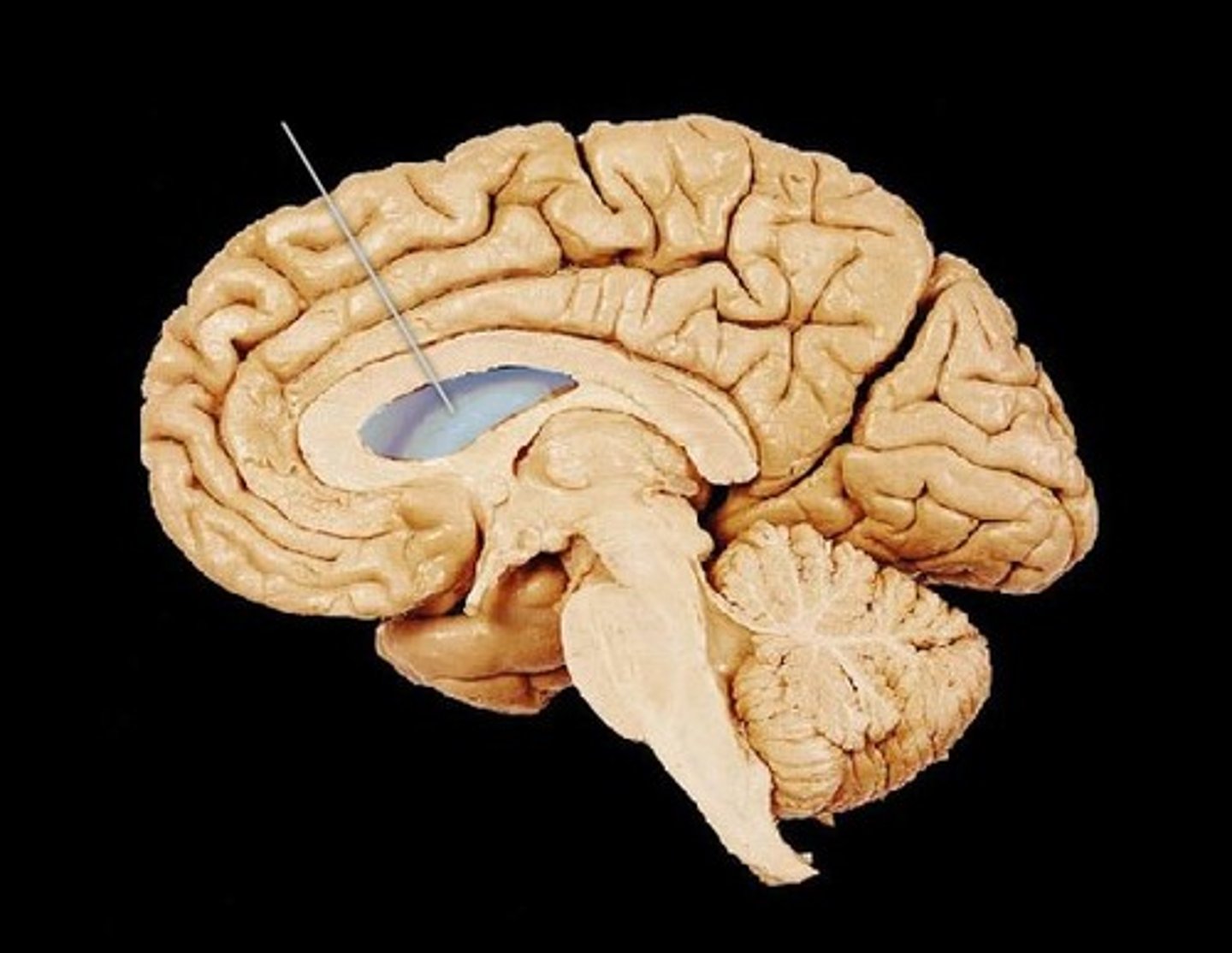
ventricles of the brain
canals in the brain that contain cerebrospinal fluid
cerebell/o
cerebellum
cerebr/o
cerebrum
dur/o
dura mater
encephal/o
brain
gli/o
glial cells
lept/o
thin, slender
mening/o, meningi/o
membranes, meninges
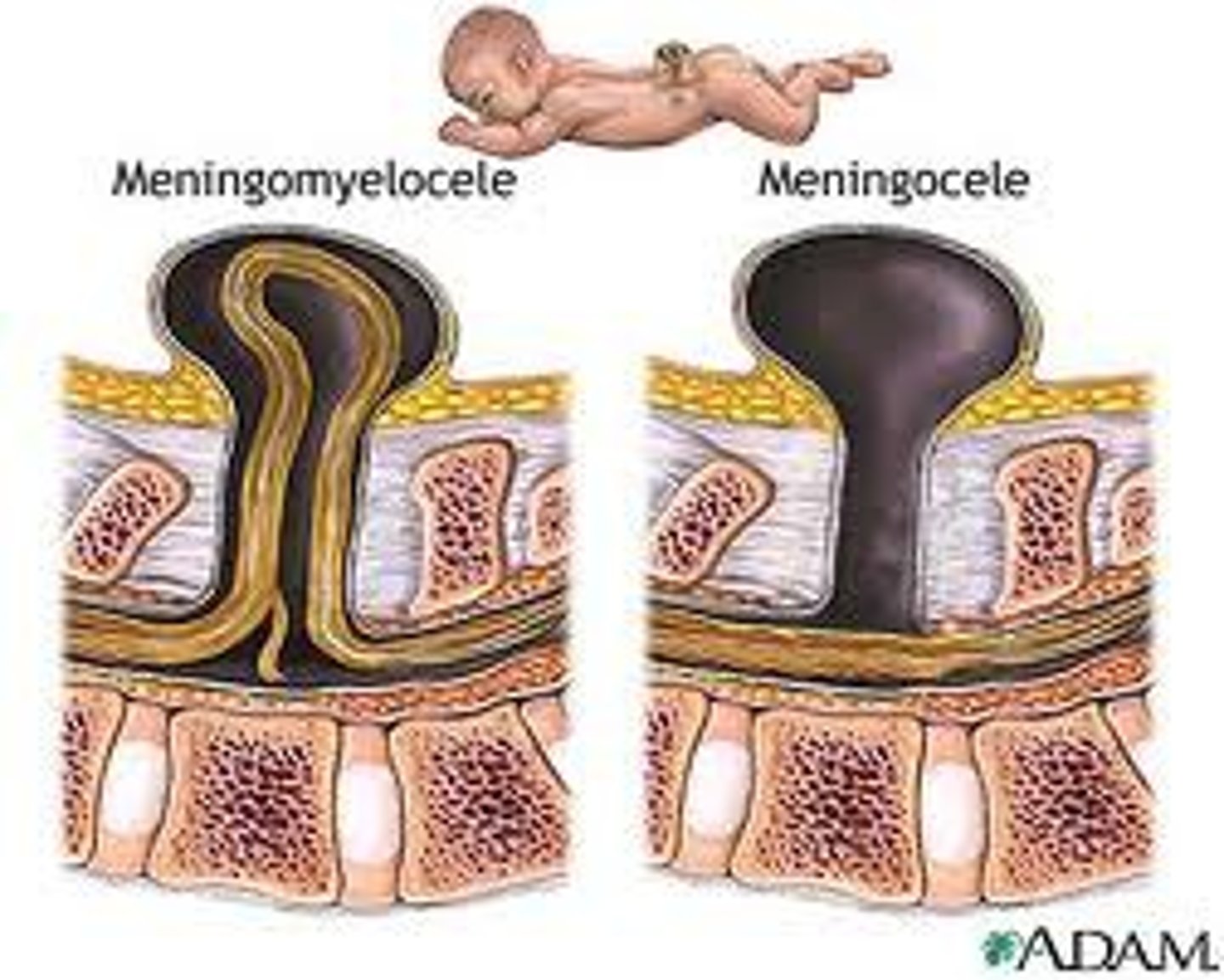
What is myelomeningocele?
the most common form of spina bifida in which the bones of the spine do not completely form, resulting in an incomplete spinal canal, causing the spinal cord and meninges to stick out of the child's back
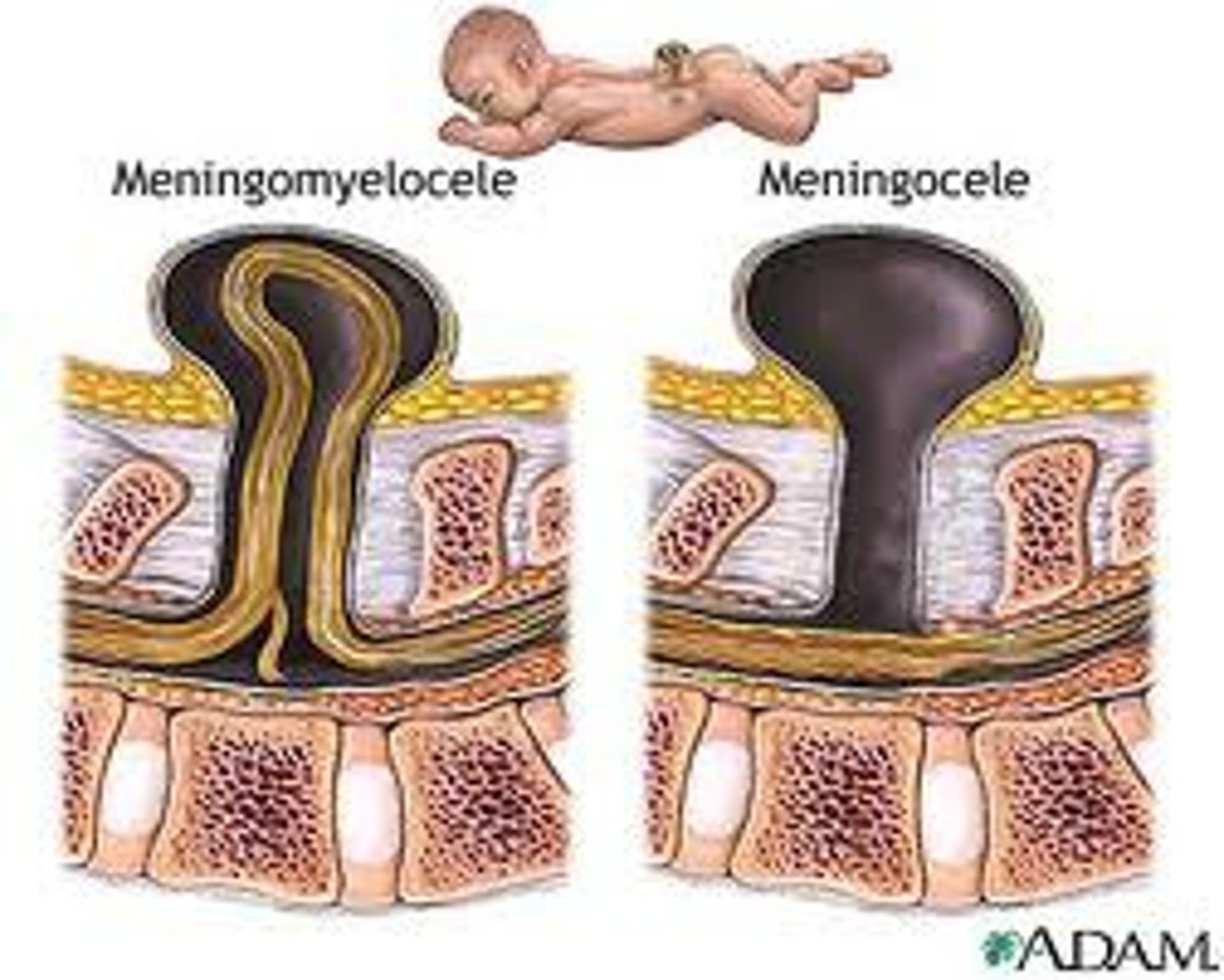
What is meningocele?
a form of spina bifida in which meninges protrude through defect in the vertebral arches but the spinal cord and nerves do not
my/o
muscle
myel/o
spinal cord, bone marrow
neur/o
nerve
pont/o
pons
radicul/o
nerve root (of spinal nerves)
thalam/o
thalamus
thec/o
sheath (refers to the meninges)
vag/o
vagus nerve (10th cranial nerve)
alges/o, -algesia
excessive sensitivity to pain
-algia
pain
caus/o
burning
comat/o
deep sleep (coma)
ethesi/o, -esthesia (don't confuse with -algia)
feeling, nervous sensation
kines/o, kinesi/o, -kinesia, -kinesis, -kinetic
movement
-lepsy
seizure
lex/o
word, phrase
-paresis
weakness
hemiparesis
weakness on one side of the body
-phasia
speech
aphasia
no, not speaking
-plegia (-don't confuse with -paresis)
paralysis (loss or impairment of the ability to move parts of the body)
hemiplegia
paralysis of one side of the body, usually caused by stroke (in whatever side of the brain the stroke occurred, the opposite side of the body is affected)
paraplegia
paralysis from the waist down. The lesion that caused the paralysis would be in the lumbar region
quadriplegia
paralysis of all four limbs (from the neck on down). The lesion that caused the paralysis would be in the cervical region.
-praxia
action
-sthenia
strength
syncop/o
to cut off, cut short
syncope
fainting- the sudden and temporary loss of consciousness due to inadequate flow of blood to the brain)
tax/o
order or coordination (ataxia= no coordination)
What does congenital mean?
it means "born with it"
hydrocephalus (can be congenital)
an abnormal accumulation of CSF in the brain
spina bifida (congenital)
congenital defects in the lumbar spinal column caused by imperfect union of vertebral parts (neural tube defect)
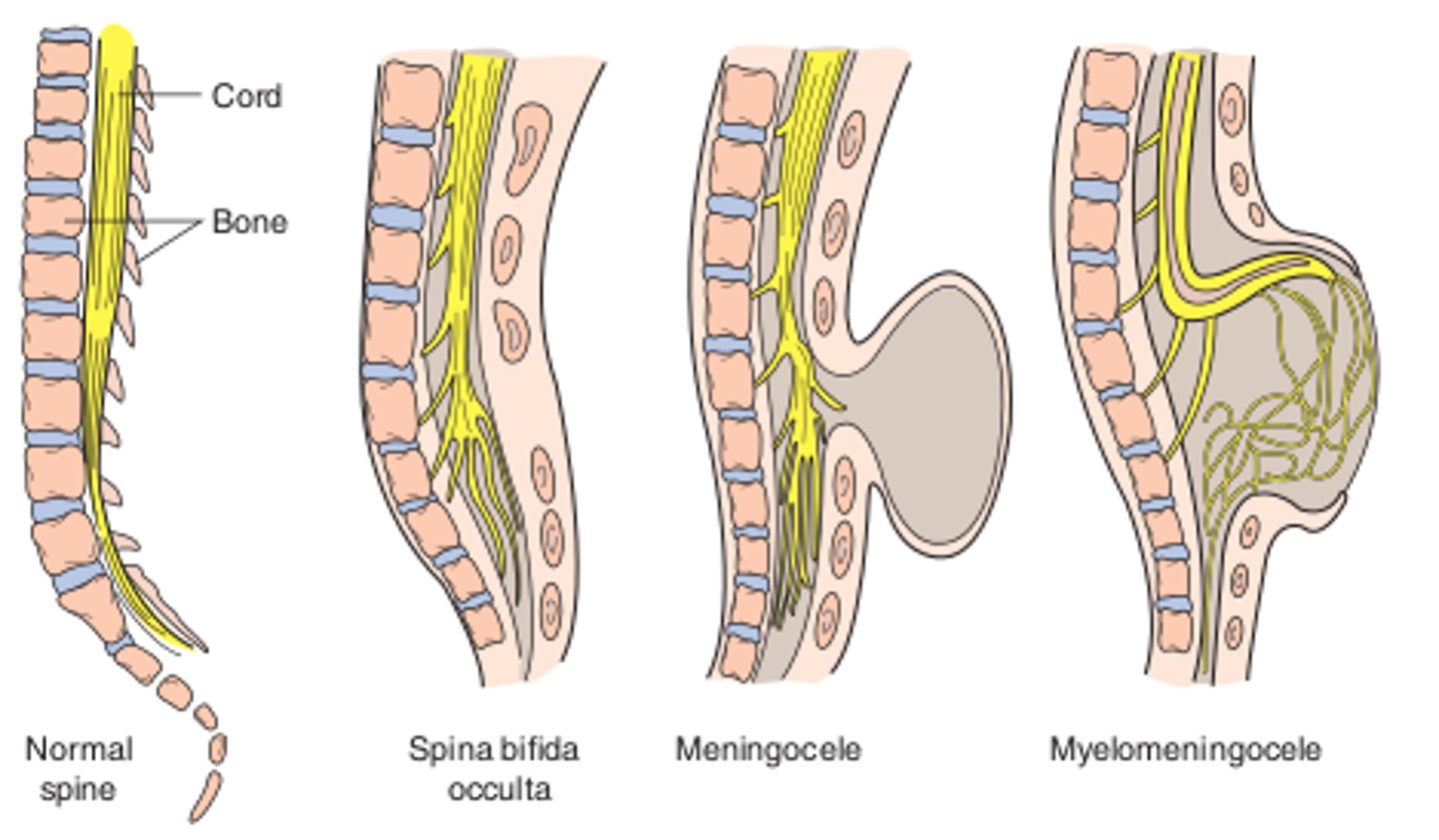
What are the two types of spina bifida?
1. spina bifida with a meningocele (meninges protrude)
2. spina bifida with a myelomeningocele (both the spinal cord and meninges protrude)
Alzheimer's disease (AD)
brain disorder where you have gradual and progressive mental deterioration (along with possible personality changes and impairment of daily functioning)
Amyotrophic Lateral Sclerosis (ALS) (Lou Gehrig's Disease)
degeneration of the motor neurons, affecting the spinal cord and brain stem (cause and cure unknown)
epilepsy
chronic brain disorder characterized by recurrent seizure activity
What are the 2 types of epilepsy?
1. tonic-clonic
2. absence seizures
What are tonic-clonic seizures?
(also called grand mal seizures)
a full blown seizure: sudden loss of consciousness, the patient falls down, stiffening of muscles, and jerking movements
What are absence seizures?
(also called petit mal seizures)
milder form of seizures; patietn experiences momentary, intermittent cloudiness and loses track of time
Huntington disease (Huntington chorea)
hereditary disorder marked by degenerative changes in the cerebrum leading to abrupt involuntary movements and mental deterioration
What's the difference between Parkinson's Disease
and Huntington Disease?
PD is where a person experiences tremors, but with Huntington Disease you have something more pronounced, often referred to as jerky movements of the arms and legs
Multiple Sclerosis (MS)
destruction of the myelin sheath on neurons in the CNS and its replacement by plaques of sclerotic (hard) tissue (this affects electrical impulses form neuron to neuron)
myasthenia gravis (MG)
autoimmune neuromuscular disease that results in weakness of the voluntary muscles
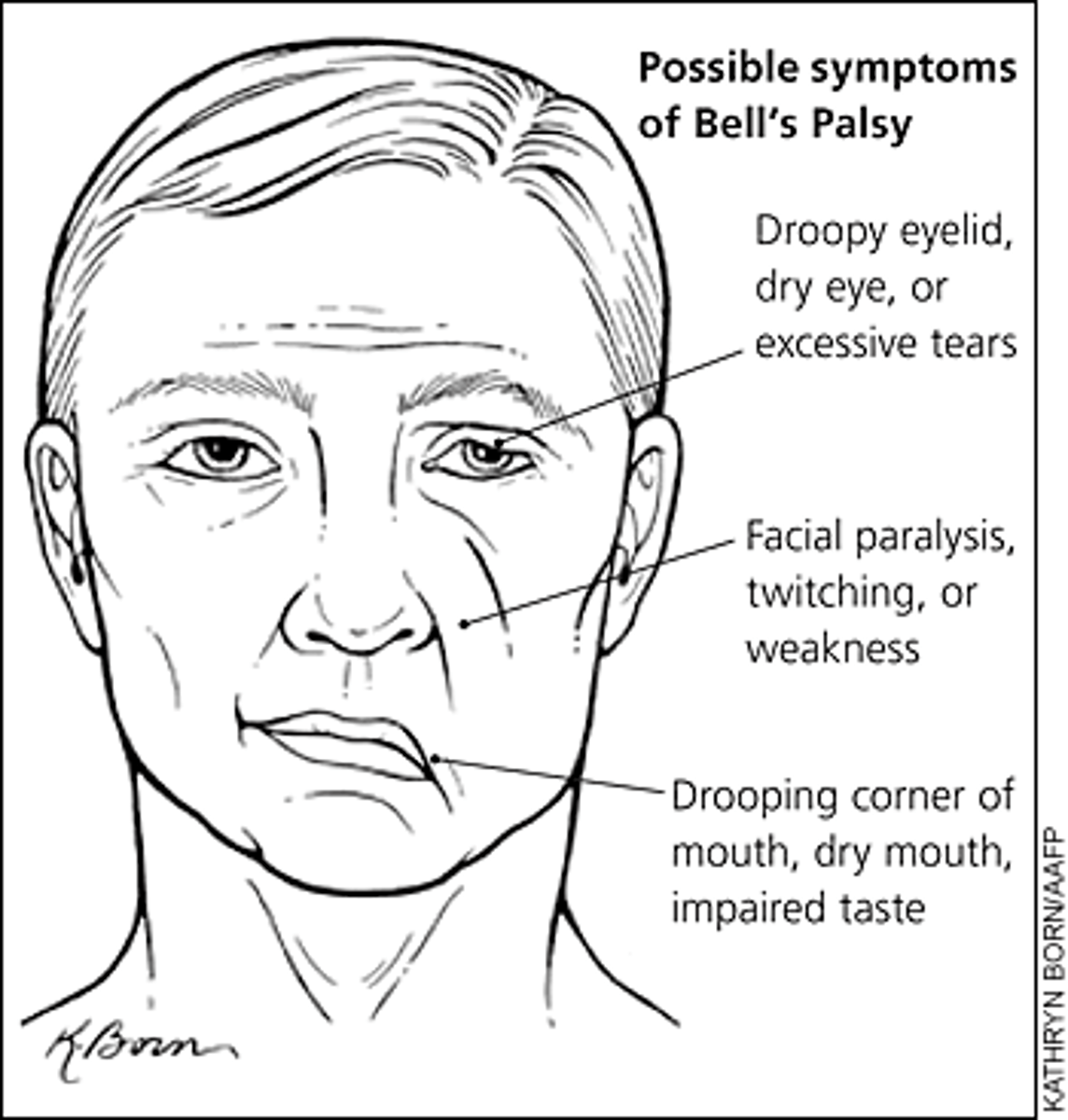
What does palsy mean?
paralysis (partial or complete loss of motor function)
What are two types of palsy?
1. cerebral palsy= partial paralysis, lack of muscle, coordination, due to lack of oxygen getting to the brain
2. Bell's palsy= paralysis on one side of the face
Parkinson's disease (PD)
a degeneration of neurons in the basal ganglia that occurs later in life
What does Parkinson's Disease lead to?
-weakness of muscles
-tremors
-slowness of movement
-mask-like face
-shuffling gait and leaning
-arms stay at sides instead of swinging
Tourette Syndrome
involuntary, spasmodic, twitching movements; uncontrollable vocal sounds; and inappropriate words
herpes zoster (shingles) (infectious disorder)
viral infection affecting the peripheral nerves (it's a reactivation of the chicken pox virus that remains in the body after you've had it)
Meningitis (leptomeningitis) (infectious disorder)
inflammation of the meninges
human immunodeficiency virus (HIV) encephalopathy
when a patient who has AIDS develops brain disease and dementia
What does neoplastic mean?
new growth
brain tumor (neoplastic disorder)
abnormal growth of brain tissue and meninges
What is a traumatic disorder?
a disorder caused by external injury or trauma
cerebral concussion (traumatic disorder)
caused by a blow to the head
cerebral contusion
bruising of the brain tissue as a result of direct trauma to the head
contusion
medical term for bruising on the inside of the body
coma
loss of consciousness (reversible or irreversible) caused by a traumatic injury
cerebrovascular accident (CVA)
disruption in the normal blood supply to the brain; stroke
what are the 3 types of stroke?
1. Thrombosis
2. Embolism
3. Hemorrhage
What causes a thrombotic stroke?
arteries that take blood to the brain get occluded by plaque build up

