Science [Energy and Electricity]
 Call Kai
 Learn
Learn Practice Test
 Spaced Repetition
 Match
Match Flashcards
 Knowt Play
1/27

There's no tags or description
Looks like no tags are added yet.
Name | Mastery | Learn | Test | Matching | Spaced | Call with Kai |
|---|
No analytics yet
Send a link to your students to track their progress
28 Terms
Kinetic Energy
Kinetic energy is the energy an object has because it is moving
Thermal Energy
Thermal energy is the energy due to the motion of particles
Chemical Energy
Chemical energy is the energy stored in chemical bonds
Elastic Energy
Elastic energy is the energy stored when an object is stretched or compressed
Gravitational Potential Energy
Gravitational potential energy is the energy stored due to height
Increase in Kinetic Energy
Kinetic energy increases when speed or mass increases
Increase in Thermal Energy
Thermal energy increases when temperature increases
Decrease in Chemical Energy
Chemical energy decreases during chemical reactions
Decrease in Gravitational Potential Energy
Gravitational potential energy decreases when height decreases
Increase in Elastic Energy
Elastic energy increases when an object is stretched or compressed more
Law of Conservation of Energy
The law of conservation of energy states that energy cannot be created or destroyed, only transferred or transformed
Efficiency
Efficiency is the ratio of useful energy output to total energy input, expressed as a percentage
Efficiency Formula
Efficiency = (Useful energy output ÷ Total energy input) × 100%
Series Circuit Current
In a series circuit, current is the same at all points
Parallel Circuit Current
In a parallel circuit, total current splits between branches
Series Circuit Voltage
In a series circuit, total voltage is split across components
Parallel Circuit Voltage
In a parallel circuit, each branch gets the full voltage
Conductor
A conductor is a material that allows electric current to flow easily (e.g., copper)
Insulator
An insulator is a material that does not allow electric current to flow easily (e.g., plastic, rubber)
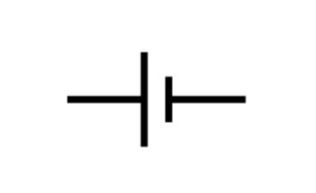
Cell
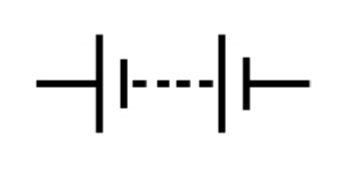
Battery
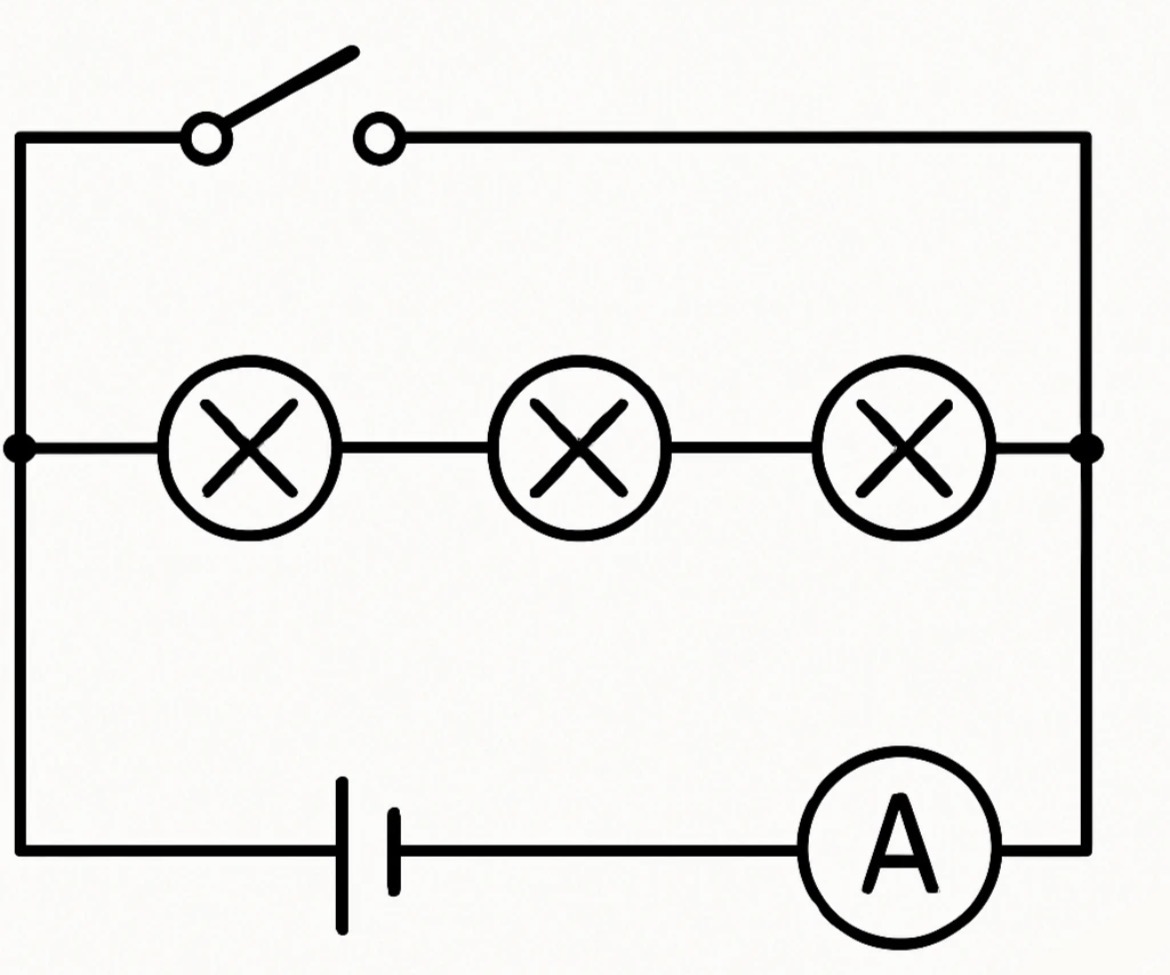
Parallel circuit
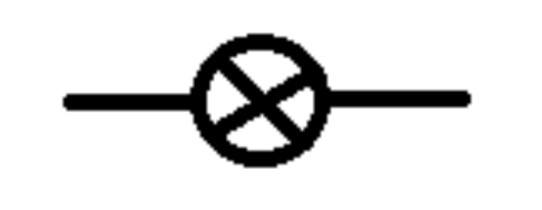
Bulb / lamp
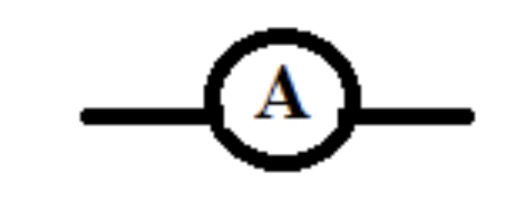
Ammeter
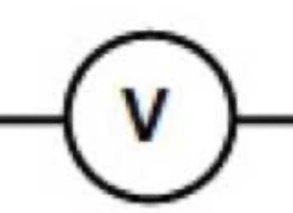
Voltmeter

Resistor
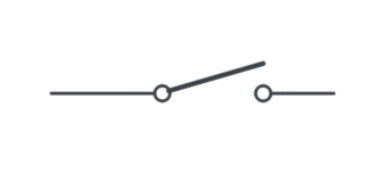
Open switch
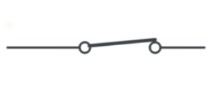
Closed switch

