Symbols and Media Language
 Studied by 0 people
 Call Kai
 Learn
Learn Practice Test
 Spaced Repetition
 Match
Match Flashcards
 Knowt Play
1/35

There's no tags or description
Looks like no tags are added yet.
Name | Mastery | Learn | Test | Matching | Spaced | Call with Kai |
|---|
No analytics yet
Send a link to your students to track their progress
36 Terms
Media Language
These are codes, conventions, formats, symbols and narrative structures that indicate the meaning of media messages to an audience.
Codes
In media studies, _____ are known as a system or collection of signs that create meaning when put together.
Symbolic Codes
These codes show what is beneath the surface of what we see (objects, setting, body language, clothing, color, etc.) or iconic symbols that are easily understood.
Setting
It refers to the time and place of the narrative.
Mise en Scene
It refers to everything you see on screen in a scene—such as the setting, lighting, costumes, actors, and how they are arranged—to help tell the story and create a mood.
Acting
The actors portray characters in media products and contribute to character development, creating tension or advancing.
Color
When studying the use of color in a media product the different aspects to be looked at are: Dominant color, Contrasting foils, and Color Symbolism.
Technical Codes
The ___________ include sound, camera angles, types of shots and lightning.
Editing
It is the process of choosing, manipulating and arranging images and sound.
Audio
It refers to the expressive or naturalistic use of sound. The three aspects of audio are: Dialogue, Sound effects, and Music.
Lighting
It refers to the manipulation of natural or artificial light to selectively highlight specific elements of the scene. Elements of lighting include: Quality, Direction, Source, & Colour.
Camerawork
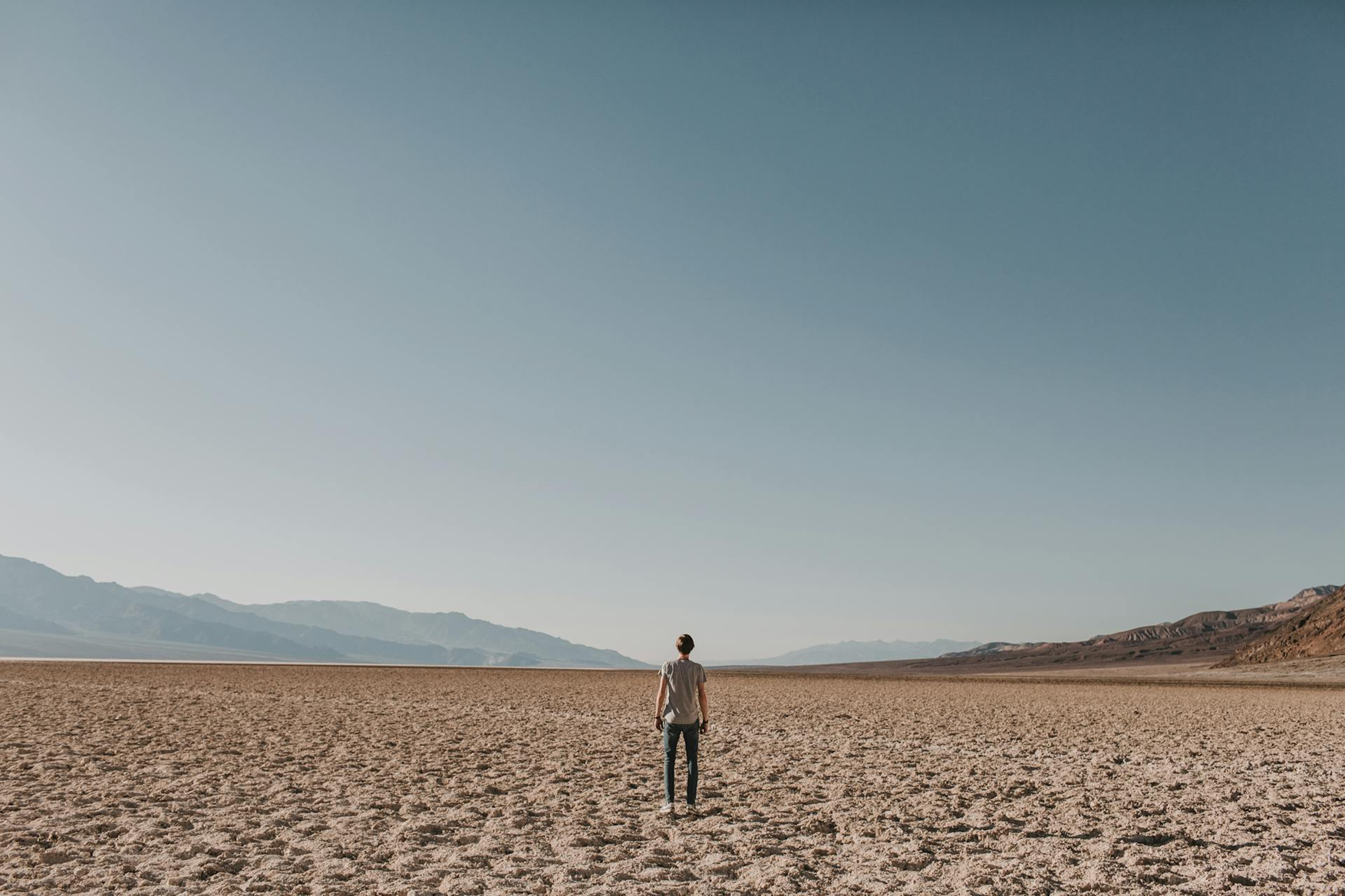
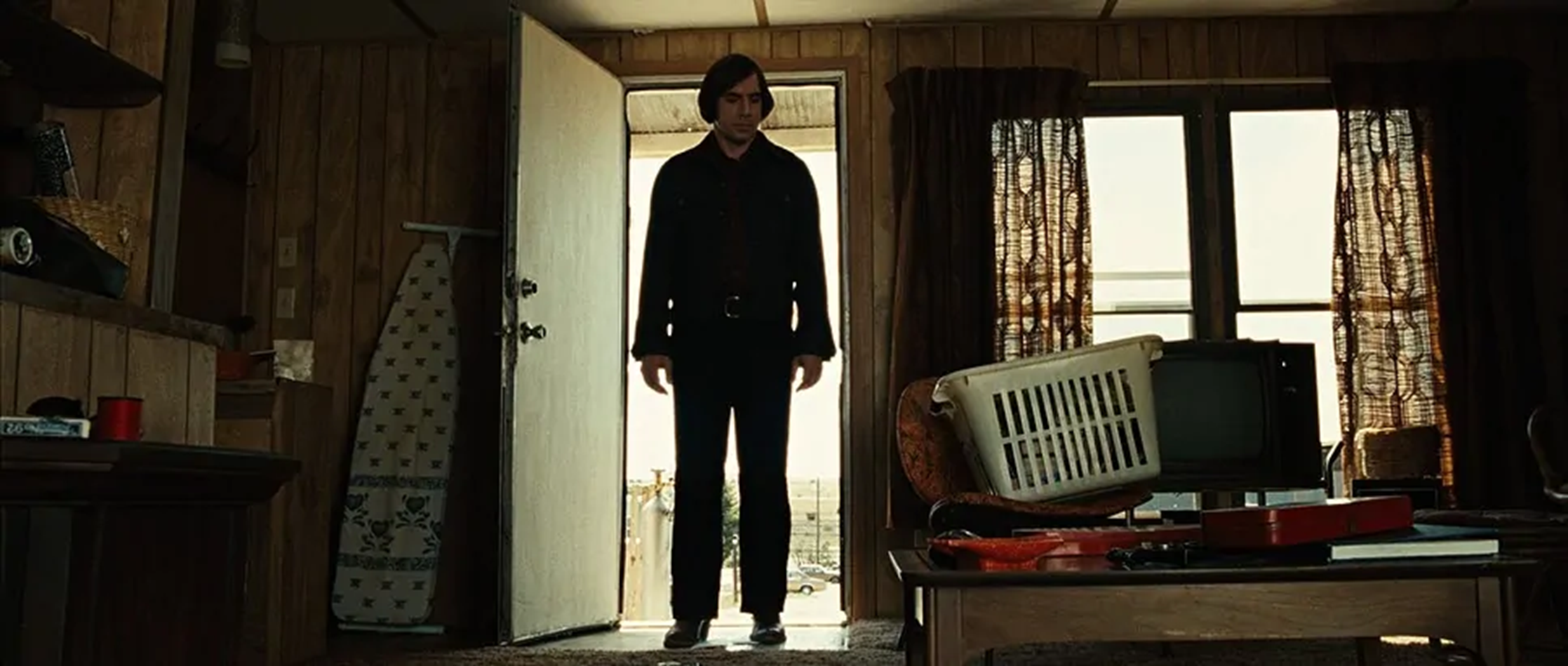
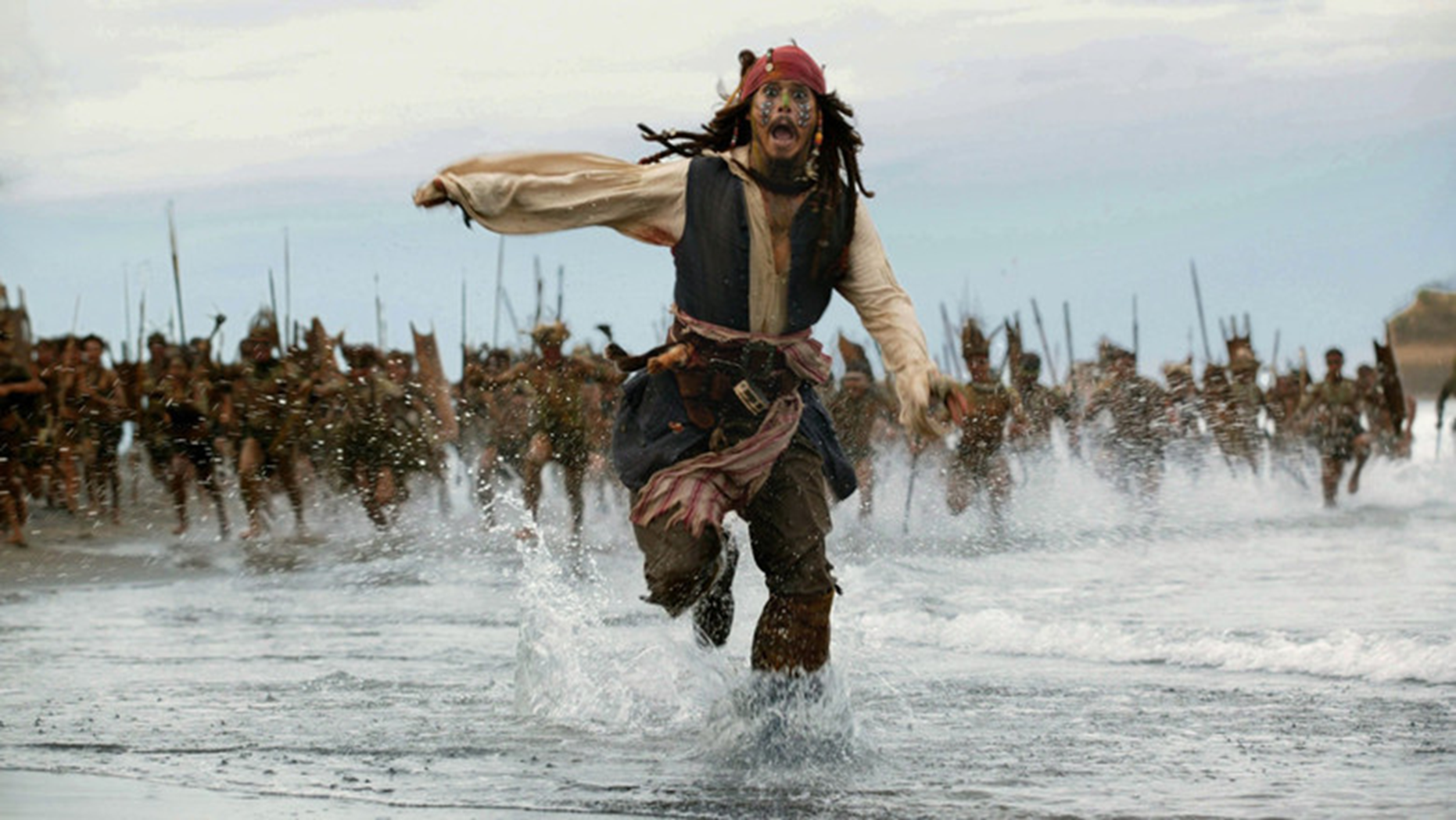
It refers to how the camera is operated, positioned and moved for specific effects. __________ includes: Positioning, Movement, Framing, Exposure, and Lens choice
Extreme Wide Shot
Full Shot
Wide Shot
Medium wide Shot
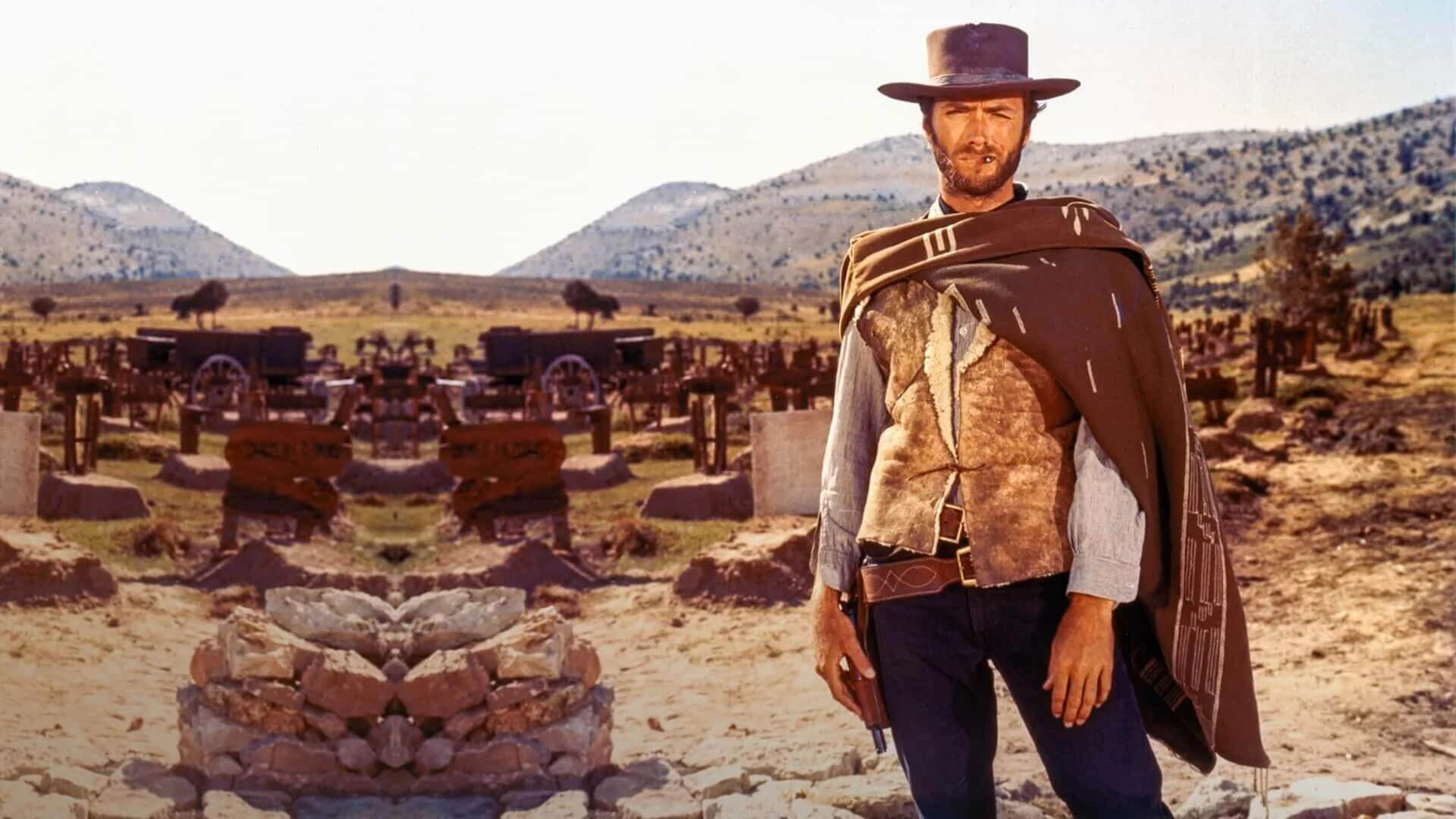
Cowboy Shot
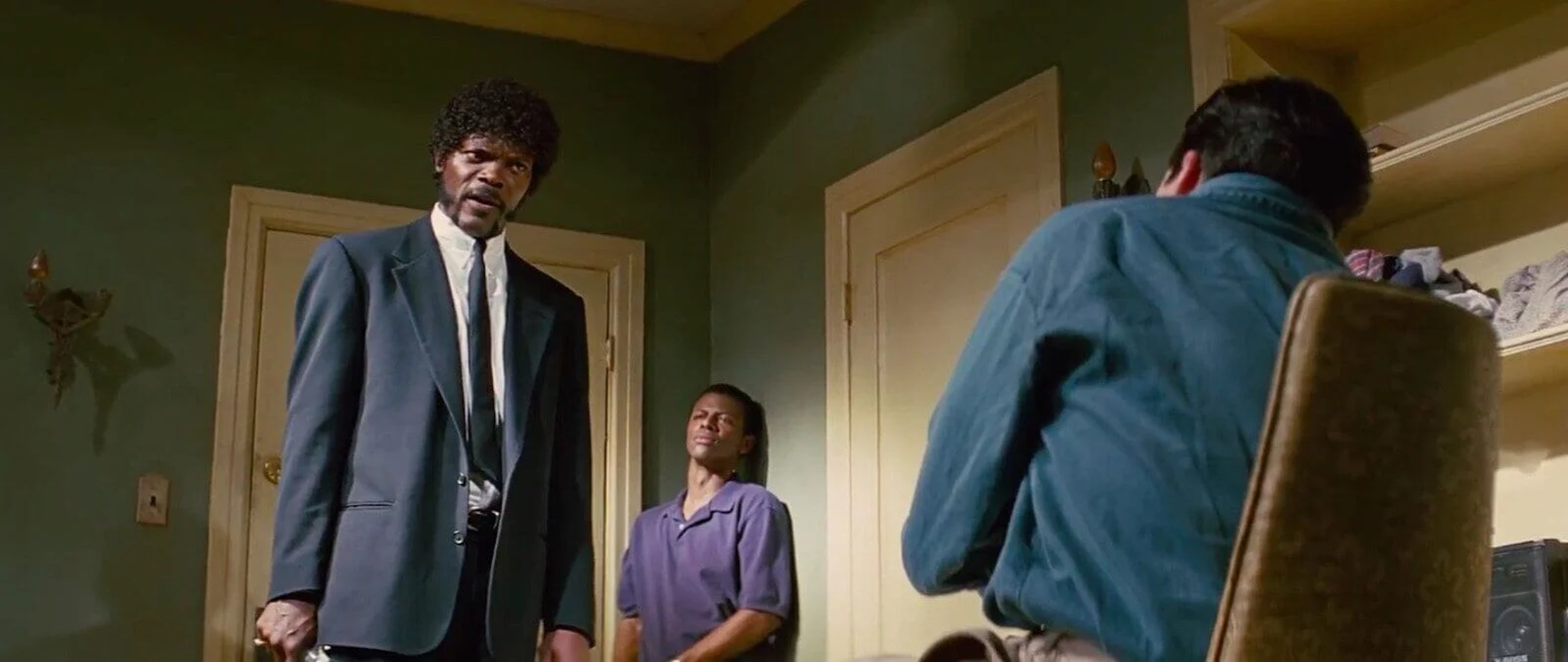
Medium Shot
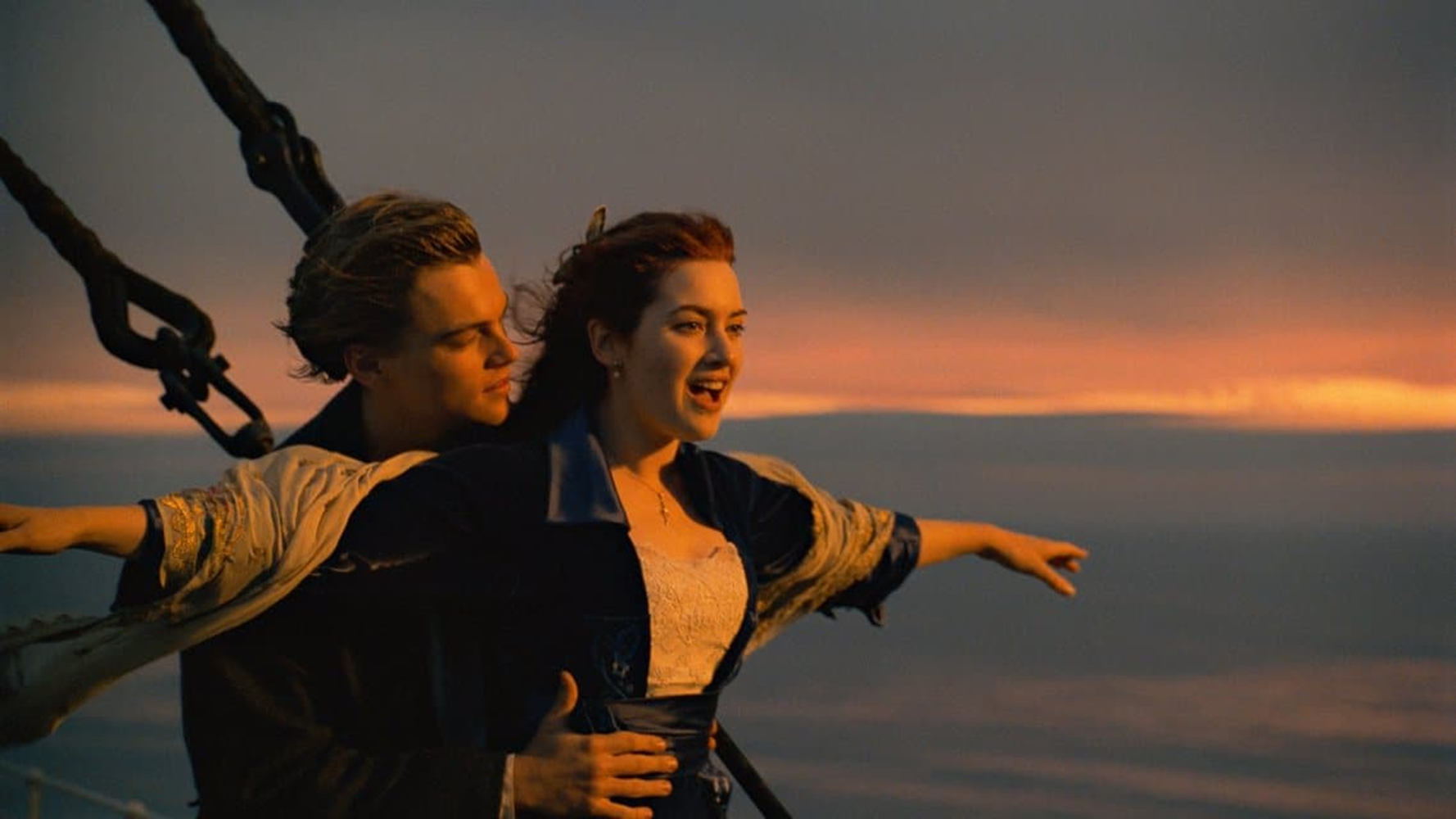
Medium Close Up
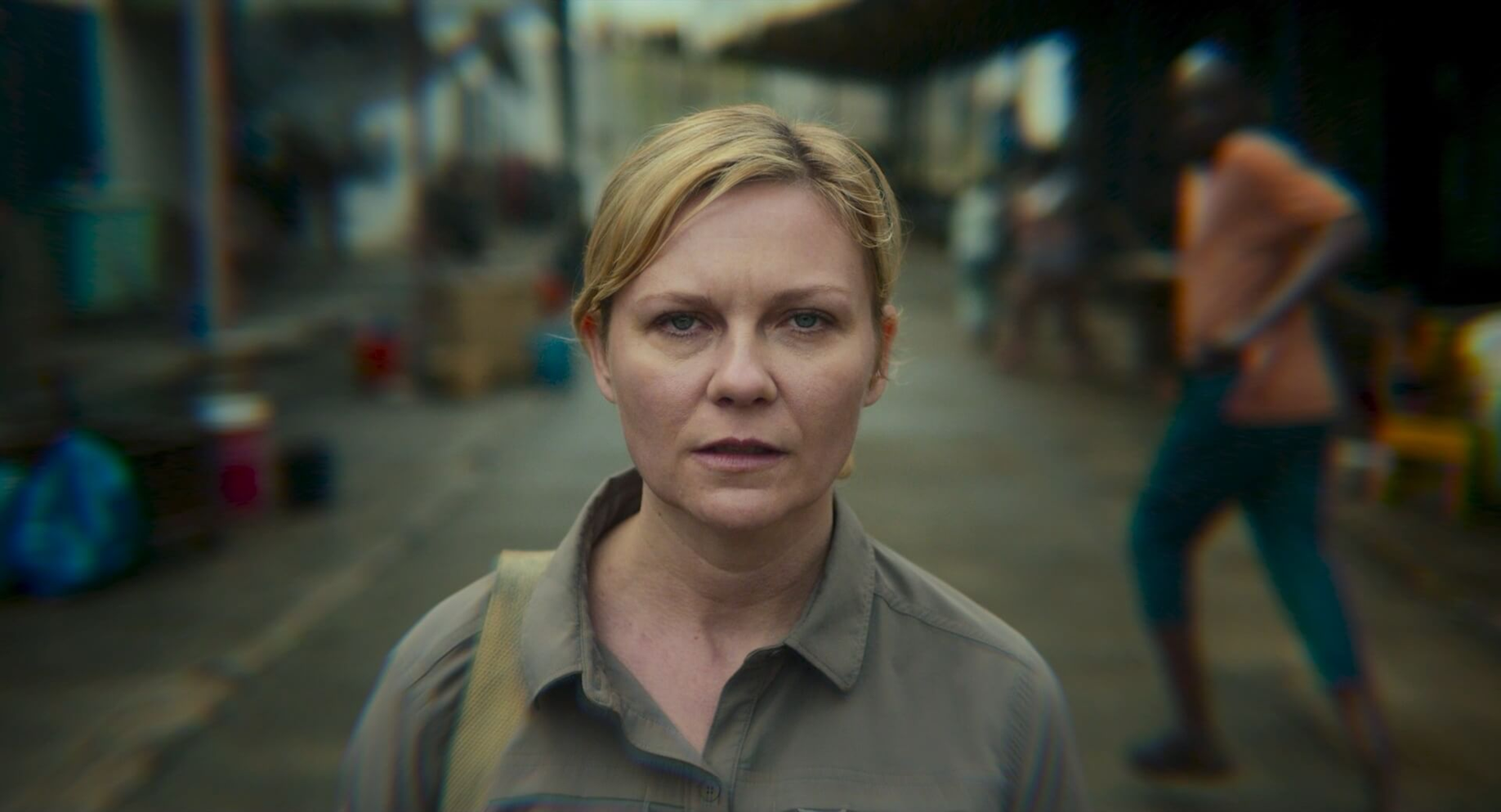
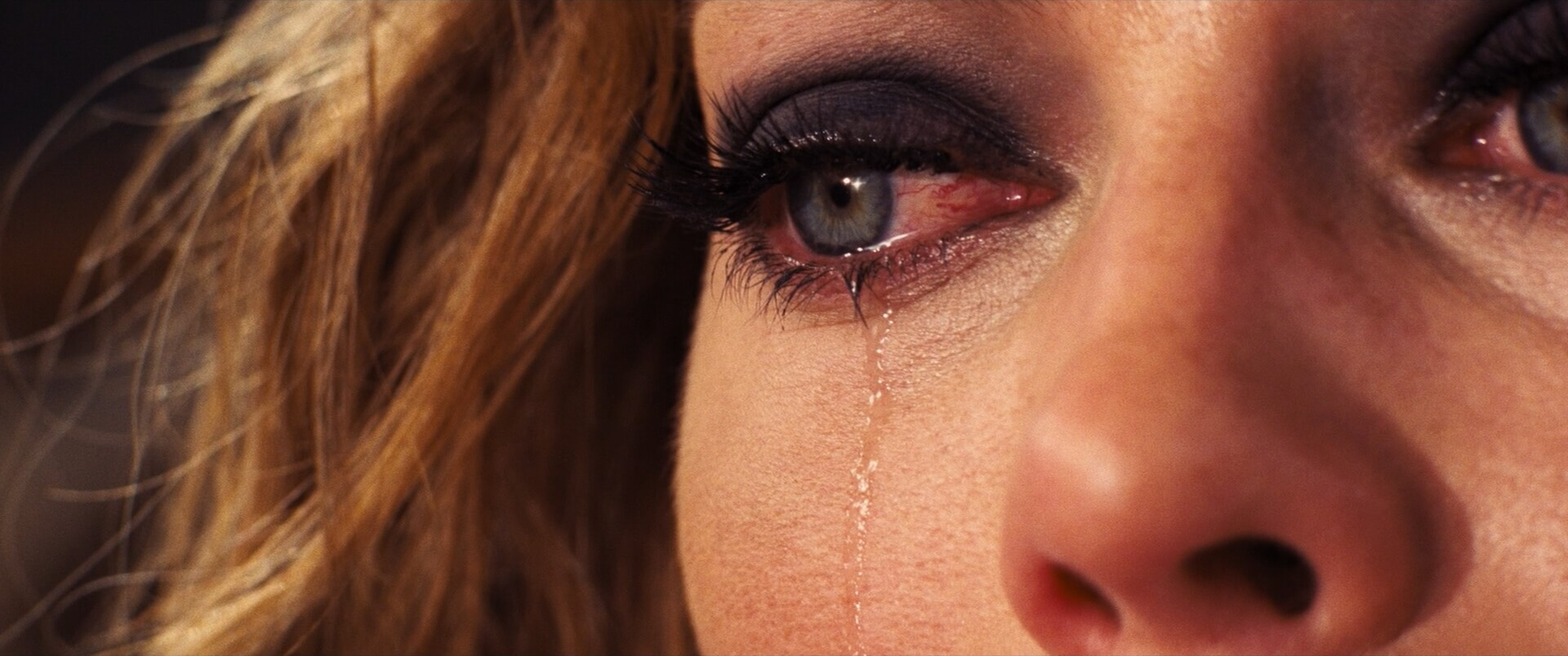
Close Up
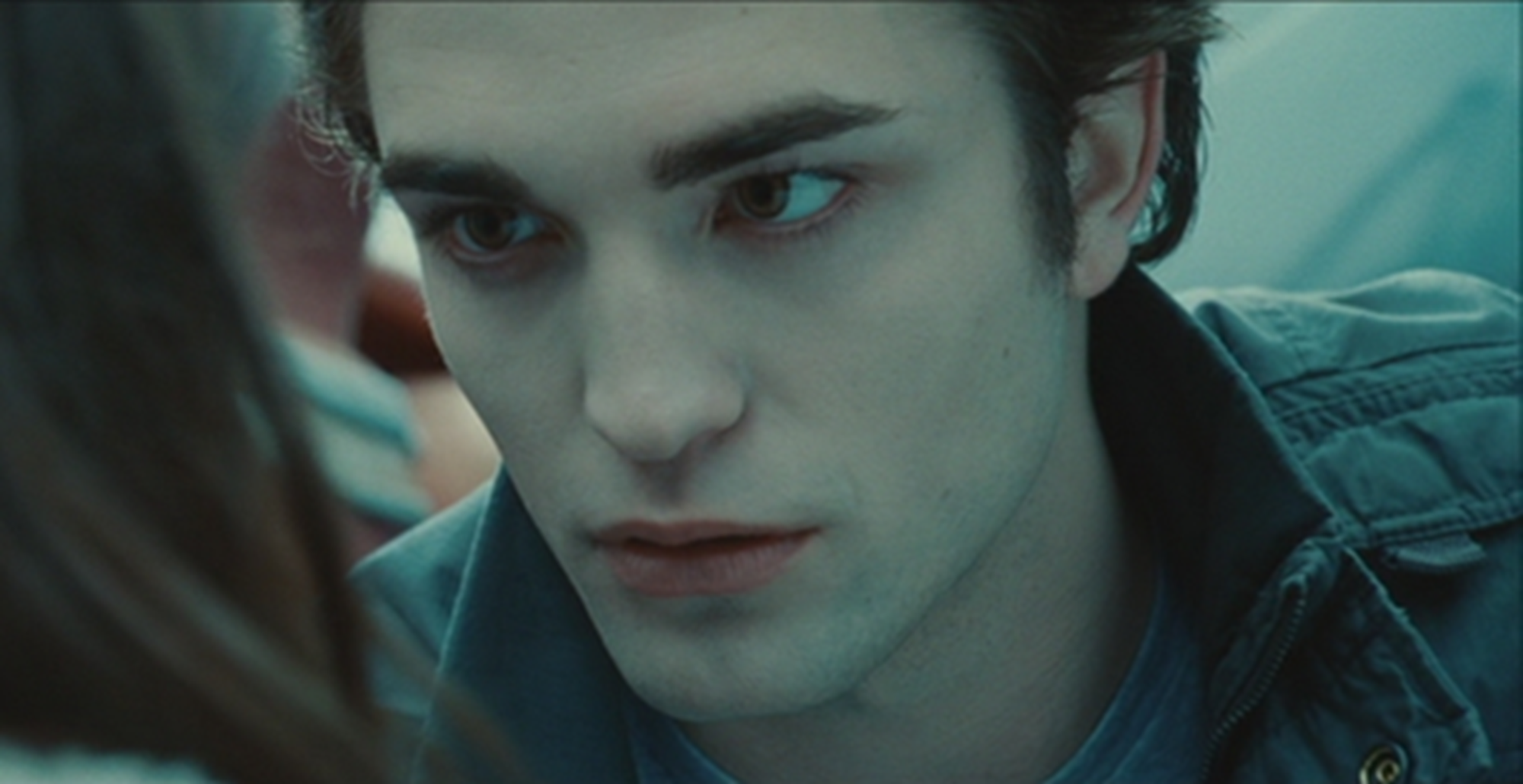
Extreme Close Up
Camera Shot Framing
It refers to the art and science of placing subjects in your shots.
Single Shot
Frames only one person in the scene and is used to focus on a character’s expression, emotion, or importance.
Two Shot
Frames two people in the same shot and shows interaction or relationship between the two characters.
Three Shot
Frames three people in one shot and emphasizes group dynamics or shared action.
Over-the-Shoulder Shot
Taken from behind the shoulder of one character, showing another character in front and creates a sense of conversation and connection between characters.
Point-of-View (POV) Shot
Shows what a character sees from their own perspective and it makes the audience feel as if they are the character.
Depth of Field
Term used to describe the size of the area in your image where objects appear acceptably sharp.
Written Codes
It is the use of language style and textual layout (headlines, captions, speech bubbles, language style, etc.)
Conventions
These are the commonly accepted ways of doing things in media that audiences recognize and expect.
Form Conventions
•Refers to the technical and structural features of a media text.
•It is how the media is presented.
Story Conventions
•Refers to the way the story is told.
•It focuses on narrative elements.
Genre Conventions
•Refers to the typical features of a specific genre.
•It helps the audience recognize the type of media.
Regulatory Signs
Signs that inform road users of traffic laws and regulations which, if disregarded, will constitute an offense
Format
Templates that provide the working and provisional structures of media and information texts.
 Note
Note  Flashcards (88)