PNW Invasive Species
 Call Kai
 Learn
Learn Practice Test
 Spaced Repetition
 Match
Match Flashcards
 Knowt Play
1/4

Earn XP
Description and Tags
Noxious weeds and other invasive species of the Pacific Northwest (focused on Northern Willamette Valley)
Name | Mastery | Learn | Test | Matching | Spaced | Call with Kai |
|---|
No analytics yet
Send a link to your students to track their progress
5 Terms
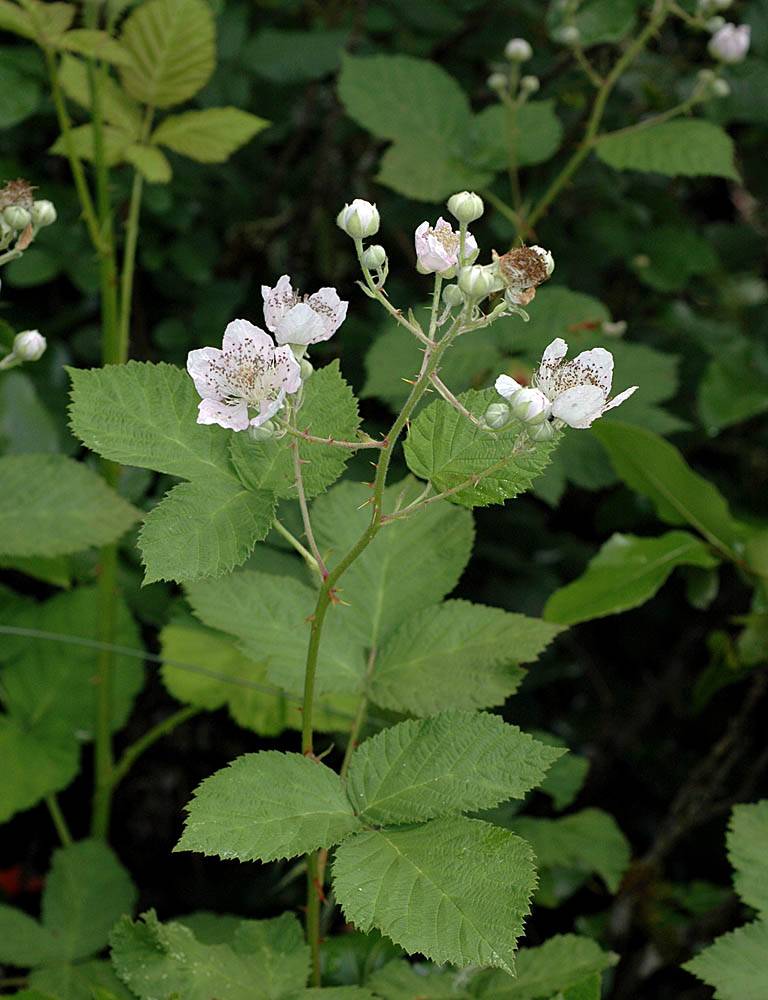
Rubus bifrons (armeniacus, and laciniatus)
A species of blackberry that can tolerate low water levels and overtakes landscapes, shading out other plants. Commonly referred to as “Himalayan Blackberry” or “Armenian Blackberry”. This plant has long tuber-like roots and can re-establish from any end of the plant. Identifiable by five sided canes (or vines) and leaflets in groups of five. The white flowers bloom in summer. Thorns are hard, sharp, and often hooked.
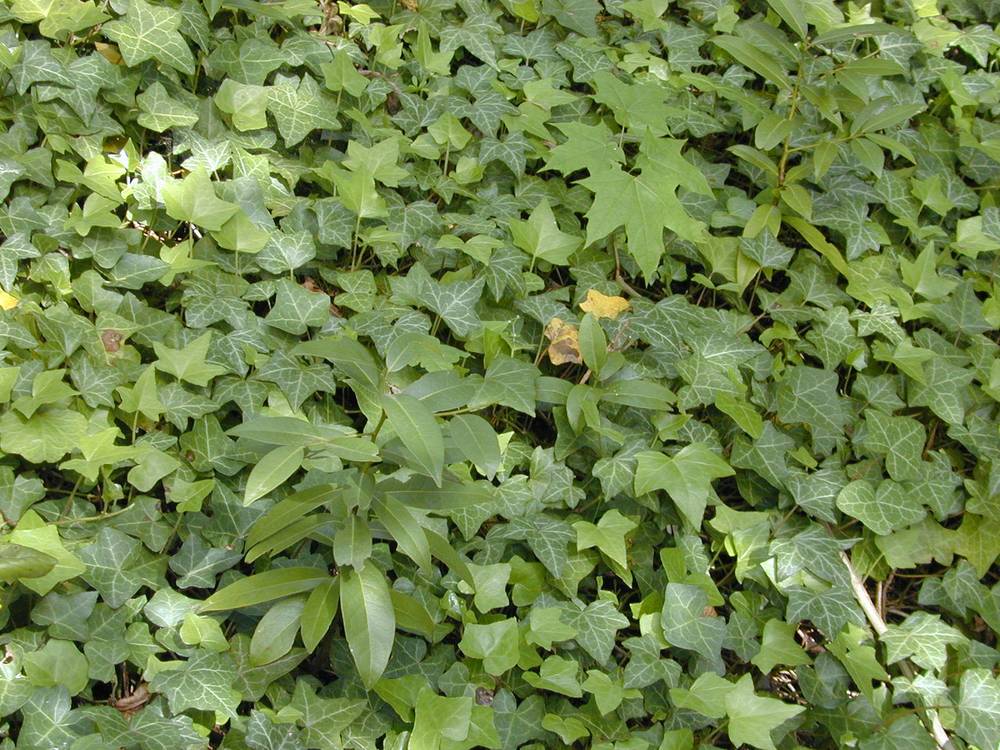
Hedera family
“English” or “Irish” ivy, also “Common ivy” or “Atlantic ivy”, smothers and weights down trees, has extensive root systems that are difficult to remove, and can grow in a variety of light and soil conditions. It can overtake the forest floor, shrub layer, and over-story.
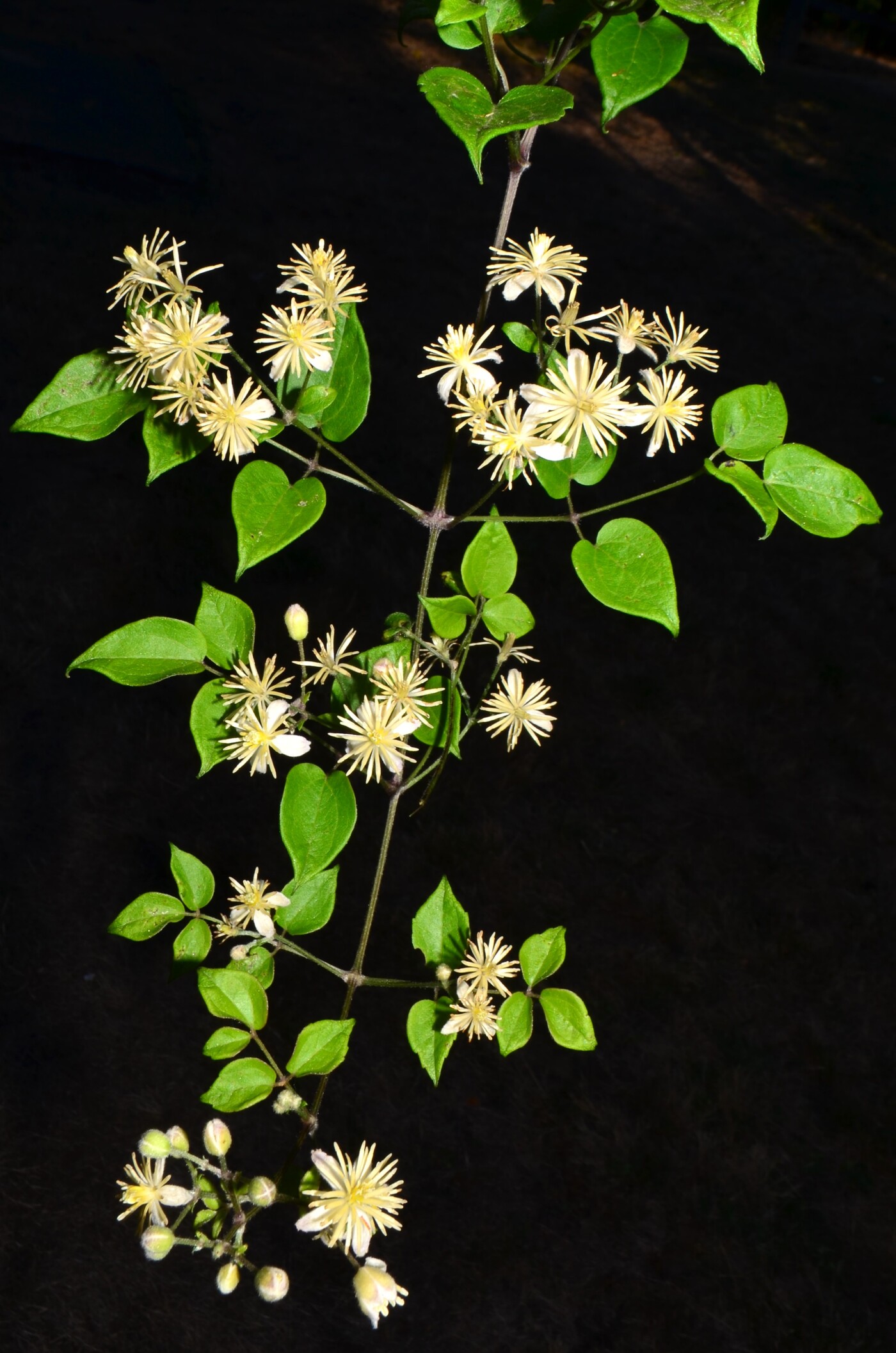
Clematis vitalba
Also know as “traveler’s joy” or “old man’s beard”, this climbing grows very quickly and can overtake trees by shading them out and weighing them down. Old Man’s Beard is a fast growing perennial vine with grooves along its length. Leaves are compound and lime green, coarsely toothed, ovate and deciduous. Flowers are small, thin, greenish white, and tend to grow in loose clusters. Fluffy and feathery tendril-like hairs hang from each tiny seed, which gave the plant its common name “Old Man’s Beard.” Similar in appearance to the native honeysuckle (Lonicera ciliosa) when not in bloom.
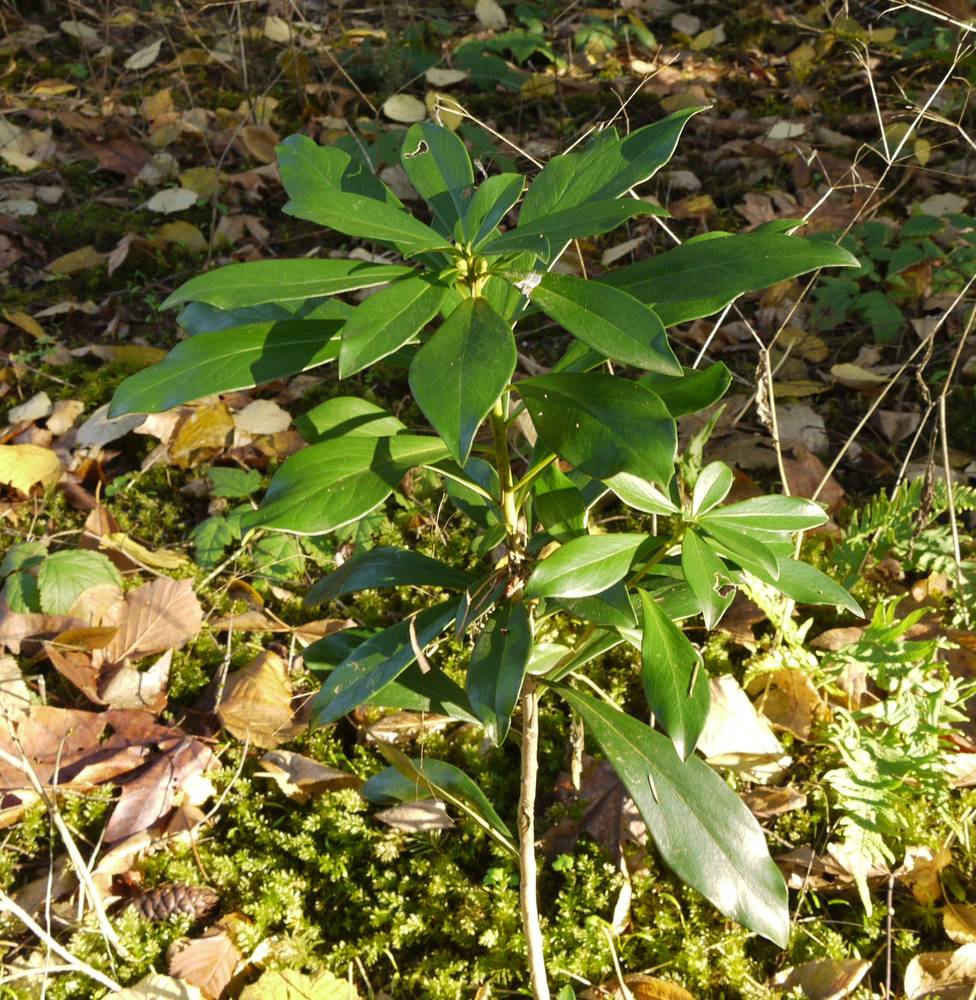
Daphne laureola
“Spurge Laurel” is less abundant but can overtake the under-story because of its high shade tolerance, creating thickets. The sap can give a rash so handle only with protection. Spurge laurels are evergreen, generally grow to 3-4 feet tall, and resemble small leafy trees. Leaves are dark green, but newer growth can be a lighter yellow-green. Leaves are thick and waxy and grow in dense whorls. Stems are green to grayish-green. Flowers are small, green to the tops of the stems. Berries are spherical to egg-shaped, turning from green to purple-black as they ripen. Often mistaken for rhododendrons.
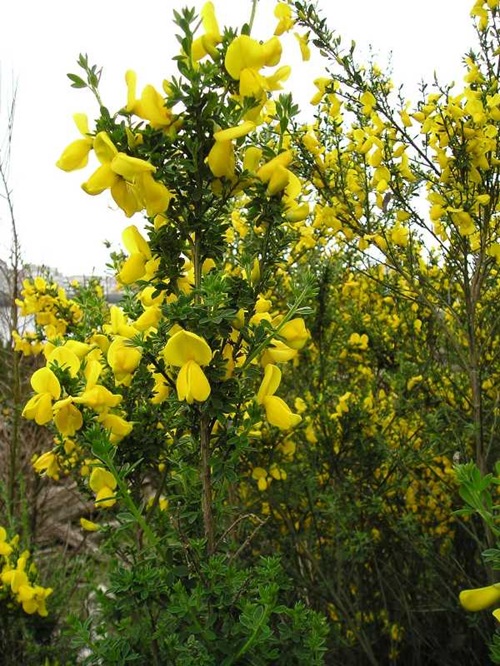
Cytisus scoparius
Member of the pea family, also known as “Scotch Broom”. Very robust seeds that stay in the seed bank for a long time, over 60 years. Very aggressive, and forms dense stands that are highly flammable. Grows best in dry soil with lots of sun. Its leaves are small and oval, located along the stem. Branches and stems are erect with prominent ridges, green when young, and brown as they mature reaching 6-8 ft. Its showy flowers are bright-yellow and shaped like pea-plant flowers. It grows long taproots that can be removed with a “weed wrench”.

