Consumer Education Final
0.0(0)
 Studied by 2 people
 Call Kai
 Learn
Learn Practice Test
 Spaced Repetition
 Match
Match Flashcards
 Knowt Play
Card Sorting
1/142

There's no tags or description
Looks like no tags are added yet.
Last updated 7:30 PM on 7/25/23
Name | Mastery | Learn | Test | Matching | Spaced | Call with Kai |
|---|
No analytics yet
Send a link to your students to track their progress
143 Terms
1
New cards
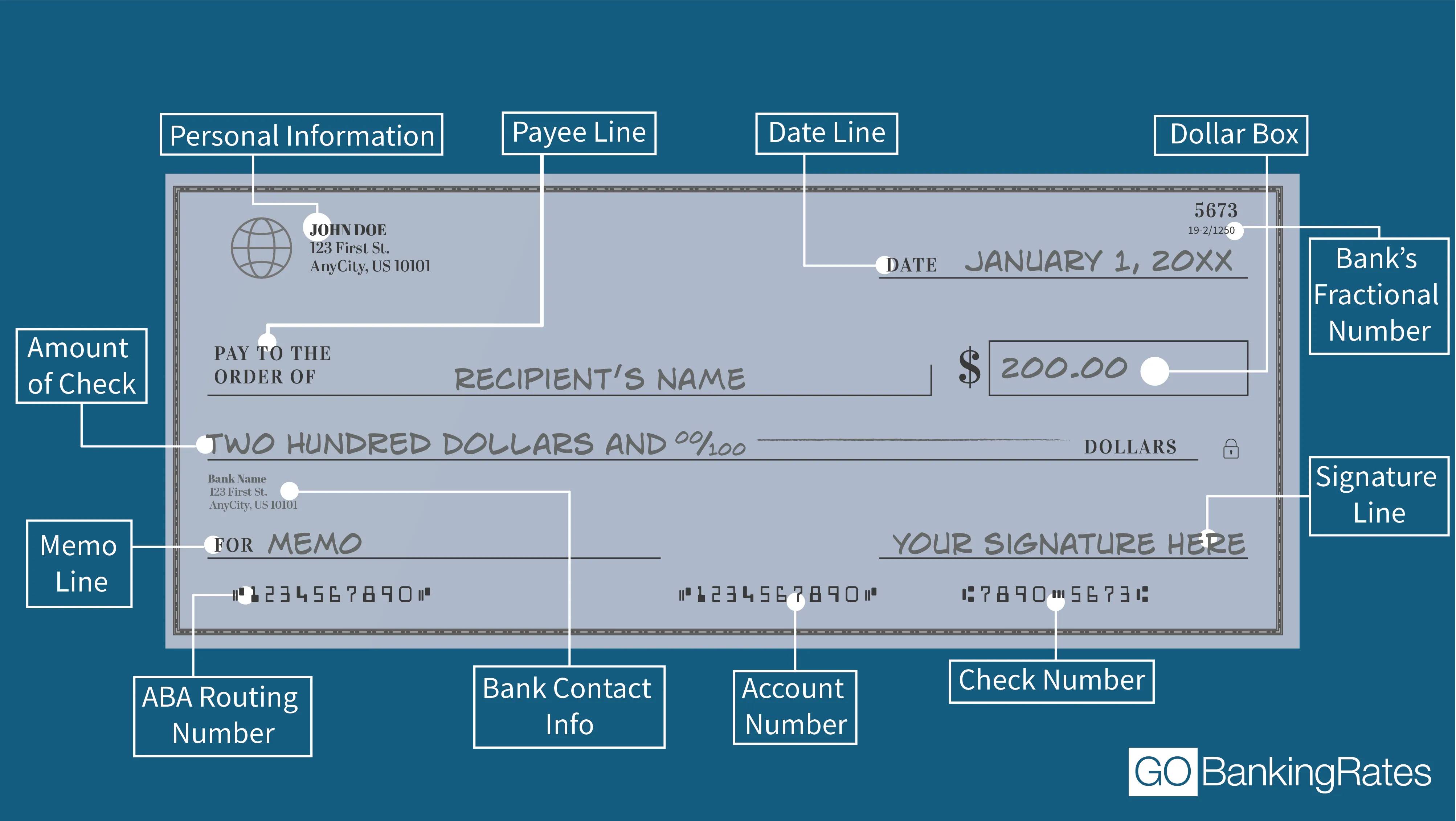
Pay to the order of:
Payee Line
2
New cards
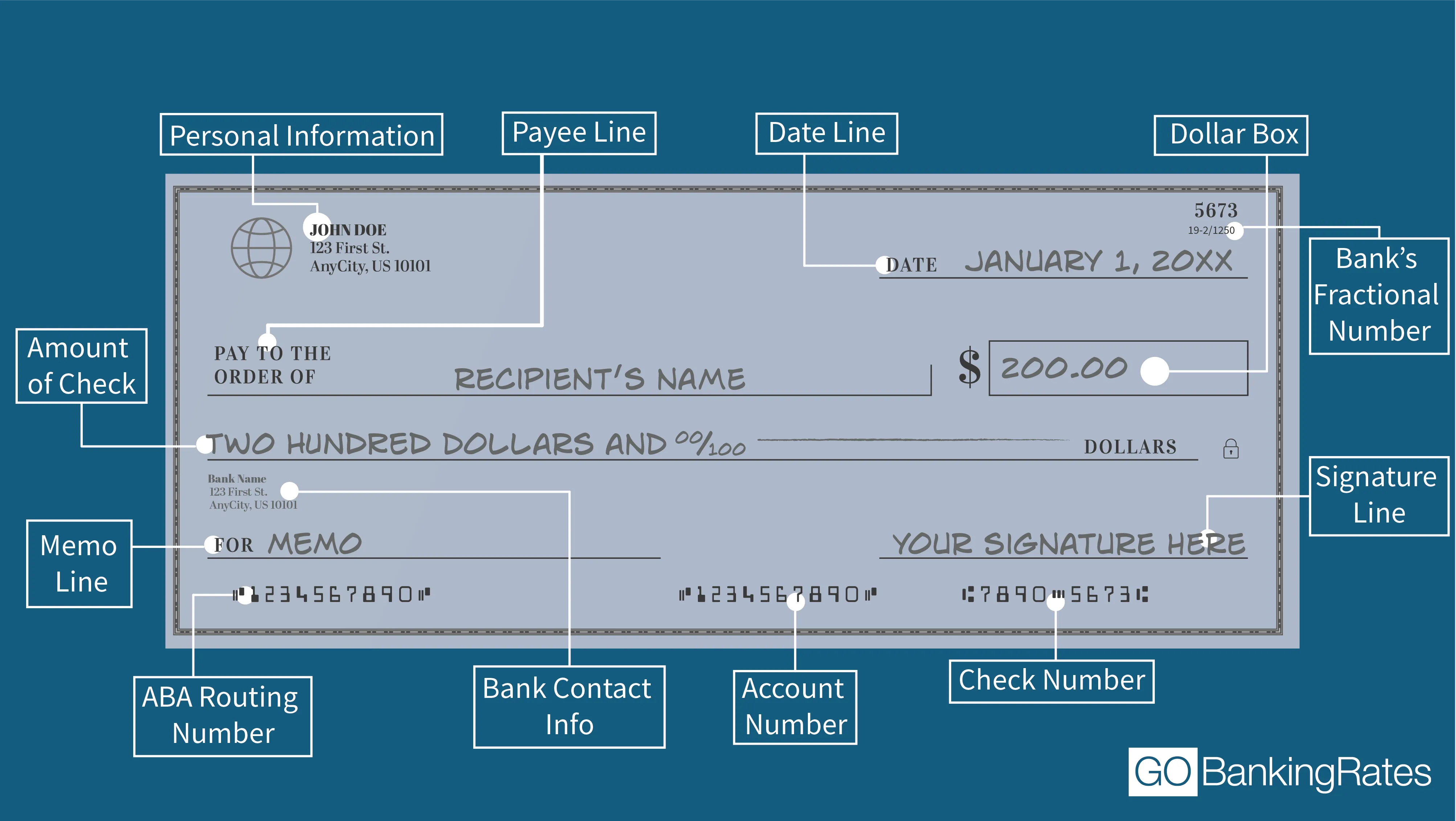
Bottom Left #
Bank’s ABA Routing #
3
New cards
Bottom Center #
Account #
4
New cards
Standard Deposit Insurance
Safety and Protection
5
New cards
Cash check for customers issued in that bank, cashing fee for non-member
Convenient and Free Check Cashing
6
New cards
Businesses allow for automated bill pay
Convenient and Free Bill Pay
7
New cards
Avoiding carrying large sums of money
Debit Card Convenience
8
New cards
Automatically tracked on bank accounts
Budgeting Tools
9
New cards
Lower fees and better interest rates on savings accounts and loans
Credit Union
10
New cards
Mobile apps and online technology tend to be more advanced; more branches and ATM’s nationally
Local and Federal Bank
11
New cards
Shows you all the deposits and withdrawals from your account
ctement
12
New cards
Shows you terms and conditions of account such as fee structure and minimum requirements
Checking Agreement
13
New cards
Bank branch, ATM, direct deposit from employer, electronic transfer, mobile app, 3rd party payment
Accessing Account
14
New cards
Making a withdrawal when there is not enough money in account to pay for it
Overdraft fees
15
New cards
Printed record of balance in a bank account and amount paid of withdrawn from last 30 days
Bank Statement
16
New cards
Account that doesn’t have enough money to cover transactions
NSF or balanced checks
17
New cards
Hourly rate, most common for part-time jobs
Wages
18
New cards
Monthly/Annual amount you receive regardless of time worked; professional positions
Salary
19
New cards
Some or all income based on productivity % of every sale you make
Commision
20
New cards
Direct payment below minimum wage and make minimum wage if employer need to make up difference
Tips
21
New cards
Verifies identity and employment authorization of individual hired for employment (employee)
I-9
22
New cards
Determines how much should be withheld from your paycheck for federal income taxes; tax situation (employee)
W-4
23
New cards
Determines whether someone pays additional taxes or receives a tax refund; annual wages and taxes withheld (1/31; by employer)
W-2
24
New cards
Reports non-employee compensation, pay from independent contractor; taxes not withheld (1/31)
1099 NEC
25
New cards
Used by taxpayers to file annual income tax return by online, professional, or paper (IRS form; refund=overpaid, 4/15)
1040
26
New cards
Wages before taxes and other deductions
Gross Pay
27
New cards
Wages after taxes and other deductions
Net Pay
28
New cards
Federal Law that requires an employer to withhold taxes from wages they pay their employees; funds go toward social security and Medicare
FICA
29
New cards
Amounts withheld from your wage/salary involuntarily for federal, state, and FICA taxes (IL- 4.95%)
Withholdings
30
New cards
Individuals who depend on you for financial support; set amount of money claimed as deduction per dependent
Dependents
31
New cards
You deduct a flat-dollar amount, less effort, reduces taxable income, saves you more than itemizing single, head of house, married
Standard Deduction
32
New cards
You report each qualified deduction, complete schedule A forms, reduce taxable income, could save you more than standard deduction mortgage interest, charitable donations, medical expenses, state and local tax.
Itemize Deduction
33
New cards
Earns less than $12,950, Unearned less than $1,150, gross income larger of $1,150 or income +$400
Dependent
34
New cards
Earned income of more than $12,950
Non-dependent
35
New cards
Net earnings from self-employment were more than $1,400, IRA’s cannot be exceeded taxable compensation, max $6,000/yr for tax year
File for taxes
36
New cards
Top three cost categories
Housing, Taxes, Transportation
37
New cards
Benefit profit or value of something that must be given up to acquire/achieve something else. Trading off something for another
Opportunity Cost
38
New cards
Process of planning how to get the most of your income
Money Management
39
New cards
Money spent by consumers on things other than necessary things like food, clothing, fuel
Discretionary Spending
40
New cards
50% goes to Fixed Expenses (mortgage/rent, utilities, insurance, etc), 20% to Savings (financial goals), and 30% to Fun (entertainment, hobbies, travel, etc.)
Budgeting Rules of Thumb
41
New cards
Plan for spending and investing you money to meet your needs and wants (meet short and long term goals)
\
* Identify current income spending
* Set goals and budgeting
* Track spending and make adjustments
\
* Identify current income spending
* Set goals and budgeting
* Track spending and make adjustments
Budgeting Process
42
New cards
Occurs when income exceeds expenditures
Budget Surplus
43
New cards
Occurs when expenses exceed revenue
Budget Deficit
44
New cards
A contract between the insurance company and the insured that states the exact terms of policy
Policy
45
New cards
The risk covered and amount of money paid for losses under an insurance policy
Coverage
46
New cards
Person who owns the insurance policy
Policy-holder
47
New cards
Money paid to purchase the policy
Premium
48
New cards
* Event occurs resulting in loss
* Policy holder makes a claim to insurance organization
* Insurance organization determines if event is covered by policy
* Policy holder pays deductible
* Remaining money is payed by co-insurance (if applicable)
* Policy holder makes a claim to insurance organization
* Insurance organization determines if event is covered by policy
* Policy holder pays deductible
* Remaining money is payed by co-insurance (if applicable)
Insurance Process
49
New cards
Formal request to insurance company asking for payment when policy holder has an accident, illness, injury
Claim
50
New cards
out of pocket money paid by policy holder before insurance will cover remaining cost
Deductible
51
New cards
Chance of loss from an event that cannot be controlled
Risk
52
New cards
* Individual (long term care, property, liability)
* Employer (health, disability, life insurance)
* Federal (catastrophes)
* Employer (health, disability, life insurance)
* Federal (catastrophes)
Source of Insurance
53
New cards
Average percentage of cost paid by insurer each year
Actuarial Value Paid
54
New cards
Provided by employer or federally (doctors visits, hospital bills, procedures, etc.)
* Bronze (60%)
* Silver (70%)
* Gold (80%)
* Platinum (90%)
* Bronze (60%)
* Silver (70%)
* Gold (80%)
* Platinum (90%)
Health Insurance
55
New cards
Only in-network care, primary doctor, and low cost
HMO and EPO
56
New cards
No referral, out of network, more expensive
PPO
57
New cards
Payment for liability and property insurance on a vehicle
Automobile Insurance
58
New cards
Payment to cover liability losses and damages/ loss of home structure and its contents
Homeowners Insurance
59
New cards
Payment for damage/loss of property in rental unit in addition to liability losses
Renters Insurance
60
New cards
Payment to replace earnings during times when workers cannot work due to illness/injury
Disability Insurance
61
New cards
Payment for extended nursing care when they cannot live independently
Long-term Insurance
62
New cards
Money received when insured person dies
Beneficiary
63
New cards
Amount of loan $
Principal
64
New cards
Cost of borrowing
Interest
65
New cards
How long to pay back in months/years
Loan Term
66
New cards
Cost you pay each year to borrow money, including fees, expressed as a percentage
APR (Annual Percentage Rate)
67
New cards
Changes and is based on the prime rate or index rate
Variable Rate
68
New cards
Remains the same for the length of the loan
Fixed Rate
69
New cards
Used to finance specific purchases for an amount of time (regular payments/same total)
Installment Loans
70
New cards
Open line of credit that can any purchases as long as you are under the credit limit (vary/based on size)
Revolving Credit
71
New cards
Debt that can used as collateral and repossessed if borrower doesn’t make payments (low interest/less risky)
Secured Debt
72
New cards
Interest isn’t charged if balance is paid in full
* 20-30 days
* N/A if you have a balance
* 20-30 days
* N/A if you have a balance
Grace Period
73
New cards
Money that will be charged minimally if you carry balance
Minimum Finance Charge
74
New cards
A numeric score that uses credit history to asses creditworthiness
Credit Score
75
New cards
% charged on the amount you owe
Interest Rate
76
New cards
Amount owed on an existing lone of credit
Balance
77
New cards
List of your credit usage history
Credit Report
78
New cards
Minimum amount owed each month to keep credit in good standing
Minimum Monthly Payment
79
New cards
Fair Issac Corporation
FICO
80
New cards
Payment history, amount owed, length of credit history, new credit, types of credit used
Credit Ties
81
New cards
Insurance rates, Employment, Public Utility Services, Housing
Credit History Affects
82
New cards
Consumer, Credit Account Information, Public Record Information, Inquiry Information
Credit Report Categories
83
New cards
Organizations that collect credit information on individual consumers (Equifax, TransUnion, Experian)
Credit Bureaus
84
New cards
Crime in which someone wrongfully obtains and uses another person’s personal data in some way that involves fraud or deception typically for economic gain
Identity Theft
85
New cards
SSN used to open new utility, cell phone, credit card accounts, etc.
New Account Fraud
86
New cards
Using account numbers like credit card numbers to extract funds from bank account
Account Takeover Fraud
87
New cards
Commits crime under another name, fake ID with victim’s information but imposter picture
Criminal Identity Theft
88
New cards
Using another person’s name/insurance to obtain medical services and goods, effects medical record
Medical Identity Theft
89
New cards
Using business name to obtain credit and billing clients for products and services
Business/Commercial Theft
90
New cards
Living and functioning as victim on purpose; running from the law, evading child support, mentally ill
Identity Cloning
91
New cards
Looking through old bills, financial statements, etc to get name, address, account number, bank name, etc.
Trash
92
New cards
Stealing mail is how criminals take advantage of credit card offers, open account information, and going on a spree
Mail
93
New cards
E-mails with phony finance institutions or friends asking for money. Cyber criminals deceive consumers with opening these e-mails.
Phishing
94
New cards
Thieves manipulate credit card processes and ATM’s with device that captures account information
Skimming
95
New cards
Paper-thin, card sized shim with microchip and flash storage in card slot, unseen to get data off credit and EMV
Shimmer
96
New cards
Stealing purses, pit-pocketing in crowed places, stealing personal records
Straight Theft
97
New cards
Spam calls to get information to fill out financial applications, address form, or paperwork to replace drivers license
Conning
98
New cards
“verifying” your identity when changing your address by giving credit/debit information to charge you to test new address, diverts mail and gains aspects
Address Minipulation
99
New cards
Two-factor authentication against phishing, credential exploitation, and other attempts to takeover your accounts
* Password
* Proof
* Access
* Password
* Proof
* Access
2FA
100
New cards
* File an initial fraud alert
* Initiate a credit freeze
* File and identity theft report
* Contact credit bureaus and businesses
* Place an extended fraud alert
* Initiate a credit freeze
* File and identity theft report
* Contact credit bureaus and businesses
* Place an extended fraud alert
When identity is stolen
 Note
Note  Flashcards (77)