A4 Energy systems
 Call Kai
 Learn
Learn Practice Test
 Spaced Repetition
 Match
Match Flashcards
 Knowt Play
1/28

There's no tags or description
Looks like no tags are added yet.
Name | Mastery | Learn | Test | Matching | Spaced | Call with Kai |
|---|
No analytics yet
Send a link to your students to track their progress
29 Terms
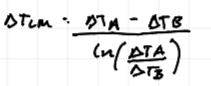
Mean log Temp
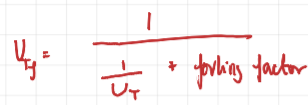
U total, with fouling factor
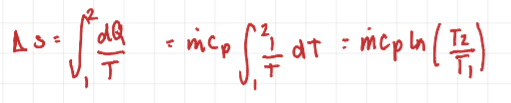
Change in entropy
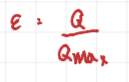
Heat exchanger effectiveness, ε
ε = rate of heat transfer / rate of max possible heat transfer
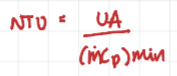
Number of transfer units, NTU
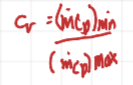
Capacity ratio, c

Transformer, max efficiency condition

Voltage regulation

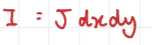
Resistance equation (for infinitesimal area/length)
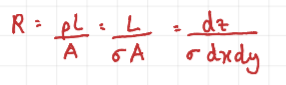
Current flow for infinitesimal area
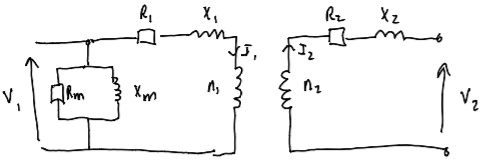
Transformer short circuit test
Neglect core & magnetising components

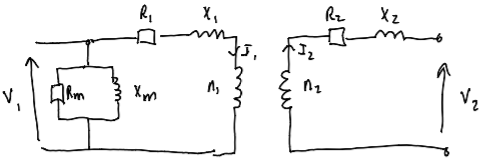
Transformer open circuit test
Neglect copper & flux leakage components

Cavitation: requirement & equation

Reaction, r (for turbine)

Velocity potential, φ
gradφ = V, for φ to exist vorticity, ζ, = 0

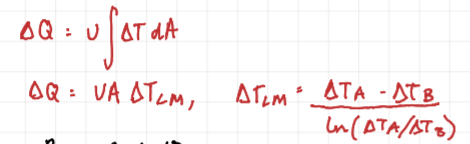
Heat exchanged, ΔQ (heat exchangers)
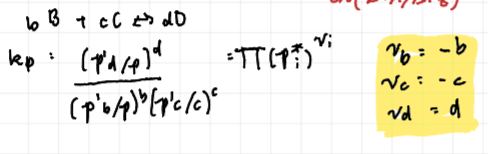
Equilibrium constant (equilibrium reactions)
What is different about high frequency transformers?
can be smaller for same power ratio
losses are higher so need different core construction

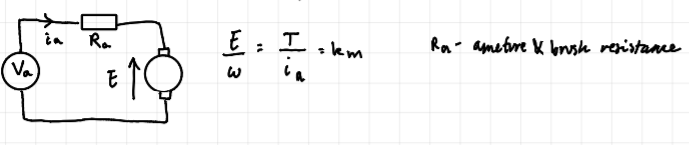
DC Brushed Motor (Permanent magnet DC motor)
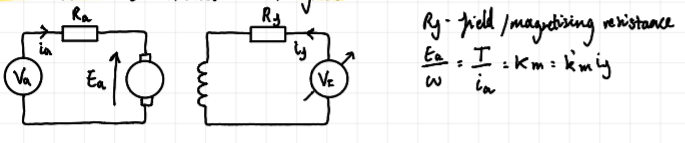
Separate Excitation PMDC motor
PMSM, AC Permanent magnet synchronous motor

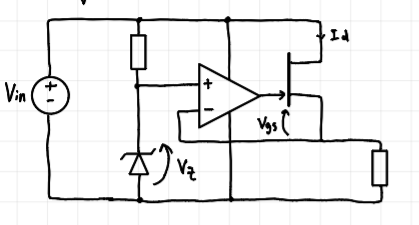
Linear Regulator
Buck converter
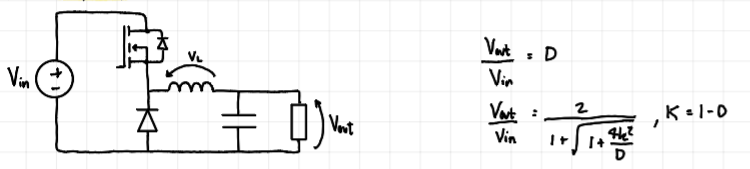
Boost converter

Buck - Boost converter
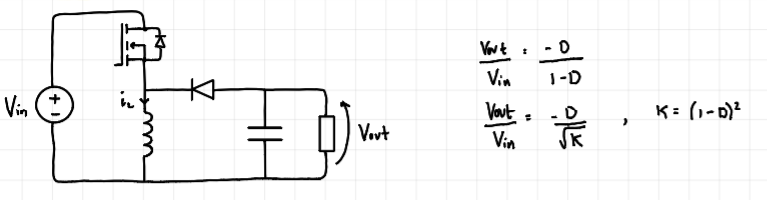
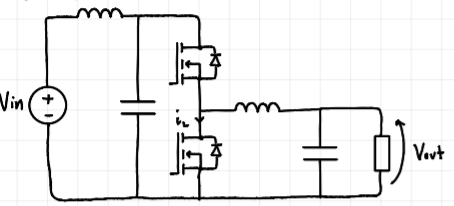
Half-bridge (circuit)
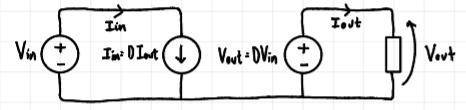
Half-bridge (avg power model)
Bridge rectifier
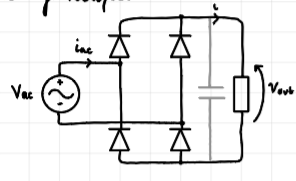
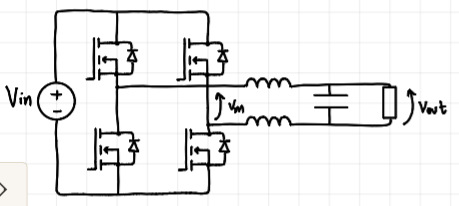
Full bridge rectifier