History of Architecture III - Exam 2
 Studied by 46 people
 Call with Kai
 Learn
Learn Practice Test
 Spaced Repetition
 Match
Match Flashcards
 Knowt Play
1/51

There's no tags or description
Looks like no tags are added yet.
Name | Mastery | Learn | Test | Matching | Spaced | Call with Kai |
|---|
No analytics yet
Send a link to your students to track their progress
52 Terms
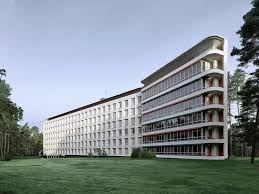
Paimio Tuberculosis Sanatorium (including interiors and furnishings)
Alvar Aalto
1929
Paimio, Finland
humanizing modernism; color therapy; ergonomic furniture; integrated design. Demonstrates Nordic Modernism’s warmer, more organic approach compared to stricter German functionalism
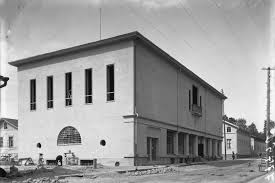
Jyvaskyla Workers’ Club
Alvar Aalto
1924
Jyvaskyla, Finland
Represents Finland’s transition from National Romanticism to the early adoption of European functionalism. Demonstrates architecture as a social instrument—mirroring working-class empowerment in early 20th-century Finland.
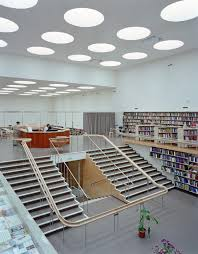
Vyborg Central Library
Alvar Aalto
1927
Vyborg, Russia
Aalto refines international modernism into a regional, human-centered vocabulary. Sets precedent for “soft modernism.”
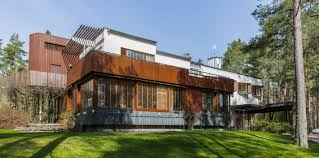
Villa Mairea
Alvar Aalto
1937
Noormarkku, Finland
One of the strongest early examples of regional modernism. Critique of cold machine aesthetics; shows modernism can be sensual and vernacular.
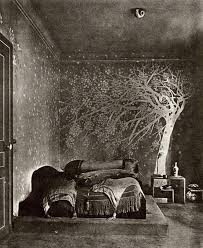
Paul Poiret Bedroom
Paul Poiret (fashion designer entering interior aesthetics)
1924
Illustrates crossover between haute couture and interior design. Influential in defining Art Deco luxury.
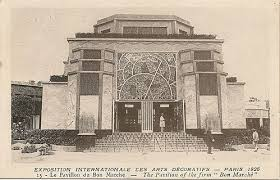
1925 Paris Exposition Internationale des Arts Décoratifs
Establishes modern decorative aesthetic celebrating craftsmanship + industry. Launchpad for designers like Ruhlmann and Rateau. World’s fair defining the Art Deco style
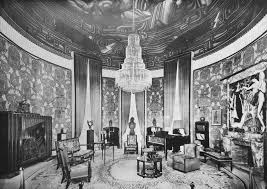
Grand Salon, Pavillon d’un Collectionneur
Émile-Jacques Ruhlmann
1925
Represents the peak of French Art Deco. Demonstrates tension between handcrafted luxury and emerging mass production.
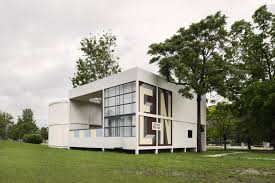
Pavilion de L’Esprit Nouveau
Le Corbusier
1925
Manifesto for the International Style. Introduces “machine for living.” Corbusier’s critique of Art Deco excess.
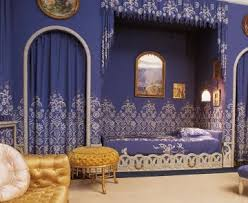
Bedroom for Jeanne Lanvin
Armand-Albert Rateau
1925
Brone furniture, stylized classical motifs. Fusion of classicism and Art Deco
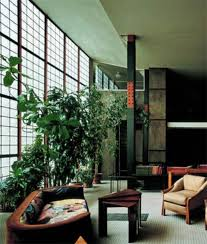
Maison de Verre
Pierre Charea
1932
Glass block facade. Hybrid industrial materials and delicate details. Early high-tech interior transparency
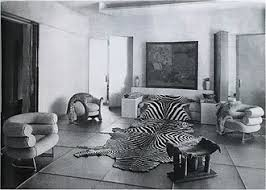
Salon de Verre
Eileen Gray and Paul Ruaud
1932
Mirrored surfaces, chrome, lacquer. Feminine modernism; challenge to male-dominated field
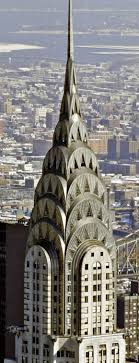
Chrysler Building
William Van Alen
1930
New York skyscraper race. Stainless-steel crown, sunburst pattern. Icon of American Art Deco verticality.
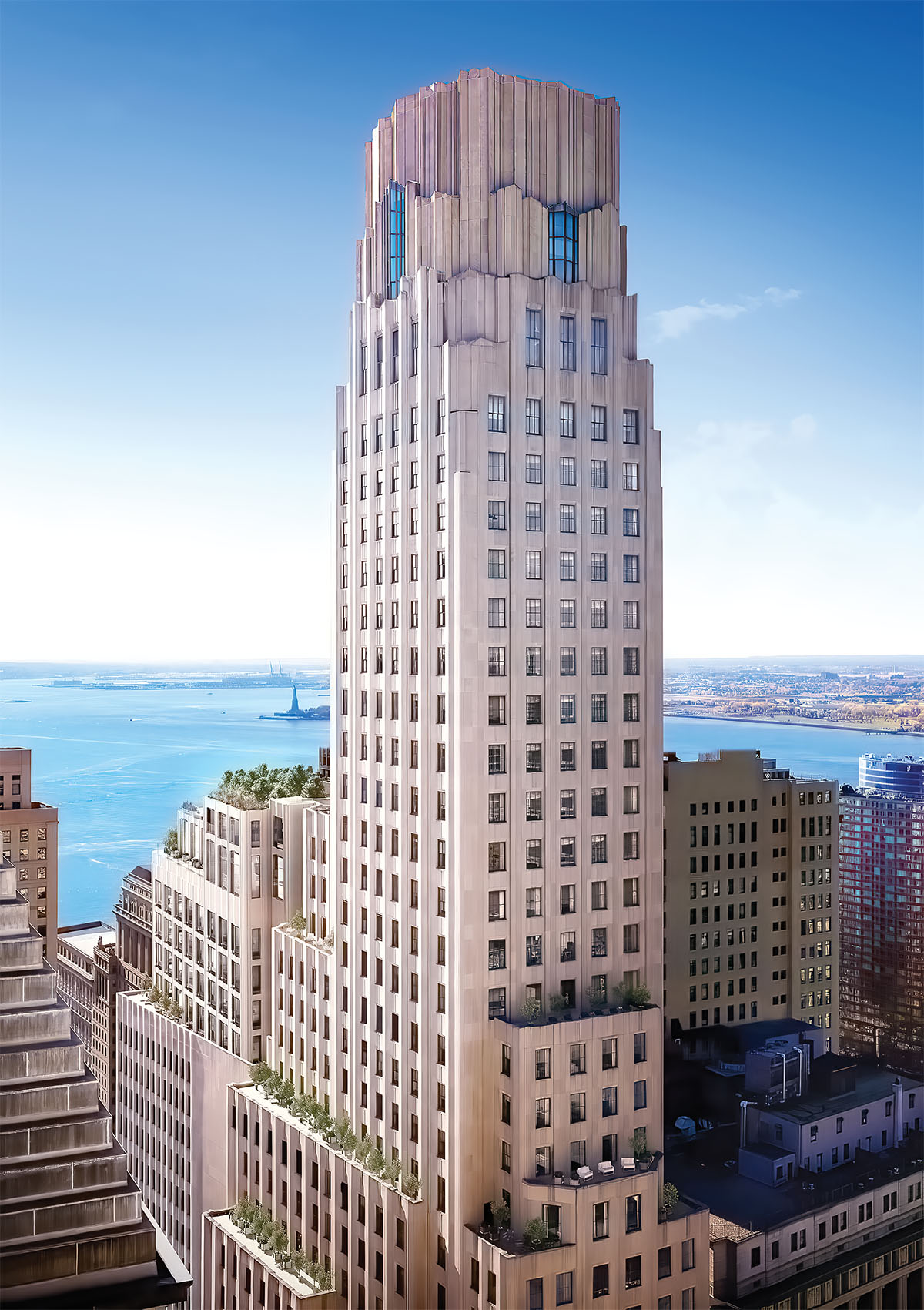
Irving Trust Banking Hall
Ralph Walker
1932
Sculptural Art Deco interior. Early corporate modern identity.
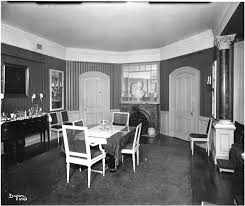
Dining Room at Irving Place
Elsie de Wolfe
Pastels, lightness, French neoclassical revival. Founder of modern interior decorating profession.
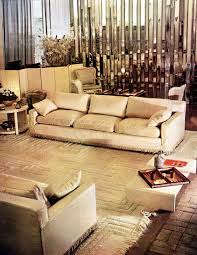
All-White Room
Syrie Maugham
1920s
Emphasizes light, luxury, purity. Influences Hollywood Regency.
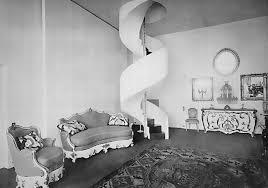
Beistigui Apartment
Le Corbusier, Terry
1929
Surrealist penthouse in Paris. Blends high modernism with fantastical set-like interiors.
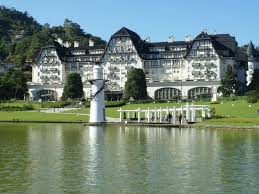
Quitandinha Hotel
Dorothy Draper
1946
Rio de Janerio, Brazil
Dramatic color palettes, Brazilian Baroque exuberance. Defines Draper’s bold American modern glamor.
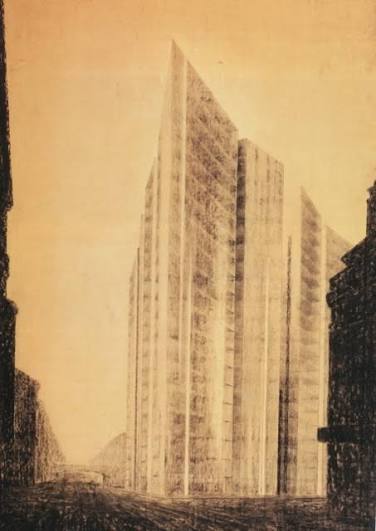
Friedrich Strasse Office Tower Competition Entry
Mies van der Rohe
1921
two pioneering, unbuilt glass skyscraper designs anticipating international style
Cartesian Skyscraper
Le Corbusier
1938
design concept that used structural rationalism + urban clarity.
Emigration of Mies van der Rohe & Walter Gropius to North America
After the rise of Nazism and the closure of the Bauhaus (1933), many leading modernists fled Europe. Mies and Gropius—two of the most influential—reshaped American architectural education and helped establish the U.S. as the new global center of modernism.
Harvard Graduate School of Design
Walter Gropius
1937
Appointed chair of the architecture department.
Reorganized the curriculum around modernist principles: functional planning, rational structure, interdisciplinary collaboration.
Merged Bauhaus ideals with American educational methods.
Trained an entire generation of postwar architects who carried modernism into corporate, institutional, and residential design (e.g., The Architects Collaborative). Harvard GSD and IIT became epicenters of modernist education, producing architects who led postwar corporate modernism, International Style skyscrapers, and institutional buildings.
Illinois Institute of Technology (IIT)
Mies van der Rohe
1938
Chicago
Became head of the architecture school and directed the redesign of the IIT campus. Introduced a disciplined, minimalist design pedagogy: “less is more,” structural clarity, grid rationalism. Elevated American architectural aesthetics toward pure form, material honesty, and industrial precision.
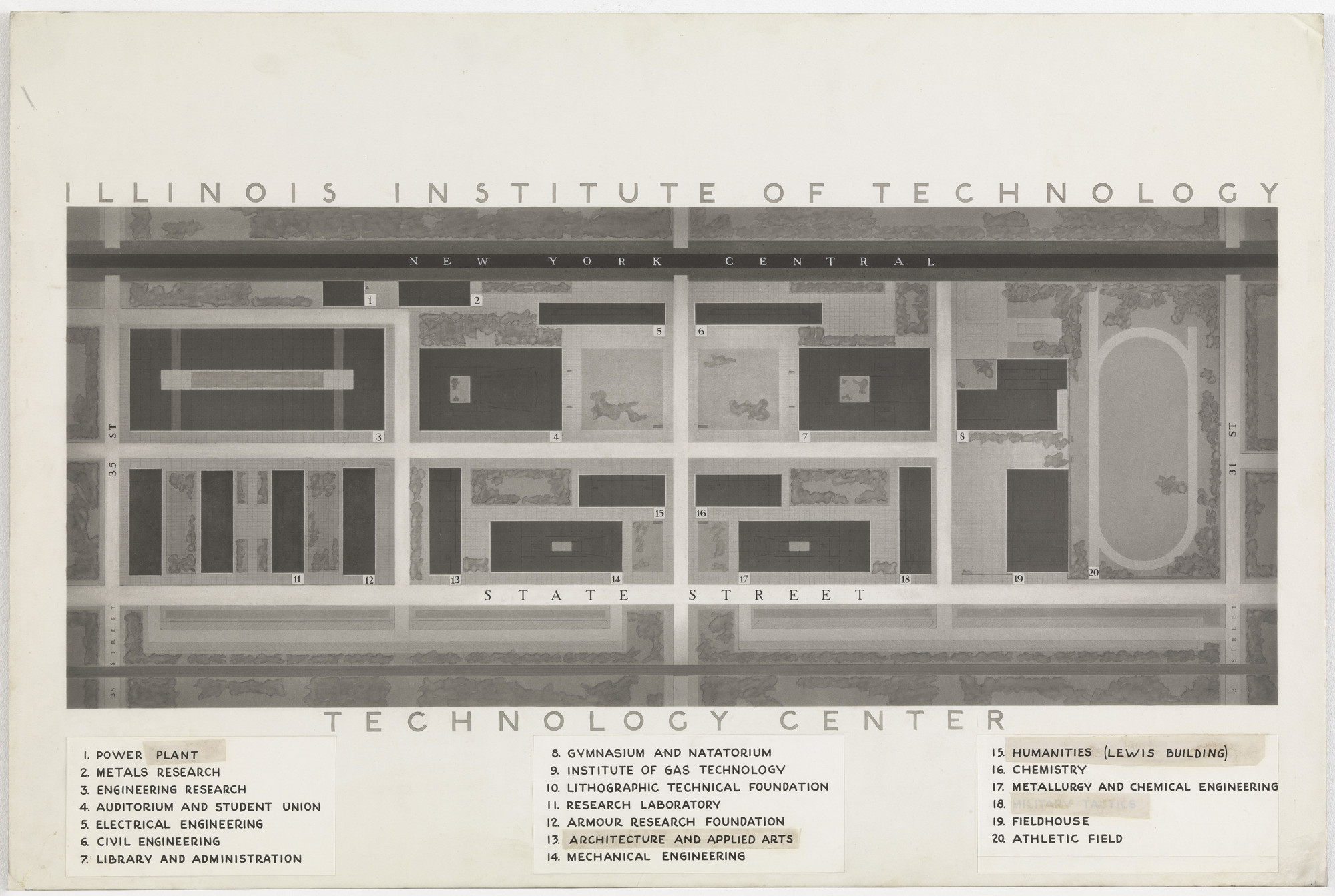
IIT Campus Plan
Mies van der Rohe
1939
Designed almost the entire campus—an unprecedented opportunity for a single architect. Rectilinear grid plan reflecting Mies’s belief in order and clarity. Steel-and-glass buildings with exposed structure, high modularity, and curtain walls.
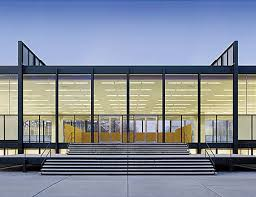
Crown Hall
Mies van der Rohe
1956
The masterpiece of the IIT campus. Houses the architecture school; called the "temple of modernism." Clear-span structure: roof supported by external steel girders, creating an uninterrupted interior studio space. Embodies Mies’s idea of "universal space"—adaptable, open, luminous.
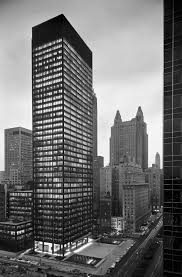
Seagram Building & Four Seasons Restaurant & Four Seasons Restaurant
Mies van der Rohe, Philip Johnson
1958
New York City, NY
Bronze façade, plaza, rigorous grid. Mature high modernism; luxurious corporate minimalism.
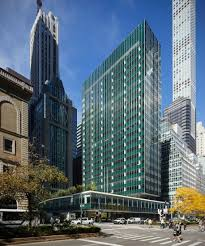
Lever House and Union Carbide
SOM
1952
reflects the shift toward clean, rational, glass-and-steel corporate architecture. It helped establish New York as the global postwar center of architectural innovation.
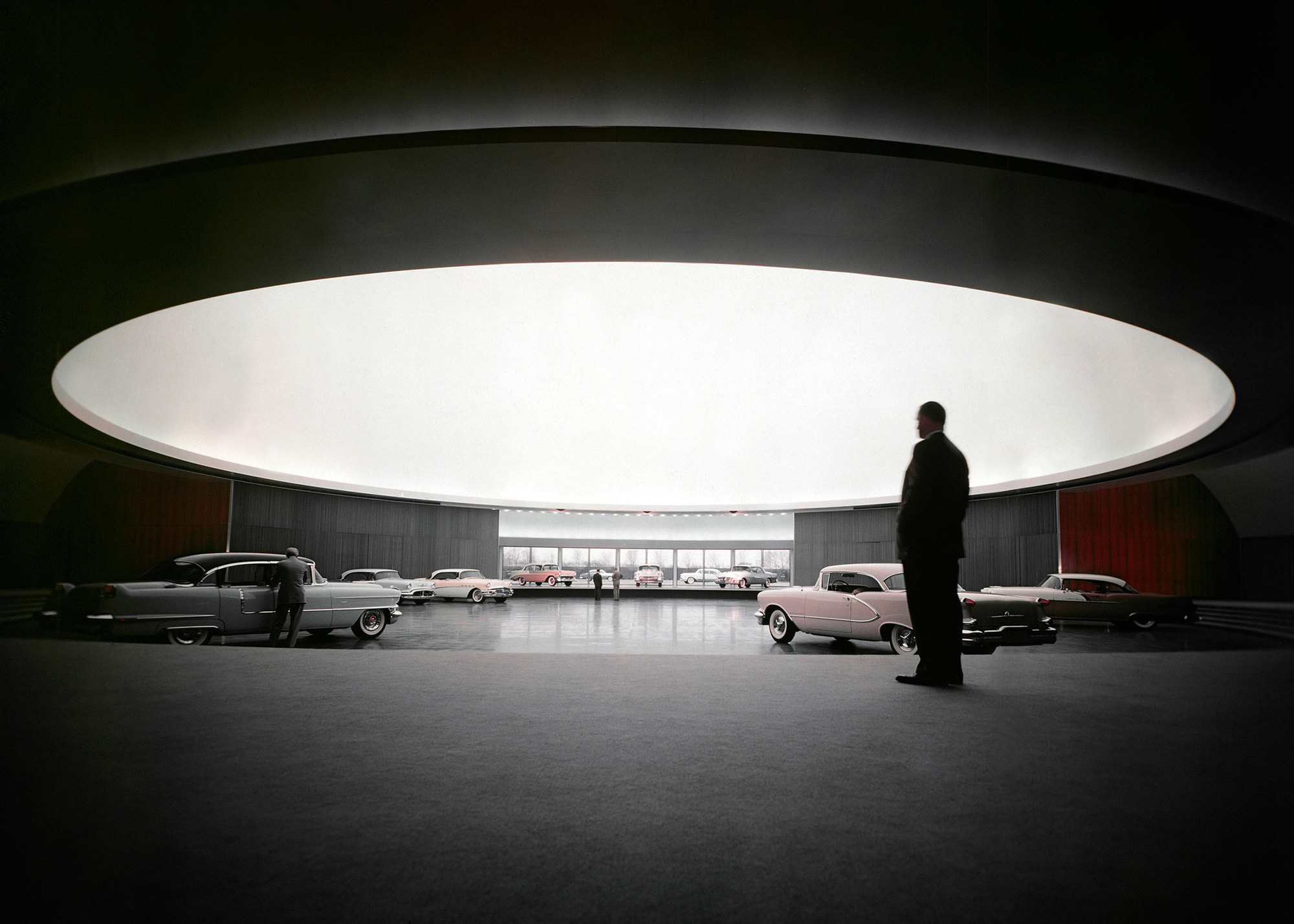
General Motors Technical Center
Eero Saarinen
1949
Landmark corporate campus in Warren, Michigan.
Known for International Style modernism: flat roofs, curtain walls, modular planning.
Landscape collaboration with Thomas Church and interiors by Florence Knoll.
Represents postwar optimism, tech-driven design, and the rise of corporate modernism.
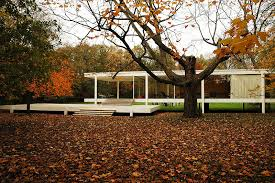
Farnsworth House
Mies van der Rohe 1945
Plano, Illinois
A paradigmatic glass-and-steel pavilion; “less is more” embodied.
Extreme minimalism, floating platform, transparency, and connection to nature.
Issues: Over-budget, not suited to flooding conditions → tensions with client Edith Farnsworth.
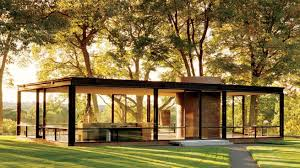
Glass House
Philip Johnson
1949
New Canann, CT
Inspired by Farnsworth/Mies but with Johnson’s own interpretations.
Transparent glass walls, minimal partitions, emphasis on landscape design.
Part of a larger estate with multiple experimental buildings.
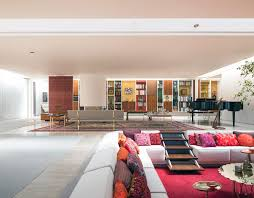
Miller House
Eero Saarinen and Alexander Girard
1957
Columbus Indiana
A precise modernist plan with a central hearth.
Girard created vibrant interiors, textiles, sunken conversation pit → iconic midcentury interior.
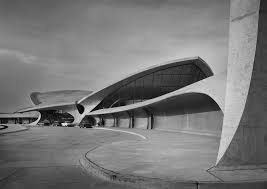
TWA Terminal
Eero Saarinen
1962
JFK Airport
Symbol of the Jet Age. Dramatic sculptural concrete shell evoking a bird in flight.
Sweeping curves, fluid spaces, intuitive circulation.
Example of expressive, neo-futuristic modernism
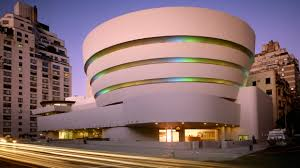
Guggenheim Museum
Frank Lloyd Wrigth
1959
New York City
Spiral ramp gallery → challenges traditional museum display.
Organic form, reinforced concrete.
Initially controversial; now iconic.
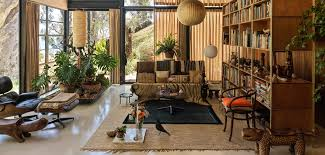
Eames House - Case Study House No. 8
Charles and Ray Eames
1949
Pacific Palisades, CA.
Modular prefabricated steel frame; colorful panels.
Designed as a living laboratory for creativity.
Interior: playful, “collage”-like, filled with objects → break from strict minimalism.
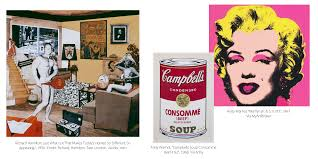
Pop Art and Consumer Culture
Richard Hamilton and Eduardo Paolozzi
British founders of Independent Group → early Pop Art.
Hamilton: “Just what is it that makes today’s homes so different, so appealing?” (1956)
Commentary on mass media, advertising, consumer objects.
Paolozzi: Collages using ads, comics, tech imagery → critique + celebration of consumer culture.
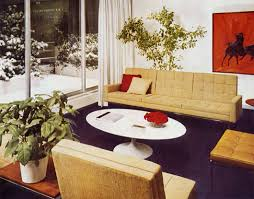
Florence Knoll
Architect/designer; transformed corporate interiors.
Introduced the “Knoll Look”: clean lines, modern materials, holistic design offices.
Designed iconic furniture: sofa, credenzas, planning tables.
George Nelson
Director of design for Herman Miller.
Developed the Action Office, Coconut Chair, Marshmallow Sofa.
Advocated for design as problem-solving and communication.
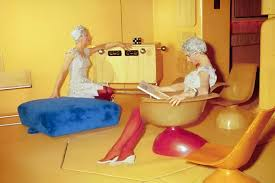
House of the Future
Alison & Peter Smithson
1956
A futuristic, plastic modular home shown at the Daily Mail Ideal Home Exhibition.
Showcased automation, built-ins, synthetic materials.
Influenced visions of postwar domestic life.
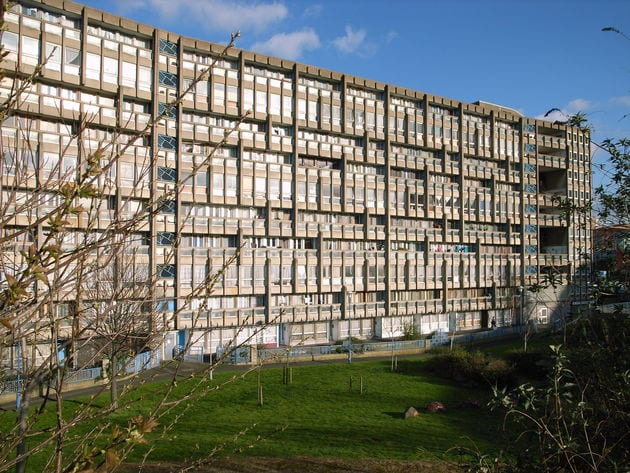
Robin Hood Gardens
Alison & Peter Smithson
1972
Example of Brutalism + “streets in the sky” housing concept.
London social housing project; controversial and eventually demolished.
Represents debate over postwar public housing.
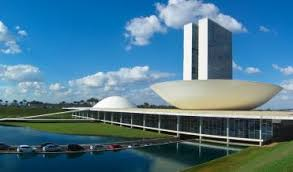
Ministry of Education and Health
Rio
Lucio Costa, Oscar Niemeyer
1936
Early modernist icon in Latin America.
Corbusian pilotis, brise-soleil sunshades, roof garden.
Collaboration with Le Corbusier (consultant).
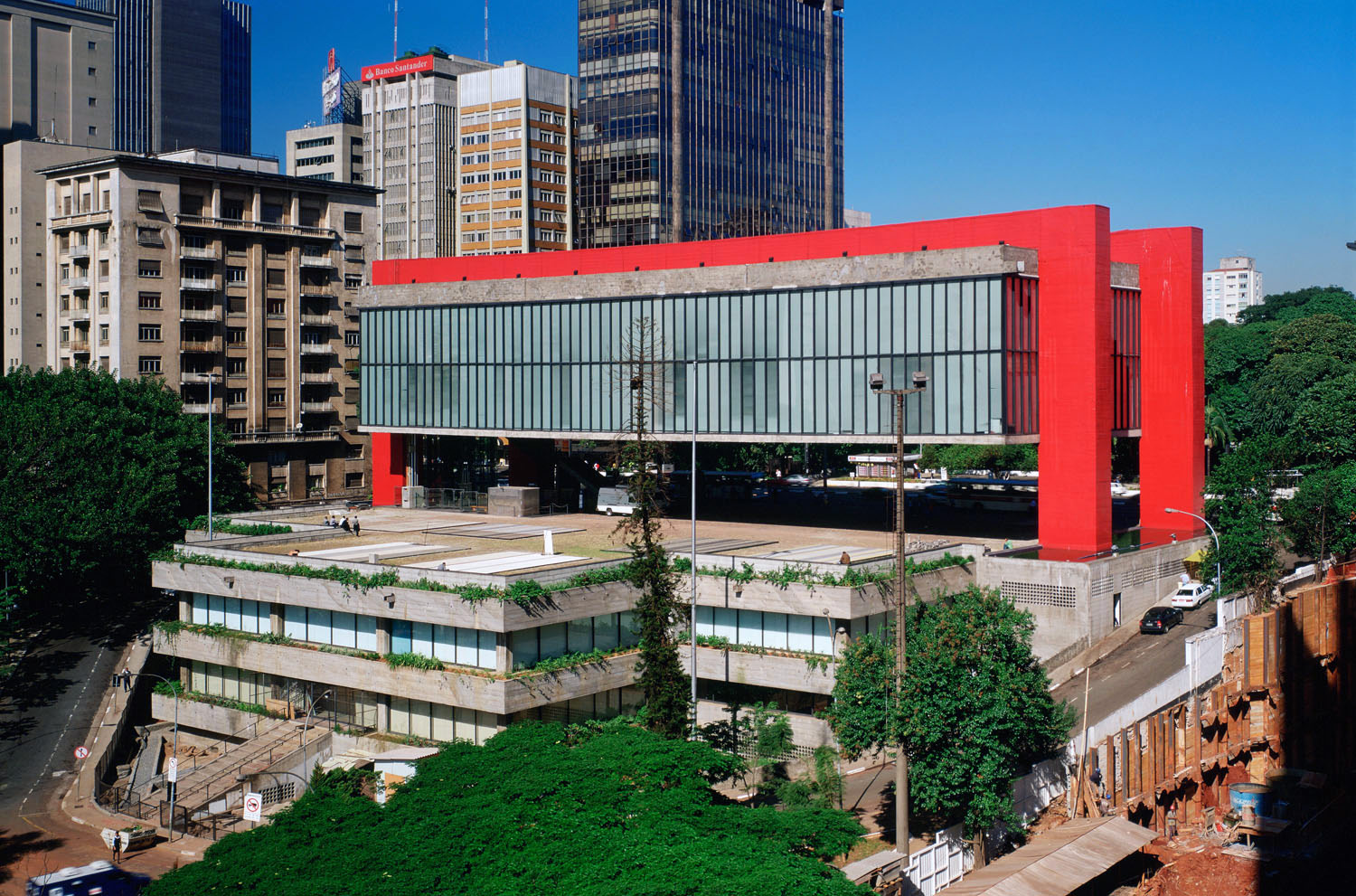
São Paulo Museum of Art (MASP)
São Paulo
Lina Bo Bardi,
1968
Suspended glass volume held by two iconic red beams.
Open plaza underneath → democratized public space.
Radical display system using glass easels.
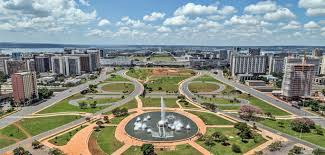
Brasília
Lucio Costa + Oscar Niemeyer
1957–60
Costa’s plan shaped like a cross/airplane.
Superquadras: standardized residential blocks.
Monumental Axis: government + cultural buildings.
National Congress: twin towers + domes (one convex, one concave).
Cathedral of Brasília: hyperboloid structure.
Use of concrete for sculptural, expressive forms.
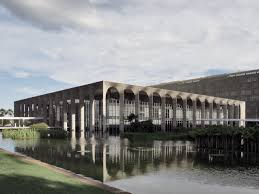
Itamaraty Palace (Palácio dos Arcos), Brasília
Niemeyer
1970
Headquarters of Brazilian Ministry of External Relations.
Monumental arches surrounding a glass box → modern + classical.
Interiors include grand stair, reflecting pools, lush landscape by Burle Marx.
Farnsworth House (Mies) vs. Glass House (Johnson)
Similarities
Both built 1940s–50s as glass-and-steel modernist residences.
Radical transparency → dissolve boundary between interior/exterior.
Minimal structure, flat roof, open plan.
Influenced by Miesian International Style.
Differences
Farnsworth: extreme minimalism, elevated, white, rural, very restrained.
Glass House: part of a larger estate, uses brick cylinder core, more playful, Johnson added multiple “folly” buildings.
Farnsworth feels clinical; Glass House is curated + scenographic.
Farnsworth House (Mies) vs. Eames House (Case Study 8)
Similarities
Postwar modernist experimentation with domestic space.
Steel-frame technologies.
Strong connection to landscape.
Differences
Eames House: colorful, modular, filled with objects → “collage” aesthetic.
Farnsworth: radical reduction, uniform materials, no ornament.
Eames celebrates domestic life; Mies suppresses it.
Glass House (Johnson) vs. Eames House (Eames)
Similarities
Iconic American modern houses.
Both integrate architecture + landscape.
Differences
Glass House: transparent box, minimal.
Eames: playful, patterned, filled with textiles/objects.
Johnson references European modernism; Eameses create a uniquely American, humanist modernism.
Miller House (Saarinen/Girard) vs. Eames House
Similarities
Vibrant, personalized interiors.
Collaboration with designers (Girard textiles vs. Eames objects).
Postwar modern domesticity.
Differences
Miller House: formal, geometric, sunken conversation pit, high-end luxury.
Eames House: more informal, modular, lived-in.
Miller House is deeply programmed; Eames is flexible + experimental.
GM Technical Center vs. TWA Terminal
Similarities
Both Saarinen projects.
Show the evolution of his design language.
Integrate architecture + new industrial technologies.
Differences
GM Center: rectilinear, modular, International Style corporate campus.
TWA Terminal: sculptural, expressive concrete shell.
GM = order + rationality.
TWA = emotion + movement.
TWA Terminal vs. Guggenheim Museum (Wright)
Similarities
Highly sculptural forms.
Concrete used expressively.
Challenge conventional circulation.
Differences
Guggenheim: continuous ramp, organic geometry.
TWA: evokes flight, branching plan, dramatic vaults.
Wright = organic; Saarinen = futuristic.
MASP (Lina Bo Bardi) vs. Itamaraty Palace (Niemeyer)
Similarities
Bo Bardi’s attention to social purpose.
Integration of interior + exterior.
Differences
Glass House: domestic, light, nestled in landscape.
MASP: massive urban presence, heavy red beams, public museum.
Scale: intimate home vs civic monumental landmark.
Brasília (Niemeyer + Costa) vs. Robin Hood Gardens (Smithsons)
Similarities
Both attempt utopian social planning.
Responses to postwar societal needs.
Differences
Brasília: top-down, monumental, civic symbolism.
Robin Hood Gardens: bottom-up social housing theories (“streets in the sky”).
Brasília celebrates the state; RHG addresses low-income residents.
RHG was criticized → demolished; Brasília is UNESCO listed.
Seagram Building vs. Lever House
Similarities
1. International Style Modernism
Both use glass-and-steel curtain walls.
Both emphasize structural clarity, minimal ornament, and clean geometry.
2. Urban Corporate Headquarters
Designed for major corporations (Seagram → liquor company, Lever House → Lever Brothers).
Located on Park Avenue, influencing the corporate identity of the avenue.
3. Public plaza + set-back innovation
Lever House introduced the idea with its open ground-level and raised slab.
Seagram refined the concept with a major plaza that set a new standard for zoning.
4. Curtain Wall Construction
Both are early and influential examples of true curtain-wall façades in the U.S.
5. Represent postwar corporate modernity
Sleek, rational, elegant → symbolize professionalism and progress.
Differences
1. Aesthetic Expression
Seagram Building (Mies)
Tall, bronze-colored, uniform verticality.
Extremely refined proportioning (Mies’s obsession with detail).
Decorative bronze I-beams express the façade’s structural rhythm.
Lever House (SOM)
Light green heat-resistant glass curtain wall.
Horizontal + vertical volumes: slab tower rising from a low base.
Lighter, more playful early modernist expression.
2. Massing + Form
Seagram
Simple setback rectangular tower rising from a broad plaza.
Strong, monolithic presence.
Lever House
A podium + slab composition:
A 3-story horizontal base
A thin slab tower above
More dynamic interplay of shapes.
3. Plaza + Urban Influence
Seagram
Created a formal public plaza—a radical move that influenced NYC zoning (1961 Zoning Resolution bonus for plazas).
Plaza becomes part of the architectural experience.
Lever House
While open at ground level, it does not create a formal plaza like Seagram.
Its base volume is lifted on pilotis, creating openness but not a civic forecourt
4. Materials
Seagram
Luxurious: bronze, marble, travertine.
Extremely expensive for a corporate tower.
Lever House
Economical: glass, steel, and aluminum curtain wall.
Emphasizes efficiency and technology over luxury.
5. Influence + Legacy
Lever House
First fully glass curtain-wall skyscraper on Park Ave.
Pioneered the typology.
Seagram Building
Considered the masterpiece and refinement of the modern office tower.
Its proportions, plaza, and detailing became the gold standard internationally.
Paimio Tuberculosis Sanatorium vs. Ministry of Education and Health
SIMILARITIES
1. Early Modernist Landmarks
Both represent major architectural shifts in their countries and become national symbols of modernism.
2. Functionalist Approaches
Each building’s form follows its function:
Ministry → office/administrative efficiency
Paimio → healing environment for TB patients
3. Climatic + Environmental Considerations
Ministry uses brise-soleil sun shading for tropical climate.
Paimio uses orientation + natural ventilation for patient recovery.
4. Social Purpose
Ministry symbolizes modernization and progressive governance.
Paimio embodies public health reform with architecture serving wellbeing.
5. Incorporation of Modern Materials
Both use reinforced concrete as a flexible modernist material.
DIFFERENCES
1. DESIGN INTENT / PRIMARY PURPOSE
Ministry of Education and Health
Civic/government building
Represents Brazil’s national modernization
Symbol of institutional power
Paimio Sanatorium
Healthcare facility for TB patients
Focused entirely on healing, rest, comfort
Human-centered and therapeutic
2. ARCHITECTURAL EXPRESSION
Ministry
Bold, urban, monumental modernism
Strong vertical tower + open pilotis
Brise-soleil, glass curtain walls
Public plaza + art integration (murals, gardens by Burle Marx)
Paimio
Human-scaled modernism
Horizontal wings and terraces to capture sunlight
Soft colors, calming interiors, organic shapes
Designed almost like a “medical machine” for healing
3. APPROACH TO CLIMATE + ENVIRONMENT
Ministry
Tropical adaptation of Corbusian modernism
Brise-soleil panels adjust for sun
Orientation for ventilation and shading
Paimio
Northern European climate
Patient rooms oriented east for morning light
Roof terrace for sun therapy
Quiet ventilation and acoustics designed for recovery
4. ROLE OF INTERIORS
Paimio (HUGE difference)
Aalto designs everything:
Paimio chair for patients
Rounded sinks to reduce splash noise
Warm, natural materials
Interior = medical tool for healing
Highly sensitive to patient psychology
Ministry
Interior is more conventional for office work
Not emotionally-driven design; focuses on efficiency + public image
Interiors support administrative function
5. RELATIONSHIP TO CONTEXT
Ministry
Urban landmark in downtown Rio
Announces Brazil’s modernization to the world
Works with city grid + tropical garden landscape
Paimio
Secluded forest site
Architecture integrated with nature for recovery
Isolation is part of the medical cure strategy
 Note
Note  Flashcards (179)