TEAS 2025 - English and Language Use
 Call Kai
 Learn
Learn Practice Test
 Spaced Repetition
 Match
Match Flashcards
 Knowt Play
1/35

There's no tags or description
Looks like no tags are added yet.
Name | Mastery | Learn | Test | Matching | Spaced | Call with Kai |
|---|
No analytics yet
Send a link to your students to track their progress
36 Terms
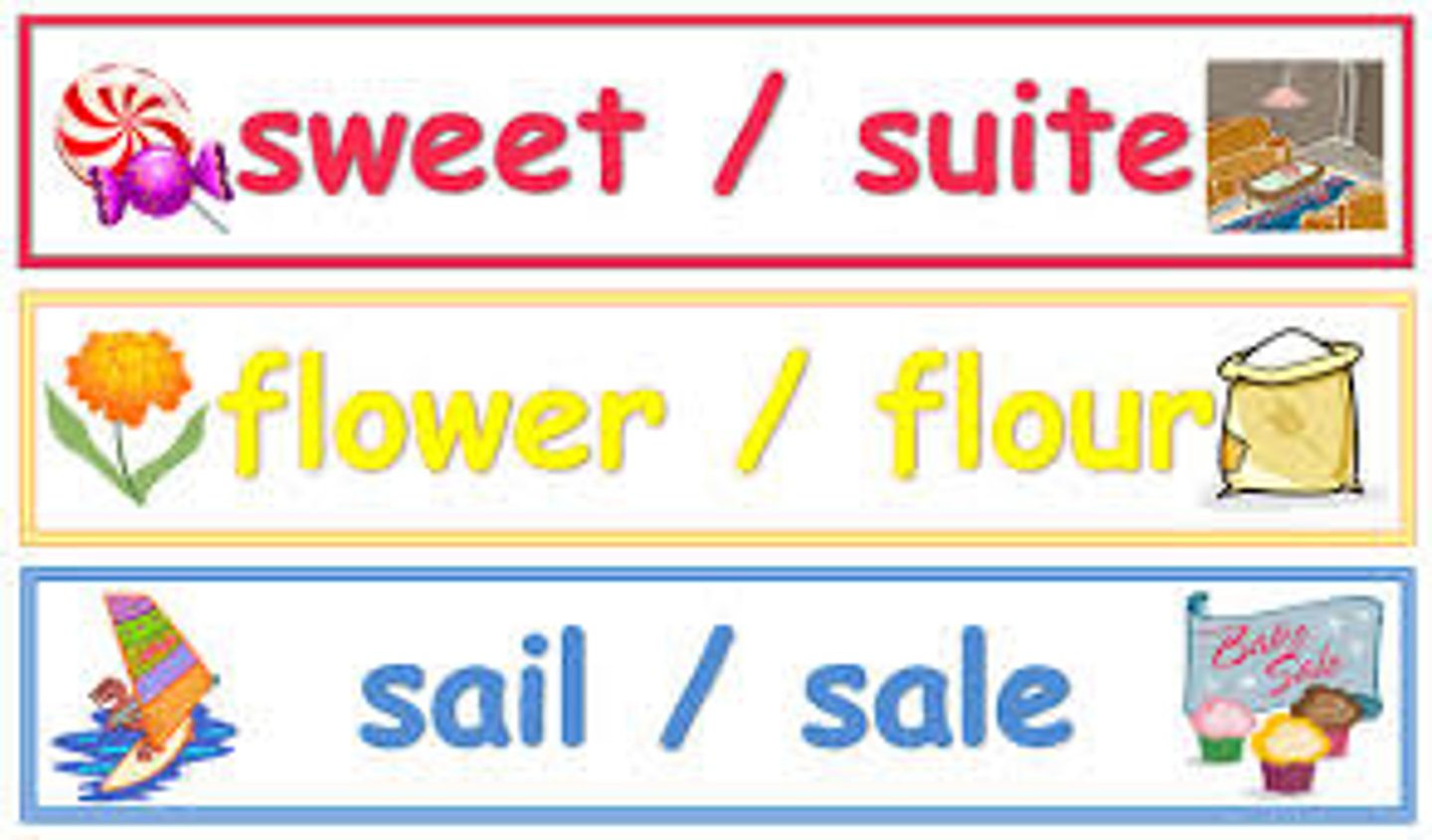
Homophones
Words that sound the same, such as "new" and "knew," but have different meanings
Ex: to/too/two
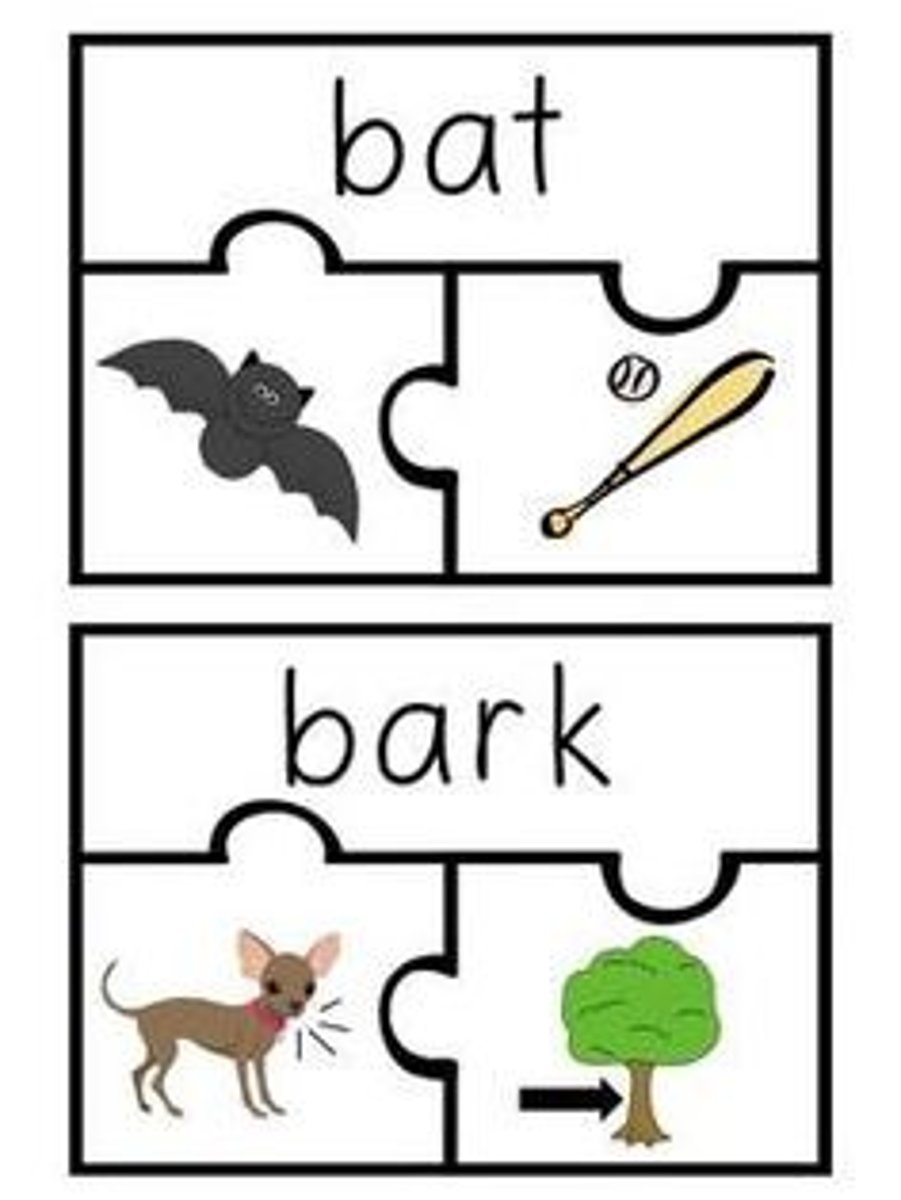
Homographs
Words that are spelled the same, such as "bass" (a fish) and "bass" (a musical instrument), but have different meanings and may be pronounced differently
Ex: tear (v) = rip something; tear (n) = water drop from the eye
"i" before "e" except after "c" or when sounding like "a"
1) "Fierce"
2) "Conceive"
3) "Neighbor"
__ before ___ except after __ or when sounding like __
1) "F__rce"
2) "Conc__ve"
3) "N__ghbor"
"i" before "e"
Believe
Hygiene
Friend
Field
Relief
"i" before "e"
Bel___ve
Hyg__ne
Fr__nd
F__ld
Rel__f
"i" before "e" EXCEPT after c
Ceiling
Conceit
Deceive
Receive
"i" before "e" EXCEPT after ___
C__ling
Conc__t
Dec__ve
Rec__ve
Exceptions for "i" before "e"
1) Make an "A" sound
beige
rein
sleigh
neighbor
weight
2) General exceptions
codeine
leisure
caffeine
Exceptions for "i" before "e"
1) Make an "A" sound
b__ge
r__n
sl__gh
n__ghbor
w__gh
2) General exceptions
cod__ne
l__sure
caff__ne
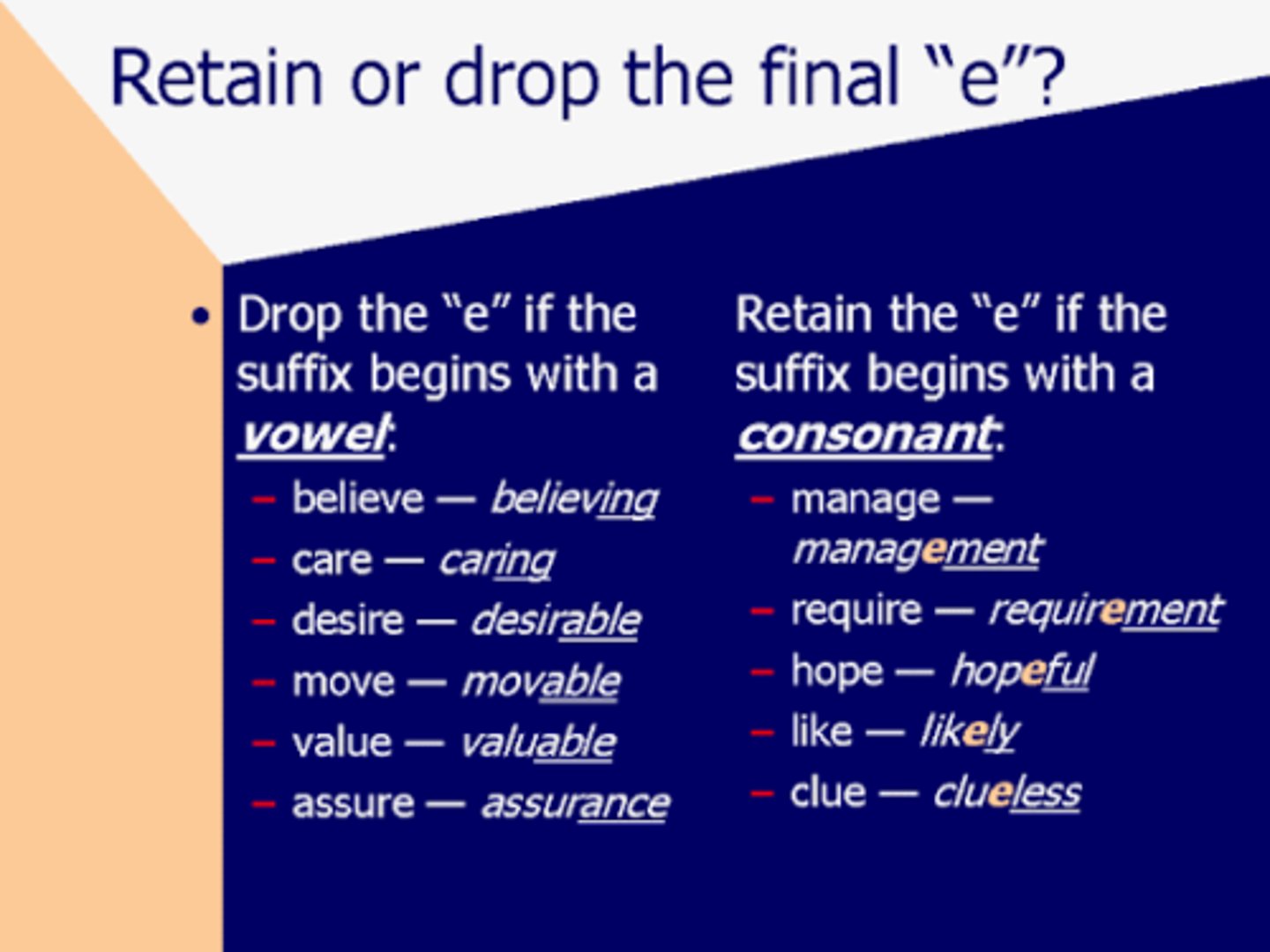
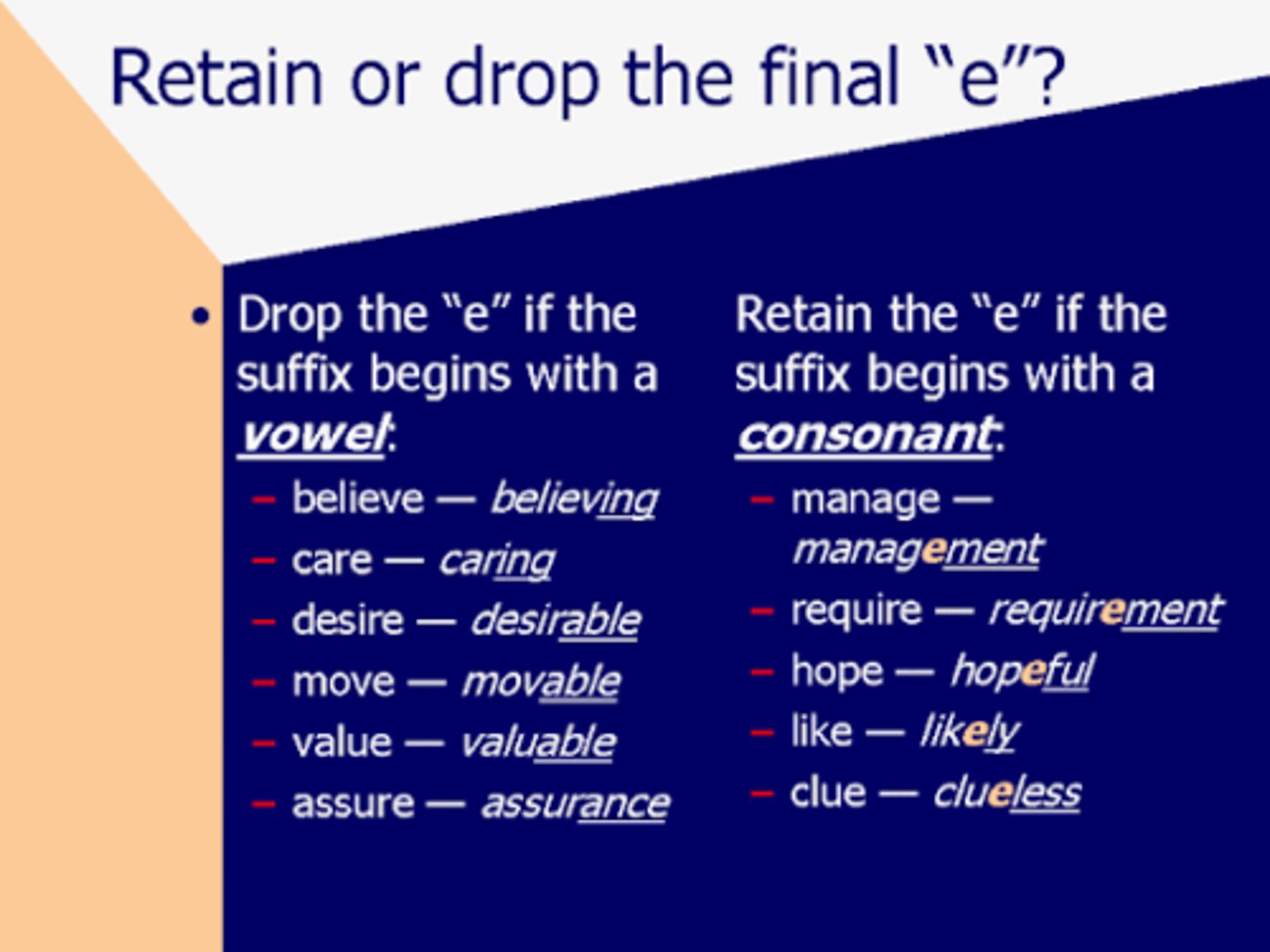
Drop the Final "e" - when adding a suffix to a word that ends in "e", drop the "e" if the suffix begins with a vowel
Drop the Final "e" - when adding a suffix to a word that ends in "e", drop the "e" if the suffix begins with a _______
Vowels
a, e, i, o, u

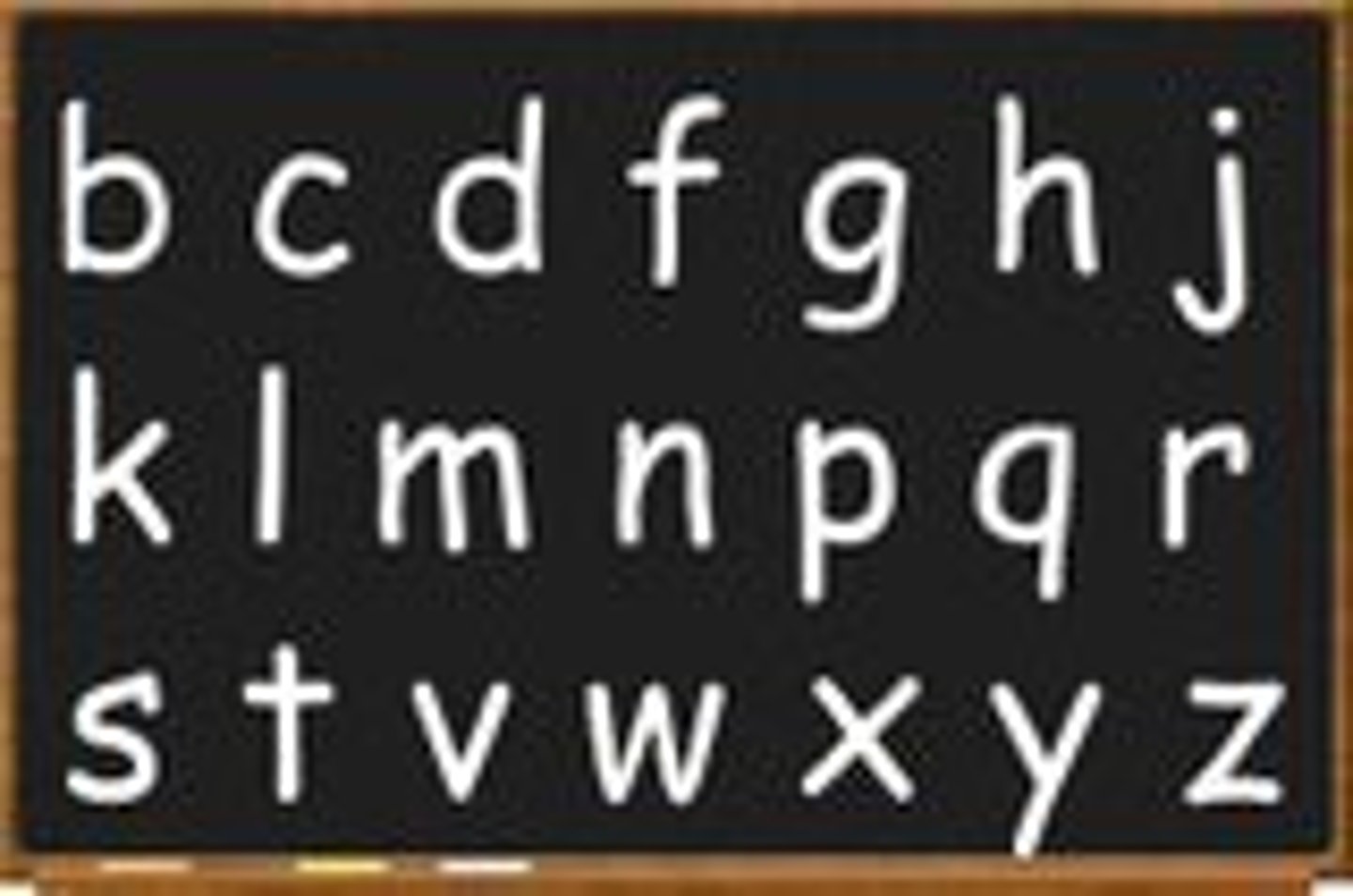
Consonants
Drop the Final "e" before a Vowel
1. Believe + able = believable
2. Advise + ing = advising
3. Guide + ance = guidance
Drop the Final "e" before a _________
1. Believe + able = _____________
2. Advise + ing = __________
3. Guide + ance = ______________
Keep the "e" before a Consonant
1. Nice + ly = nicely
2. Amaze + ment = amazement
3. Rude + ness = rudeness
Keep the "e" before a Consonant
1. Nice + ly = ________
2. Amaze + ment = _______________
3. Rude + ness = _______________
Exceptions to Drop the Final "e" before a Vowel and Keep the "e" before a Consonant
1. Notice + able = noticeable
2. Argue + ment = argument
3. Courage + ous = courageous
Exceptions to Drop the Final "e" before a Vowel and Keep the "e" before a Consonant
1. Notice + able = _______________
2. Argue + ment = _____________
3. Courage + ous = ______________
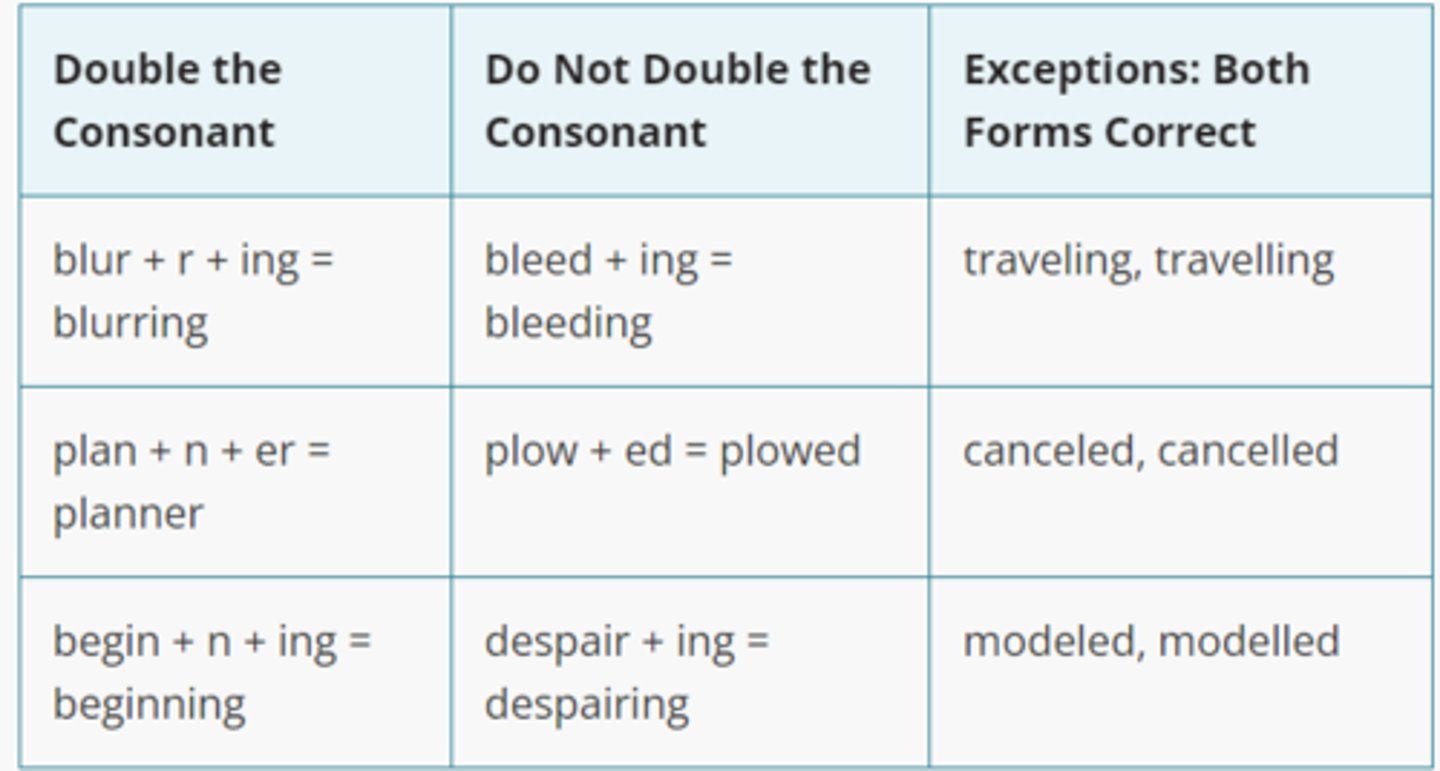
Double the Final Consonant Rule - double the final consonant when a single vowel precedes the final consonant and the final syllable of the word is stressed after the ending
Ex: prefer --> preferred or preferring
"FER" is stressed, so the "r" is doubled
Double the Final Consonant Rule - double the final consonant when a single vowel precedes the final consonant and the final syllable of the word is stressed after the ending
Ex: prefer --> preferred or preferring
"FER" is stressed, so the "r" is doubled
Double the Final Consonant Rule
Blur + ing = blurring
Plan + er = planner
Begin + ing = beginning
Double the Final Consonant Rule
Blur + ing = ___________
Plan + er = ____________
Begin + ing = ______________
Do not Double the Final Consonant - if the last syllable of a multisyllable word is unstressed, don't double the final consonant. Never double w, x, or y
1. Bleed + ing = bleeding
2. Plow + ed = plowed
3. Despair + ing = despairing
4. Read + ing = reading
Do not Double the Final Consonant - if the last syllable of a multisyllable word is unstressed, don't double the final consonant. Never double __, __, or __
1. Bleed + ing = ____________
2. Plow + ed = __________
3. Despair + ing = ____________
4. Read + ing = _________
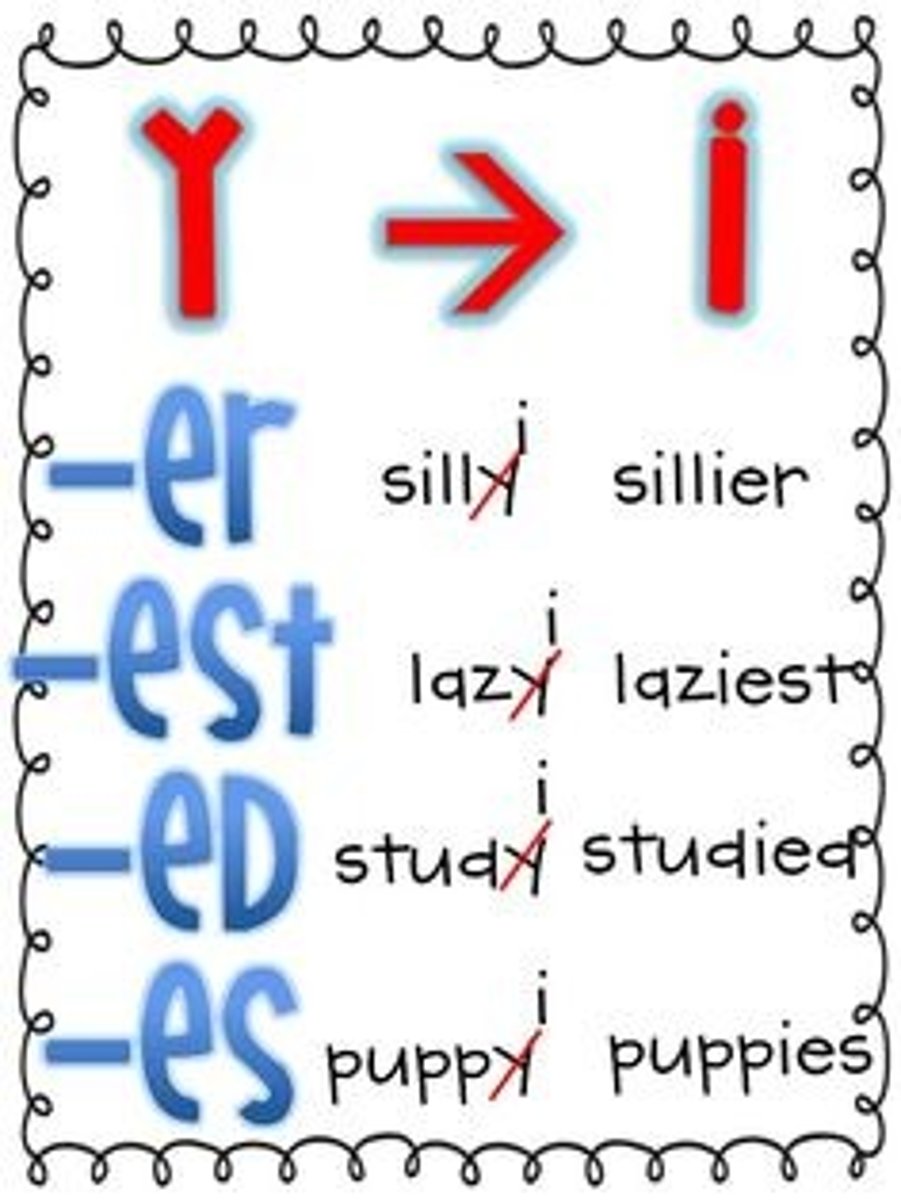
Change the final "y" to an "i" - When adding a suffix to a word ending in "y" preceded by a consonant, change the "y" to "i" and add the suffix. Do not change the "y" if the suffix begins with i
Change the final "y" to an "i" - When adding a suffix to a word ending in "y" preceded by a c__________, change the "y" to "i" and add the suffix. Do not change the "y" if the suffix begins with __
Change the final "y" to an "i" following a Consonant
1. Beauty + ful = beautiful
2. Worry + ed = worried
3. Supply + ed = supplier
Change the final "y" to an "i" following a Consonant
1. Beauty + ful = _____________
2. Worry + ed = ___________
3. Supply + ed = ____________
Do not change the "Y" following a Vowel
1. Day + s = days
2. Obey + ed = obeyed
3. Relay + s = relays
Do not change the "Y" following a Vowel
1. Day + s = _____
2. Obey + ed = __________
3. Relay + s = ______
Do not change if the suffix begins with "i"
1. Cry + ing = crying
2. Worry + ing = worrying
3. Supply + ing = supplying
Do not change if the suffix begins with "i"
1. Cry + ing = ___________
2. Worry + ing = _____________
3. Supply + ing = ___________
Rules for Plurals
1. For regular plurals, you only need to add "-s."
- Examples: apple/apples, car/cars, nurse/nurses.
2. Add "-es" for words ending in "-ch," "-s," "-sh," "-x," or "-z."
- Examples: dash/dashes, lunch/lunches, boss/bosses.
3. Change to "-ves" for some words ending in "-f" or "-fe."
- Examples: elf/elves, life/lives, self/selves.
- Exceptions: chief/chiefs, proof/proofs.
Rules for Plurals
1. For regular plurals, you only need to add "-s."
- Examples: apple/_______, car/_____, nurse/_______.
2. Add "-es" for words ending in "-ch," "-s," "-sh," "-x," or "-z."
- Examples: dash/dashes, lunch/________, boss/_______.
3. Change to "-ves" for some words ending in "-f" or "-fe."
- Examples: elf/_______, life/______, self/________.
- Exceptions: chief/_______, proof/________.
Oxford Comma
The comma before the "and" in a simple series of items
Ex: In order to begin training as a long-distance runner, you will need high-quality shoes, socks, and running clothes.
Independent Clause
A group of words that includes a subject and predicate and can stand alone as a complete sentence because it expresses a complete thought
Ex: I have been lifting weights for over a year.
Dependent Clause
A group of words that includes a subject and verb but cannot stand alone as a complete sentence because it does not express a complete thought
Ex: Although I enjoy running.....
Simple Sentence
A _________ sentence contains one idea or independent clause and uses only an end mark.
Ex: I have been lifting weights for over a year.
Compound Sentence
A ___________ sentence has two independent clauses. Use a comma before the conjunction that joins the clauses. Use a semicolon between two related independent clauses. Use a semicolon before a transition word that connects two independent clauses and a comma after a transition.
Ex: I have been lifting weights for over a year, and I finally set a new maximum bench press.
Complex Sentence
A __________ sentence has an independent clause and a dependent clause. Use a comma following an introductory subordinate clause to separate it from the independent clause. You do not need a comma if the subordinate clause follows the independent clause.
Ex: When I went to the gym, I found it was closed.
Coordinate Adjectives
Two equally weighted adjectives that describe the same noun and require a comma between them
Ex: I ate a big, red apple.
Predicate
The part of a sentence that explains what the subject does or is like
Ex: I am studying. (subject = I; p__________ = am studying)
Ex 2: Charlie exercises every day (subject = Charlie; p_________ = exercises every day)
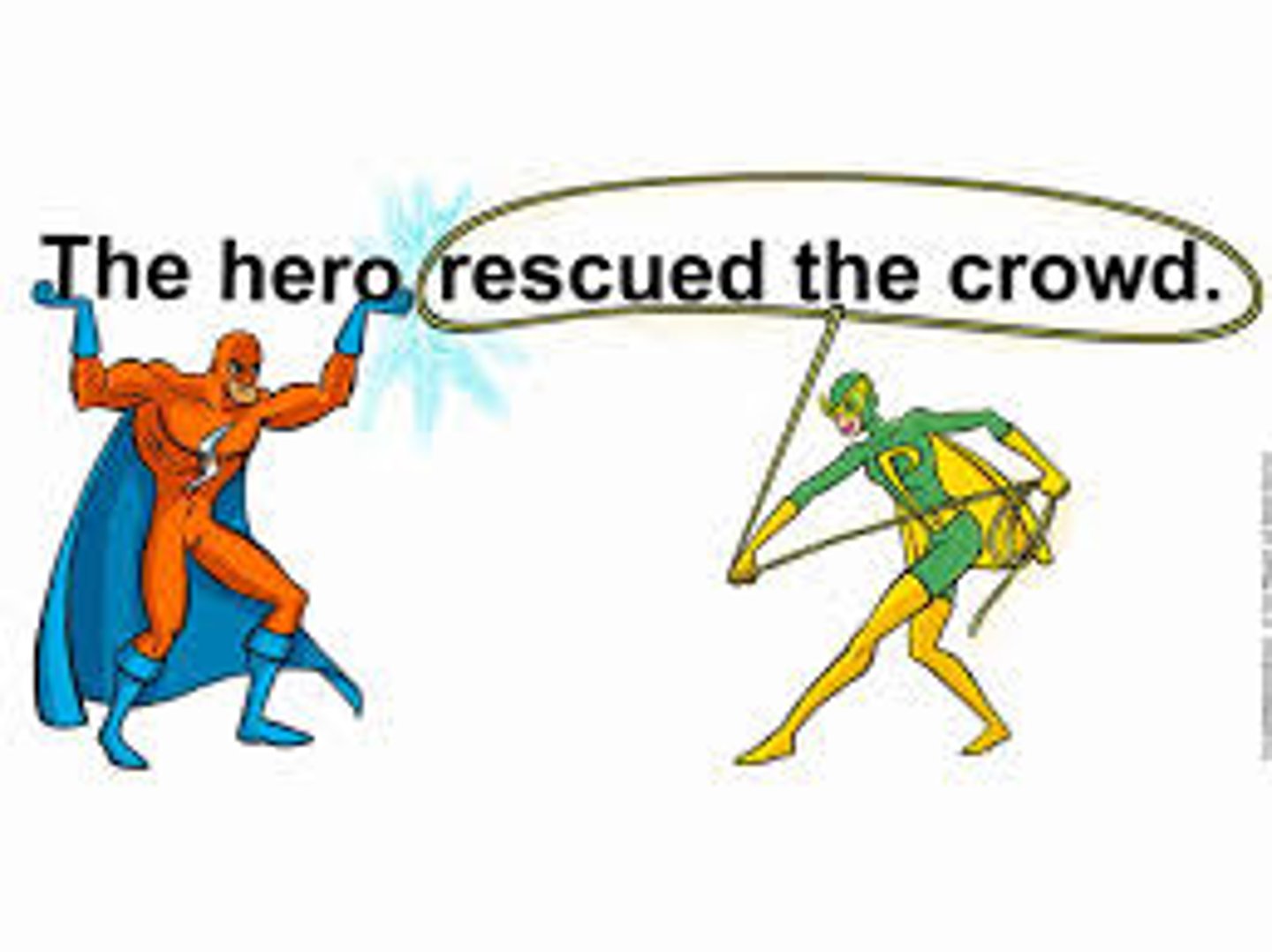
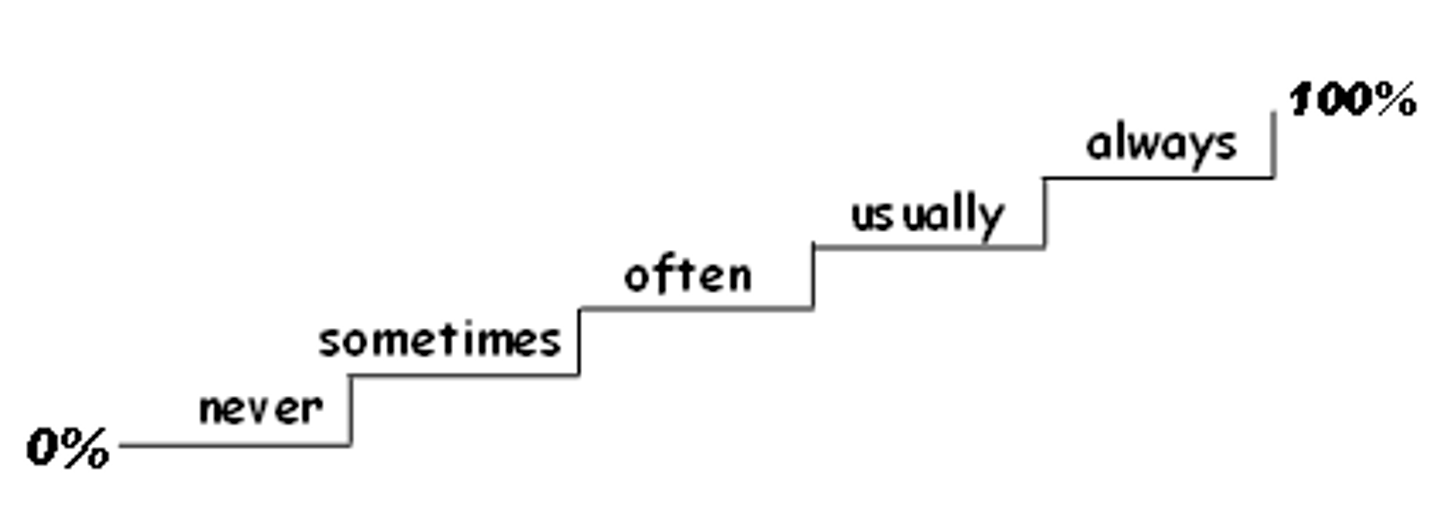
Adverbs
__________ describe or modify adjectives, verbs, or other adverbs
Ex: easily, quickly, triumphantly.
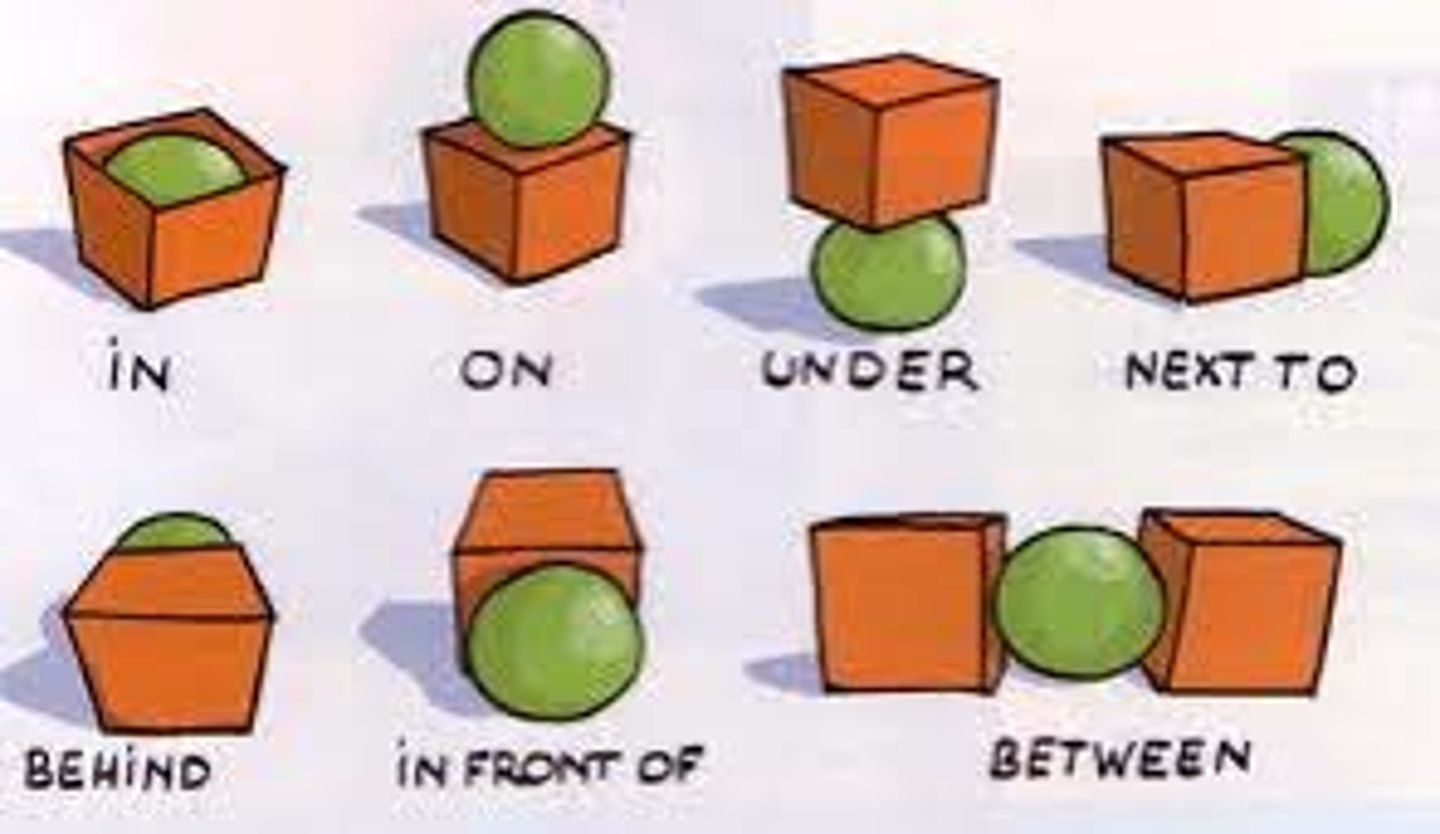
Preposition
A word that shows the relationship of a noun or pronoun to another word
Ex: before, according to, since
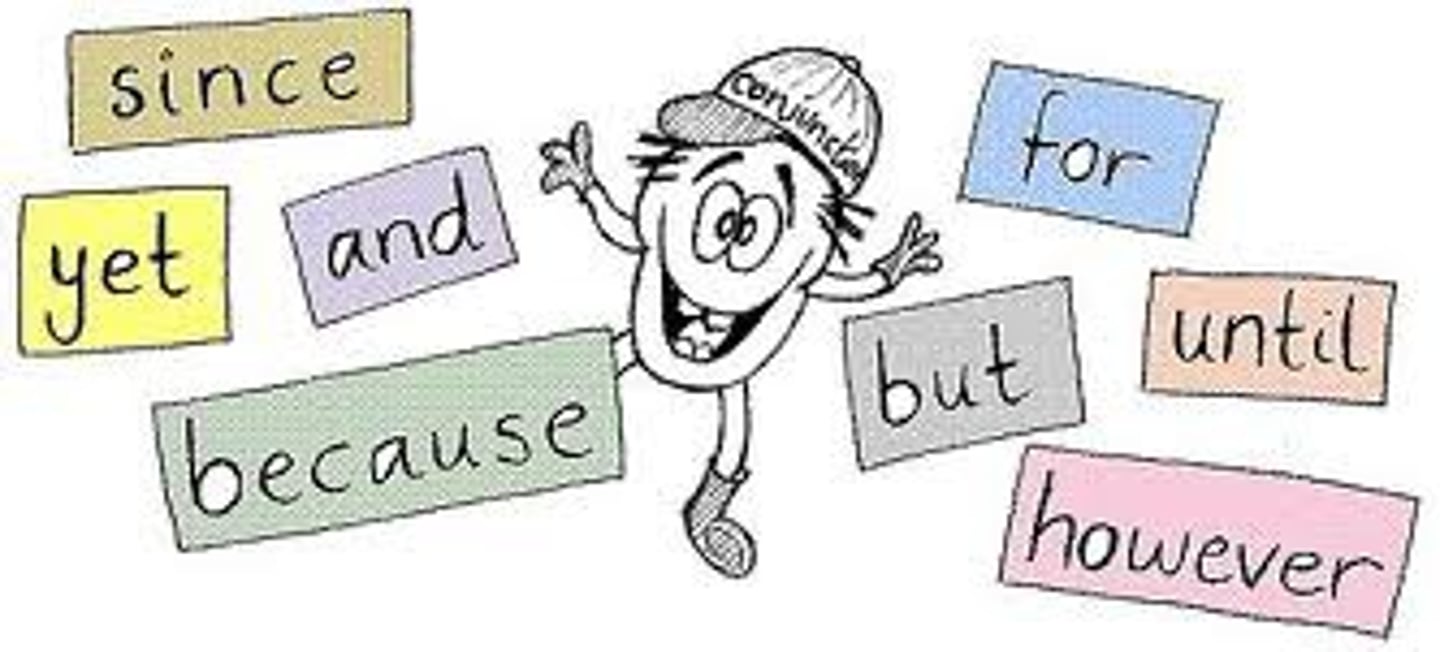
Conjunction
___________ are connecting words
Ex: and, so, but.
Interjection
___________ represent short bursts of emotion
Ex: Hey! Ouch! Yay!

Complement
A _____________ is a sentence part that gives more information about a subject or object
Ex: Math is fun
"Math" is the subject, "is" constitutes the simple predicate, and "fun" is a complement because it completes the sentence, which would not make sense without it.
Modifier
A ________ is a word or group of words that provides description for another word
Ex: green shirt
"Green" is an adjective that modifies, or gives more information about, "shirt."
Direct Object
A D______ O_______ is a word or group of words that receives the action of a verb
Ex: The eager, enthusiastic child told the teacher his story in an excited voice.
The simple subject is the child, the predicate is the verb told, the complete predicate includes the indirect object told the teacher, and the d______ o______ is his story
Indirect Object
The I________ O________ is the person or thing to whom or which something is done
Ex: The eager, enthusiastic child told the teacher his story in an excited voice.
The simple subject is the child, the predicate is the verb told, the complete predicate includes the i_______ o_______ told the teacher, and the direct object is his story

