sociology paper 2 - inequality (PowerPoints) 20 marker
 Call Kai
 Learn
Learn Practice Test
 Spaced Repetition
 Match
Match Flashcards
 Knowt Play
1/61

There's no tags or description
Looks like no tags are added yet.
Name | Mastery | Learn | Test | Matching | Spaced | Call with Kai |
|---|
No analytics yet
Send a link to your students to track their progress
62 Terms
Social class - workplace / income - Royal commission on the distribution of income
the poorest 20% receive less than half the average final income, while the richest 20% recieve double the average
changes in taxation by conservative Government in 1979-97 increased income inequality
this was how income tax was lowered from 80 to 40% and VAT increased from 8 to 17.5%
Social class - workplace / income - Institute for fiscal studies
income inequality is at the worst level since 1940
in 2007, the top 0.1% received 4.3% of income
the top 10% recieve 40% whilst the poorest 10 hold 3%
shows labour government widened income inequality
Social class - workplace / income - Weber
classes develop from the market situation (buying and selling labour power) in capitalist economies. the propertyless group (middle and working class) have skills which they can sell on for different prices
middle class have an advantaged market situation compared to working classes
significant differences within social classes as well as between them e.g. a middle class doctor has a better market situation to a middle class social worker
Social class - workplace / income - Lockwood
market situation - middle class have greater job security and work fewer hours
work situation - social relationships at work are closer in middle classes
status - middle classes have a higher degree of prestige to manual workers
Social class - education - Youth Cohort Studies
lower educational attainment for lower classes, seen with:
differences in private, grammar and oversubscribed schools
achieve lower grades at Key Stages and GCSE
leave post compulsory education
do not have the ability for prestigious universities
Social class - education - Bourdieu
the education system is biased towards dominant class culture and devalues knowledge and skills of working class
education’s function is social reproduction and education discrimination is seen towards working classes as they lack the cultural capital to succeed
a major function of education is ‘eliminating working class from higher level education’
Social class - education - Gillborn and Youdell
teachers see ability as fixed and it can be measured
working class pupils had discrimination from teachers as many complained about the ‘certain peers were favoured over others’ and ‘clever’ middle class children were punished less
this led to
working class children places in lower sets
less likely to be entered into higher level GCSE exams and had no change of achieving the highest grades
Social class - education - Keddie
knowledge seen as approporiate by teachers was based around abstract and general from compared to concrete information, with middle classes having more abstract knowledge
the higher the social class, the higher set pupils were placed into, with perceived ability and social class being linked
teachers withheld higher grade inowledge from lower stream pupils, being denied higher level knowledge
teachers perceived middle class pupils as ideal pupils
Social class - media- Neo-Marxists
editors and journalists act as gatekeepers that choose what makes the news and what doesn’t
as they come from middle class backrounds, the news shown reflects middle class values.
e.g. Neo Marxist criticise media like the BBC for not being ‘objective’
Social class - media- Glasgow Uni Media Group
TV favours the upper and middle classes
language used describing middle classes favours them e.g. working class actions use negative words such as ‘threat and demand’ while middle classes use positive words such as ‘offer’
middle class media professionals set the agenda of important issues and political coverage centres around the choice of middle-class viewpoints
Social class - media- Cohen
Lower working class boys are culturally included, in showing material success in media, but are economically excluded from the labour market
they cannot achieve their success due to cultural deprivation
they therefore suffer with status frustration, turning to delinquent subcultures e.g. stealing and vandalism
solves status frustration as they gain high status from other members
Social class - media- Becker
lower income backgrounds are more likely to be labelled as deviant compared to higher incomes
once they are labelled, others see them only as that, which Becker calls a master status
labelling also causes the group to see themselves in term of the label, producing a self-fulfilling prophecy
Social class - health - The Black Report
first study into social class and rated of morbidity and mortality
higher social classes had lower rates compared to working classes
life expectancy increaed 2 years for middle classes from 1970 to 2000, while lower classes increased 1.4 years showing a difference
Social class - health - Lobstein
looked at unhealthy and healthy food in London
healthy food cost less in affluent areas
unhealthy food costing less in poorer areas
poorer people were more likely to pay more for healthy food
Gender - workplace - Equal opportunities report
horizontal segregation - men and women concentrated in different types of occupation e.g. Women in personal services and men in manufacturing
women tend to receive less pay and status in these jobs compared to men’s jobs
vertical segregation - men dominate in higher levels of occupations compared to women
this creates a ‘glass ceiling’, where promotion seems possible, but discrimination restrictions creates barriers of promotion
Gender - workplace - Barron and Norris
dual market labour theory:
primary labour market - well paid, secure jobs
secondary labour market - poorly paid, insecure jobs
women tend to be concentrated in the secondary labour market and it is difficult to transfer markets
Gender - workplace - Campbell
there has been a rapid decline in manufacturing jobs and industries and rise in service industries
led to working class unemployment, especially for men, who in the past were able to express masculinity through physical labour.
unemployment also meant they could not carry otu the work as the breadwinner and supporting their family
Gender - workplace - Mac and Ghail
heavy manual work provided men with a strong sense of male pride, with these jobs disappearing, new jobs tend to be based around services and telecommunications, with this showing a feminisation of the labour market
this has created insecurities for males, which has formed a ‘crisis of masculinity’ as they are not comfortable with alternative male identities
Gender - education - Youth Cohort Studies
females outperform their male counterparts in every stage of the education system
e.g. there was a 9.6% gender difference in 2006 for males and females achieving 5 or more GCSE grades
at A level young women outperform young men, with them also getting better degrees
Gender - education - Francis
boys are disciplined more harshly and frequently
girls fit the stereotype of an ideal pupil
unlike the 70’s, boys no longer believed they were more able than girls
boys were keen not be regarded as ‘swots or nerds’ as it goes against their hegemonic masculinity
Gender - education - Stanworth
study into A level classes in the humanities department:
attitudes displayed disadvantaged girls, such as:
teachers found it difficult to remember girls in their classes
teachers had stereotypical views of what female students did in the future
pupils felt boys got more attention than girls
boys were more likely to join classroom discussions and seek help
Gender - education - Lobban
there is a bias against girls in books, out of 176 stories, there was 36 more heroes than heroines and girls were given domestic roles
this is supported by best who examined a sample of 132 book and found little had changed since Lobban's research
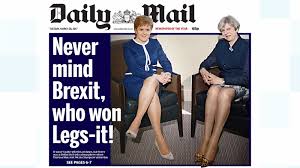
Gender - media - Kilbourne
media presents women as mannequins: tall and thin, with small waists and long legs, with perfect faces and hair
this image is used for cosmetics ads, health products and improving body appearance to benefit the male gaze, rather than the self-esteem of women
Gender - media - Wolf
images of women in media (especially print) has a particular beauty ideal, with the idea that women should treat their bodies as a project in need of improvement.
This ideal is especially found in Pornography and newspapers, with women being seen as sex objects for the Male gaze.
Gender - media - Connel
cultural expectations about gender roles are dominated by hegemonic definitions of masculinity, with 2 broad ideas being:
paid work is central to male’s role and identity, with them being the breadwinner and heads of households being responsive for economic security and being ambitious and aggressive
females are categorised as homemakers mothers and carers, confined to a life of the family, home and relationships and expected to be less rational
Gender - media - Tuchman et al
symbolic annihilation - the way in which women’s achievements are often not reported or are condemned by mass media.
Gender - Family - Duncombe and Marsden
‘triple shift’ of paid employment, housework and emotional work (management of feelings within the family)
Gender - family - Oakley
gender inequality stems from early socialisation into traditional gender roles - for married women, they are locked into the mother housewife role by factors such as
early socialisation
patriarchal ideology
banning of child labour
restriction on the employment of women
women in a week did 77 hours of domestic work.
Gender - family - Barlow et al
1 in 5 children are born into an unmarried couple, fathers rarely have legal rights over the children, even if they are providing financial support
the father under law cannot take the child on a foreign holiday, provide medical consent and no legal right to custody
many are unaware of the lack of rights, with political actions being placed for fathers e.g. Fathers for Justice
Gender - family - DV Men
1 in 6 men will be victims of domestic violence at some stage in their life
for centuries, domestic violence against men has gone hidden, with victims no increasingly speaking out and looking for support by there seems to be a bias towards women
abusive women often use bias of the Family Courts to inflict emotional and financial abuse against men
ethnicity - workplace - Barron and Norris
‘dual labour market' theory
primary labour market - well paid, secure jobs
secondary labour market - poorly paid, insecure jobs
Ethnic minorities are more commonly found in the secondary labour market
ethnicity - workplace - Home Office
Even with educational qualifications, minorities are still les able to gain employment
known as Ethnic penalty
e.g.
White unemployment - 5%
black employment - 14%
Pakistani and Bangladeshi ethnic minorities are most likely to live in poverty in the UK
ethnicity - workplace - Cabinet office
reacial discrimination plays a part in the position of ethnics in the labour market
ethnics are in low paid and low status jobs e.g. Bangladeshi’s earn ½ of what white men do
African women find finding work harder than white women and often forced to take lower levels jobs
ethnicity - workplace - Davidson
Women face a glass ceiling ( invisible barrier to promotion)
ethnic minorities gain an concerete ceiling impossible to break through due to racism and sexism
ethnicity - education - Coard
African Caribbean boys perform the worst in GCSE’s
due to racism from teachers and too focused on a white British culture, making them feel inferior
the low expectations from teachers results in a self-fulfilling prophecy
ethnicity - education - Wright
found considerable racial discrimination in the classroom of primary schools
Asian children excluded from discussion due to assuming their poor command of English, using simplistic language when they did
Asian girls seemed invisible to their teachers and received less attention than other students
ethnicity - education - Archer and Francis
Chinese children do so well because their parents place great emphasis on their child’s educational success
the observer - found Chinese parents spend £100,000 on teaching children ‘Britishness# for Oxbridge exams
known as tiger parenting
ethnicity - education - Modood
Chinese and Indians do the best in education because they have high cultural capital and focus on success
due to emphasis on migrants to prove their position and opportunities for their children, with high value being placed on them
ethnic minorities more likely to:
score above national average
gain 5 or more A-C grades
continue into higher education
ethnicity - media - Hall
Black males are presented by the media to be a threat to ‘social order’
panics in the 70’s demonised young black males despite no evidence of increasing %’s
helped capitalism due to
justifying force to suppress groups
blame immigrants rather than capitalism
ethnicity - education - Van Dijk
news presented ethnic minorities to be a threat to white majority, seen with:
immigrants - supply of jobs and housing
refugees / asylum seekers - abusing welfare state and taking advantage of the economy
Muslims - Islamophobia
ethnicity - education - Akinti
media ignores culture, interests and contribution of diverse black audiences, rather focusing on ‘bad news’ such as:
crime
AIDs in Africa
underachievement in schools
ethnicity - education - Agbetu
black people in the media are seen in involvement in:
sports
crime
entertainment
where seen as perpetrators rather than victims
ethnicity - crime - official statistics
black groups are over-represented in prison populations,
04-05, they made up
2.8% of population but…
13.5% of prison population
Asian groups are also similar:
4.7% of population but…
5.4% of prison population
in comparison, white British people are under-represented
ethnicity - crime- Hood
black men are 5% more likely than white men to be sent to prison
average sentence was 3 months longer
the difference was greater amongst South Asian men
ethnicity - crime - MacPherson report
study into Stephen Lawrence’s murder
found the police were institutionally racist, with a recommendation of changes needed:
establish performance indicator for handling racist influence and satisfaction rates
training of family and witness officers
racial awareness training
recruitment of ethnic minorities
ethnicity - crime- Reiner
police have developed a ‘canteen culture’, with characteristics such as:
a thirst for action
isolation from the public
racism
explains why black groups are 5X more likely to be stopped and search compared to white counterparts
Age - workplace - Ray et al
elderly people are excluded from work because they are assumed to be less compotent, than their young counterparts, despite no proof of this
this leads to discrimination of older people
e.g. older people can be assumed to be less: creative, open to ideas, communicative and able to learn new skills
Age - workplace - Arber and Ginn
middle aged people experience discrimination in the workplace as they struggle to find new employment
they are percieved to have a limited work life ahead and therefore companies do not want to invest money into training them
this is seen with people in their late 40s
Age - workplace - YouGov
1/5th of British businesses admitted using interns to ‘get work done cheaply’ with 95% still saying they were useful to the organisation
young people are unaware of their rights - only 10% knew unpaid internships could be illegal
therefore, young people are exploited for a cheap source of labour
Age - workplace - Finn
youth training schemes were a form of exploitation for employers to have a cheap source of labour
they also decreased wages due to increased competition for jobs
they teach young people the ‘right attitude’ for accepting low paid / skilled work
they were used to reduce unemployment statistics
Age (also gender and ethnic) - income - Bradley
pensioners are the most significant poor population
people who are poor when older were normally poor when younger, so unable to have private pensions
e.g. women had their careers interrupted by pregnancy and childcare, making them more likely to be employed in low paid, part time work
ethnics also were less likely due to being in low paid manual work
Age - income - Help the aged
21% of pensioners were classified as living in poverty
income less than 60% national average
nearly 1/3rd are living in poverty
this can lead to a deterioration of health e.g. 1 in 4 of the elderly suffers illness due to poverty
Age - income - Child poverty action group
1 in 5 young people in poverty in the UK
this results in malnutrition and illness which reduces a child’s life chances, e.g.
underachievement in education
more likely to be in low paid jobs
more likely to live in deprived inner city areas
Age (possibly gender) - income - Lea and Young
young inner city males feel deprived as they see affluence around them, but unable to gaina ccess to the wealth
they feel socially and politically marginalised due to little status in society and few ways to change society around them, causing their poor sociala nd economic situation
Age - family - vincent
and ageing population has increased one person households, where women over pensionable age live alone
women have a higher life expectancy, and marry older men, makign them more likley to live alone
more likely worked low paid / part time jobs, giving them restricted pensions and low incomes at old age
Age - family - Gannon
the welfare system benefits those who have made higher national insurance and income tax contributions
older women tend to be disadvantaged due to financial breaks caused by childcare/birth
reducing amount fo money they can claim later in life
Age - family - Innocenti report
British youth scored the lowest in wellbeing compared to other countries
this can be due to
teenage drnking
smoking cannabis
use of condoms and teenage pregnancy
relationships with parents
Age - family - Bernard
due to an increase in dual earner families, it has increased the number of latchkey kids
kids who come home from school to an empty house due to both of them being at work
more vulnerable to loneliness, boredom, fear and peer pressure
Age - media - Sontag
the media creates negative stereotyping of ageing
e.g. external signs such as wrinkles, grey hair are presented as things which need to be prevented the
media presents a double standard amongst older age groups
e.g women have to match a youthful ideal while men do not
more recent research shows both and men in the media have to conform to a body beautiful image, seeing their bodies as projects in need of constant care and improvement
Age - media - Carrigan and Szmigin
the advetising industry presents older people with negative stereotypes, such as:
physically unatractive
mentally deficient
senile
cranky
grumpy difficult
the media does not represent the elderly in an authentic way
this gives young people an idea of older people which is not true, but do not know as they often only see the through the media
Age - media - Pearson
youths are portrayed negatively in the media
there is a long standing ‘myth of the golden age’, where youths were less troublesome, disrespectful and deviant
this leaves youths in disadvantaged positions and can lead to self-fulfilling prophecies where young people live out to their labelss
e.g. hoodies, knife crime, drug abuse
Age - media - Cohen
the media creates moral panics about certain youth crime, exaggerating public’s fear
e.g. the mods and rockers in the 60’s was amplified what deviance there was amongst youth groups
this can lead to worse picture on youth, leading to increased concern, greater police presence and copycat behaviour