AP Psych Rapid Review Terms Unit 2
0.0(0)
 Studied by 0 people
 Call Kai
 Learn
Learn Practice Test
 Spaced Repetition
 Match
Match Flashcards
 Knowt Play
Card Sorting
1/129

Earn XP
Last updated 3:11 AM on 5/1/23
Name | Mastery | Learn | Test | Matching | Spaced | Call with Kai |
|---|
No analytics yet
Send a link to your students to track their progress
130 Terms
1
New cards
Neuropsychologists
they explore the relationships between brain/nervous systems and behavior (studying patients with brain damage/loss of function)
2
New cards
Lesions
precise destruction of brain tissue; allows to study the brain functions easier
3
New cards
CAT/CT Scan
creates computerized images using X-rays passed through the brain to show structure and/or the extent of a lesion
4
New cards
MRI
creates better images and shows pulses of radio waves that cause emission of signals that depend upon the density of tissue
5
New cards
EEG
amplified tracing of brain activity through electrodes placed over the scalp transmit signals about brain activity (brain waves)
6
New cards
Evoked potentials
EEGs resulting from a specific stimulus
7
New cards
PET Scan
shows brain activity when radioactivity tagged glucose rushes to active neurons and emits positrons
8
New cards
fMRI
shows brain activity at higher resolution than the PET scan when changes in oxygen concentration near active neurons alter magnetic qualities
9
New cards
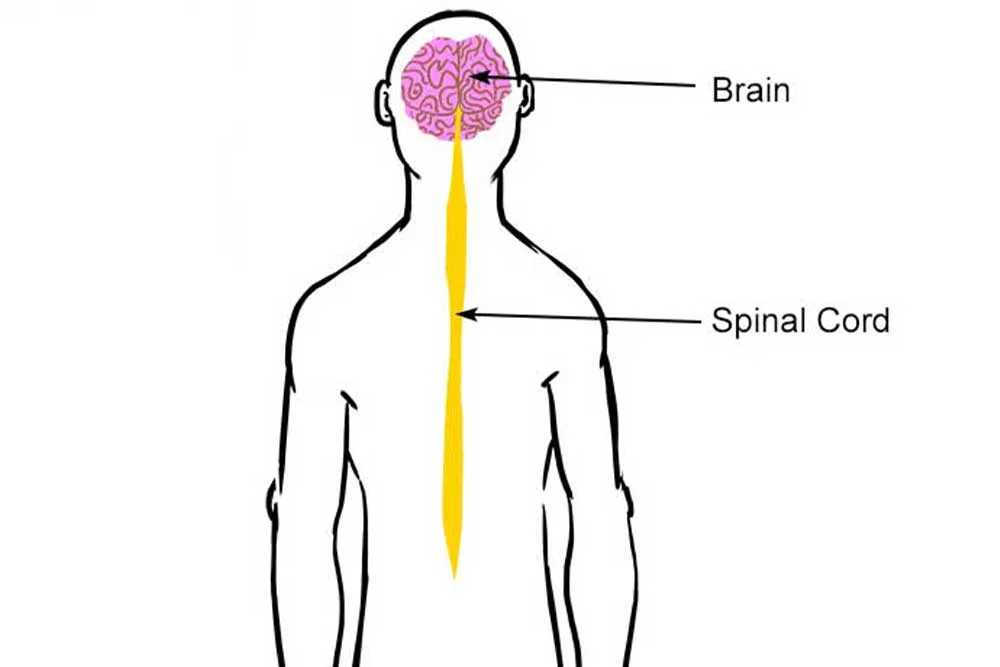
Central nervous system
brain and spinal cord
10
New cards
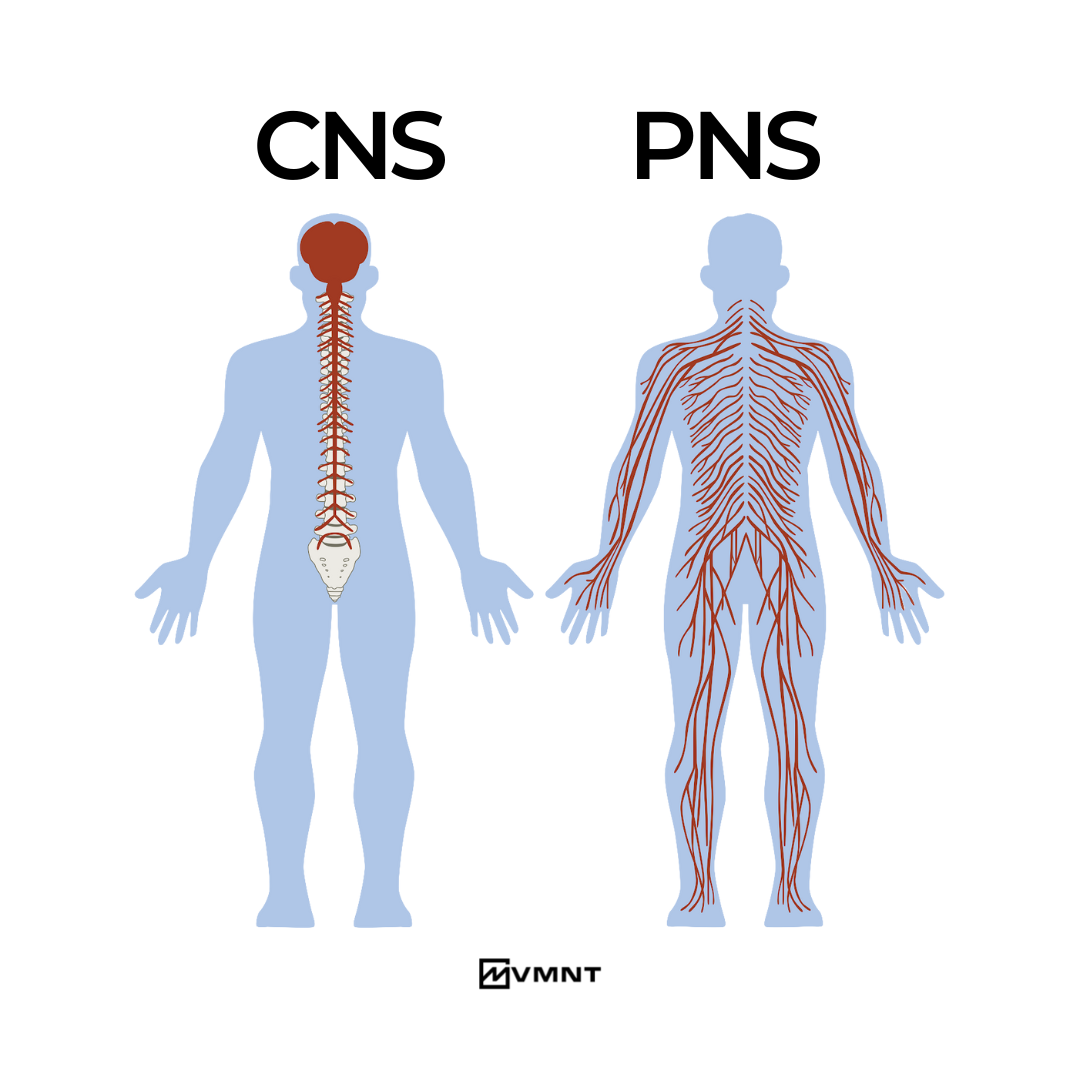
peripheral nervous system
includes all of the sensory and motor neurons and subdivisions called the autonomic and somatic nervous system
11
New cards
Autonomic nervous system
sub division of pns that includes involuntary movements: sympathetic and parasympathetic
12
New cards
Sympathetic nervous system
fight-or-flight; responds to stressful situations
13
New cards
Parasympathetic nerves system
cools down the body after sympathetic stimulation
14
New cards
Somatic nervous system
subdivision of PNS that has motor nerves that stimulate skeletal (voluntary) muscles
15
New cards
Spinal cord
portion of the central nervous system below the level of the medulla
16
New cards
Brain
portion of the central nervous system above the spinal cord
17
New cards
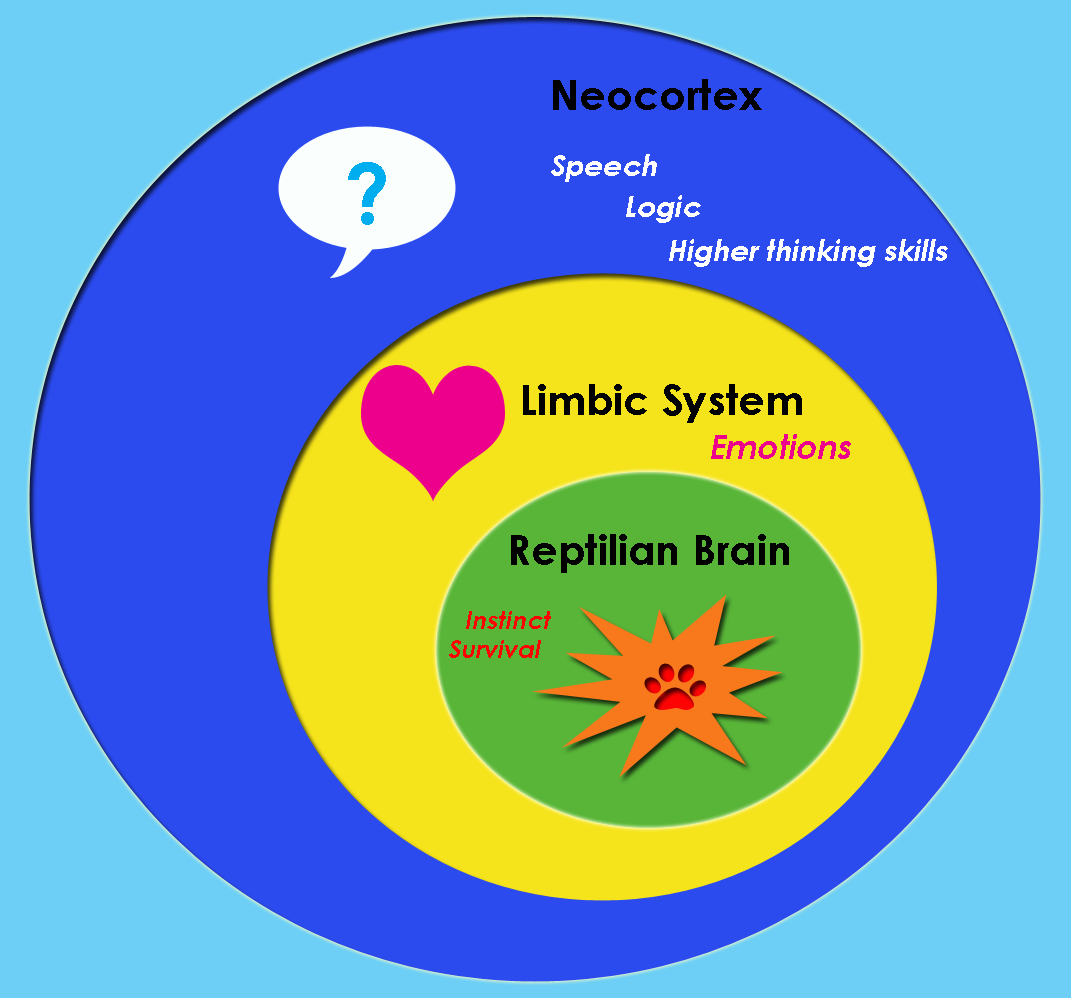
Evolutionary Model
Reptilian brain → old mammalian brain → new mammalian brain
18
New cards
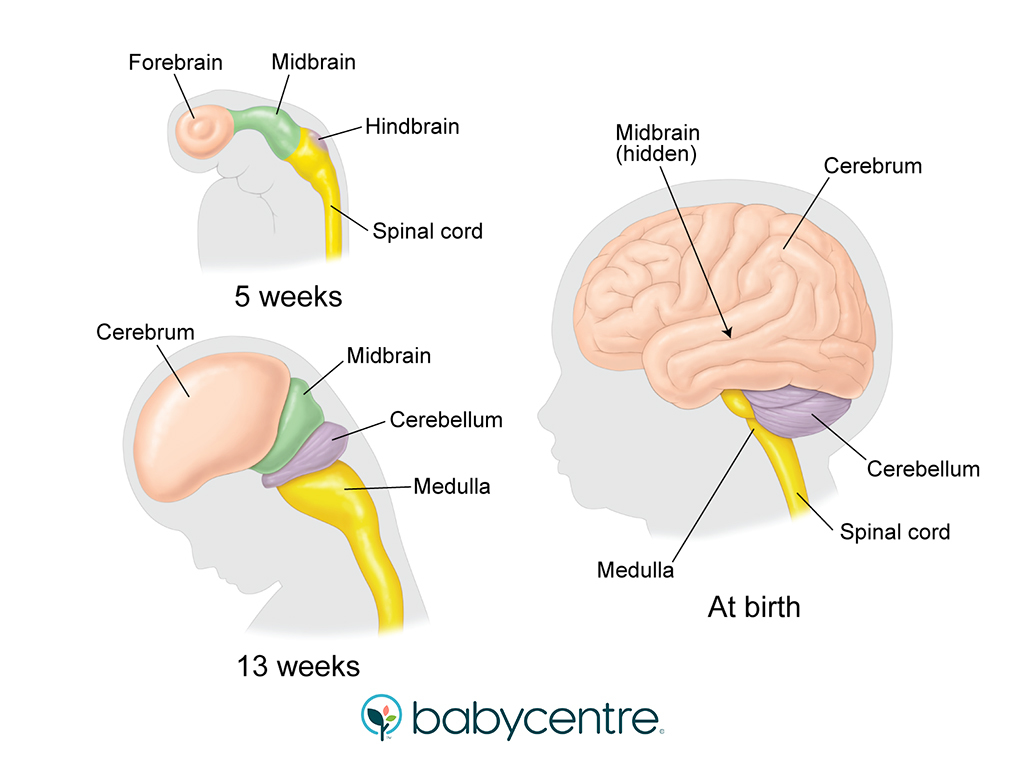
Developmental Model
hindbrain → midbrain → forebrain
19
New cards
Convolutions
folding-in and out of the cerebral cortex that increases surface of the brain
20
New cards
Contralaterlity
control of one side of your body by the other side of your brain
21
New cards
Medulla Oblongata
regulates heart rhythm, blood flow, breathing rate, digestion, and vomiting
22
New cards
Pons
includes portion of reticular activating system or reticular formation critical for arousal and wakefulness
23
New cards
Cerebellum
controls posture, equilibrium, and movement
24
New cards
Basal ganglia
regulates initiation of movements, balance, eye movements, and posture, and functions in processing of implicit memories
25
New cards
Thalamus
relays visual, auditory, taste, and somatosensory information to/from appropriate areas of the cerebral cortex
26
New cards
Hypothalamus
controls feeding behavior, drinking behavior, body temp, sexual behavior, threshold for rage behavior, activation of the sympathetic and parasympathetic systems, and secretion of hormones of the pituitary
27
New cards
Amygdala
influences emotions such as aggression, fear, and self-protective areas
28
New cards
Hippocampus
enables formation of new long-term memories
29
New cards
Cerebral Cortex
center for higher-order processes such as thinking, planning, judgement; receives and processes sensory information and directs movement
30
New cards
Association areas
do not have specific sensory or motor functions but are involved in higher mental functions such as thinking, planning, and communicating
31
New cards
occipital lobes
primary area for processing visual information
32
New cards
parietal lobes
processes sensory information (touch, temp, pain); its association areas perceive objects
33
New cards
Frontal lobes
interprets and controls emotional behaviors, makes decisions, and carry out plans
34
New cards
Motor Cortex
initiates movements and skeletal muscles; produces speech (Broca’s area)
35
New cards
Temporal lobes
primary area for hearing, understanding language (Wernicke’s area), understanding music/tonality, and processing smell
36
New cards
Aphasia
the inability to understand language
37
New cards
Glial cells
supportive cels of the nervous system that guides the growth of developing neurons, gets rid of waste neurons, and forms an insulating sheath around neurons that speeds conduction
38
New cards
Neuron
the basic unit of structure and function of the nervous system; receives information, processes it, and transmits it to the rest of the body
39
New cards
Cell Body
also called the cyton or soma; part of the neuron contains cytoplasm and the nucleus, which directs synthesis of neurotransmitters
40
New cards
Dendrites
branching tubular processes of a neuron that have receptor sites for receiving information
41
New cards
Axon
single conducting fiber extending from the cell body of a neuron that transmits an action potential
42
New cards
Myelin Sheath
fatty substance covering the axon made by glial cells; speeds up conduction of the action potential
43
New cards
Terminal buttons
tips at the end of axons that secrete neurotransmitters when stimulated by the action potential
44
New cards
Neurotransmitters
chemical messengers released by the terminal buttons of the neuron into the synapse
45
New cards
ACh
neurotransmitter that cause contraction of skeletal muscles, helps regulate heart muscles, involved in memory, and also transmits messages between the brain and spinal cord (lack of ACh is Alzheimer’s disease)
46
New cards
Dopamine
neurotransmitter that stimulates the hypothalamus to synthesize hormones and affects alertness, attention, and movement (lack = parkinson’s disease; too much = schizophrenia)
47
New cards
Glutamate
neurotransmitter that stimulates cells throughout the brain, mostly the hypothalamus; memory and information formation/processing
48
New cards
Serotonin
neurotransmitter associated with arousal, sleep, appetite, mood, and emotions (lack = depression)
49
New cards
Endorphin
neurotransmitter similar to the opiate morphine that relieves pain and induces pleasure
50
New cards
GABA
neurotransmitter that inhibits firing of postsynaptic neurons
51
New cards
Action Potential
the firing of the neuron
52
New cards
All-or-none principle
a neuron either generates an action potential when the stimulation reaches threshold or doesn’t fire when stimulation is below threshold
53
New cards
Nodes of Ranvier
spaces between segments of myelin on the axons of neurons
54
New cards
Saltatory conduction
rapid conduction of impulses when the axon is myelinated since depolarizations jump from node to node
55
New cards
Synapse
region of communication between the transmitting presynaptic neuron and receiving postsynaptic neuron, muscle, or gland
56
New cards
Excitatory neurotransmitter
chemical secreted at terminal button that causes the neuron on the other side of the synapse to generate an action potential to fire
57
New cards
Inhibitory neurotransmitter
chemical secreted at terminal button that reduces or prevents neural impulses in the postsynaptic dendrites
58
New cards
Reflex
the simplest form of behavior
59
New cards
Reflex arc
the path that reflexes travel
60
New cards
sensory receptor
cells typically in organs that initiates action potentials, which travel along sensory/afferent neurons to the CNS
61
New cards
Afferent Neuron
nerve cell in your PNS that transmits impulses from sensory or interneurons to muscle cells that contract or gland cells that secrete
62
New cards
Interneuron
nerve cell in the CNS that transmits impulses between sensory and motor neurons
63
New cards
Efferent neuron
nerve cell in your PNS that transmits from sensory or interneurons to muscle cells that contract or glands that secrete
64
New cards
Effector
muscle cell that contracts or gland cell that secretes
65
New cards
Endocrine system
ductless glands that typically secrete hormones directly into the blood, which helps regulate body and behavioral processes
66
New cards
Hormone
chemical messenger that travels through the blood to a receptor site on a target organ
67
New cards
Pineal gland
endocrine gland in the brain that produces melatonin that helps regulate circadian rhythms
68
New cards
Hypothalamus
portion of brain part that acts as endocrine gland and produces hormone that stimulate or inhibit secretion of hormones by the pituitary
69
New cards
Pituitary gland
“master gland”; gland in brain that produces stimulating hormones
70
New cards
Thyroid gland
endocrine gland in neck that produces thyroxine, which stimulates and maintains metabolic activities
71
New cards
Parathyroids
endocrine glands in neck that produce parathyroid hormones, which help maintain calcium ion level in blood necessary for normal functioning neurons
72
New cards
Adrenal glands
produce steroid hormones; prepares the body for fight or flight
73
New cards
Pancreas
gland near stomach that secretes the hormones insulin and glucagon, which regulates blood sugar that fuels all behavioral processes
74
New cards
Ovaries and Testes
gonads in males and females that help with reproduction
75
New cards
Behavioral geneticists
study our genes and our environment in mental ability, emotional stability, temperament, personality, interests; look at the causes of our individual differences
76
New cards
zygote
fertilized egg
77
New cards
identical twins
monozygotic twins; two individuals who share the same genes because they develop from the same zygote
78
New cards
fraternal twins
dizygotic twins; siblings that share about half of the same genes because they develop from 2 different zygotes
79
New cards
heritability
the proportion of variation among individuals in a population that is due to genetic causes
80
New cards
gene
each DNA segment of a chromosome that determines a trait
81
New cards
Chromosome
structure in the nucleus of cells that contains genes determined by DNA sequences; everyone has 46
82
New cards
Turner syndrome
females with only one X sex chromosome who are short, often sterile, and have difficulty calculating
83
New cards
Klinefelter’s syndrome
males with XXY sex chromosomes
84
New cards
Down Syndrome
caused by 3 copies of chromosome 21 in their cells
85
New cards
Genotype
the genetic makeup of an individual
86
New cards
Phenotype
the expression of the genes
87
New cards
Homozygous
both genes for a trait are the same
88
New cards
Heterozygous
genes for a trait are different
89
New cards
Dominant gene
gene expressed when the genes for the trait are different
90
New cards
Recessive gene
gene that is hidden/not expressed when the genes for a trait are different
91
New cards
Tay-Sachs syndrome
recessive trait that produces progressive loss of nervous function and death in a baby
92
New cards
Albinism
recessive gene that produces lack of pigment, quivering eyes, and the inability to perceive depth with both eyes
93
New cards
Phenylketonuria (PKU)
recessive trait that results in severe brain damage, unless the baby is fed a special diet
94
New cards
Huntington’s disease
dominant gene defect that involves degeneration of the nervous system, characterized by tremors, jerky motions, blindness, and death
95
New cards
Sex-linked traits
recessive genes located on the X chromosome with no corresponding gene on the Y chromosome, which result in expression of a recessive trait
96
New cards
Color blindness
sex-linked trait with individual cannot see certain colors
97
New cards
Consciousness
our awareness of the outside world and of ourselves
98
New cards
Attention
a state of focused awareness
99
New cards
Preconcious
level of consciousness that is outside of awareness but contains feelings and memories that can easily be brought to conscious awareness
100
New cards
Unconcious
level of consciousness that includes often unacceptable feelings, wishes, and thoughts not directly available to conscious awareness
 Note
Note  Flashcards (46)