Common Machine Components
 Studied by 0 people
 Call Kai
 Learn
Learn Practice Test
 Spaced Repetition
 Match
Match Flashcards
 Knowt Play
1/235

There's no tags or description
Looks like no tags are added yet.
Name | Mastery | Learn | Test | Matching | Spaced |
|---|
No study sessions yet.
236 Terms
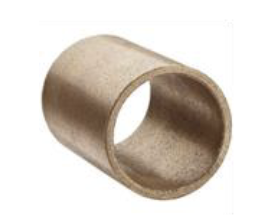
Plain Sleeve Bearing/Bushing

Flanged Sleeve Bearing/Bushing

Ball Bearing
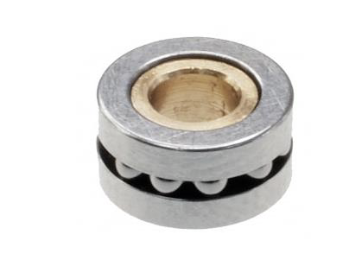
Thrust Bearing
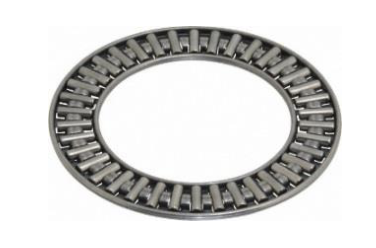
Thrust Bearing
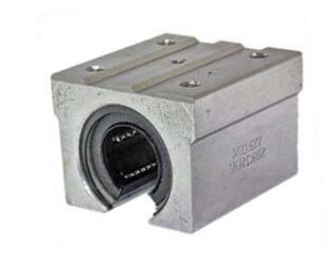
Linear Bearing
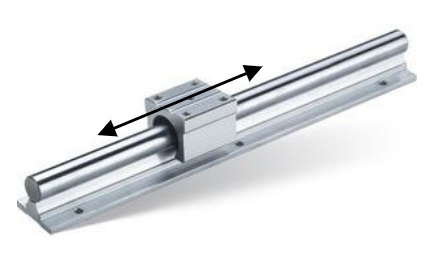
Linear Bearing
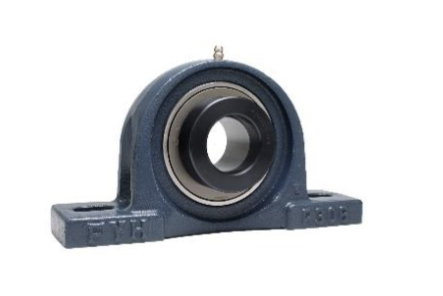
Pillow Block

V-belt
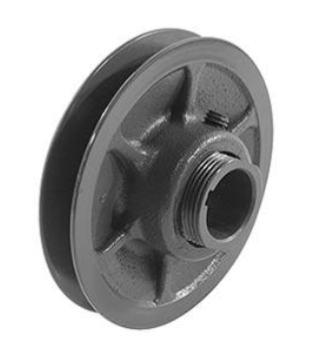
Pulley/Sheave
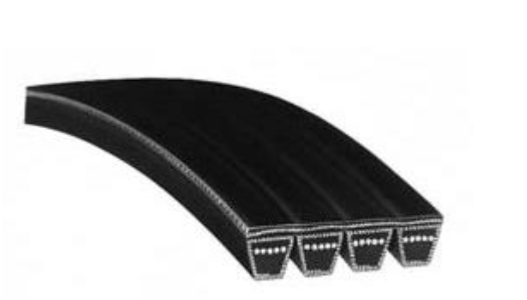
Ribbed V-belt
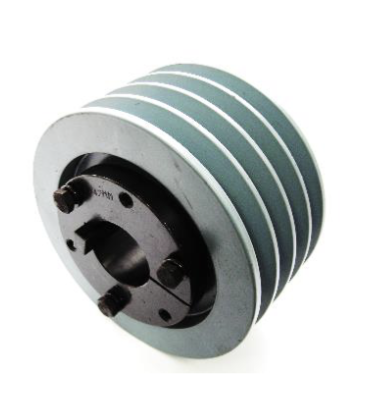
Pulley/Sheave
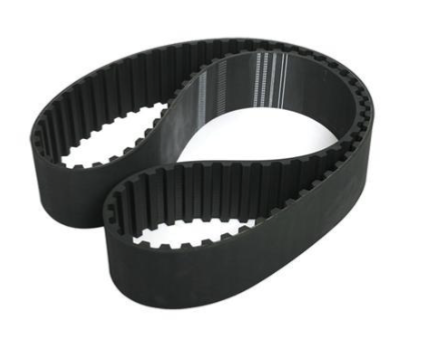
Timing Belt
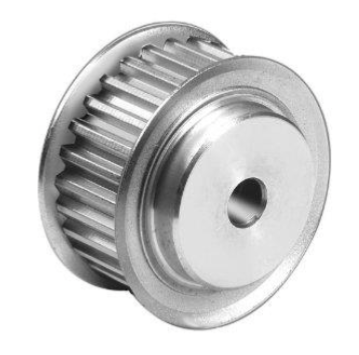
Timing Belt Pulley/Sprocket
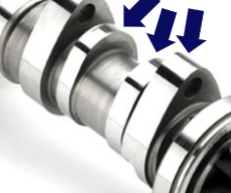
Cams
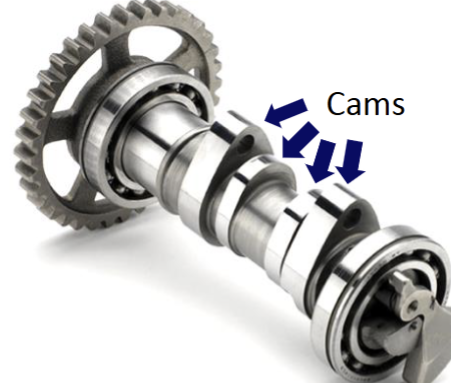
Camshaft
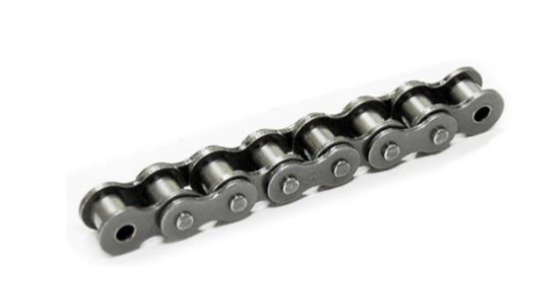
Roller Chain Drive

Keyway
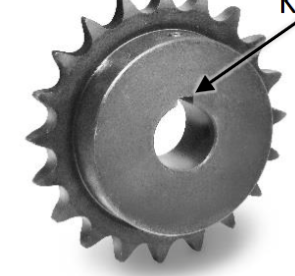
Sprocket

Clevis With Male Threads
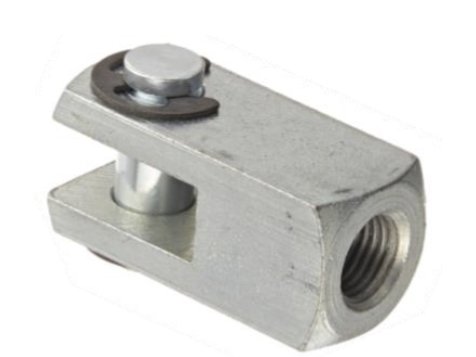
Clevis With Female Threads And Pin
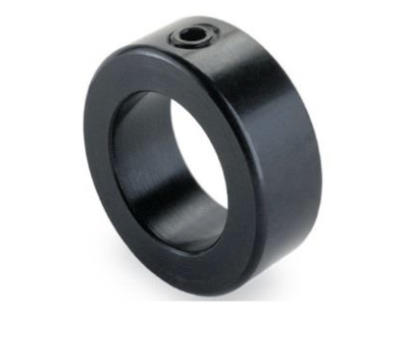
Set Screw Collar

One-Piece Clamp-On Collar

Two-Piece Clamp-On Collar
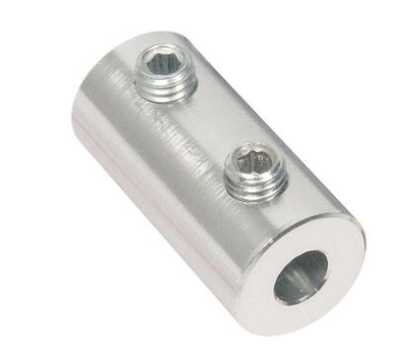
Rigid Coupling
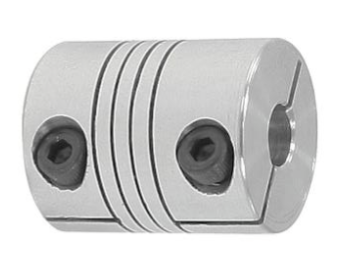
Flexible Coupling

Flexible Coupling With Spider
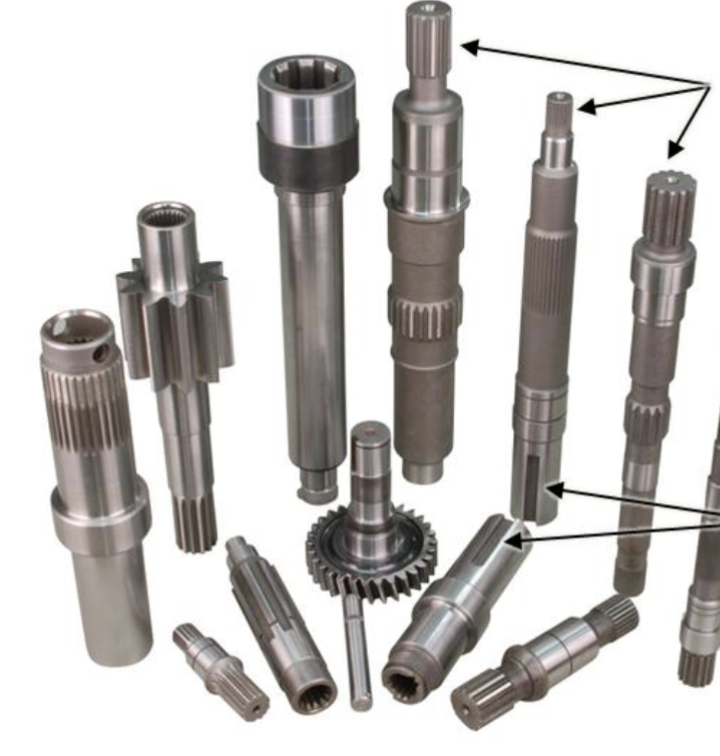
Drive Shafts
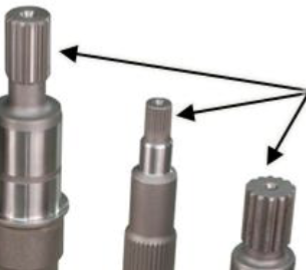
Splines
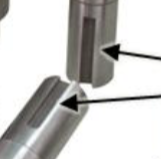
Key Seats
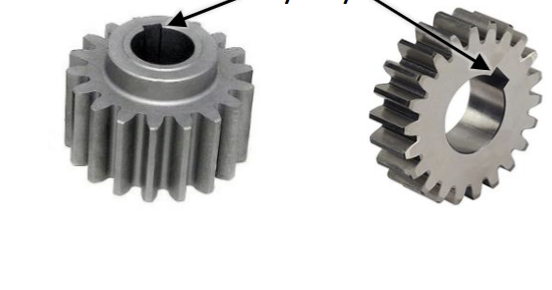
Spur Gears
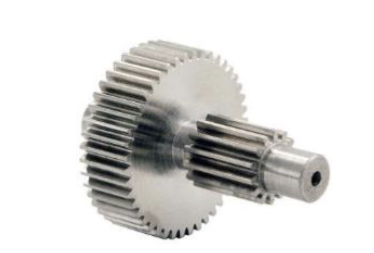
Compound Gear
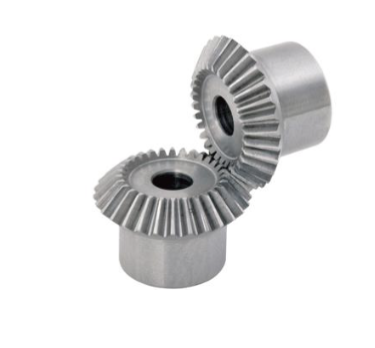
Bevel Gears
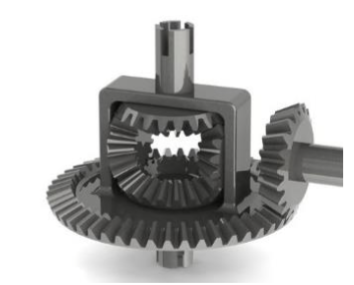
Differential Bevel Gear
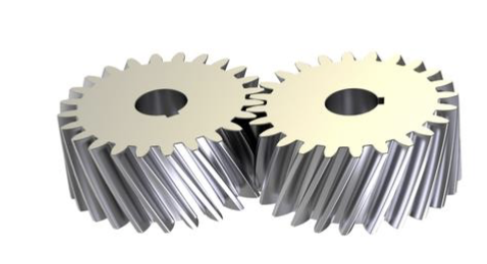
Helical Gears
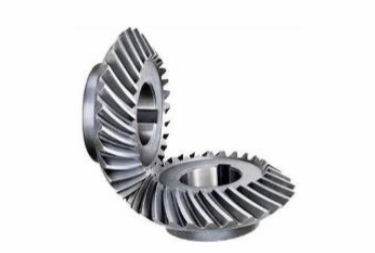
Helical Bevel Gears
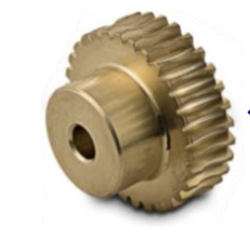
Worm Gear
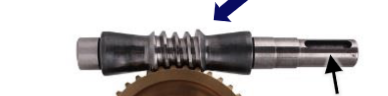
Worm
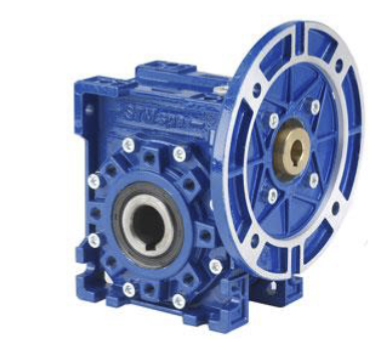
Gear Box
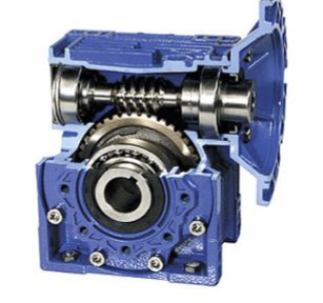
Cutaway Gear Box
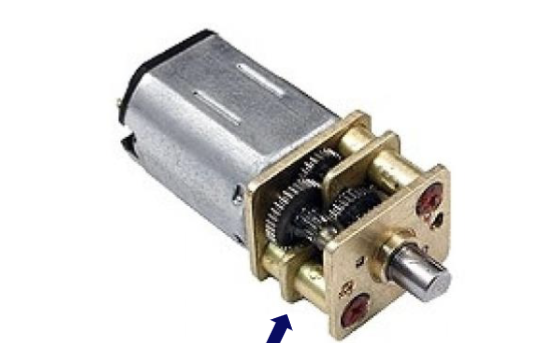
Gear Head
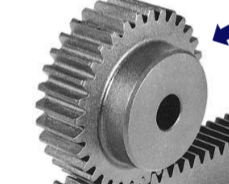
Pinion

Rack

Planetary Gear Drive
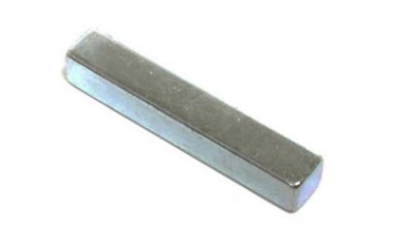
Square Key
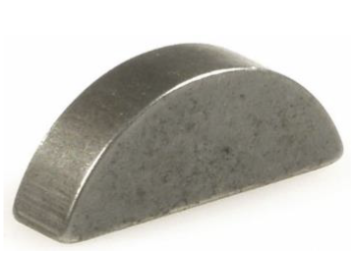
Woodruff Key
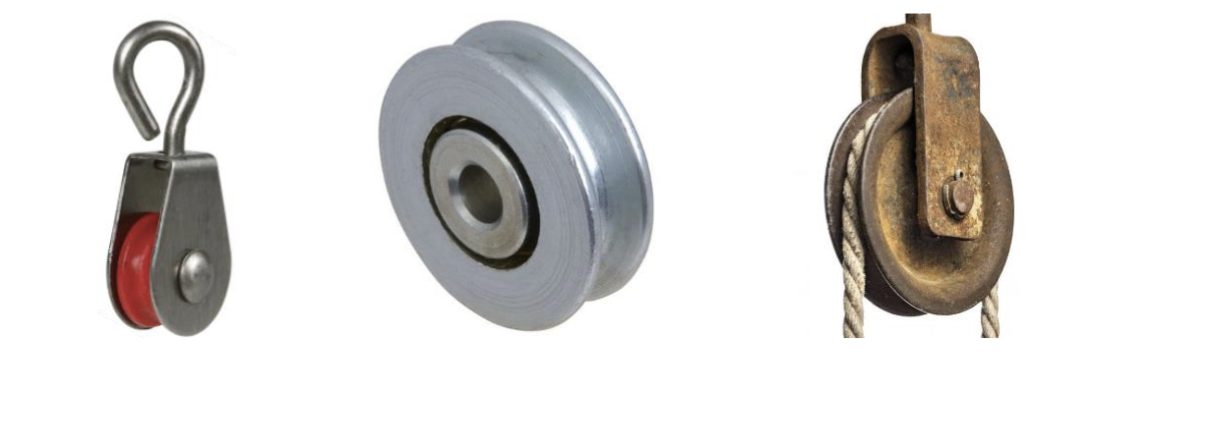
Pulleys

Rod End With Male Threads
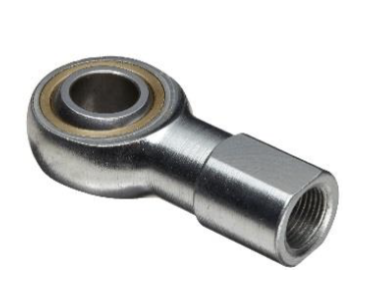
Rod End With Female Threads And Spherical Bearing
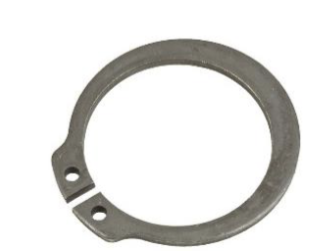
External Snap/Retaining Ring

External E-Style Snap/Retaining Ring
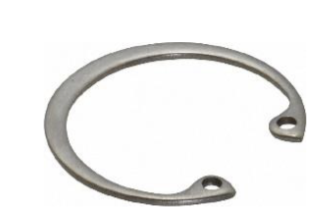
Internal Snap/Retaining Ring

Compression Spring
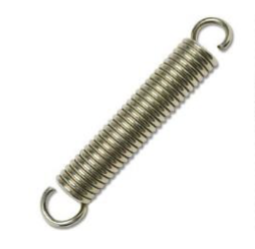
Extension Spring
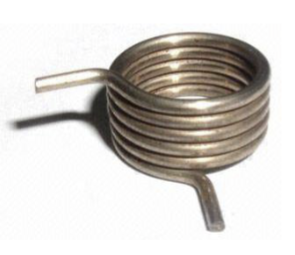
Torsional Spring
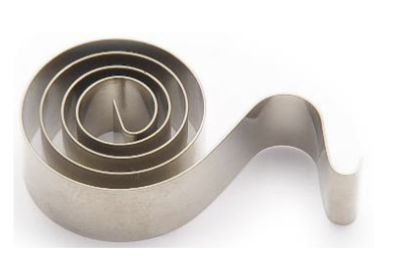
Spiral Spring
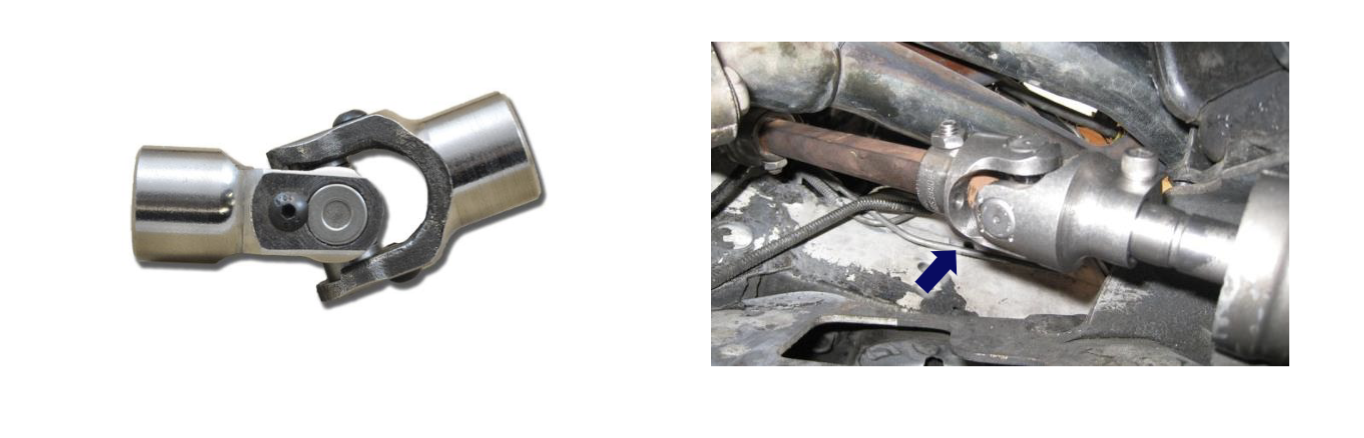
Universal Joints
Universal Joints
to transmit torque and rotational motion between two non-colinear shafts
Snap Rings, or Retaining Rings
to constraint components from sliding axially along a shaft
Keys
to transmit torque from a rotating shaft to a shaft component (e.g. gear, pulley)
Gears
to transfer mechanical power between two shafts through a change in torque,
rotational speed, and/or direction
Couplings
to join the ends of two shafts together such that they rotate at the same speed and
transmit the same amount of torque
Collars
to constrain a shaft, or parts on a shaft, from axial motion
Cams
A non-circular component of a rotating shaft used to produce variable or reciprocating motion of another part (the cam follower)
Bearings
to facilitate rotational or sliding motion between parts by reducing friction and providing mechanical support
What are the three steps of defining the problem in the design process?
Identifying a potential problem to solve
Validating that the problem is worth solving
Defining the specifics of the problem
What should specifications include?
Requirements, desirables, and constraints
What is the main goal of the brainstorming stage?
Generate a lot of different ideas
What is one key factor of concept development?
Using a process
What are two processes used for concept development
synthesis, scoring
What is the main goal of concept development?
Develop a workable design that is ready to prototype
What three transitions are you making in concept development?
Abstract to Concrete, Qualitative to Quantitative, Rough idea to Detailed design
What are the three big reasons we prototype?
Learn, Communicate, and Mitigate Risk
What are three big factors to how we prototype?
Having low to high resolution, going from a large quantity to just one, focusing on biggest risks and critical functions
What is verification?
Testing whether the product meets the specification
What is validation?
Testing whether the product fulfills its intended purpose and consistently produces acceptable results
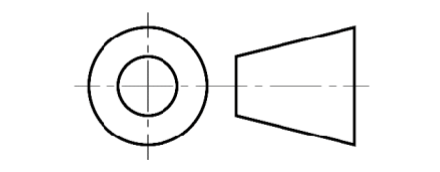
US Standard “3rd Angle Projection”

British Standard “1st Angle Projection”
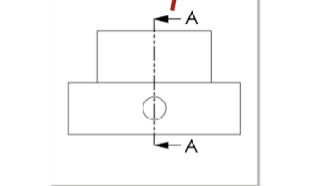
Is this ok?
Yes
What are Tolerances?
limits of acceptable variation from the ideal
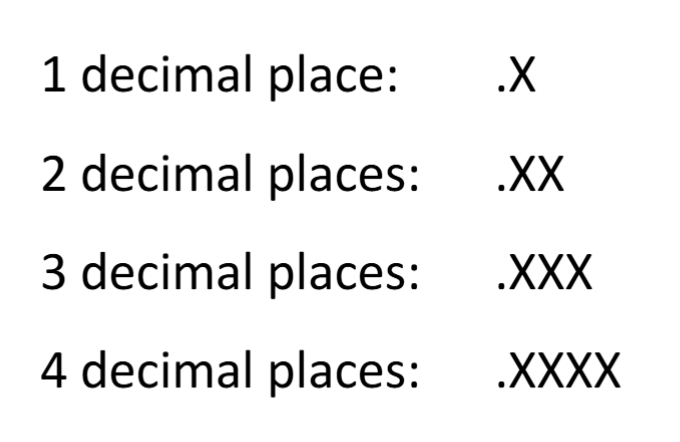
.02”, .01”, .005”, .0005”
What are geometric tolerances?
A standard way of indicating the acceptable deviations of part features with respect to shape, orientation, and position
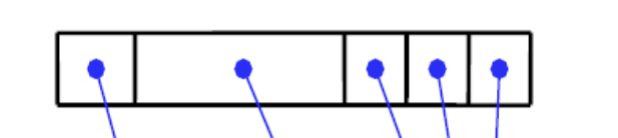
Geometric Symbol, Tolerance Information, Datum References

Fillet

Round

Chamfer

Countersink

Counterbore

Spotface

Boss

Lug

Flange

Keyway

Bushing

Knurl
Pitch
N/2R
Module
2R/N
Name the 6 material families
Metals, Ceramics, Glasses, Polymers, Elastomers, Hybrids
Silicon nitrides
Ceramics
 Note
Note  Flashcards (225)