BI108 Quiz 6
 Call Kai
 Learn
Learn Practice Test
 Spaced Repetition
 Match
Match Flashcards
 Knowt Play
1/123

There's no tags or description
Looks like no tags are added yet.
Name | Mastery | Learn | Test | Matching | Spaced | Call with Kai |
|---|
No analytics yet
Send a link to your students to track their progress
124 Terms
immune system
The cells and tissues that recognize and attack foreign substances in the body to keep us healthy
immune system function
recognize self vs. non-self -> activation of "war" machinery -> win the war
lymphatic system
Composed of a network of vessels, ducts, nodes, and organs. Provides defense against infection.
lymph
fluid derived from blood (no red blood cells)
lymph nodes
filters lymph collected from body tossues and returns it to blood
Leukocytes
white blood cells that, as lymph passes through lymph nodes, recognize nonself cells and initiate an immune response
immune system cells
has many types of specialized cells; very diverse
phagocytes
specialized cells of the immune system that can consume/engulf other cells
two roles of phagocytes
1. take in and destroy invading pathogens
2. antigen presenting cells
antigen presenting cells
Cells that display antigens to T cells.
innate defenses
non-specific and always present; 1st line of defense
innate defense mechanisms
skin, mucus, specialized molecules that destroy pathogens, inflammation, phagocytosis
adaptive immune response
relatively slow but very specific and effective immune response controlled by lymphocytes
key traits of adaptive immunity
diversity, specificity, ability to distinguish self from nonself, immunological memory
1-2. diveristy and specificity
humans can respond specifically to a lot of different antigens because of T-cell receptors and antibodies
antigen
any particle, cell, or molecule that can trigger an immune response
antibodies
protein produced by specialized lymphocytes (white blood cells) that recognize an antigen; either free antibodies or carried B Cell; specific to one antigenw
what happens when antibodies bind an antigen?
- antibody/antigen complexes activate signaling system to attract phagocytes
- ultimately: destruction of 'non-self'
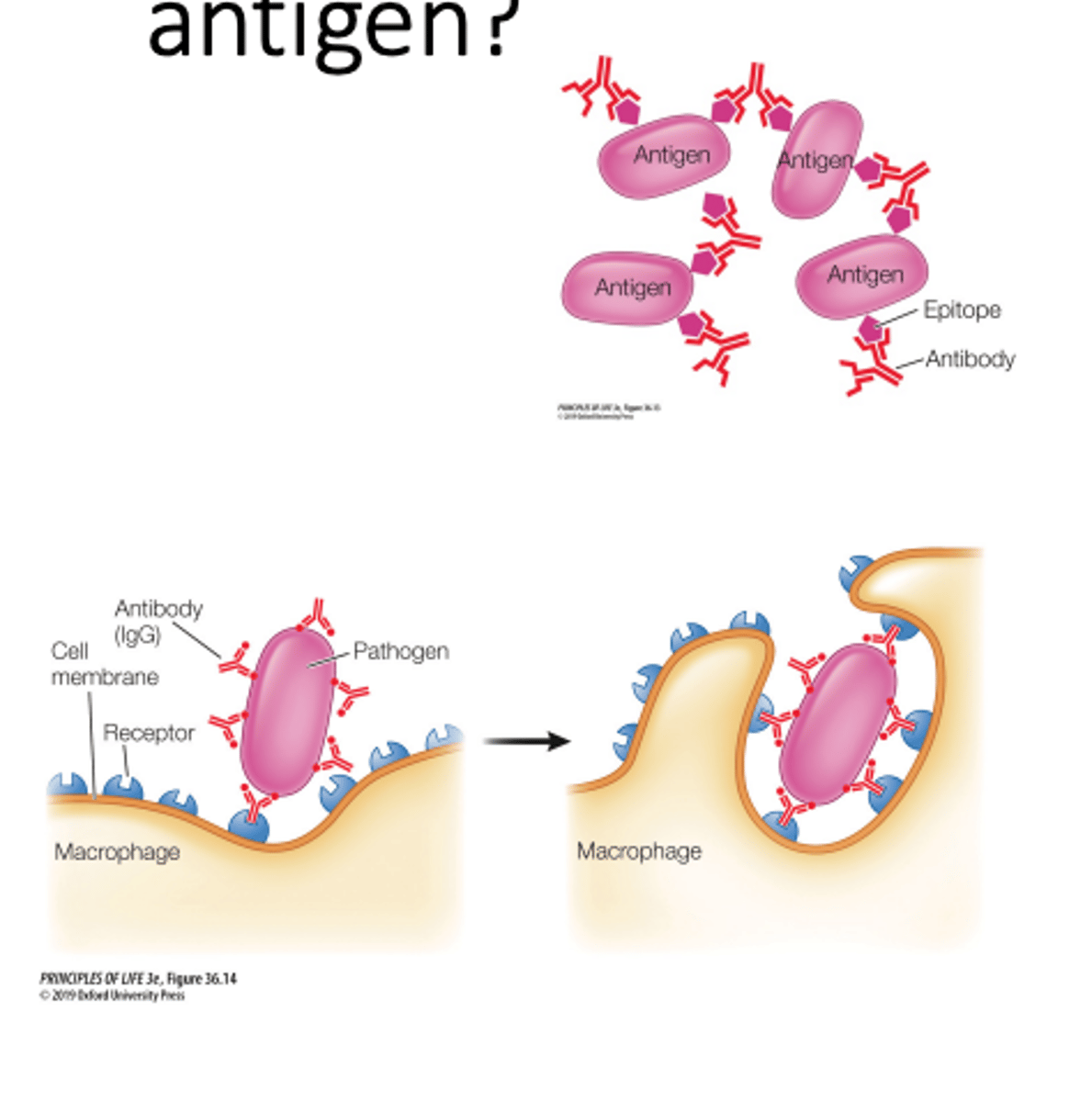
What protein class do antibodies belong to?
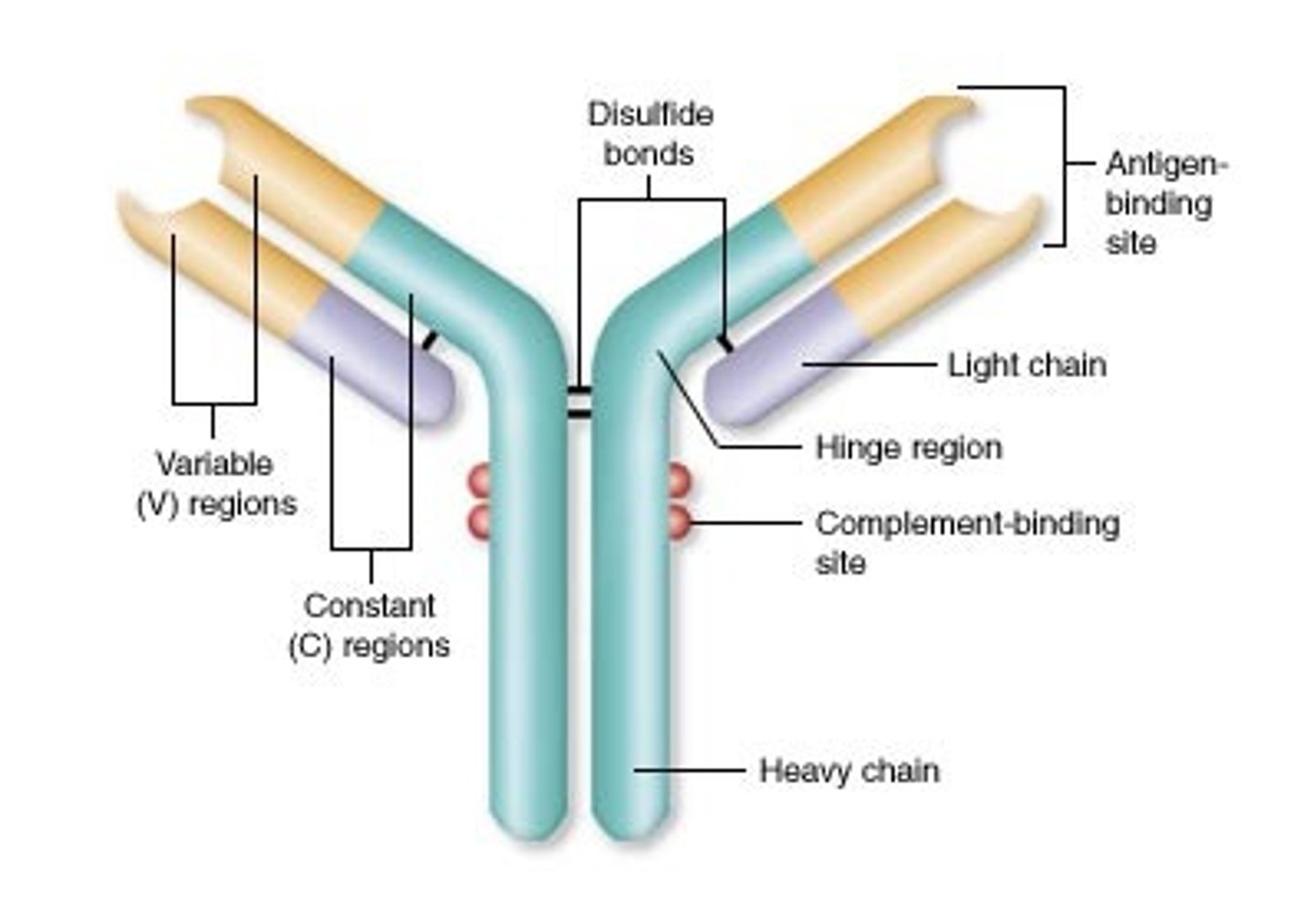
immunoglobins
immunoglobins
1. two light chains, and two heavy chains, held together by disulfide bonds
2. each polypeptide chain has a constant region and a variable region
3. variable regions are specific for each antibody; the 3D structure means it will only interact with 1 antigen
3. constant region determines the function and destination
antibody diversity
human immune system can potentiall produce up to one quintillion distinct anitbodies
Antibody diversity is due to
result of gene rearrangements
antibody gene arrangement
- during B cell development: one gene from each cluster is randomly joined and the other genes are deleted
- after transcription, RNA is processed (alternative splicing may occur)
- translation produces functional/only antibody unique to that B celli
immature B cell
wide range of genes part of antibody sequence
embryonic DNA
clusters of genes
DNA recombinanation
gives rise to diversity of immunoglobins; also these genes have a relatively high mutation rate
Each B cell has ...
unique sequence
true/false: each somatic cel have the same identical genome
False; not all somatic cells have the same identical genome
3. distinguishing self from nonself
immune system must be able to recognize all the different 3D cell shapes and not attack them
diversity of cells in a body
all have different 3-dimensional shapes capable of generating an immune response
clonal deletion
elimination of potentially harmful lymphocytes that recognize "self"
autoimmune diseases
result from failure of clonanl deletion; body produces antibody that recognizes self cell as a problem
4. immunological memory
after one response to a pathogen, the immune system "remembers" the pathogen and can respond more quickly and powerfully if that pathogen invades again
vaccination
introduces an antigen and the immune system remembers it
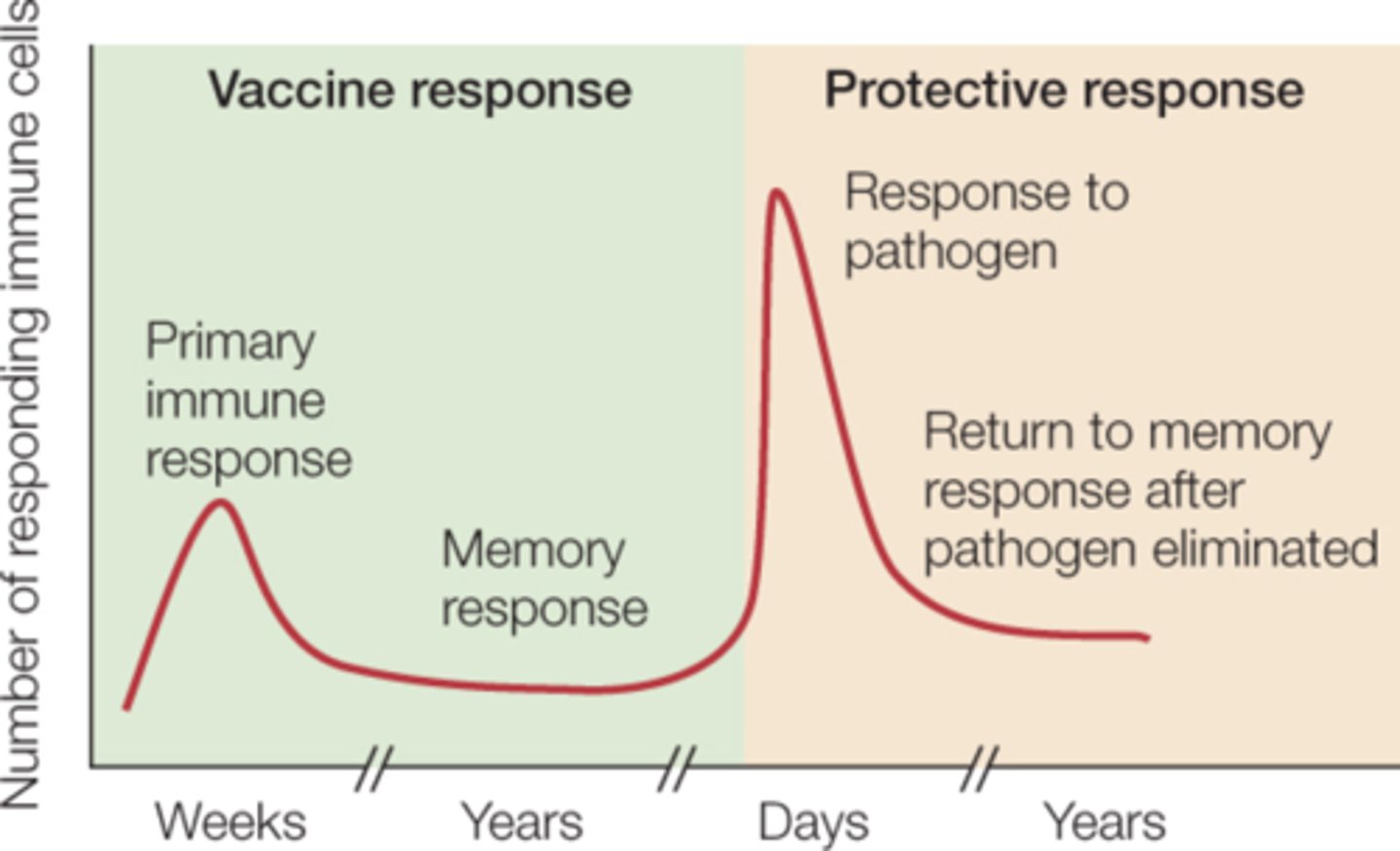
3 phases of adaptive immunity
recognition, activation, effector
humoral immunity
carried out by antibodies in extracellular fluids
cellular immunity
directly targets and destroys infected cells
humoral immune response
1. recognition: T-helper (TH) cells binds to antigen presented by phagocyte; B cells bind antigen
2. activation: B cells are cloned, secrete antibodies into bloodstream
3. effector: antibodies bind to antigens; invading cells destroyed
humoral immunity activation and proliferation
activated B cell divides to create plasma cells and memory B cells
plasma cells
make and secrete antibodies (the same one that detects the antigen originally detected)
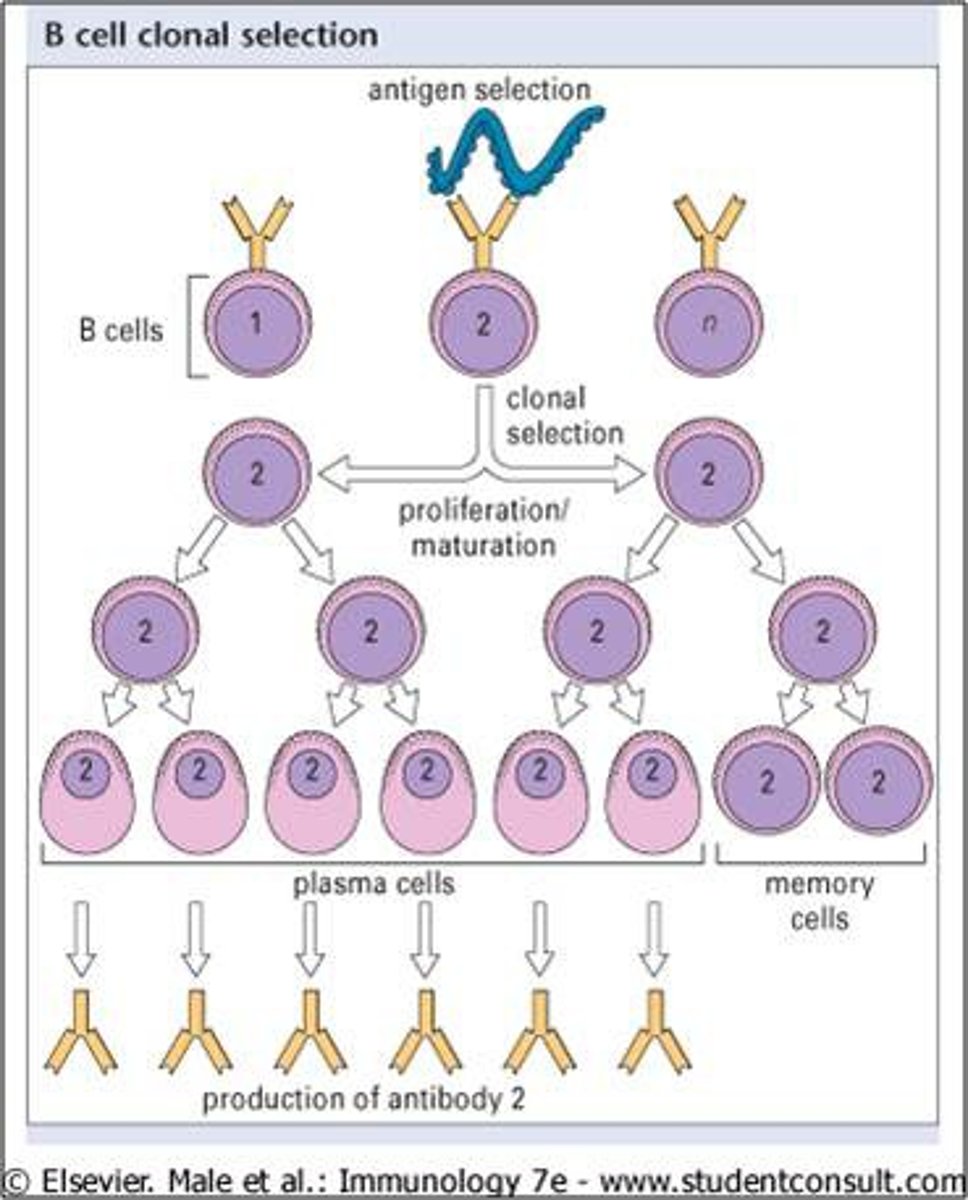
immunological memory
ability of the adaptive immune response to mount a stronger and faster immune response upon re-exposure to a pathogen
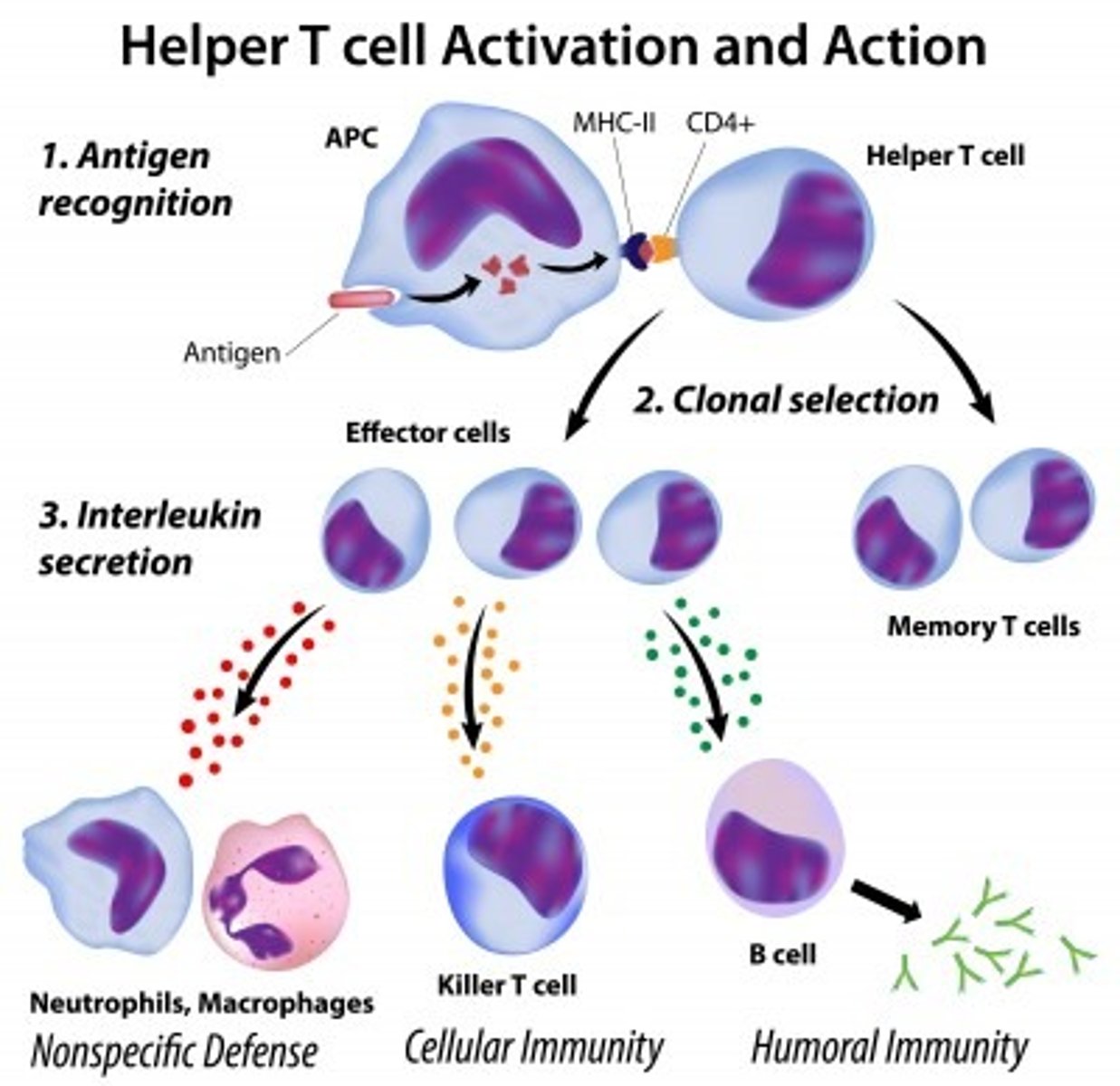
clonal selection
The process by which an antigen selectively binds to and activates only those lymphocytes bearing receptors specific for the antigen. The selected lymphocytes proliferate and differentiate into a clone of effector cells and a clone of memory cells specific for the stimulating antigen.
cellular immune response
1. recognition: a virus-infected or mutated cell displays antigens, TH with specific receptor binds
2. activation: TH stimulate cytotoxic T cell (TC) with specific receptor to divide
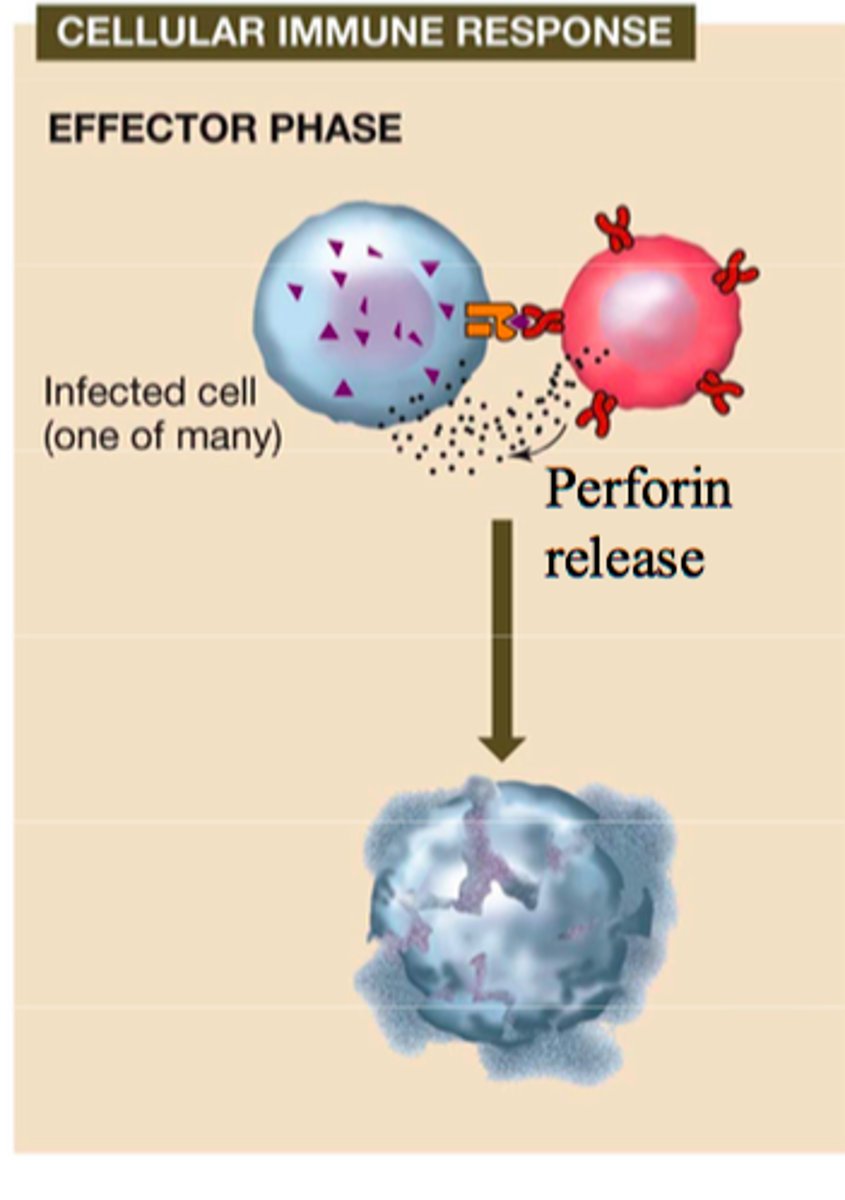
3. effector: TC clones recognize other infected cells, bind to them, and initiate lysis
cellular immunity effector phase
TC cells produce perforin, which triggers apoptosis in target cells
vaccines can "train" the immune system
a second infection by the same pathogen activates memory cells and the immune system responds rapidly
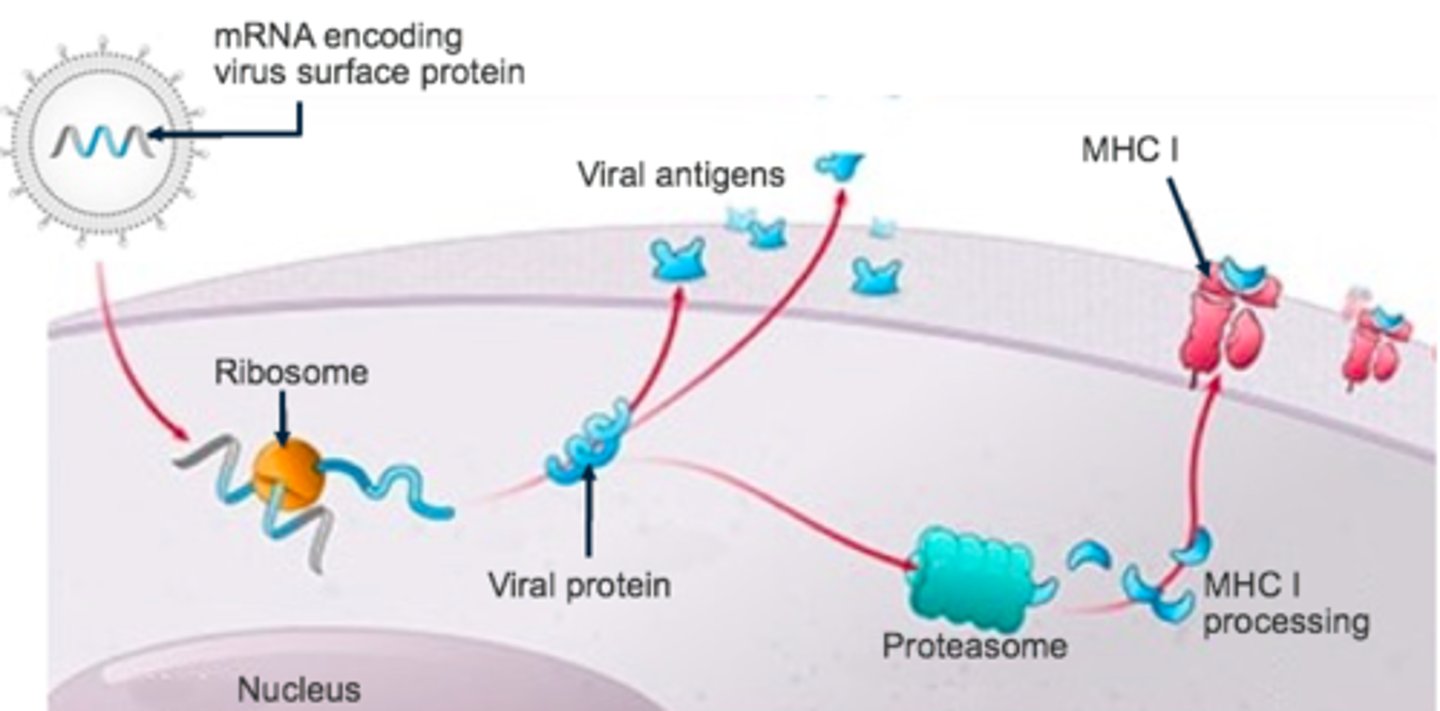
mRNA vaccine
has mRNA to make a protein that is part of the antigen (like a protein on the outside of the virus
mRNA timeline
mRNA sticks around in our cells for only a short period of time then gets degraded
mRNA in cell
mRNA gets delivered to cells in human, those cells create the protein and display it; body creates antibodies to the protein
mRNA antigen piece
completely harmless to our body
mRNA vaccine final steps
- memory cells are created
- an immune response is triggered
mRNA immune response
sometimes can lead to adverse effects (fever); body trying to get rid of the "antigen" even though it is harmless (our immune cells don't know that)
homeostasis
the stability of the internal environment, and the mechanisms used to maintain that stability
what challenges the internal environment?
it is always challeneged by external environment and metabolic activities
main role of homeostasis
maintain optimum physical and chemical environment for all metabolic processes
what does each physiological variable have?
a homeostatic control system
control systems
sense when conditions deviate from 'normal' and initiate physiological mechanisms to correct the error; often involves the interaction of the nervous and endocrine system
components of homeostatic control systems
sensor, integrator, effector
sensors/receptors
provide information; gather information about conditions inside and outside of the body
integrator
obtain, integrate, and process information in a control mechanism
effectors
get issued commands; cause responses that alter conditions in the internal environment
house temperature example
- temperature is the controlled variable
- thermostat is the sensor
- furnace and air conditioner are the effects
- set point is a certain temp (ex: 20 degrees)
set point
reference point
feedback information
information that is compared to the set point by the sensor
error signal
any difference between the set point and feedback information
effector
tissues or organs that can alter the internal environment
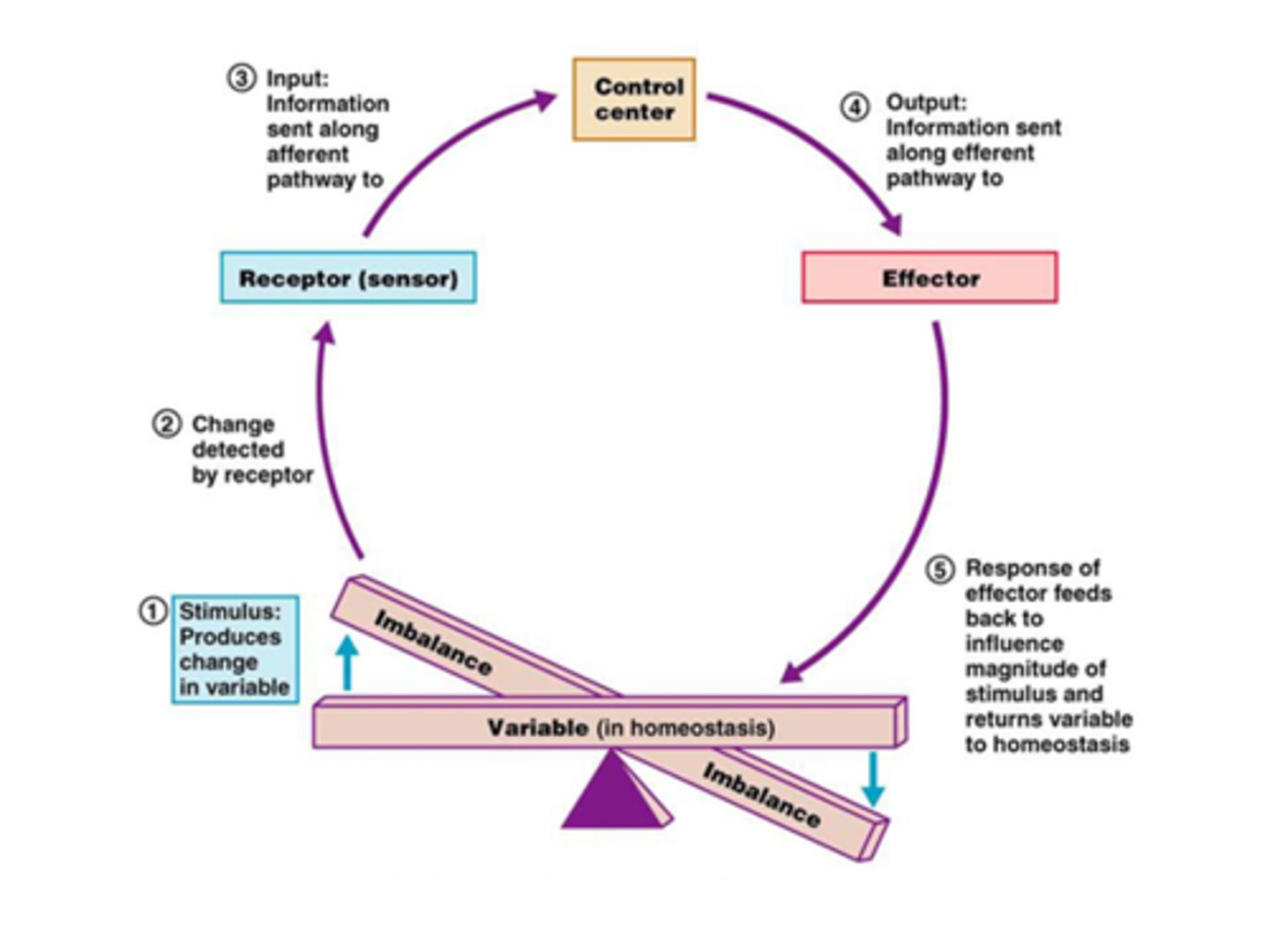
negative feedback
information that returns system to set point
postive feedback
amplifies a response and increases deviation from a set point (ex: contractions during childbirth)
temperature negative feedback example
1. walk outside in the winter, body gets cold
2. temperature sensors at multiple places in body detects this change
3. info is sent to control center which triggers effector
4. tissues that can generate heat get info (ex: shivering)
5. body heat increases towards normal
homeostatic challenge 1
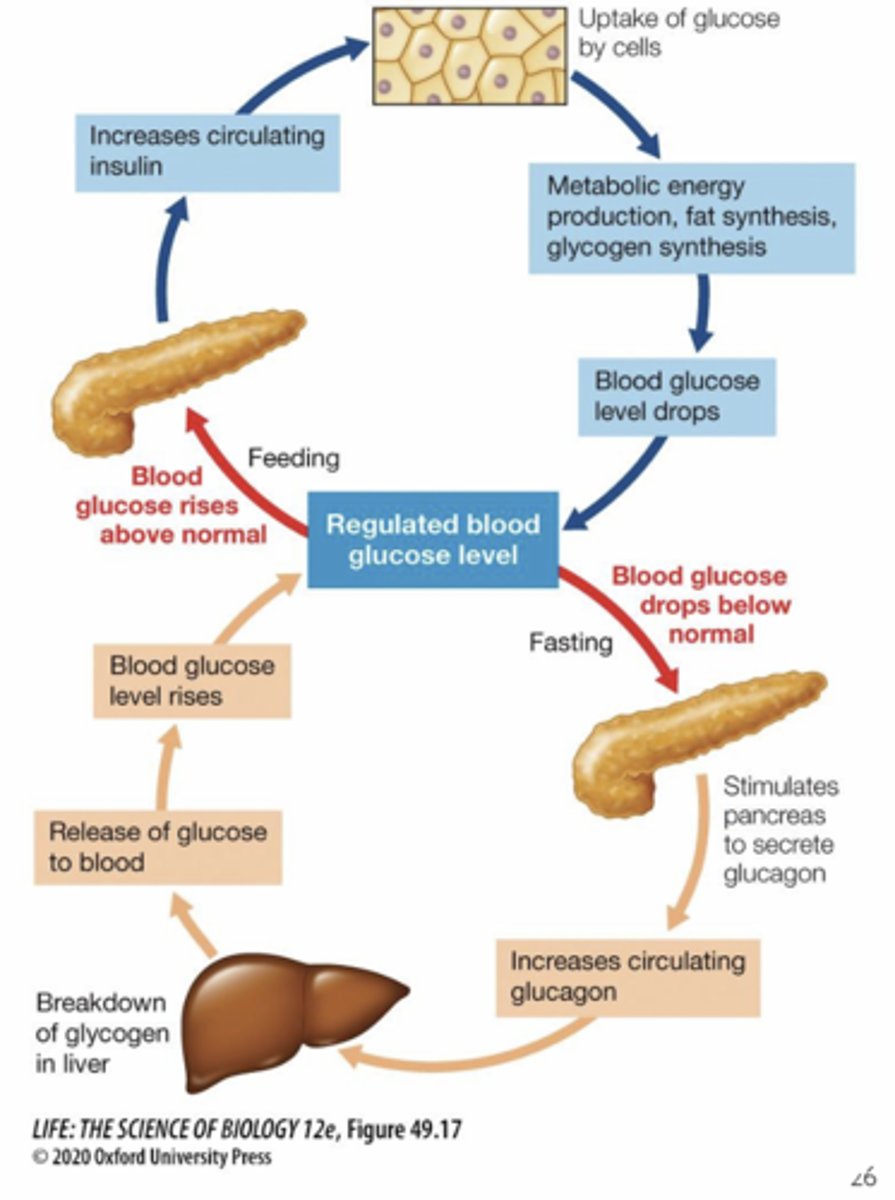
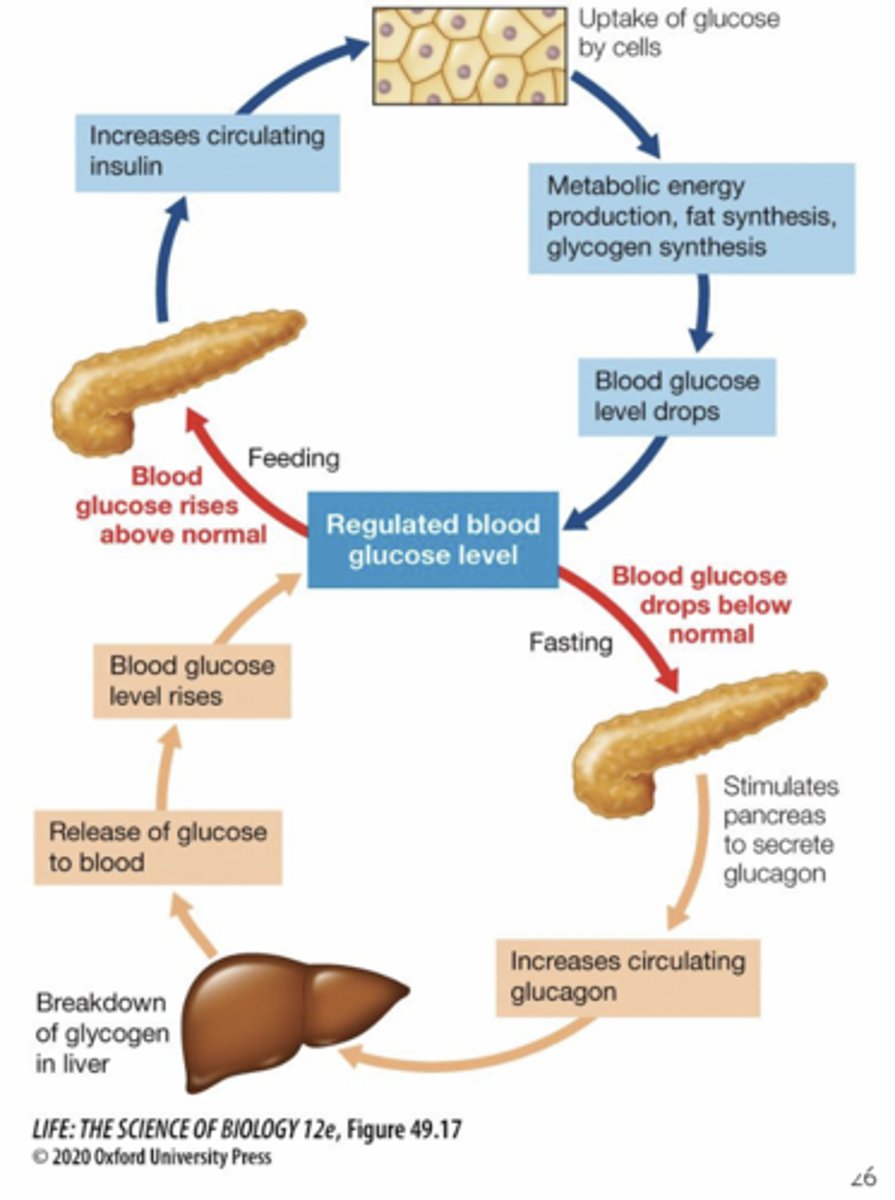
maintain blood glucose levels
glucose
necessary for proper cell functions; each cell must make its own ATP
blood glucose levels
maintained at constant levels, even though food intake may vary through a day (NEGATIVE FEEDBACK)
key components of maintaining blood glucose levels
pancreas and liver
pancreas
multiple types of cells that each produce/secrete different hormones (insulin and glucagon)
liver
storage of glucose as glycogen
when blood glucose rises above normal...
- error signal: high glucose level
- stimulates pancreas to secrete insulin
- increases circulating insulin (info to effectors)
- uptake of glucose by cells
- use of glucose in metabolism, fat synthesis, glycogen synthesis
- blood glucose level drops
- back to setpoint: regulated blood glucose level
when blood glucose drops below normal...
- error signal: low glucose level
- stimulates pancreas to secrete glucagon
- increases circulating glucagon (info to effectors)
- breakdown of glycogen by liver
- release of glucose to blood
- blood glucose level rises
- back to setpoint: regulated blood glucose level
endocrine system
collection of glands that secrete hormones that control physiological activities (ex: growth, development, response to stress, etc)
signaling through the body
endocrine cells release hormones which travel through the circulatory system and affect distant target
nervous and endocrine systems
they work together; brain controls secretion of many hormones
types of endocrine cells
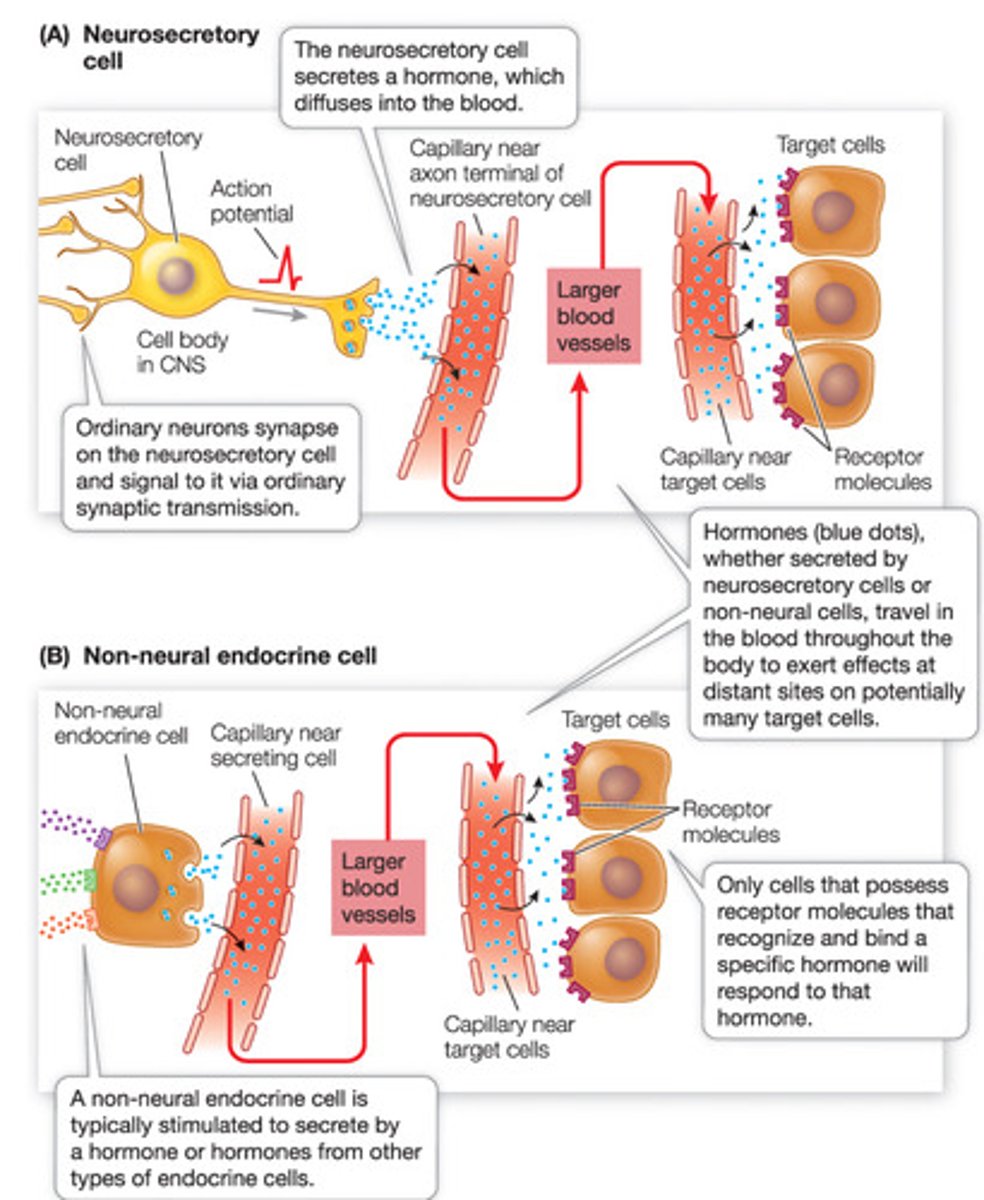
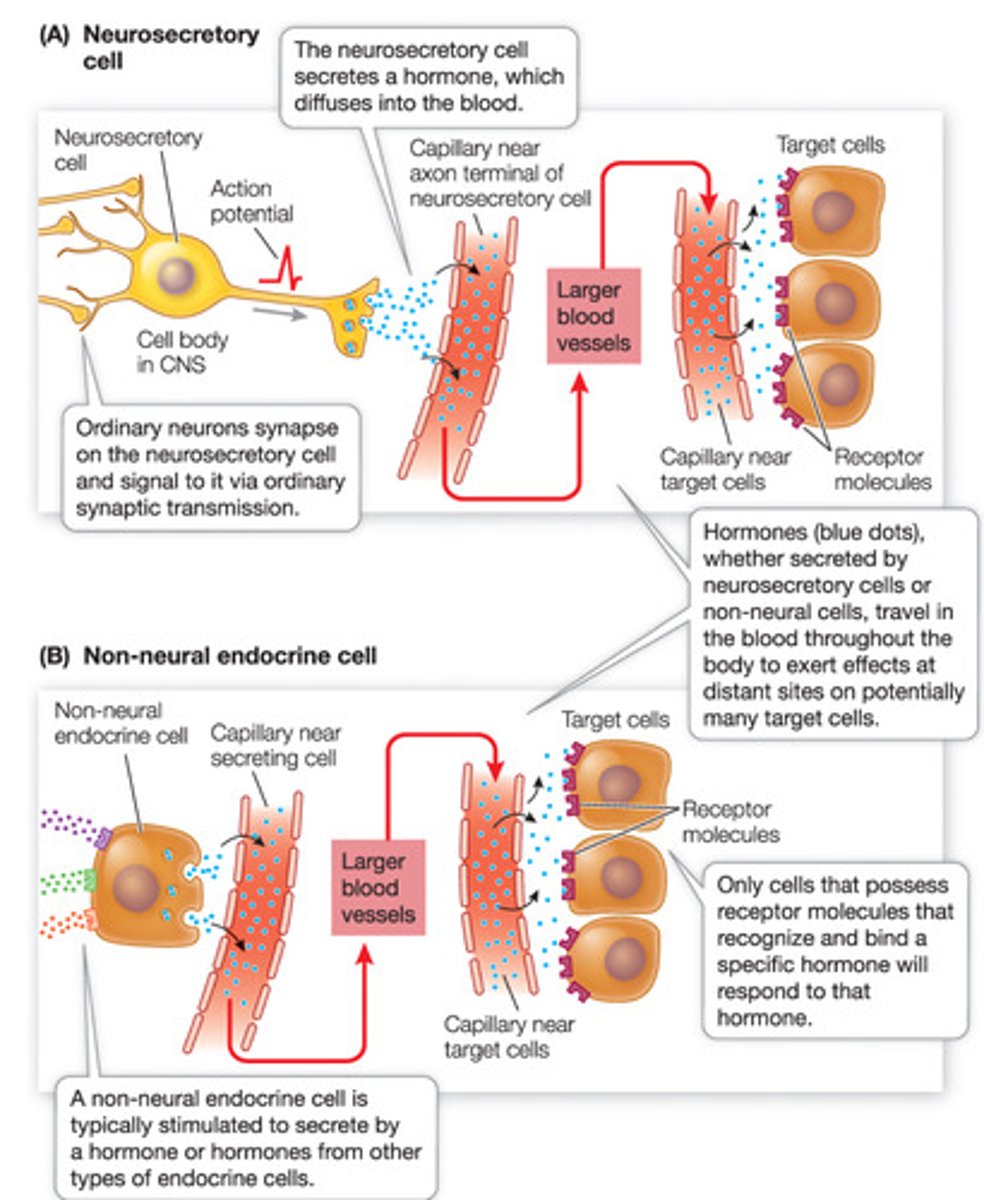
neurosecretory cells and nonneural endocrine cells
neurosecretory cells
excitable cells that propagate action potentials; cell bodies are in the CNS; the axon terminals release hormones into the blood
nonneural endocrine cells
not excitable; typically stimulated to secrete hormone by other hormones
endocrine signaling
- glands release hormones intor circulatory system (target cells may be far away)
- target cells can have receptors for more than one hormone
- glands may signal sequence of other glands (axis)
- target cells can change a response over time (decrease in receptor number reduces response to a hormone)
- one hormone can trigger different responses in different types of cells
- not permanent
non-permanence of endocrine signaling
hormones may be broken down or removed from the body (filtered out of blood and excreted)
pituitary gland
master gland; secretes hormones that control may other glands, attached to the hypothalamus of the brain; two parts (anterior and posterior)
pituitary gland helps control...
Growth
Blood pressure
Childbirth and breast milk production
Arousal
Thyroid gland function
Metabolism
Water balance
Temperature regulation
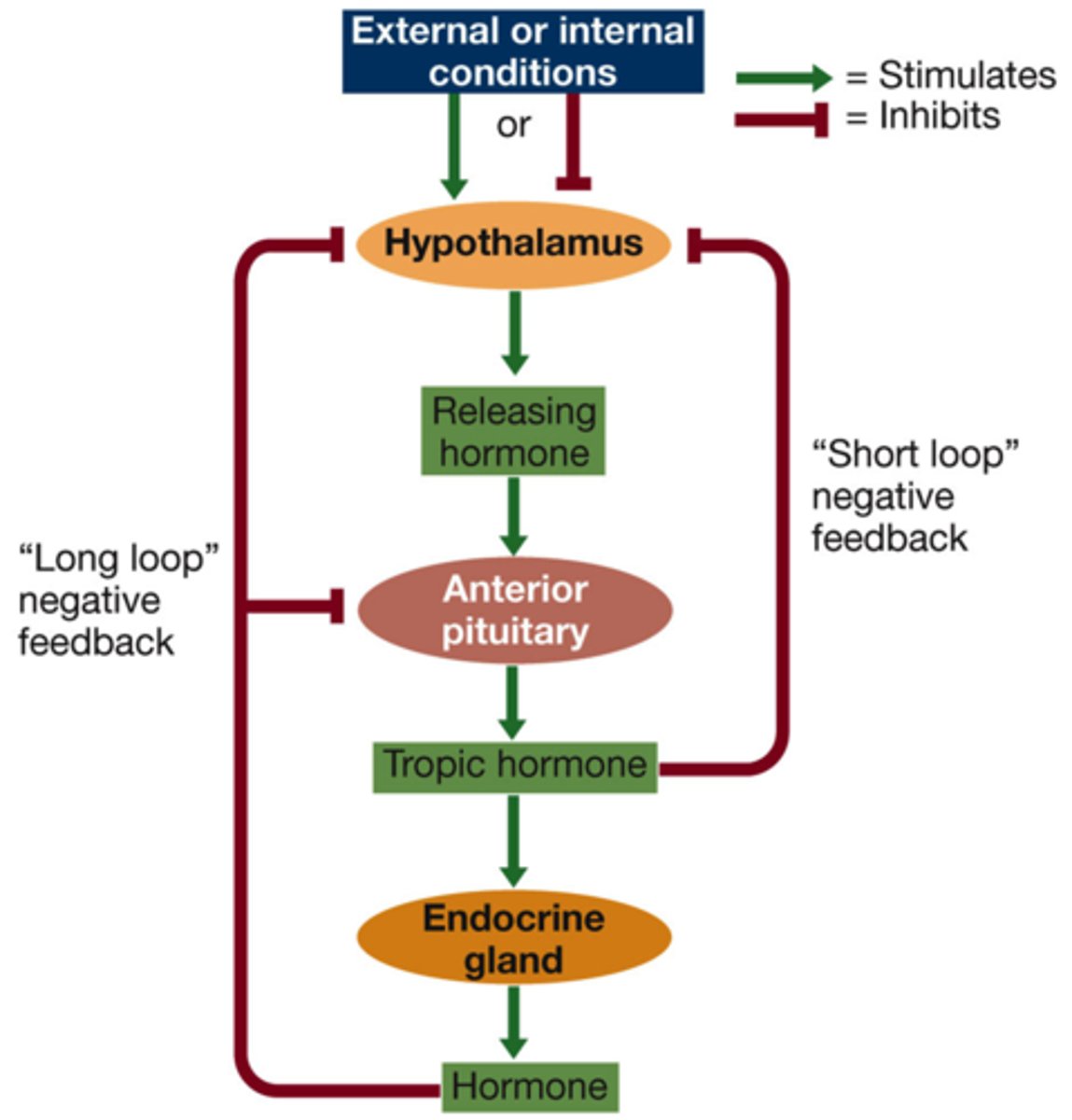
hypothalamic-pituitary-adrenal (HPA) axis
a body system involved in stress responses; cells in hypothalamus secrete a neurohormone; which stimulates the anterior pituitary to release a tropic hormone; which travles through the blood to the adrenal cortex, which secretes the hormones cortiso; and epinephrine; which elicits various physiological changes
axis
when endocrine signaling acts in a sequence
neurohormones
secreted by neurosecretory cells (can stimulate or inhibit target); called a releasing hormone when it stimulates the target gland
tropic hormones
control other endocrine glands
hormones
directly stimulate cells/tissues
feedback loops control hormone secretion
hormones can exert feedback inhibition on gland cells, which inhibits hormone secretion
What happens aften an animal obtains O2 from the environment?
it is transported through the body so mitochondria can carry out cellular respiration
What happens to the CO2 produced by cellular respiration?
it is collected from tissues and released at the lungs
bulk flow respiration
when a lot of materials or substances move from one area to another (ex. oxygen going from our lungs to out body)
diffusion
random molecular motions which causes a net transport of molecules from a concentrated region to a dilute region
fick's law (generalized)
Rate of diffusion per unit of cross-sectional area proportional to C1-C2/L -> difference of concentration/length
Fick's Law of Diffusion
diffusion through a membrane is directly proportional to the surface area and concentration gradient and inversely proportional to the thickness of the membrane and its thickness
variables that limit respiratory gas exchange and all adaptations that maximize respiratoey gas exchange
surface areas, concentration gradient, membrane permeability, membrane thickness
more surface area
faster rate of diffusion
Explore top notes

