SciOly Water Quality
 Studied by 0 people
 Call Kai
 Learn
Learn Practice Test
 Spaced Repetition
 Match
Match Flashcards
 Knowt Play
1/33

There's no tags or description
Looks like no tags are added yet.
Name | Mastery | Learn | Test | Matching | Spaced | Call with Kai |
|---|
No analytics yet
Send a link to your students to track their progress
34 Terms
summer stratification: layer - epilimnion
warm temps, high DO, photosynthesis
summer stratification: layer - metalimnion
rapid changing temps, variable DO, thermocline
summer stratification: layer - hypolimnion
cold temps, low DO, decomposition, can become anoxic
Fall/spring turnover
surface cools and sinks, wind mixes layers, oxygen & nutrients redistributed, can cause temporary algal blooms
winter
inverse stratification, coldest water near ice, low ligh → low photosynthesis
nitrogen cycle processes: fixation
N2→ NH3, anaerobic
nitrogen cycle processes: nitrification
NH4 → NO2 → NO3, aerobic, consumes oxygen
nitrogen cycle processes: assimilation
NO3 uptake, plants/algae
nitrogen cycle processes: ammonification
organic N→ NH4, decomposition
nitrogen cycle processes: denitrification
NO3→ N2, anaerobic sediments
phosphorus cycle
no atmospheric phase, exists PO4, comes from rock weathering, fertilizers, detergents, limiting nutrients in freshwater. Sediments = phosphorus sink, low oxygen → phosphorus released back into water
Carbon Cycle & pH
CO₂ + H₂O ⇌ H₂CO₃ ⇌ H⁺ + HCO, more CO2→lower pH, photosynthesis higher DO, higher pH, respiration lower DO, lower pH
DO
Measured in mg/L, Cold water holds more oxygen, ↓ DO caused by High temperature, High BOD, Nitrification, Decomposition
Biochemical Oxygen Demand
oxygen used to decompose organic matter, high BOD = pollution, common sources: sewage, manure, food waste
pH
logarithmic scale, each until 10× change, ideal freshwater 6.5-8, low pH: metal toxicity increases, egg mortality increases
turbidity
measures water clarity, high turbidity: blocks sunlight, raises temperature, smothers benthic habitat
conductivity
measures ions, high = pollution, sources : road salt, fertilizers, wastewater
hardness and alkalinity
hardness = Ca²⁺, Mg²⁺, Alkalinity = buffering capacity, high alkalinity → stable pH
pollution types: nutrient pollution
nitrates + phosphates, causes eutrophication
pollution types: thermal pollution
power plants, lower DO, thermal shock
pollution types: toxic pollution
heavy metals, pesticides, industrial waste
pollution types: point
pipe, easy to trace
pollution types: nonpoint
runoff, diffuse
eutrophication
nutrient input, algal bloom, light blocked, plants die, bacterial decomposition, oxygen depletion, fish kill (creates hypoxia/anoxia)
bioaccumulation
toxin builds up in the organism
biomagnification
concentration increases up the food chain
top predators
highest level
watershed
area draining into water
urbanization
increased runoff, increased pollution, decreased infiltration
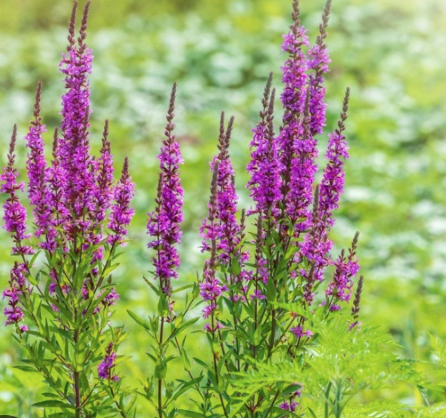
Purple loosestrife
Thrives in moist, disturbed areas.
Outcompetes native vegetation, leading to reduced biodiversity.
Characterized by tall stems and purple flowers (3 to 10 feet high).
Produces numerous seeds that spread easily.
Forms dense stands that choke out native plants and impact wildlife.
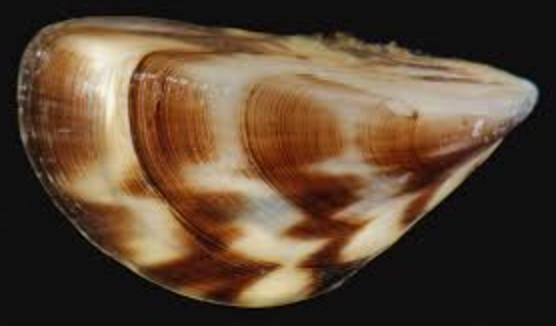
Zebra Mussel
Characterized by its zebra-striped shell.
Can attach to surfaces and reproduce quickly, causing significant ecological and economic impacts.
Alters habitats by filtering large volumes of water, resulting in clearer water but reduced phytoplankton.
Causes fouling of water intakes and surfaces, increasing maintenance costs for water systems. invasive
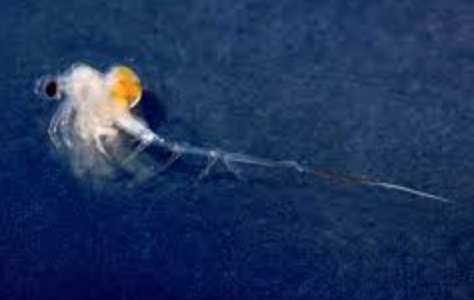
spiny waterflea
Invasive zooplankton species found in freshwater lakes.
Characterized by a long tail spine and a body covered with spines.
Can reproduce rapidly, leading to large population outbreaks.
Competes with native zooplankton species for food resources.
Can affect the entire food web, impacting fish populations due to reduced food availability.
Lentic
Ponds, lakes Lakes, pondsStratification occurs Nutrients accumulate More eutrophication risk
Lotic
rivers streams, flowomg, High turbulence → higher DO Nutrients move downstream Organisms adapted to cling/flatten
 Note
Note  Flashcards (21)