Week 2- Biomolecules SOL Key Concepts
 Call Kai
 Learn
Learn Practice Test
 Spaced Repetition
 Match
Match Flashcards
 Knowt Play
1/20

There's no tags or description
Looks like no tags are added yet.
Name | Mastery | Learn | Test | Matching | Spaced | Call with Kai |
|---|
No analytics yet
Send a link to your students to track their progress
21 Terms
Monomers
A single unit that makes up biomolecules
Polymers
Many units (monomers) bound together
Carbohydrates: Monomer
Mono= one
Saccharide= sugar
Monosaccharides
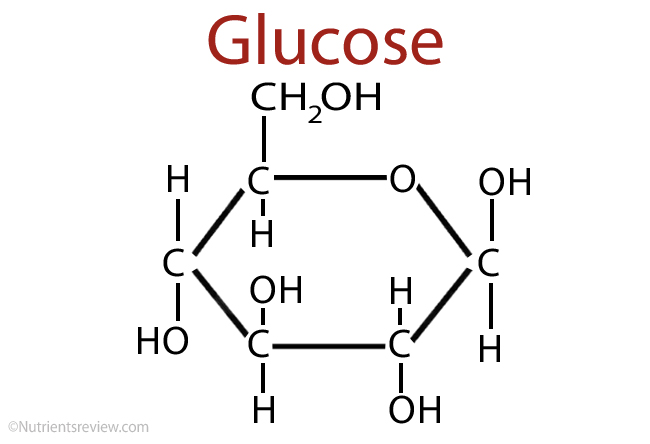
Carbohydrates: Elements
Carbon (C), Hydrogen (H) and Oxygen(O)
Carbohydrates Structure
Ring of Carbons
Carbohydrates: Function
Short term energy
Can be simple of complex sugars
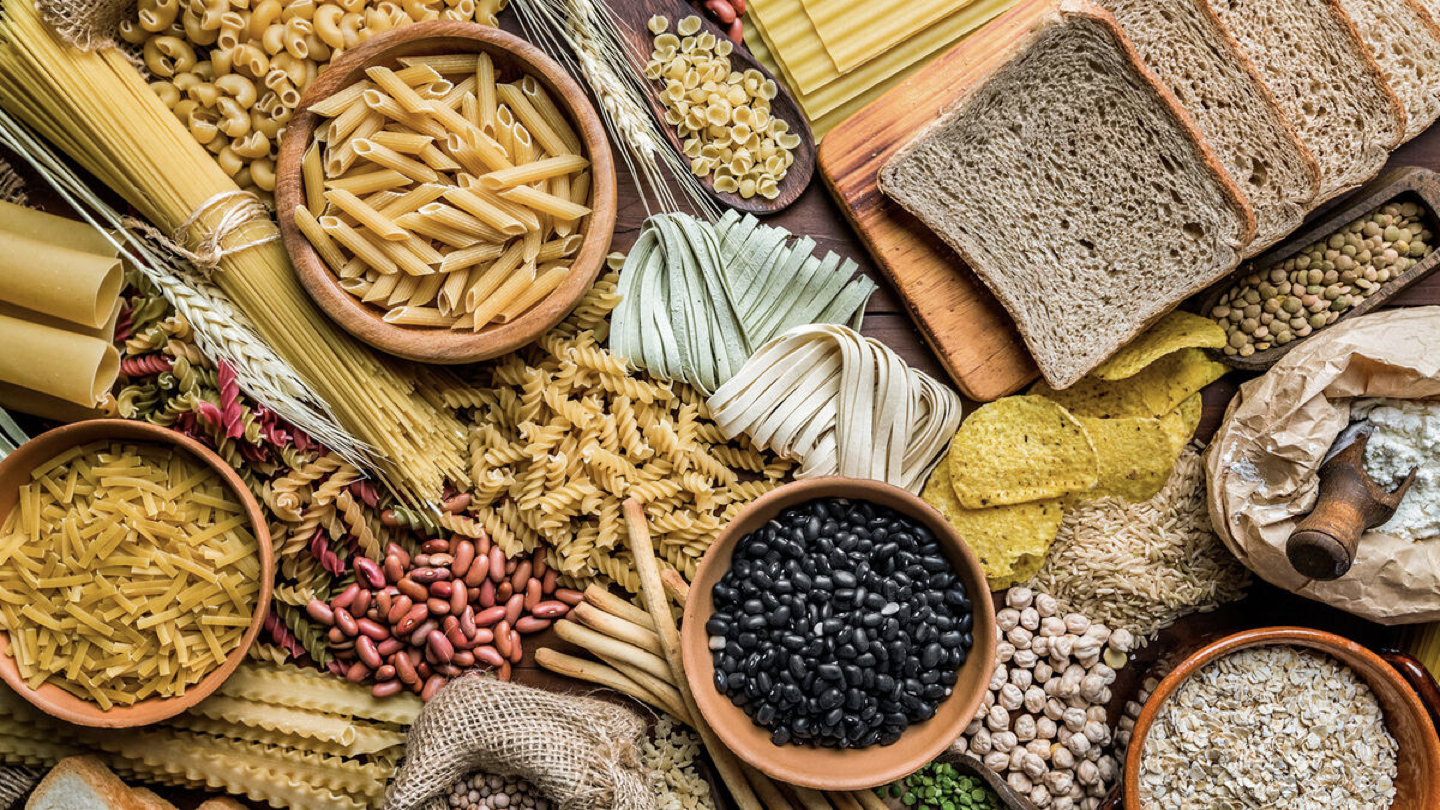
Carbohydrates Example:
ends with ose- lactose, sucrose, starch, cellulose (makes plant cell walls)
Lipids Monomer:
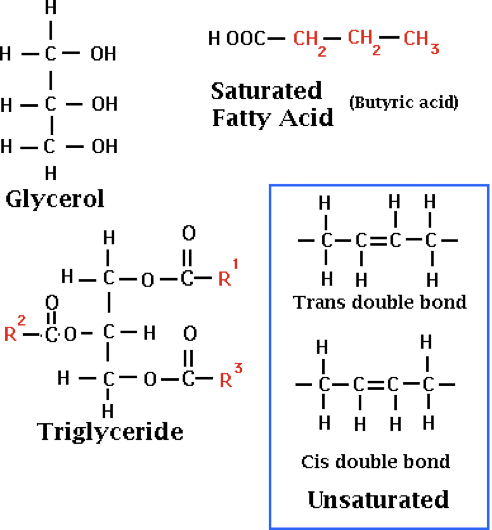
Glycerol + 3 Fatty Acids
Lipids Elements:
Carbon (C), Hydrogen (H), Oxygen (O)
Lipid Structure
Long Chains of C-H Bonds (CH bonds are non-polar)
Lipids: Function
Long term energy
Protect and insulate body
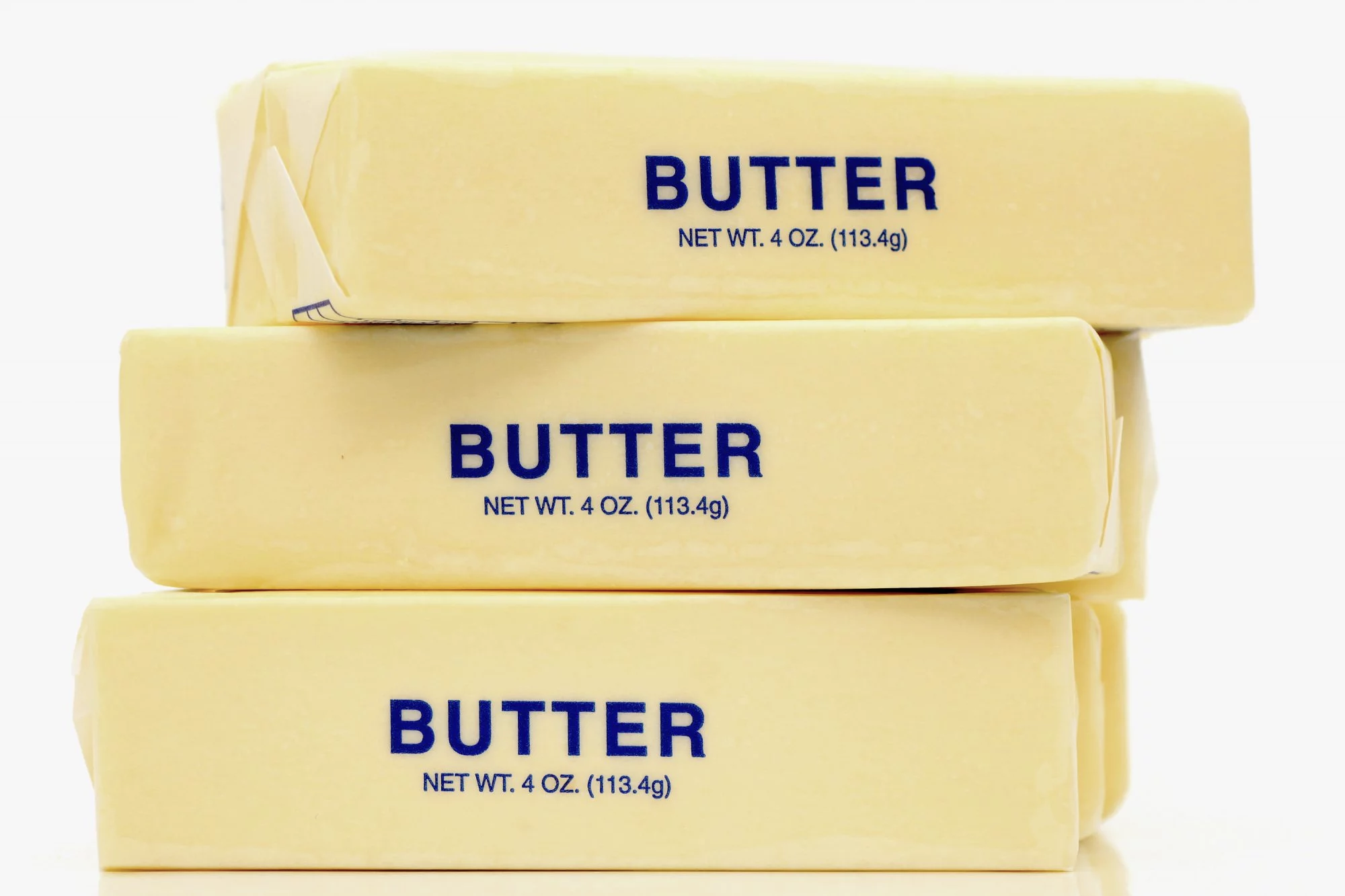
Lipids Example:
Oils
Fats
Wax
Proteins Monomer:
Amino Acids (AA)
Protein Elements:
Carbon (C), Hydrogen (H), Oxygen (O), Nitrogen (N), Sometimes Sulfur (S)
Protein Structure:
Amino Acids join together to form peptide bonds
Chain of peptides bonds form into complex shapes to suit the needs of the cells
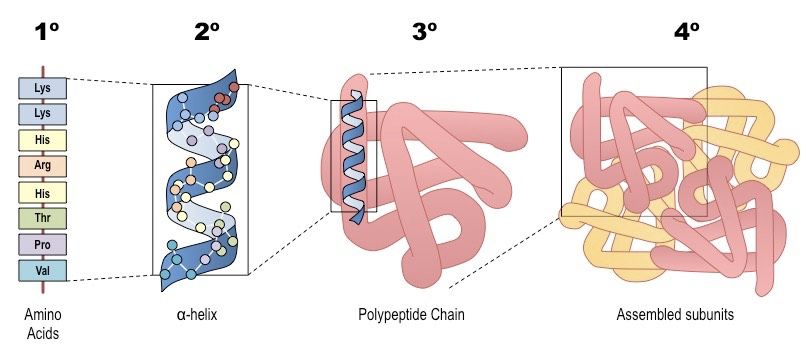
Protein Function:
Can build cell structures
Regulates cell processes
Protein Examples:
usually ends in ase: Steak, eggs, chicken, salmon
Nucleic Acids Elements:
Carbon (C), Hydrogen(H), Oxygen (O), Nitrogen (N), Phosphorus (P)
Nucleic Acids Monomer:
Nucleotides
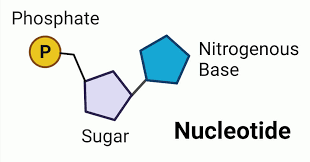
Nucleic Acids Structure:
Two strand-double helix (DNA)
RNA -one singular strand
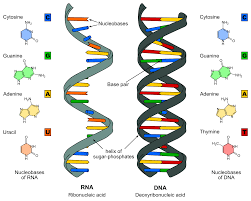
Nucleic Acids Function + Example
-Store and transit Genetic Maiterial
RNA helps make proteins
Examples: RNA, DNA (found in every living thing)

