Imperialism Terms
 Call Kai
 Learn
Learn Practice Test
 Spaced Repetition
 Match
Match Flashcards
 Knowt Play
1/50

There's no tags or description
Looks like no tags are added yet.
Name | Mastery | Learn | Test | Matching | Spaced | Call with Kai |
|---|
No analytics yet
Send a link to your students to track their progress
51 Terms
direct rule
Where local rulers govern under imperial control. The imperialist power controlled all levels of government and appointed its own officials to govern the colony.
Indirect Rule
Colonial government in which local rulers are allowed to maintain their positions of authority and status.
This approach was often used by colonial powers to control territories with minimal direct intervention, relying on existing power structures.
An example of this is during British rule, where local princes governed under British supervision.
Racism
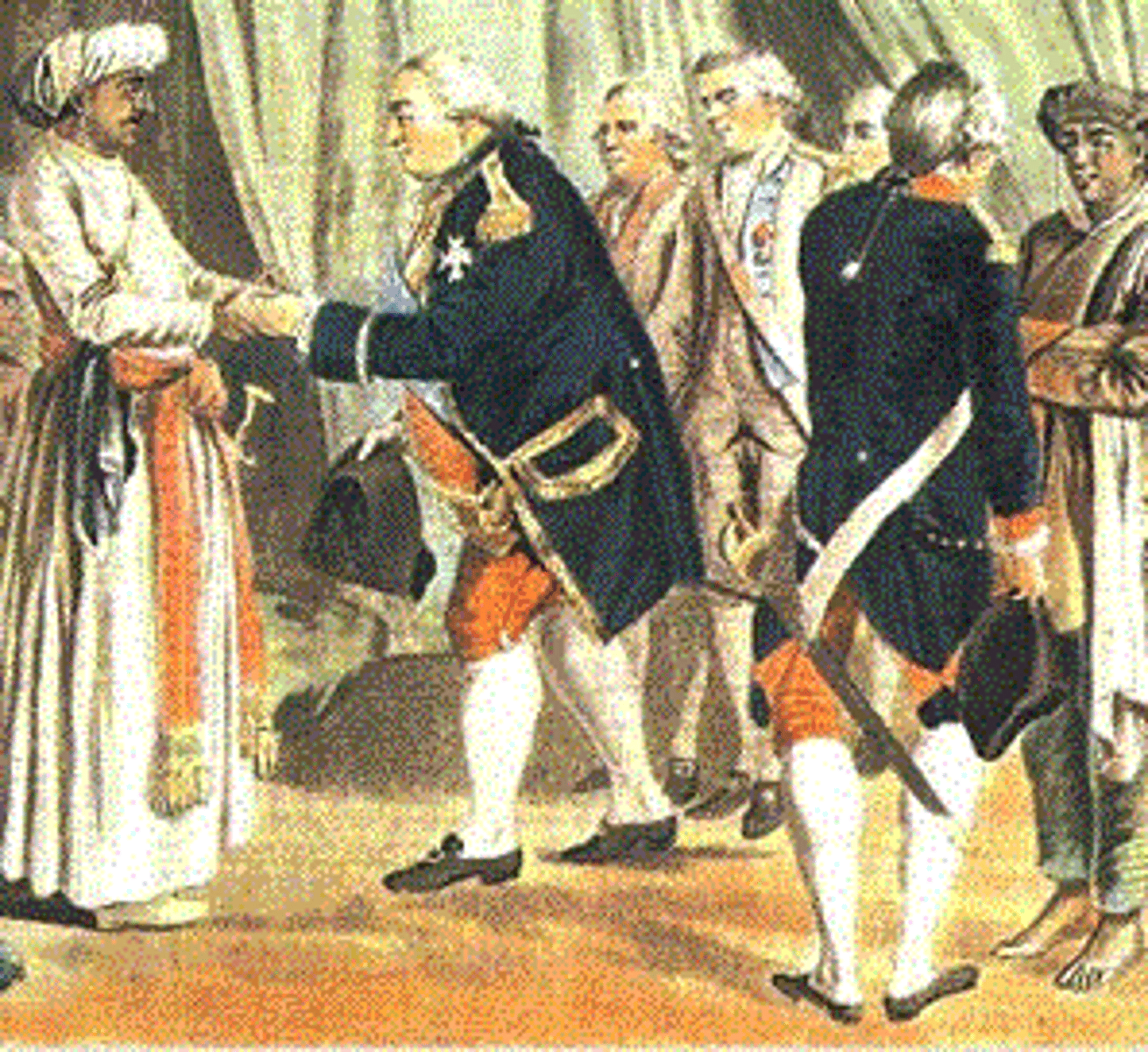
Belief that race is the primary determinant of human traits and capacities and that racial differences produce an inherent superiority of a particular race.

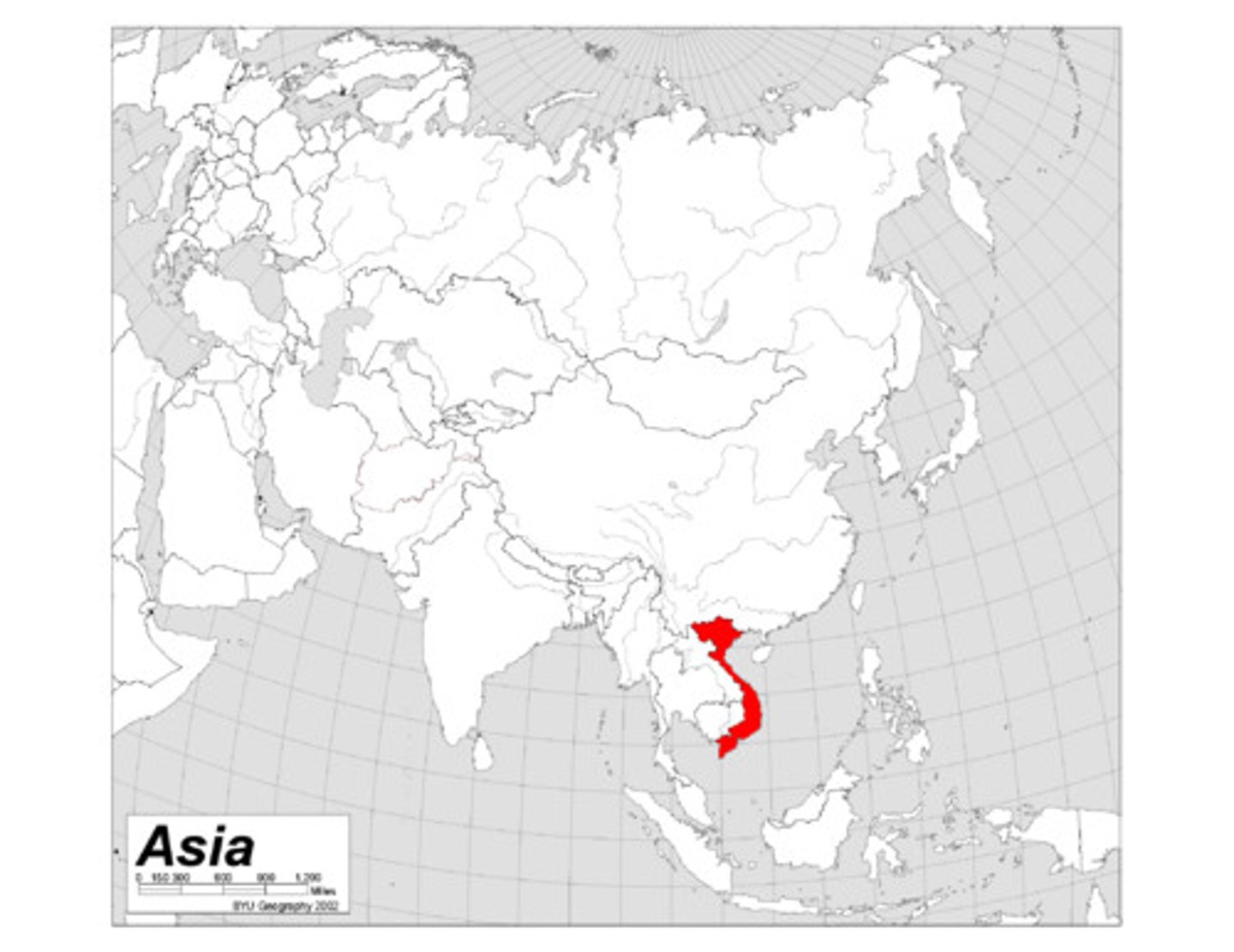
Vietnam
Example of Imperialism: France controlled this Southeast Asian state
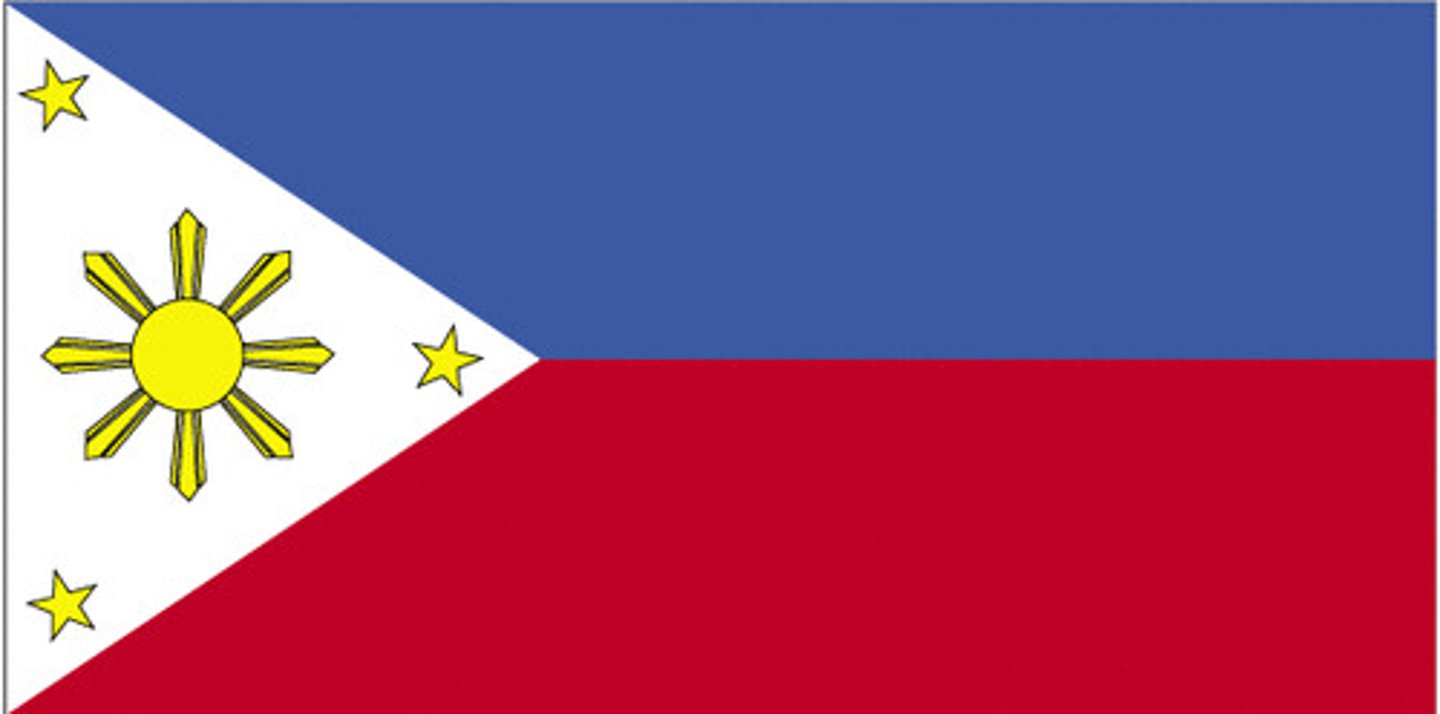
Philippines
Example of Imperialism: Colony in the Pacific took over for 1st half of the 1900s
exploit
To use people or resources unfairly for profit
raw materials
Natural resources that have not been processed. For example: cotton that hasn't been turned into clothing.

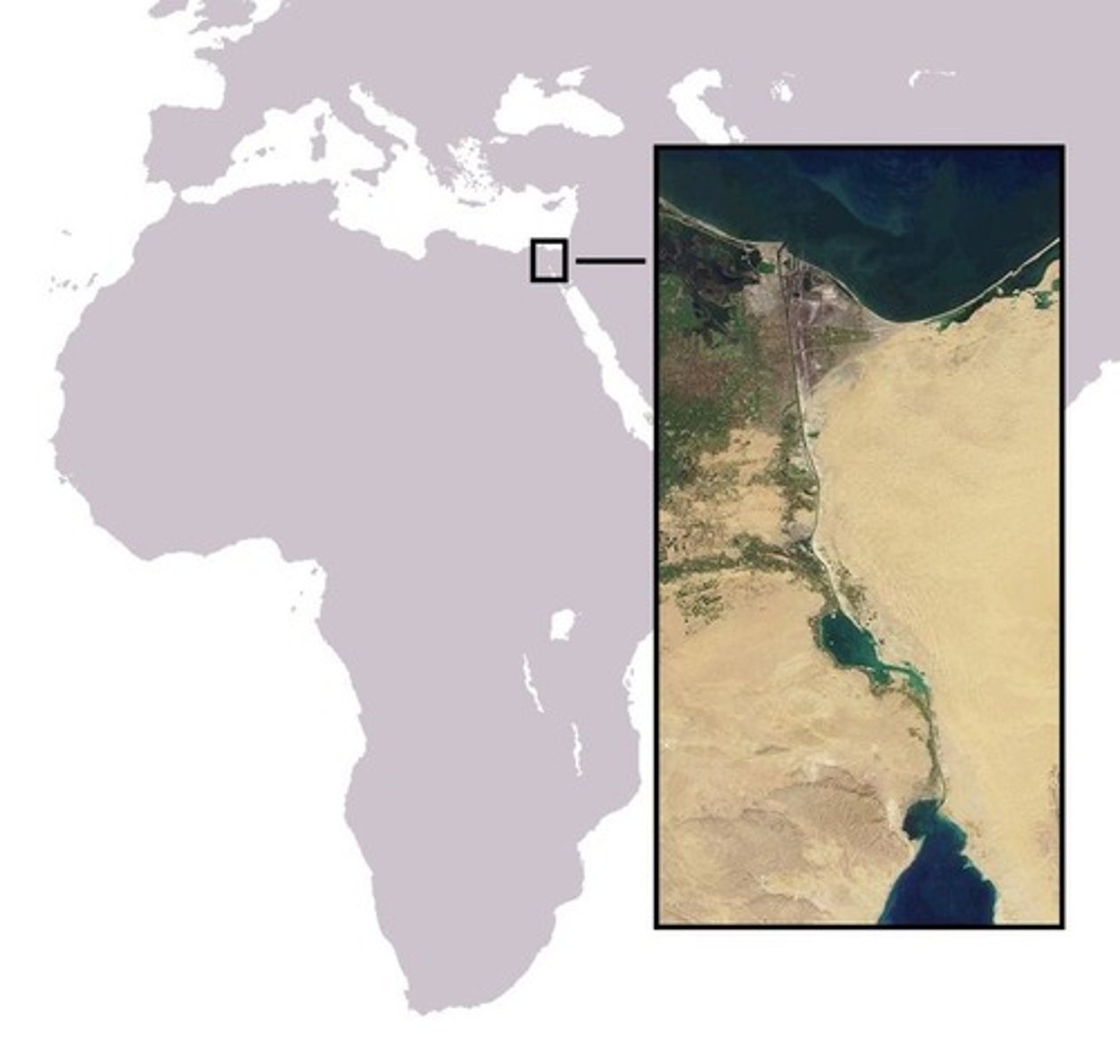
Suez Canal
Human-made waterway, opened in 1869, connected the Red Sea and the Mediterranean Sea
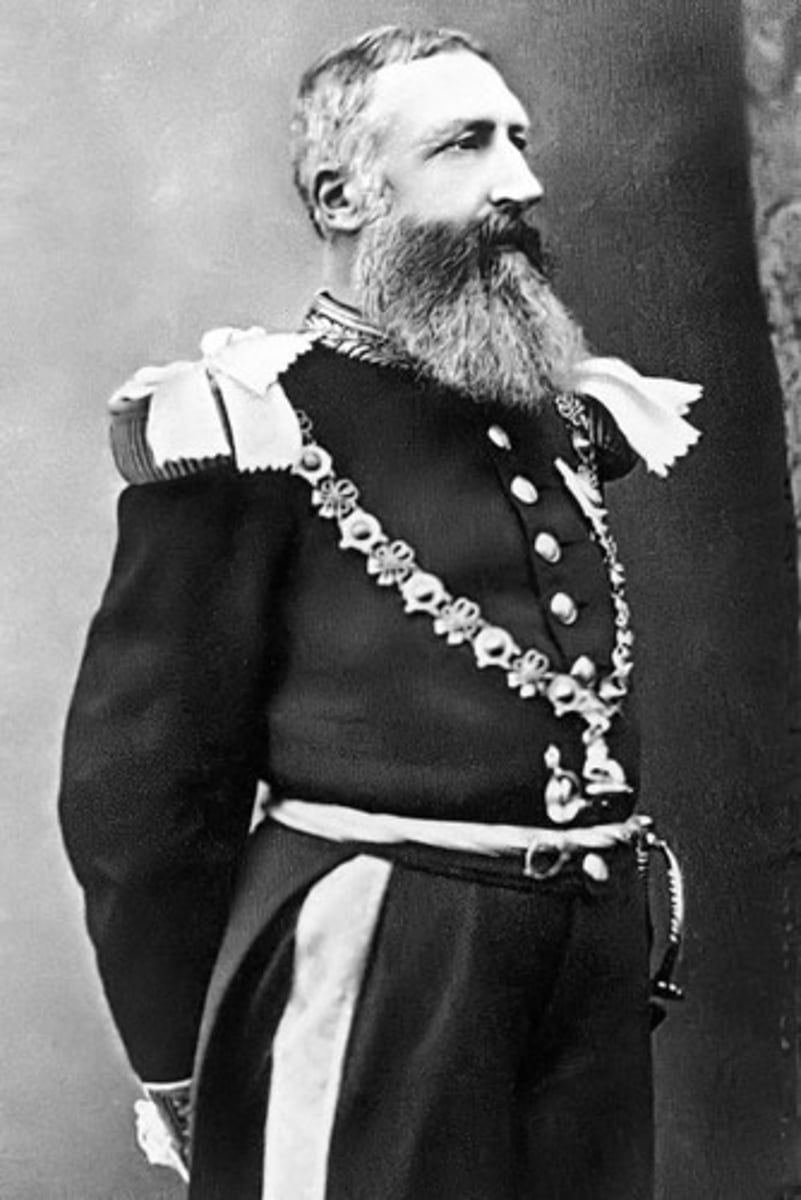
King Leopold II
King of Belgium (r. 1865-1909). He brutally ruled the "Congo Free State"
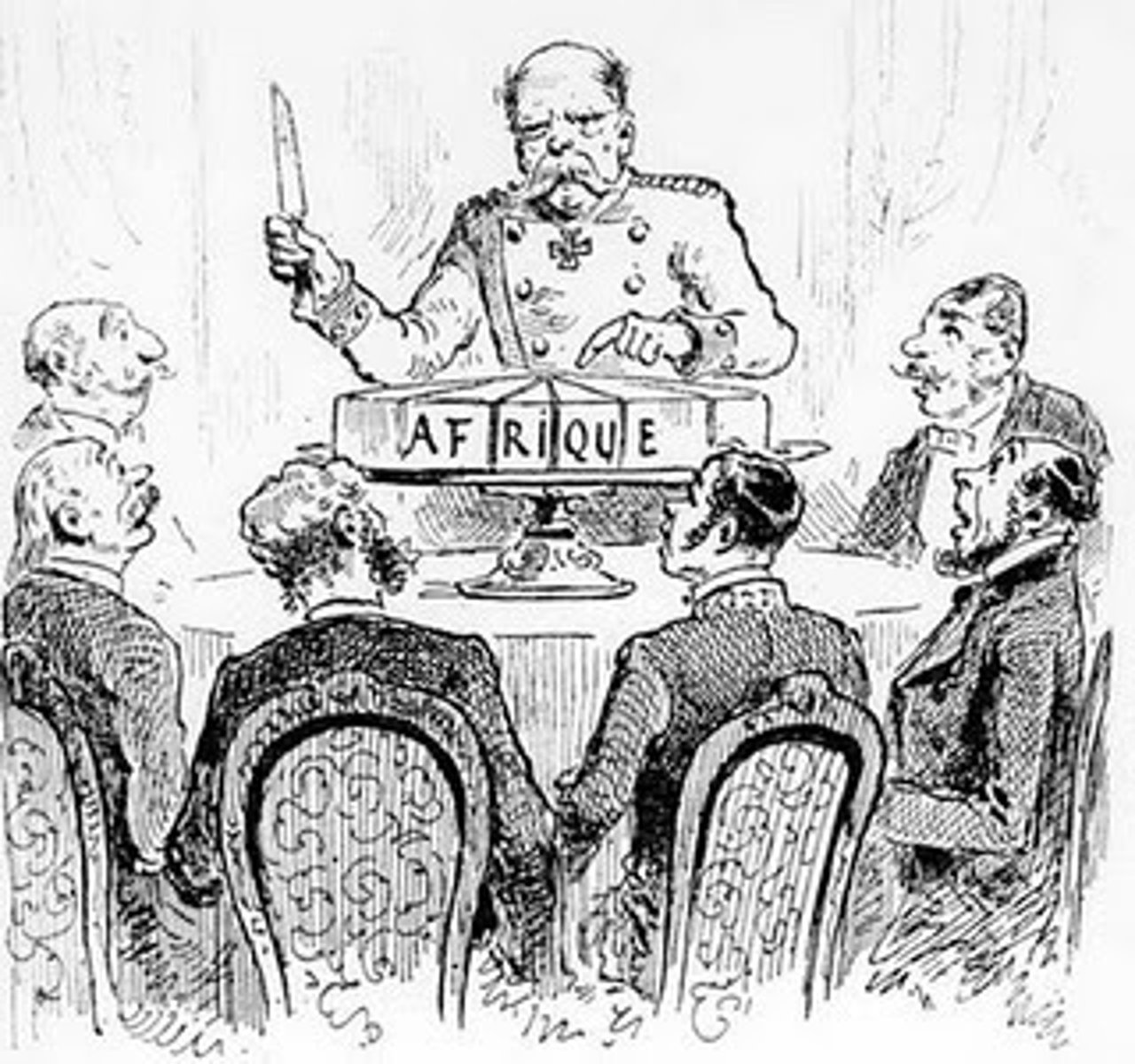
Berlin Conference of 1884
Meeting where Europeans divided up who would control Africa.
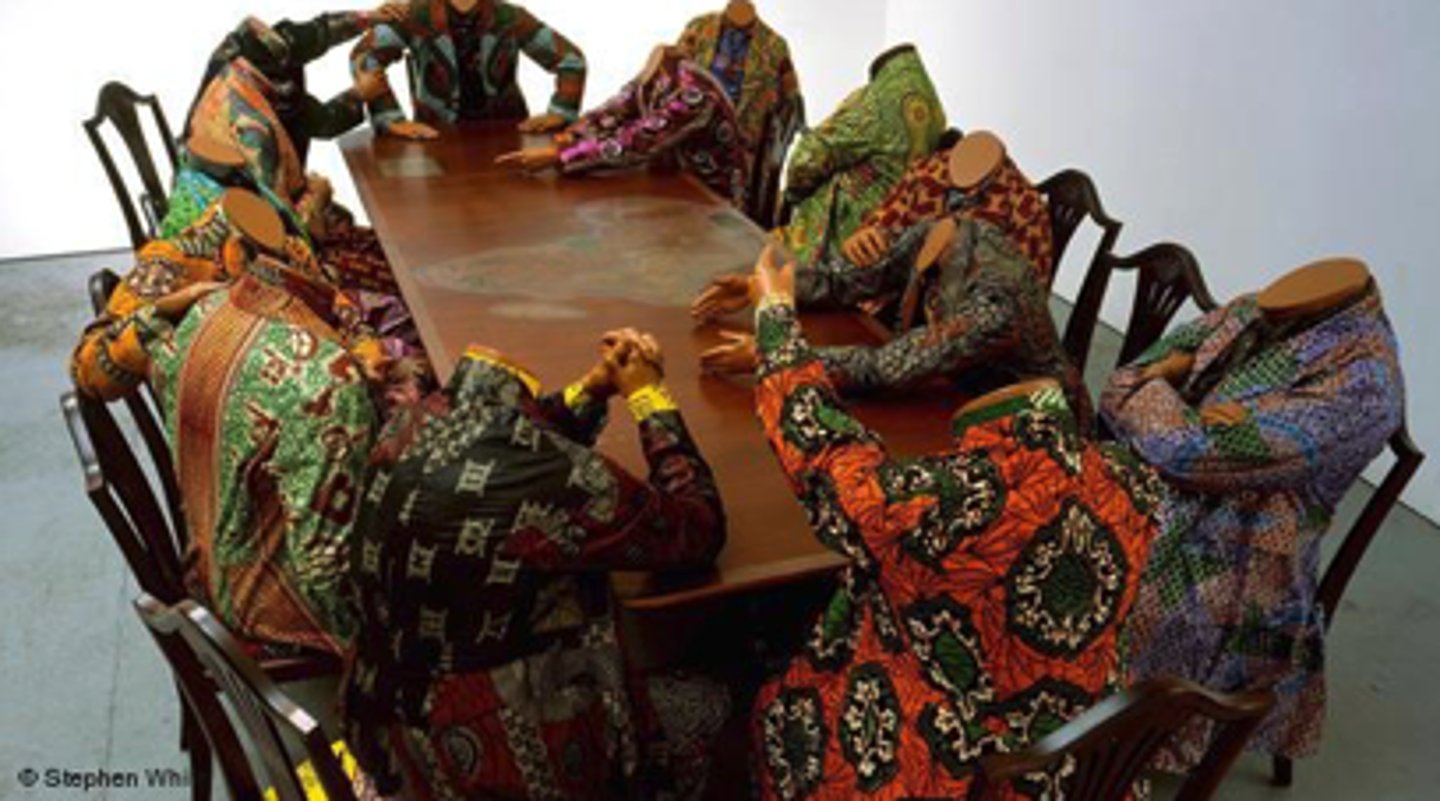
Scramble for Africa
Term for the rapid invasion of Africa by the various European powers. This began imperialism in Africa.
Boers/Afrikaners
Dutch settlers in South Africa
indigenous
someone who is native to a certain area
Boer War (1899-1902)
fought between the British and Afrikaners; British victory and post-war policies left Africans under Afrikaner control.
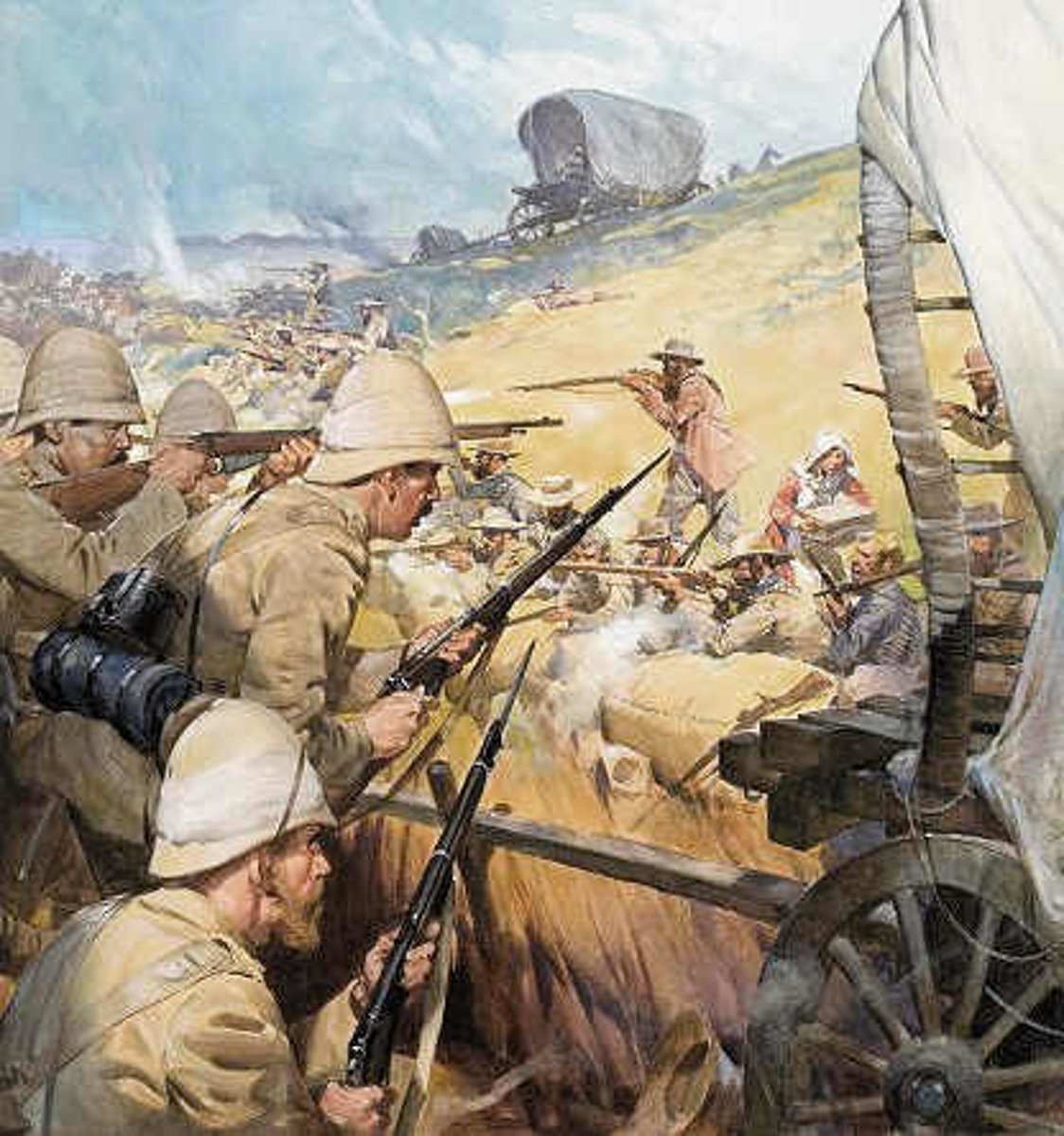
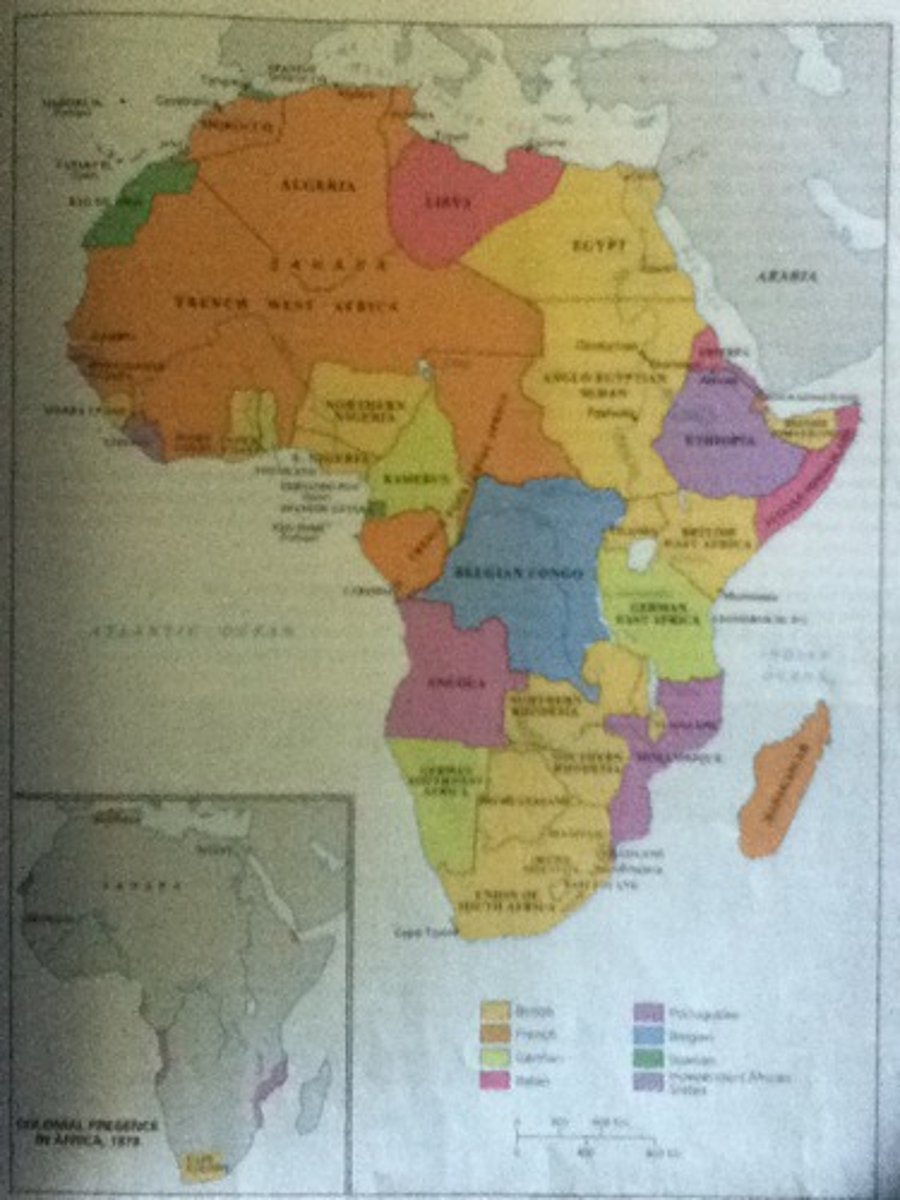
Liberia and Ethiopia
The only two African nations to remain free of European control during the period of imperialism.
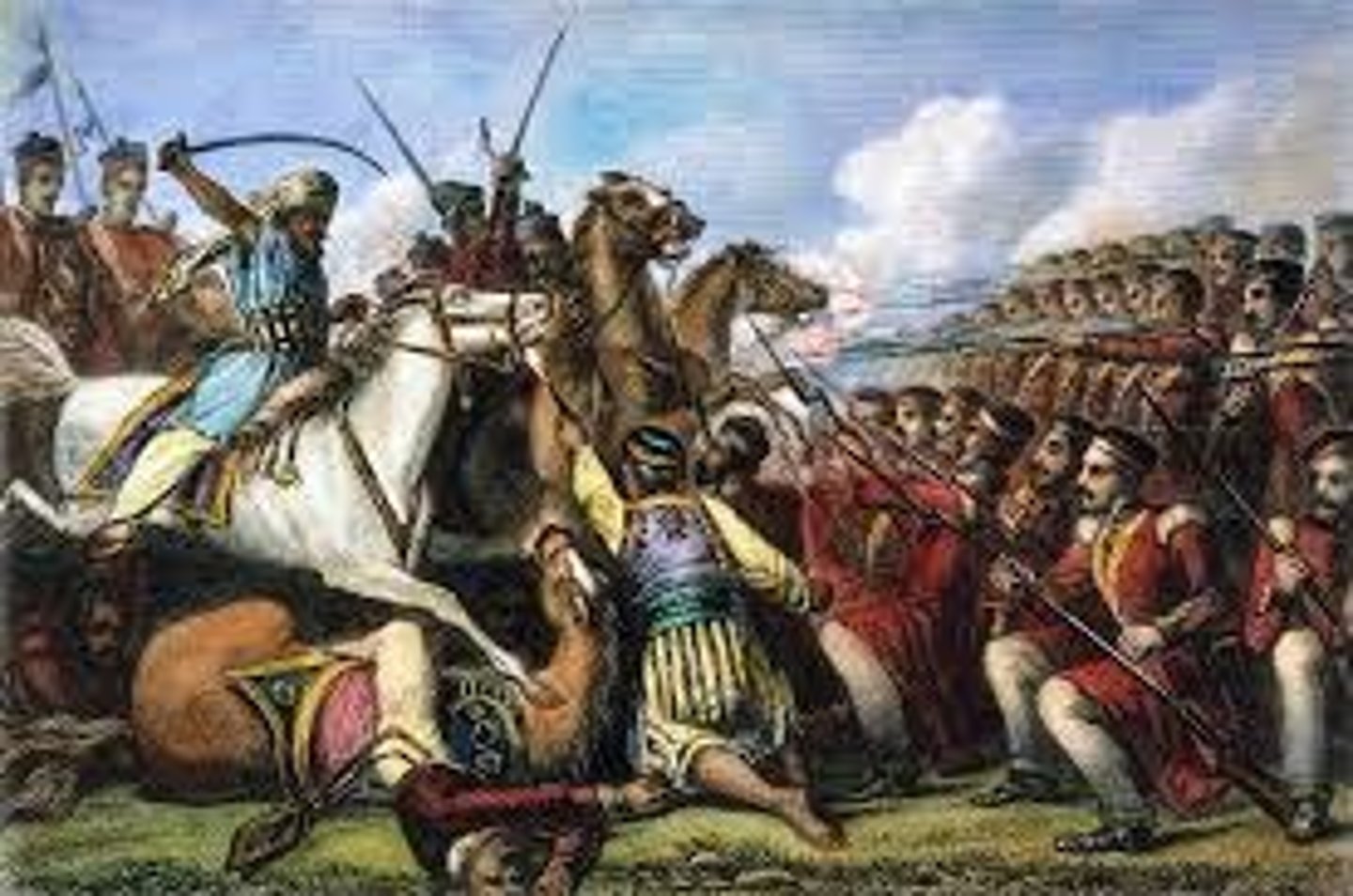
Great Rebellion/Indian Mutiny/ Sepoy Mutiny
When Indian soldiers rebelled against British rule in India. The uprising spread across northern India but was eventually defeated.
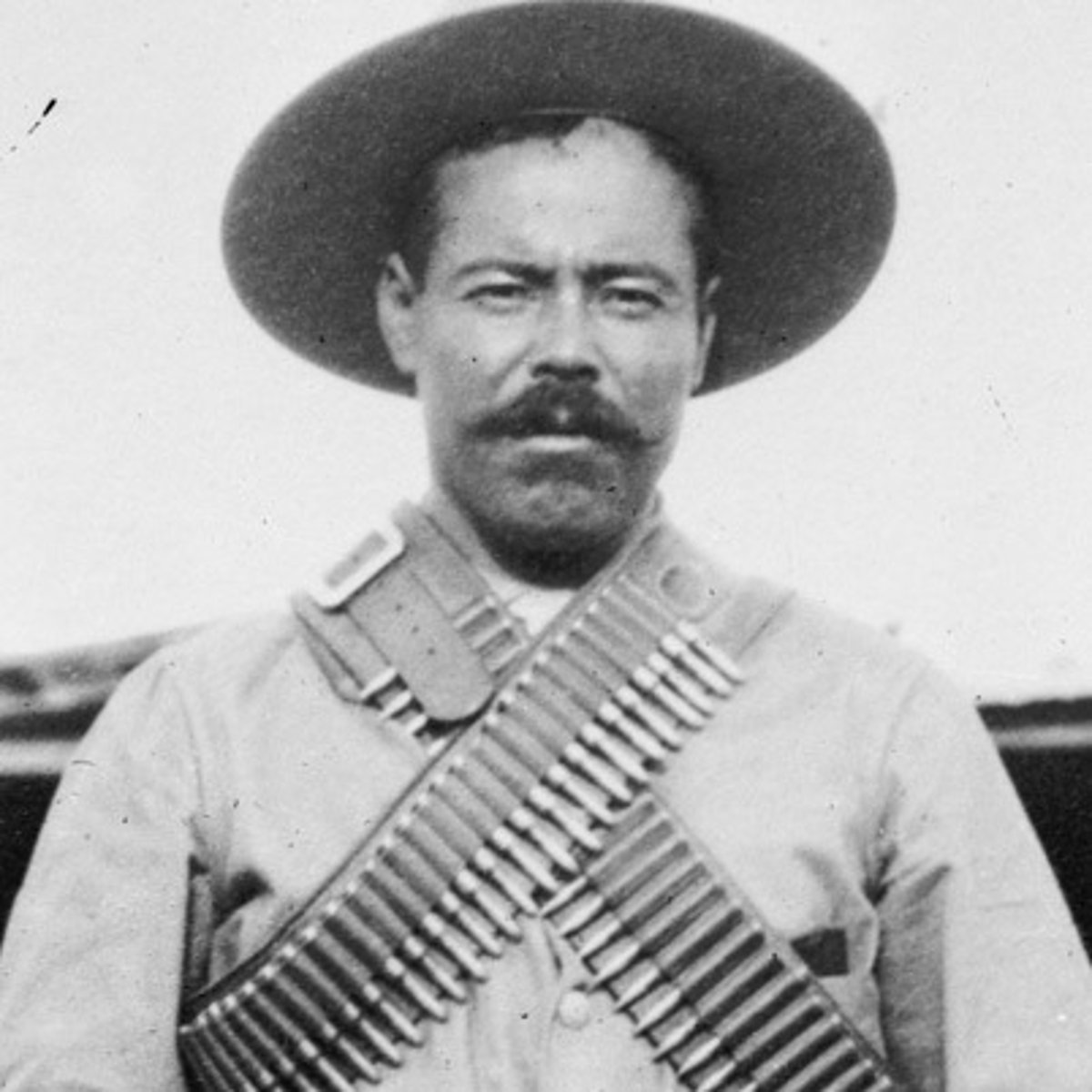
Pancho Villa
Military leader dominated Northern Mexico during early Mexican Revolution. His supporters seized hacienda land for distribution to peasants/soldiers. Allied with Zapata. Defeated before the revolution ended.
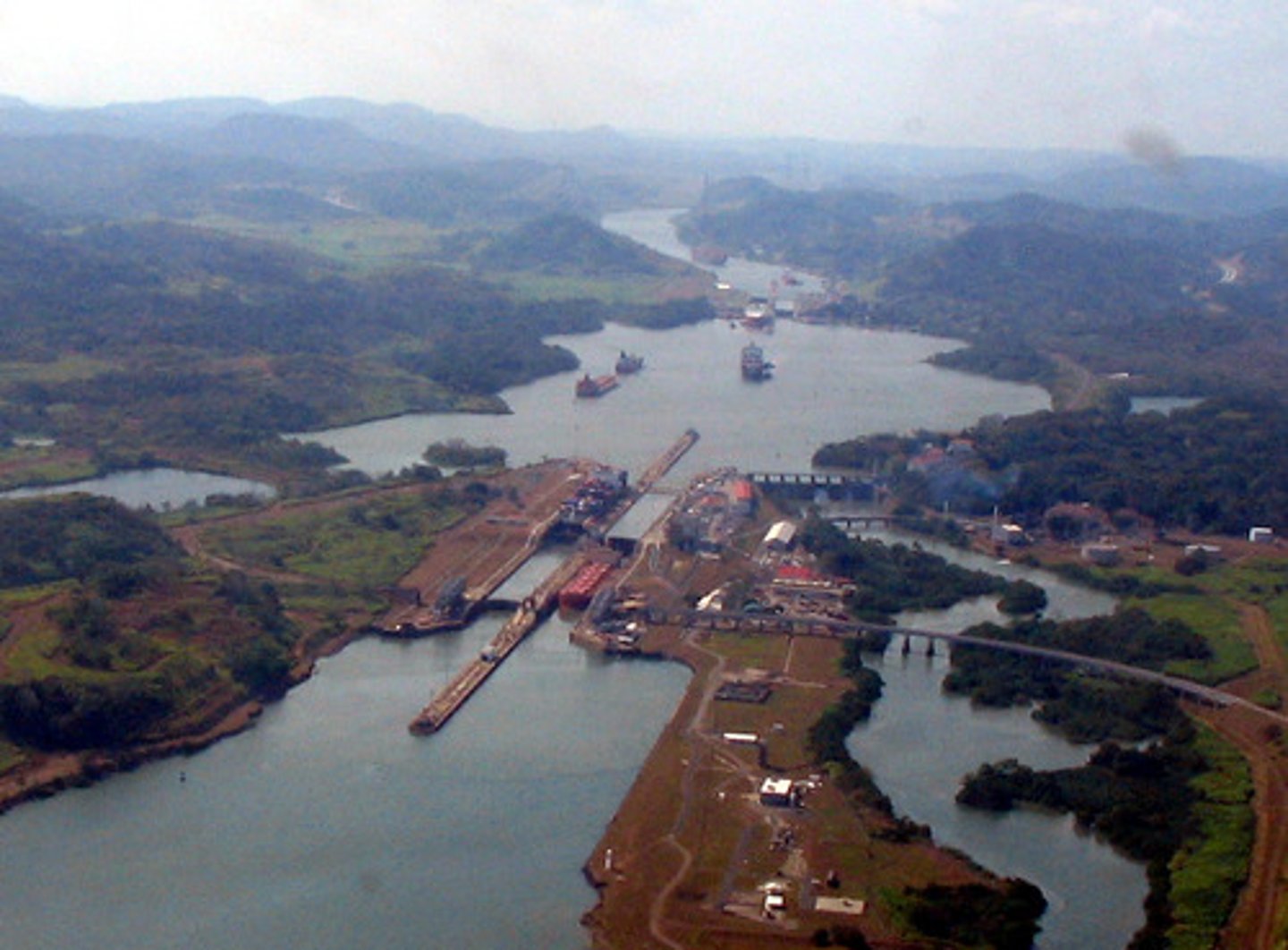
Panama Canal
a ship canal 40 miles long across the Isthmus of Panama built by the United States (1904-1914)
Opium War
a conflict between Britain and China, lasting from 1839 to 1842, over Britain's opium trade in China
Colonialism
the lived experience of those being ruled by imperialist powers.
Administrator
A person who is in charge of running part of a government or organization, especially in a colony.
Gunboat Diplomacy
When a powerful country uses the threat of military force to pressure another country into doing what it wants.
Bureaucracy
A system of government run by officials who follow rules, paperwork, and procedures to make decisions.
Imperialism
The belief that a country has the right to control other lands and peoples.
Colony
A territory controlled by a foreign power.
Sovereignty
The right to rule oneself.
Informal Imperialism
Control without direct political rule. The people are dominated but they dominating power didn't create a colony.
Military Superiority
Using advanced weapons to dominate others.
Railroads & Steamships
Technology used to move troops, goods, and officials.
Telegraph
Technology used for fast communication across empires.
Formal Imperialism
one country establishes direct political control over a territory, often a protectorate or colony.
Cash Crops
Crops grown to sell, not to eat.
Taxation
Money colonial subjects were forced to pay.
Capitalism
An economic system based on private ownership and profit.
Resource Extraction
Taking raw materials from colonies.
Social Darwinism
The belief that stronger nations had the right to rule weaker ones.
Missionary
Someone sent to spread religion and culture.
Assimilation
Forcing people to adopt the colonizer's culture.
Westernization
Adopting European or American ways of life.
Berlin Conference
A meeting held in 1884-1885 where European powers negotiated the partition of Africa, leading to the establishment of colonial boundaries.
King Leopold II
The King of Belgium who personally controlled the Congo Free State and was known for his brutal exploitation of its resources and people.
Invisible resistance
included slowing down work, giving false directions to colonial officials, and sabotaging documents.
Military campaigns were often used
at the beginning of colonial conquests or when conditions became particularly difficult.
The key figures in the Battle of Adwa
Emperor Menelik II and Empress Taytu of Ethiopia.
Samori Ture?
a Muslim leader who founded the Wassoulou Empire and led military resistance against French colonialism.
Wassoulou Empire?
It was a military state that allowed for religious freedom and supported trade in West Africa.
Samori Ture initially tried to
negotiate and balanced the interests of the British and French against each other.
Why did Italy want ethiopia?
It's fertile territory and to build it's national reputation while resettling poor Italians.
Military resistance in Africa was rarely effective due
to European superiority in weapons and organization.
What was the Maji Maji Rebellion also known as?
The Tanzanian uprising.
Maji Maji Rebellion told their followers they would be ___ German bullets?
immune from

