Gods and Monsters of Ancient Egypt
 Call Kai
 Learn
Learn Practice Test
 Spaced Repetition
 Match
Match Flashcards
 Knowt Play
1/44

There's no tags or description
Looks like no tags are added yet.
Name | Mastery | Learn | Test | Matching | Spaced | Call with Kai |
|---|
No analytics yet
Send a link to your students to track their progress
45 Terms
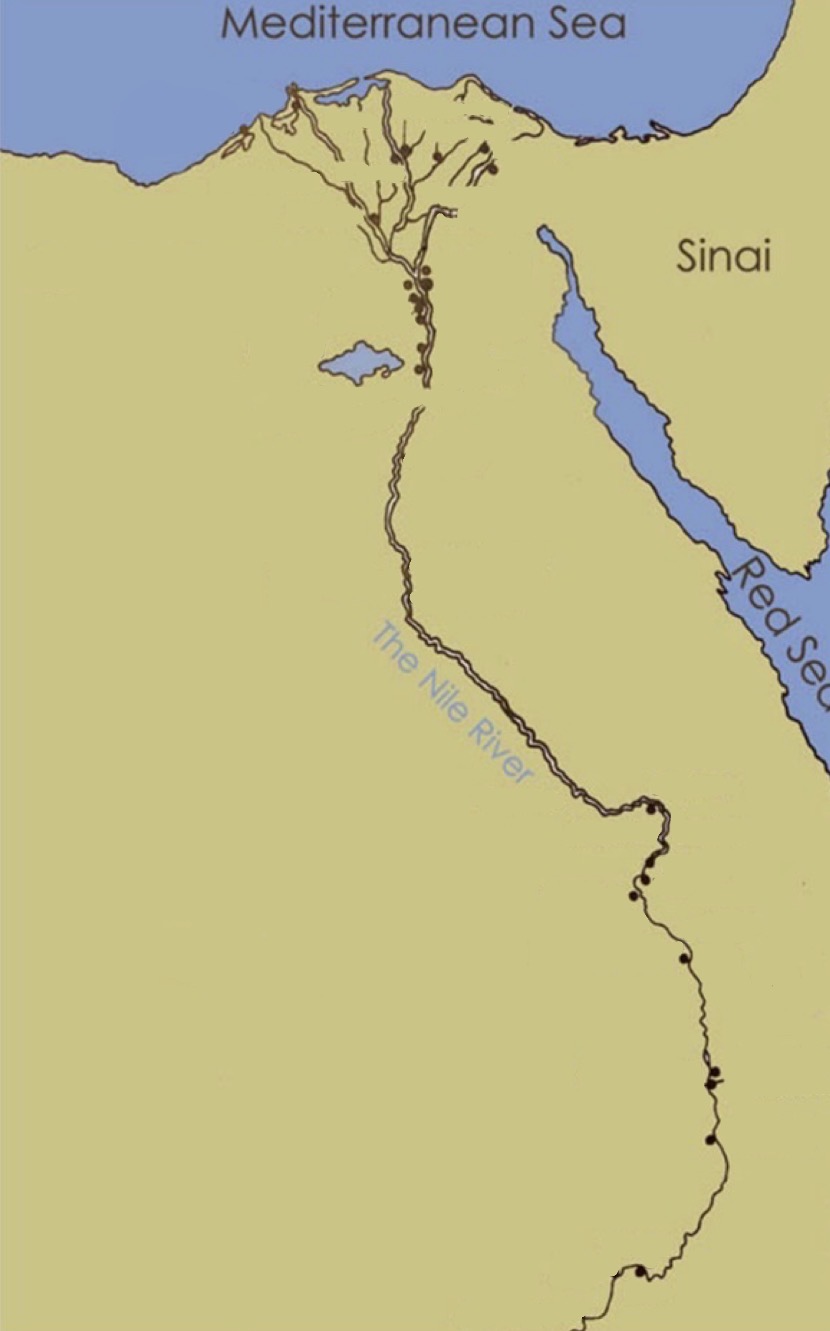
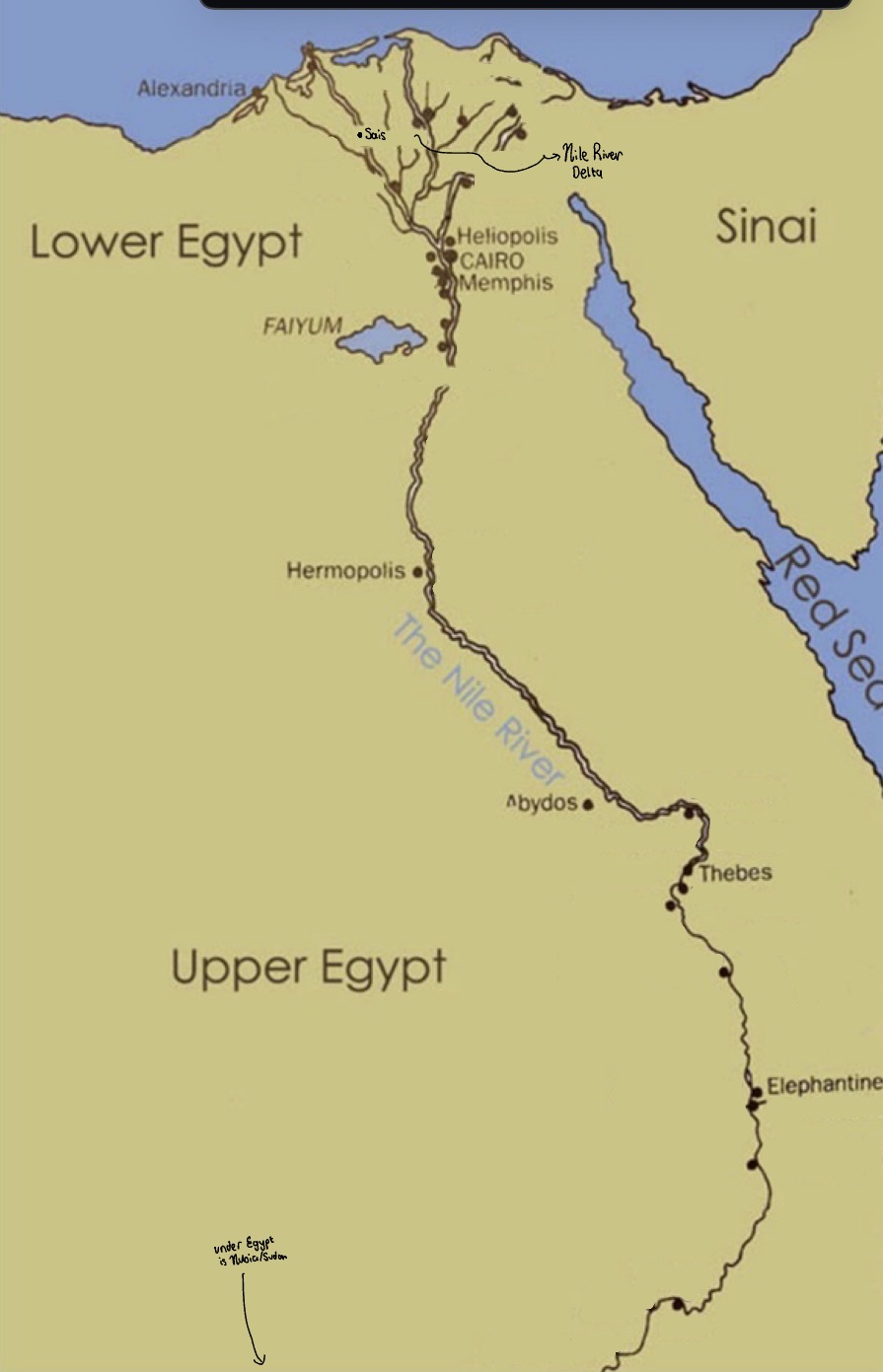
What is the Inundation?
annual flooding of the Nile River during the summer
important b/c deposited nutrient-rich black silt onto lands making them fertile
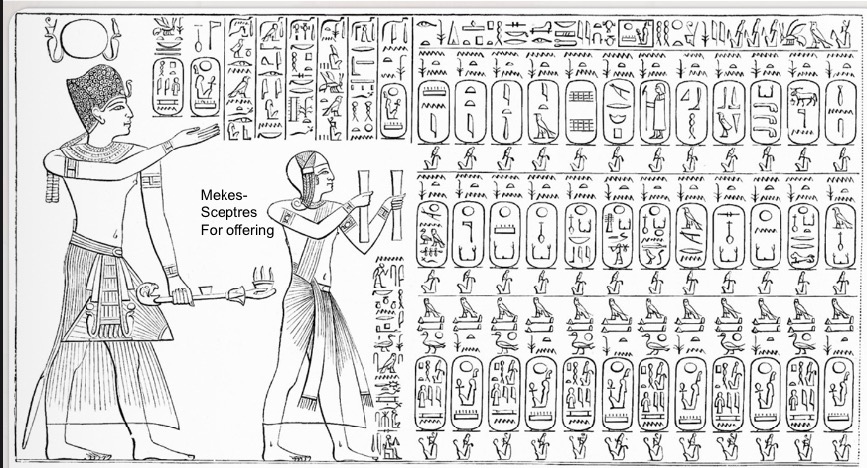
Manetho
Egyptian priest who is responsible for the division of Egyptian history into 31 dynasties
Cataracts
6, located on Nile River (functioned as natural defenses & blocked river traffic between Sudan and Egypt)
symbolic significance of metals
metals were part of physical makeup of gods
Gold: flesh of the Gods (Re)
Silver: bones of the Gods
Copper and Bronze: earthly life (Hathor)
Iron: Heaven’s metal
dynasty
series of related or closely associated rulers or kings
what is an “Intermediate Period”?
phase of political fragmentation, disunity, and weakened central authority
Predynastic Period
beginning of writing/hieroglyphics
artistic canon developed
evidence of cultural features like mummification
Old Kingdom
capital - Memphis
administrative elite revolving around Pharaoh
Pyramid Age displays elaborate administration
Middle Kingdom
Theban-based family becomes pharaoh
unification, greater prosperity, more aggressive foreign policy
complex administration
Classic Period of Egyptian culture
New Kingdom
expulsion of Hyksos
diplomatic connections w/ other great powers of Asia
aggressive foreign policy complex administration
Akhenaten and the Amarna Period - wanted to focus on 1 god (Aten)
Late Period
domination of Egypt by foreign powers, especially Persia
after, Alexander the Great takes over, then ethnic Macedonians, and then Romans
Who is Plutarch?
Hellenistic scholar interested in Egyptian religion and culture while living in Greece
40 AD - 120 AD
Plutarch’s Narrative of the Murder of Osiris
Typhon = Seth
Osiris is tricked into getting into coffin, locked inside, and then drowned
Isis tries to find parts of Horus that are scattered across Egypt to reassemble his body (finds all but phallus which was swallowed by “bad” fish)
Herodotus
Ancient Greek historian who is crucial for his:
history of the great Persian Wars
wrote the earliest, most comprehensive firsthand account of Egyptian society, religious, and geography produced by foreign observer
Hieratic (“priestly”) script
cursive script where signs are joined to one another
Demotic (“popular”) script
a VERY cursive, rapid script which developed from the pretty cursive hieratic
Coptic (“Egyptian”) script
Egyptian language in Greek script BUT w/ 6 added Demotic Egyptian letters for sounds not in Greek
how do we know in which direction to begin reading an Egyptian hieroglyphic text?
the living or animate signs LOOK towards the beginning of a text
phonetic signs (“sound-sign”)
signs w/ a specific sound value rather than objects pictured (ex: owl = m)
determinative (“sense-sign”)
silent, non-phonetic symbols that help decide the meaning of a given word (b/c there can be multiple)
what does “hieroglyph” mean?
sacred carving
what are the different stages of the Ancient Egyptian language?
Old Egyptian
Middle Egyptian
Late Egyptian
Demotic (715 BCE - 470 CE)
Coptic (300 CE - 1500 CE)
what is an ostracon?
a piece of broken pottery or limestone flake used as a cheap, durable writing or drawing surface
who is Champollion?
the great decipher of hieroglyphs!!
he recognized that cartouches in the Rosetta Stone contain the hieroglyphic equivalents of the Greek names of Ptolemy and Cleopatra
this helped him establish the sound value of many signs
how would you explain to someone how the Ancient Egyptian language relates to other languages?
The vocabulary and grammar of Ancient Egyptian displays close connects with other languages. Some Ancient Egyptian words have also gone into other languages.
Ennead
9 principal deities worshipped in Ancient Egyptian theology at Heliopolis
Atum (creator god), Shu (dry, air), Tefnut (moisture), Geb (earth), Nut (sky/heaven), Osiris (order), Isis (“throne”), Seth (disorder), and Nephthys (“mistress of the chamber”)
Ogdoad
8 deities (4 pairs of gods and goddesses) worshipped in Hermopolis who are personifications of the world before creation
Amun & Amunet: invisibility
Hehu & Hehut: infinity
Tenem & Tenemet: directionlessness
Keku & Kekut: darkness
depicted as snakes (females) & frogs (males)
what is the solar cycle?
Sunrise (east): The sun god manifests as Khepri, personified as a scarab battle. The name Khepri means “to come into being,” symbolizing the moment sun is given birth by Nut
Crossing the Sky (the day): During the day, the god is known as a Re. He travels across the sky in a falcon form aboard the Day-Bark, emphasizing themes of movement and kinship. In this phase, the sun god must often defeat the chaos-serpent Apophis.
Sunset (west): Re transitions into his older form, Atum, often depicted with a ram’s head.
The Night Journey (the underworld): Here, the sun god merges with Osiris, the lord of the underworld. He brings justice and sustenance to the deceased.
who is Nun?
a vague, primeval deity who personifies the primeval waters that existed before the formation of the world
what is a “ba”? what does it look like?
represents mobility after death
depicted as a bird with a human face
what is a “ka”?
the spirit or “double” aspect of personality
triads of the gods
groupings of 3 deities based on family relationships, usually consisting of a father, mother, and a child
what were the epagomenal days?
5 special days inserted at the end of the 360-day calendar to create a full 365-day year
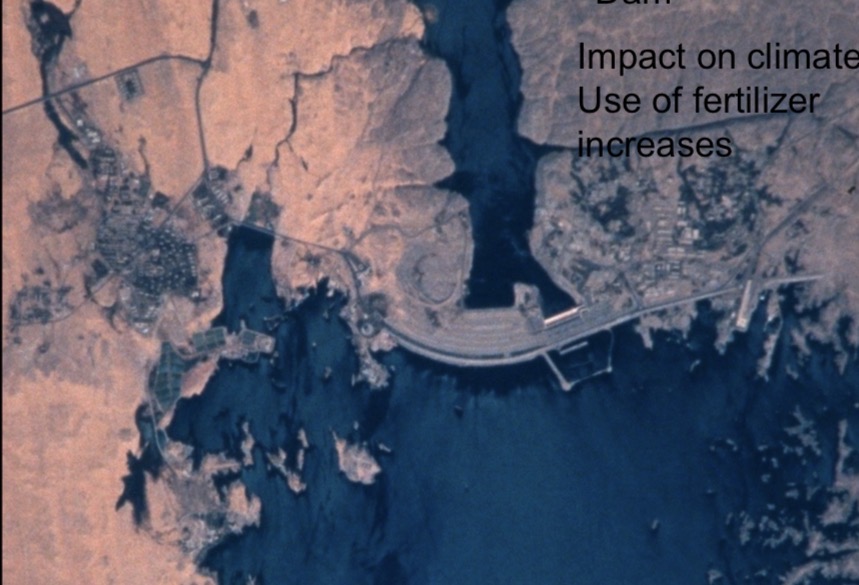
Aswan Dam (increase in use of artificial fertilizer and impact in local climate)
created Lake Nassee
Narmer Palette
5000-year-old siltstone tablet decorated w/ intricate carvings that depict unification of Upper and Lower Egypt under King Narmer
Sphinx
body of a lion + face of Pharaoh Khephren
protective deity, closely associated with the sun-god Re