biology topic 6
 Call Kai
 Learn
Learn Practice Test
 Spaced Repetition
 Match
Match Flashcards
 Knowt Play
1/83

Earn XP
Description and Tags
Name | Mastery | Learn | Test | Matching | Spaced | Call with Kai | Chat |
|---|
No analytics yet
Send a link to your students to track their progress
84 Terms
Why are aseptic techniques important?
to make an uncontaminated culture so results are reliable
aseptic techniques
sterilsation
3 multiple choice options
how to culture microorganisms pt 1
transfer bacteria to an agar plate using sterile onoculating loop
how to culture microorganisms pt 2
tape lid and incubate
do not incubate above 25
spread plate
distribute microorganisms evenly with a sterile spreader
streak plate
obtain single colonies by building layers of culture on at least 3 seperate streaks
types of nutrient medium
liquid broth
solid agar
selective medium
advantages of using broth medium
can provide anoxic and oxic conditions helps identify mircobes
can grow large volume of bacteria
advantages of using agar
obtain single discrete colony for study
lag phase
Bacteria adapt to new environment; synthesise enzymes and molecules needed for growth;
log phase
population size doubles after each division
stationary phase
reproduction rate equals death tate so population size is at maximum
death phase
die due to buildup of toxic waste or lack of nutrients
methods of estimating growth of culture
cell count
turbidity measurement
dilution plating
conducting cell count pt 1
The sample of broth is diluted 1:1 with trypan blue , which stains dead cells blue
conducting cell count pt 2
use calibrated haemocytometer with volume of 0.1 count cells in square and get mean
conducting cell count pt 3
number of bacterial cells = number counted x 10*4 per cm3
advantages and disadvantages of using cell count
only counts living cells
slow
expensive
margin for human error
process of dilution plating pt 1
grow colony from single microorganism
process of dilution plating pt 2
serial dillution with distilled water to see single colonies
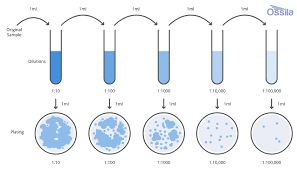
process of dilution plating pt 3
prepare plate and count colonies
process of dilution plating pt 4
number of cells = number of colonies x dilution factor
Turbidity
Measure absorbance of culture using a colorimeter or spectrophotometer.
More cells = more turbid = higher absorbance.
Turbidity Advantages and Disadvantages
Advantage: rapid, non-destructive, continuous monitoring possible.
Disadvantage: counts dead AND live cells; not accurate at very low or very high densities; requires calibration curve.
why are bacteria considered agents of infection
produce exotoxins
endotoxins on surface trigger immune response
invade and destroy host tissue
salmonella
gram negative bacterium
lipolysaccharide outer membrane
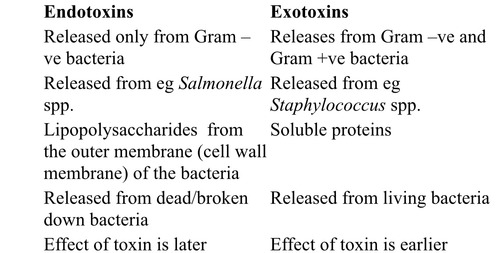
endotoxins
released when the bacterial cell dies and lyses
Cause fever / inflammation
staphylococcus
secretes exotoxins that embed in host cell membrane so contents leak
secreated by living bacteria
protease toxins
mycobacterium tuberculosis pt 1
inflammatory response, infects phagocytes in lungs
mycobacterium tuberculosis pt 2
infected phagocytes are sealed so bacteria remain dormant
mycobacterium tuberculosis pt 3
When the immune system becomes weakened, the bacteria become acive again, and slowly destroy the lung tissue, Leads to breathing problems, coughing, weight loss, and fever
Difference between Endo toxins and Exotoxins
penicillin
bactericidal antibiotic
prevents formation of peptidoglycan cell wall so osmotic lysis occurs
tetracycline
bacteriostatic antibiotic prevents protein synthesis by stopping tRNA from attaching inhibiting growth
causes of antibiotic resistance
random genetic mutation confers resistance
reproduce and pass allele to offspring
directional selection results in resistance strain
causes of antigen variability pt 1
random genetic mutation changes DNA base sequence
diff sequence of condons on mRNA
causes of antigen variability pt 2
diff primary structure of antigen so H bonds ionic bonds and disulfide bridges form in diff places causing diff shape in tertiary structre of antigen
how does antigen variability affect incidence of disease
memory cells no longer complementary to antigen so individual is no longs immune
hard to develop vaccine containing all antigen types
why is it hard to control spead of antibiotic resistance bacteria
horizontal conjunction transfers plasmids between bacteria rapidly
endemic
disease occurs routinely in geographical area
epidemic
temporary rapid increase in disease in geographical area
how is influenzavirus transmitted
droplet infection
direct contact
zoonotic infection
contact with fomites
mode of infection of influenza
injects RNA into epithelial cells
RNA hijacks cells to produce new virions
cell lysis releases virions
how is influenza treated
antiviral medicaton
antibiotics for secondary infections
painkillers for management
how is stem rust fungus transmitted
windbourne spores
host crops leave infection in soil
mode of infection of stem rust fungus pt 1
presence of water lets spores germinate and produce hyphae that enter through stomata
mode of infection of stem rust fungus pt 2
cellulase digest plant cells so fungus can get nutrients as it grows into mycelium and surronds tissues
effect of stem rust fungus
depletes nutrients
weakens stem
plants lose control of transpiration rates
therefore less photosynthesis,pustules on epidermis which eventually burst to release more
name of malarial parasite
plasmodium singled celled protozoan
mode of transmission of malaria
female anopheles mosquito acts as vector and transfers parasite while feeding
parasite reproduces in red blood cells in liver
how is endemic malaria controlled
preventing mostiquito bites
controlling mosquito numbers
drug treatment
ethical and social implications of controlling malaria
treatments must be evidence based
difficulty in getting informed consent
using insectidies kills other organisms
social and economic implications of controlling endemic malaria
expensive to implement
money could be spent on other issues
preventative measures require change of customs
practical issues of controlling malaria
widespread endemic
2 hosts involved
antigen variability
parasite enters host cell sheilding it from immune response
what is an antigen
molecule that can stimulate immune response
glycoprotein glycolipid or polysaccharide
enables identifcation of cells
process of inflammation
vessel damaged
blood flow and permeability of blood vessels increase
white blood cells and plasma move to infected tissue
2 types of white blood cell involved in phagocytosis
neutrophils
macrophages
how does phagocytosis destroy pathogens pt 1
phagocyte engulfs pathogen via endocytosis to form a phagosome
how does phagocytosis destroy pathogens pt 2
phagosome fuses with lysosome
how does phagocytosis destroy pathogens pt 3
lysozymes digest pathogen
role of antigen presenting cells APCS
macrophage displays antigen from pathogen on surface
allowed recognition by t helper cells
non specific immune responses
inflammation and phagocytosis
immediate
specific immune responses
B and T lymphocytes
time lag
2 types of specific immune responses
cell mediated
humoral
process of cell mediated response pt 1
complementary t helper cells bind to foreign antigen on APC
process of cell mediated response pt 2 a
rapid mitosis of T helper cells to become memory cells or trigger humoral response
process of cell mediated response pt 2 b
clonal expansion of T killer cells to secrete enzymes to destroy infected cells
process of humoral response pt 1
complementary t helper lymphocytes bind to foreign antigen on antigen presenting T cells
process of humoral response pt 2
release cytokines that stimulate rapid mitosis of complementary B lymphocytes
process of humoral response pt 3
B cells differentiate into plasma cells
process of humoral response pt 4
plasma cells secrete antibodies with complementary varible region to antigen
antibodies
protein from plasma cells
two light chains held by disulfide bridges 2 longer heavy chains
tertiary structure complementary to antigen
how do antibodies lead to destruction of a pathogen pt 1
antigen antibody complex cause agglutination
activation of complement
opsonisation
precipitation
neutralisation
opsonisation
marks microbes for phagocytoes
precipitation/ neutralisation
makes toxins insoluble
what are memory cells
specialised T helper and B cells produced from primary immune response
undegoes mitosis if encounters same pathogen
secondary immune response
faster rate of antibody production
higher conc of antibodies
pathogen usually destroyed before symptoms
passive and active immunity
involve antibodies
can be natural or artifical
passive natural
antibodies in breast milk
passive artifical
anti vemon
active natural
humoral response
active artifical
vaccination
principles of vaccination pt 1
contains dead or inactive pathogen or antigen
principles of vaccination pt 2
triggers primary immune response
principles of vaccination pt 3
memory cells made remain in bloodstream so secondary response is fast