Lab Quiz #2
 Call Kai
 Learn
Learn Practice Test
 Spaced Repetition
 Match
Match Flashcards
 Knowt Play
1/45

Earn XP
Description and Tags
Exercise #7 and Exercise #8
Name | Mastery | Learn | Test | Matching | Spaced | Call with Kai |
|---|
No analytics yet
Send a link to your students to track their progress
46 Terms
what is lichen
Lichen is the symbiotic relationship between FUNGI and ALGAE
what type of symbiotic relationship does lichen have?
Lichen has a Mutualistic relationship between the algae and fungi
describe the mutualistic relationship associated with lichen
Algae lives in the HYPHAE or structures of the Fungi and make nutrients through photosynthesis.
The fungi absorbs some of the nutrients because it can make food on their own, but they do supply protection to the Algae who is weak to the environment
what do lichens produce
soil
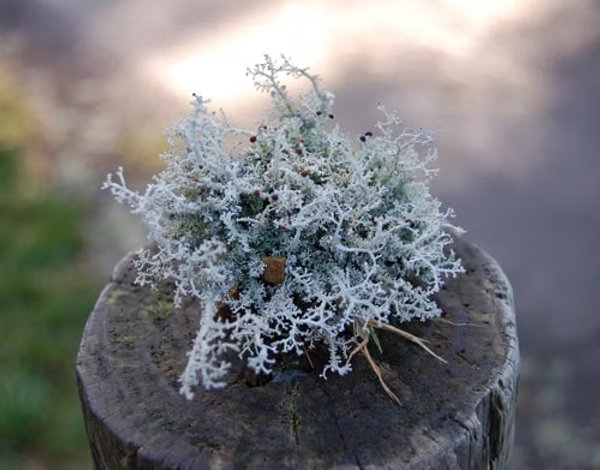
what is this a picture of
Fructose Lichen
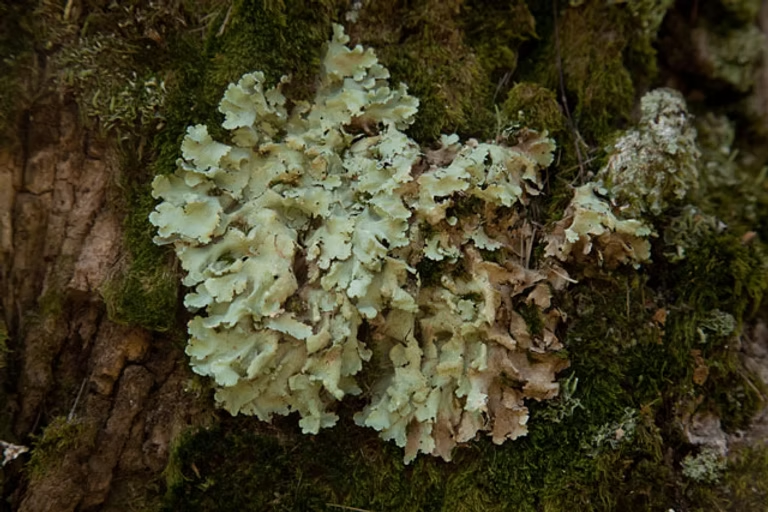
what is this a picture of
Foliose Lichen
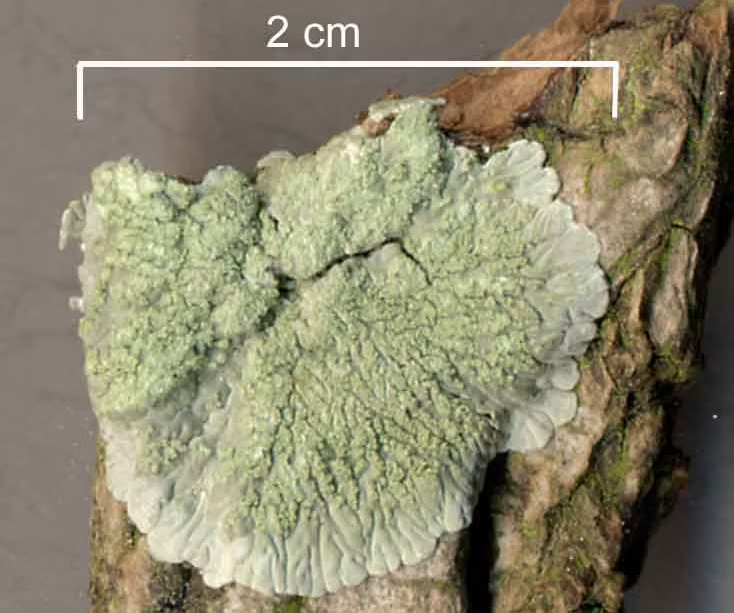
what is this a picture of
crustose lichen
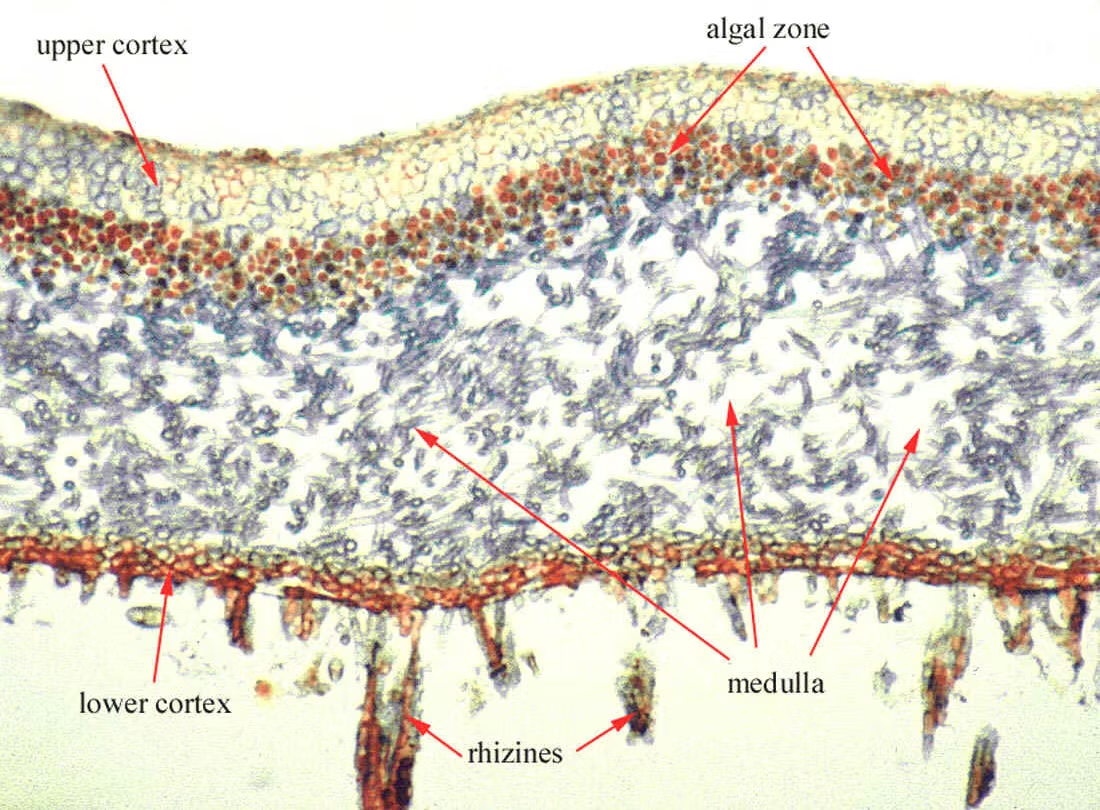
what is this a picture of
lichen cross section
what are crustose lichen an example of
primary ecological succession. Lichen happen first because they can break down rock to soil, then other organisms follow
what is a rhizobium
a type of bacteria that forms a symbiotic relationship with leguminous plants
where do rhizobium live
they live in the roots of plants
what do rhizobium form at the roots of plants
nodulesw
what type of symbiotic relationship does rhizobium have
mutualistic
describe the mutualistic relationship of rhizobium
rhizobium form nodules of legume plants, they obtain nutrients or carbohydrates from the plant which rhizobium forms to nitrogen which serves as fertilizer for the plant.
the rhizobium gets a place to live and eat and legume plant grows better
what other organism like rhizobium can fix nitrogen
anabaena
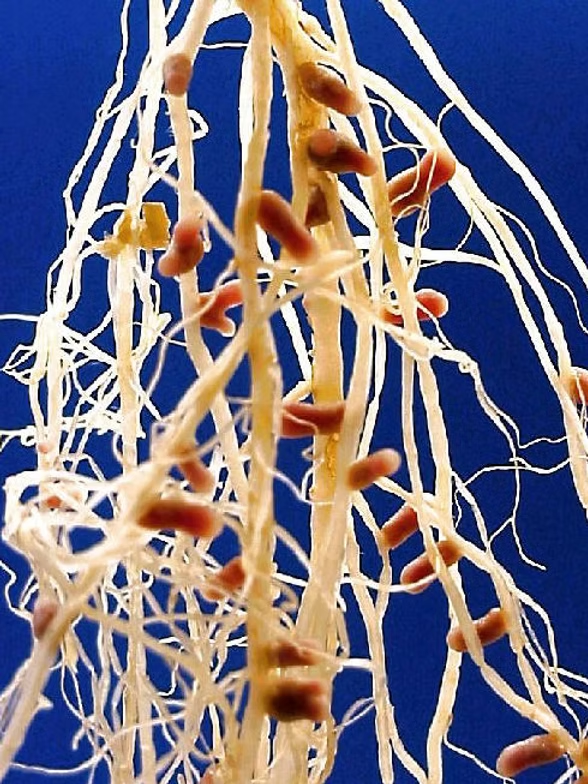
what is this a picture of
Rhizobium nodules
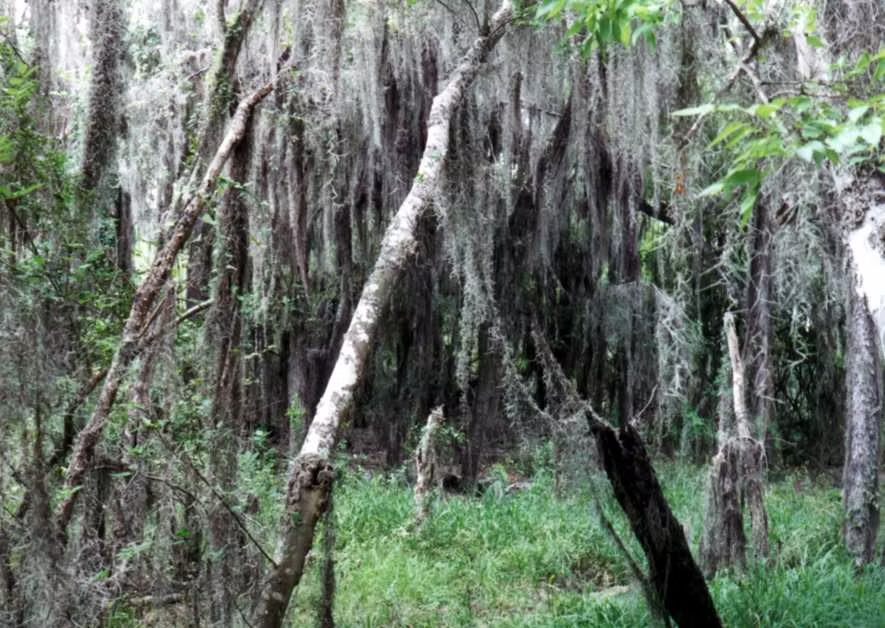
what is this
Spanish moss
what type of symbiotic relationship does Spanish moss have?
commensalism with the trees.
Describe the communalistic relationship between Spanish moss and trees
The relationship between moss and trees is primarily commensalism, a type of symbiosis where the moss benefits (by gaining a perch, moisture, and sunlight) while the tree is neither helped nor harmed. Mosses are not parasites; they do not take nutrients from the tree bark.
what type of plant is Spanish moss?
Epiphytic plant. It absorbs nutrients and water directly from the air, rain, and dust.
what type of symbiotic relationship does lung fluke have ?
Parasitotic relationship, Each worm contains a complete male and female system (monoecious).
who does lung fluke affect
humans, dogs, cats, basically anyone that eats raw crab
what are the downside of lung fluke to the hosts
Infection Process: After being eaten, the larvae leave the intestines, move through the body, and usually settle in the lungs. There, they form a capsule and grow into adult flukes.
Symptoms: Symptoms may be mild or look like tuberculosis. Common signs include a long-lasting cough, blood-tinged (brownish) mucus, fever, and chest pain.
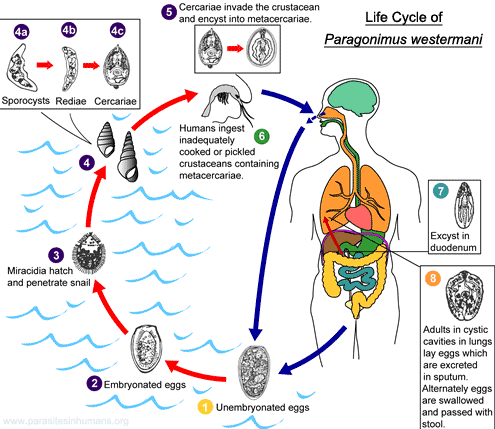
what does this picture describe?
the cycle of lung fluke entering a person and killing them idk…
does lung fluke have two sexes in one body
yeah it has both male and female reproductive organs called monoecious
what is another name for whipworm
Trichuris trichura
in what host are whip worm found
one species HUMANS
what type of symbiotic relationship do whip worms have
parasitism
describe the whip worm infection process
Eggs hatch in the small intestine
Worms move to the large intestine
They attach to the intestinal wall and mature into adults
how to cure whip worms
🔍 Diagnosis
Doctors examine a stool sample to find whipworm eggs.
💊 Treatment
Usually treated with anti-parasitic medications like Albendazole or Mebendazole.
🌍 Where it’s found
Common in warm, tropical regions with poor sanitation.
do whip worms give symptoms
most of the time symptoms are asymptomatic, but you can get poopy pants
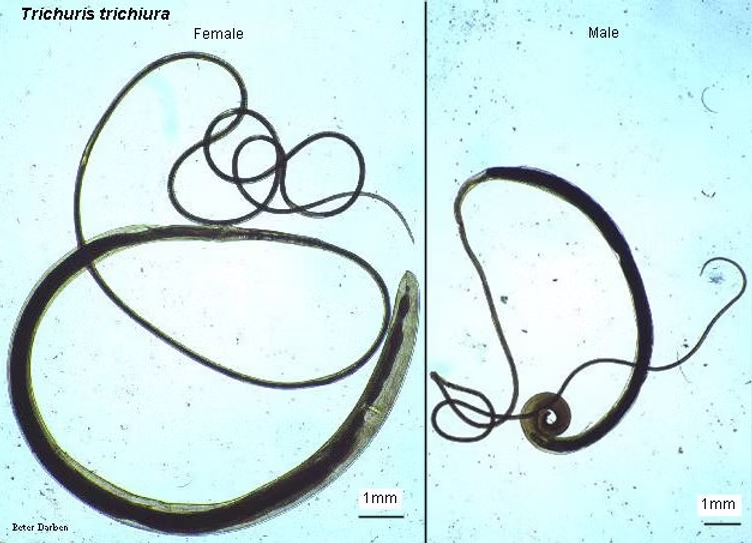
what is this a picture of
whipworm
what type of parasite is ectoparasites
human louse (Pediculus humanus) and the crab louse (Phthirus pubis)
what is headlice called
Pediculus humanus
what is another name for pubic lice
Phthirus pubis
what are ectoparasites
parasites that live on the body instead of inside host
what type of symbiotic relationship does head lice have with its host
Head lice (Pediculus humanus capitis) have a parasitic symbiotic relationship with humans, specifically acting as obligate ectoparasites. They live on the human scalp and feed exclusively on human blood to survive and reproduce, while providing no benefit to the host and causing discomfort.
what type of symbiotic relationship does pubic lice have with its host
Host Dependency: They are obligate parasites, needing human blood to survive and dying within 24–48 hours if separated from a human host.
Transmission: They are primarily transmitted through intimate, direct skin-to-skin contact, often during coitus, allowing them to move from one person's hair to another.
Life Cycle: Females lay eggs (nits) that hatch in about a week, maturing into adults over 6-9 days.
Not a Disease/Infection: While they cause symptoms like severe itching, they are insects,
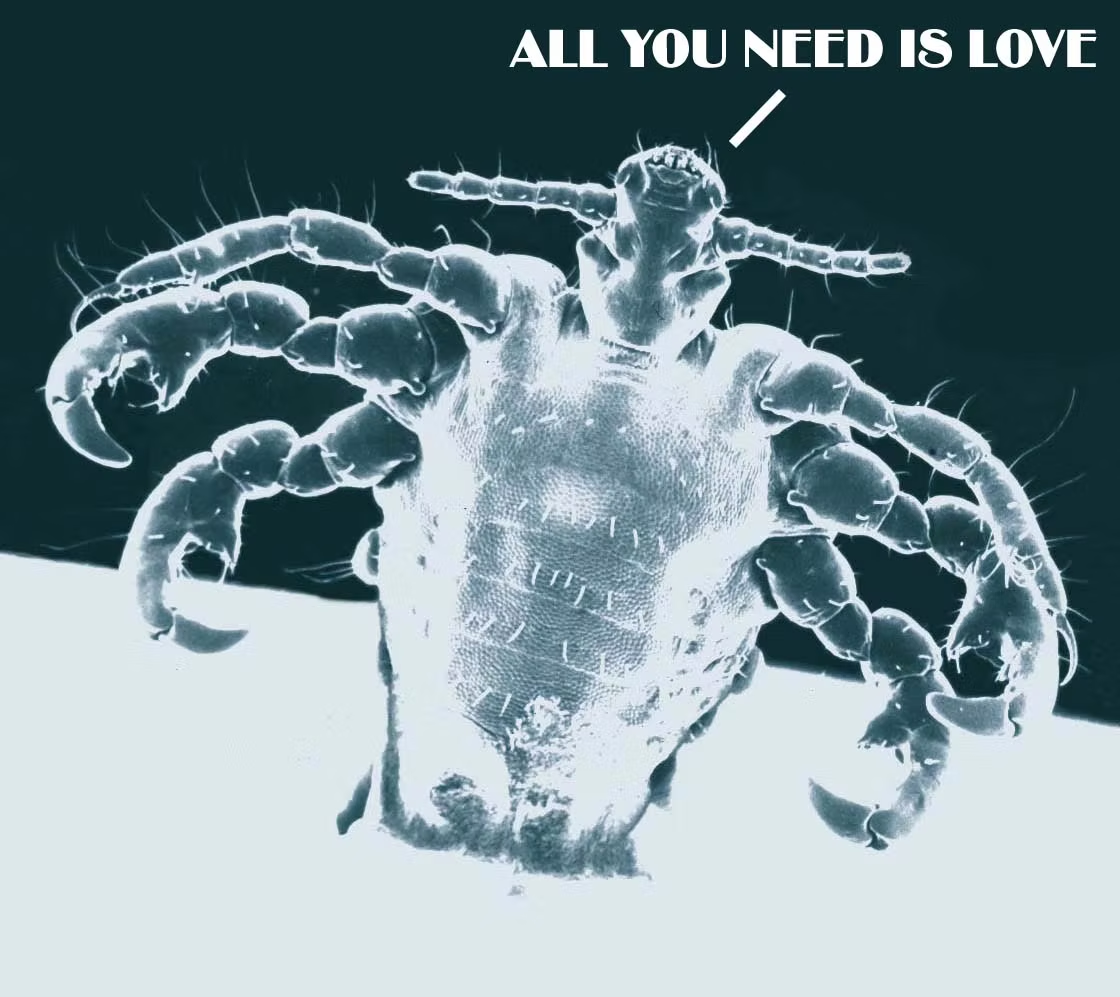
what is this picture of
pubic lice
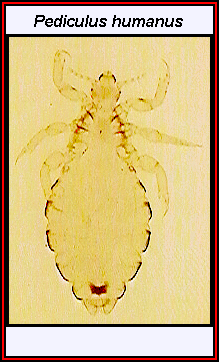
what is this a picture of
head lice
1. Which population (predator or prey) shows the first increase in numbers? Why?
Prey because they have more kids and less predators so less are being eaten
2. Does a peak in lynx population occur simultaneously as the hare population, or after a peak in the hare population? Why?
A peak in the lynx population occurs after the peak in hare population because predators have a reproductive lag . Predators respond to the energy prey provide. The hares (prey) increase first, providing more food. With more food available, the lynx (predators) survive and reproduce more.
3. What parameter apparently determines the size of the lynx population in the forest in any given test run?
population of hares Lynx depend on hares as their primary food source
When hare numbers are high, lynx have more food → their population increases
When hare numbers drop, there is less food → the lynx population decrease
4. What parameter apparently causes the decline of the hare population?
increase in lynx population.
As the lynx population grows, more hares are hunted
The higher number of predators reduces the hare population
Eventually, too many hares are eaten, causing their numbers to drop
5. What other factors might control the populations of the lynx and hares?
other predators
natural disasters
humans
other prey moves
weather/ climate
habitat loss
6. In real life do you think the hare population would completely disappear in the forest? Why?
NOOOO
Refuges and hiding places: Hares can escape predators by hiding in thick vegetation, burrows, or areas predators can’t reach easily.
Reproduction rate: Hares reproduce quickly, so even if many are eaten, new hares are born.
Predator-prey balance: As hares become scarce, lynx have less food, so their numbers decline, giving hares a chance to recover.
Other food sources and habitat diversity: Hares can move to areas with more food or fewer predators, preventing total extinction.
In real ecosystems, populations fluctuate, but natural checks and balances prevent complete disappearance.

