Lab safety
 Note
Note Call Kai
 Learn
Learn Practice Test
 Spaced Repetition
 Match
Match Flashcards
 Knowt Play
1/11

There's no tags or description
Looks like no tags are added yet.
Name | Mastery | Learn | Test | Matching | Spaced | Call with Kai | Chat |
|---|
No analytics yet
Send a link to your students to track their progress
12 Terms
WHMIS
Workplace Hazardous Material Information System - Created in 1988 to provide employers and workers with information about hazardous products or chemicals in the workplace, with the aim of reducing workplace injuries and illnesses.
Labels
Affixed to containers of hazardous products, providing information about the product.
Safety Data Sheet
Detailed document accompanying the label, containing hazard and precautionary information.
Worker Education
Programs available to educate workers about hazardous products and how to handle them safely.
Hazard Symbols/Pictograms
Visual representations used to convey specific warnings about different types of hazards.
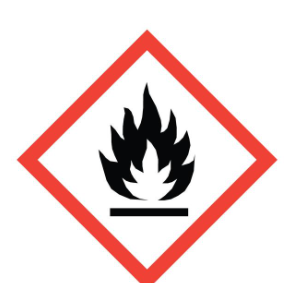
Flame Pictogram
Symbolizes flammability hazard, indicating that the material can continue to burn after exposure to a flame or ignition source.
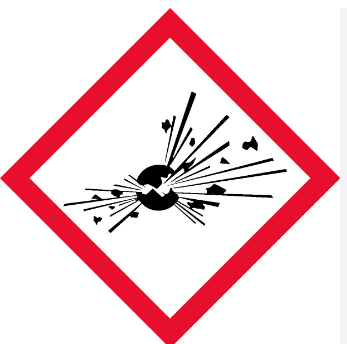
Exploding Bomb Pictogram
Symbolizes explosion hazard, indicating that the material may explode due to fire, friction, heat, etc.
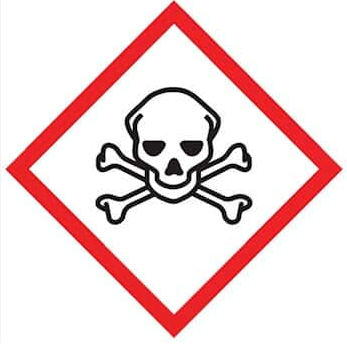
Skull and Crossbones Pictogram
Symbolizes acute toxicity hazard, indicating that the material can cause toxicity and death even in small amounts.
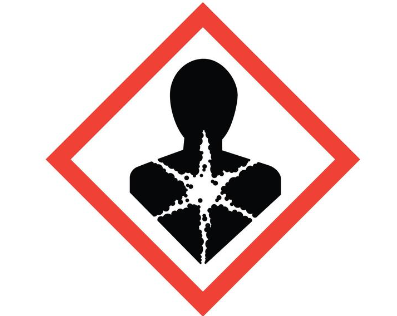
Health Hazard Pictogram
Symbolizes long-term health effects, indicating that the material can cause serious health issues.
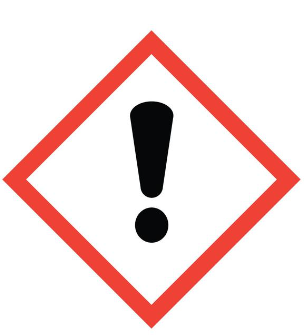
Exclamation Mark Pictogram
Symbolizes harmful hazard, indicating that the material is poisonous and can cause immediate and severe harm.
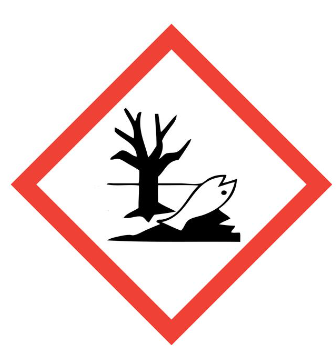
Environmental Effects Pictogram
Symbolizes aquatic environmental hazards, indicating that the material is harmful to aquatic life and can have long-lasting effects on the environment.
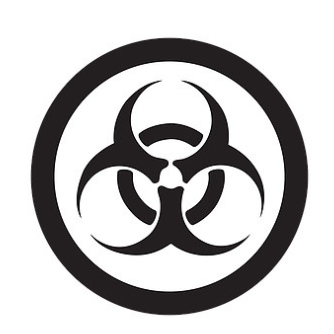
Biohazard Infectious Pictogram
Symbolizes infectious or biological hazards, indicating the presence of infectious agents or biological toxins that can cause death or anaphylactic shock.