meat science
 Call Kai
 Learn
Learn Practice Test
 Spaced Repetition
 Match
Match Flashcards
 Knowt Play
1/75

There's no tags or description
Looks like no tags are added yet.
Name | Mastery | Learn | Test | Matching | Spaced | Call with Kai |
|---|
No analytics yet
Send a link to your students to track their progress
76 Terms
safety
risk of hazard when eating
quality
sensory acceptance
wholesomeness
impact on health
hyperplasia
increased number of muscle cells

hyperplasia occurs …
prior to birth
hyperplasia is __ management
materal
problem with hyperplasia
often causes dystocia
example of hyperplasia
belgian blue cow
is there regulation around hyperplasia?
no
hypertropy
increased muscle cell size (diameter/length)
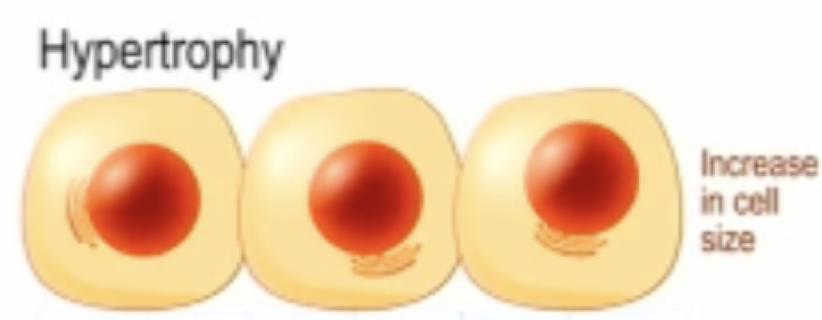
hypertrophy occurs …
after birth (some in-utero)
hypertrophy is __ management
exercise/nutrition
example of hypertrophy (gene)
callipyge gene in sheep
think, dairy cattle = __ & beef cattle __
marathon runners; sprinters
we say muscle when we refer to a …
live animal
we say meat when we refer to a …
carcass
meat
any animal tissues that are suitable for food (skeletal muscle, organ meat)
categories of meat
‘red’ meats aka 4 footed livestock, poultry, fish/seafood, game
esophagus/GI tract is __ muscle
smooth
heart is __ muscle
cardiac
muscle is __ muscle
skeletal
composition of skeletal muscle
75% water, 18.5% protein (varies by species/type), 3% lipids (varies by muscle), 1% carb, 1% inorganic materials (minerals)
muscle → meat processing, immobilization
stunning the animal making it brain dead
muscle → meat processing, exsanguination
bleeding the animal out from the jugular vein & carotid artery; the step where animal truly becomes a carcass; cause of death: blood loss & lack of oxygen
muscle → meat processing, metabolic shift
cells switch to functioning aerobic to anaerobic which leads to a build up of lactic acid
build up of lactic acid leads to
a pH decrease
if the pH were to drop too fast, you get
pale, soft meat
if the pH were to drop too slowly, you get
dark, firm meat
eventually, rigor mortis occurs meaning
no more muscle “sliding”, body is stiff
PSE stands for
pale, soft, and exudative
quality problems for pork
PSE
quality problems for beef
dark cutters
PSE is caused by __ stress due to …
acute; poor animal handling
PSE results in
excessive protein denaturation, poor water-holding capacity, very dry and pale meat
dark cutters result in
limited protein denaturation, exceptional water-holding capacity, dark (ugly) meat, juicy but lacks flavor
quantity (loss) problems are caused by __ and __
they increase when new animal groups are combined due to __ __
this results in __ loss but is not a __ issue
bruising; broken bones
re-establishing dominance
money; food safety
meat is most tender where is the
least locomotion
any meat from __ will be the least tender due to __
limbs; locomotion/strain
livestock cover/deposit fat from __ → __
front → back (head → tail)
principles of meat cutting, separate __ from __
tender cuts from less tender cuts; lean from fatter cuts; thick from thin cuts; valuable from less valuable
small ruminant carcasses are kept __
whole
pork & beef carcasses are kept __
in halves
25% of value is coming from __ & __ parts of the beef carcass
rib; loin
5 main sausage types
fresh
uncooked, smoked
fully cooked (RTE)
luncheon loaves
dry & semi-dry
what characterizes fresh sausage
raw product; must be cooked before consumption
why might fresh sausage be declining in popularity
requires cooking (less convenient), shorter shelf life, higher food safety risk compared to RTE products
uncooked, smoked sausage is more popular in
Europe
what are luncheon loaves
similar to RTE products but made in larger diameter formats (e.g. boneless ham)e
examples of dry & semi-dry sausages
snack sticks, salami, summer sausage
why do dry and semi-dry sausages have long shelf life?
reduced moisture (low water activity) and curing
ingredients added in meat processing
water, salt, phosphate, sweeteners, flavorings, nitrite
why are water & salt added during meat processing
the salt denatures the proteins, allowing them to bind to more water improving the water-holding capacity making the meat more juicy
function of phosphate in meat processing
increases pH, improve water-holding capacity, enhance tenderness and yield
why are sweeteners (e.g., dextrose) added to processed meats?
counteract saltiness, balance flavor, sometimes support fermentation (in dry sausages)
in which products is nitrite used?
cured products (e.g., bacon, ham).
what minerals are in meat
iron & zinc
what B-vitamins are in meat
B1-3, B5, B6, B12
recommended consumption (varies by age group)
5-7 oz. of meat daily (eggs as well)
list the 3 food safety hazards
physical, chemical, biological
examples of physical hazards
glass, plastics, wood, rubber, metal
examples of chemical hazards
allergens, cleaning solutions, mechanical lubricants
examples of allergens
soy, peanuts, wheat, seafood(fish)/shellfish, dairy, tree nuts, eggs, sesame
examples of biological hazards
vacteria, fungus, parasites
danger zone
40-140°F for more than 4 hours (bacteria reproduce)
what are the two main strategies for controlling foodborne illness?
keep microbes out & kill or control the microbes that get in
how do you keep microbes out of food?
good hygiene, proper sanitation, avoid cross-contamination
what is cross-contamination?
the transfer of harmful microorganisms from one surface, food, or person to another (e.g., raw meat to ready-to-eat food).
refrigeration & freezing __ microbial growth but __ kill everything
slow; do not
manage microbial growth through
refrigeration, cooking, proper thawing
safe thawing methods
in the fridge, in cold water, in the microwave
thawing at room temp is
unsafe due to microbial growth
primal cuts of beef
chuck (shoulder), rib (upper mid-back), loin (short loin + sirloin) - lower back, round (hindquarters/rump & thigh), flank (lower belly/abdomen), short plate (lower chest/belly — below the rib), brisket (breast/chest), shank (upper leg — fore & hind)
most important/valuable cuts of beef
rib & loin (+sirloin)
retail cuts of pork
loin → pork chops & tenderloin
belly → bacon
primal cuts of pork
butt (upper front shoulder), loin (back, from shoulder to hip), ham (hindquarters/hind leg), belly (belly), sparerib (lower ribs/side, connected to the belly), picnic (lower front shoulder), jowl (cheek/jaw)
primal cuts of small ruminants (sheep & goat)
shoulder (front leg & shoulder), rack (upper mid-back ribs), loin (lower back, behind the rack), leg (hindquarters/hind leg), breast & foreshank (front lower)

