apush ೀ period 1;
 AP Practice
 Call Kai
1/39

Earn XP
Description and Tags
Name | Mastery | Learn | Test | Matching | Spaced | Call with Kai |
|---|
No analytics yet
Send a link to your students to track their progress
40 Terms
columbian exchange
(sometimes accidental, sometimes purposeful) traded diseases, plants, animals, people, ideas, and resources between africa, europe, & americas
horticulture
form of agri. where people work on small plots of land w/ simple tools
became highly developed in area of present day mexico
important crops
MAIZE (aMAIZEing corn) :3
grown in the area of present day mexico alongside:
protein rich beans, squash, tomatoes, potatoes, & manioc
impact of maize (& other crops)
kept soil fertile
high yields produced surplus food that was stored or traded to neighboring communities
maize provided stable & reliable food source, allowing societies to transition from nomadic hunter-gatherer —> settled agri. communities
stable food supply allowing population growth —> inc. settlement density —> more towns & cities
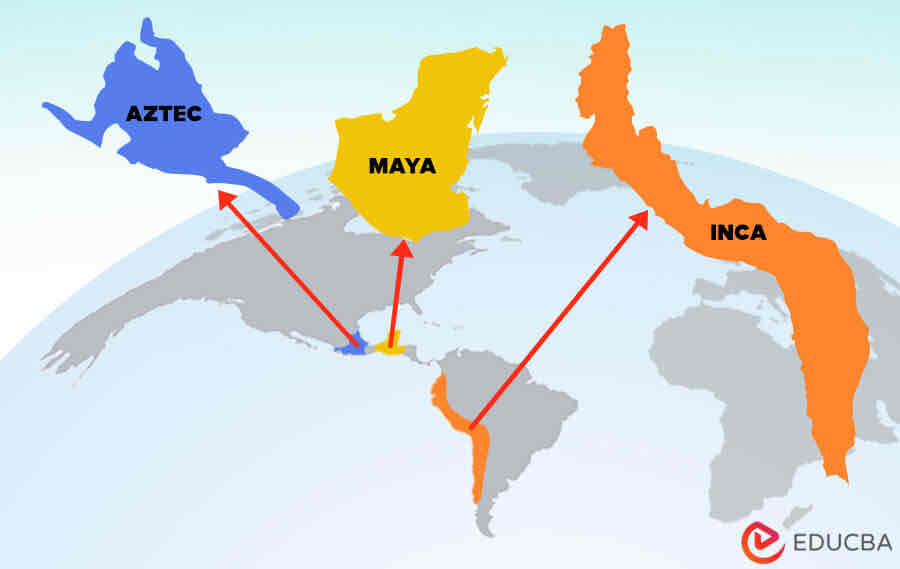
aztecs
1325 C.E. - called themselves “mexica,” & built their capital, tenochtitlan, on the side of present day mexico / mesoamerica
seminomadic warriors
emperor > nobles > commoners
commoners (tilled lands) were ruled by priests & nobles
nobles formed warrior class & owned vast estates
employed serfs & enslaved people captured from non-aztec communities
priests promised fertility but in demand of human sacrifices
created base 20 # system, astronomy
aztecs environment
1325 C.E. - called themselves “mexica,” & built their capital, tenochtitlan, on the side of present day mexico / mesoamerica
used artificial islands
commoners (tilled lands) were ruled by priests & nobles
nobles formed warrior class & owned vast estates
employed serfs & enslaved people captured from non-aztec communities
priests promised fertility but in demand of human sacrifices
created base 20 # system, astronomy
mayans
900 B.C.E. - 300 C.E. —> 800 C.E. ; south of tenochtitlan into yucantan peninsula (mesoamerica)
est. large cities
home to skilled artisans
elaborate systems for irrigation & water storage
farmers worked the fields, building huge stone temples & palaces for rules claiming to be descendants of the gods
ruling elite > commoners > slaves
learned men dev. mathematical calcs, astronomical systs. HIEROGLYPHIC WRITING, & CALENDAR
decline in 800 C.E.
mayans environment
mesoamerica : mexico, guatemala, melize, honduras, el salva - south of tenochtitlan & spread into yucatan peninsula
used advanced farming techniques such as terracing
cultivated maize
traded w/ aztecs
mayans decline
decline around 800 C.E. due to economic crisis
likely due to drought which was worsened by heavy taxation, driving peasant families into interior
towns & religious sites abandoned
some communities survived crisis & reemerged as thriving city-states over centuries
early 16th cen., they were trading w/ aztecs (north)
incas
emerged around andes mountains (peru) along pacific coast from the 13th-16th century (1200s-1500s)
1400s, inca controlled 16mil ppl spread over 350,000 sq. miles
expansive syst. of roads & garrisons to ensure flow of food, trade, & soldiers from capital @ cuzco
called the inca road
nobles > commoners > slaves
like aztec priests, incan priests sacrificed humans to the gods
decimal syst. & zero concept
incas environment
andes mountains in peru along pacific coast
fertile mountain valleys
cultivated potatoes & other crops on terraces
watered by elaborate irrigation syst.
miners dug gold & silver from the mountains & artisans crafted metals into jewelry & decor
cuzco capital - 11k ft. above sea lvl.
pueblo
located in present day new mexico & arizona (above iroquois) sedentary
built permanent multi-story adobe dwellings
adobe bricks made from clay & water to greate small urban centers
around 750 C.E., they were building adobe & masonry homes cut into cliffs
eventually migrated south & constructed large buildings w/ admin officers, religious centers, & craft shops
used advanced irrigation techniq. to survive arid climate of the southwest
eventual drought caused them to disperse into smaller settled groups
ute
great plains & great basin, stretched over enormous desert - now southwestern colorado & southeastern utah - nomadic hunter gatherers who needed a lot of land
chinook
pacific northwest; diverse peoples of different languages & cultures
resource rich region near pacific ocean
ocean resources supported hunters & gatherers as they gave up nomadic life & settled into village life
fish from oceans, elk from forests
worshipped maritime & woodland deities
built ocean-going canoes from cedar
cedars were used by chinook peoples in pac. nw. to build extensive long plank houses
kinship groups
iroquois
north eastern regions; forest & rivers
lived in villages of up to several hundred inhabitants
semi-sedentary villages
built large long houses out of rich forests
women had considerable power !! they elected male village leaders
cultivated maize & vegetables like squash and beans
dependent upon deer hunting & fishing
ritual humiliation of an opponent was more important than killing them
hopewell
500 C.E. ; complex societies in mississippi river valley in south & east
thick forests
cultivated corn - development crop which allowed population to expand
political & religious systems grew under elite rulers
created massive earthworks sculpted in the shape of serpents, birds, & other creatures
huge temple mounds
cahokia ppl est. largest settlement
environmental factors affected them too : deforestation, drought, & perhaps disease
led to mississippian culture to decline overall
renaissance
cultural & intellectual flowering that began in 15th cen italy
spread north throughout late 15th & 16th cen
during this time, european rulers pushed for greater political unification of their states —> influenced the investment to expand into americas
missionaries
ppl who travel to foreign lands w/ the goal of converting those they meet & interact w/ to a new religion
used by spain & portugal to bypass trade routes blocked/controlled by italian & muslin rivals
missionaries & explorers would travel & bring back trade goods, knowledge of astronomy, shipbuilding, mapmaking, & navigation
henry the navigator
hoped to find passage to india via atlantic ocean - gathered information from astronomers, geographers, mapmakers, and craftsmen in the arab world
recruited italian cartographers and navigators along w/ portuguese scholars, sailors, and captains
efforts aimed at exploration, observation, shipbuilding, and long-distance trade that revolutionized europe
caravels
under henry, portuguese developed caravels
small and swift sailing ship invented by the portuguese during 15th cen.
vessels with narrow hulls and triangular sails effective for navigating the coast of west africa
astrolabe
navigation instrument; invented by greek astronomers & sailors for navigation or astrological problems
featured triangular lateen sail - originally an arab invention
inquisition
religious judicial institution designed to find and eliminate beliefs that didn’t align with official catholic practices
first est. in 1478
french relations with native americans
mainly interested in trade
often intermarried w/ native americans for alliances and trade benefits
france is also catholic !!
did the LEAST harm to native americand
religion in native american culture after european settlement
created a hybrid religion mixing catholicism with their own religions, resulting in a local unique religion combining both aspects