ETHICS
 Note
Note Call Kai
 Learn
Learn Practice Test
 Spaced Repetition
 Match
Match Flashcards
 Knowt Play
1/49

There's no tags or description
Looks like no tags are added yet.
Name | Mastery | Learn | Test | Matching | Spaced | Call with Kai | Chat |
|---|
No analytics yet
Send a link to your students to track their progress
50 Terms
Pythagoras
Greek philosopher made three types of man and superior type man
Philosophy
The science of all things by their first causes as known in light of reason
Philosophy as Science
Seeks to acquire the knowledge of the causes of things
Philosophy as a Science of All Things
Deals with concrete, real, contingent things
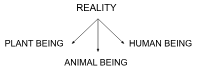
Metaphysics
Study of reality, beings, and being
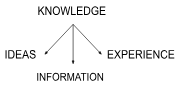
Epistemology
Study of human knowledge
Ethics
Study of the morality of human act
The scientific inquiry into the principles of morality
a branch of philosophy dealing with actions and values relating to human conduct
(rightness and wrongness of actions, goodness and badness of motives and ends of such actions)
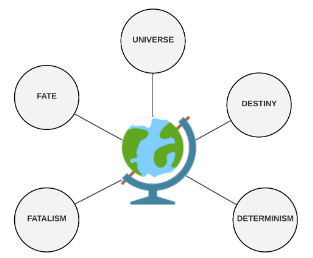
Cosmology
Study of the universe
Human Reason
To acquire knowledge, understand the world, and know the nature of things
Goal of Philosophy
The truth
Morality
The quality of goodness or badness in a human act
Human Acts
Acts that proceed from the deliberate free will of man
SOCRATES
“the unexamined life is not worth living”
PLATO
“ethics is the supreme science”
“the apex in the hierarchy of human values”
ultimately concerned with the greatest attachment of life’s greatest good and goal - HAPPINESS
Ethos (Greek)
Fundamental character and spirit of culture.
Custom (Latin)
is mos, pl. mores (LATIN)
MORES is the equivalent of ETHOS
from MORES, we derive the terms amoral and morality
ETHICS is also called MORAL PHILOSOPHY
Ethics and logic
Right thinking leads to right living.
“to think right, is to do right”
Ethics and Psychology
Study of human behavior.
Ethics and Sociology
PROPER CONDUCT
observing moral laws and principles.
Ethics and Law
RULE OF CONDUCT ARE INTERPRETATIONS & PRODUCTS OF NATURAL MORAL LAW
Ethics and Education
Develops moral and intellectual aspects.
WHOLE HUMAN PERSON
Moral Concepts
Morality
Human Acts
Reason
Right
Natural Law:
Reason
Evaluates ethical theories and moral value.
Right
Conforms to norms of morality, morally good.
Natural Law
Imposes obligations on humans.
Components of Natural Law
Subject
Term
Title
Subject (Components of Natural Law)
Possessing the right.
Term (Components of Natural Law)
Bound to respect the right.
Title (Components of Natural Law)
Reason for having a right
Right vs. Might
All have moral obligations.
Rights safeguard against abuse of might.
Essential Elements of Human Acts
Knowledge
Freedom
Voluntariness
Knowledge
a human act proceeds from the deliberate will
every human act required DELIBERATION
Deliberation
advertence or knowledge in intellect of what an act is about and what this means
Will
Chooses guided by intellectual knowledge.
Freedom
Acts not bound by restrictions.
An act determined (ELICITED or COMMANDED) by the will
the ability of a man to ACT in accordance with his/her WILL, not bound by RESTRICTIONS or COMPULSIONS so the he/she can shoes from the ALTERNATIVES that are available to satisfy his/her PREFERENCE and initiate an action to accomplish his desired GOAL
Voluntariness
a human act must be voluntary (WILL-ACT)
the formal essential quality of the human act
an act becomes a will-act if there is knowledge and freedom
Modifiers of Human Acts
Ignorance
Concupiscence (Passion)
Fear
Violence
Habit
Ignorance
Absence of intellectual knowledge.
Concupiscence (Passion)
affects the voluntariness of an action
Fear
the shrinking back of the mind from danger
the agitation of the mind brought about by the apprehension of impending evil, which may or may not exist
Violence
an external force applied by a free cause
it cannot reach the will directly. it may force bodily action, but, the will is not controlled by the body
Habit
a disposition according to which is disposed as either well or ill-disposed, and either in itself or with reference to something else (thomas aquinas)
they are destroyed either by disuse or by contrary acts
a quality difficult to change
good moral habits are virtues; morally evil habits are vices