ETHICS
PYTHAGORAS - greek philosopher
3 TYPES OF MAN
a lover of pleasure
lover of success
lover of wisdom
PHILIA - love
SOPHIA - wisdom
PHILOSOPHY - the science of all things by their first causes as known in light of reason
PHILOSOPHY AS SCIENCE - it seeks to acquire the knowledge of the causes of things
CERTITUDE - the natural resort of knowing not only the facts-(what of things) but also their causes-(why of things)
PHILOSOPHY AS A SCIENCE OF ALL THINGS - it deals with CONCRETE, REAL, CONTINGENT THINGS.
- We make use of abstract concepts in philosophy to aid us in our understanding of concrete things.
LIGHT OF REASON - seeks the first causes of things as far as they can be rationally established by the human mind unaided by divine revelation
MAJOR BRANCHES OF PHILOSOPHY
METAPHYSICS - study of reality. beings and being

EPISTEMOLOGY - study of human knowledge

ETHICS - study of the morality of human act
- to steal an apple is MORALLY WRONG
- to give an apple to a hungry person is MORALLY RIGHT
LOGIC - science of correct reasoning
all stars are heavenly bodies; Angel Locsin is a star; Therefore, Angel Locsin is a heavenly body.
(FALLACY, INCORRECT REASONING AND ILLOGICAL)
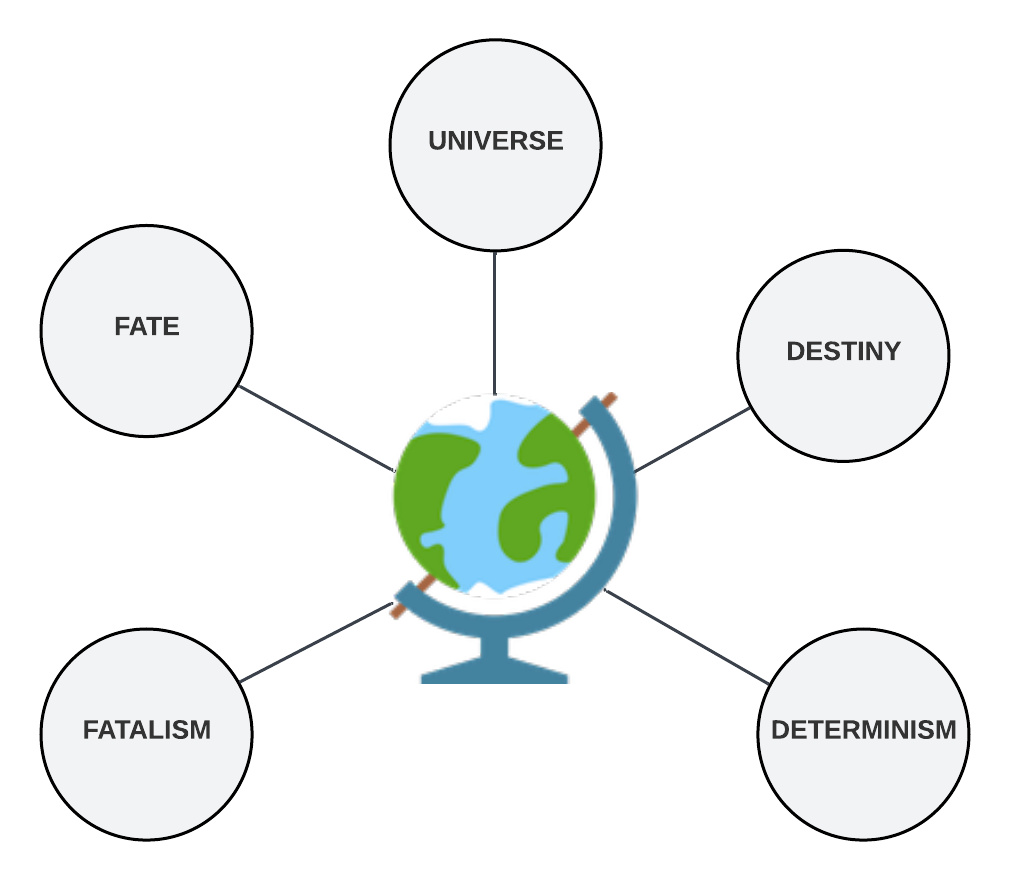
COSMOLOGY - study of the universe
THEODICY - study of God
METHOD OF PHILOSOPHY
HUMAN REASON - to acquire knowledge
- to understand the world
- to know the nature of things
GOAL OF PHILOSOPHY - the truth
ETHICS | |
|---|---|
EXAMINE | INVESTIGATE |
ACTIONS | MEANING |
PROBLEMS | PURPOSE OF LIFE |
EXPERIENCE | |
ASPIRATIONS | |
DESTINY | |
SOCRATES - “the unexamined life is not worth living”
PLATO - “ethics is the supreme science”
- “the apex in the hierarchy of human values”
- ultimately concerned with the greatest attachment of life’s greatest good and goal - HAPPINESS”
ETHOS (GREEK) - the fundamental character and spirit of a culture and customs.
CUSTOM is mos, pl. mores (LATIN)
MORES is the equivalent of ETHOS
from MORES, we derive the terms amoral and morality
ETHICS is also called MORAL PHILOSOPHY
ETHICS - the scientific inquiry into the principles of morality
- a branch of philosophy dealing with actions and values relating to human conduct
- (rightness and wrongness of actions, goodness and badness of motives and ends of such actions)
ETHICS ↓ | LOGIC ↓ |
|---|---|
RIGHT LIVING | RIGHT THINKING |
↳“to think right, is to do right”↵ | |
ETHICS ↓ | PSYCHOLOGY ↓ |
|---|---|
HUMAN ACT | HUMAN BEHAVIOR |
↳STUDY OF MAN↵ | |
ETHICS ↓ | SOCIOLOGY ↓ |
|---|---|
MORAL ORDER | HUMAN RELATIONS IN SOCIETY |
↳PROPER CONDUCT↵ OBSERVING MORAL LAWS AND PRINCIPLES | |
ETHICS ↓ | LAW ↓ |
|---|---|
MORALITY | ESTABLISHED BY CONSTITUTED AUTHORITIES |
↳RULE OF CONDUCT ARE INTERPRETATIONS↵ & PRODUCTS OF NATURAL MORAL LAW | |
ETHICS ↓ | EDUCATION ↓ |
|---|---|
| |
↳WHOLE HUMAN PERSON↵ | |
THE IMPORTANCE OF THE STUDY OF ETHICS
- helps every student to know the meaning and internalize ETHICAL or MORAL PRINCIPLES
- students should understand and uphold MORAL STANDARDS
- seeks to inculcate among men the TRUE VALUES of living a GOOD LIFE
- guide students to commit in RIGHT LIVING and pursue the development of GOOD MORAL CHARACTER
ETHICS AND FUNDAMENTAL CONCEPTS
MORALITY - the quality of goodness or badness in a human act
- humans pass judgment on the morality of human actions
- “what he did was wrong” “what he did was right”
- “his behavior was rude” “she is not morally justified in doing such an act”
HUMAN ACTS - an act which proceed from the deliberate free will of man
- human acts are proper to man because she/he is a rational being and responsible for his/her acts
REASON - “the good life is the life of reason”
- the power to evaluate various ethical theories
- the faculty to judge the moral value of the actions & theories
RIGHT - how do we know when reason is right?
- that which squares with the norms of morality (MORALLY GOOD)
- the moral power to do, omit, hold or exact something
- limited by DUTY (the moral necessity to do or omit something
- generally considered what is JUST
- NATURAL RIGHTS are deducted from NATURAL LAW.
NATURAL LAW - imposes OBLIGATIONS on man who must have MORAL POWER to fulfill them and prevent others from interfering with this fulfillment
THREE COMPONENTS
SUBJECT - the one possessing the right
TERM - the one bound to respect the right
TITLE - the reason why this person has a right to these things
RIGHT vs MIGHT
- all human beings have moral obligations
- rights are our moral safeguard against abuse of might
- rights concerning external matters due in justice imply the right to use might in their defense or recovery
CONSCIENCE
- the sense of what is right or wrong in one’s conduct or motives impelling one toward right action
- the intellect as the ability to form judgements about right and wrong of individual acts
- the process of reasoning that the intellect goes through to reach such judgment
- the judgment itself, which is the conclusion of this reasoning process
ESSENTIAL ELEMENTS OF HUMAN ACTS
KNOWLEDGE, FREEDOM, VOLUNTARINESS.
KNOWLEDGE
- a human act proceeds from the deliberate will
- every human act required DELIBERATION
DELIBERATION - advertence or knowledge in intellect of what an act is about and what this means
WILL
- blind faculty
- it cannot choose unless it sees to choose the light, the power to see, is afforded by the intellectual knowledge
FREEDOM
- an act determined (ELICITED or COMMANDED) by the will
- the ability of a man to ACT in accordance with his/her WILL, not bound by RESTRICTIONS or COMPULSIONS so the he/she can shoes from the ALTERNATIVES that are available to satisfy his/her PREFERENCE and initiate an action to accomplish his desired GOAL
VOLUNTARINESS
- a human act must be voluntary (WILL-ACT)
- the formal essential quality of the human act
- an act becomes a will-act if there is knowledge and freedom
IGNORANCE, CONCUPISCENCE (PASSION), FEAR, VIOLENCE, HABIT.
IGNORANCE
- the absence of intellectual knowledge in man
a young freshman who committed ten consecutive absences in a month, not knowing that his action is a violation if the university rules | ignorance of law is ignorance of existence of a duty, rule or regulation |
|---|---|
a motorist who knows the speed limit when driving, but, unknowingly, violates it because of an inaccurate speedometer | ignorance of fact is ignorance of the nature or circumstances of an act as forbidden |
will ignorance excuse a person from the unforeseen circumstances | ignorance neither lessen nor destroys the responsibility |
CONCUPISCENCE (PASSION)
- affects the voluntariness of an action
a man kills another due to intense anger | the consequences of concupiscence neither lessen nor destroy the responsibility |
|---|
FEAR
- the shrinking back of the mind from danger
- the agitation of the mind brought about by the apprehension of impending evil, which may or may not exist
a girl did not tell the truth because she was afraid to be embarrassed in front of her barkadas | the consequence of fear neither lessen nor destroy the responsibility |
|---|
VIOLENCE
- an external force applied by a free cause
- it cannot reach the will directly. it may force bodily action, but, the will is not controlled by the body
HABIT
- a disposition according to which is disposed as either well or ill-disposed, and either in itself or with reference to something else (thomas aquinas)
- they are destroyed either by disuse or by contrary acts
- a quality difficult to change
- good moral habits are virtues; morally evil habits are vices