RELI 1002 Test 1 Hinduism
 View linked note
 Call Kai
 Learn
Learn Practice Test
 Spaced Repetition
 Match
Match Flashcards
 Knowt Play
1/94

There's no tags or description
Looks like no tags are added yet.
Name | Mastery | Learn | Test | Matching | Spaced | Call with Kai | Chat |
|---|
No analytics yet
Send a link to your students to track their progress
95 Terms
Dharma
Duty/ righteousness
Karma
action and its consequences
Samsara
cycle of birth, death, and rebirth
Brahman
Nature of ultimate reality
Indus Valley Civilization:what are they known for?
Innovative indoor plumbing; standardization with bricks.
Indus Valley Civilization: what year was peak?
ca2500-1500BCE
Indus Valley Civilization: what year was decline?
ca1500-600BCE
conceptual continuity
Share understanding of diversity of schools under known fundementals
What Is hinduism?
great variety of beliefs originated from the subcontinent India
Vedas (Shruti)
Considered the oldest sacred text, that is revealed, not composed by humans
Vedas
contain hymns (samhitas), ritual prayers
Brahmanas
rituals and ceremonies; symbolic meaning
Aranyakas
forest treaties; for contemplation and meditation
Upanishads
the nature of reality; the study behind it
4 main vedas
Rigveda, Samaveda, Yajurveda, Athraveda
Rigveda
oldest of the vedas
consists of hymns (skutas)
addressed to various deities (Agni (fire), Indra (King of gods) )
ritual and theology
Samaveda
consist of verses taken from Rigveda
for music and chants
Melodies used in ancient vedic rituals
Yajurveda
i. provide instruction and formulas for performing rituals and sacraficies
Shakla- white
Krishna - Black
The atharaveda
contains hymns, incantations and spells for various purposes
healing, protection, etc..
reflects worldy aspect of vedic culture
Aryan
noble one practiced fire rituals (Yajña)
Guru
Teacher
Veda
Sacred knowledge
composed and systematized from ca-1500 to 600 BCE
Vedic Deities elemental
agni- fire god
suiya- sun god
4 vedas- R.A.S.Y
term that helps me learn vedas
Tat tvam asi
You are that or thou art that
samsara
worldy existence- cycles of birth and death
Karma
cause and effect
Moksha
self relalization
connection between atman and brahman/liberation from samsara
Mantra
set of syllables-pronuciations repeated in decoration to a particular diety
Puja
personal prayer- becomes important after prominence
prasada
food presented to a diety
Shruti
heard or divinly revealed
smrti
formed after shruti
Yoga
practice and discipline
mental concentration
Dharma
religous duty
Sutras
discourse in religion
Indian caste system (BKVS)
Brahmin, Kshatriya, and Vaishya are twice born groups
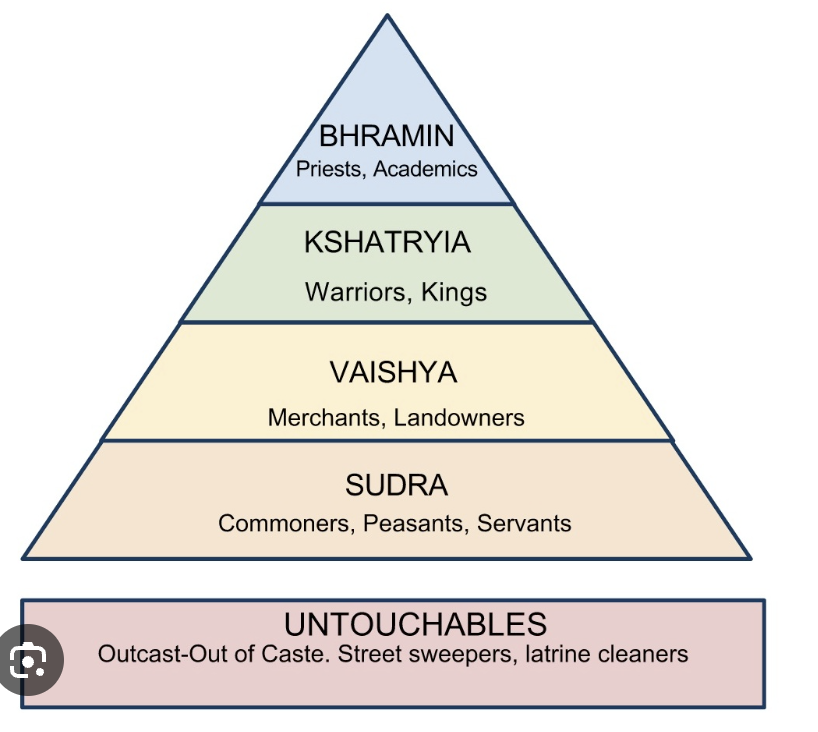
varna
= caste
Avarna
casteless
Dhamarashtra
Treaties regarding the nature of rightousness
4 stages of life (BGVs)
Brahmancharya (student hood)
Grihastra(house holder)
Vanaprasta (retire)'
Sanyasa (reunication)
4 aims in life(DAKM)
Dharma - social duties
Artha - prosperity
Kama- pleasures of life
Moksha (liberation from cyle of birth and death)
time in hiduism STDK
Cycle
Satya Yuga
Theta Yuga
Dvapara Yuga
Kali Yuga
Satya Yuga
lasting 1,728,000 years
age of truth and rightousness
virtue, honesty and peity
people possess harmony
Theta Yuga
last 1290000 years
marked by a gradual decline in human morality
Dvapara Yuga
last for 864,00 years
further decline in moral values and rightousness
people became more egostic
era of greed
Kali Yuga
shortest yuga, lasting 432000, age of darkness, we are living in this era
Male dieties BVM
Brahma= creator
Vishnu= sustainer
followers known as Vanishnara
Mahesh (Shiva)
destoyer; followers known as Shaiva
Female deities
Shakti(devi) = power
follower known as Shakta
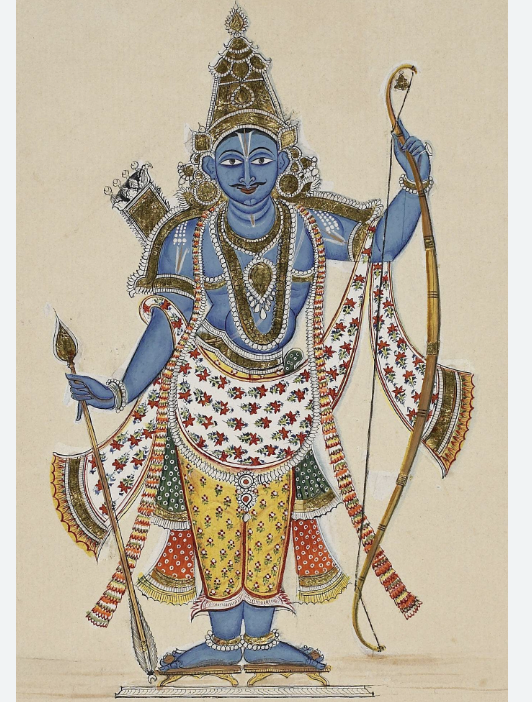
how does Vishnu look like?
Rama and krishna are avatars of Vishna
Rama
archer, decipted as stern
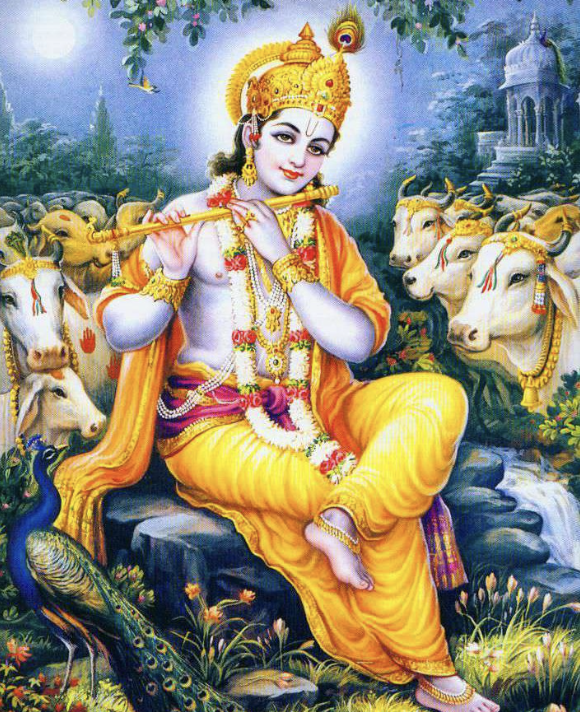
Krishna
cow herder, and a charioteer in Makbharta
playful scenes , always playing the flute
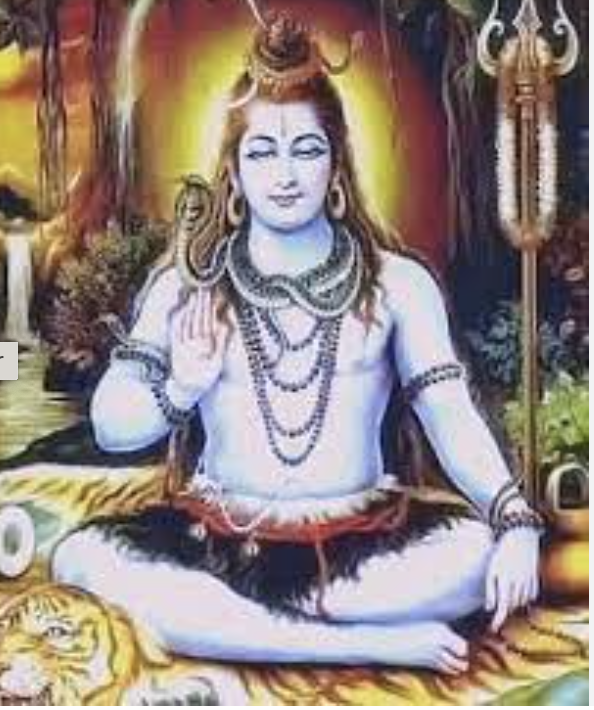
Shiva
buffalo with trident
2 epics
Ramayana
Mahabharta
both relate to Vishnu
both center around family fueds
accessable to anyone
Ramayana
7th avatar
story of prince rama as he wanted to save his wife
reflection of hindu ideals
Diwali(?)
Mahabharta
8th avatar of Krisha
conflict between 2 groups of cousins
pandavas and the kaufavds
over the throne hastinapura
explore dharma (duty), game of dice that that the good family is decieved
Navartiri
divine femimine energy
victory for the win of light
Bhagvad Gita
dialouge in the Mahabharta
between prince arjuna and lord krishna who serves as his charioteer whether to kill his kin
told him he must hes a warrior
3 paths to liberation
Jnana Yoga (knowledge)
Karma Yoga( action)
Bhakti Yoga (devotion)
Jnana Yoga
path of knowledge and wisdom is self inquiry
discriminating between the eternal and temporary true nature of self (atman)
can overcome ignorance (avidya)
Karma Yoga
selfness action and service
should engage in actions that are prescribed by their duties (dharma) without personal growth
Bhakti Yoga
path of devotion and love for the divine
deep relationship with God
Ganesha
Mom (parvati) prayed for a son and got it, the son protected his mom and not knowing who his dad was didn’t let him in, so his dad, Shiva, killed him with his trident, lord brahman said to get an elephant head
Navratri
Nine(nava) and ratri(nights)
devi is mainly celebrated
sept to oct
bettles used to use
raga, alap key scent + raga are established
What are some approaches to Study of Religion
Historical/ Comparative
Phenomenological
The study of religion should be empirical, descriptive, historical, and anti-reductionis
Empathetic
James Frazer wrote a book of myths
term
Micrea Eliade was a big contributor to the study of religion, he blended 2 majors in his approach: first, the history of religions to clarify the factual side and then the phenomenology of religions to reflect intuitively the essence of religion by comparing there themes
term
Materialistic perspectives on religion
Freud gives 3 excerpts that humans invented religion
The future of an Illusion
Says that religion is an unconscious search for security in a father figure projected into the heavens
Looking for protection as a Father
Moral world order, divine, they say its just an illusion
Friedrich Max Muller(1823-1900)
Grandfather’ of comparison of world religions
He knew a bunch of languages as he compiled sacred books of the East including Hindu, Buddhist, Chinese, and Muslim text
The sciatica was stolen from the Egyptian
tema
The great Bath at Mohenjo-daro
The textbook mentions the bath house either as a ritual center or a place for procreation
The way they made bricks was different compared to each other
They knew how the hydraulics worked- water therapeutic
Composition of epics and puranas
500BCE-1000CE
2 towns that had good relationships with one another and shared many things
Mohenjo Daro and Harappa
The Great Bath 1750 BCE
This is basically where Hindu started
vedas are
meant for those in elite power
6 systems of Indian Philosophies
Sanhkya(number, enumeration)
Deeper philosophy
Yoga (paired with Sanhkya)
Discipline, joining
Nyay
Rule, logic
An influence of algo
Vaisheshika(relationship with Nyay)
Distinction, characteristics
Mimamsa
Investigation with absolute reality
Vendeanta
Means the culmination of the veda
Hindu Pantheon
Supposedly 33 million gods and goddesses
There are 4 main manifestations of divinity 3 male and 1 female
Brahma- creator
Vishnu- sustainer
Shiva - Destroyers
4 alls holding items (Chakra is important)
Brahma vehicle
His vehicle( Vahana) is Swan, has 4 heads
Most commonly held objects are pothi(book) and rosary and others change with context
Vishnu Vehicle
Vahana (vehicle) is Garuda (eagle)
Most common held objects are conch, lotus (generally red), mallet and discus
Vishnu has 10 avatars
Purana
Comes under the sub- shurti
Gods exist in human form
Creation story of humans
Canonical texts lay the foundations of deities
Churning of the comic ocean, also created poison that could have ended all life
Poison was consumed by Shiva to protect the creation from destruction
This led Shiva’s complexion to turn blue (the poison was held in his throat, thus one of his names is Neelkanth)
Shiva vehicle
Vahana(vehicle) is bull, humped bull or Zebu
most represented with the 3rd eye
The most commonly associated objects are the trident, damru(hourglass-shaped drum) water pot, moon crescent in hair, clad with animal skin and necklace and armlets of snakes(spectacled cobras)
Shakti/Devi/Durga
9 different forms
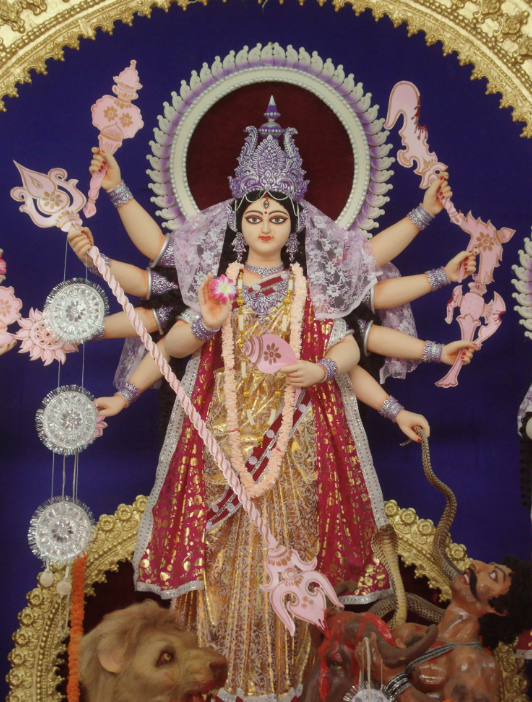
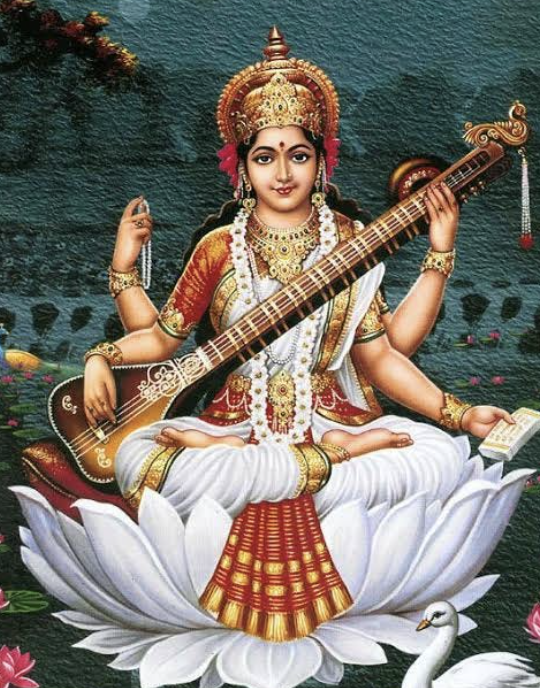
Sarasvati
Vahana (vehicle) is mostly a swan some representations have a peacock
holds a book (pothi) or a veena
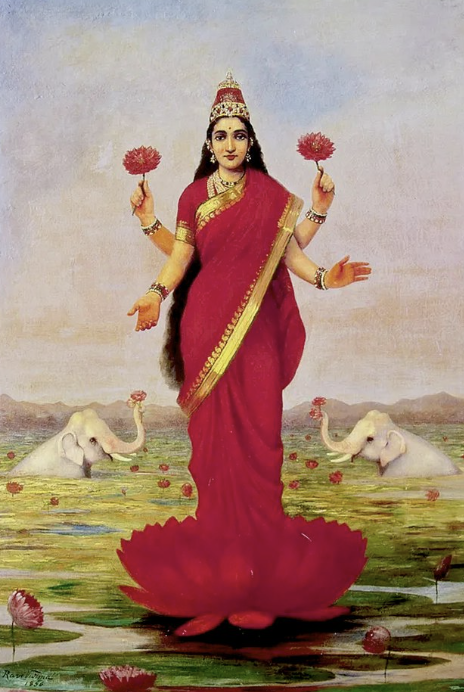
Lakshmi
Generally single headed, wearing a red sari
Cross legged seated on a red lotus
Four armed, a pair holding two red lotuses and other pair emanates gold coins
Pair of elephants with pots pouring water
Stages of Life, according to Dhamrmashtra
Ashrams “Stages of life”
Brahmacharya ”student life”
Grihastha “family man”
Girth- means home
Vanaprastha “forest dweller”
Sanyasa “renunciate- retired”