neurological disease breakdown
 Studied by 0 people
 Call Kai
 Learn
Learn Practice Test
 Spaced Repetition
 Match
Match Flashcards
 Knowt Play
1/35

There's no tags or description
Looks like no tags are added yet.
Name | Mastery | Learn | Test | Matching | Spaced | Call with Kai |
|---|
No analytics yet
Send a link to your students to track their progress
36 Terms
Seizure
Abnormal electrical activity in the brain
Causes temporary loss of normal brain function
Can start in one area (focal) or whole brain (generalized)
Tonic-Clonic (Grand Mal)
Loss of consciousness
Tonic phase → stiff body
Clonic phase → jerking movements
Cyanosis, drooling, incontinence
Postictal phase: confusion, sleepiness, headache
Absence Seizure
Blank stare
Lasts seconds
No postictal confusion
Common in children
Focal Aware
Alert and aware
Tingling, odd smells/tastes, déjà vu
Focal Impaired Awareness
Altered consciousness
Lip smacking, picking at clothes
No memory of event
Status epilepticus meds
IV lorazepam or diazepam FIRST
STATUS EPILEPTICUS
Seizure >5 minutes
Or multiple seizures without recovery
Can cause brain damage & death
Airway + IV benzodiazepines (Lorazepam , Diazepam) are priority
Antiseizure meds (long-term control)
phenytoin, valproic acid, carbamazepine, levetiracetam
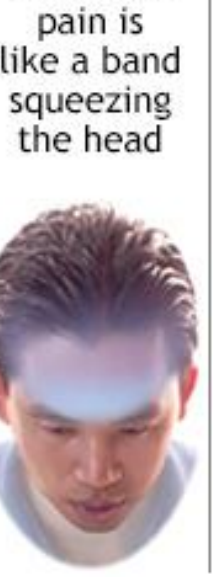
TENSION HEADACHE
Most common headache
Caused by muscle tension + stress
Tight, band-like pain
Both sides of head
No nausea or aura
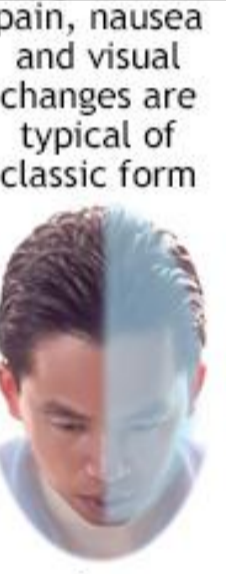
MIGRAINE
Neurovascular headache
Often unilateral & throbbing
Nausea, vomiting
Light & sound sensitivity
MIGRAINE treatment
Triptans
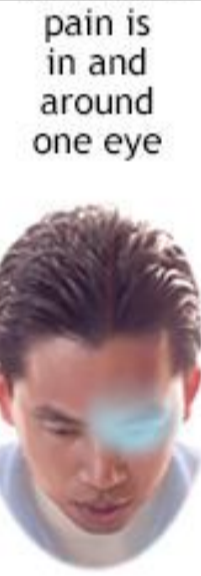
CLUSTER HEADACHE
Worst headache pain
Occurs in clusters
Mostly men
Severe pain around one eye
Tearing, runny nose, droopy eyelid
cluster headach treatment
100% OXYGEN (first-line treatment)
Avoid alcohol during cluster period
MULTIPLE SCLEROSIS
Autoimmune demyelination of CNS
Relapsing–remitting
PARKINSON’S DISEASE
Loss of dopamine
Remember TRAP
Tremor
Rigidity
Akinesia/bradykinesia
Postural instability
Parkinson disease treatment
levodopa/carbidopa on time
Small frequent meals
Speech & swallow safety
MYASTHENIA GRAVIS
Autoimmune destruction of ACh receptors
Weakness worsens with activity
descending weakness
Starts with eyes & face (ptosis, diplopia)
Moves downward to arms, legs, breathing muscles
MYASTHENIA GRAVIS intervention
Nursing Priority
🚨 AIRWAY
Keep suction & trach kit at bedside
Give meds on time
Schedule activity when strongest (morning)
GUILLAIN-BARRÉ SYNDROME
Ascending paralysis
Often after infection
Starts in feet/legs
Moves upward toward lungs
GUILLAIN-BARRÉ SYNDROME intervention
Nursing Priority
🚨 RESPIRATORY FAILURE
Monitor breathing closely
Prepare for ventilatory support
Autonomic instability common
BELL’S PALSY
Facial nerve inflammation
Usually temporary
BELL’S PALSY intervention
Nursing Focus
👁 Eye protection
Artificial tears
Eye patch
Steroids early
ALS (Amyotrophic Lateral Sclerosis)
Motor neurons degenerate → muscles can’t get signals → progressive paralysis.
Key S/S:
Muscle weakness + atrophy, fasciculations
Dysarthria (slurred speech), dysphagia
Later: respiratory failure
Sensation/feeling stays intact (they can feel pain/touch)
Cognition often okay
TRIGEMINAL NEURALGIA
severe facial nerve pain
NOT muscle weakness
Affects Trigeminal nerve (CN V)
Sudden, stabbing, electric-shock pain
One side of the face
Triggered by:
Chewing
Talking
Brushing teeth
Light touch
TRIGEMINAL NEURALGIA intervention
Pain control (anticonvulsants like carbamazepine)
Soft foods
Avoid triggers
Emotional support (pain can be debilitating)
Tension
cluster
migrane
Bell’s Palsy diagnostic
Clinical diagnosis
WHAT THE FACE TELLS YOU
One side droops
Can’t wrinkle forehead on affected side
Can’t close one eye
Mouth droops on one side
Think: “FACE ONLY, ONE SIDE”
Myasthenia Gravis diagnostic
Droopy eyelids (ptosis)
Double vision
Facial expression fades with talking or chewing
Looks worse later in the day
Think: “TIRED MUSCLES”
Seizure diagnostic
EEG (electroencephalogram)
CT or MRI of the brain
MYASTHENIA GRAVIS diagnostic
(Tensilon) test Short-term improvement confirms it
EMG: Decreased response to repeated stimulation
GUILLAIN-BARRÉ SYNDROME diagnostic
electrolytes, liver function, CPK, ESR
• CSF analysis: Increased protein
. • Nerve Conduction Studies (NCS): Helps diagnose subtype.
TRIGEMINAL NEURALGIA diagnostic
MRI of the brain
Rules out tumors or vascular compression
BELL’S PALSY diagnostic
Imaging: MRI or CT scans may be performed to rule out other causes of facial nerve paralysis.
• Electromyography (EMG): Can be used to assess the extent of nerve damage and prognosis
Multiple Sclerosis diagnostic
MRI: plaques, inflammation, atrophy
•CSF analysis: ↑ IgG, oligoclonal bands
•Evoked potentials: delayed responses (vision/hearing)
 Note
Note  Flashcards (27)